


EXO-TECH is a dynamic collective of musicians brought together by musical director Sophia Brous and vocalist Kimbra to experiment in real time, blending styles and talents in unexpectedly brilliant ways.
D’Addario invited us to Surround Sound, their free, ticketed event at Chelsea Studios NYC, supporting local musicians and the institutions that keep the culture moving forward. It offered a warm, vibrant refuge from a rainy Thursday evening. While the streets outside felt gray and uninviting, inside the room filled with energy as guests arrived, trading handshakes, introductions, and the occasional hug, undeterred by the storm.
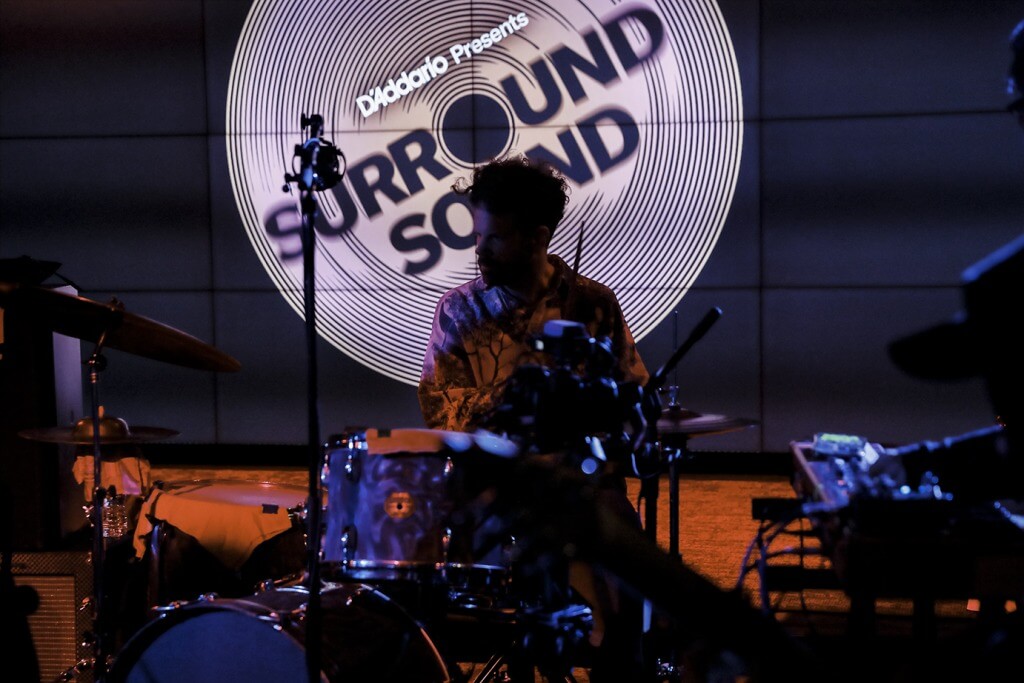
Low, moody lighting cast a warm glow while lo-fi music hummed quietly in the background. Clusters of guests gathered in small pockets, balancing drinks while scanning the room for familiar faces or new collaborators.
There was a subtle electricity in the air, the unmistakable tension of a room waiting for something to begin. Some guests spoke in animated bursts, while others leaned closer, their voices dropping to a near whisper as they shared quick thoughts before the show. Every so often, someone glanced toward the performance area, as if checking whether the music might start at any moment. The rain continued outside, but inside Chelsea Studios the mood was anticipatory, a mix of warmth, curiosity, and the quiet excitement that came just before the first note.
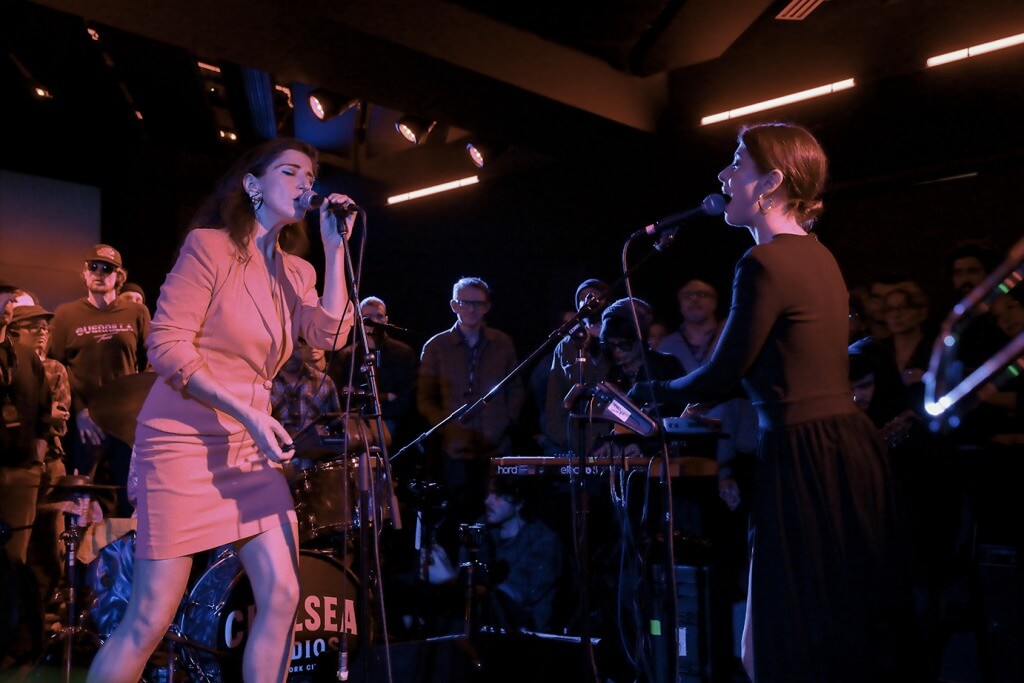
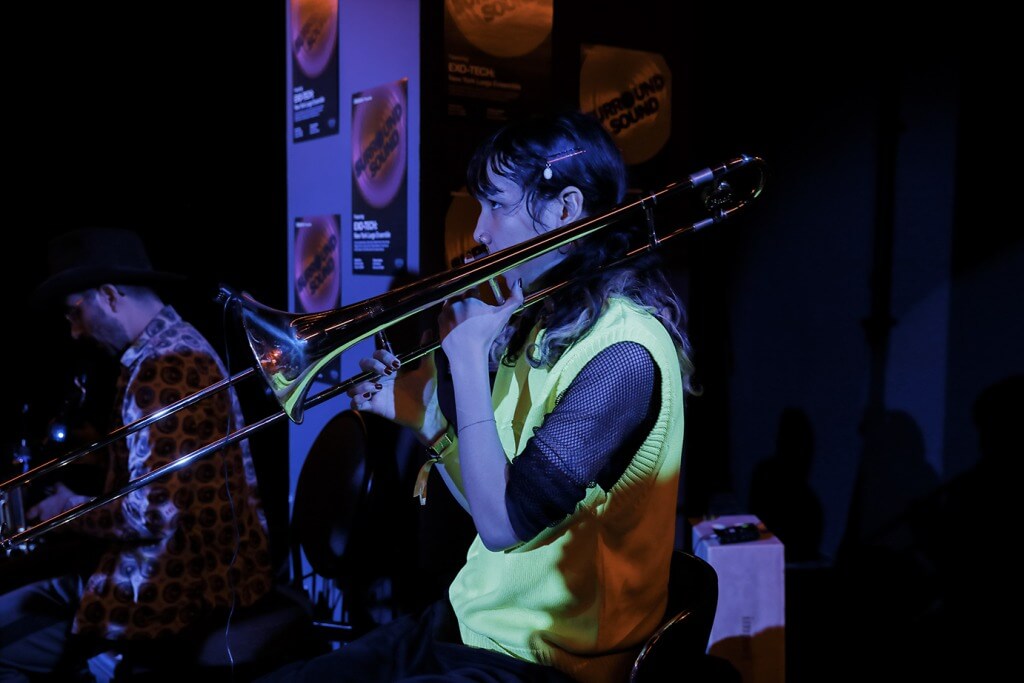
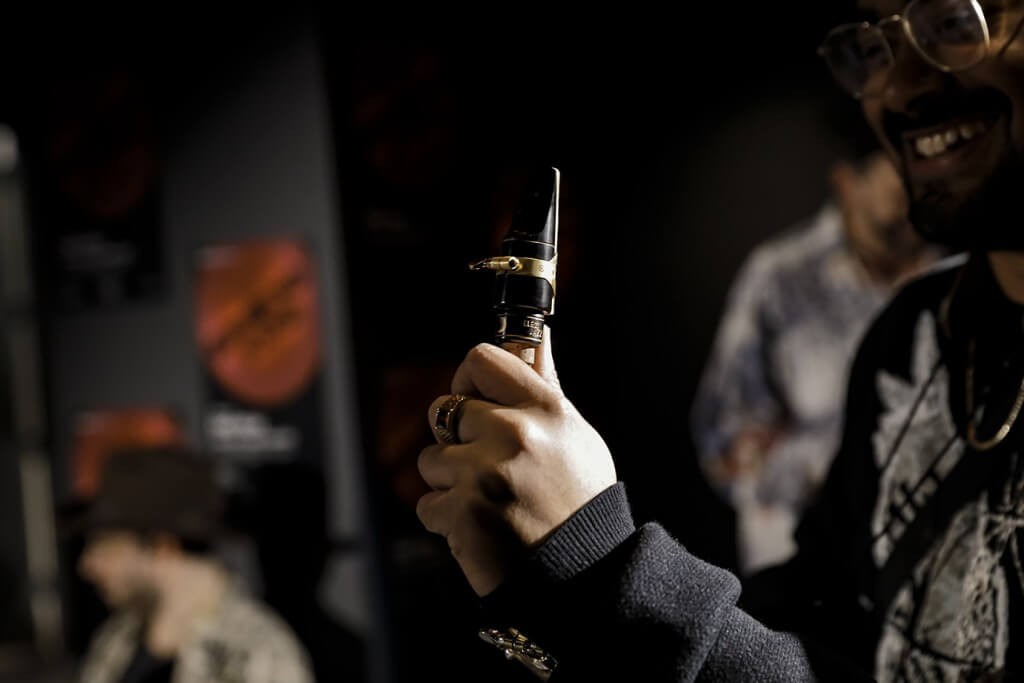
The ensemble brought together an eclectic lineup: vocalists Sophia Brous and Kimbra, guitarist Nels Cline alongside Mike Haldeman, saxophonist Alfredo Colón, and genre-fluid multi-instrumentalist Morgan Guerin. Bassist Henry Fraser and drummer Jeremy Gustin provided the rhythmic backbone, while Yuka Honda and Paul Wilson Bae shaped the sound from the keys. Jazz trombonist Kalia Vandever rounded out the collective.
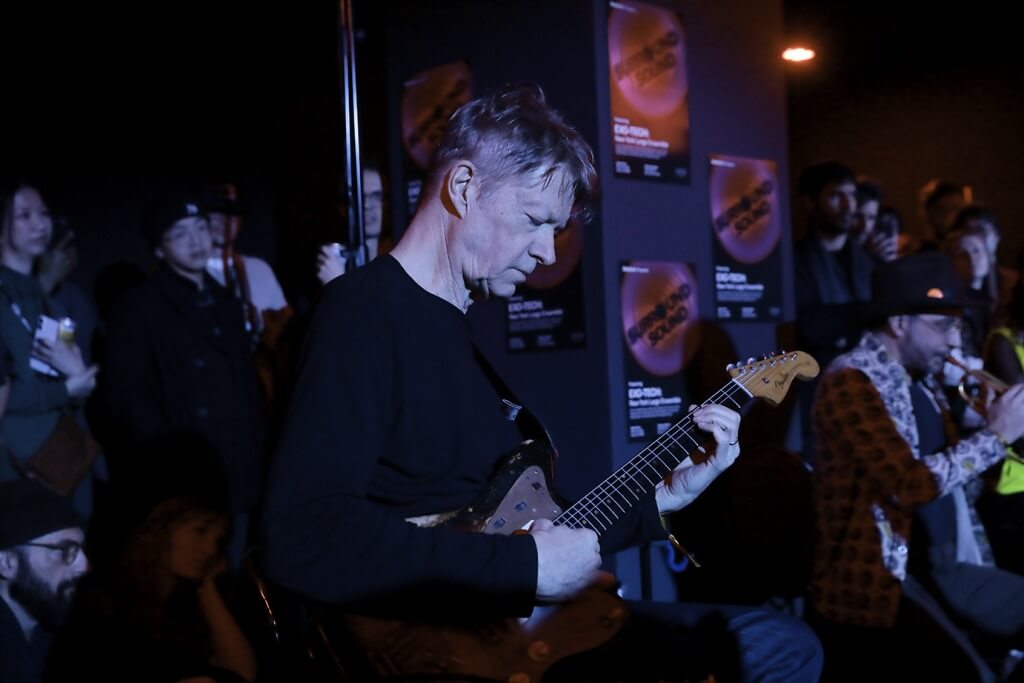
Eventually the social buzz gave way to something quieter. As people crowded into the Dolby Atmos listening room, the energy shifted from conversation to attention. The lights dimmed further, the room tightening into a circle of anticipation. One by one, the artists filed in, and the magic began.
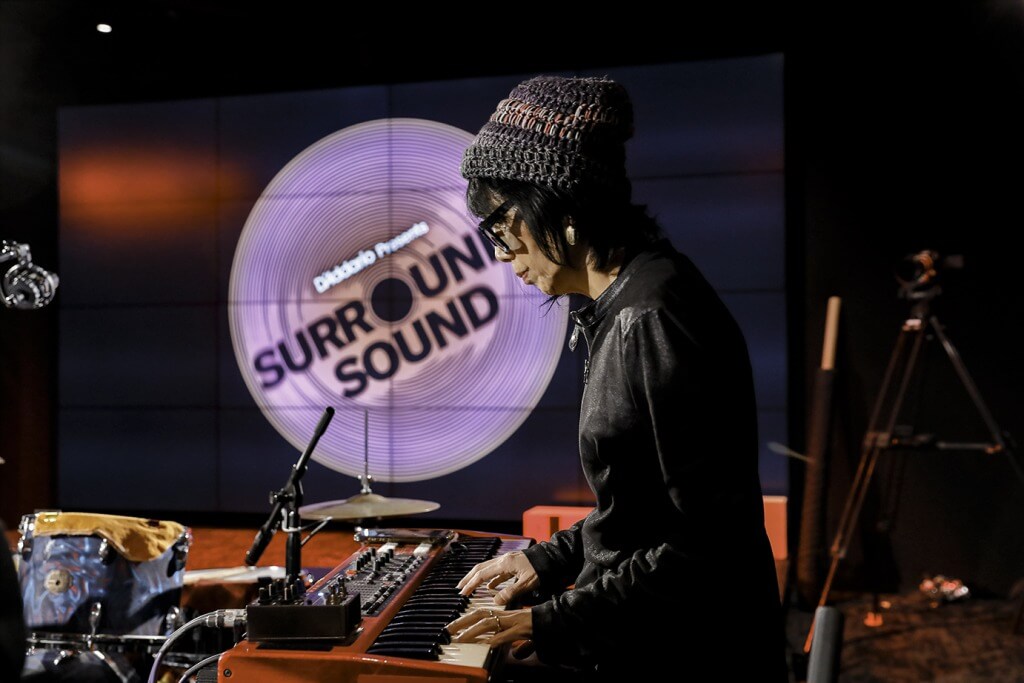
The performance started with tones, drones, and electronic textures drifting through the room as Yuka Honda initiated an eerie, slow-building soundscape, the stage bathed in deep red light. Musicians filtered into formation one by one, assembling not as a traditional band but as a living ensemble.
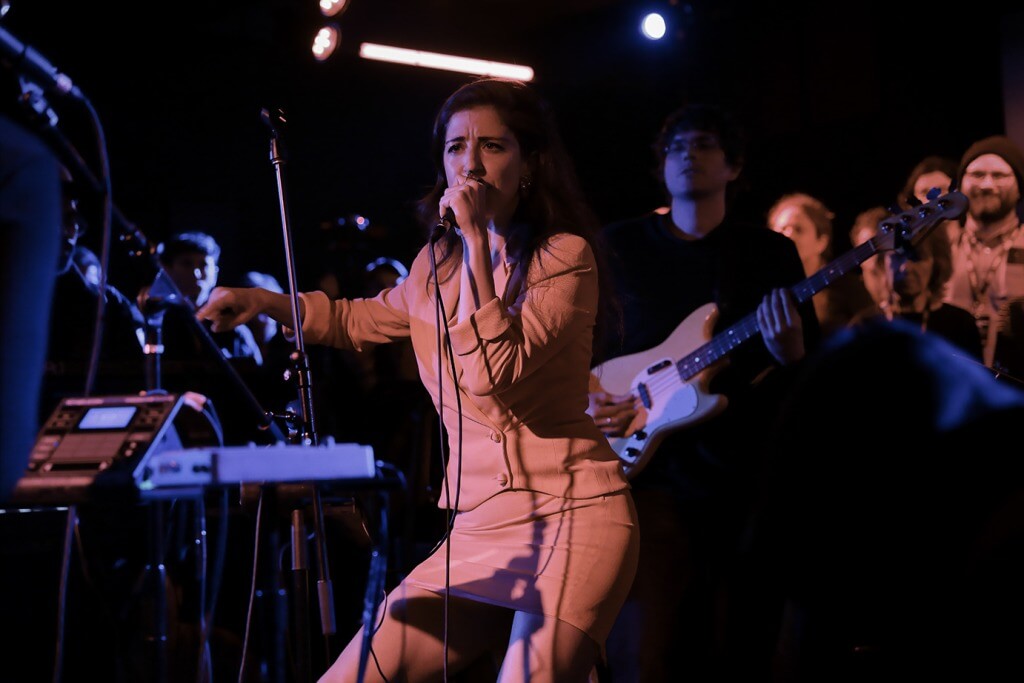
When vocalists Kimbra and Sophia Brous finally stepped into the center, the piece sharpened into focus. Kimbra used her voice almost percussively, short, textural bursts layered into the arrangement, while Brous subtly directed the flow with small hand gestures, cueing shifts in dynamics and direction. A resonant upright bass anchored the sound as horns and keys moved in and out of the texture, gradually swelling into a unified harmony before the opening passage resolved with the delicate ring of a bell.
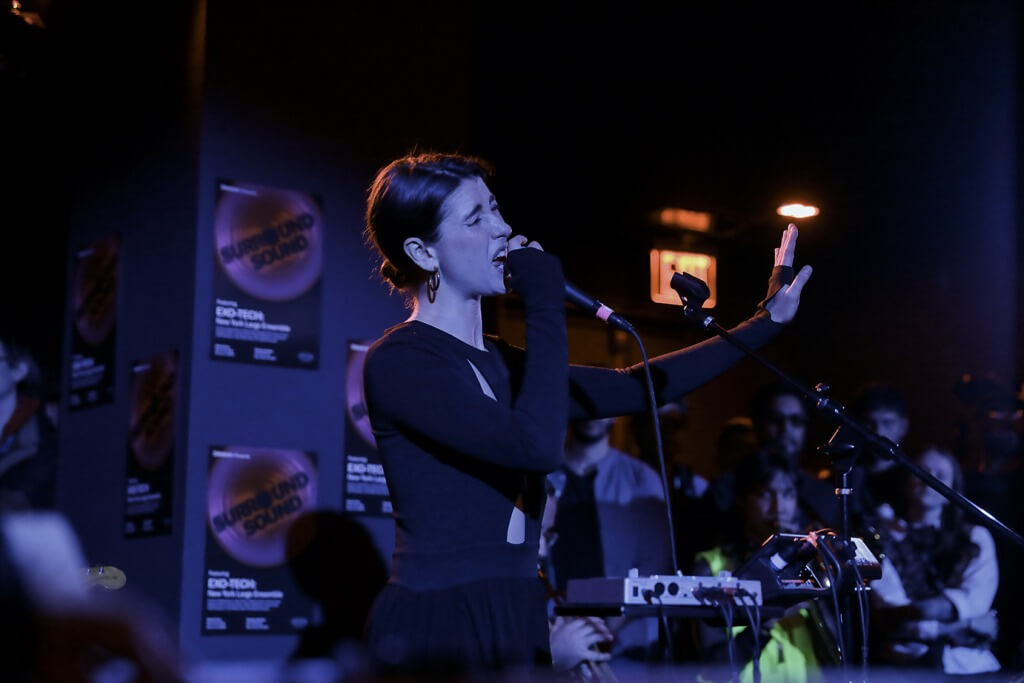
From there, the set unfolded as a fluid exploration rather than a sequence of fixed songs. Kimbra soon stepped forward with a striking vocal lead, her range stretching across a groove that leaned toward soul and R&B. Throughout the performance, voices were looped, processed, and reshaped in real time, at moments dissolving into electronic textures that blurred the boundary between human voice and instrument. What emerged was entirely improvised: fragments of melody expanded into dense, surging arrangements before dissolving again into space and atmosphere.
“A collective of musicians that play music together,” Brous remarked to the audience midway through the set. “Which is what we were doing right then with you.”
The collaborative nature of the ensemble became the defining force of the evening. Ideas passed rapidly between players, horns cutting through the mix one moment, a guitar passage veering suddenly into punk-tinged distortion the next, each musician responding instinctively to the shifting sonic landscape.
By the final number, some audience members had settled onto the floor while others stood swaying, fully absorbed in the moment. Kimbra’s voice climbed into an astonishing register, at times processed into sleek electronic tones reminiscent of European club music. The evening closed on a reflective note as Brous briefly acknowledged the unease many felt beyond the room’s walls. Yet for the duration of the performance, the outside world seemed to fade, replaced by the rare immediacy of music being created and shared, in real time.
 Keep scrolling for more great stories.