
The 10 best albums of June 2026
Our favorite records from last month, featuring Kelsey Lu, Olivia Rodrigo, SML, and more.

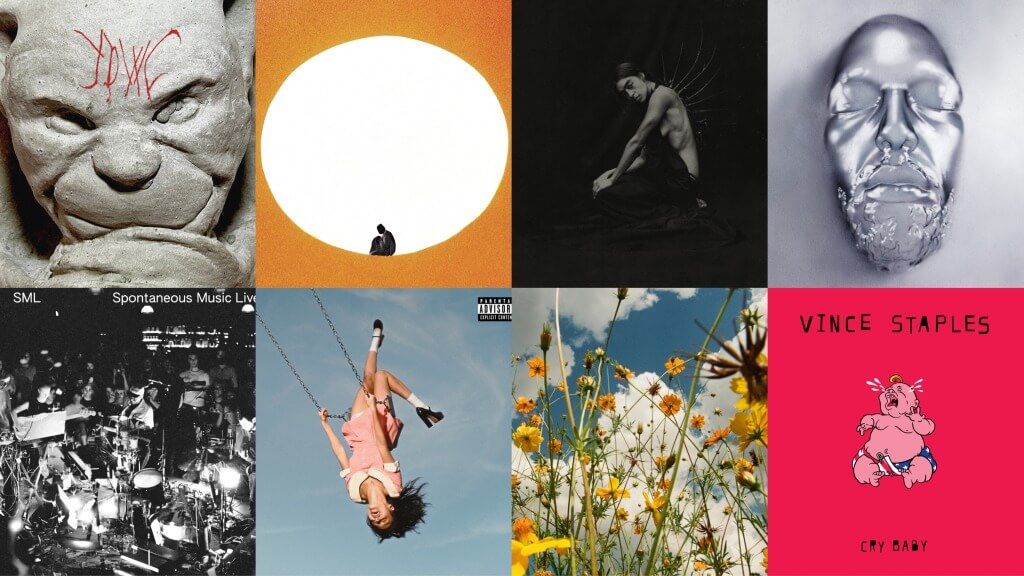
Last month gave us a seriously impressive slate of new music. We awarded multiple Paste Picks, witnessed career-best efforts, praised creative rebirths, and sang along to one of the catchiest pop albums of the year so far. As a companion to yesterday’s song roundup, we’ve put together an alphabetical list of recent releases that stood out to us on their respective New Music Fridays and haven’t left our rotation since. Here are the ten best albums of June.
Beth Orton: The Ground Above
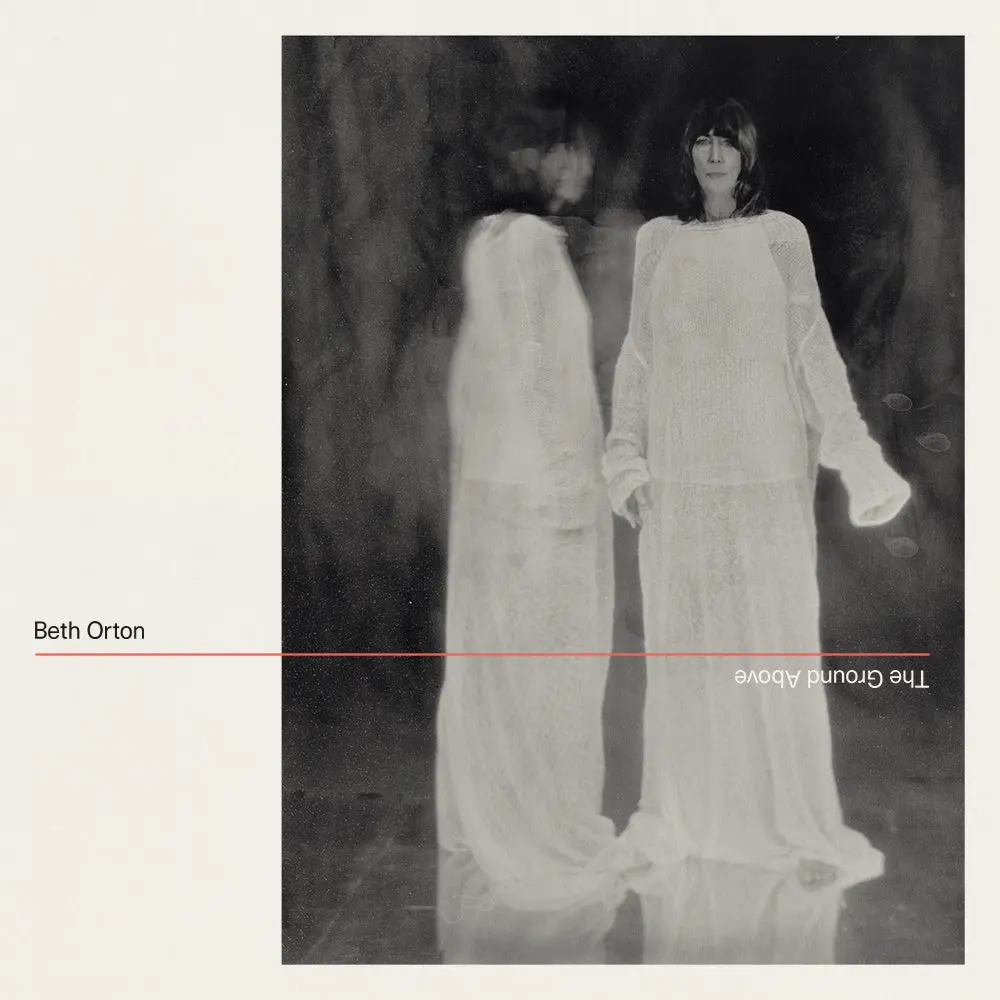 After a career-best release with 2022’s Weather Alive, Beth Orton doubles down on the evolved sounds she brought out of herself and her collaborators on The Ground Above. Her ninth studio album roams powerfully across plains of longing, grief, and motherhood in powerful steps. Here, the spare, intelligent elements of her folk sensibilities (Paul Butler’s string arrangements are particularly evocative, adding a moving depth to Orton’s compositions) combine with a sprawling range of influences to create a thing of beauty. The music often plays around with these feelings of ephemerality—not just in its musical form, but also in the subjects Beth Orton explores, with her usual, remarkable lyricism. As on its predecessor, The Ground Above’s heartbeat is Orton’s piano: it stumbles, sways, patters in and out. On “Otherside,” Orton closes her album with the musical equivalent of running down the street with her arms spread wide open. Everything and the kitchen sink is thrown behind her plea with those going to “the other side” ahead of her to “tell me what it feels like / tell me what it looks like… tell me you’ve made it through the night.” Tom Herbert’s bassline, deliciously hard to pin down, drives the listener onwards, and everyone seems to be coming along for the ride. In the best way, much of The Ground Above has that superb looseness of improvisation. But don’t let the long track lengths or the meandering instrumentals fool you: this is a work of immense, intelligent control, from an artist at her creative zenith. —Mariam Abdel-Razek [Partisan]
Chanel Beads: Your Day Will Come
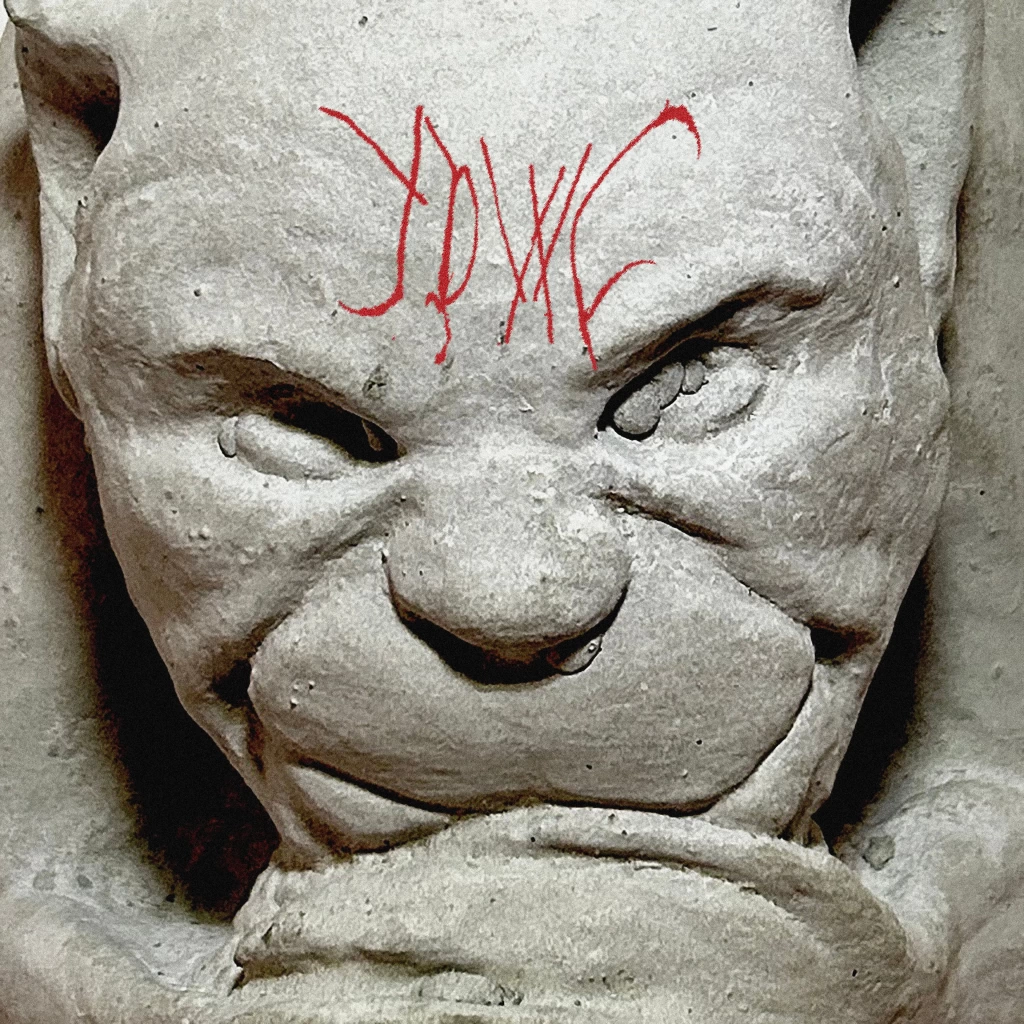 Your Day Will Come, the second album from Chanel Beads (and the second one with that exact title), concerns itself with the surreal forms that everyday forces can take. Once again aided by vocalist-guitarist Mary McGrory and violinist Zachary Paul, Shane Lavers renders standard pop songwriting into arcane, intoxicating configurations. Similar to how Mk.gee can sound like someone listening to Frank Ocean from several rooms away, Lavers’ songs have earworm qualities that nevertheless unsettle. They’re sprinkled with both easily hummable melodies and disquieting undertones. The aptly titled “Opening in the Gate” is a tidy microcosm of Chanel Beads’ hypnotic intangibility. It begins with a jarring, in-the-red scream, which disappears just as quickly, gone in a split second, ushering in Paul’s plucked violin and Lavers’ choral synth pads. Mari Rubio plays the pedal steel as if it’s another instrument entirely, with a foreboding drone that converges with the swelling wash of noise burbling underneath the surface. “Twenty cockroaches in the concrete,” Lavers whispers, unfurling the full breadth of his voice in the next line: “You said it’s a cold spring / Warmer underneath my feet.” It’s like we’re watching Lavers on the side of the titular gate, beckoning us to join him on the other side, coaxing us with a whisper and sickly sweet melody like he’s a mermaid in Homer’s Odyssey. —Grant Sharples [Jagjaguwar]
Death Cab for Cutie: I Built You a Tower
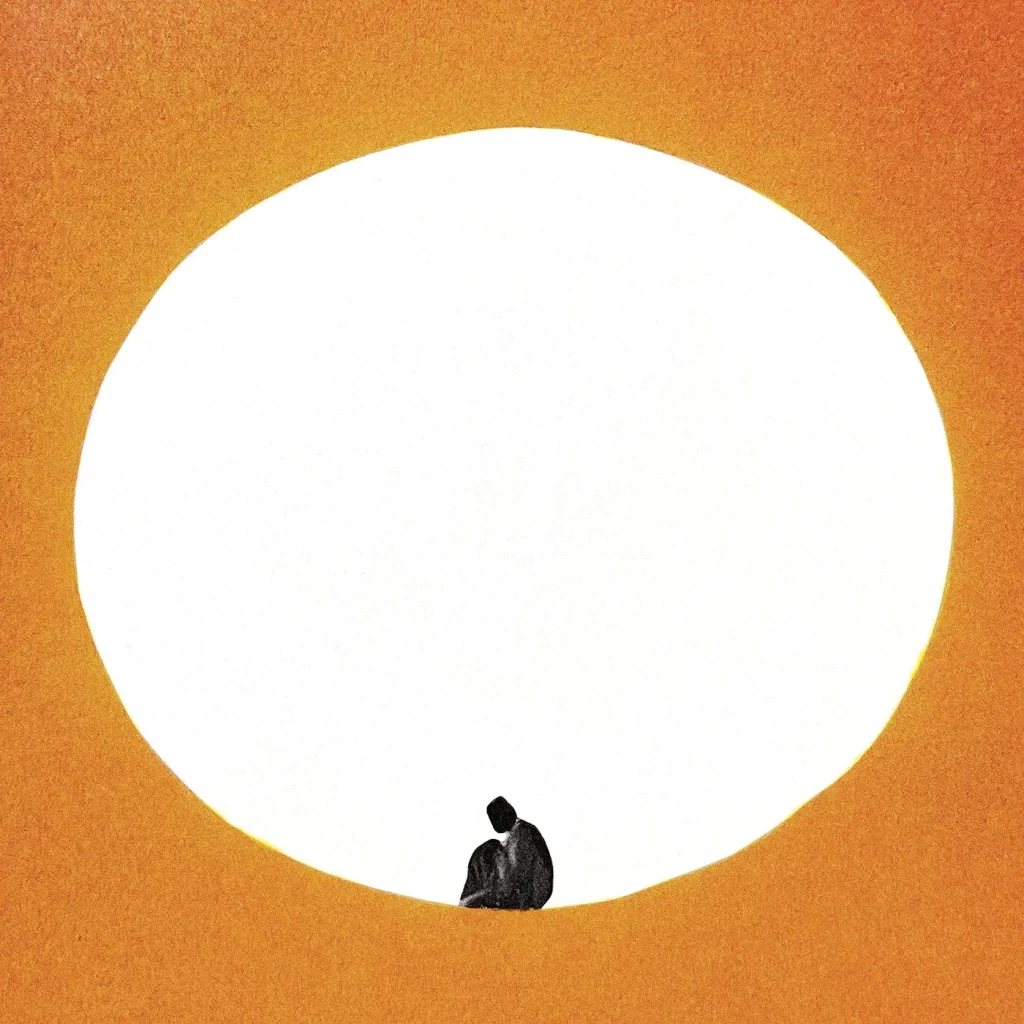 The songs on I Built You a Tower emerged from a particularly raw place, with Ben Gibbard processing the aftermath of a divorce and managing the pressure of a monumental twentieth anniversary tour honoring both Transatlancism and Give Up, the lone LP from his influential indietronica side-project The Postal Service. Hyped from the band-on-a-stage energy of that nostalgic trek, Death Cab for Cutie huddled up with producer John Congleton and knocked out I Built You a Tower in just over three weeks—their fastest studio session since their slept-on 2001 classic The Photo Album, which their latest often echoes in its blunt force and seductive darkness. You can feel that collective gravity pulling on I Built You a Tower, their return-to-indie record. Even when Gibbard unfurls his typically vivid images and metaphors (a “snowflake starting an avalanche” on the sleepy synth-rock ballad “Trap Door”; flocks of feathered friends “soaring in the silence” on the heavy and heart-quickening “Envy the Birds”), it feels like he’s drawing from a palpably real place, and the performances smack with the kind of urgent, unfussy interplay you only get from hammering out arrangements in a room with other humans. —Ryan Reed [ANTI-]
Kelsey Lu: So Help Me God
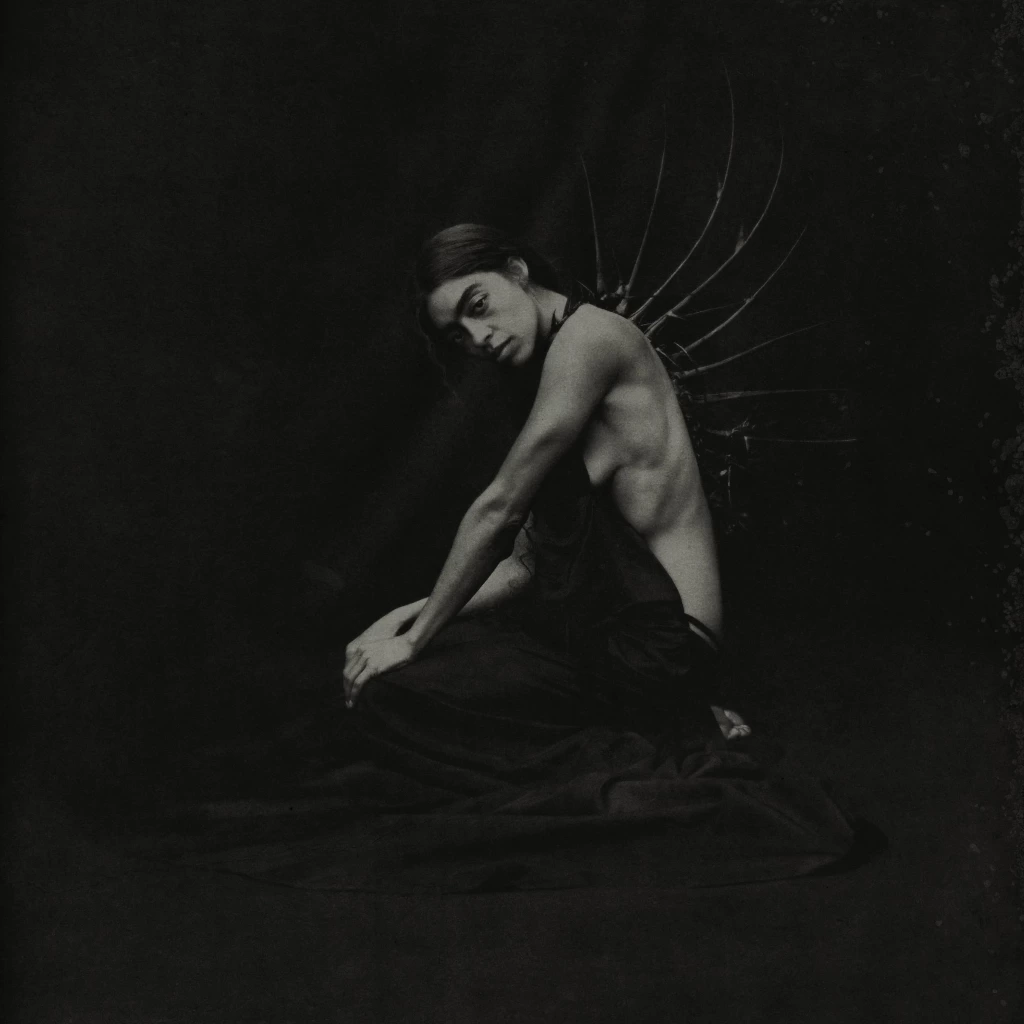 Still, for all the self-serious stylings of So Help Me God’s experimental chamber folk, there’s an undeniable element of play beneath these songs, which reflects in Lu’s long list of collaborators: producers Jack Antonoff and Yves Rothman, former Sonic Youth bassist Kim Gordon, jazz saxophonist Kamasi Washington, and British singer-songwriter Sampha. Album highlight “Reaper” is a spellbinding, trippy, nearly nine-minute odyssey through life’s mysteries. Lu delivers prophecies like a wandering beatnik musician (“You’re only sinnin’ if Heaven has lost its way / You’re only winnin’ if Heaven is on its way”) yet refuses any easy answers; before long, she drifts off (“Lifted I feel nothin’ now / Take two pills to feel it out”) as a woozy bed of Washington’s sax and Gordon’s guitar lulls us into an uneasy, slippery dreamworld. So Help Me God is eclectic to its core: there’s the way the album jumps around from genre to genre, from the drum‘n’bass breakbeats of “Only the Lonely” to the blazing, triumphant synth-pop ballad of “Cutting Off the Head of a Ghost”. Then there’s the chameleonic force of Lu’s voice, which can sound anywhere from soulful to spidery, husky to wheedling. On “What Can I Do,” gentle acoustic guitars patter in the background as Lu’s voice soars and warbles, tinged with a slight witchiness; you imagine them as a wizened recluse, rocking on their porch and guarding these secrets of the heart. And on “Better Than That,” only Lu can make the Gen Z-addled line “Taking the L on this one” sound so doleful and expansive. —Lydia Wei [Dirty Hit]
Navy Blue: Sir Render
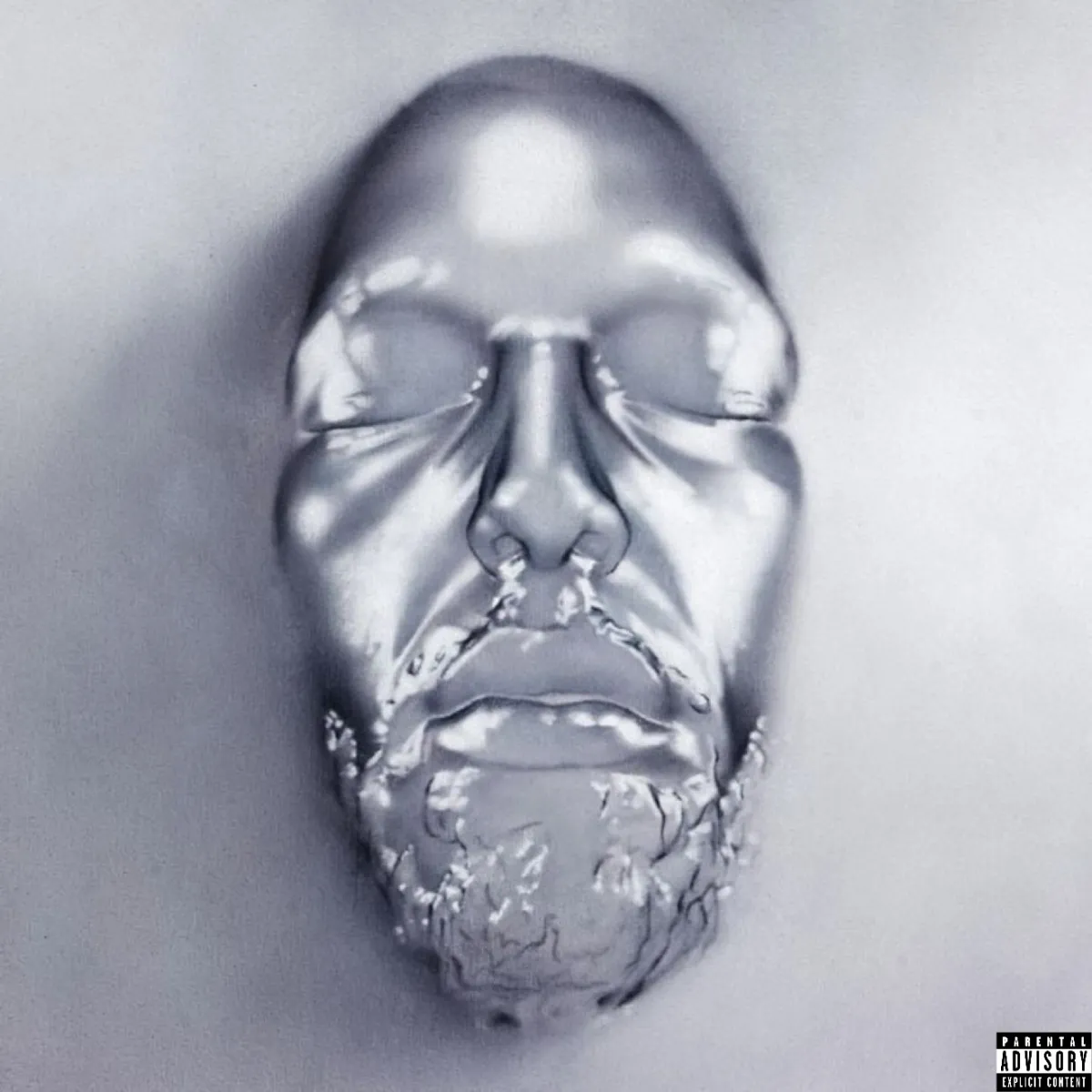 Sage Elsesser’s third album in as many years may be his best. The latest Navy Blue release, Sir Render, is forty-five minutes of spiritual transformation and grief. Earl Sweatshirt, Armand Hammer, Mike Shabb, the late Ka, and Elsesser’s cousin James Earl Jones join him, as do producers Jason Wool, Shungu, and The Alchemist, for a family affair packed with career-best efforts, like “Commencement” and “Baron.” But “Circa” is undoubtedly the heavyweight here, thanks to an appearance from Ka, Elsesser’s mentor and close friend. Elsesser continues to be one of rap’s greatest living orators, using a knight character to blur the line between myth and memoir, and what comes of it is the strongest moment of rap world-building this year. “The album dives into psychology’s greatest hits—embracing the shadow self, accepting duality, and knowing, ‘I am my flaws as well as my strengths,’” he shared in a press release. “Sir Render has to realize the only way to beat the shadow is to embrace it. To overcome this fear, he must meet it with love.” —Matt Mitchell [Freedom Sounds]
Nirosta Steel: MY SKYSCRAPER
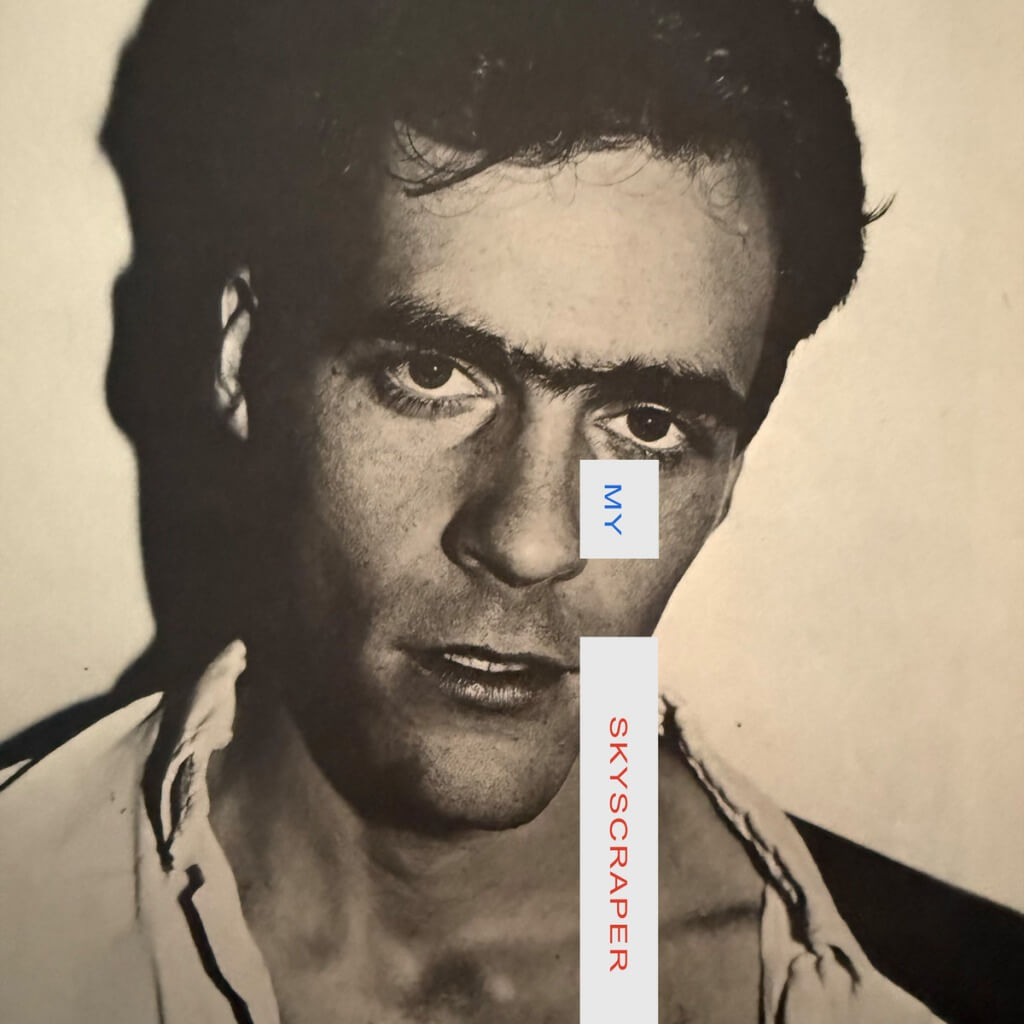 MY SKYSCRAPER is velvety disco leaking out of Paradise Garage and improvisational ramblings over punk guitar—a collection of forty years’ worth of recordings remixed and reconstructed over time. Though Steven Hall continued to record and reshape the MY SKYSCRAPER material for decades, its songs still feel lived-in and well-worn. Like his friend Arthur Russell, Hall approaches music through a fluid, Buddhist-informed rejection of artistic finality. An entirely different version of “GO FOR THE NIGHT” appears on Nirosta Steel’s 2014 release, Cool Fire. MY SKYSCRAPER has two different mixes of “FIRST LOVE,” the minimalist “RUFFIAN MIX” and a pristine “DISCO MOONBEAM MIX.” The archival label ULYSSA calls the songs “works-forever-in-progress.” Hall’s endless reworking makes the album feel anachronistic, slipping back and forth across time. Take “BOSS TRIX (BENNY’S SONG),” which Hall describes as an “ode to a former Taiwanese boyfriend whose profound intellect was only matched by his ability to shoot a load of come up over his own head”: the track assembles marble-smooth disco out of strings, horns, and dusty hisses. “It’s all-all-all-all-all coming down,” Hall sings, his harmonies echoing like a sample dug up from a seventies soul record. “BOSS TRIX”’s closest comparison is not a Studio 54-era band but The Avalanches or DJ Sabrina The Teenage DJ—artists who piece together dance music from samples into something simultaneously nostalgic and untethered from time. —Andy Steiner [ULYSSA]
Olivia Rodrigo: you seem pretty sad for a girl so in love
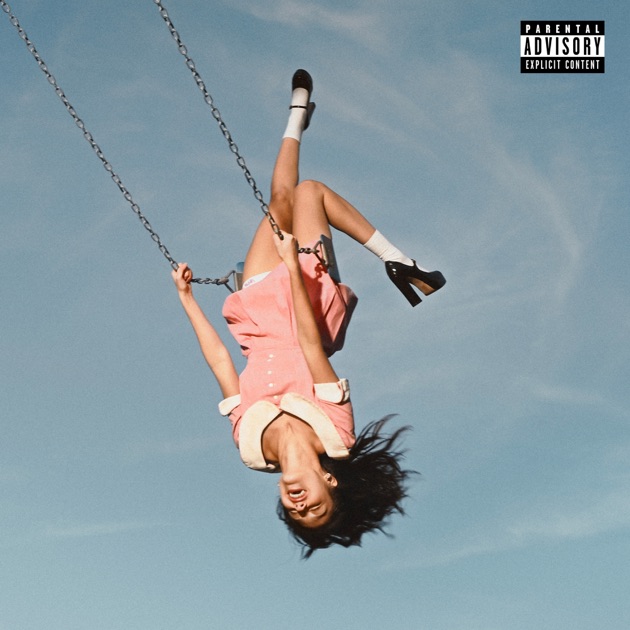 you seem pretty sad for a girl so in love is teeming with classic Olivia Rodrigo touchstones: her rushed talk-sing verse deliveries, her rocking sass, her cascading melodies that explode from hushed whispers to full-throttle belts. She mixes her typical fare of half-ballads, half-rock songs by incorporating more new wave and post-punk textures. She soars past “bad idea right?” all the way to the near-arrogant swagger of “my way,” zeroing in on what’s made her so great and stretching it in new directions. Hope is a recurring theme throughout the record, the “girl so in love” side leaning into the buzzy, romanticizing yearning of new love, while the “you seem pretty sad” side longs for peace and stability. “drop dead” sets the high that the rest of the album then runs on until there’s no more grease left to keep the wheels of the relationship turning. But it’s tricky, as Rodrigo’s reverie always hints at a fallout to come. What makes you seem pretty sad for a girl so in love so successful is how sharply the songs themselves sound like the feelings the lyrics do such a precise job of describing. They’re songs that make your heart skip beats and fall out of your ass, and flood repressed memories up to the surface. Rodrigo has always excelled at translating emotion into melody, but she’s never done it with this much clarity, complexity, or confidence. —Cassidy Sollazzo [Geffen]
SML: Spontaneous Music Live
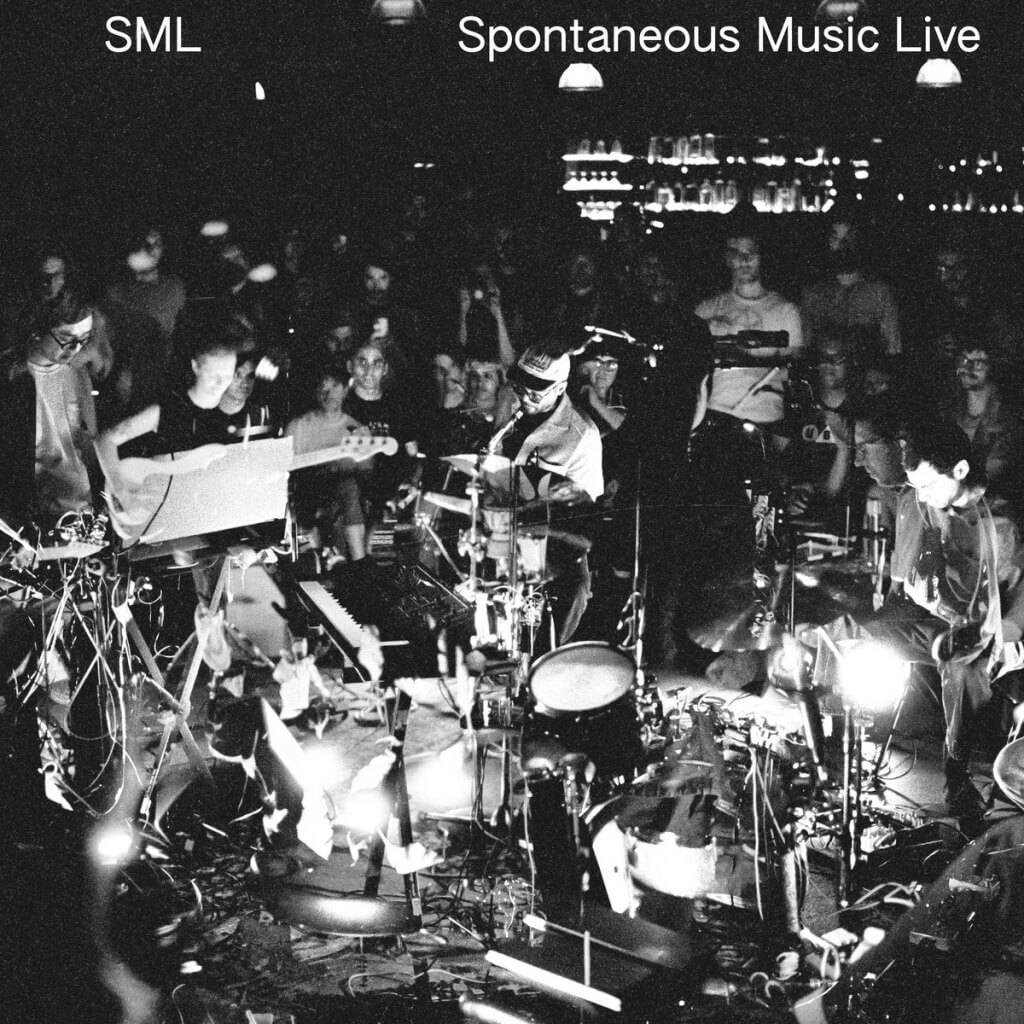 Spontaneous Music Live stands out from SML’s back catalog. Unlike their previous two albums, which were patched together and assimilated from numerous live performances, either at one location (the now-shuttered ETA, in the case of the first album) or multiple (in the case of the second), then painstakingly mixed and edited, Spontaneous Music Live features two side-long tracks recorded entirely live at their spiritual home, Los Angeles’ Zebulon, direct to Nagra by Bryce Gonzales. As a result, what stands out for a listener are not particular songs but specific moments, mere seconds that are elevated out of time and space, working hard to do strange, interesting, beautiful things to your eardrums. The group is at its best in these transitional moments; they repeat the same sounds each time in a form of sonic hypnosis, performed on each other and on their audience, mining deep into each note to see what they might be able to dig out. Spontaneous Music Live thrives in the moments of imperfection that are necessary to live performance, when some chatter emanates from around the band, or someone lingers too long in a particular groove before being tugged along by the momentum of their bandmates. All of this is captured in unfaltering quality by Gonzales and his Nagra recorder, making you feel, impossibly, as though you were there in the moment, but also already listening back to it. —Mariam Abdel-Razek [International Anthem]
Tasha: You Are Spring!
 Tasha composes music like she understands every side of it—as a critic, appreciator, performer of other people’s stories, composer of her own. Put another way, You Are Spring! doesn’t emerge out of happy accidents or beneficial naivete. Not even a little. Tasha projects a sense of total control and confidence right from the opening track’s lyrical lucidity and expert choral writing. This omniscience also goes for the way she approaches love these days—the topic she’s spent her music career trying to parse. “I’m older now, so I know how this goes,” she lilts of a faltering romance on “Lucky.” She goes for a walk in a forest and phones her mom, but reassures herself that “it was just the wrong time.” Her world is bigger now, and that means there’s less patience for superficial magic that dissolves like sugar on your tongue. She wants “moonlight and romance with meaning” on “Porous,” a velvety two-chord loop nudging her along. This solidified certainty doesn’t mean anything is sterile or boringly neat. Tasha still has the music sound serendipitous: see the chirping soundscape of “Clarion,” as overlapping exclamations from pianos and synths float around her head in a serene swirl. The percussive floor of “Actor” sounds like it was compiled from sampled city-street sounds: trucks being unloaded, grates hissing hot air, and sirens protesting several blocks away. “The city in summer is hungry and hot and alive” on the waltzing “Promise,” and the clarinet confirms it as though snaking out of an apartment window into yours during a sticky, wide-awake evening. —Hayden Merrick [Bayonet]
Vince Staples: Cry Baby
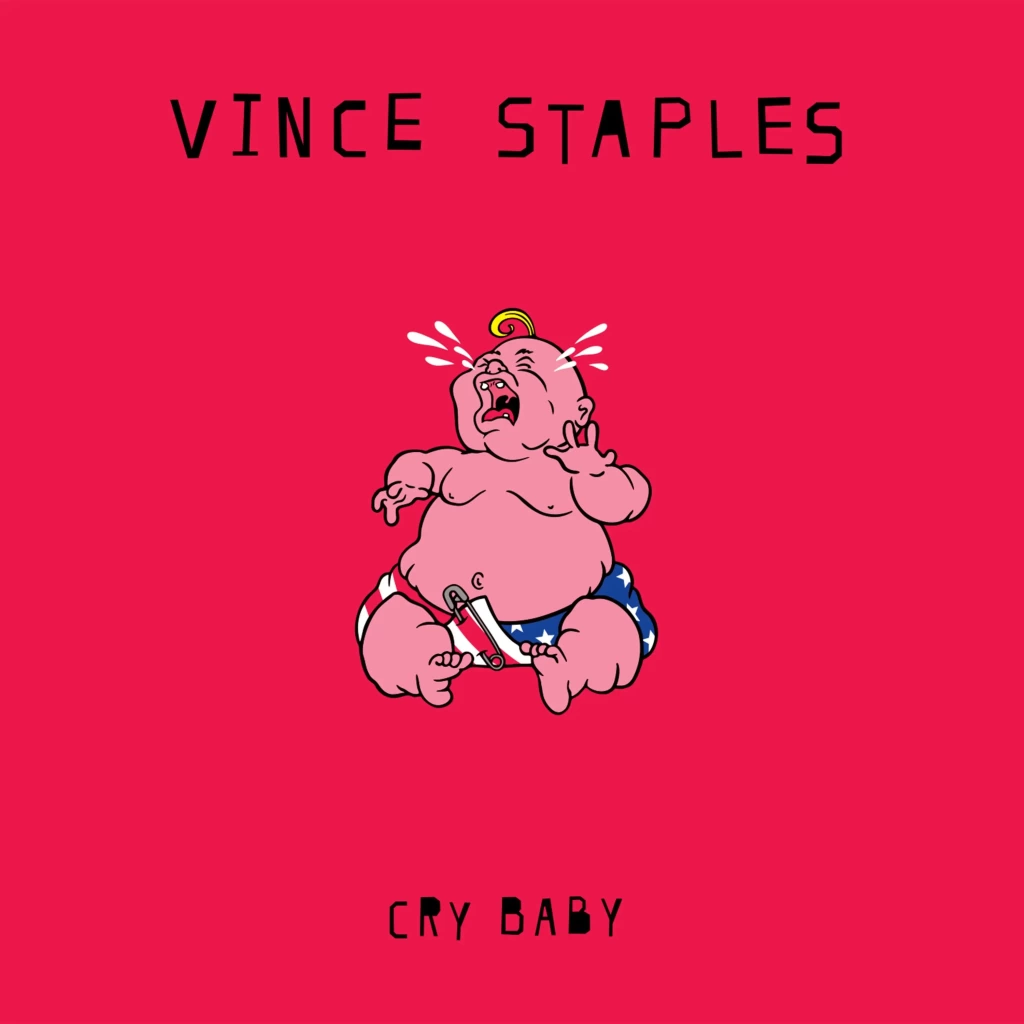 For Cry Baby, his first record on his own Section Eight Arthouse imprint through Loma Vista, Vince Staples raps (and occasionally sings) over standard rock instrumentation of guitar, bass, and live drums, a noted departure from his previous albums’ beat-centric production. It’s a novel and compelling artistic shift, one that keeps his raps fresh while demonstrating that he’s still among hip-hop’s best orators. No matter the vehicle, Staples navigates the streets with a keen eye for observation and an undisputed gift for richly layered wordplay. To call Cry Baby simply a “rock album,” though, would be reductive. Here, Staples and his band pull from various offshoots of guitar-forward music. There’s the driving, double-time post-punk of “The Running Man,” the heavy-pocket disco of “Cotton,” and the fuzzed-out blues-funk of “TV Guide,” all of which underscore the Black roots of music old and new. Rapping through it all, Staples pays heed to the genre’s Black origins while showcasing how hip-hop emerged from many of the same elements: those thwacking drums, those viscous basslines, those looping melodies. “The Big Bad Wolf” samples Slick Rick’s classic “Children’s Story” to bind tactile turntable scratches with thick, syncopated grooves, and “Blackberry Marmalade” invokes Jay-Z’s “The Story of O.J.” refrain over menacing, distorted bass guitar and an insistent drumbeat that recalls a lower-BPM version of Outkast’s “B.O.B. (Bombs Over Baghdad).” —Grant Sharples [Loma Vista]
 Keep scrolling for more great stories.