
The 25 greatest albums of 1976
Photo by Pictorial Parade/Getty Images
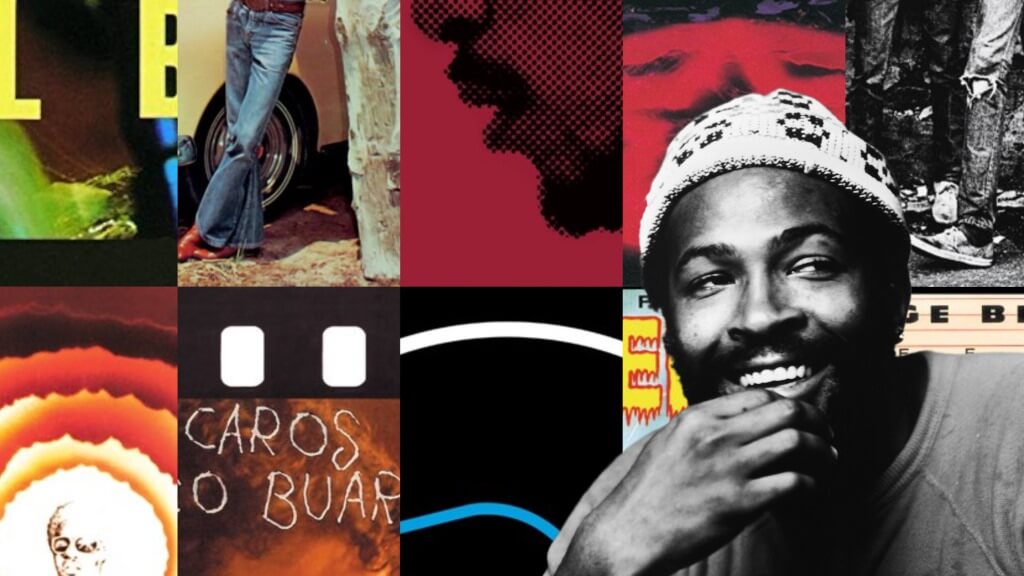
As far as album releases are concerned, few years have ever been as stacked as 1975. Career-best records from Fela Kuti, Neil Young, Curtis Mayfield, Bob Dylan, Patti Smith… the list goes on. 1976, though not as stellar, still yielded some heavy, heavy hitters. In fact, the greatest album of all time was released this year. A lot of big, non-album moments happened too: the first platinum-certified album is Eagles’ Their Greatest Hits (1971-1975), the Ramones changed punk music forever, Dylan’s Rolling Thunder Revue tour concluded, Eric Clapton gave his “keep Britain white” speech in Birmingham, Elton John came out as bisexual in Rolling Stone, Martin Scorsese filmed the Band’s farewell concert, and Pink Floyd’s large pig balloon drifts through South London. As is tradition here at Paste, we’ve assembled a list of which albums from 1976 we think are the very best. There’s a little something for everyone here, so I hope you leave this list as curious as you are frustrated by our placements. No live albums, no EPs. Here’s our list of the greatest albums from 50 years ago.
25. Parliament: The Clones of Dr. Funkenstein
 George Clinton’s P-Funk universe is one of music’s great acts of world-building: a sprawling, ridiculous, dead-serious mythology involving intergalactic Afronauts, ancient pyramid secrets, and a mad scientist named Dr. Funkenstein whose mission is to liberate humanity through groove. The Clones of Dr. Funkenstein, Parliament’s fifth record, is obviously a concept album about said doctor and his clones—but it’s also one hell of a party record. Clinton assembled what might be the most absurdly stacked roster of musicians ever corralled into a single studio: Bootsy Collins, Bernie Worrell, Fred Wesley, Maceo Parker, Garry Shider, Glenn Goins, and a dozen others, all trading off instruments and vocal duties in configurations that the liner notes can barely keep straight. The album brims with infectious energy, grooving every second of the way. “Gamin’ on Ya” drops you into the record’s thick, brass-heavy atmosphere immediately (Worrell and Wesley were responsible for the horn arrangements, which are unforgettable) and Bootsy’s world-class bass-playing barely lets you breathe; “Do That Stuff,” the lead single, is pure liquid pop-funk, an ode to a forever-party. “I’ve Been Watching You (Move Your Sexy Body)” is a sexy late-night slow jam anchored by Goins’ startlingly tender vocals, and “Getten’ to Know You” gives the whole thing a completely different, soul-oriented center of gravity for a few minutes. Sure, it’s no Mothership Connection, Parliament’s consensus classic, but boy, is it fun. —Casey Epstein-Gross
24. George Jones / Tammy Wynette: Golden Ring
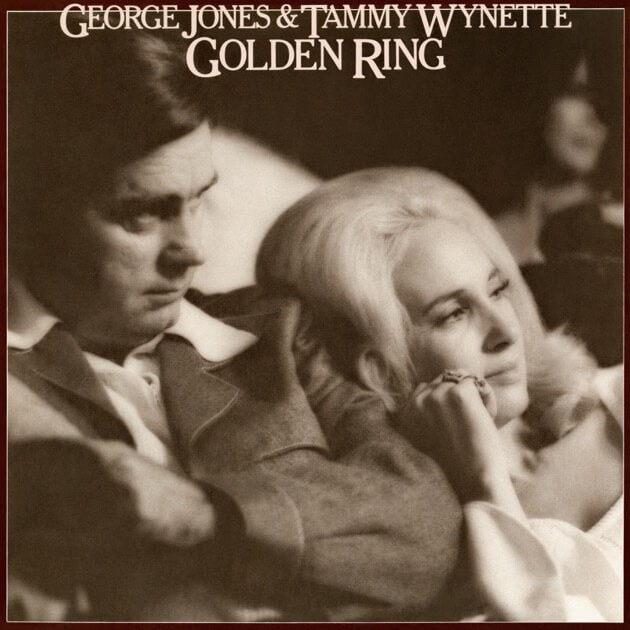 George Jones and Tammy Wynette’s seventh album together is my favorite of theirs. The couple bitterly D-I-V-O-R-C-E-D in 1975, but Epic kept releasing their duets because of audience demand. Jones and Wynette tried to make music separately, but Jones’ Memories of Us petered out at #43 on the Billboard 200 and fans yelled “Where’s George?” at Wynette’s concerts. “I hated to work with her,” Jones later wrote in his memoir. “It brought back too many unpleasant memories.” Fame, as it goes, has a price: Golden Ring produced two #1 hits on the Hot Country Songs chart and gave both Jones and Wynette a career-high commercial achievement, but these are heartbroken songs made by people who knew a thing or two about it. “Golden Ring” is an emotional knockout, tracing the pawn-shop lifespan of a “cold, metallic thing.” Wynette brings powerful drama to “I’ve Seen Better Days.” The barroom thump of “I’ll Be There If You Ever Want Me” is hot Nashville gas. The doomed exes trade innuendos on “Did You Ever” and, on “If You Don’t, Somebody Else Will,” Jones and Wynette spin yarns of romance into will-they-won’t-they misery. Golden Ring is two people dancing through the cautionary tale of spousal ruin. I imagine these songs sound this good because Jones and Wynette hated each other while singing them. Love is everywhere, beware. —Matt Mitchell
23. George Benson: Breezin’
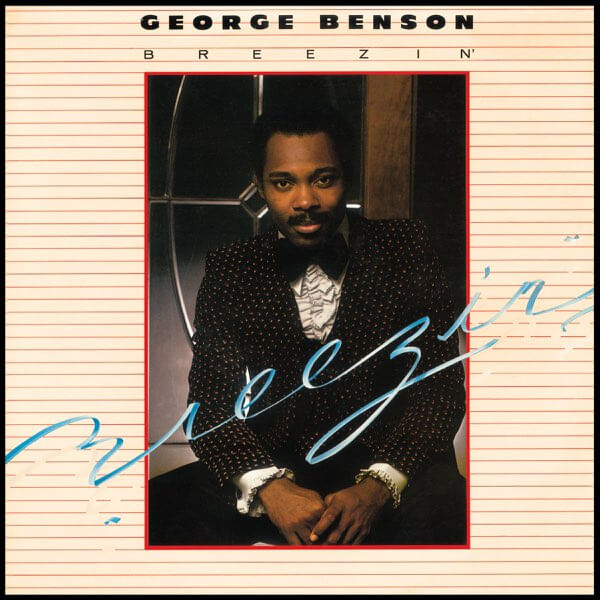 Breezin’ is a career highlight for George Benson, one of guitar’s biggest heroes. It’s a true smooth-jazz staple. From the LP’s first floaty bars, you know you’re in for a treat: the album’s light, unhurried progression matches Benson’s admixture of R&B and funk. It’s pleasing to the ear without feeling cliché, and the album is bolstered by input from Bobby Womack, Leon Russell, and José Feliciano. Highlights like the orchestral “So this Is Love?” and the sprawling, emotive “This Masquerade” give the record a depth and texture that bring it beyond the oft-maligned easy-listening genre. Benson does well with effortless riffs and fluid hooks. Breezin’ became a massive critical and commercial success, selling a few million copies worldwide, topping the Billboard 200, and earning him five Grammy nominations. —Miranda Wollen
22. Bob Dylan: Desire
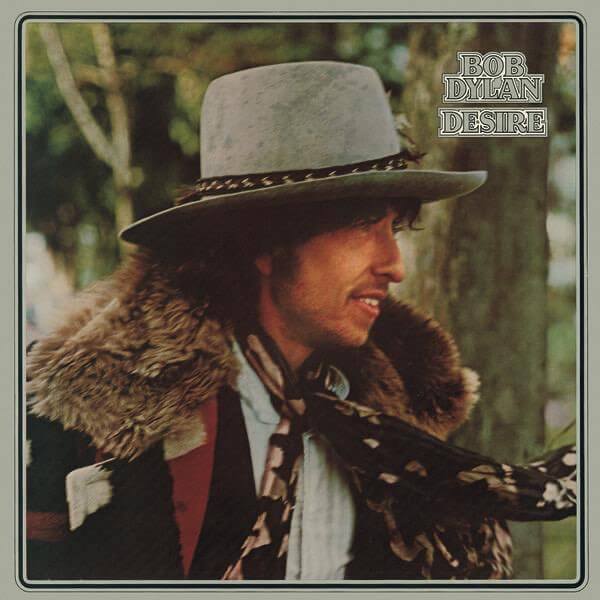 Of course, unbeknownst to Emmylou Harris at the time, it’s the genuine personality in her contributions to Desire that would lend so much to the record’s longevity and magic. Her ability to mirror Bob Dylan’s cadences on “Mozambique”—like two children reciting a schoolyard ditty—whisks us off to that “magical land” as much as anything else. Likewise, the seemingly unscripted choices Harris makes as she enters and exits “Black Diamond Bay” render every trip to this deadly tropical resort slightly different and always compelling. Harris’ country croon sounds surprisingly at home alongside Dylan’s lament and Scarlet Rivera’s violin on the lovely, pleading “Oh, Sister,” and her gift for harmonies helps conjure the mystical qualities of a song like “One More Cup of Coffee” in a way no number of takes could’ve improved upon. The stars even seemed to align in Desire’s favor when some factual errors in Jacques Levy’s “Hurricane” lyrics forced Dylan to scrap a tamer original version featuring Harris and record the song again with singer Ronee Blakley months later. Call it a bit of cosmic recasting, but it all turned out for the best. —Matt Melis
21. The Upsetters: Super Ape
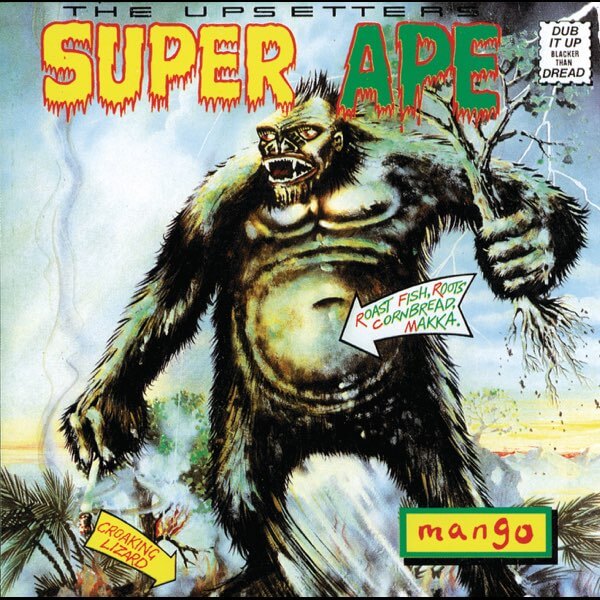 I think of Super Ape as not just Lee “Scratch” Perry’s masterpiece, but the most important dub album of all time. Perry worked with Bob Marley and the Clash during his prime, yet the Upsetters’ 10th studio record is what confirmed him to be Jamaica’s boldest son. “Croaking Lizard,” “Dread Lion,” and “Black Vest” are excellent session exports by Perry’s 14-piece backing band. The ensemble experiments with phasers, “toasting,” and sampling; warmth from the Black Ark studio’s generous, perfect rooms touch Super Ape completely. Every second of the record fills out the “dub it up, blacker than dread” promise made on its front cover. It’s not recommended listening, it’s required listening. —Matt Mitchell
20. Rush: 2112
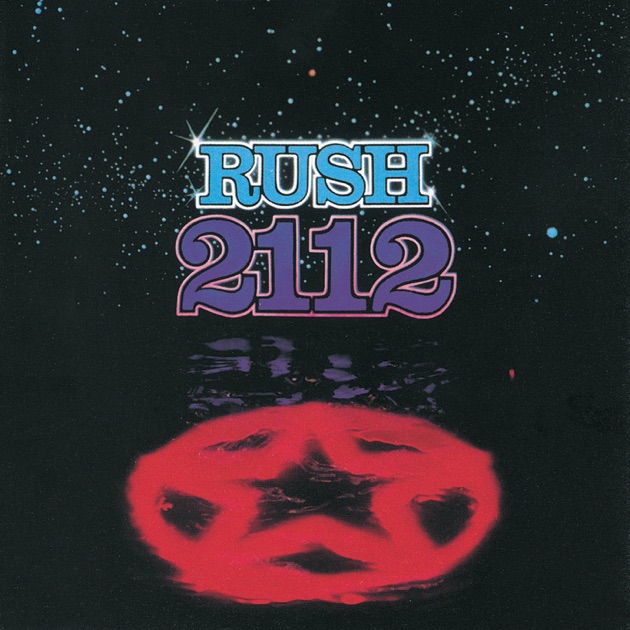 When fans talk about what makes Rush’s fourth album 2112 so special, they often talk about its rebelliousness. After the lukewarm reception to 1975’s Caress of Steel and a disastrous tour, the trio faced immense pressure from their label for a more commercial follow-up, something more like the KISS-co-signed Fly By Night. Instead, Geddy Lee, Alex Lifeson, and Neil Peart did what they’d do for the next 40 years: ignore everyone else. They returned with a 20-minute epic about a guy who destroys fascism through the self-expressive power of a guitar he finds in a cave. Not stuff for the morning radio. But there’s more to 2112 than its iconoclastic centerpiece. It’s also the first time the band flexed their range. As per usual, there’s meaty riffage on “A Passage To Bangkok” and “Something For Nothing,” or the shrieking guitar solos on “2112.” There are glimmers of the band’s humor on “The Twilight Zone” and pop melodicism on “Lessons,” and “Tears” is the first time they made something that could even remotely be called “beautiful.” 2112 is Rush’s true arrival: here is a band that backs up a fiery rock record with a geeky, intellectual slant, and they’re completely unconcerned with the fucks anyone else gives. —Andy Steiner
19. Cartola: Cartola II
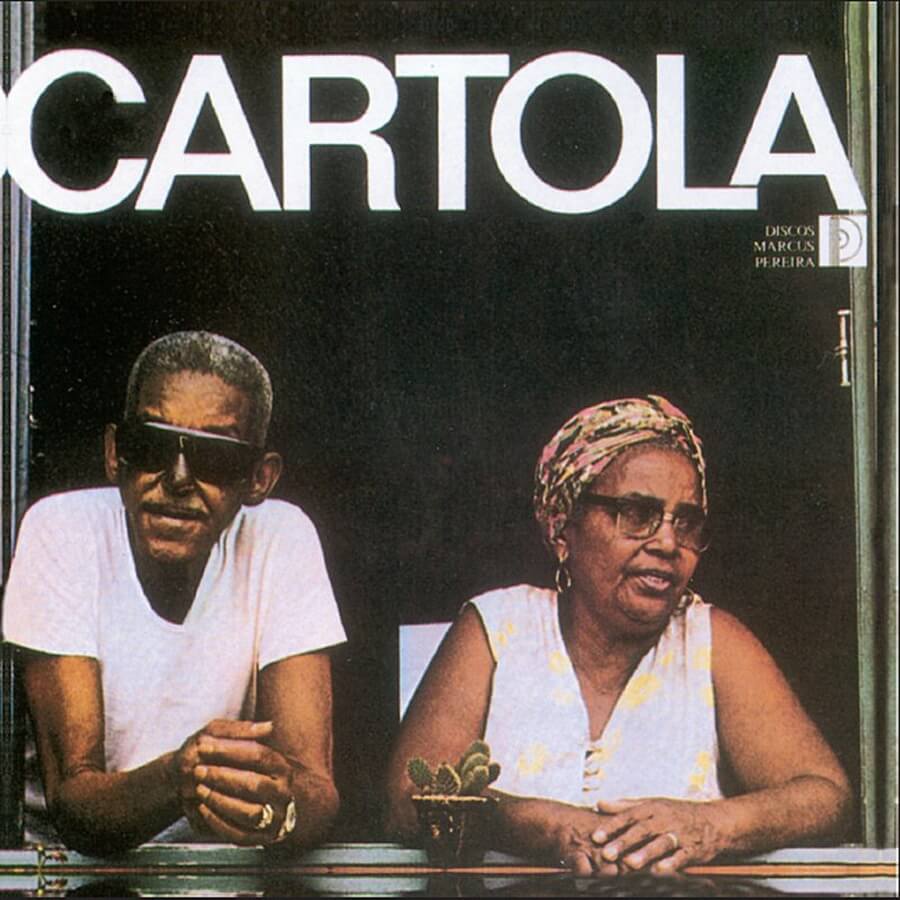 Cartola II is a Brazilian masterpiece, its maker an elder statesman of South American samba music. Cartola… some say he wrote over 500 songs in his lifetime. I read somewhere that his name translates to “top hat” in Portuguese. That fact holds no importance in regards to Cartola II, but there is something elegant about the record: Altamiro Carrilho’s flute wakes with the arrival of “O Mundo É um Moinho”; group harmonies give “Aconteceu” physicality; Cartola makes subtle pitch bends in “Preciso Me Econtrar”; Jayme Thomás Florence, Dino 7 Cordas, and Canhoto do Cavaquinho finger-pluck gut-stringed guitars during “Peito Vazio.” Cartola II is rhythmically sparse, but the songs rest on elastic grooves and dramatic, lovesick melodies. Cartola’s language is always lived in, always deeply human. —Matt Mitchell
18. The Modern Lovers: The Modern Lovers
 It begins with a casual yet insistent countdown. A voice that jumps out, not with a Ramones-esque four count but with an off-kilter six count that puts listeners dead center into the first bar of the first song, a rollicking, Velvets-inspired joyride down the Mass Turnpike with the windows and the radio on. The next four minutes and the 30 that follow for the most part maintain a similar pace, at cruising altitude and top speed as the fang-free leader Jonathan Richman invites folks to meet him on an astral plane, wonders why he can’t be as cool as Pablo Picasso and kindly spells out what he’s looking for in this modern world (a girlfriend). For decades now, a varying cast of characters has been riding shotgun and listening closely to Richman and the gang. What has followed is a cavalcade of jangle pop groups, punk bands and college rockers. Not a bad way to go for a group that recorded these tracks years earlier and had broken up by the time they were released. A pebble dropped into the pre-punk world that is still sending ripples of joy and inspiration into the known universe. —Robert Ham
17. Joan Armatrading: Joan Armatrading
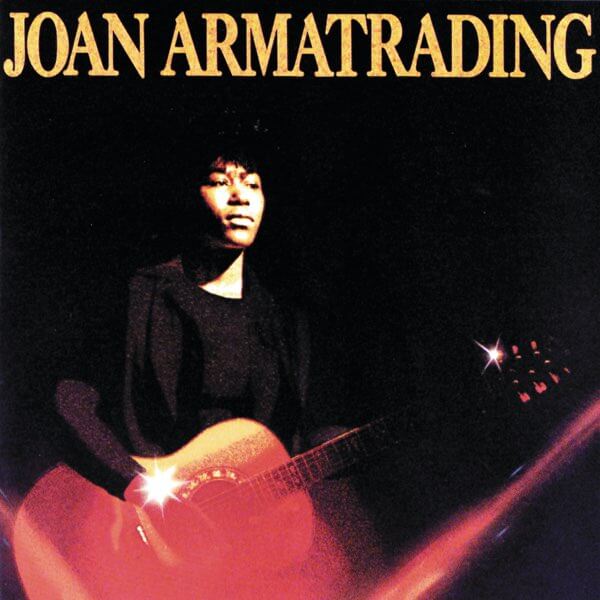 There are few singer-songwriters on Earth that have a voice quite like Joan Armatrading, both literally and figuratively. Her soulful contralto bleeds raw emotion and flits from breathy highs to throaty lows with seamless ease; her pen is sharp enough to scar, dissecting love from all possible angles, somehow hyper-intimate and distantly observational all at once. (Just look at the opening line of standout hit “Love and Affection”: “I am not in love / But I am open to persuasion.”) Nowhere is Armatrading’s genius more immediately evident than on her self-titled third record, which she made, terrifyingly, at the ripe age of 25. Joan Armatrading defies and dissolves genre lines, weaving earworm pop, baroque folk, scorching blues, and downright funk into a single cohesive sound. Opener “Down to Zero” regales us with the tale of a vicious breakup to the tune of pedal steel and heart-thrumming bass; “Tall in the Saddle” starts small, a ballad highlighting Armatrading’s deep, resonant swagger atop a light jazzy guitar part, but builds into sheer intensity before a riotous funk breakdown in the final act; “Like Fire” is a blend of pure soul and country twang that showcases her eccentric guitar work, voice still bruising as ever. At the time of the record’s release, Armatrading was ceaselessly compared to Joni Mitchell for her combination of inventive musicianship and brilliantly open lyricism; skip ahead ten or so years, and Tracy Chapman comparisons abounded, with critics citing Armatrading as an obvious influence in Chapman’s work. There’s truth to these comparisons, but neither fit quite right. Joan Armatrading is in a class of her own. —Casey Epstein-Gross
16. Boston: Boston
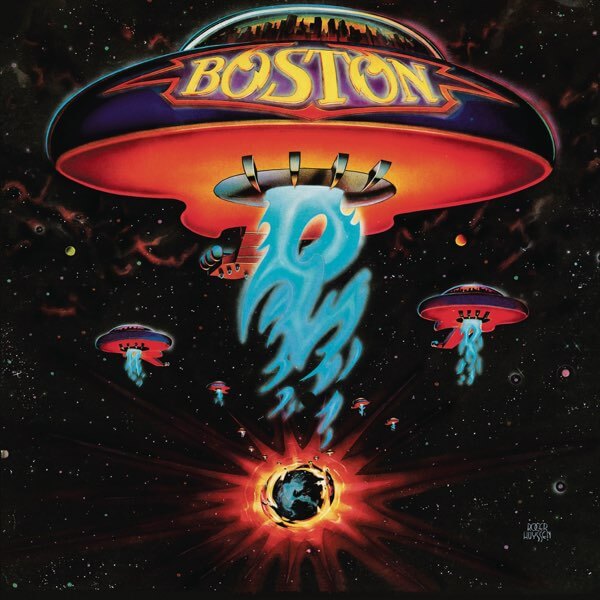 Few albums were as destined for greatness as the self-titled debut of Boston. The timing couldn’t have been more perfect. Led Zeppelin’s most recent album was a let down. Rush had helped introduce the larger world to a more commercial strain of prog rock. The radio airwaves were rife with boogie rock, folk-pop and warm vocal harmonies. And the country was awash with bicentennial madness. Swooping in was this group from Beantown who had polished every last second of their music into a gleam worthy of a freshly waxed muscle car. Every last processed guitar riff and sci-fi synth swoop was meticulously placed, and the high-tone vocals of Brad Delp sprung from it all like a waxy stem. The whole thing was bathed in a magic hour glow by band leader / producer Tom Scholz that instantly drew up memories of languid makeout sessions or stoned soul picnics or the kind of wood-paneled basements where the first iteration of this band knocked insta-classics like “More Than A Feeling” and “Hitch a Ride” into shape. Don’t let the faux humility of Scholz telling folks that he waited until the album had sold a few hundred thousand copies before he felt comfortable enough leaving his job at Polaroid fool you. He knew this was headed to the top of the charts and the rec room turntables of heshers around the U.S. They struck a cultural nerve that is still vibrating nearly 50 years later. —Robert Ham
15. Ryo Fukui: Scenery
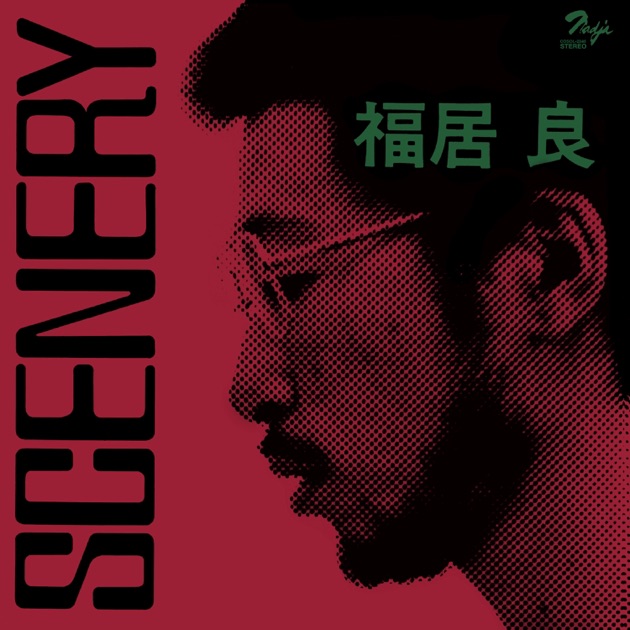 As far as the internet is concerned, YouTube algorithms are responsible for pianist Ryo Fukui’s Scenery reaching so many people in the 21st century. There are a lot of opinions on Fukui’s style, with one Redditor even calling him a “mediocre pianist with no comprehension of language and a rhythm section that can’t swing.” But I don’t know… I think Scenery is a great listen. Yes, there is better playing out there. Yes, there are better Japanese jazz records out there. But Scenery appealed to me when my jazz knowledge was thin, and it appeals to me now that my vocabulary for the genre is stronger. It’s moody and sentimental, informed by American bebop, Bill Evans, and modal jazz. When “Early Summer” kicks into double time, Fukui’s piano dissipates and Yoshinori Fukui’s drums turn the recording upside down. There’s not a moment in any other song from any other album on this list that compares. And I’m especially endeared by Fukui’s interpretations of “It Could Happen to You” and “Autumn Leaves.” They’re room-fillers, punched in with conversational piano runs and brushed snares. I don’t care about Fukui’s technical proficiency, nor do I buy into the jazz community’s snobbery towards his finesse or lackthereof. Scenery reveals a vista of music that excels in conjuring impossible feelings in impossible worlds. Words often fail these rhythms. —Matt Mitchell
14. Gary Stewart: Steppin’ Out
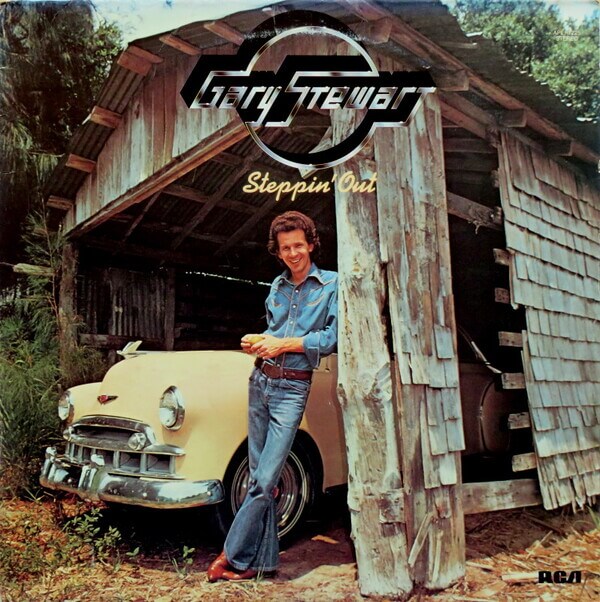 Gary Stewart was a complete original trapped in a weird timeframe, the type of guy you had to take on his own terms only. After working in Charley Pride’s touring band and opening for Dolly Parton, Stewart went solo and flamed out after a handful of records, including Out of Hand and Your Place or Mine back to back around the bicentennial. In-between those titles sits the perfect Steppin’ Out, a miserable treasure of bombastic, rabble-rousing bar tunes. Country music, in my opinion, is a tabula rasa when Stewart is playing it, and Steppin’ Out is a record most Nashville pickers dream of making. “In Some Room Above the Street”… astronauts aren’t the only ones with the right stuff. Stewart had the wit, the gusto, the chest-puffing lead lines, and a voice you pay a mortgage on. I’ll never understand how Gary Stewart never made it all the way to the top when he had songs like “Flat Natural Born Good-Timin’ Man,” “Lord What a Woman,” “(I Can’t Be) Your Backdoor,” and “Easy People” in his back pocket. Not like he cared about fame, anyhow. But his vibrato, emotive like a pedal steel, is a link to country music’s past on Steppin’ Out. 50 years ago, you got a free iron-on patch with your copy. —Matt Mitchell
13. Marijata: This Is Marijata
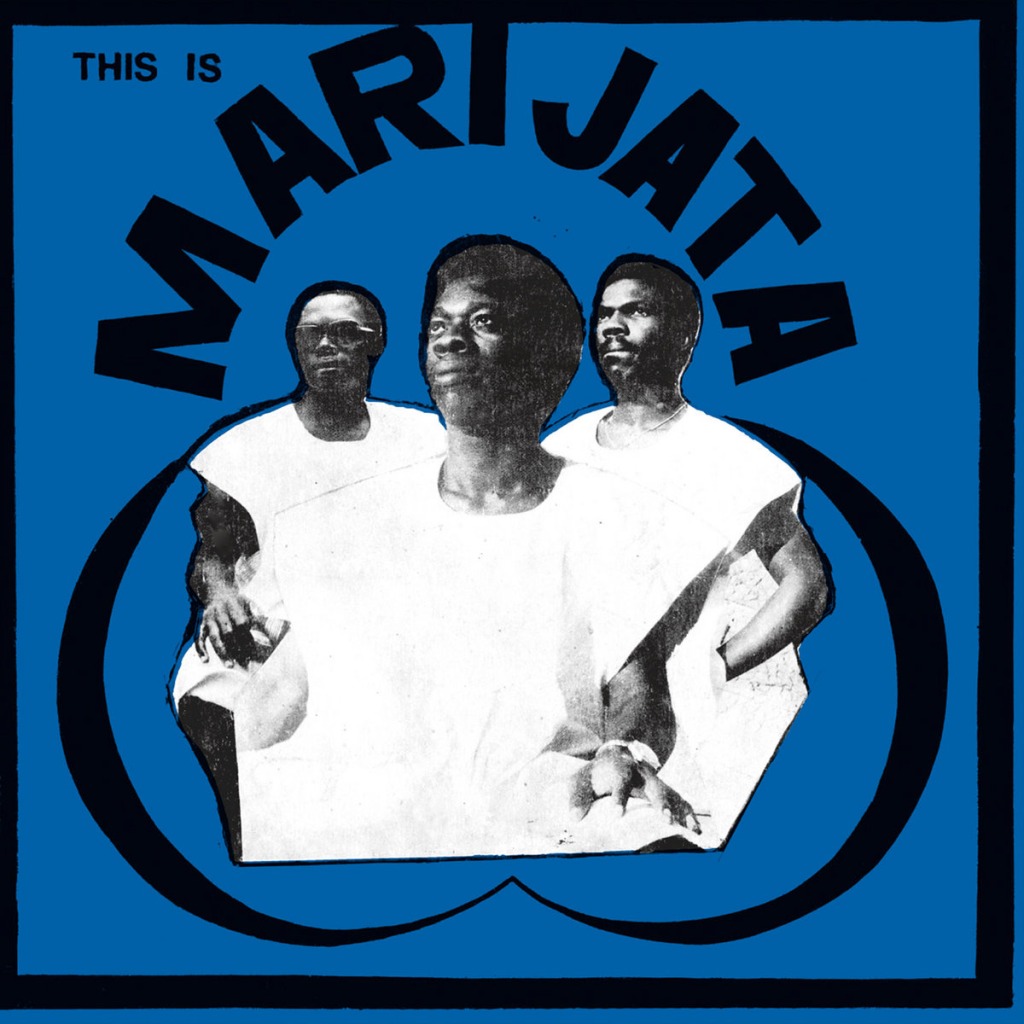 A Mr. Bongo reissue ten years ago resurrected This Is Marijata from out-of-print limbo. Marijata, the Ghanaian trio of Kofi “Electric” Addison, Bob Fischlan, and Nat Osmanu (formerly of the Sweet Beans band), managed to blend raw Afro-funk, psychedelic soul, reggae, and highlife music on their airtight debut record. Marijata weaves anti-colonial critiques; visions of slavery, war, and corruption; and independence into emphatic songs like “We Live In Peace” and “Break Through.” Album centerpiece “No Condition Is Permanent” is an especially flaming critique of Ghana’s “lying, cheating, killing” government. This Is Marijata files next to Fela Kuti and William Onyeabor’s output nicely. The production is dank and homespun, as Marijata locks into a potent, earthy soup of James Brown vocal jumps, Bitches Brew guitar snarls, historic drum fills, and dirt-bombed horn charts. The instrumental passage in “Break Through” sounds like a bridge between “As”-era Stevie Wonder and Remain in Light-style Talking Heads. Recorded in an old TV studio, This Is Marijata is a venturesome, polyrhythmic treasure that’s earned its “classic disc” status. —Matt Mitchell
12. Tom Waits: Small Change
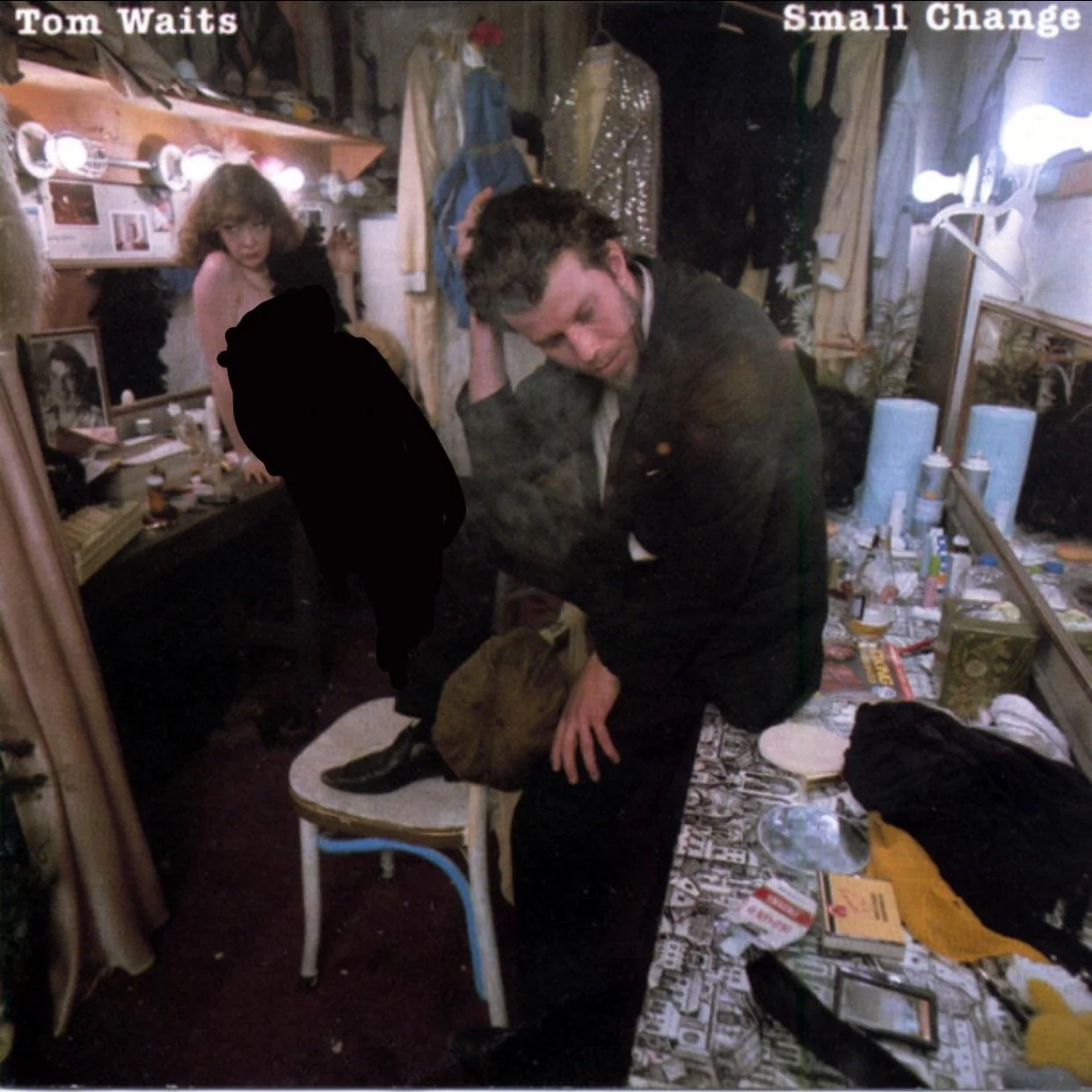 By 1976, Tom Waits had already put out three records of piano-bar jazz and Beat-poet rambling, each one scruffier, odder, and more committed than the last—but it wasn’t until Small Change that he finally came into his own and established that signature idiosyncratic growl. The album is somewhere between a reflection of his distaste for life in the industry and a regression into nights spent shit-drunk in alleyways, strung-out and stumbling through backrooms and bars and burlesque shows. Opener “Tom Traubert’s Blues (Four Sheets To The Wind In Copenhagen)” wastes no time as Waits’ unbelievably gruff voice erupts into that immortal first line—“Wasted and wounded / It ain’t what the moon did / I’ve got what I paid for now”—above lilting, miserable piano. “The Piano Has Been Drinking (Not Me)” and “I Wish I Was In New Orleans (In The Ninth Ward)” showcase Waits’ inimitable aptitude for utterly depressing ballads, while “Step Right Up” paints him as a grim carnival barker, Trojan Horse-ing a scathing critique of consumerism inside a jazzy bass line and near-spoken-word delivery. “Pasties and a G-String (At The Two O’Clock Club)” is bizarre in all the best ways: one of the sparsest songs on the record, the track is nothing but drums and Waits himself, who drunkenly scats and spits his way through a night at a strip bar, profoundly and purposefully unsexy the whole way. Small Change might not be the best Waits album of all time (there are 18 of them, after all) but it’s undoubtedly the highlight of his early Asylum era. —Casey Epstein-Gross
11. Chico Buarque: Meus caros amigos
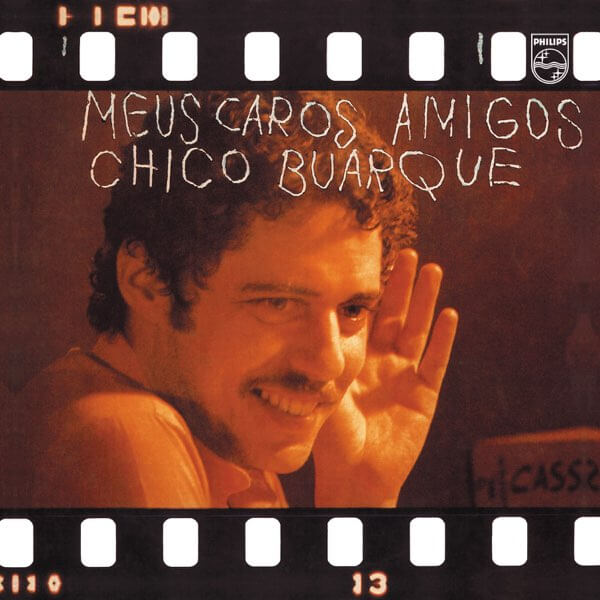 Brazilian singer-songwriter Chico Buarque redefined Portuguese music on his 12th album, Meus caros amigos. It opens with a masterpiece: the Milton Nascimento-assisted “O Que Será? (A Flor da Pele).” Meus caros amigos features co-writes from Augusto Boal, Ruy Guerra, and Francis Hime, and much of its tracklist was composed for film and stage productions: “Mulheres de Atenas” was written by Buarque for Boal’s play Lisa, a Mulher Libertadora; “Vai Trabalhar” was made for Hugo Carvana’s film of the same name; “Passaredo” and “A Noiva da Cidade” were also penned for a film, Alex Viany’s A Noiva da Cidade; “Basta um Dia” was written for Gota d’Ǻgua, a Paulo Pontes play. Jazz, bossa nova, and baroque-pop styles reveal Meus caros amigos as an MPB beauty. The record managed to avoid being censored by Brazil’s military dictatorship (“O Que Será? (A Flor da Pele)” was the lone exception, and the regime released it at the last minute). The record is symphonic and proparoxytonic and bittersweet and delicate. Few albums in Brazil’s history can claim to be so dynamic. —Matt Mitchell
10. Thin Lizzy: Jailbreak
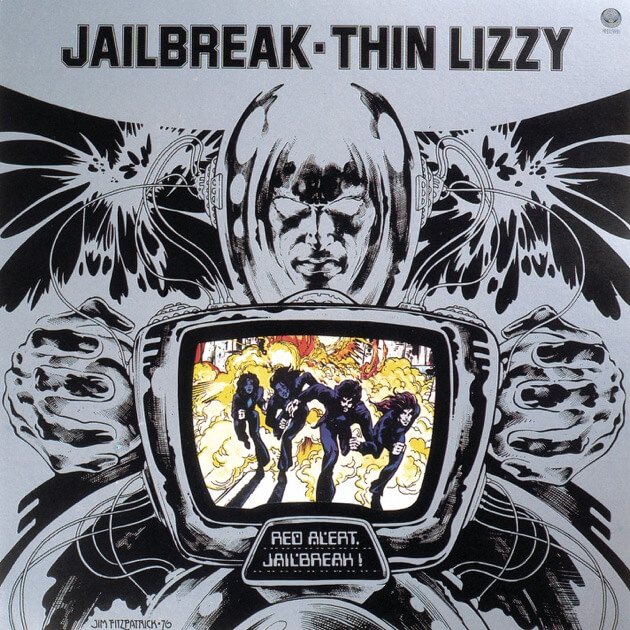 I’ve heard hundreds, if not thousands, of rock and roll albums, and I think Jailbreak is the greatest rock and roll album of all time (though Electric Ladyland, Highway to Hell, and Street Survivors get close). The songs form a tone hall of fame. Scott Gorham and Brian Robertson tattooed every chorus with harmonized keystroke riffs and streaky barre chords that sat on the 3rd above melodies. There was minimal effect and even less reverb and delay. Jazzy but rarely heavy. To my ears, Thin Lizzy never played aggressive, nor did they ever seem showy. Most necessarily, their guitars lent a perfect contrast to Phil Lynott’s husky, superstar vocals. If he was Ireland’s most beloved rock star, that is because his poetry sounded like a million bucks in his bandmates’ company. And Lynott was a rock star, not a rock technician: always on beat but as cool as the day was long. In my life, there’s before Jailbreak and after Jailbreak. —Matt Mitchell
9. Milton Nascimento: Geraes
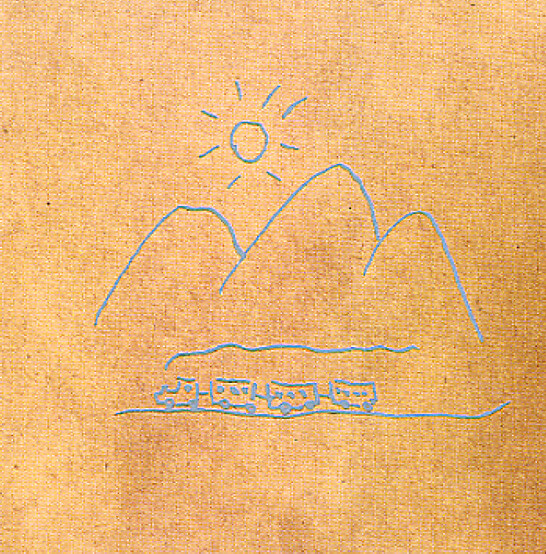 Milton Nascimento’s refusal to put Geraes on Spotify continues to haunt me. The album is an utter masterclass in samba: bold, full, atmospheric, and bucolic. After a pivot to Afro-fusion, Nascimento returns to his roots here, making great use of the traditions from which his music first began. His voice is languorous and meditative. The hip-swaying, jubilant “Circo Marimbondo” and “O Que Será (A Flor Da Terra),” a phenomenal duet with friend and collaborator Chico Buarque, are high points. My pick for the most underrated part of the album is its opener: the expansive, winding “Fazenda.” Geraes is a project that sounds like it came from another planet: it’s alive and aware of it in a way that very few things on this earth are. If you’re ever in a bad mood, put on Geraes. You won’t be that way for long. —Miranda Wollen
8. Ramones: Ramones
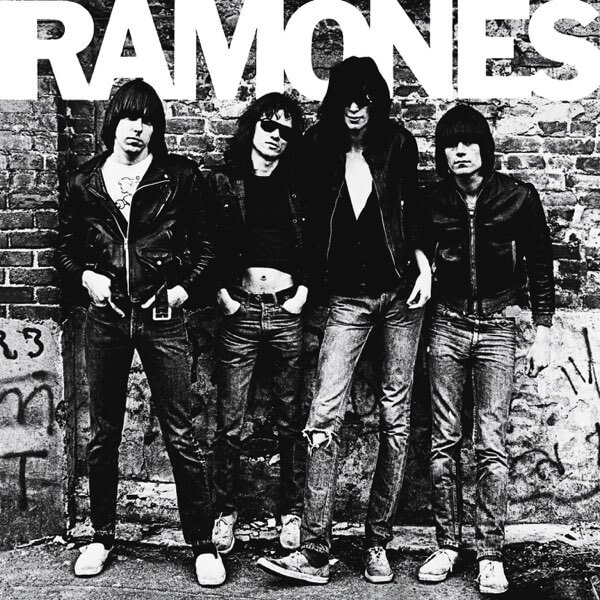 The Rosetta stone of punk rock came together in a blur. A week-long recording session wherein all the instrumental tracks were knocked out in a few days and the vocals were kicked down in a few more. Sure, that speaks to the boneheaded three chords and a dream truth behind the quartet and the amount of time that they had to hone their arrow-like trajectory while dominating the underground clubs of New York. Yet it still feels bold for an era of major label, arena rock bloat and overproduced palaver that was all over the airwaves. What the Ramones had to offer was rock music stripped down and lean, inspired by the hooky radio hits of Phil Spector and the Beatles but not beholden to it. They understood the structures of pop songcraft but were young and steamed up enough to use it as a canvas on which to paint scenes from their favorite horror films, real-life scenes from the grimy streets of downtown New York and valentines to potential partners rendered in garish colors. The snotty and the sweet presented in one under-30 minute speed trip. —Robert Ham
7. Warren Zevon: Warren Zevon
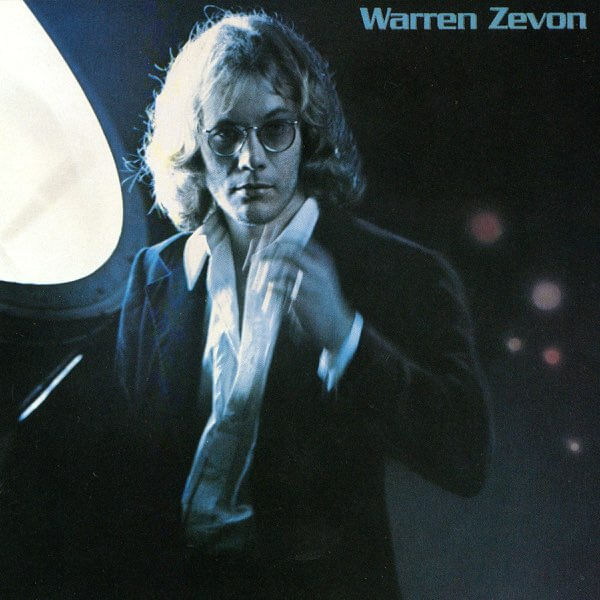 Warren Zevon sold horribly in 1976 but made the man himself something of a provocative, outré songwriter in a period of adult-contemporary FM radio slop. To boot, the record’s tales of destruction and hedonism didn’t land too far away from the truth of Zevon’s own antics. He beat on women, cast friends and business partners aside, nearly killed himself with his own hands and the drinks they clutched. Legend has it he was a gun nut who liked firing off rounds indoors. Zevon was a career suicidist with a shit-hot pen. His edges were much rougher than those of his mellow-mafia associates. Jackson Browne and the Eagles and Fleetwood Mac were all far more successful than him, armed with enough chart-toppers to justify their catchy, if not innocuous melodies, but they were never the kind of rock star Warren Zevon was. Even though many of his later records are just so-so, if not totally frustrating to sift through, his first record is perfect. Zevon sang about the addicts and the two-bits, the whores and the sidemen. His portrait of Hollywood ain’t dead; the demimonde just wraps its nights up much earlier now. Not too bad for a guy who once made ends meet by singing ditties for Chevrolet. I love “Desperados Under the Eaves,” “Carmelita,” and “Poor Poor Pitiful Me,” and I like humming them with my girl while we hitch ourselves up and down these busy LA streets, where the poetry of our lives bounces off all the billboards. Under the banner of Zevon’s wickedness, I feel complete in my own meekness. —Matt Mitchell
6. Marvin Gaye: I Want You
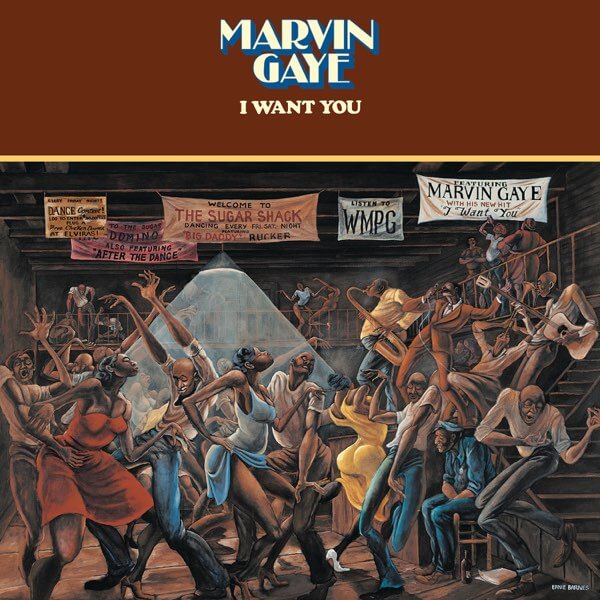 Marvin Gaye is one of the greatest singers to ever live, and there is no doubting that. And, he made one of the greatest albums of all time in What’s Going On in 1971. When you reach such a mountain, where do you go next? For Gaye, he made the less great Trouble Man and the above-average Let’s Get It On in back to back years before taking a three-year break. It was then, in 1976, that he saw that familiar peak once again. I Want You was a return to form and Gaye’s most complete record—thanks to the title-track, which arrives with three different versions on the album (vocal, intro jam, jam) and later inspired one of Kendrick Lamar’s best songs. But elsewhere, “Come Live with Me Angel,” “I Wanna Be Where You Are,” and “Since I Had You” are some of Gaye’s sharpest songs ever. While What’s Going On rightfully gets its flowers first and foremost, I Want You is its undersung sibling—a sexual, crowning R&B and soul achievement that influenced the likes of Todd Rundgren, Madonna, Mary J. Blige, Sade, D’Angelo. Gaye is credited with perfecting quiet storm and slow jam music, and I Want You captured him fully pivoting from the Tamla-Motown sound that had made him a superstar years prior. Critics were mixed on the album upon release, but time has been on Gaye’s side. —Matt Mitchell
5. Joni Mitchell: Hejira
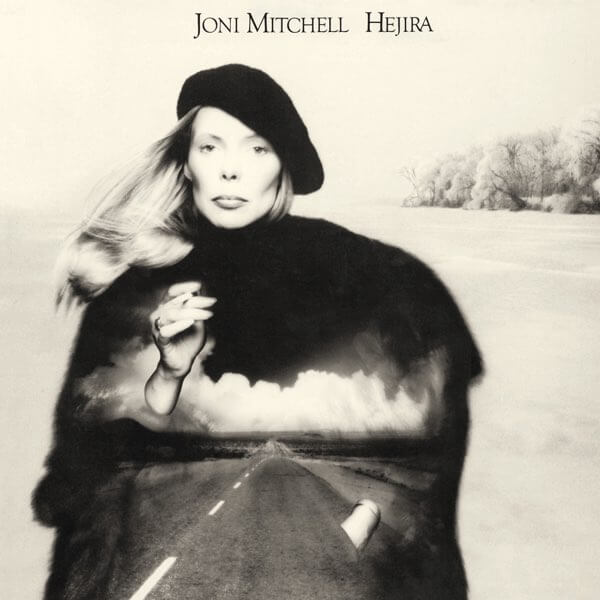
In 1976, after spending years in the limelight, singing and playing hippie-friendly anthems like “Big Yellow Taxi” and “The Circle Game” for people who came of age in the ‘60s, Joni Mitchell needed time off to reflect and reassess. Her solution was to drive across America by herself, and the time away gave birth to the songs on Hejira, a word that loosely translates as “traveler” in Arabic. Songs like “Amelia,” “Coyote,” and especially “Song for Sharon” expressed a new depth and maturity in her lyrics that perfectly fused with the challenging new music she was composing. Supported by a stellar who’s who of modern jazz musicians including Jaco Pastorious, Tom Scott and Larry Carlton, Mitchell’s guitar-playing that had previously comprised of little more than folk strumming attained a mastery of expressing, phrasing and tone that has lost none of its power or innovation with the passage of time. Rhythmically complex, daring and beautiful, Hejira’s travelogues of despair and illumination have inspired many to consider it the finest album in her discography. —Doug Heselgrave
4. Fela Kuti & The Africa ‘70: Zombie
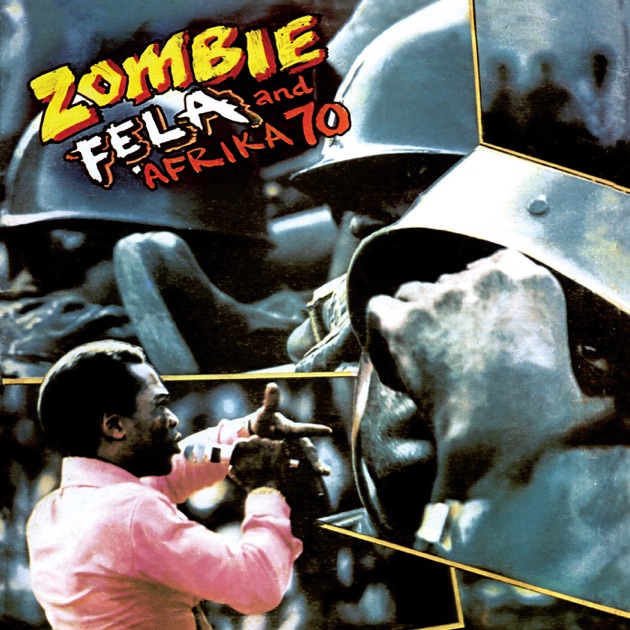 Fela Kuti’s music is gospel, and no one does fusion like him. In 1975, he and Africa ‘70 made Expensive Shit, the greatest Afrobeat album of all time—a product of the Nigerian police state repeatedly targeting Kuti. His ire turned towards the country’s military a year later on Zombie. Kuti, with his dozen-man backing ensemble, launched a scathing attack against complacent “zombie” soldiers across 54 minutes of tribal rhythms, funk saxophone, vocal chants, and chugging, interlocking guitar lines. The title track and “Observation Is No Crime” are especially tense and volatile. The former mocks drill compliance with overwhelming horn attacks and rubber-band snares, while “Observation Is No Crime” criticizes the surveillance state through passages of vampy strata. Most American protest music lasts without consequence, but Zombie enraged the Nigerian government. It retaliated against Kuti’s music by destroying his Kalakuta Republic commune. Kuti himself was beaten and his mother Funmilayo Ransome-Kuti was killed by defenestration. Kuti’s studio, master tapes, and instruments were lost in the fires, so he and Africa ‘70 holed up at Crossroads Hotel before giving a fabled performance in Accra in 1978, where riots broke out. Zombie is dangerous music. Every groove is a scar. —Matt Mitchell
3. David Bowie: Station to Station
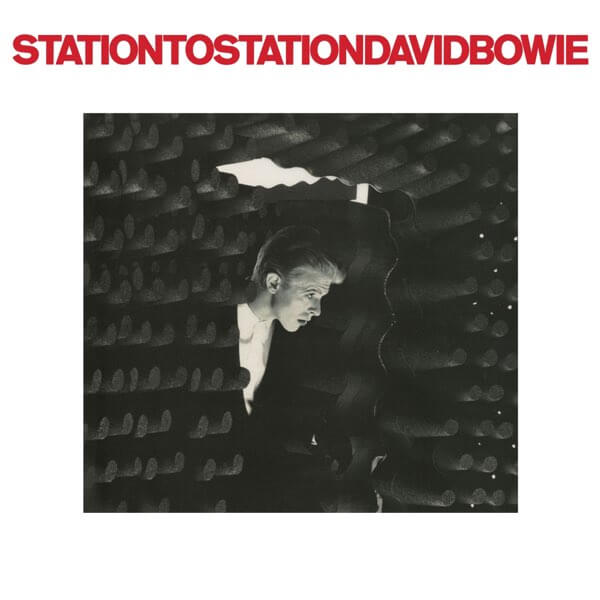 David Bowie’s grandest record, Station to Station, was fueled by “astronomic” cocaine, peppers and milk, an Aryan zombie alter-ego, a mental breakdown with a Hollywood backdrop, the Kabbalah, and finally a desperate search for love and meaning amid profound spiritual confusion. It’s also a sonic masterpiece on a level unattempted before or since, having been variously described as the merger of “Lou Reed, disco and Dr. John,” “space funk,” “alien dance music” with “a wail and throb that won’t let up,” “a masterpiece of invention” and, according to longtime Bowie collaborator Brian Eno (who was not involved with Station to Station but would work with Bowie on his imminent Berlin trilogy), “one of the great records of all time.” Somehow the opening track that goes on for over ten minutes (and really is three songs in one) doesn’t seem remotely self-indulgent.
In fact, the most thrilling thing about the song and the album generally is that it’s so close to completely falling apart, yet not only holds together but soars. After the prog-rock(ish) title track, the album recaptures the white soul of Bowie’s previous record, Young Americans, with “Golden Years” (which Bowie said he offered to Elvis Presley), then rocks in full guitar-hero fury with “Stay.” Bowie deconstructs and then reconstructs a pop masterpiece in “TVC 15,” and croons with a passion so pronounced it almost seems unreal—and maybe that’s what makes “The Thin White Duke” most frightening—on both “Word on a Wing” and “Wild Is the Wind.” Every track is enthralling. Guitarist Earl Slick said, “It was a very important record artistically because it was the first time somebody took pop songs and twisted the hell out of them but didn’t lose the essence of the song. The only person who was really doing ‘out there’ shit at the time was Zappa, and that was wonderful but it was Zappa. This wasn’t avant-garde, this was pop stuff and nobody had approached a record like that.” —Michael Salfino
2. Jorge Ben: África Brasil
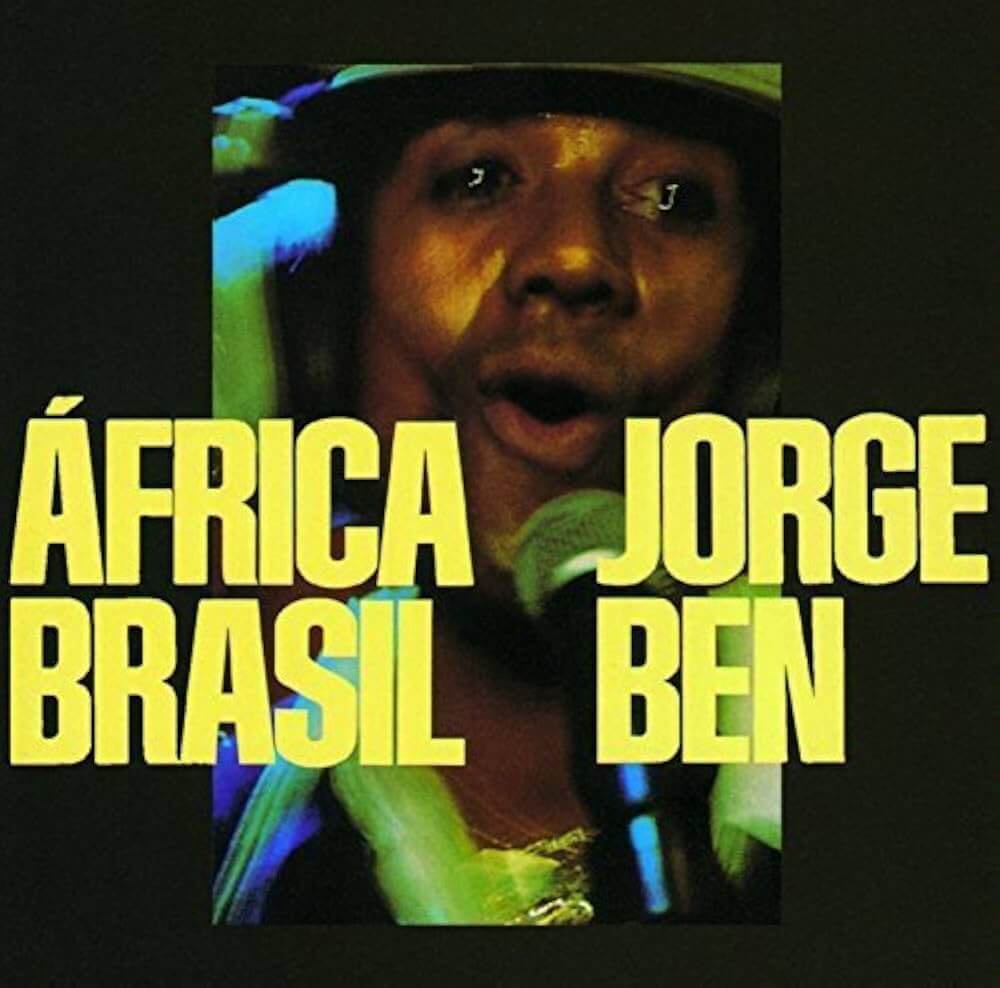 In 1975, Jorge Ben teamed up with Gilberto Gil for Gil e Jorge (Ogum Xangô), a guitar revolution packed into samba masterworks. A year later, he went electric and made the best album of his career, África Brasil. The groove here is Ben’s anchor, his motivator, and his destination. Every speck of this tape is adventurous and super-charged, full of Afro-samba horns, and gospel vox. The songs are tributes to Afro-Brazilian heritage and diaspora. “Ponta de Lanca Africano” is about an African football striker. “Zumbi” is about a Brazilian quimboa leader from the 1600s. Ben’s craft morphs into psychedelic, polyrythmic MPB spirituals. “A História de Jorge” is one of his most ecstatic bops. The pulse never ceases. Ben saw Miles Davis’ “music from the gods” and used the trumpeter’s On the Corner intensity to make África Brasil. The songs slide in sideways. This version of “Taj Mahal”? He ate Rod Stewart up, I’m afraid. But África Brasil finds its greatest courage in the title track, when the funk manifests in a scream yanked from Ben’s diaphragm. In this pocket, ancestry is motion and memory. —Matt Mitchell
1. Stevie Wonder: Songs in the Key of Life
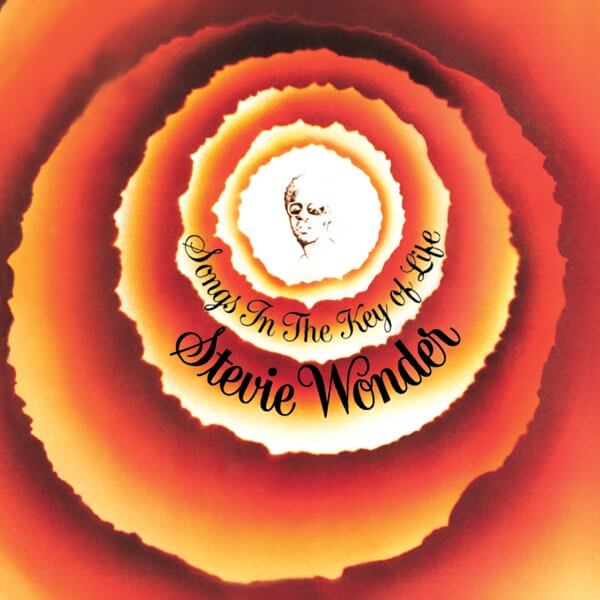 The world didn’t know how to make music until Stevie Wonder started making it, and the greatest album of all time is his magnum opus double-album, Songs in the Key of Life. After winning Album of the Year Grammys in 1974 and 1975, few musical figures were as massive as Wonder. He had somehow climbed higher than the top of the mountain and, by 1975, wanted to quit playing music, emigrate to Ghana, and work with disabled children. He hated how the American government ran the country; he was considering a farewell concert. But then, he signed a seven-year, seven-album, $37 million deal with Motown and took the rest of 1975 off. By the time Wonder made it to Crystal Sounds Studio in Hollywood to record Songs in the Key of Life, his perfectionism had become unrelenting—and he’d spend hours in the studio recording, refusing to eat or sleep. His session-mates struggled to keep up with Wonder’s pace, and bassist Nathan Watts once recalled Wonder calling him at 3 AM to come to the studio immediately and help out with “I Wish.” But what came of those sessions was a historical document of Black excellence, empowerment, equality, humanity, recollections of childhood, faith, love lost and love gained, and economical divide.
It’s rumored that there is a vault, somewhere, someplace, of more than a hundred unreleased songs that Wonder had written during the Songs in the Key of Life sessions. His opus was not a mark of brilliance dropped onto Crystal Sounds from some mythical, heavenly above. It was a labor of relentless, complicated and downright incessant love. Songs like “Sir Duke,” “As,” “Isn’t She Lovely,” and “Village Ghetto Land” only scratch the surface of how dense and beautiful Songs in the Key of Life is. You don’t have 130 players featured—including Herbie Hancock, George Benson, Deniece Williams, Minnie Riperton, Michael Sembello, Jim Horn, and Sneaky Pete Kleinow—and chalk up such genius to something indescribable. No, this is a record of 21 songs built from scratch by a coterie of the greatest musicians to ever pick up an instrument of any kind or sing a note. No double-album is as skipless as Songs in the Key of Life, and it’s likely that no record ever gets made again that even breathes in the same room as this one. “This world was made for all men,” Wonder belts on “Black Man.” And Songs in the Key of Life, too, was made for Stevie Wonder, made for you, made for me, made for us, made for everyone. —Matt Mitchell
 Keep scrolling for more great stories.