
The 25 greatest albums of 1986
Let's look back at the year that delivered landmark releases from The Smiths, Janet Jackson, and R.E.M.
Photo by Michael Ochs Archives/Getty Images
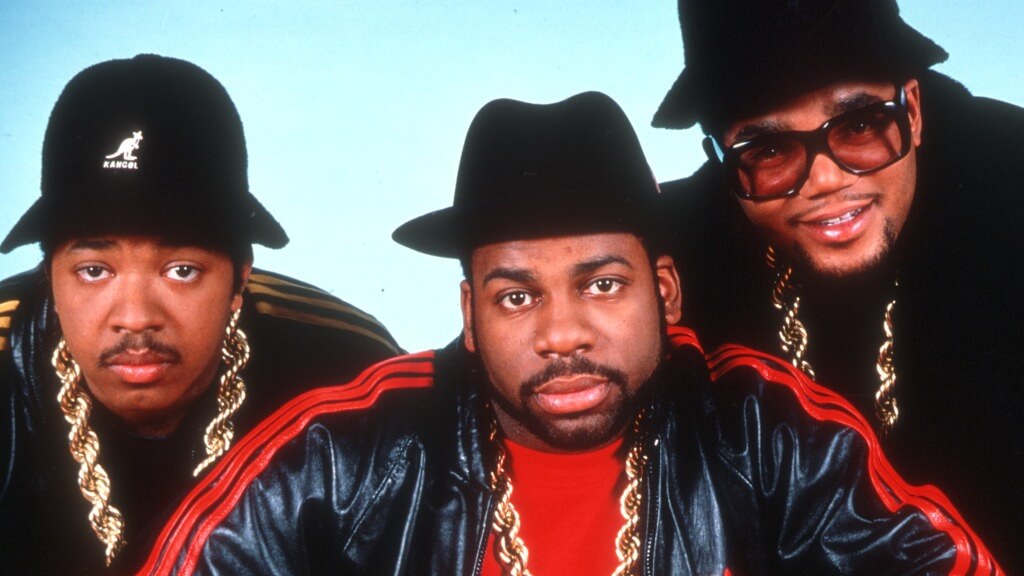
Compared with 1984 and 1985, 1986 is the weakest year of the trio. The previous 24 months saw the releases of Purple Rain, Songs From the Big Chair, Like a Virgin, Born in the U.S.A., Hounds of Love, and Rain Dogs, while the period right after delivered career-best efforts from The Smiths, Paul Simon, and R.E.M. And, as you’ll notice in this list, rock and roll, country, hip-hop, post-punk, and pop music had reached a near-level playing field 40 years ago. The year was no doubt a crucial one: the Rock and Roll Hall of Fame had its inaugural induction ceremony, “We Are the World” won both Record of the Year and Song of the Year at the GRAMMYs, Queen played its final concert with Freddie Mercury, and Metallica bassist Cliff Burton was tragically killed in a tour bus crash in Sweden. The longest charting No. 1 hit in 1986? “That’s What Friends Are For” by Dionne and friends, if you can believe it. To commemorate such an odd part of the 1980s, we’ve assembled a list of the best records from 1986, despite the year’s weaknesses. We hope that you’ll leave this list as curious as you are frustrated by our placements. No live albums, no EPs. Here are the 25 greatest albums from 1986, ranked.

25. Steve Earle: Guitar Town
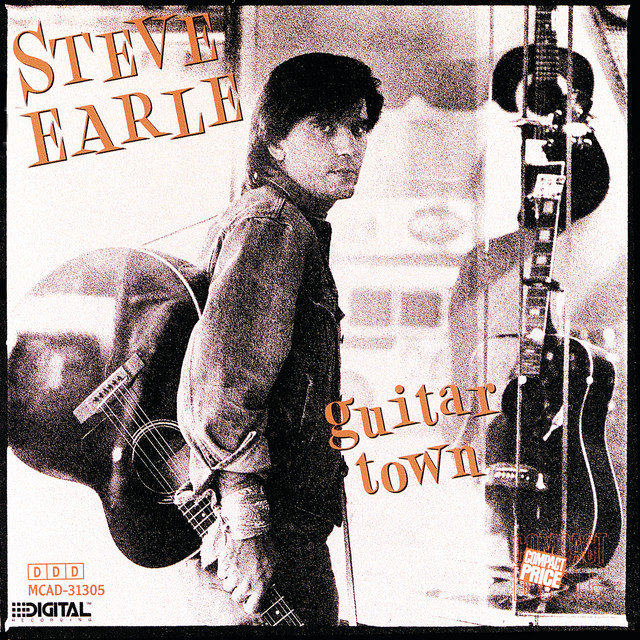 If Bruce Springsteen had grown up in Texas, listening to Lefty Frizzell on the radio in a beat-up pick-up truck, he might have sounded a lot like Steve Earle. Earle has the Boss’s ability to tell blue-collar stories with just the right details and just the right guitar licks, but Earle sets his tales in small Texas towns and gives his riffs a tell-tale twang. Once a bass player for Guy Clark, Earle cut some singles for Epic that went nowhere, but 1986’s Guitar Town was his debut album, and he never topped this country-rock evocation of the forgotten kids too small for a football scholarship, too restless to stay home and too tough to give up. Co-producers Emory Gordy and Tony Brown turned four of them (“Hillbilly Highway,” “Guitar Town,” “Someday,” and “Goodbye’s All We’ve Got Left”) into Top 40 country hits. —Geoffrey Himes
24. Felt: Forever Breathes the Lonely Word
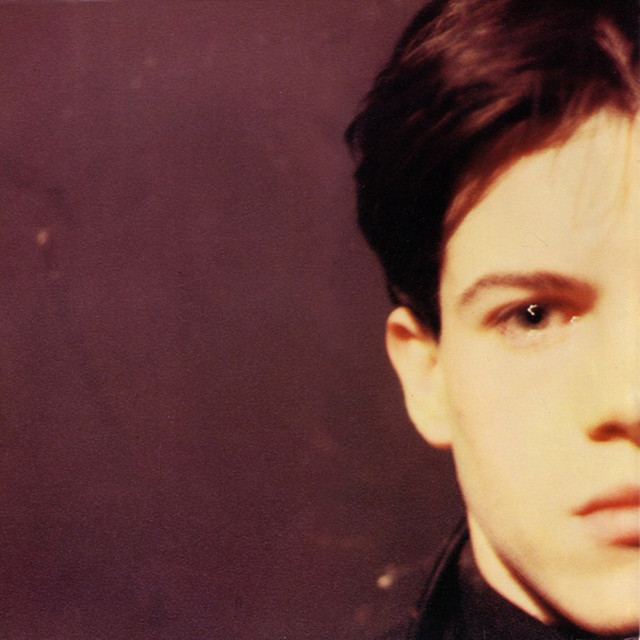 Alongside Britpop bibles like (What’s the Story) Morning Glory? and shoegaze zeniths like Loveless, the influential London record label Creation also housed Felt, a crew of Warwickshire outcasts led by the elusive, bookish, and mononymous frontman Lawrence. Lawrence held deep reverence for the innovation and liberation celebrated in CBGB-era punk rock, but his staunch perfectionism made it hard for him to truly connect with those bands’ scrappy studio releases. He hoped to bridge that gap on his own with Felt, who didn’t truly hit their stride until their sixth album Forever Breathes the Lonely Word. Lawrence’s almost theatrical delivery pairs perfectly with the peppy hammond organ you hear across the entire album, courtesy of future Primal Scream keyboardist Martin Duffy. Felt’s idiosyncratic take on pop meant that, despite Forever Breathes the Lonely Word’s moderate success, the band was never able to break into the mainstream as they deserved. But Lawrence was always more interested in building a legacy than participating in a scene, and a legacy is exactly what Forever Breathes the Lonely Word built. —Abby Jones
23. Siouxsie & The Banshees: Tinderbox
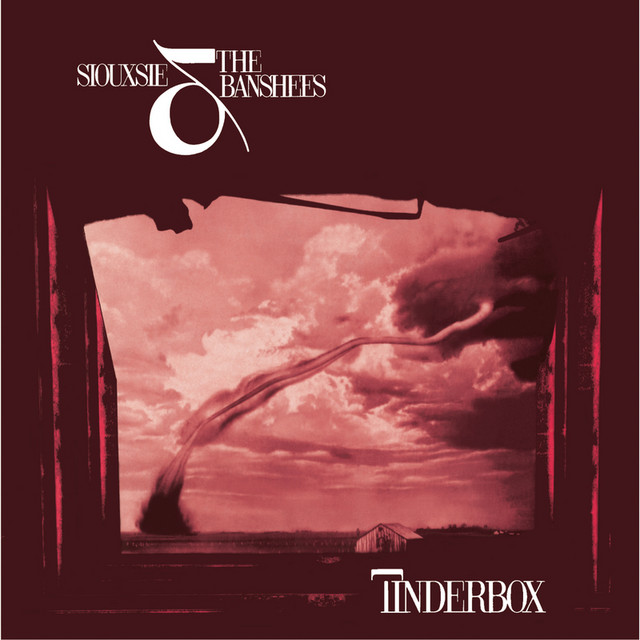 Listeners need look no further than Tinderbox’s singles to feel a peculiar tension between infectious pop and doomsday peril. Volcanic dance-rock hit “Cities in Dust” begins with its iconic drips and pooling water before erupting into a molten groove ready to burn down every disco between here and Pompeii. Inspired by an excursion to the ruins of that tragic city, Siouxsie Sioux imagines the moments before the disaster as a reminder of how quickly life can return to ashes and dust. “Candyman” bursts with driving, jangly guitars and playful cadences that initially belie the danger Sioux relates. Our skin only begins to crawl as we realize that this man with a “syrup tongue,” “gelatin saliva,” and a “guillotine smile” preys upon the most innocent and vulnerable among us. “With their guilt and shame / They think they’re to blame,” laments Sioux, who, as an abuse survivor herself, understands the traumatic aftermath of a candyman’s betrayal. It makes the distant schoolyard “na-nana-na”s at the song’s end one of the more haunting and disturbing moments of the Banshees’ entire catalog. Tinderbox claims a realm all its own—a majestic, cautionary collection of songs and outtakes full of darkness and peril but also a glowing desire to understand and, above all, endure. It’s yet another one of those moments that defies simple categorization. Perhaps Sioux has described Tinderbox as well as anyone: “It just sounds like Siouxsie and the Banshees.” —Matt Melis
22. XTC: Skylarking
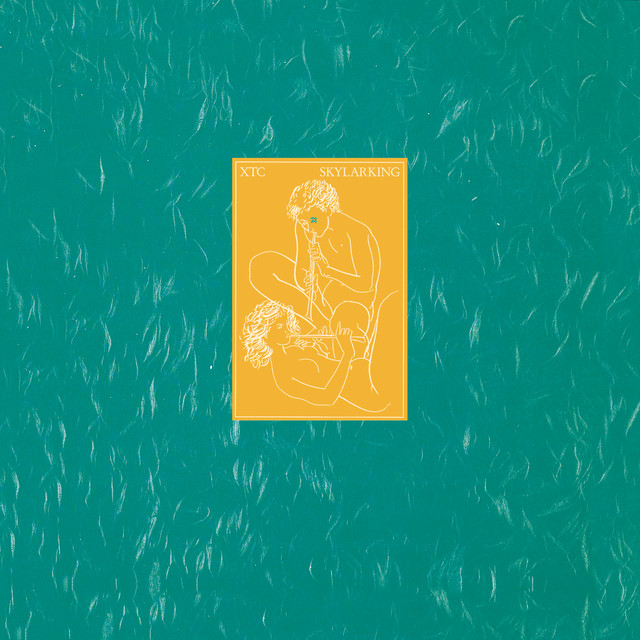 While Skylarking didn’t turn the music world entirely on its head, it sold well enough to restore some of Virgin’s faith in the band as a commercial asset. It also emphasized that XTC were better received in America than at home in Swindon, a fact made even more evident when the band topped the modern rock charts in the United States twice more by the early nineties. Skylarking has only grown in stature over the years as publications tout it on “best of” lists and music nerds discover it all over again as they sift through the fascinating trove of work left by Andy Partridge and co. As for the band, none of them may ever line up to work with Todd Rundgren again, but time has allowed them to come around to appreciating what the pairing created together. Even Partridge, who openly trashed the record when it came out, eventually praised Rundgren, writing: “Time has humbled me into admitting that Todd conjured up some of the most magical production and arranging conceivable. A summer’s day cooked into one cake.” A confection that remains as delectable as ever nearly forty years later. —Matt Melis
21. Beastie Boys: Licensed to Ill
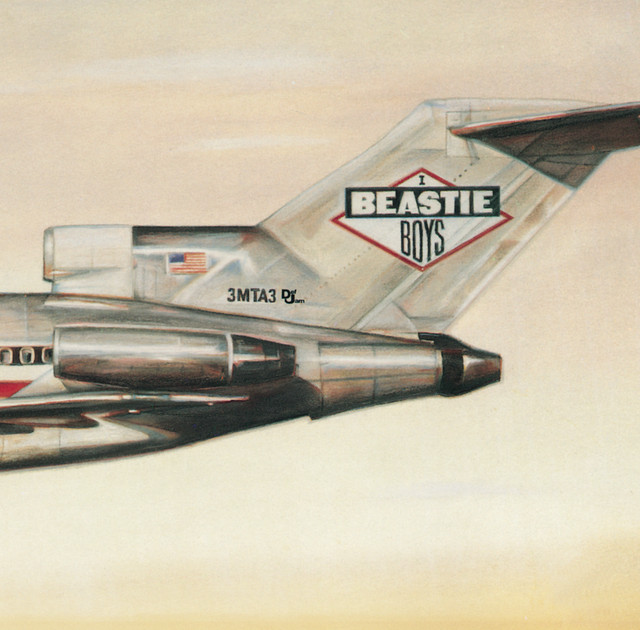 If there were ever questions of whether hip-hop could be a perfect storm of wit and fun; whether Def Jam co-founder Rick Rubin was a star producer; and whether classic-rock riffs could meld with rap’s rhythm and bombast, it was put to rest by Beastie Boys in 1986. That year, their debut album, Licensed to Ill, became the first hip-hop album to hit No. 1 on the charts, pushing the genre into the mainstream and setting the bar for modern legends such as 2Pac, Eminem, Jay-Z, and Kanye West. And, most importantly, introducing thirteen tracks worth repeating for more than twenty-five years. —Ani Vrabel
20. Big Black: Atomizer
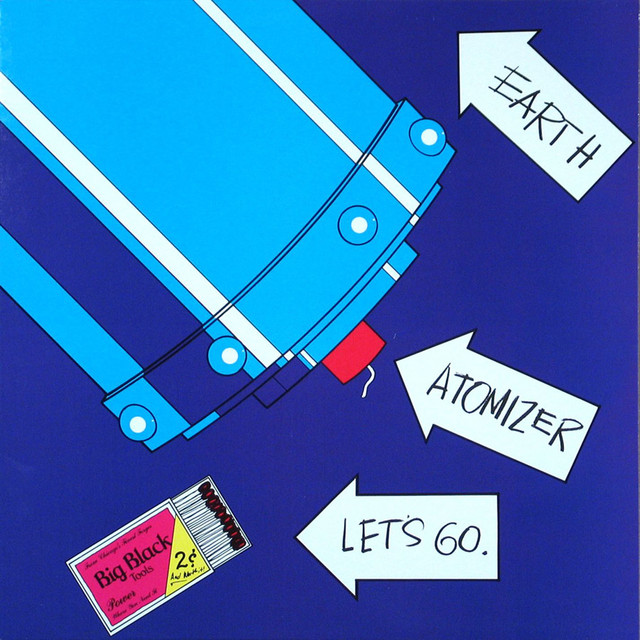 Throughout his storied career, Steve Albini was never very interested in making himself palatable. But that fact is probably best put into practice on Atomizer, the album that first put the late musician and prolific audio engineer on the map before he’d go on to produce rock classics like Surfer Rosa and In Utero. In 1986, Chicago’s Big Black weren’t just riding the coattails of the Revolution Summer movement that had lit Washington, DC’s post-hardcore scene aflame: They were genre innovators in their own right, their sound characterized by Santiago Durango’s inimitably-distorted guitar riffs, Dave Riley’s sludgy bass lines, and a proto-industrial drum machine keeping time in lieu of a standard kit. But what makes Atomizer so remarkable—and so polarizing—is frontman Albini’s menacing, unrelenting vocal delivery and subject matter. Beyond depictions of substance abuse and blue-collar malaise are explicit references to a real-life child pornography scandal and the stickier nuances of social racism, going places very few of Albini’s punk forebears would go. This will stay with you until you die. —Abby Jones
19. Throwing Muses: Throwing Muses
 For much of Kristin Hersh’s life, her music was neither a blessing nor her own; in her mind, it was a curse belonging to an alternate persona that came into being as part of her bike-crash-induced dissociative disorder: Rat Girl. “I can’t even remember what it was like to hear a song that didn’t grab my face and shout at it,” she wrote in her fittingly titled memoir Rat Girl. You can hear what she means on Throwing Muses’ excellent debut record: these songs are somatic and visceral, the kind that live in the gut and rip their way out flesh-first. Hersh rasps out gnarly lyrics—smack freaks and God hate, lust as roadkill pigeons, school shooters, screaming pillows and kitchens and shoes—above raucous guitar lines from Tanya Donnelly (of subsequent Breeders’ fame) like it’s the only way either of them know how to speak. Leslie Langston’s serpentine bass undergirds each track, and the clatter of David Narcizio’s mad drumming serves as the messy, taut ribbon tying it all together. Emotion burns and bleeds, dripping from Hersh’s idiosyncratic voice and skewered by her words. The record is so good, in fact, that British label 4AD broke their unspoken rule of not signing American bands just to have Throwing Muses on their roster. They assigned Gil Norton (who’d later produce Pixies’ Doolittle) to soften things up a tad, curve the edges and pad out the sound, but there’s little any human being could conceivably do to smooth over the kind of sharp-toothed rawness audible here—and it’s all the better for it. Throwing Muses was already radical upon release, but somehow it feels all the more so today, forty years down the line. —Casey Epstein-Gross
18. Slayer: Reign in Blood
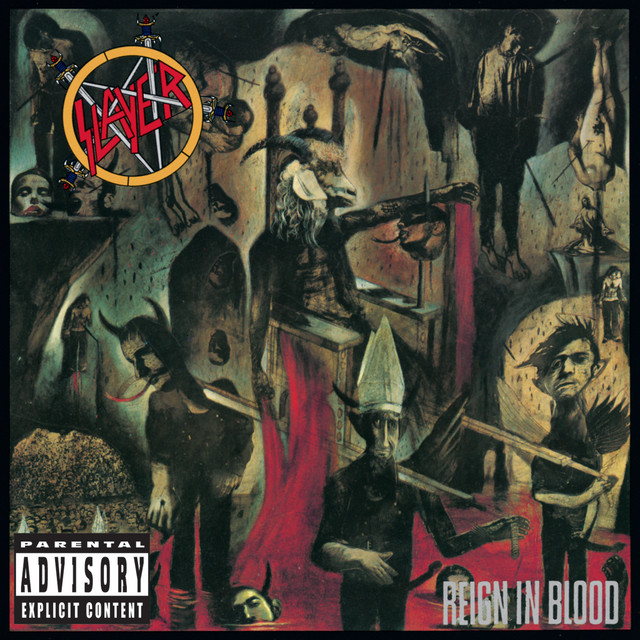 In 1986, no metal band was heavier or more controversial than Slayer, and their signing to a major label didn’t keep them from melting everyone’s faces with their third album. At just under thirty minutes, Slayer riled you up and ripped you to shreds on Reign in Blood. It’s all killer and zero filler, backed with timeless riffs and unmatched energy, especially in “Raining Blood” and “Angel Of Death.” The introduction of Rick Rubin—most known for his work with Run-D.M.C. and LL Cool J at the time—initially worried hardcore thrash fans who were riding the high of Metallica’s Master Of Puppets, yet his presence preserved just the right amount of the band’s havoc. What came of it was the best of Slayer’s craft. —Olivia Abercrombie
17. Dwight Yoakam: Guitars, Cadillacs, Etc., Etc.
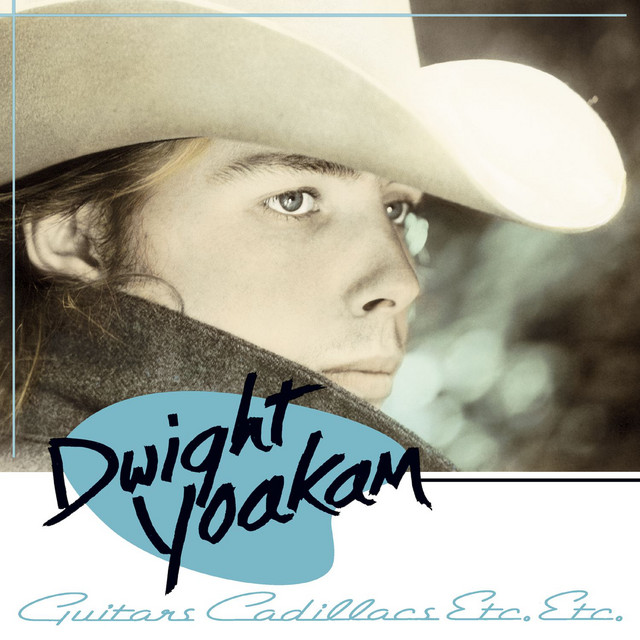 1986 gave us three terrific country music debuts, the second on this list being Dwight Yoakam’s Guitars, Cadillacs, Etc., Etc.—a Kentuckian’s bona fide greatest hits collection cut between two LA studios. It’s a picture-perfect hootenanny; a strong antidote to any and all symptoms of the Urban Cowboy turnover at the dawn of the eighties. “Honky Tonk Man” and “Guitars, Cadillacs” sound like rebukes of Nashville’s pivot to pop country, made by a man who loved the Bakersfield sound, Johnny Cash, and The Byrds, and who played gigs with punk bands like X while living in Hollywood. What you hear on Guitars, Cadillacs, Etc., Etc. is a hillbilly heaven—a rollicking, rambling fever-dream reinterpretation of Buck Owens’ shuffle sound. With the help of producer Pete Anderson, Yoakam used his God-given voice to change country music forever. As Yoakam put it, he and his band were doing “Bill Monroe with drums.” Bluegrass and barrooms be damned, I can’t think of many records I’d rather cut up a rug to. —Matt Mitchell
16. New Order: Brotherhood
 New Order made five LPs in the eighties, and all of them are tremendous. Brotherhood was an immediate follow-up to Low-Life, in which the band abandoned its electropop teases in favor of a more tactile sound. On lists like this, I try to avoid records bolstered by a single song, but few records in this ranking have a song better than “Bizarre Love Triangle.” What’s great is that the music surrounding that tune is just as good: “Broken Promise,” “Weirdo,” “Way of Life,” “Angel Dust.” These are high-quality entries into arguably one of the strongest four-album runs ever. The band split Brotherhood into two sides, one disco and one rock, done in a, as Stephen Morris called it, “schizophrenic mood.” Half synthesizers, half guitars. Morris may think that technique didn’t work, but Brotherhood is New Order’s giddiest effort, obvious in the studio laughter that bleeds into “Every Little Counts.” It’s a perfect entry point for a New Order agnostic: a superb tracklist packed with hooks and dramatic turns. —Matt Mitchell
15. Arthur Russell: World of Echo
 Arthur Russell’s 1986 effort is his most personal, and certainly his most bizarre. Composed primarily of a lone, mournful cello and Russell’s own reverbed warble, it’s a record that feels something like a Gregorian chant: meditative and otherworldly, intricately layered and impossibly simple. Religious or not, there’s no doubt the record is a prayer. “Soon-To-Be Innocent Fun/Let’s See” is an almost ten-minute odyssey of negative space and floating, poetic ciphers on life and connection; “All-Boy All-Girl” is a love song from a planet far away. “She’s The Star/I Take This Time” is surprisingly propulsive, its jealousy seeping through a plunking, hiccupy beat. “The Name of the Next Song” is, at moments, the most sonically full part of the album; at others, hardly a song at all. Critics have argued the album is inaccessible, but I would argue its strangeness—and its seeming incongruity—is what makes it so irresistibly human. World of Echo is a fundamental text—that it is sampled on Kanye West’s “30 Hours” is a testament to its continued resonance. —Miranda Wollen
14. Bad Brains: I Against I
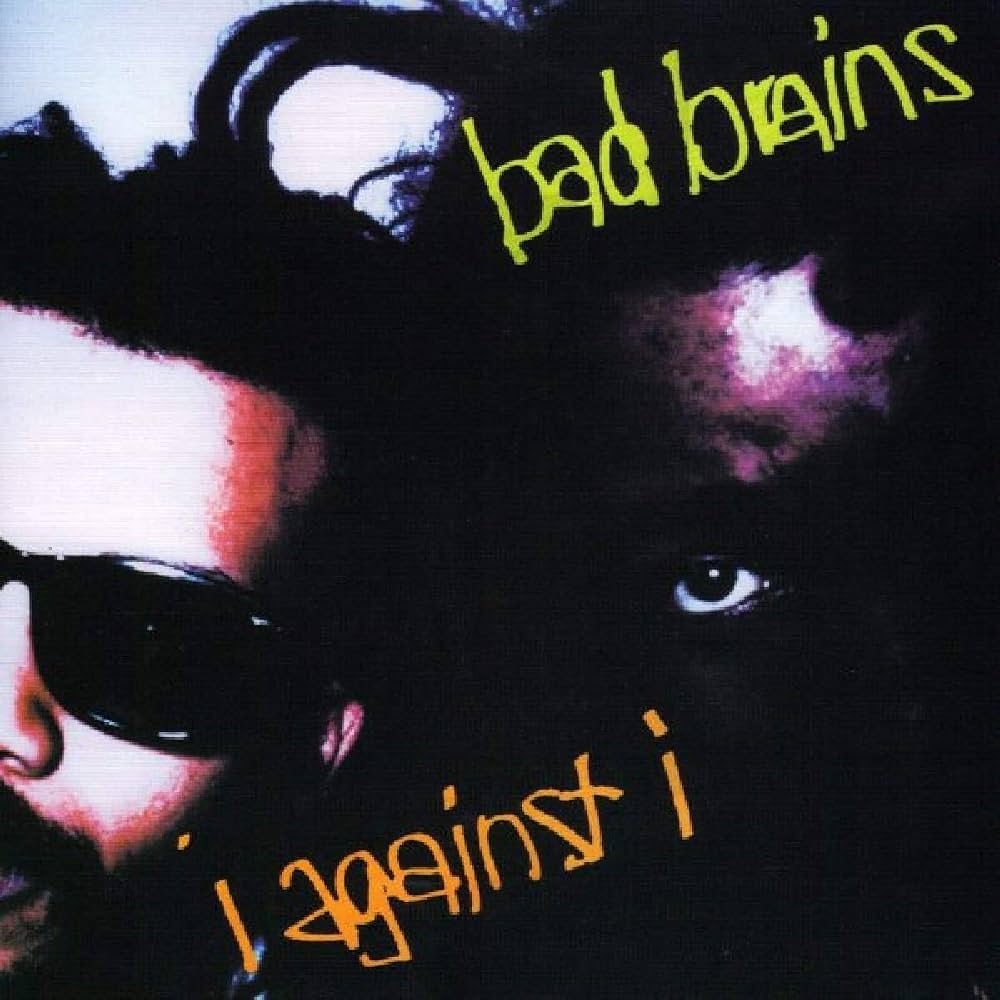 On I Against I, Bad Brains’ hardcore punk sound is a rubber band ready to snap. Just three years removed from working on Rock for Light with The Cars’ Ric Ocasek, H.R., Dr. Know, Darryl Jenifer, and Earl Hudson sounded muscular, psychedelic, and totally out of their minds on LP3. Ron Saint Germain, who’d previously worked with Hendrix, agreed to record the album for $5,000, and it took him and the band only three days to do it. In the eighties, Bad Brains were masters of tension—constantly on the brink of world domination and fatal implosion. But I Against I was their coming-of-age moment: a blister about to pop, a machine gun going off, a oneness with God. “House of Suffering” and “Sacred Love” kicked the door in for bands like Living Colour and Fishbone, and inspired the likes of Jeff Buckley, Denzel Curry, and Rage Against the Machine. Most people would sell more than their soul to make rock and roll like this. —Matt Mitchell
13. Pet Shop Boys: Please
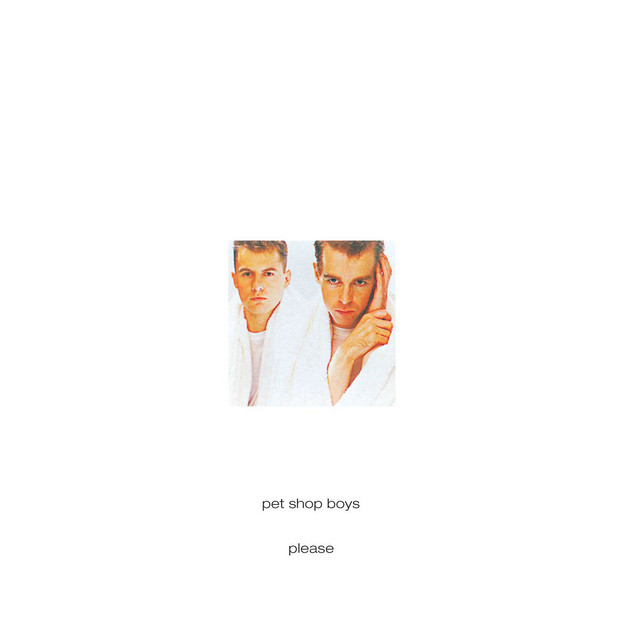 There’s debut albums, and then there’s Please, which exploded the Pet Shop Boys into the eighties with incomparable synth-laden, disco-fueled flair. In many ways the greatest achievement of Please is its assuredness. It is not the Pet Shop Boys’ best record, but it is the one that most clearly introduces them to the world, and so it is the perfect debut. The simple genius of the album permeates through its eleven tracks; sampled sounds that dart in and out before you can even catch them, immaculately layered synth textures that unfurl themselves to you with each repeated listen. Over them are Neil Tennant’s lyrics; often sad and almost always cynical, they paint life and love in dark and funny colours, and Tennant delivers them sometimes with painful clarity: (“I don’t want another drink or fight / I want a lover” he sings plainly on “I Want a Lover”), sometimes with fascinating, exciting obscurity: when he talks about “East End boys and West End girls,” you’re never quite sure which he might be. On Please, the Pet Shop Boys knew exactly who they were: smart, funny, trickisome explorers, traversing the plains of disco and hip-hop and electronic music all at once—and they carried on just as they started. It was for the rest of the world to catch up with them. —Mariam Abdel-Razek
12. Sonic Youth: EVOL
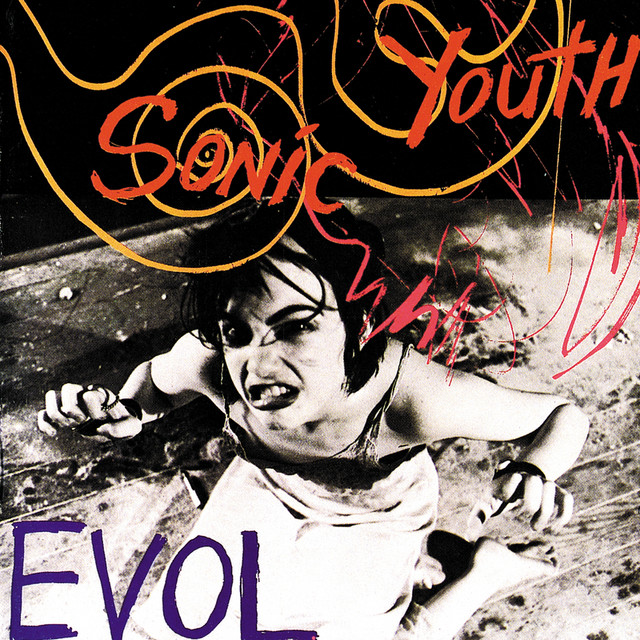 EVOL marked a turning point in Sonic Youth’s career: it is, arguably, their first album of music that your parents would agree is actually music. Here they begin to spin the crashing, abrasive sound of their early work into the more melodic—though no less jagged or disorienting—music of their commercial peak. EVOL heats up like a frog realizing it’s in boiling water, leaping and skipping from the soft, zombified loops of ”Tom Violence” to the harried, near-schizophrenic guitar thrums of “Death to Our Friends.” The album is always weird and sometimes scattershot: the first half of “Secret Girl” sounds like the soundtrack to a haunted videogame, while “Madonna, Sean, and Me” melts into an ambient puddle of goo. But the building blocks of what makes Sonic Youth great—the Kim Gordon growls and cocky guitar riffs, the scoffing pop-culture references and morbid walls of sound—lend to EVOL a sound that was unequivocally theirs. —Miranda Wollen
11. Hüsker Dü: Candy Apple Grey
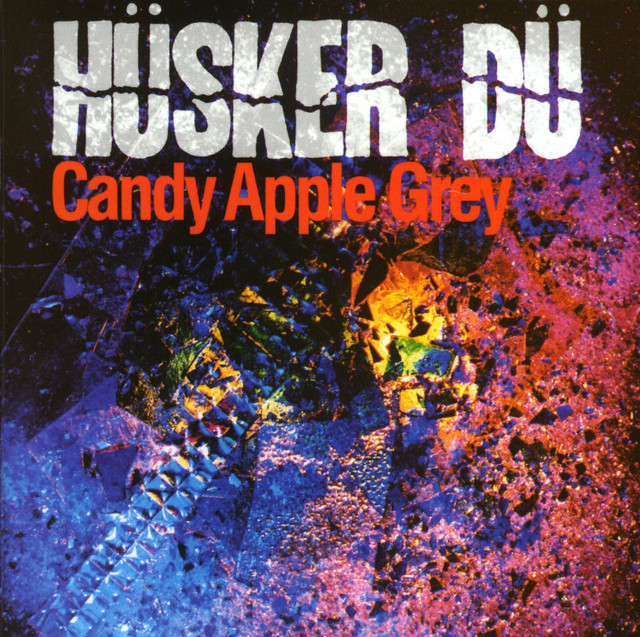 By 1986, Hüsker Dü were ready to evolve. By their fifth studio album Candy Apple Grey, the Minnesotan hardcore punk pioneers did the unspeakable: They signed with a major label and toned things down in lieu of a gentler, acoustic guitar-focused sound. Bob Mould and company had already established themselves as punk-crossover experts with their 1984 breakthrough concept album Zen Arcade and its noise-pop follow-up New Day Rising, but the power-pop of Candy Apple Grey showed Hüsker Dü could also pull off the delicate task of polishing out their sound without losing the fierce tenacity that made them so beloved in the first place. —Abby Jones
10. Metallica: Master of Puppets
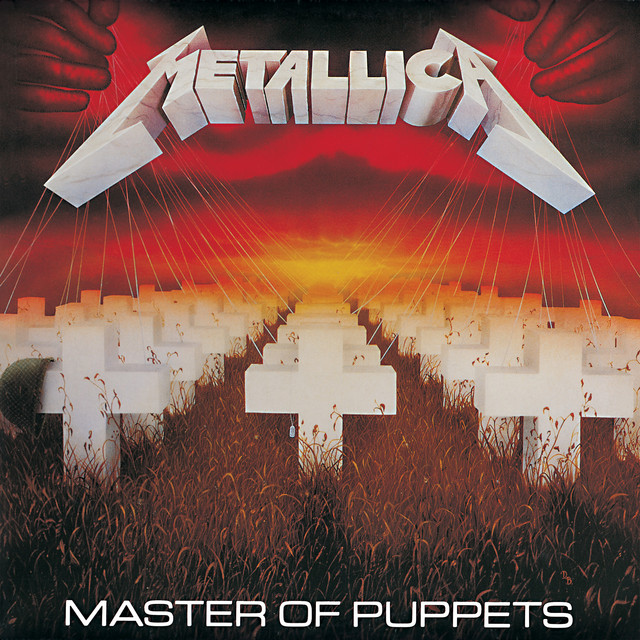 In 1986, mutually assured destruction was all the rage. Metallica’s third studio album pushed the sound of total annihilation to its logical conclusion, railing against violence, war, and the imperial machine responsible for the aggression it encapsulated. The metal band wasn’t just blowing off steam, though; they were technically tremendous and knew their way around a perfectly catchy riff, phrase, or solo. Master of Puppets cuts deep, remaining as incisive now as it was almost forty years ago. —Madelyn Dawson
9. Anita Baker: Rapture
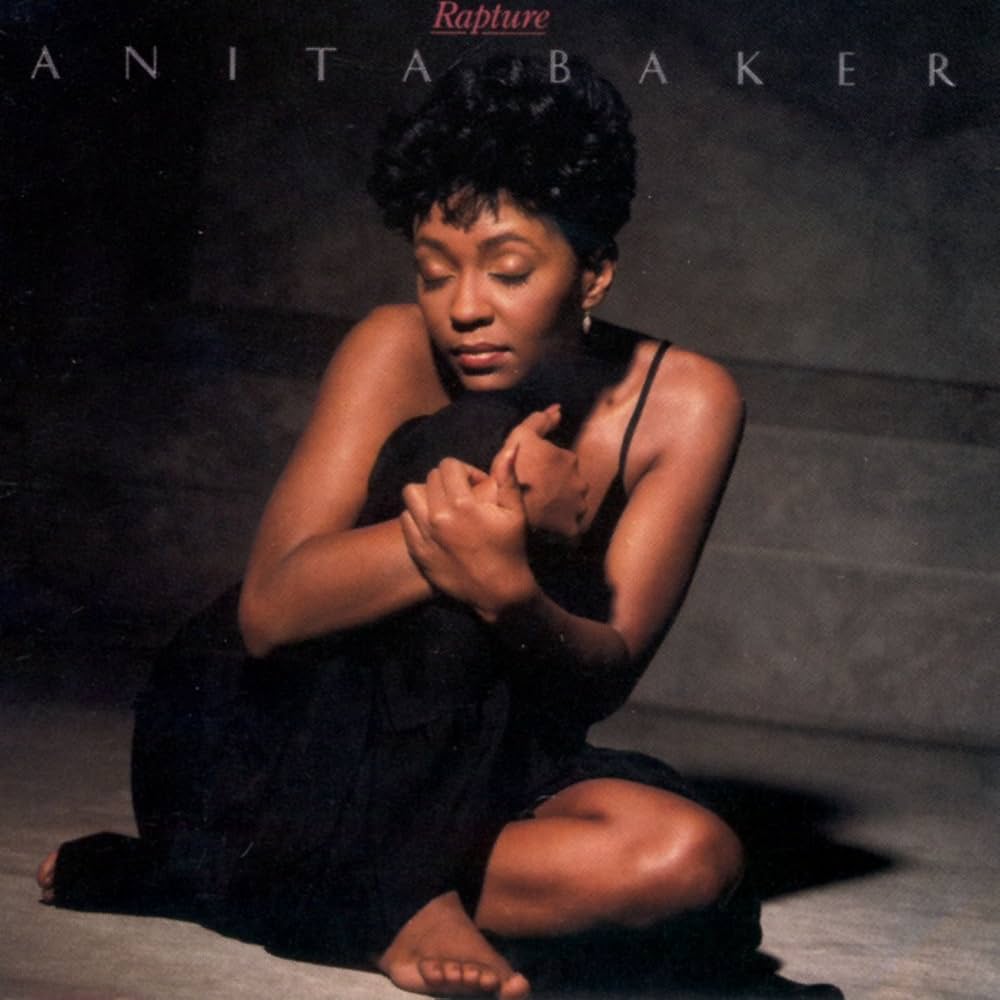 A deep fascination of mine is the star-making album. And few star-making albums from the 1980s were as earned or interesting as Anita Baker’s Rapture. Her debut three years earlier, The Songstress, wasn’t a commercial standout, but three of its singles—“Angel,” “You’re the Best Thing Yet,” “No More Tears”—found various levels of success on Billboard’s Hot Black Singles chart. Rapture soared to No. 11 on the Billboard 200 upon release, and “Sweet Love” and “Caught Up in the Rapture” both eclipsed the marks set by The Songstress, achieving a level of airplay Baker’s music hadn’t previously encountered. Three million copies sold, two Grammy awards, and decades of household recognition later, Baker’s sophomore outing is on the quiet storm genre’s Mount Rushmore. It’s a slow-burn R&B triumph that’s subtly perfect in what may be the greatest decade of music ever. —Matt Mitchell
8. Peter Gabriel: So
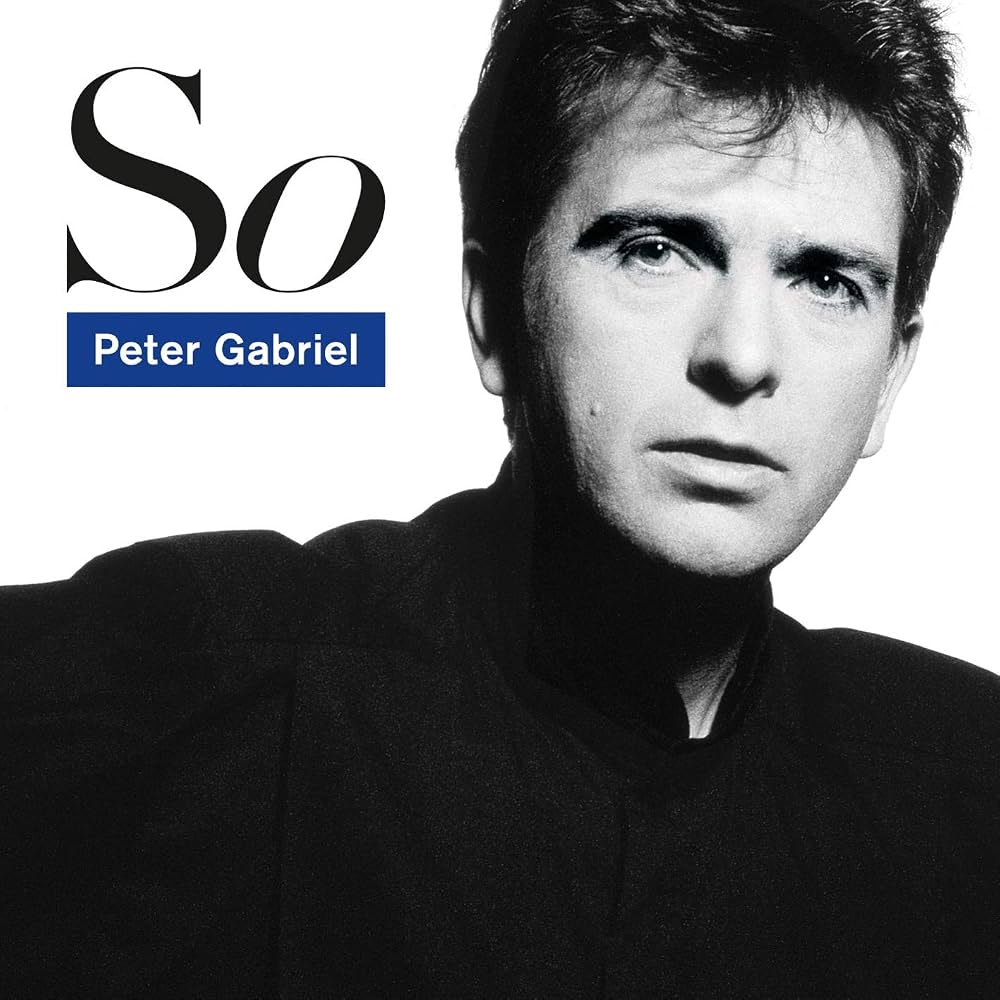 Few 1980s artists managed to successfully balance art-rock indulgence and unmistakable pop appeal. Even fewer were able to do so on a single album. So, Peter Gabriel’s 1986 masterstroke, made it look easy. Besides including some of the most perfectly written songs of the decade (the gushingly romantic, African-chant-filled “In Your Eyes,” the bass-propelled Kate Bush duet “Don’t Give Up,” the downright funky “Sledgehammer”), So endures because of that difficult marriage of the strange and the sublime, the complex and the catchy, the ethereal and the immediate. —Ryan Reed
7. Randy Travis: Storms of Life
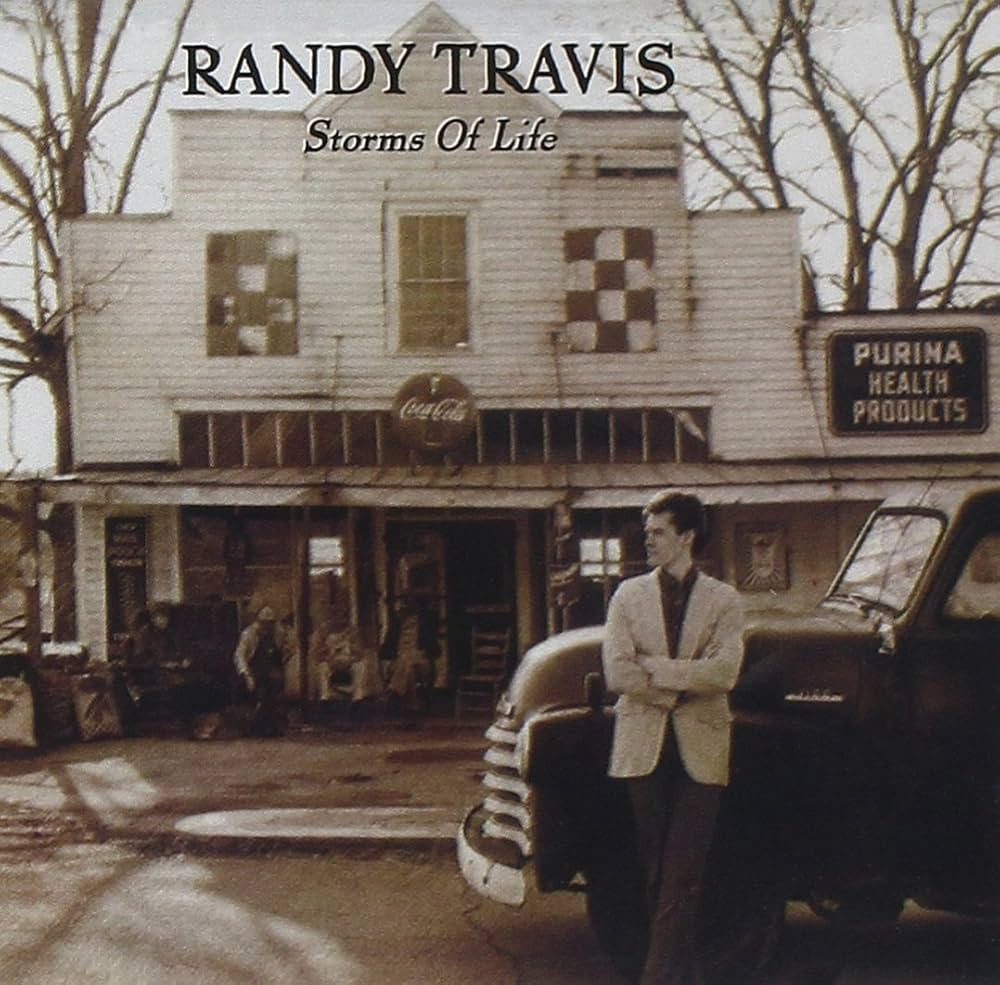 It’s hard to believe that Randy Travis hasn’t been singing his songs for a hundred years. I imagine that’s how most folks felt when the Marshville crooner arrived in the mid-eighties. Simply put: Storms of Life is one of the greatest debut records ever, bolstered by a run that saw “Diggin’ Up Bones” and his cover of Keith Whitley’s “On the Other Hand” both go to No. 1, “No Place Like Home” go to No. 2, and “1982” go to No. 6 on Billboard’s country singles chart. Storms of Life went triple platinum and raised the bar for country music production in arguably the genre’s strangest decade. It’s no wonder “Diggin’ Up Bones” took over the country’s radio stations: Travis is the connecting link between the Lefty Frizzells of the past and the Dylan Earls of the present. —Matt Mitchell
6. Madonna: True Blue
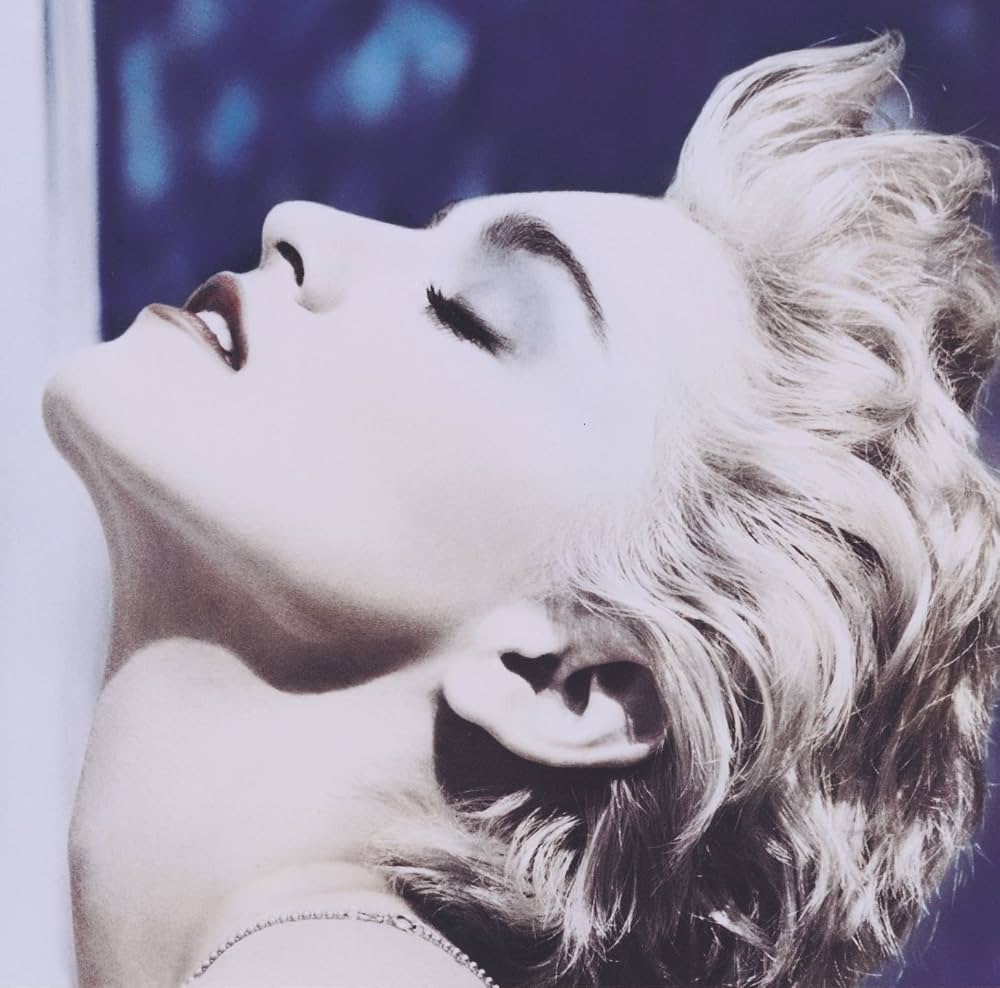 It is nearly impossible to imagine a world without Madonna, but in 1986, she’d only been a star for three years. Like a Virgin turned her into an icon; another album of its caliber would firmly cement her as pop royalty, and True Blue did exactly that: from its first track, the sultry, addictive “Papa Don’t Preach,” it’s clear that Madge had lightning in her hands. Largely inspired by Madonna’s relationship to Sean Penn, the record blends her signature dance-pop sound with more mature, sensual material. It’s pockmarked with iconic tracks: “Open Your Heart,” “La Isla Bonita,” and “Live to Tell” are some of the highlights of the singer’s decades-long career. “Live to Tell,” an expansive ballad that would feature in Penn’s At Close Range, showed a softer, more emotional side to the musician by highlighting her impressive range as a performer. On the other hand, the title track is a retro bop that’s both silly and sweet. True Blue saw Madonna don the mantle of superstar, endeared her to snooty critics, and began weaving together the themes—old Hollywood, Latin inspiration, and political statements flanked by bouncy dance beats—that would define her catalog for forty years. —Miranda Wollen
5. Paul Simon: Graceland
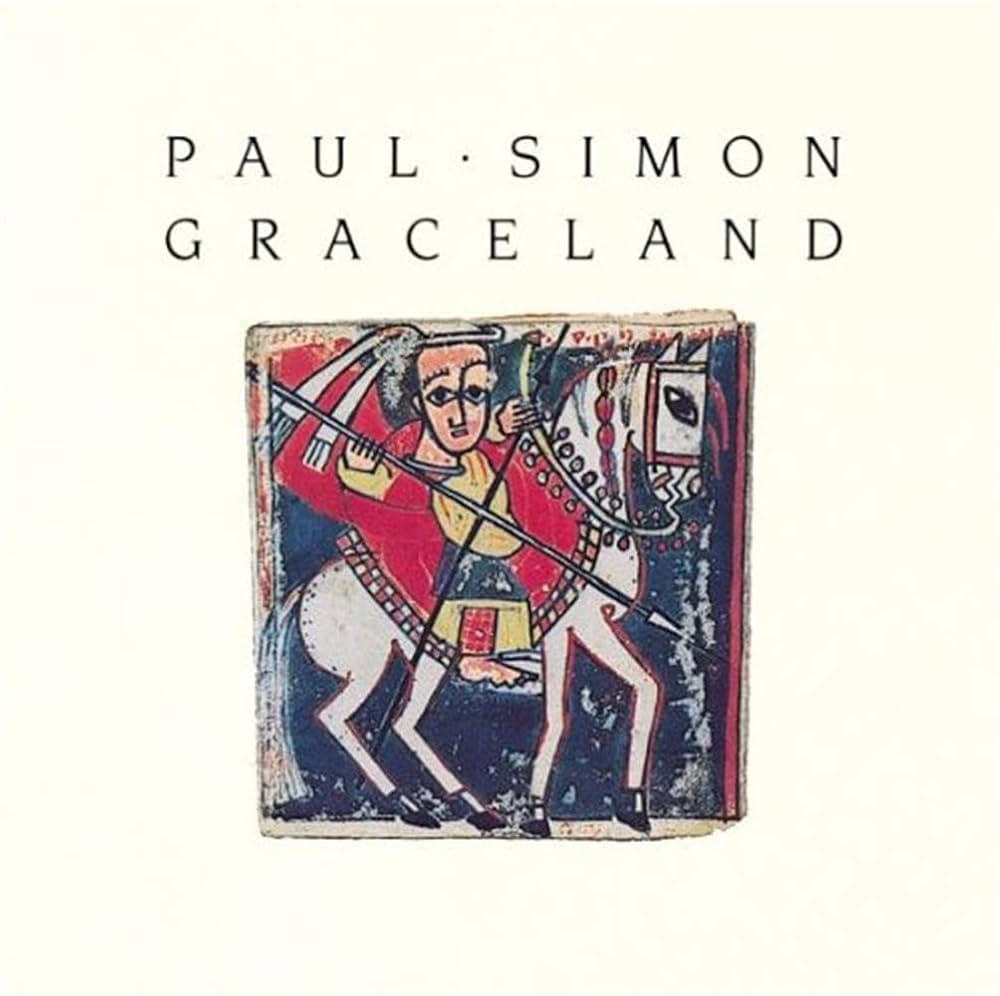 Over the past thirty-five years, few American albums have changed the world-music landscape like Paul Simon’s Graceland. Initially lauded as the folk singer’s comeback record, it made a cultural impact far greater than anyone could’ve possibly guessed. The album integrated American pop, rock, and folk songwriting with traditional South African musical styles on songs like “Diamonds on the Soles of Her Shoes,” “You Can Call Me Al,” and, naturally, the generationally sublime title-track. By no means was this the first time that Simon or other Western and non-Western cultures intersected, but Graceland marked a watershed moment when world music began to emerge from a series of isolated musical pockets into an institutionalized transnational music scene. —Max Blau
4. Run-D.M.C.: Raising Hell
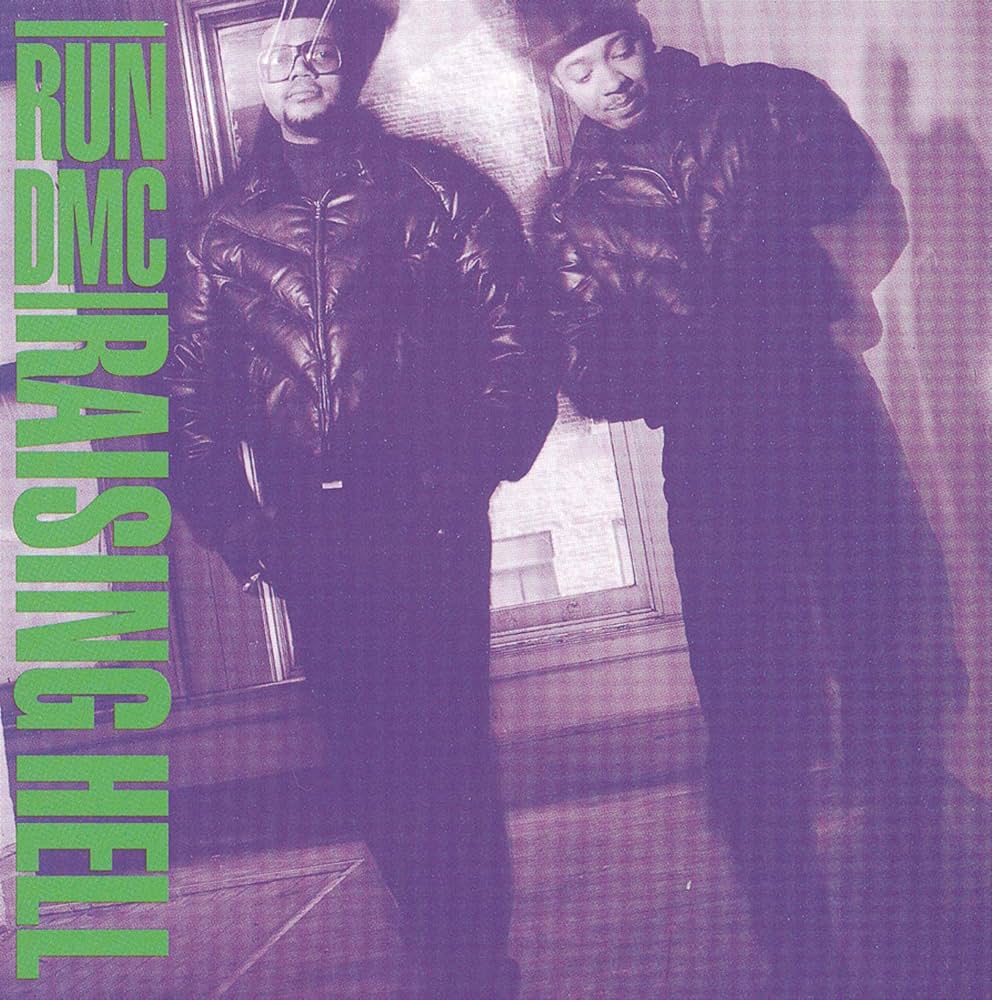 It’s hard to believe there was a time in music where hip-hop wasn’t taken seriously. Now four decades after the release of Raising Hell, hip-hop is the predominant music of the generation, thanks in no small part to the path laid out by Run-D.M.C. Raising Hell proved that hip-hop was more than a fad, as it became the first album of its kind to go platinum, making Run-D.M.C. the first rap group on MTV, the cover of Rolling Stone, and to make it to the Grammys. Raising Hell influenced everything in hip-hop, from the call-and-response style used in “It’s Tricky” that would also be used by the Beastie Boys, the idea of fashion in hip-hop with “My Adidas,” and even the unfortunate creation of rap rock after teaming up with Aerosmith on “Walk This Way.” Even though they say it’s “tricky to rap a rhyme, to rap a rhyme that’s right on time, it’s tricky,” on Raising Hell, Run-D.M.C. make it seem effortless. —Ross Bonaime
3. R.E.M.: Lifes Rich Pageant
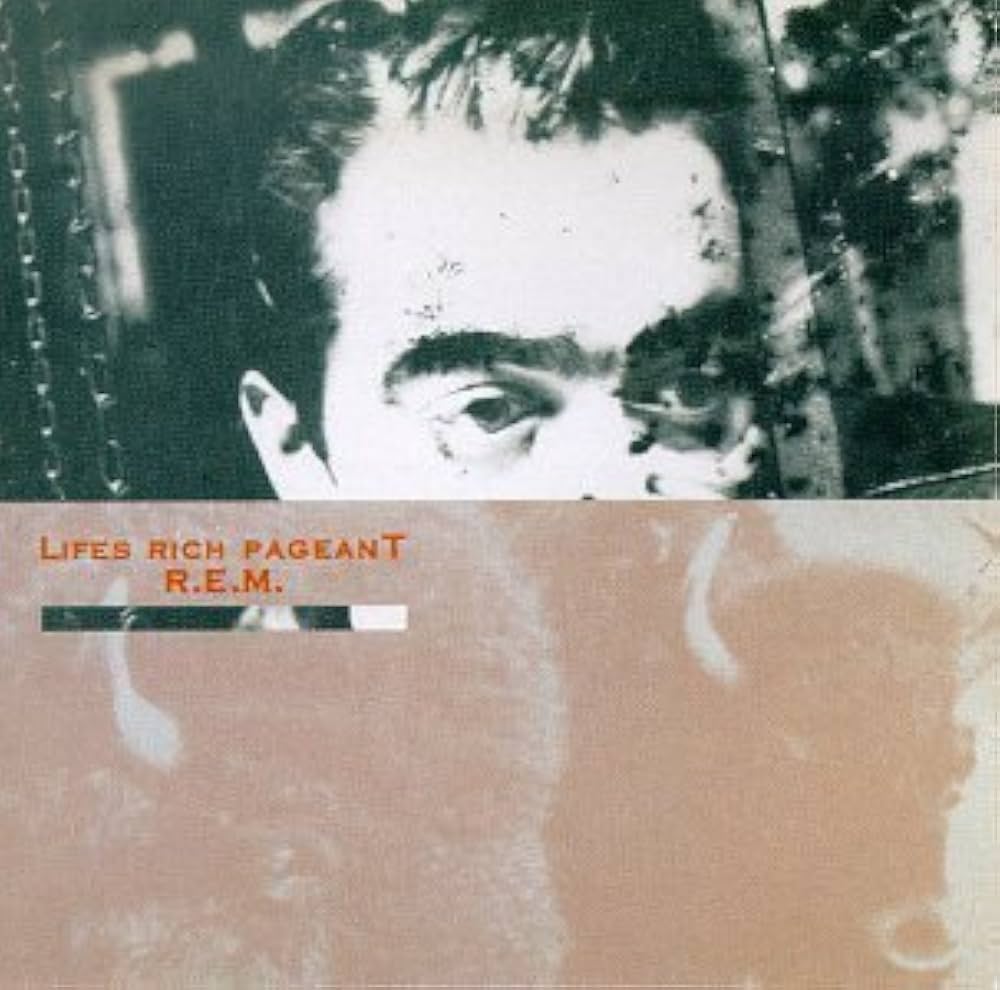 Despite just two radio singles—“Fall On Me” and a cover of The Cliques’ “Superman” sung by Mike Mills—Lifes Rich Pageant took the Athens band beyond the confines of its college audience. Gone was most of Michael Stipe’s mumbling and the stark Southern gothic of Fables of the Reconstruction. In its place was not just a return to happy, jangly guitars but a more fully developed, unique sound. Songs like “Begin the Begin,” “These Days,” and “Cuyahoga” would become staples of the band’s live show, and a performance of “Swan Swan H” would be immortalized in the documentary Athens, GA: Inside/Out. It was also the most political album R.E.M. had recorded, addressing ecological issues and the disappearances of dissidents in Guatemala, though both are handled subtly. The album would be certified Gold within a year, a remarkable feat for the uncompromising band, and would do as much to influence the next decade’s best music as anything else on this list. —Josh Jackson
2. The Smiths: The Queen Is Dead
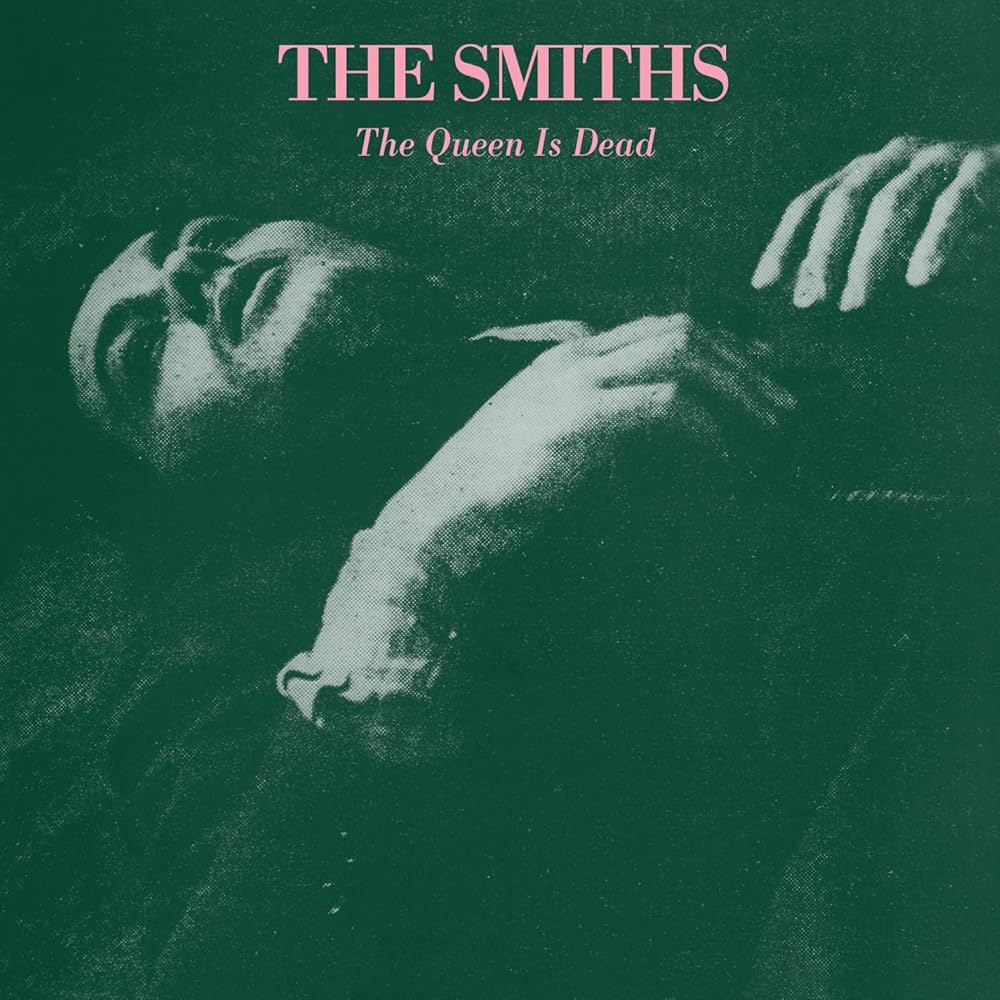 If “How Soon Is Now?” was the starting-pistol shot announcing The Smiths’ intentions to delve into darker territories, then the title track off The Queen Is Dead was rhythmic strafing to the same effect. But the devastating melancholia quickly morphs into the sardonic lyrical meglomania that made vocalist Morrissey the legendary apathetic mope in “Frankly Mr. Shankly,” a terse and not-so-veiled reference to The Smiths’ growing distaste for the music industry in general. Yet what truly makes this definitive album a benchmark is that it marks the fall of the decade of synth music that preceded it and the second coming of the British Invasion with guitarist Johnny Marr’s penchant for high-timbre guitar riffs and sonic urgency such as in “Big Mouth Strikes Again” and “Some Girls are Bigger Than Others.” The two tracks that elevate The Queen Is Dead into the pantheon of truly classic albums are the literary homage “Cemetary Gates” and the ironic swoon of “There Is a Light That Never Goes Out,” both of which harness the glorious friction between Morrissey’s incredibly brilliant-but-biting wit and Marr’s desire to simply rock and roll—a match made in flop-haired heaven. —Jay Sweet
1. Janet Jackson: Control
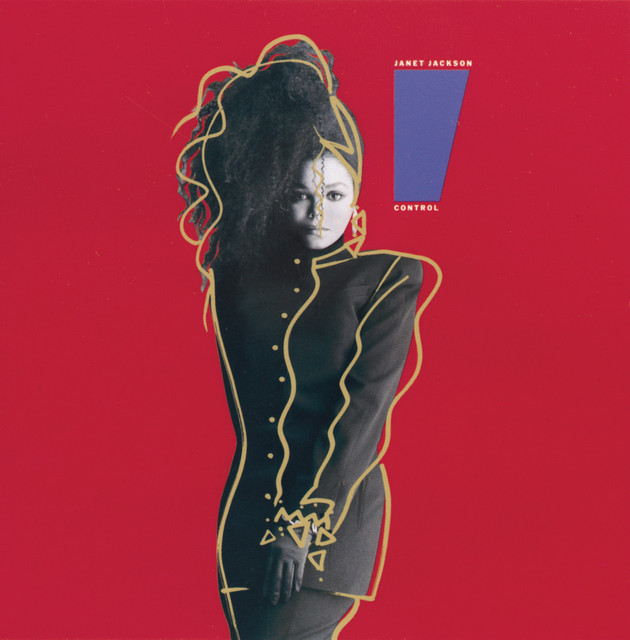 Control not only redefined Janet Jackson the pop star, but it redefined the kind of personal liberation that her contemporaries, like Madonna, had been pushing in their work around the same time. What sets Control apart, however, is that it was made with Black people in mind and not the catchiness of the pop charts. Of course, the hits did follow (“Nasty,” “Control,” “When I Think of You,” “What Have You Done For Me Lately,” “The Pleasure Principle”) and the album went platinum eight times across three different countries. But through spoken-word, rap-singing, ad-libs, and aglow vocalizations, Janet changed the world with her third record. Few LPs of the 1980s—or in the history of pop music altogether—sound so fully realized, brilliant, and one-of-a-kind. On Control, she wants you to know that you can fall in love and fuck on your own terms; you can push back against abusive men. You can pick who is most deserving of your grace and who belongs in your orbit. Control is exactly what the title says: it is not just a nurturing of identity; it’s a demand to never lose it again. —Matt Mitchell
 Keep scrolling for more great stories.