
12 new albums to stream today
The new albums from Jack White, Kelela, and Twisted Teens should be at the top of your queue today. Tap in and find a new obsession.
Photo of Jack White by David James Swanson

Paste is the place to kick off every New Music Friday. We follow our regular roundups of the Best New Songs by highlighting the most compelling new records you need to hear. Find the best new albums of the week below.
Finn Wolfhard: Fire From The Hip
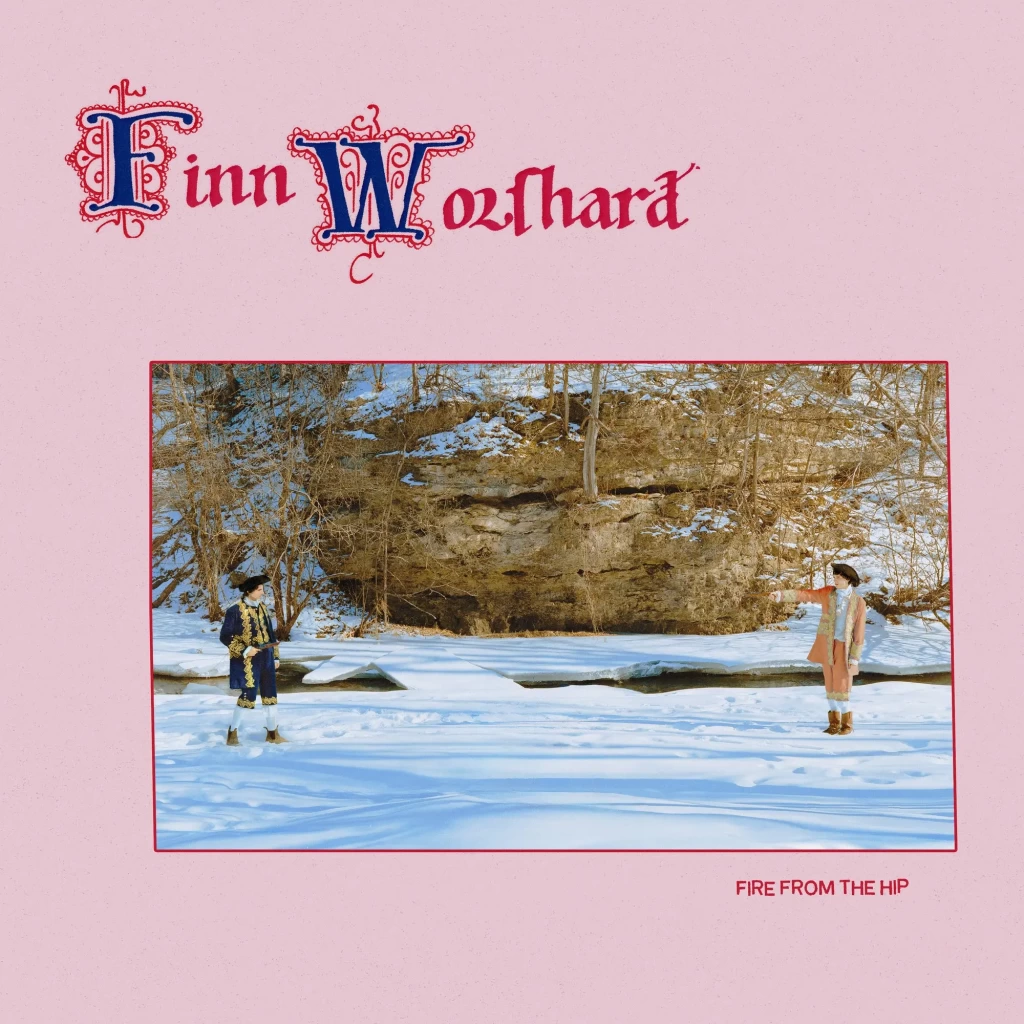 On an initial listen, Fire from the Hip does feel a bit familiar, taking a clear page out of other classic and current rock groups and artists—Sharp Pins, Alex G, and Elliott Smith come to mind, in addition to Pavement—but Finn Wolfhard’s confident and zestful presentation wisely avoids derivative, monotonous pastiche. Similar to “I’ll Let You Finish,” “Lights Go Down” takes a zeitgeisty catchphrase—in this case Nicole Kidman’s iconic-turned-overused AMC speech—and turns it into a silly yet beguiling commentary on the disorienting experience of watching movies as an actor (“We come to this place / For the magic / And isn’t it tragic / To see the sausage made”). Elsewhere, he invokes celebrities for amusing comic detours, talking about taking “boomers” to feel like George Clooney (“Common Side Effects”) and reading to kids like George W. Bush (“Maggie”). Aside from its oddball sense of humor, Fire from the Hip infuses Wolfhard’s personal anecdotes of fame and young adulthood with tasteful, robust instrumentation, from the very pretty country-folk strings on “Lights Go Down” and closer “The Climb (Not That One)” to the jangly jam band vibe of “Nice to Meet You Again” and the simple yet effective piano and organ riffs on “Good Morning.” Maybe the album lacks some of the emotional honesty of those forebears, occasionally prioritizing goofy, clever wordplay over a clear, tangible narrative, but Wolfhard’s personalized take on indie-rock formulas of yore is refreshing in its looseness. You get the sense that something even stronger and more vulnerable from him is waiting in the wings. —Sam Rosenberg [Night Shift]
Houndmouth: Lordy
 Houndmouth’s first album in five years comes after a period of creative fallowness that left frontman Matt Myers wondering whether he still knew how to translate his emotions into music. But Lordy is perhaps the band’s most intimate effort yet. It reads like campfire music, a collection of folksy, seventies-inspired rock songs meant to capture the confusion out of which Myers had emerged. Nostalgic and naturalistic, the eleven-song album swirls between the sun-drenched fields and well-trodden Southern backroads—and a muddled fisheye view of Myers’ personal history. On “Never Gonna Die,” a bare-bones acoustic track, his voice wavers as he croons, “Let’s all hope this house we built / The wood don’t rot away.” That sense of eternity, and its inevitable impossibility, pervades the music’s gentle guitar thrums and light snares: on the darling love song “Heavy Eyes,” Myers sighs, “I’m burning out.” On the closer “Holy Moses,” Iron and Wine’s Sam Beam adds his sweet, intimate ethos: “If it don’t work out and we all get pulverized / I’d like to keep things sweet between you and I,” Myers hums over a finger-picked loop. Dreamy banjos, climbing pedal steels, harmonicas, and guitar licks courtesy of MJ Lenderman give the album a fullness despite its simplicity. Lordy is a cozy listen. —Miranda Wollen [Dualtone]
Hurry: Zoned
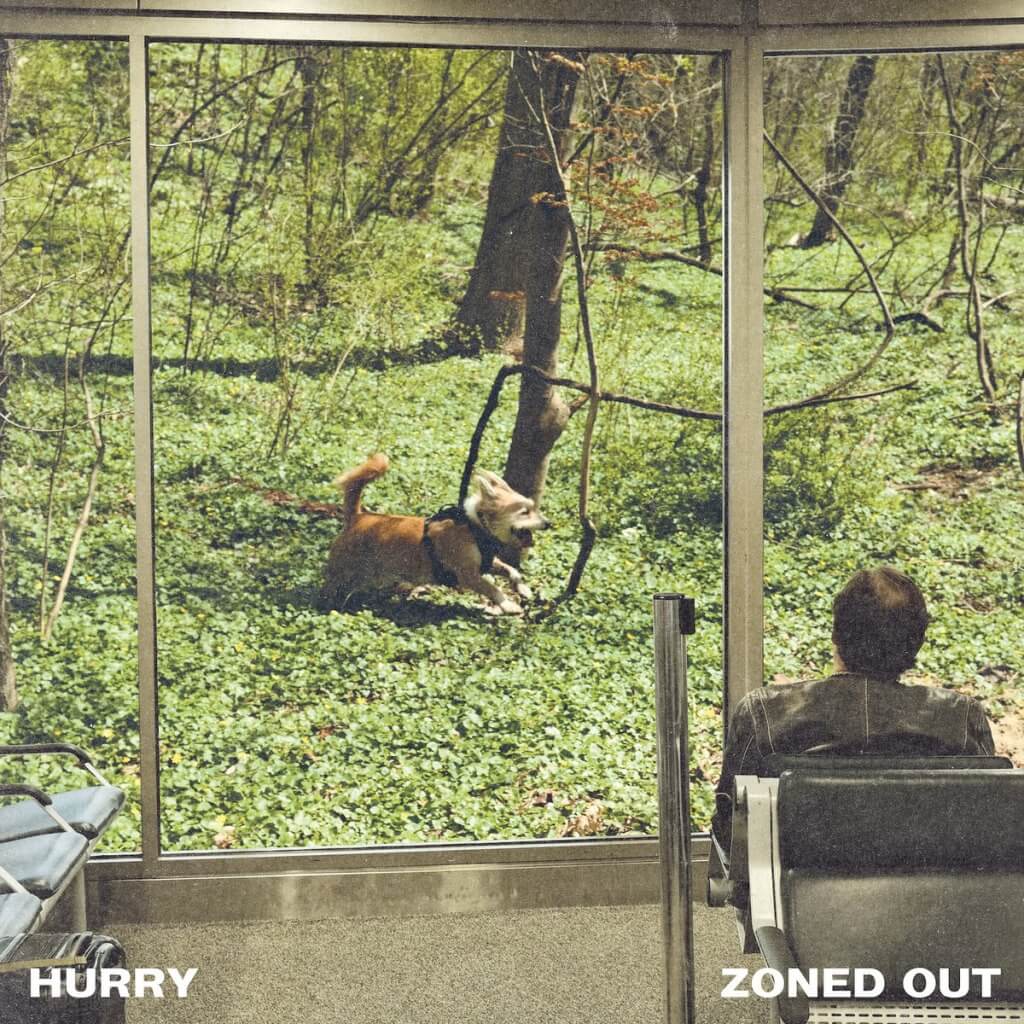 “Everything’s gonna be just fine” feels convincing as hell when Matt Scottoline sings it. Maybe we can chalk that up to his life experience: The Philadelphia musician has spent nearly two decades as the bassist of emo revivalists Everyone Everywhere, and since 2014 he’s been cranking out reliably good power-pop anthems under his Hurry moniker. Outside of the rock world, however, Scottoline’s been spending a lot of time contemplating big life transitions, doing his best to resist slipping into the hypnosis of complacency. That was the genesis of Hurry’s sixth LP Zoned Out, an album that runs the gamut of mixed feelings about getting older: “You’ve gotta feel it all the way/Everything is changing, I’m so freaked out,” he confesses over the sugar-rush hooks of “The Dumbest Person You’ve Ever Seen,” raising questions about whether it’s stupider to go off the rails completely or to spend your entire life in the comfort zone. “I’m so mesmerized by everything you do,” Scottoline swoons with a bittersweet lilt on the Americana-tinged “Oh Yeah,” knowing that life’s biggest rewards — love, for example — rarely come without some degree of risk. From the Cars-like Moog riff on interlude “Untitled” to the fact that Teenage Fanclub’s Gerard Love lends guest vocals to “Moving After You,” Zoned Out is also a shoo-in Album of the Summer contender for anyone who might have strong feelings about the best power pop songs of all time. —Abby Jones [Lame-O]
Jack White: Frozen Charlotte
 Detroit-bred, Nashville-based rock guru Jack White has successfully figured out how to filter his modern songwriting sensibilities through the infectiousness of his White Stripes work. It’s like if Icky Thump were dressed up in an extra dense coat of muck, or if White had already undergone his mad-scientist pedal fixation on Elephant, or if he’d learned to construct dizzying, serpentine sonic architecture before making White Blood Cells. On his latest record, Frozen Charlotte, he maintains his steady footing with another batch of blues-punk barn-burners, whose crunchy guitars and boisterous drums invariably rise to the rafters. The epic, multi-part guitar solo on closing track “Neighbors Blues” is proof enough that White knows how to shred. His switch from one mind-melting tone to another recalls the best parts of “Ball and Biscuit,” as do the various solos-in-miniature on the opener “G.O.D. and the Broken Ribs,” in which White adopts the sprechgesang he’s favored of late to announce his intermittent shredding. “A little place to do the things we need to do” sounds like a fiery guitar solo, and “fruit from the tree of fate” tastes like yet another. By the third verse, White runs out of similes and instead commands you to “listen to me roll with it,” and roll with it he does. “Thick as Thieves” is a jolt of kinetic energy with its nimble fretwork and sixteenth-note pulse, ripe with the syncopated dexterity that puts the performers’ musicianship on full display. “She’s in a Frenzy” likewise bumps up the tempo with some thunderous low-end and off-beat guitar chords that evoke “Blue Orchid,” now resuscitated in a rustic garage. —Grant Sharples [Third Man Records]
Kelela: new avatar
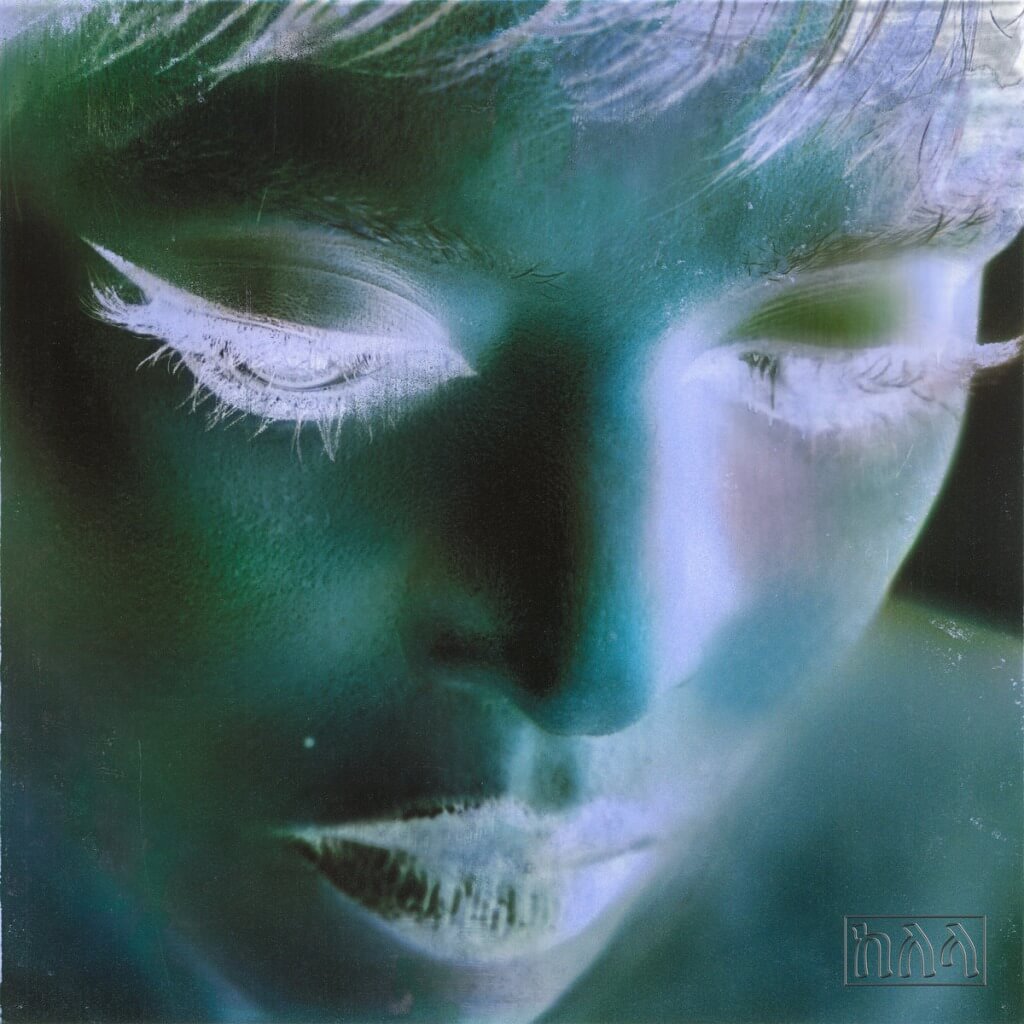 Since she first emerged from L.A.’s buzzy alt-pop scene in the early 2010s, she’s been a pretty restless presence, making music that always feels like it’s going somewhere. Her work is all the more compelling for this dynamic quality, and new avatar retains it while gesturing back at the most powerful moments in her back catalog: see the way that the shivering breaks and pressurized bass of “point blank” recall both the grime-influenced grooves of debut mixtape Cut 4 Me and the clubbiest passages of 2023 album Raven without feeling like they’re covering old ground. Likewise, there are shadows of 2017’s Take Me Apart on a track like “against me,” which features some of Kelela’s most spectacular vocal performances since that breakthrough record. Indeed, her instantly identifiable vocal is often what holds her best work together, combining the classic R&B cocktail of staccato and melisma with graceful vibrato and conversational directness: perhaps the virtuosity and unpredictability of her singing are what prevent these gestures from feeling nostalgic or repetitive. All of this is to say that, even against the backdrop of a genuinely exhilarating catalog, and partly because of the ways it refines and develops elements of that earlier work, new avatar might be Kelela’s most accomplished record yet. —Luke Cartledge [Warp]
Panda Bear / Sonic Boom: A ? of When
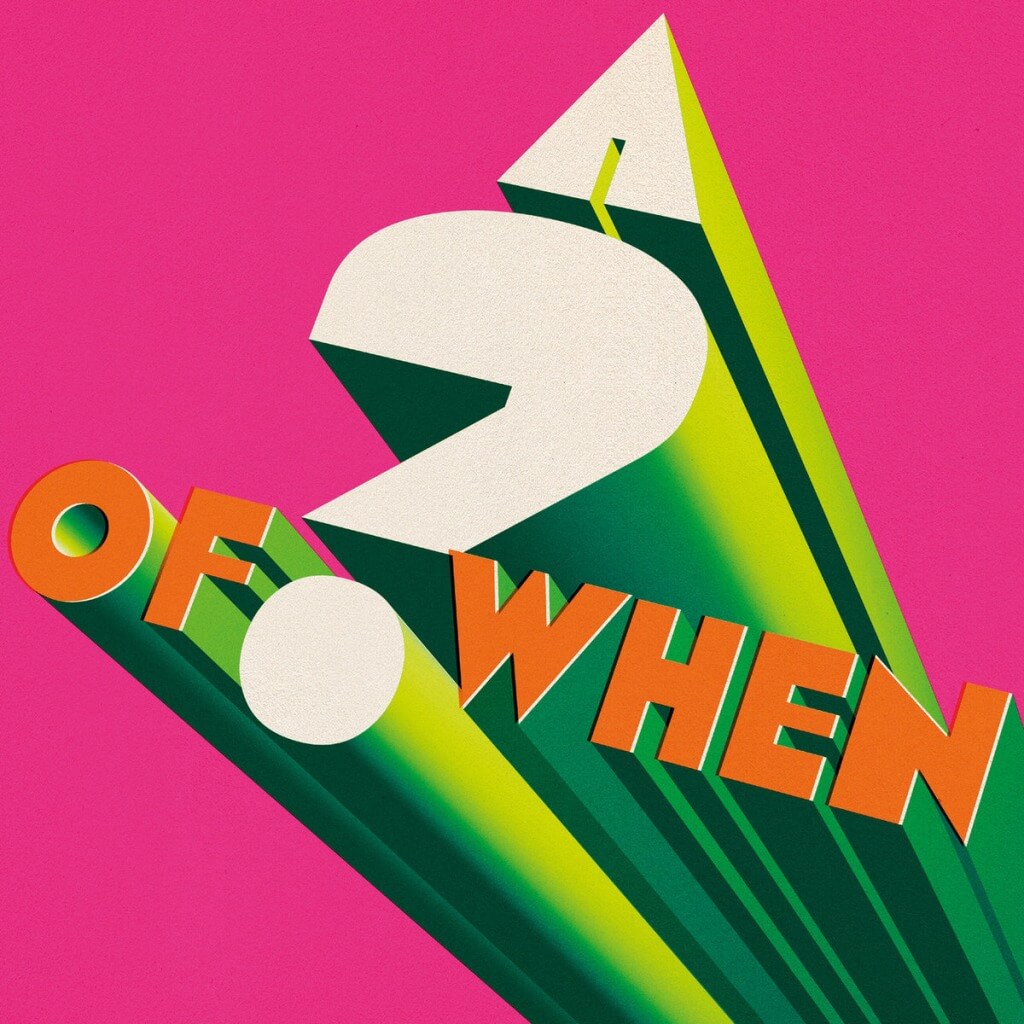 Even after all the years of performance by Panda Bear and Sonic Boom, nothing quite compares to A ? of WHEN. Kember’s low end creates much of the vocal multiplicity, whether it’s serving as the anchor for towering vocal stacks or taking the lead for the first time on “Something like dreaming.” At the heart of each track’s kaleidoscopic arrangement are Kember’s deep, vibrant ballast and Lennox’s effortless tenor. Masking uncanny and painful lyrics with effusively radiant music is not new for Sonic Boom and Panda Bear. Their 2022 track “Edge of the Edge” is the likely synecdochic example for the duo’s happy/sad divergence. Kember describes it as “sound[ing] like the happiest little song that ever was, while the lyrics are about uncomfortable issues.” As society has continued to speed-run its way to decay and collapse, it’s only fitting that A ? of WHEN is more grounded in the daily feeling of “getting bashed about by the world,” as Kember explains. On top of another record of stellar, sun-dappled psych-pop, Sonic Boom and Panda Bear offer a mirror of contemplation, a forty-seven-minute window of resilience despite grave uncertainty. —aly eleanor [Domino]
Sad13: 1331
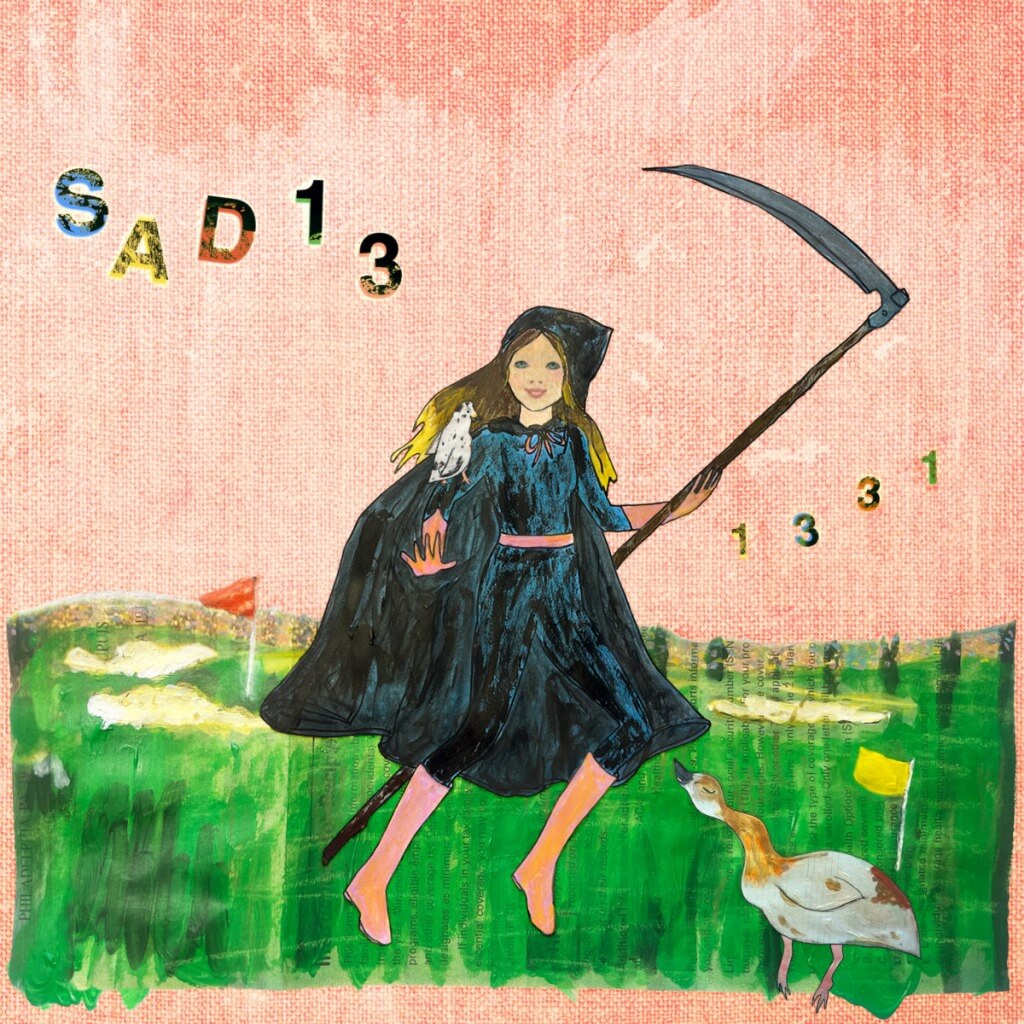 Speedy Ortiz’s Sadie Dupuis has created a paean to weird women on 1331, her latest solo mixtape under the Sad13 moniker. Glitchy and medieval, the record is a whirlwind of JRPG chamber orchestration, cavernous organs, and programmed drums. Over thirteen brief songs (the LP clocks in at a slim, self-contained 15 minutes), Dupuis creates a haunted, futuristic universe of millennial malaise. On “Art Institute,” a fleet-footed, distorted game of word association, she purrs, “I want immunity to this world’s beauty so that I can rest beyond the bars of sunlight.” On “Watermelon Manicure,” jagged, dissonant instrumentations recall an ancient, dangerous machine revving up for the first time in a long time; synths swirl around melty vocals. “People’s Loser” is all guitar and drum, a Liz Phair song on shrooms: Dupuis smirks, “The assholes elected do not do what we want. They just do loser shit” over crashing electronics. 1331 is the product of an overactive imagination and an anxiety diagnosis, the forbidden child of an indie rock album and a videogame soundtrack. Winking, expert, and whimsical, it leaves the listener wanting more. —Miranda Wollen [Exploding In Sound]
Show Me The Body: Alone Together
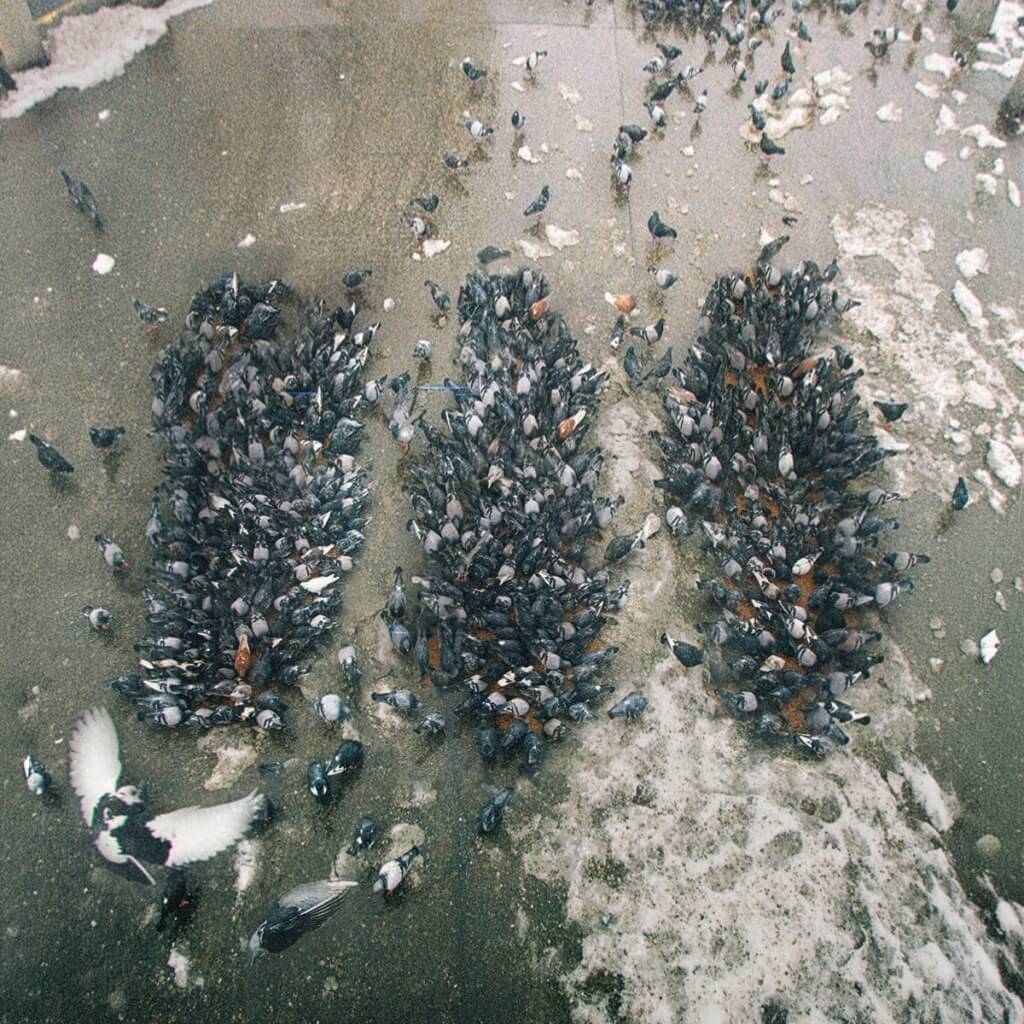 Show Me The Body have always treated New York hardcore as a civic duty, so it should come as no surprise that the outfit’s fourth record serves as a call to action—one grounded in “radical love” and directed towards (what else?) capitalism at large. Alone Together packs thirteen tracks into thirty-seven riotous minutes of pure sound, uncategorizable the way only Show Me The Body can be (how many other post-hardcore bands have a banjoist on lead vocals?). The lyrics are blunt and plain-spoken, frontman Julian Cashwan Pratt refusing to ever mince words; we don’t have the luxury of hemming and hawing. We need to act, and act now.”I will wait for no god to make it real,” Pratt grits out in “No God”; by the song’s end, he’s screaming “I need to make it real.” The sonic world only augments the urgency: producers Klas Åhlund (the architect of Robyn’s Body Talk records) and Kenneth Blume (fresh off Geese) pushed the band toward a kind of subtraction, with Åhlund advising them, per Pratt, to do more of what only this band can do and less of whatever sounds like anybody else. The result is Show Me the Body at their fullest, but concentrated into a fine point sharp enough to tear flesh. It’s an album less interested in describing the fire than in handing you a bucket. Grab one. —Casey Epstein-Gross [Loma Vista]
The Temper Trap: Sungazer
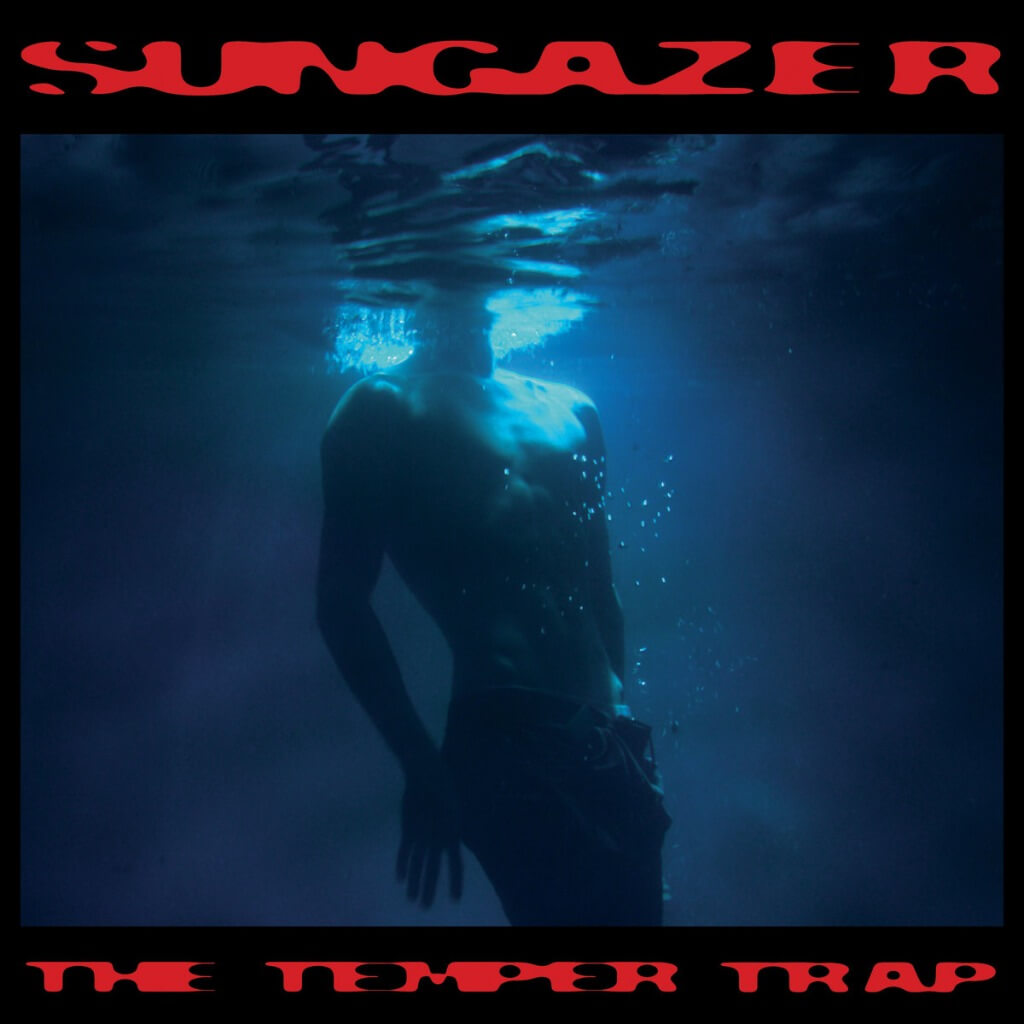 Their first album in a decade, Sungazer finds the Temper Trap more unmoored, more curious, and more interesting than they have been since their 2009 debut. Less inclined to stay in the guitar-oriented sound of much of their previous work, the band dips their toes into a range of sounds; opening track “Lucky Dimes” pairs heavy, distorted guitars with sampled breakbeats to great effect, and the trip-hop-inflected title track floats hazily through frontman Dougy Mandagi’s musings over becoming a parent. The band—and the record—is at its best when it places Mandagi’s often piercingly intimate lyrics at odds with its musical sound, which tends toward expansion and openness. Standout “Giving Up Air” is a strange, adventurous piece of dance rock, combining bright, pulsating synths with gut-wrenching musings on grief—“Disarm / no use resisting,” Mandagi sings simply over the beats. It is the band’s best work yet, a clear-sighted and honest record that takes more than a few big swings. —Mariam Abdel-Razek [Mushroom]
Tracey Nelson: Hercules
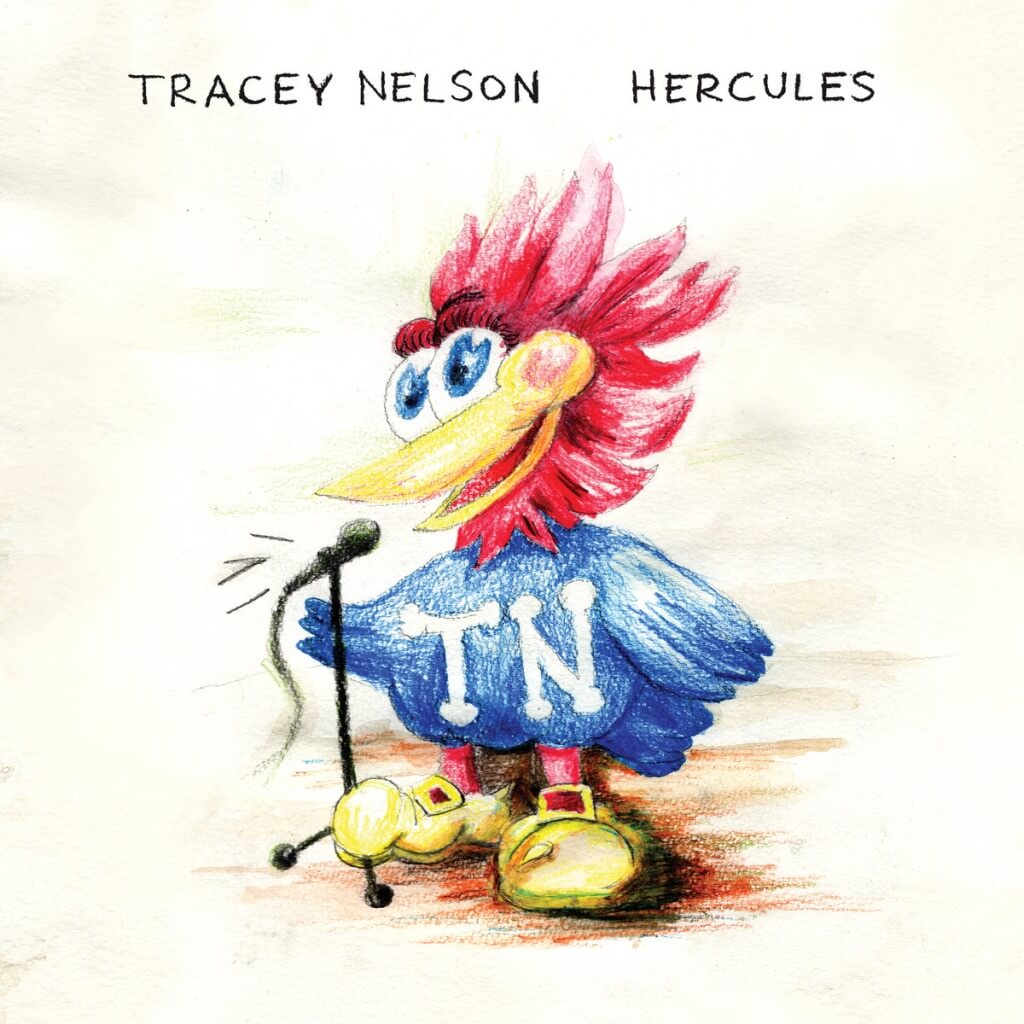 Tracey Nelson glimmers with the confidence of a well-worn folk star on Hercules, his debut album out now on Perennial. Dripping with emotion and twang, the LP is country-rock perfection: on the titular “Hercules,” a shining guitar loop undergirds Nelson’s flat intonations: “I’ll carry you with me wherever I go,” he promises as the song swirls around him. Chipper though the sweatered bird on its cover may be, Hercules is a record for the sad guys and gals. On “Just Shoot Me Now,” Nelson cries, “I can’t live like this!” over a bluesy harmonica, girded by gorgeous backup vocals and a trusty pedal steel. On “That’s More Like a Lover,” a slow, minimalist Townes Van Zandt ditty, he croons, “You don’t need to say it back / But that’s more like a lover.” The lyrics on Hercules are straightforward and striking, wading through the million tiny heartbreaks of modern life with casual abandon: “I just want another night / Can you blame me?” he smirks on “Pedro’s Joint” beside a rollicking blues guitar. Appearances by Karly Hartman, Jack Kraus, and MJ Lenderman add a collaborative layer to the album, along with some great harmonies. Hercules is a heritage piece, ambling unhurriedly through the hills and valleys of a comfortable sadness. Winsome and winking, it’s a lovely addition to the growing folk-rock troubadour canon that Lenderman and his contemporaries are ushering in. —Miranda Wollen [Perennial]
Twisted Teens: Florida Water Blues
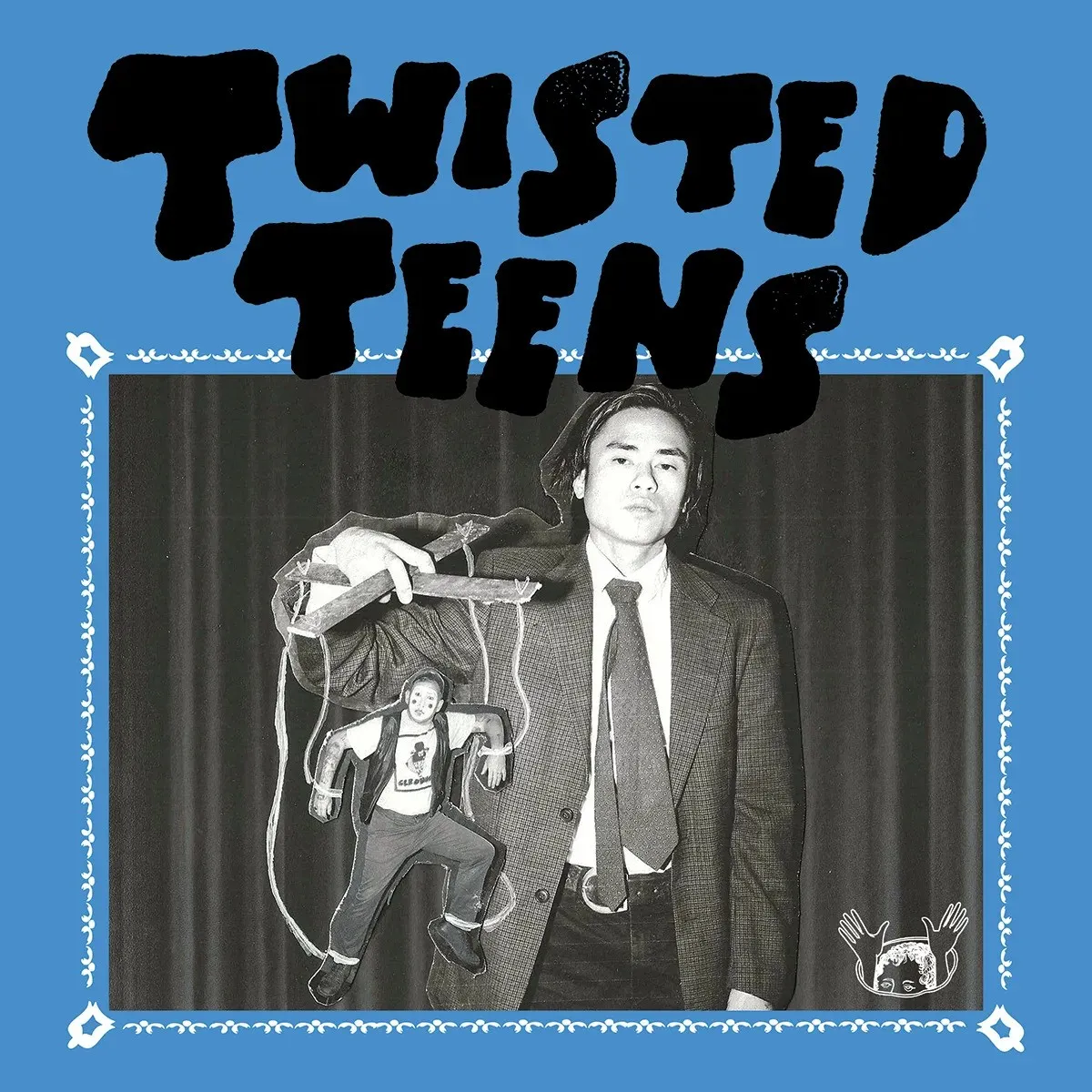 Twisted Teens’ style is made up of lo-fi and sometimes off-key folk songs done all crunchy and posthaste, but their approach to being musicians is incredibly grounded. Florida Water Blues is no-bullshit and tight as a tick, packed with spaghetti-western guitar rolls and furious yawps. One of the new songs, “Business,” is a riff-based love letter to The Coasters, Dave Bartholomew’s New Orleans rock and roll, and Elizabeth Cotton’s “Oh Babe It Ain’t No Lie,” a tune that every “punk train-hopper hobo” knows how to play. Twisted Teens don’t use any effects, and Caspian doesn’t even own a tuner. They just plug in and go. No feedback, no distortion. Even the percussion is piecemeal: acoustic drumming matched up with a Roland 707, because that’s what Caspian did by accident on Twisted Teens in 2024 and plans to keep doing on every future record, just with a variation on the formula, because that album is “one of the best things I’ll probably ever do.” Throughout Florida Water Blues, and especially on the title song, RJ’s console steel talks like Pete Drake’s pedal steel in “Forever,” adding harmony by duetting with Caspian’s vocals. What we’re looking at is the darker counterpart to February’s Blame the Clown, a humid, hectic set of tracks where Caspian and RJ scrap and streak through their brilliant Lead Belly-meets-Buzzcocks miscellany. —Matt Mitchell [Going Underground]
Xiu Xiu: Eraserhead Xiu Xiu
 I’m not sure if there’s a more fruitful one-sided collaboration in music right now than the one between Xiu Xiu and the late David Lynch. When the auteur passed last year, requests poured in for Jamie Stewart and Angela Seo to dust off Plays the Music of Twin Peaks, their 2016 surprise-hit project reinterpreting the show’s original soundtrack, which the band respectfully retired in 2018. They declined: reviving a crowd-pleaser is not a very Lynchian move, but, well, descending further into the basement is. So instead we get Eraserhead Xiu Xiu: seven tracks (ranging from 1:55 to 12:58 in length) recorded by Stewart and Angela Seo in Berlin that burrow into the hissing, humming underworld of Lynch’s 1977 debut—a film whose sound, famously built by Lynch and designer Alan Splet, was always less score than texture. The arsenal this time includes homemade instruments, field recordings, flashlights, and honest-to-god electrical interference, which is roughly what the record sounds like, too: radiators exhaling, machinery dreaming, something small and damp and grotesque whining in the next room over. The lone human handhold arrives at the very end, when Stewart gently sings Peter Ivers’ “In Heaven” and reveals that underneath all that racket sat a eulogy the whole time. It is, by design, not an easy listen. A comfortable tribute would have been the real disrespect. —Casey Epstein-Gross [Polyvinyl]
 Keep scrolling for more great stories.