
5 new albums to stream today
The new albums from Play Time, Madonna, and Nirosta Steel should be at the top of your queue today. Tap in and find a new obsession.

Paste is the place to kick off every New Music Friday. We follow our regular roundups of the best new songs by highlighting the most compelling new records you need to hear. Find the best new albums of the week below.
Low Cut Connie: Livin in the USA
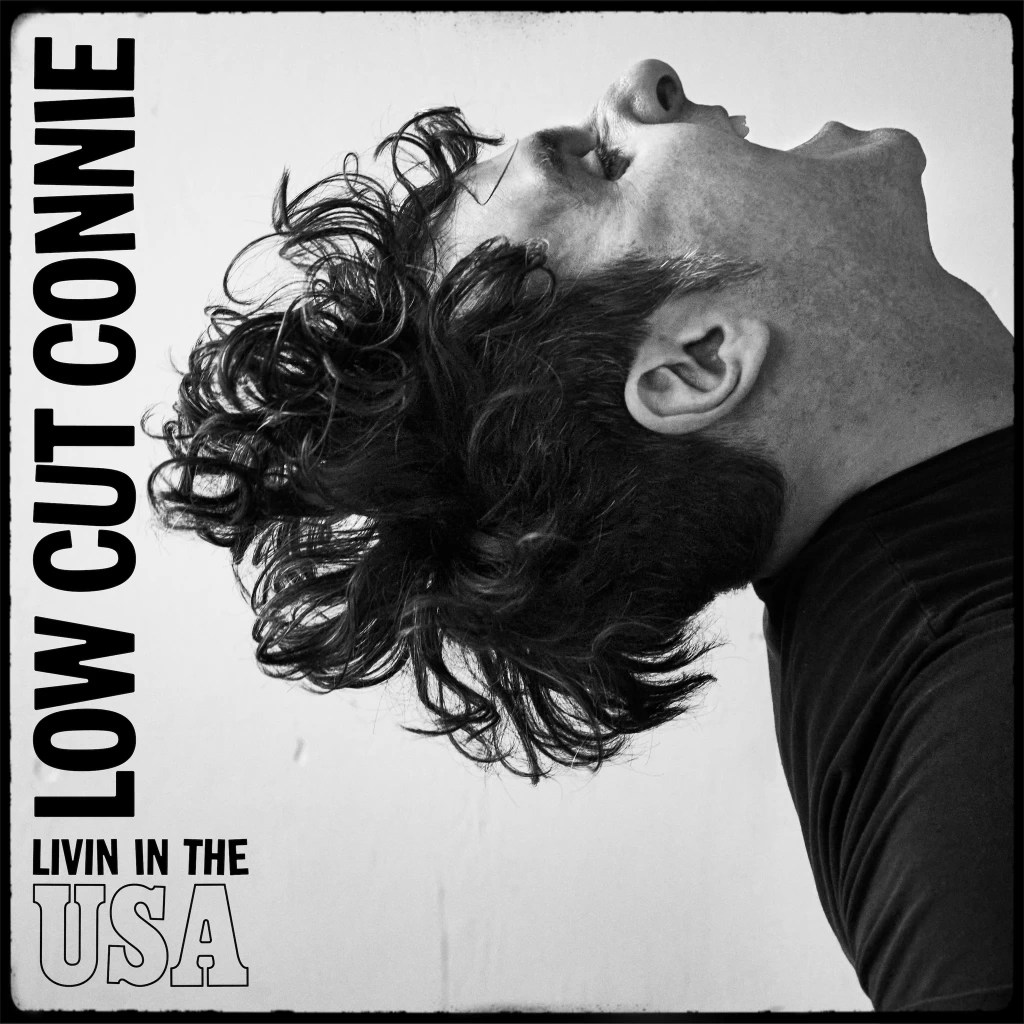 Livin in the USA is very much a protest album. “I made it because I am disgusted to see our country descend into an authoritarian hell / a moral vacuum / and a place where art does not lead the cultural conversation,” Adam Weiner wrote in a poetically punctuated artist statement accompanying the LP. In the next breath, he says that Livin in the USA is also very much a party album, “because I refuse to let these motherfuckers steal our art and steal our joy.” So, that’s the premise animating ten songs that go hard, with a vibe like a sweaty summer night where everybody is out on the block, thrumming with a combination of adrenaline, joy, and defiance. Weiner sets the tone right away with the title track, an amped-up take on the strings-and-piano version he released last year after becoming one of the first artists to cancel a gig at the Kennedy Center in Washington D.C. What started as a lament for a country Weiner no longer recognizes becomes a condemnation here, thanks to caustic overdriven guitars, a stomping beat and ringing backing vocals from Amanda “Rocky” Bullwinkel and Abigail Dempsey. The track feels almost like a warm-up for the pointed songs that follow. Sometimes the songs tip more toward social commentary, and sometimes it’s more about shaking your ass. “Get Down” is the latter, with a hot groove fueling a combustible mix of guitars and piano while Bullwinkel augments Weiner’s rock and roll-shouter lead vocals with gritty harmonies through a distorted microphone. —Eric R. Danton [Contender]
Madonna: Confessions II
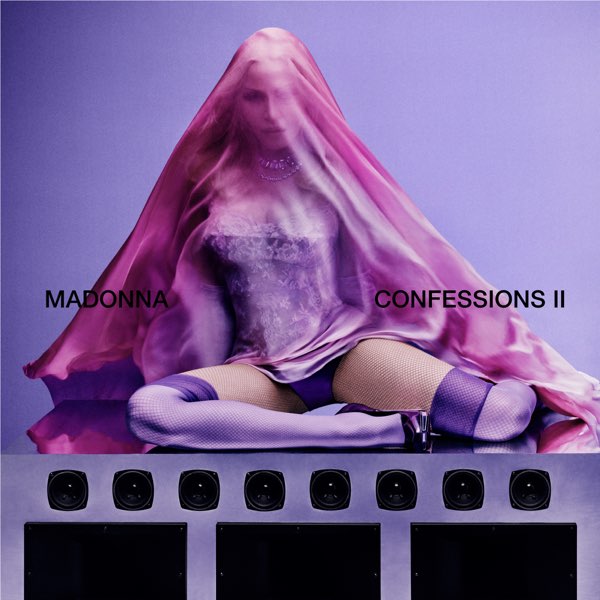 Can lightning ever really strike twice? Madonna certainly seems to think so. More than twenty years after she and Stuart Price first made magic with the near-perfect Confessions on a Dancefloor, they’re back for round two, and the result is a barnstorming, storm-chasing album that looks at once forward and backward, before deciding that the only place to be is the present. This is an old-school dance record, and all the better for it: the music is diverse in its tastes (the samba-style “Read My Lips”, complete with Spanish guitar and batucada drums; the jumping, jittery drumbeats of EDM on “Fragile”), but it sticks mostly to acid and deep-house influences: “Bring Your Love” interpolates Inner City’s “Good Life”; opener “I Feel So Free” is a deep-house cut that samples Lil Louis’ 1989 classic “French Kiss,” and its audible nods to disco (Donna Summer in particular; the pulsing bassline flirts with the same melodic intervals of the ones on “I Feel Love”) add a ridiculously catchy melodic sheen to Madonna’s spoken-word interludes.
The one-two punch of “Bring Your Love” (featuring a sleek, languorous vocal from Sabrina Carpenter) and “Danceteria” is some of Madonna’s best work in decades. The former rejects industry expectations without sounding broody: instead, it commands Madonna’s listeners to bring their love—it is, after all, what she “did it all for.” “Danceteria” may very well be the stand-out of the album. From anyone else it would sound obnoxiously name-droppy. From Madonna, though, it’s merely a reminiscence on life in eighties New York, and the images are too vivid to be twee or overly nostalgic: everyone from Basquiat to Nile Rodgers to David Byrne to a “guy named Fred” is out tonight, and each of them is “a work of art.” The bridge is a perfect illustration of not just how good dance music is, but how fun: a funky, hyper-active bassline thuds beneath bright guitars and Madonna’s verse: “Lounge Lizards had so much style / Lower East Side, take a walk on a wild side,” she says, before humming Lou Reed for a split second and launching back into her chorus. The hook isn’t quite as catchy as “Hung Up,” but it’s close. Elsewhere on the album, Madonna is surprisingly vulnerable, and Confessions II is all the richer for it; “Fragile” and “L.E.S. Girl” are tasteful explorations of the things that haunt her.
A lot has changed in the music industry since the first Confessions was released. Most notably, pop music is taking dance and disco more seriously; two of the biggest albums of the decade (Renaissance and BRAT) are homages to that marvelous, alchemical process that takes place on the dance floor, what Madonna describes as “safety in numbers.” On Confessions II, though, she reminds us that, as with so many things, she was doing it first. —Mariam Abdel-Razek [Warner]
mary in the junkyard: Role Model Hermit
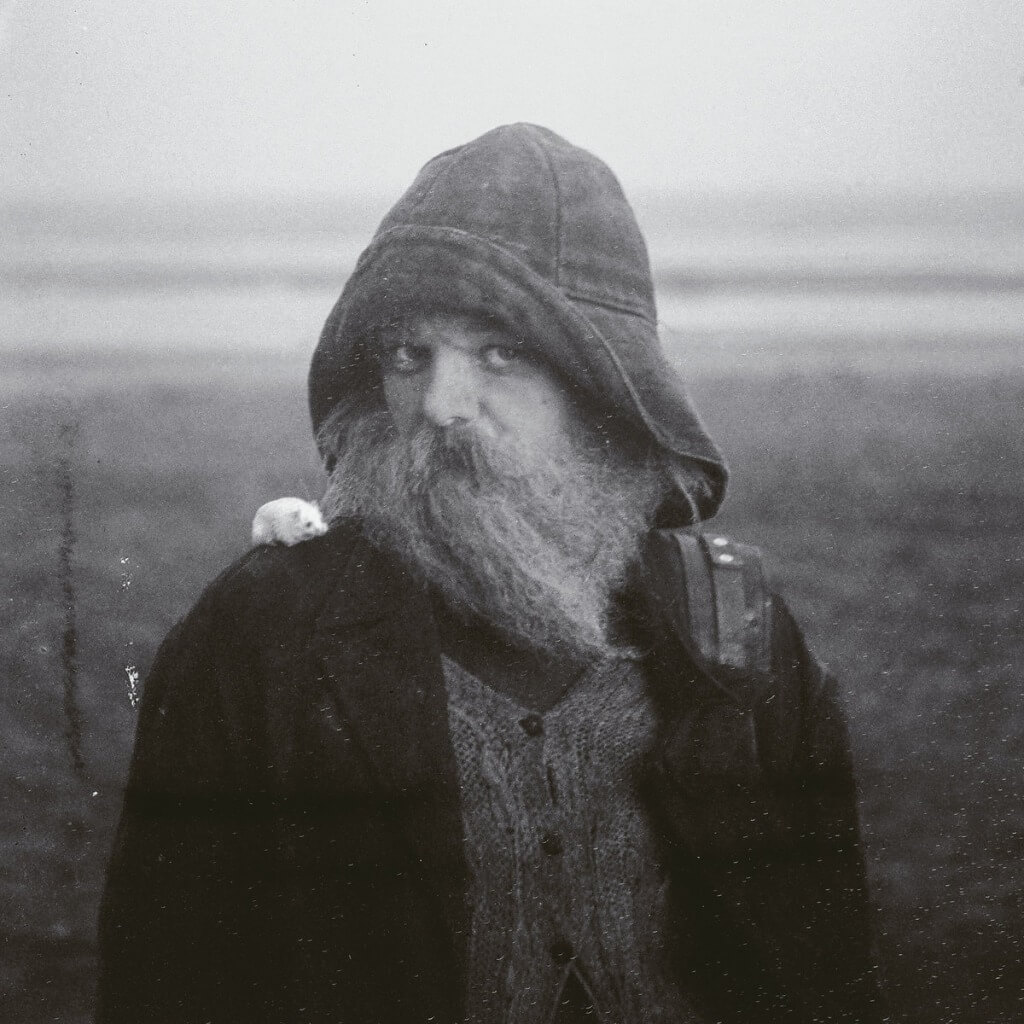 Clari Freeman-Taylor’s conversational manner isn’t all that different from her stage presence. She gives the impression of someone who has only recently landed on Earth, dispatched from some mysterious planet. The daughter of a drama teacher and an environmental advocate, both creatives in their own right, Freeman-Taylor grew up in Kimpton, a thousand-year-old village north of London. “When I was a child, there was a really kind woman called Mary,” she recalls. “So it has a nice place in my memory. And then junkyards. I think that the world is a bit like a junkyard. It’s just lots of stuff that washes up that’s very random.” “You’ve got to piece together the junk,” Saya Barbaglia adds. Role Model Hermit feels assembled from those found bits and bobs. Reverb-soaked guitars, unorthodox song structures, and Freeman-Taylor’s ghostly soprano combine into something that doesn’t sound like anything else I’ve heard in a while. “[Todd] thinks that we sound like we’ve heard a lot of rock music, but misunderstood it, which I think that’s such a productive thing,” Addison says matter-of-factly, launching into an enthusiastic digression about post-punk bands making pop music badly enough that they accidentally invent something new. It’s an apt way to describe mary in the junkyard, a band doing rock music slightly wrong but to thrilling results. —Miranda Wollen [AMF]
Nirosta Steel: My Skyscraper
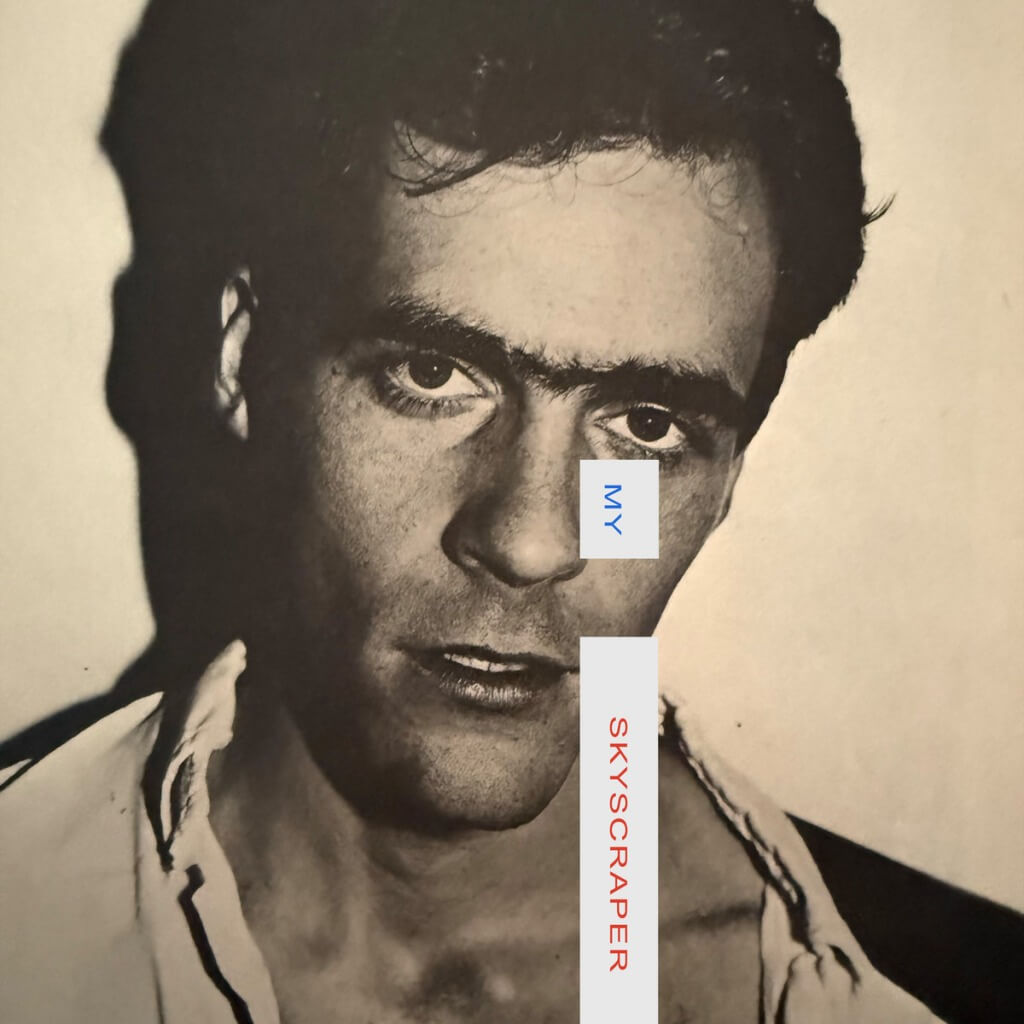 Forty years ago, Steven Hall began assembling an album for his songwriting project, Nirosta Steel. It was to be his statement of “queer love songs, nightlife hallucinations, and post-rave comedowns,” and it arrived this week as My Skyscraper. You may know Hall, but you also may not. He collaborated with Arthur Russell until Russell’s death in 1992, after receiving an introduction through Allen Ginsberg twelve years earlier. Some of the material that later surfaced on Russell’s Love Is Overtaking Me collection came from an abandoned album the two made together. But My Skyscraper is phenomenal (full review TK), and my favorite track, “BOSS TRIX (BENNY’S SONG),” spills light like a rapture. Hall swoons and swivels through a house groove rigged with Drop Out Orchestra’s hot, decorative programming, Nell Shakespeare’s chopped-up vocal passages, bursts of impulsive horns, and a spank of guitar. Penned about one of Hall’s former boyfriends, “BOSS TRIX (BENNY’S SONG)” is a nocturnal, capering strain of disco that’s been lovingly deconstructed and revised. We should all be envious of such a devoted tribute. Come December, we may very well be regarding My Skycraper as the best album released all year. —Matt Mitchell [ULYSSA]
Play Time: Magic Object
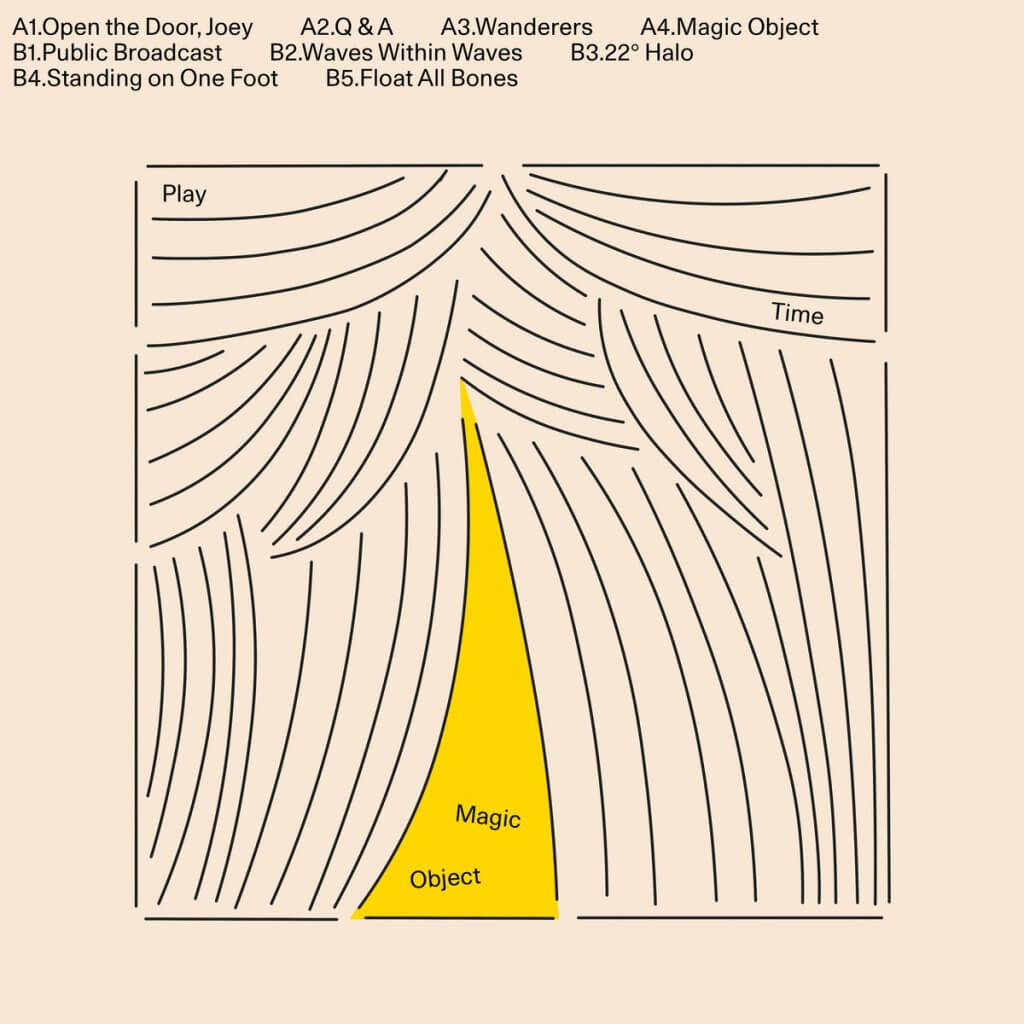 Hudson Valley-based Play Time (percussionist Booker Stardrum, saxophonist Will Epstein and synth player Ben Vida) make a strong case for nominal determinism. Magic Object, their debut release, is an elastic, wandering record that sounds a little like three instrumentalists at play, and the result is, in fact, magic: following a deceptively simple formula (Stardrum and Vida on rhythm, backing up Epstein and his more freewheeling sax), they manage to create nine contained but complementary sonic experiments, each one resisting strict definition. That element of play, though, doesn’t take away from the intelligence of Magic Object, which is a mixture of studio sessions and overdubs. The overdubs are most audible from Epstein, who is constantly in dialogue with himself, multiple horns echoing over one another; in “Q&A,” this is especially enjoyable; Vida’s Moog hums through simple melodic patterns, modulating up and down, as Epstein pitches first the “Q” and then the “A,” sometimes playing overlapping snippets of sound, sometimes echoing himself. On “Public Broadcast,” the three dip their toes into some funk; Stardrum’s percussion sets the pace, clattering and thumping through the track without overloading it, and Epstein’s horns moan and whine at each other with intensity, coming together to move in a final peal of unison before the piece comes to a halting end. There’s a pleasing physicality to much of Magic Object; each nice-sounding, easily hypnotic element comes together noticeably, without passing you by—as on “Open the Door, Joey,” where the instruments come together in leisurely fashion, moving through hypnotic shapes of sound without losing each other in them. The sound these three artists create never stands still; it moves without hurrying, making you aware of time while also readying you to disregard it. Why not? Play Time isn’t in a rush, and neither are we; far easier and more pleasurable to sit back and let the sounds wash over us in all their glory. —Mariam Abdel-Razek [Balmat]
 Keep scrolling for more great stories.