
10 new albums to stream today
The new albums from Tasha, Chanel Beads, and SML should be at the top of your queue today. Tap in and find a new obsession.
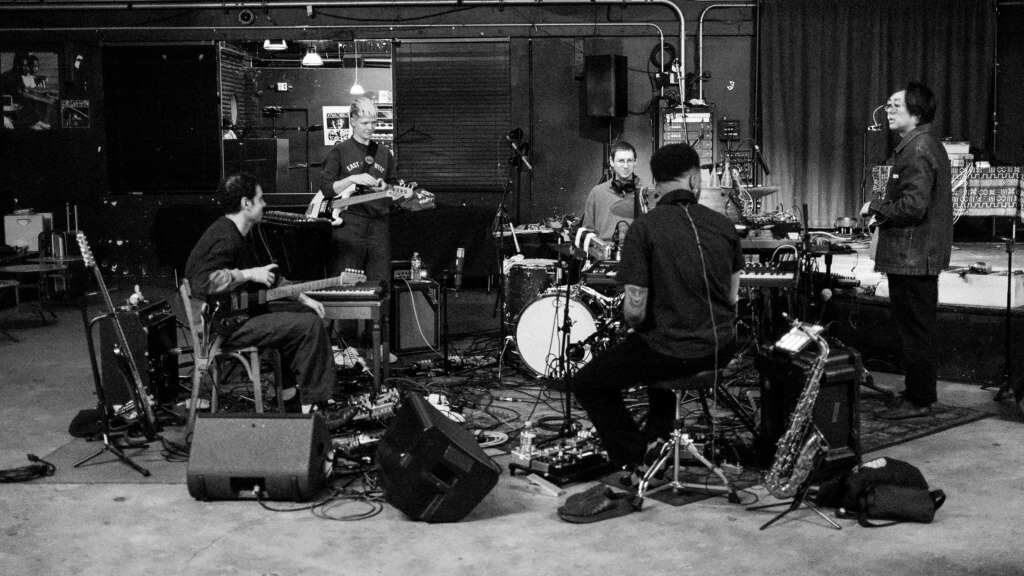
Photo of SML by Sam Lee
Paste is the place to kick off every New Music Friday. We follow our regular roundups of the best new songs by highlighting the most compelling new records you need to hear. Find the best new albums of the week below.
Atta Boy: Silt
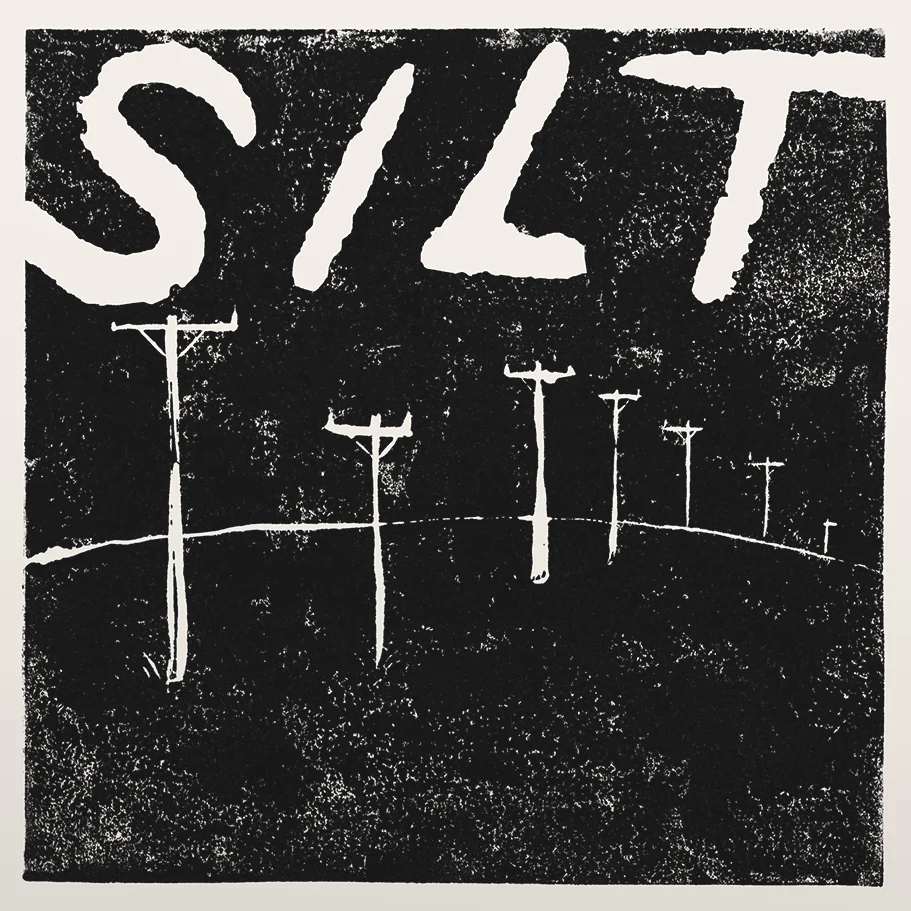 For such a short album, Silt is quite broad: brash, jagged grunge-rock sidles up next to horn-filled dirges and starry-eyed acoustic numbers. This range can sometimes feel whiplash-inducing, but it does much to prevent the LP from becoming mired in its (admittedly well-colored) descriptions of well-trodden emotional paths. Lead track “Scratch” is a lesson in discontent, all nineties sliding distorted guitars and Virgin Suicide corporeal lamentations. “Thank you mom, thank you mom,” lead singer Eden Brolin—yes, daughter of Josh—snarls over a feedback-heavy loop. One would be hard-pressed to find her gratitude sincere. “Full Cloud,” one of the album’s lead singles, is another exercise in adultified teen angst. Brolin’s and Freddy Reish’s fuzzy electric guitar and Lewis Pullman’s propulsive drumbeat create a fog around the singer as she croons, “I don’t know what I want and I don’t like my taste.” Self-pitying and churning, it’s a song to be listened to while brushing the long, vision-blocking sidebangs out of one’s eye. Though its members are now in their early thirties, Atta Boy seems to understand that the uncertainties and insecurities and unique little pains of young adult life stay with us years after we feel we ought to have brushed them off. —Miranda Wollen [Self-Released]
Beth Orton: The Ground Above
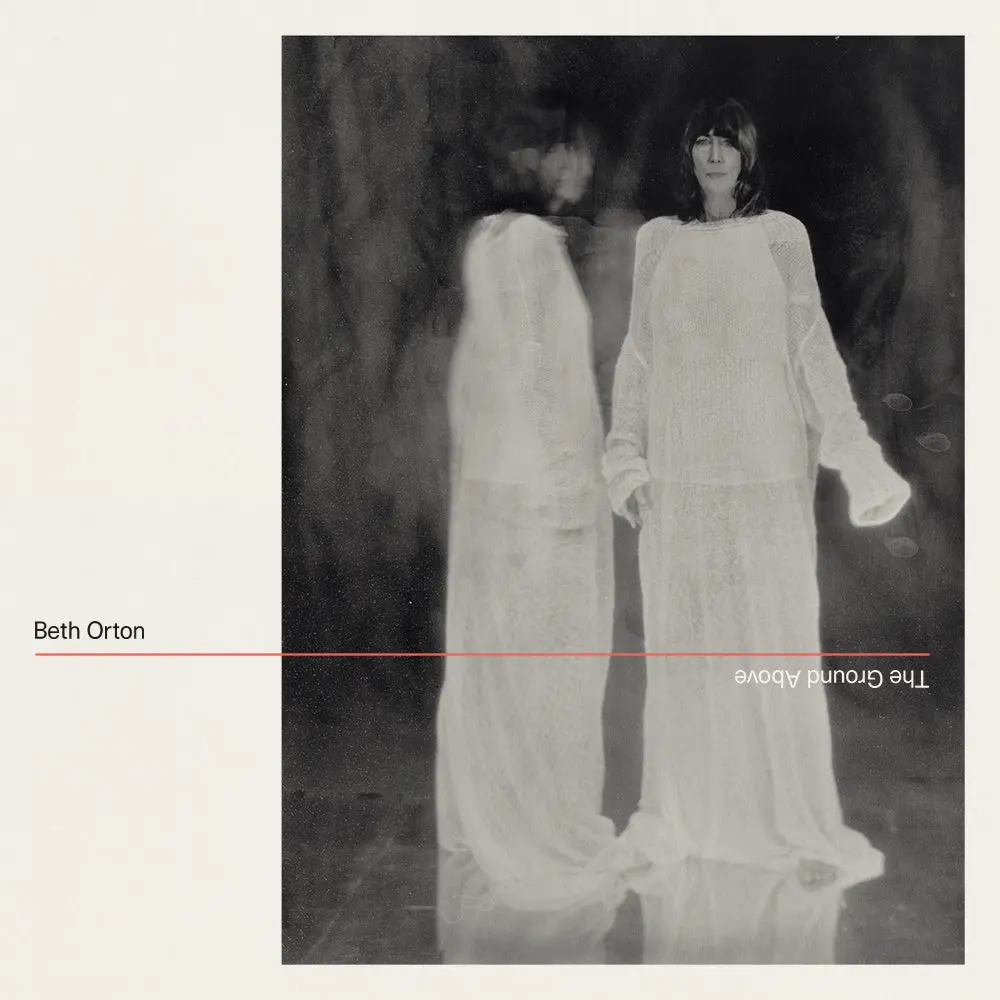 After a career-best release with 2022’s Weather Alive, Beth Orton doubles down on the evolved sounds she brought out of herself and her collaborators on The Ground Above. Her ninth studio album, it roams powerfully, the plains of longing, grief, and motherhood in powerful steps. Here, the spare, intelligent elements of her folk sensibilities (Paul Butler’s string arrangements are particularly evocative, adding a moving depth to Orton’s compositions) combine with a sprawling range of influences to create a thing of beauty. Each of the eight tracks on The Ground Above feels like a venture into unchartered waters, and the direction Orton’s songs take is never predictable. “Before I Know” opens with a shivering of strings, shimmering ethereally into existence, before diving down, dowser-like, into rich, elaborate depths. A soaring trumpet part is anchored by a simple bassline; a fiddle plays mournful lines over the top. For a full ninety seconds, there are only these instruments, painting evocative pictures of sound; then the track ends as it started, the strings glimmering back out, as if it were never there.
The Ground Above often plays around with these feelings of ephemerality—not just in its musical form, but also in the subjects Orton explores, with her usual, remarkable lyricism. On the title track, she tugs the listener into the delicious sensation of falling in love: “You kissed me like you knew what I was for / And it wiped me out like chalk off of a board.” Her voice wavers, stabilises; at the same time, her band does the same, skipping around friskily as Orton commands her lover to let love “wipe you out / let it knock you down / let it find you out.” As on its predecessor, The Ground Above’s heartbeat is Orton’s piano: it stumbles, sways, patters in and out. On “Otherside,” Orton closes her album with the musical equivalent of running down the street with her arms spread wide open. Everything and the kitchen sink is thrown behind her plea with those going to “the other side” ahead of her to “tell me what it feels like / tell me what it looks like… tell me you’ve made it through the night.” Tom Herbert’s bassline, deliciously hard to pin down, drives the listener onwards, and everyone seems to be coming along for the ride. In the best way, much of The Ground Above has that superb looseness of improvisation. But don’t let the long track lengths or the meandering instrumentals fool you: this is a work of immense, intelligent control, from an artist at her creative zenith. —Mariam Abdel-Razek [Partisan]
Chanel Beads: Your Day Will Come
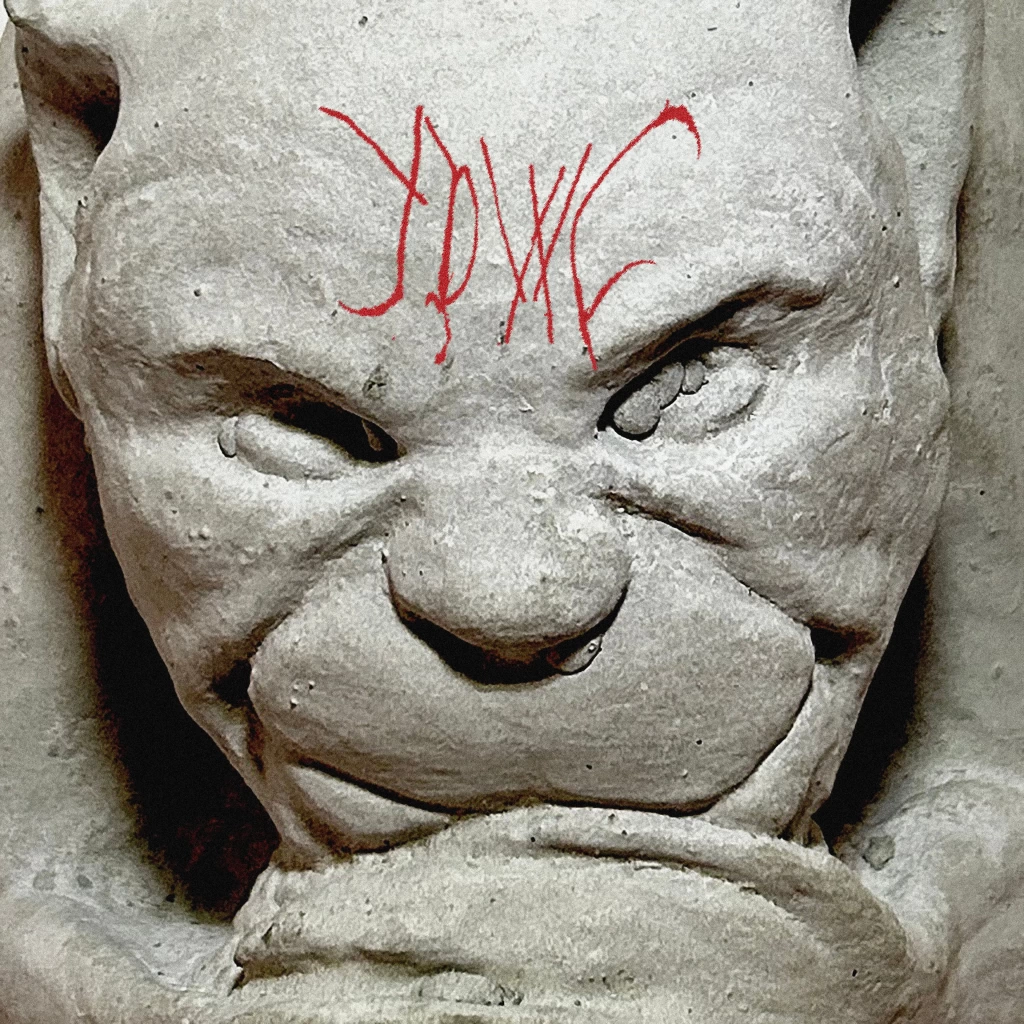 Your Day Will Come, the second album from Chanel Beads (and the second one with that exact title), concerns itself with the surreal forms that everyday forces can take. Once again aided by vocalist-guitarist Mary McGrory and violinist Zachary Paul, Shane Lavers renders standard pop songwriting into arcane, intoxicating configurations. Similar to how Mk.gee can sound like someone listening to Frank Ocean from several rooms away, Lavers’ songs have earworm qualities that nevertheless unsettle. They’re sprinkled with both easily hummable melodies and disquieting undertones. The aptly titled “Opening in the Gate” is a tidy microcosm of Chanel Beads’ hypnotic intangibility. It begins with a jarring, in-the-red scream, which disappears just as quickly, gone in a split second, ushering in Paul’s plucked violin and Lavers’ choral synth pads. Mari Rubio plays the pedal steel as if it’s another instrument entirely, with a foreboding drone that converges with the swelling wash of noise burbling underneath the surface. “Twenty cockroaches in the concrete,” Lavers whispers, unfurling the full breadth of his voice in the next line: “You said it’s a cold spring / Warmer underneath my feet.” It’s like we’re watching Lavers on the side of the titular gate, beckoning us to join him on the other side, coaxing us with a whisper and sickly sweet melody like he’s a mermaid in Homer’s Odyssey. —Grant Sharples [Jagjaguwar]
Dari Bay: Surprise Wish
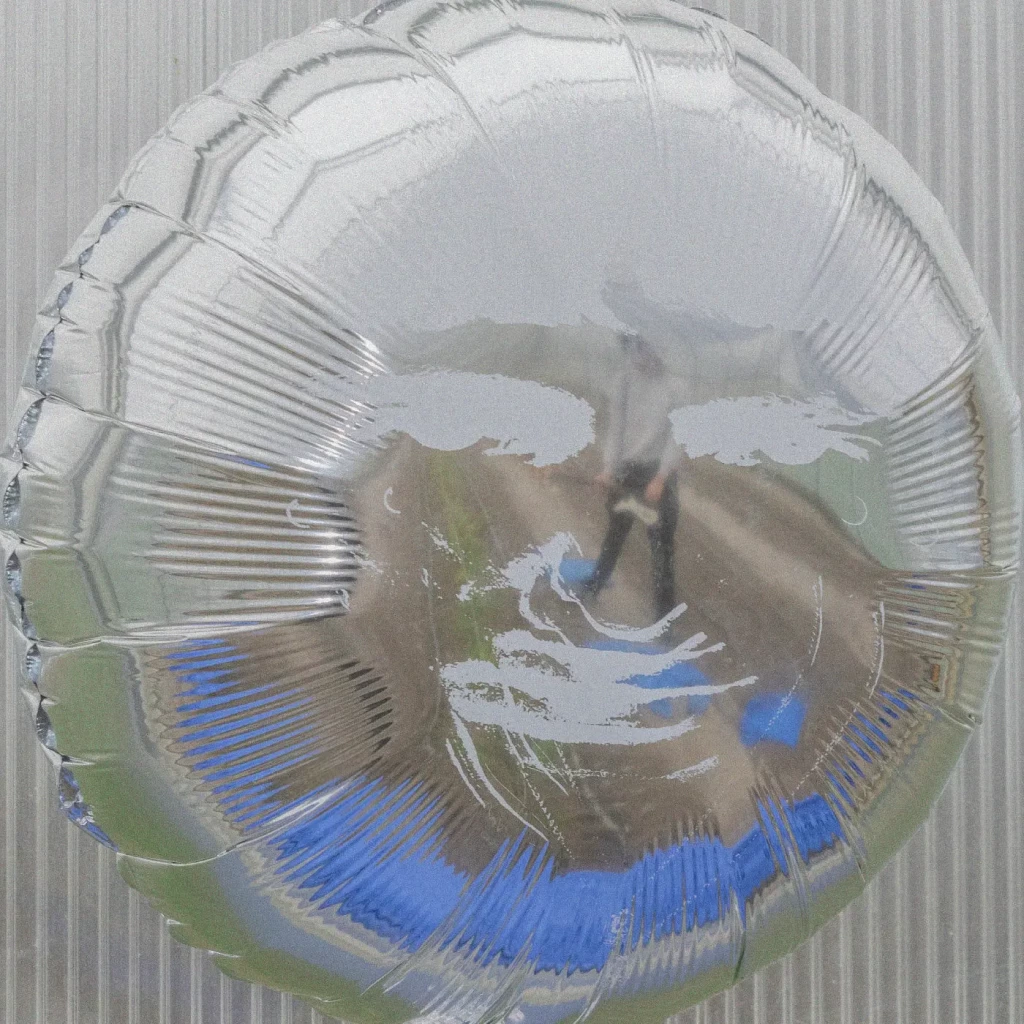 Surprise Wish, the sophomore effort from Dari Bay, is anxious and hopeful—a wound kept open in the hopes that the air will heal it in due time. The follow-up to their debut, Longest Day of the Year, finds Robber Robber’s Zachary James exploring the joys and pitfalls of young adulthood. James worked on the project while finishing college, and the album’s sentiments reflect that: there’s feelings of hope, confusion, fear, and getting too high (a frequent precondition of the confusion and fear), all replete with fuzzy, distorted guitars and barbed lyrics. The record tries to make sense of James’ early twenties. “You say everything’s fine / Well how could it be better?” he snarls on the buzzing, bubbling “How Can You Tell”; on “The Joke,” he seethes at his own impotence, his inability to be “in on the joke.” The record switches between the despairing and the optimistic: on the aptly-titled “We’re Gonna Be Okay,” thrumming, propulsive guitars carry the narrator through the eye of a hurricane and toward the parting of the clouds. On “On Your Side,” a soft strum blooms into a twinkly riff as James croons “Said you don’t wanna waste my time / But I don’t mind, but I don’t mind.” Much like the period of life it encapsulates, Surprise Wish is pouting and bubbling with energy while thrashing with anger. It’s a self-aware and surprisingly mature piece of indie-rock, and a lovely encapsulation of James’ coming of age. —Miranda Wollen [Double Double Whammy]
Downtown Boys: Public Luxury
 When it comes to activism and organizing, a lot of bands talk the talk, but very few walk the walk quite like Downtown Boys. They’ve always been led by their political ethos, but they’ve been especially busy since their last record, 2017’s Cost of Living: guitarist Joey La Neve DeFrancesco, for instance, founded the Union of Musicians and Allied Workers (UMAW) in 2020, which quickly became one of the most politically and culturally important forces pushing back against the capitalistic, imperialist whims suffocating the music industry. On Public Luxury, the band slams back into place almost as if it had never stepped away from the limelight—almost, because the world has gotten even worse and worse in the interim, and Downtown Boys have adjusted accordingly. Public Luxury is thirty-four minutes of unbridled (and very deserved) anger translated into sludge and grit and endlessly shredding guitar. And whether it’s 2012 or 2026, there’s still no one who can scream a furious rallying cry better than Victoria Marie. Downtown Boys have heard the siren’s call (to action)—literally, on “Sirena,” a tribute to Marie’s late grandmother and the notion of a siren’s song that pushes you to interface with the horrors of the world—and they’re swimming full-force towards it, never mind the choppy waves that lie ahead. Opener “No Me Jodas” (aka “don’t fuck with me”) rails against our corrupt legal system, “Yellow Sun” is an ode to Lebanon in the face of Israeli occupation, “You’re A Ghost” lambasts the panopticon of the state. But there’s joy in it, too; a celebration of community and communality, of the people that made you and the people that will come after, of the power that can be found in a group of people dedicated to the same cause, sharing the same heart. Marie shouts on “Viva La Rosa”: “Todavia creo un future / Todavia veo nuestros muertos.” I still believe in a future / I still see our dead. Downtown Boys know that grief and hope are not opposites but instruments, twin tools that, handled with skill, become the engines of our refusal—both the reason we fight and the weapons we fight with. —Casey Epstein-Gross [Sub Pop]
Emperor X: Unified Field
 Emperor X’s records have always sounded distinctly analog, and his twelfth studio album, Unified Field, is no exception. The songs are scratchy and abrasive, highlighting Matheny’s dense, acutely specific lyricism and raw vocal delivery as the focal point. Despite Matheny being a longtime expat, many of the protest songs on Unified Field are distinctly American. He’s grateful for his ability to write about American politics as a now-outsider, saying that the distance from American exceptionalism has offered some perspective, even as he accepts that he’ll always carry the baggage of being culturally American since he didn’t immigrate until well into adulthood. “I do kind of believe in the national project of America in its most idealistic sense,” he admits, “as expressed with like, NASA or the Civil Rights legislation of the sixties—the idea of America that never was actually real, but the idea of it is still something that appeals to me and something that I could get behind if it ever were on offer, which I don’t think it is.” He mentions this while we’re talking about his song “Praise Jesus! Hail Reagan!”—a fairly straightforward and at times cynical protest song critiquing xenophobia and fundamentalist Christian hypocrisy. “It’s ironic in a lot of ways, and it’s critical, and it protests the treatment of migrants, but there’s this hint that I think a lot of people miss,” Matheny says. “Like, yes, Christian Nationalists are confused about their faith, but we are too, as leftists. I do think it’s important to have an ideal to strive for, even while at the same time, making sure to never be lulled into the idea that you’ve reached it.” —Grace Robins-Somerville [Bar/None]
Georgia Gets By: Heavy Meadow
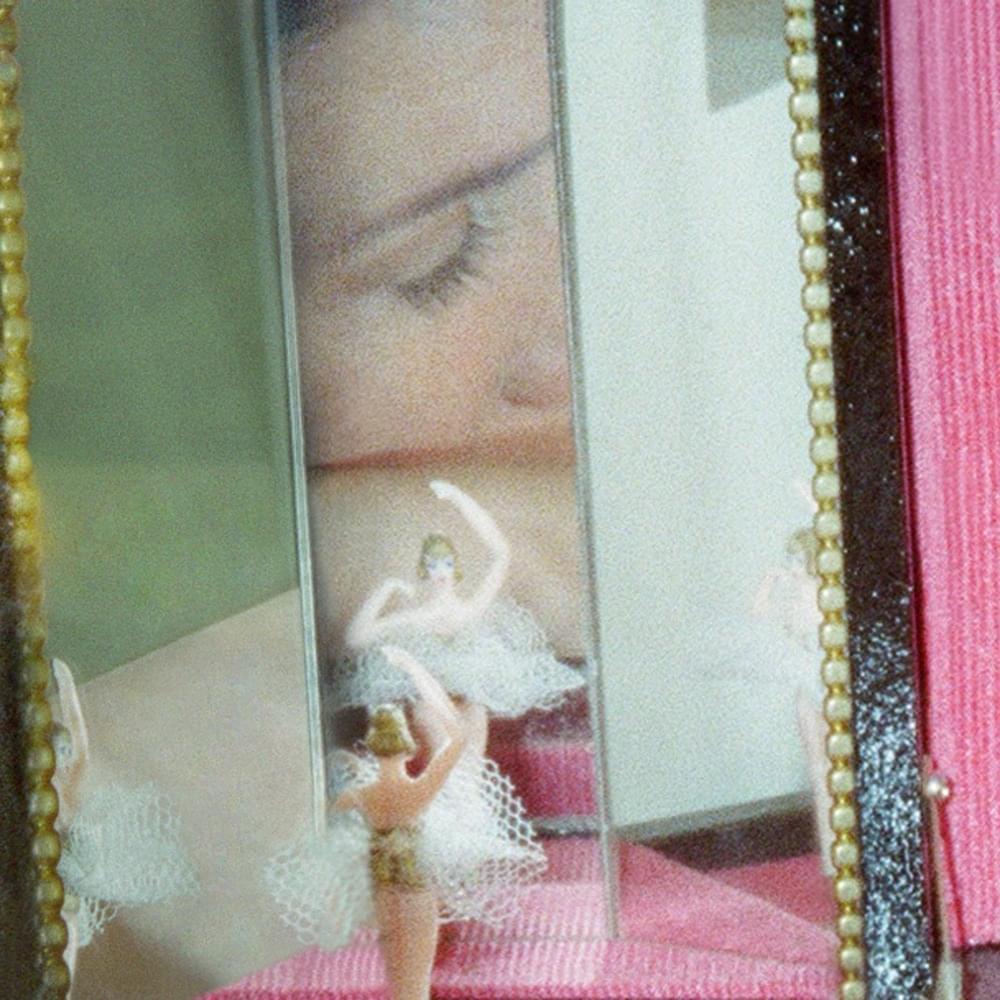 Georgia Nott’s debut album has been a long time coming, and it sounds like it. Heavy Meadow, recorded live in three days, is a dear, intimate lesson in tenderness and contemplation. Her intimate, achey sensibilities find a home in the album, a dreamy exploration of love and loss in the modern world. Over eleven songs, Nott spills her soul onto the page, backed by mournful organs and gentle guitars. An eclectic soundscape gives the album its oomph: “Hagstone” features a harp, “Wedding Ring” a tambourine. She is at turns imploring, besotted, hopefully (and unsuccessfully) religious. There is something of Madison Cunningham in her gentle lilt, of Julie Byrne in her explorations of the soul. But Nott’s cloudy, homespun vulnerability, and her unique ability to convey the small joys and terrors of modern-day life, make Heavy Meadow all her own. —Miranda Wollen [Luminelle]
Harmony Tividad: Lifetime
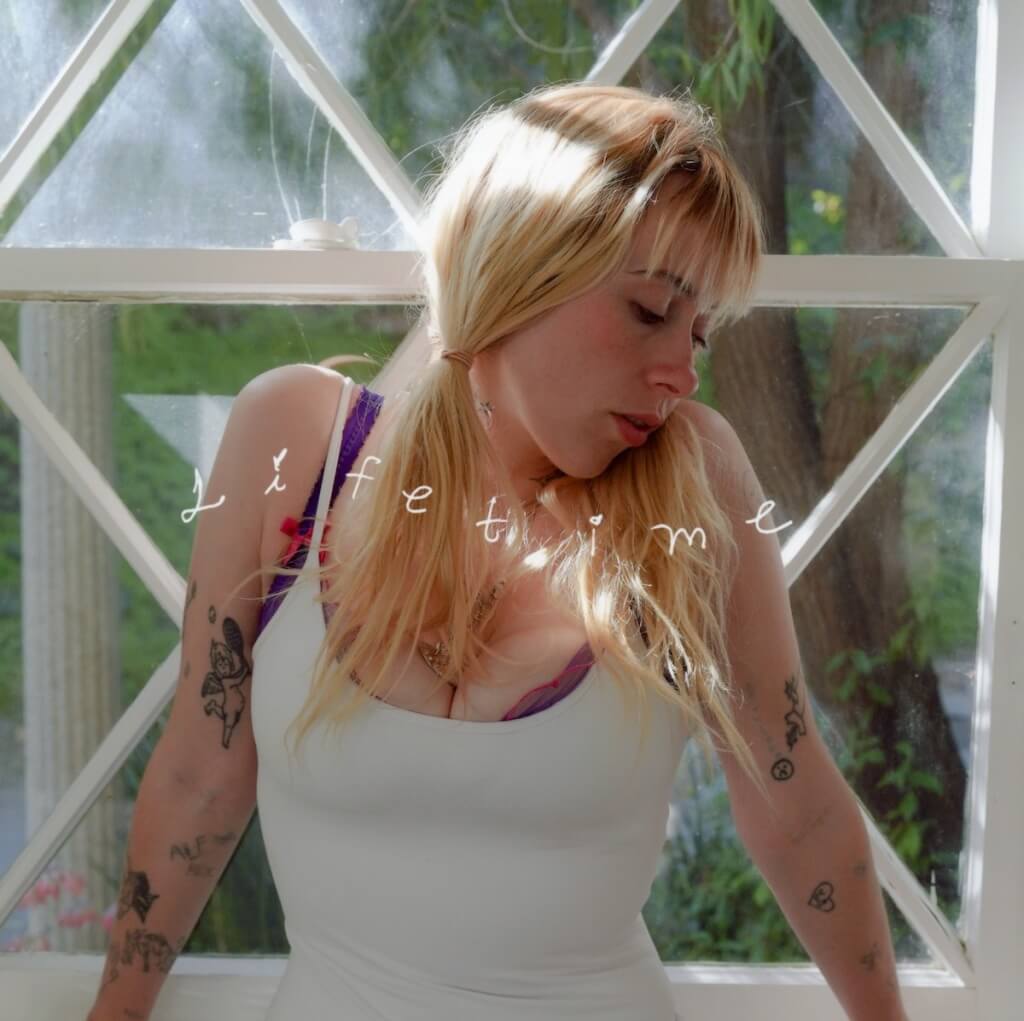 Similar to 2024’s Gossip, Harmony Tividad is interested in crafting her own personal, postmodern spin on vintage cultural and aesthetic signifiers. In this case, however, she and collaborator Yves Rothman engage with those ideas more sincerely than ironically, which greatly benefits Lifetime. The album’s cinematic allusions are given an especially unique and fresh twist on the rock-solid opener “Mulholland Drive,” which houses the bitter emotions from that iconic film’s tortured romance inside a summery folk-pop instrumental: “Makes me wonder why / I can’t get you off my mind / ‘Cause I want the high / Of a picture perfect lie.” The song itself might not be something you’d hear in Lynch’s film, but Tividad both captures and identifies with Naomi Watts’ character’s primal need to indulge in fantasy in order to temper the pain that lingers from her unmet desires. Tividad continues to channel her desire for freedom from her personal afflictions through tender, blissed-out production on the following track “Best Dressed,” which feels like classic Girlpool with its gentle, sun-dappled guitar riffs. You almost half-expect Tucker to show up with a gritty backing vocal to balance out Tividad’s coo, yet Tividad remarkably makes it her own, succinctly and incisively addressing our culture’s narrow-minded fixation with body image and the performance of femininity by poignantly lensing it through her own experiences (“All the men who wanted me / Never wanted all of me”). —Sam Rosenberg [KRO]
SML: Spontaneous Music Live
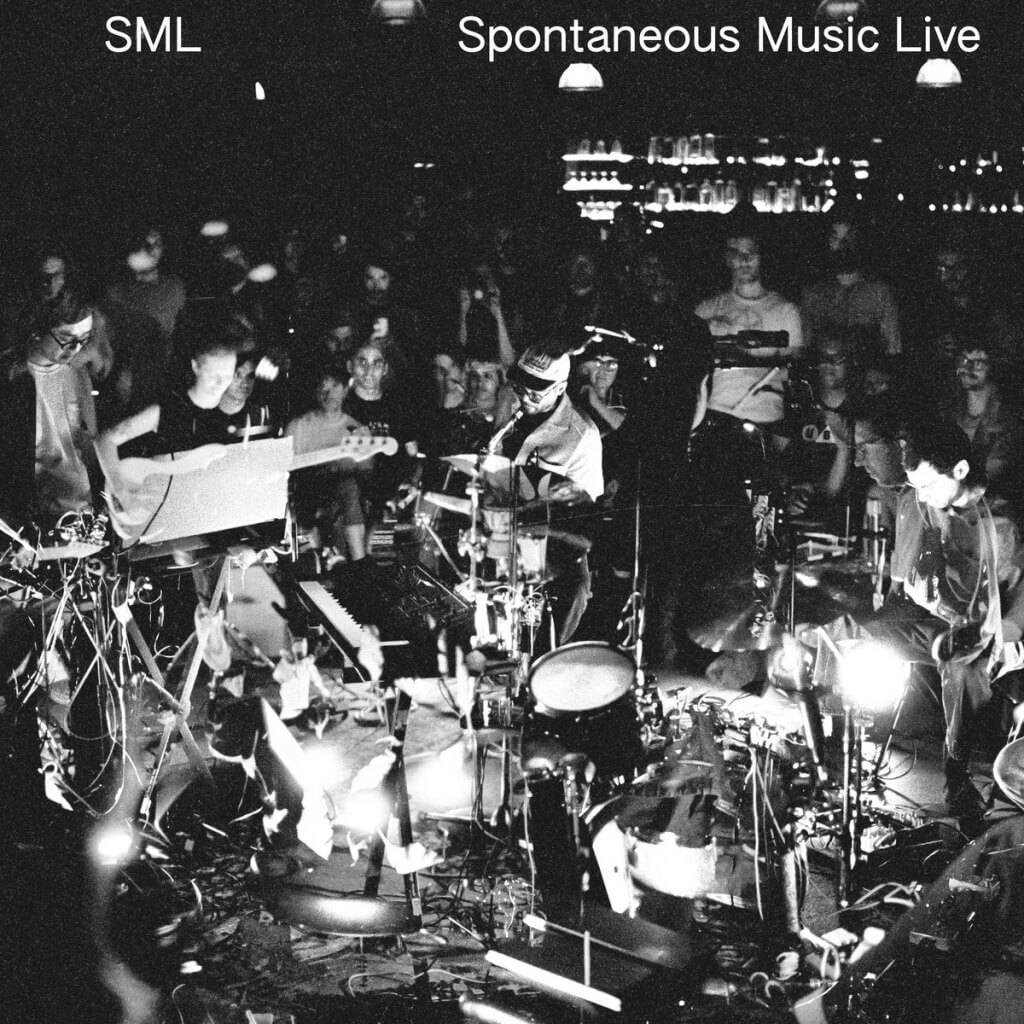 Spontaneous Music Live stands out from SML’s back catalog. Unlike their previous two albums, which were patched together and assimilated from numerous live performances, either at one location (the now-shuttered ETA, in the case of the first album) or multiple (in the case of the second), then painstakingly mixed and edited, Spontaneous Music Live features two side-long tracks recorded entirely live at their spiritual home, Los Angeles’ Zebulon, direct to Nagra by Bryce Gonzales. As a result, what stands out for a listener are not particular songs but specific moments, mere seconds that are elevated out of time and space, working hard to do strange, interesting, beautiful things to your eardrums. The group is at its best in these transitional moments; they repeat the same sounds each time in a form of sonic hypnosis, performed on each other and on their audience, mining deep into each note to see what they might be able to dig out.
If on their previous work this might have felt like an experiment performed in the editing suite, this album proves that it is, in fact, one done in the moment. That it creates pieces of such cohesion is a feat in itself. On “The Drums,” it becomes clear that this achievement is largely due to the rhythm section. Booker Stardrum and Anna Butterss’ bass are in exceptional synergy, and the way they keep time is indecipherable and strange, an act not of mere time signatures or bars but something gnarlier and more unhinged; a little like the mutuality of a tandem bicycle, if both the riders let go of the handlebars and started popping BMX tricks. Where SML’s previous work was as much a feat of editing as live musicianship, Spontaneous Music Live thrives in the moments of imperfection that are necessary to live performance, when some chatter emanates from around the band, or someone lingers too long in a particular groove before being tugged along by the momentum of their bandmates. All of this is captured in unfaltering quality by Gonzales and his Nagra recorder, making you feel, impossibly, as though you were there in the moment, but also already listening back to it. —Mariam Abdel-Razek [International Anthem]
Tasha: You Are Spring!
 Tasha composes music like she understands every side of it—as a critic, appreciator, performer of other people’s stories, composer of her own. Put another way, You Are Spring! doesn’t emerge out of happy accidents or beneficial naivete. Not even a little. Tasha projects a sense of total control and confidence right from the opening track’s lyrical lucidity and expert choral writing. This omniscience also goes for the way she approaches love these days—the topic she’s spent her music career trying to parse. “I’m older now, so I know how this goes,” she lilts of a faltering romance on “Lucky.” She goes for a walk in a forest and phones her mom, but reassures herself that “it was just the wrong time.” Her world is bigger now, and that means there’s less patience for superficial magic that dissolves like sugar on your tongue. She wants “moonlight and romance with meaning” on “Porous,” a velvety two-chord loop nudging her along. This solidified certainty doesn’t mean anything is sterile or boringly neat. Tasha still has the music sound serendipitous: see the chirping soundscape of “Clarion,” as overlapping exclamations from pianos and synths float around her head in a serene swirl. The percussive floor of “Actor” sounds like it was compiled from sampled city-street sounds: trucks being unloaded, grates hissing hot air, and sirens protesting several blocks away. “The city in summer is hungry and hot and alive” on the waltzing “Promise,” and the clarinet confirms it as though snaking out of an apartment window into yours during a sticky, wide-awake evening. —Hayden Merrick [Bayonet]
 Keep scrolling for more great stories.