
11 new albums to stream today
The new albums from Navy Blue, Death Cab for Cutie, and Vince Staples should be at the top of your queue today. Tap in and find a new obsession.
Image of Navy Blue courtesy of press

Paste is the place to kick off every New Music Friday. We follow our regular roundups of the best new songs by highlighting the most compelling new records you need to hear. Find the best new albums of the week below.
Bedouine: Neon Summer Skin
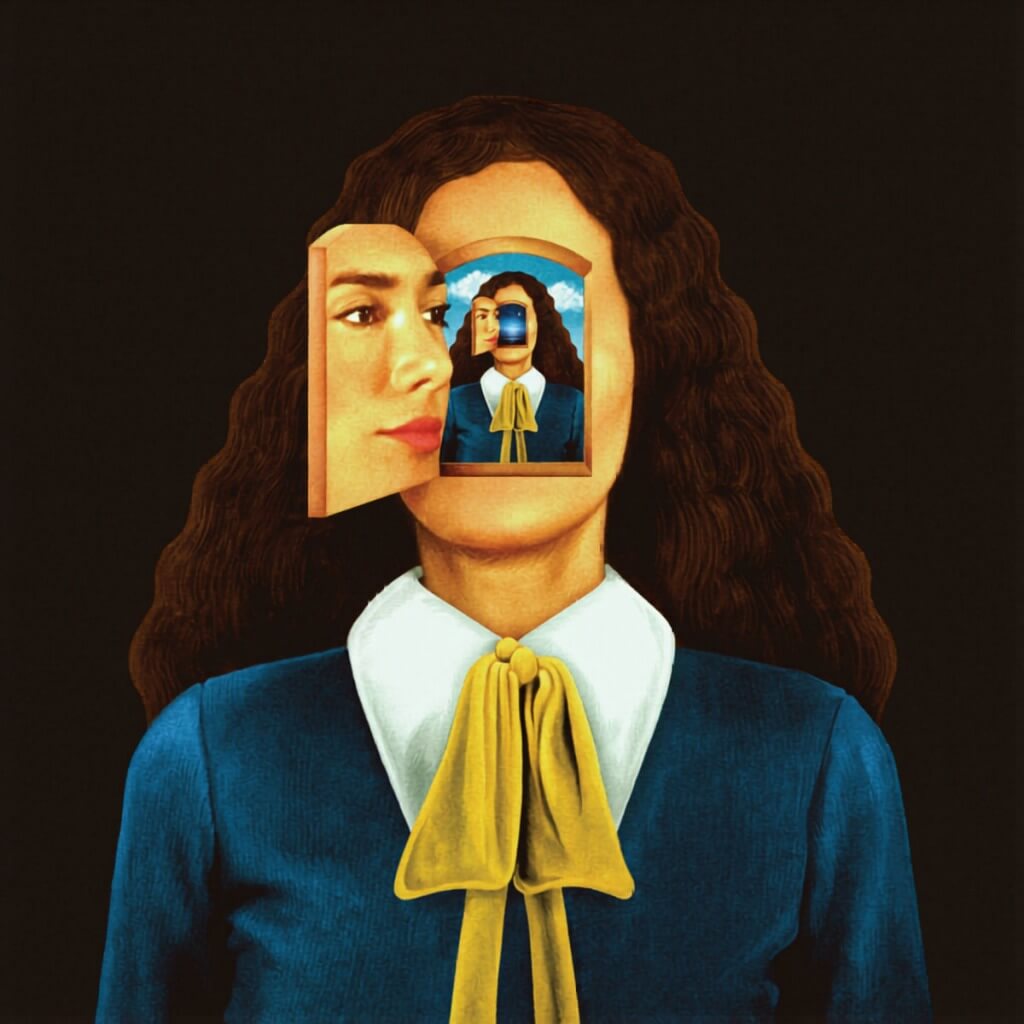 On Neon Summer Skin, Bedouine tells stories from her own family history, with the help of her partner and long-time collaborator Guy Syffert, the Lemon Twigs’ Michael and Brian D’Addario, and producer Jonathan Rado. At a glance, the record seems like a tonal shift for the Bedouine who burst into the folk scene in 2017 with the sonnet-like “Dusty Eyes” or the defiant manifesto of “Solitary Daughter.” Known for her economic, poetic language, soaring string compositions, and clarion voice, Bedouine became something of a poster child for a sort of gently intellectualized folk music. She wrote about love and desire and sadness with a veteran’s knowing eye, wading into the gunk of human emotion with a clear-eyed serenity. Neon Summer Skin is different: it’s visceral, involved, searching, and needy in the way our childhood memories always seem to end up becoming. “On My Own” swan-dives without hesitation “into the feeling,” and it was Neon Summer Skin’s galvanizing force—a spill of words that rushed out of her after that fateful Saudi Arabia trip. “Woke up with a heavy heart,” Bedouine coos over a weepy mellotron, “cradled it like it was a baby… What can I say and what can I do? Passing time can be so cruel.” She is, as always, direct to a degree that might detract from her vocal magic were it not so exact. Bedouine calls her words “bloated,” a term she ascribes to Leonard Cohen (although she admits it may be a misattribution). It’s a more positive connotation than one would think: “You pack a word with so much meaning,” she clarifies. “That’s how I think about words. What can you say, and how can you phrase something where you’re making it so heavy, you create a texture to it and a new meaning?” —Miranda Wollen [Thirty Tigers]
Death Cab for Cutie: I Built You a Tower
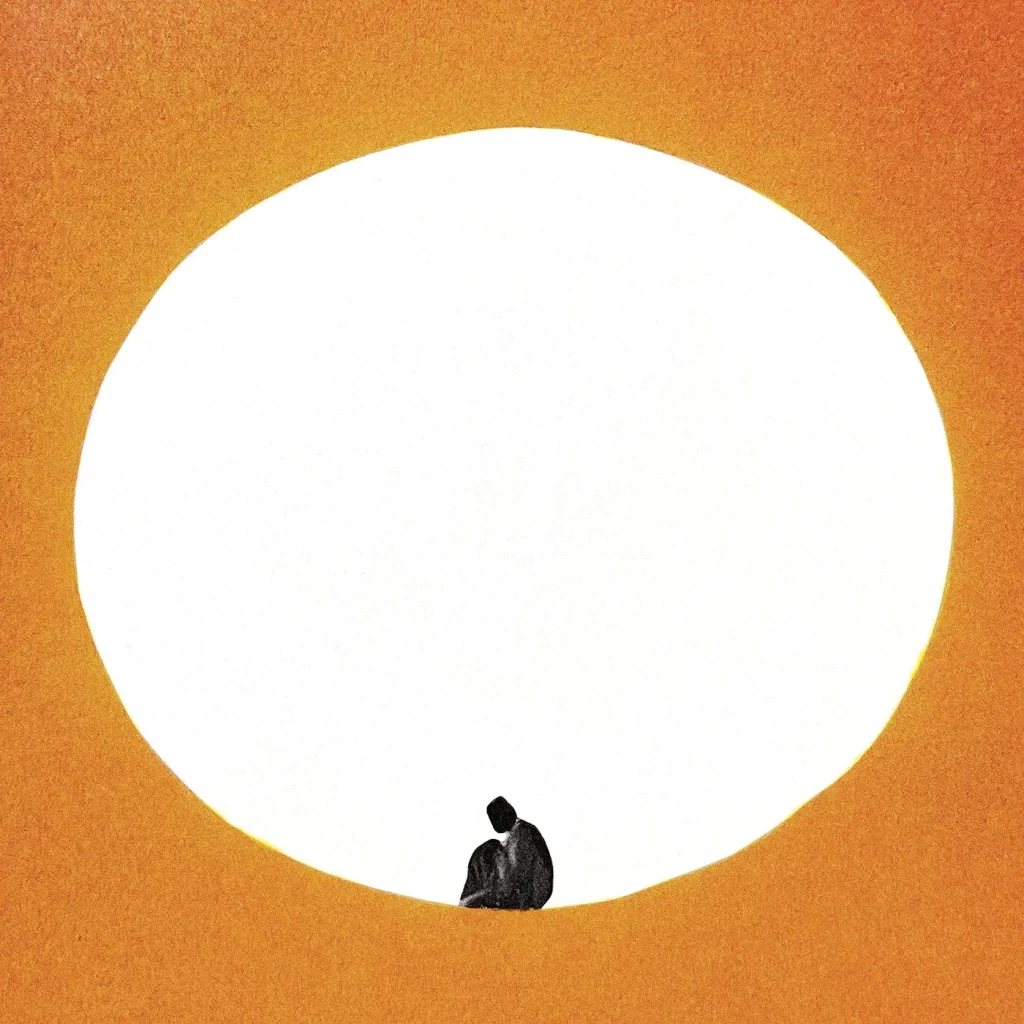 The songs on I Built You a Tower emerged from a particularly raw place, with Ben Gibbard processing the aftermath of a divorce and managing the pressure of a monumental twentieth anniversary tour honoring both Transatlancism and Give Up, the lone LP from his influential indietronica side-project The Postal Service. Hyped from the band-on-a-stage energy of that nostalgic trek, Death Cab for Cutie huddled up with producer John Congleton and knocked out I Built You a Tower in just over three weeks—their fastest studio session since their slept-on 2001 classic The Photo Album, which their latest often echoes in its blunt force and seductive darkness. You can feel that collective gravity pulling on I Built You a Tower, their return-to-indie record. Even when Gibbard unfurls his typically vivid images and metaphors (a “snowflake starting an avalanche” on the sleepy synth-rock ballad “Trap Door”; flocks of feathered friends “soaring in the silence” on the heavy and heart-quickening “Envy the Birds”), it feels like he’s drawing from a palpably real place, and the performances smack with the kind of urgent, unfussy interplay you only get from hammering out arrangements in a room with other humans. —Ryan Reed [ANTI-]
horsegiirL: NATURE IS HEALING
 Long ago, humans decided horses were lesser creatures, only to be used for riding atop. But, to quote the title of a certain pop-EDM equine phenom’s debut album, NATURE IS HEALING. These days, horse artists are everywhere you look: Horsegirl (one i), Horsepower, Band of Horses, Sparklehorse, feeble little horse; you name it. No one, though, is doing it like horsegiirL—and I mean that enormously literally, because no one else walks around wearing a semi-realistic uncanny-valley Bojack Horseman-esque horse mask every day. Hailing from Berlin (where else?), horsegiirL boasts all the marks of the city’s famed electronic scene, but she also goes beyond it—her music is eclectic and frenetic, smashing together myriad genres (Nineties eurodance, hardstyle, gabber, happy hardcore, to name a few) with effortless ease. And there are, of course, barn references galore; what’s not to love? But she’s more than just the gimmick—as evidenced on NATURE IS HEALING, which sees her move towards electro-pop, her sound is legitimately addictive, so much so that it’s easy to let down your cynicism long enough to let her “we need to care about the planet and each others” messaging into your heart. It might all be utterly ridiculous—just look at the standout wonky number “an apple a day”—but one thing’s for certain: horsegiirL’s talent isn’t. —Casey Epstein-Gross [RCA]
Modest Mouse: An Eraser and A Maze
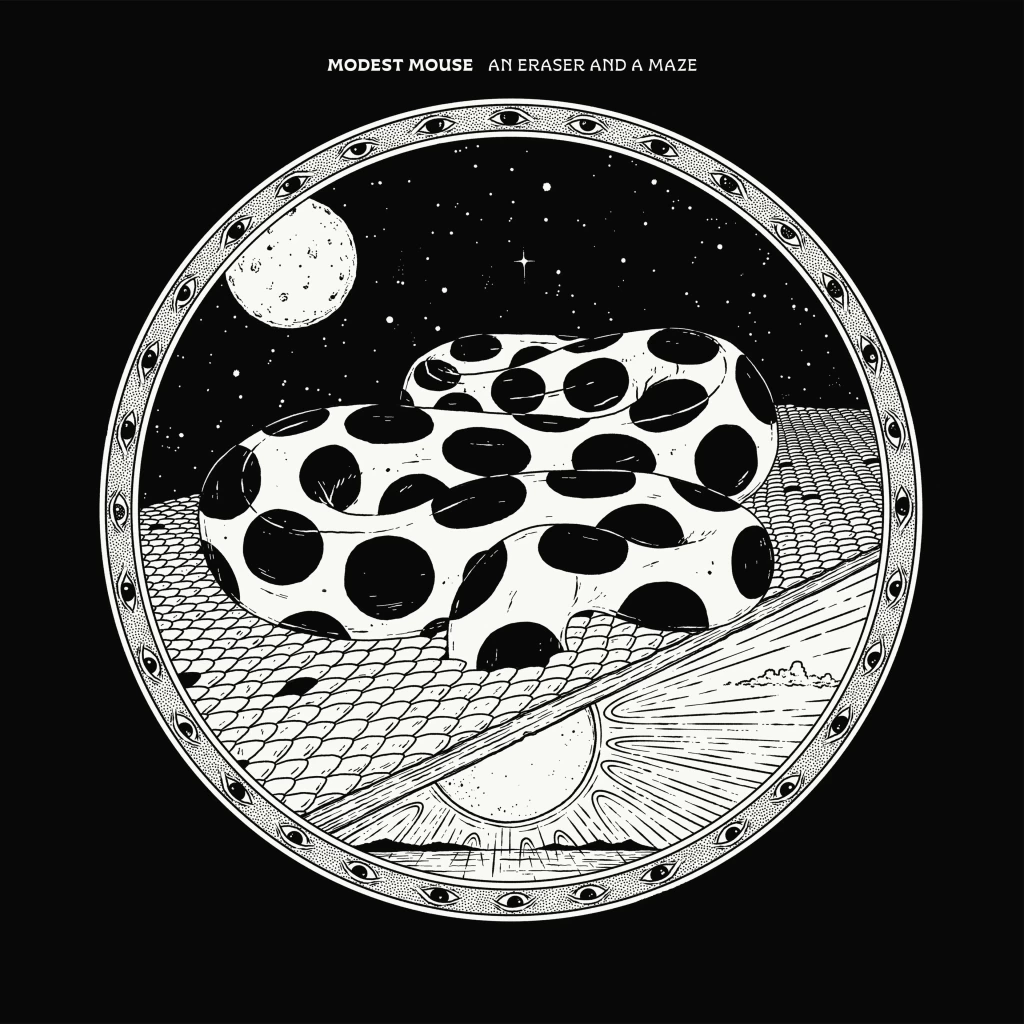 Sonically, An Eraser and A Maze picks up where The Golden Casket left off, but dialed down several notches. Devoted Redditors have compared it to somewhere between We Were Dead Before the Ship Even Sank and The Moon & Antarctica, and what those comparisons are really reaching for is that this album is less guitar-forward, slower paced, slightly experimental, and heavier on acoustic textures and electronic beats. There are flashes of the band Modest Mouse once was here: small moments where the old magic peeks through the cracks and reminds you why this band mattered so much in the first place. “Third Side of the Moon” is one of them, not just sonically but lyrically; it grapples with the realization that you’re gradually forgetting the details of a loved one who passed. It’s thoughtful and emotionally sharp in the way Modest Mouse used to consistently be. “Absolutely Necessary Never” is another standout, blending the band’s classic elements with newer electronic accents that almost sound like some forgotten jammy Eighties B-side. It is, really, a rare instance where the electronic additions actually work for Isaac Brock and co. —Ricky Adams [Glacial Pace Recordings]
Navy Blue: Sir Render
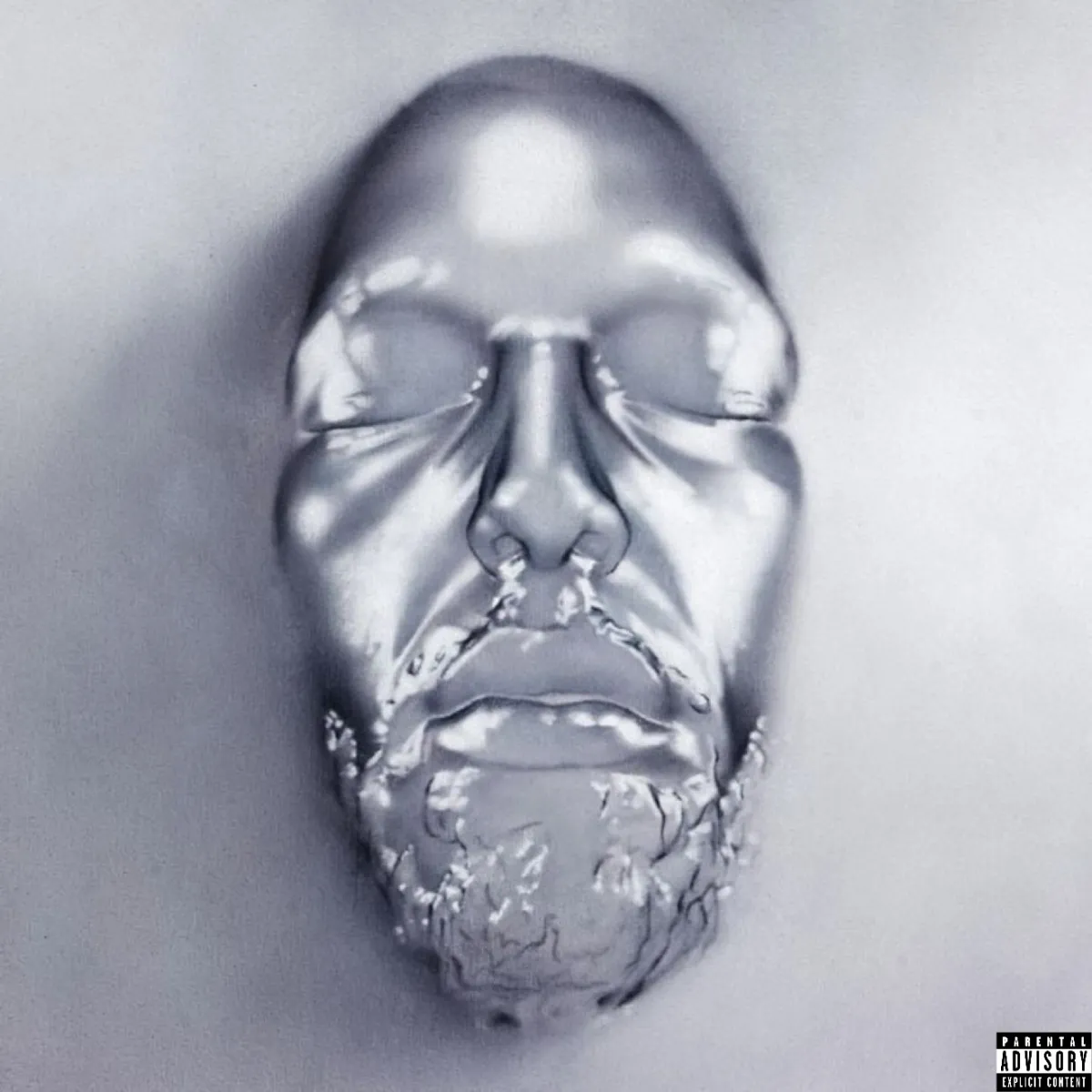 Sage Elsesser’s third album in as many years may be his best. The latest Navy Blue release, Sir Render, is forty-five minutes of spiritual transformation and grief. Earl Sweatshirt, Armand Hammer, Mike Shabb, the late Ka, and Elsesser’s cousin James Earl Jones join him, as do producers Jason Wool, Shungu, and The Alchemist. It’s a family affair packed with career-best efforts, like “Commencement” and “Baron.” But “Circa” is undoubtedly the heavyweight here, thanks to an appearance from Ka, Elsesser’s mentor and close friend. Elsesser is one of rap’s greatest living orators, uses a knight character to blur the line between myth and memoir, and what comes of it is the strongest moment of rap world-building this year. “The album dives into psychology’s greatest hits—embracing the shadow self, accepting duality, and knowing, ‘I am my flaws as well as my strengths,’” he shared in a press release. “Sir Render has to realize the only way to beat the shadow is to embrace it. To overcome this fear, he must meet it with love.” —Matt Mitchell [Freedom Sounds]
of Montreal: aethermead
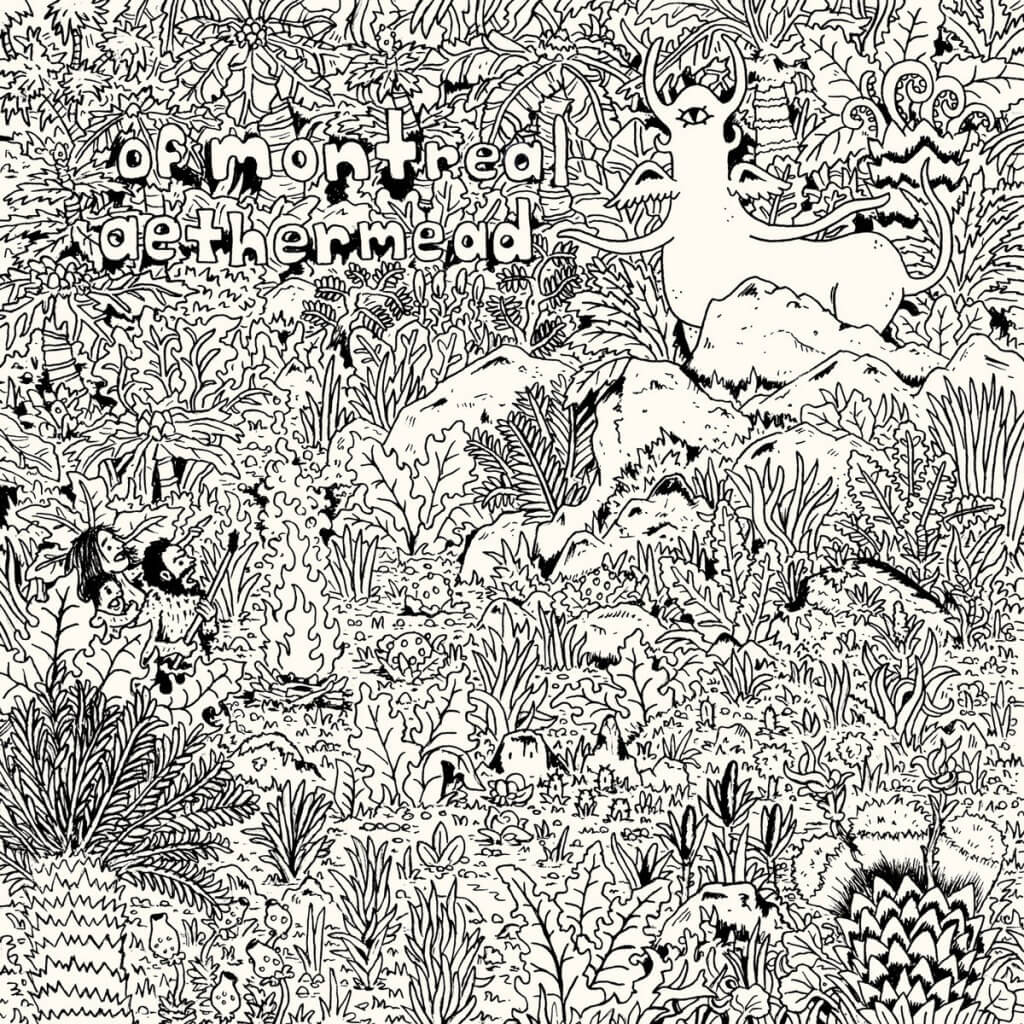 Because so many of Montreal albums thrive on giddy ping-ponging between styles and moods, the overall consistency of aethermead is almost startling. Ironically, though, two of its obvious anthems break out of that comforting haze: On “Take the Form,” they swerve into a steady, lightly post-punk churn, highlighted by spasms of rabid electric guitar. (“If I can do no harm,” Kevin Barnes observes, “then I can do no good.”) And centerpiece “When” masks yearning and angst into a rattling song about, at least superficially, carnal desires: “I’m not trying to have an emotional connection,” Barnes sings, over a violent post-disco groove. “I just want to fuck you again.” Every of Montreal album is unique—and in an ideal world, we’d salute artists for following whatever path feels right in the moment, even at the expense of alienating fans. If you seek out of Montreal for rich sonics and tightly composed songs, aethermead will probably inch toward the top of your album ranking. Do you want the weirder stuff? Good news—if history is any indication, more shapeshifting is right around the corner. —Ryan Reed [Polyvinyl]
Pleasure Systems: Leave It In the Sand
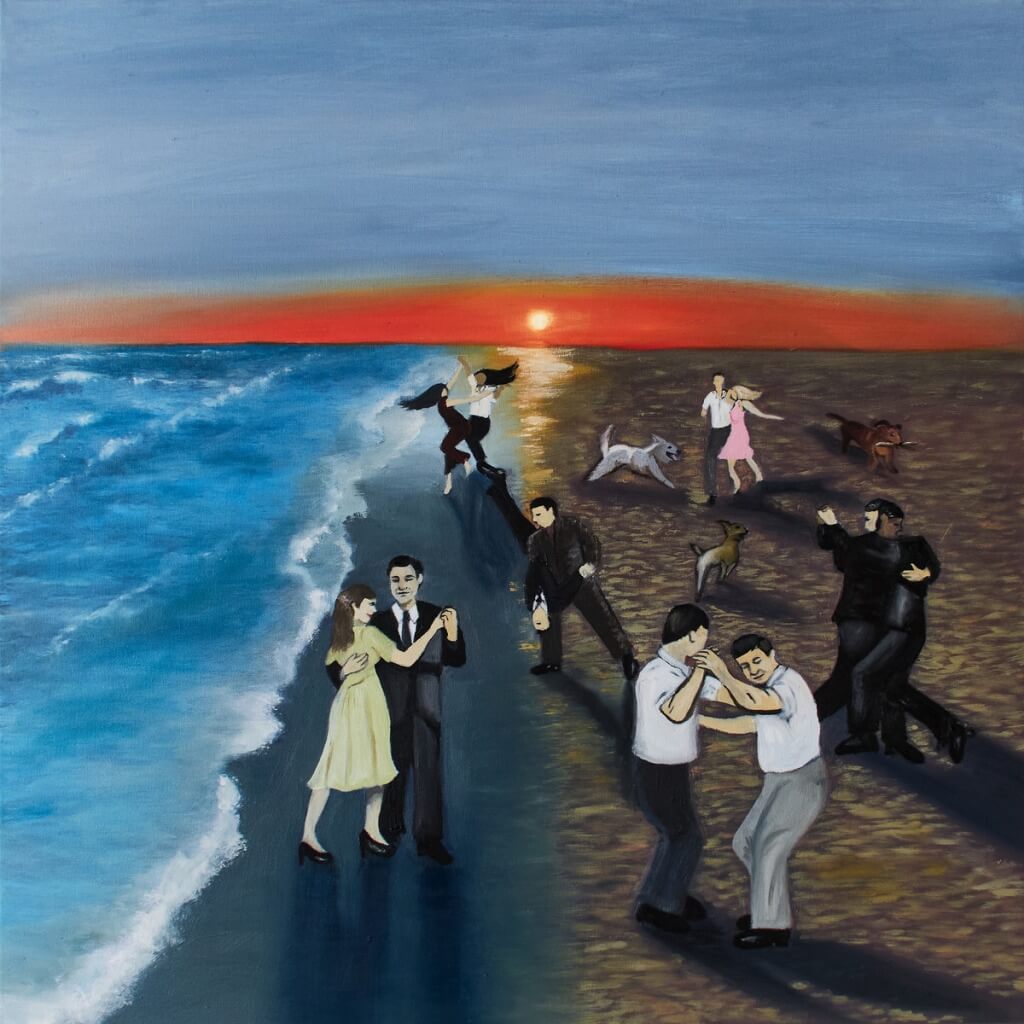 Clarke Sondermann’s Pleasure Systems returns with Leave It in the Sand, five years after his debut, Visiting the Well, which was written and recorded in the wake of his partner’s death. Sondermann has hesitantly described Leave It in the Sand as a record of healing, and in that respect it offers a precise and beautiful counterpart to his debut. The music sees Pleasure Systems engaged with the minutiae of life, determined to offer them all a deep attention. In many ways this is still a folk album; “Intro” allows the album shiver to begin with strings that expertly offer moments of both tension and release; on “Rubble,” the following track, they dart over Sondermann’s voice and piano with playful lightness, soaring upwards and taking the music with them. Best of all is when we hear the combination of these acoustic sounds with the newer, buzzier sounds of electronic production; the hollow pop of a drum machine, or the hum of a bass in your chest. Together, they elevate Sondermann’s tenderly restrained music to great effect, as on ‘Face of God’ coalescing delicately as he sings, “When I see the sunlight burning through the smog / It looks like the face of God.” On some tracks the music has the bright, fierce energy of sea air—“When It’s Leaving” is the album’s high point, with Sondermann ruefully describing his tendency to want what he can’t have. The appearance of backing singers lends great weight to his voice, giving a feeling of well-worn folk songs that have been sung many times before. In fact, much of this album has that sense to it, even the darker, broodier moments (“Singing in My Sleep” and “The Wind,” for instance). Sondermann’s clever use of simple rhythms and lyrics show his natural affinity for creating music that lingers on in your mind. It’s music that wants to celebrate life, even and especially the smallest parts of it—making a coffee, sunlight falling on your shelf, the sound of the cars in the street. Leave It in the Sand has that wide-open quality of an artist ready to feel everything that comes his way. —Mariam Abdel-Razek [Ending Music]
Slippers: Slippers 08
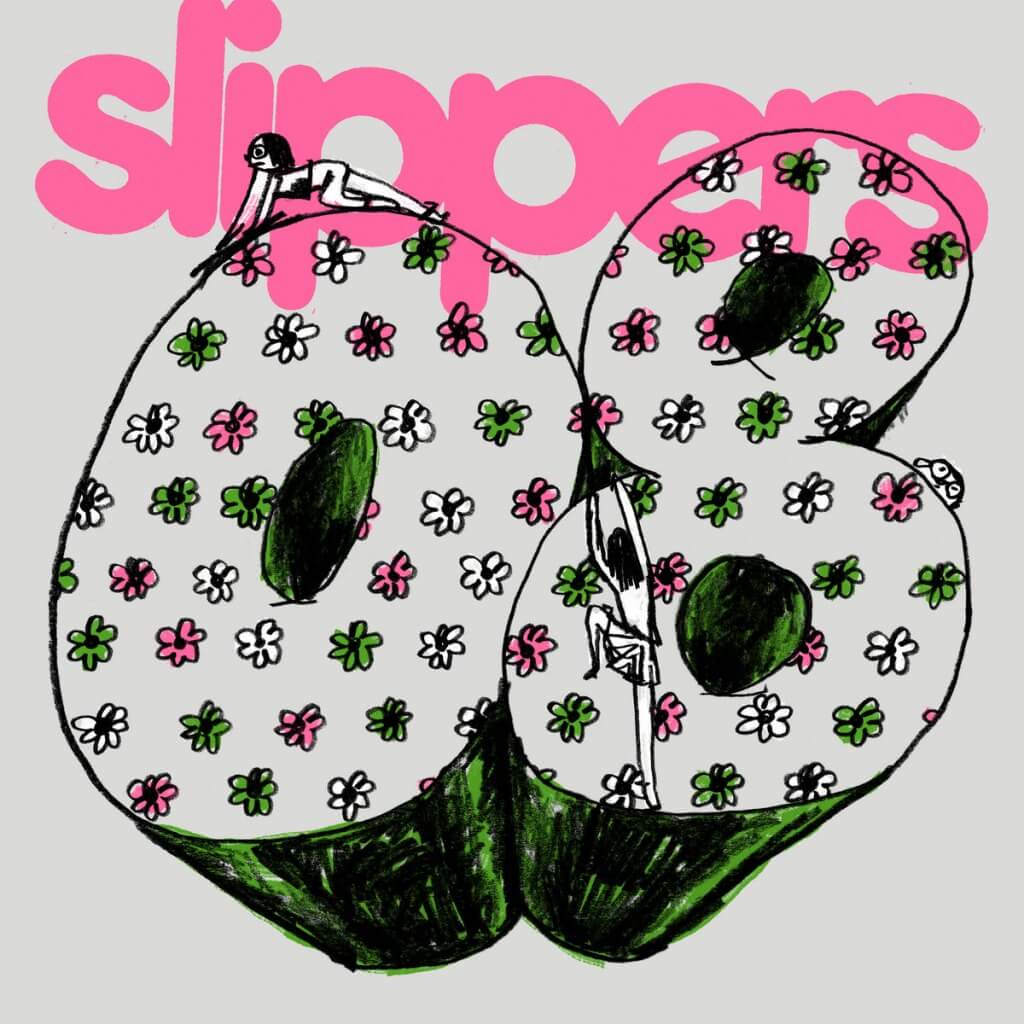 Slippers 08 is a bright sliver of pop-rock—a record that feels almost scrappy and off-the-cuff to begin with, full of fuzzy guitars that spark in and out of your ears with a shiny, irresistible brilliance. The tones in “Wants for Everyone” and “Castaways” have a jangly levity to them that feel like sunshine pouring in your ears. This sound is often at odds with the wry, dark tone of Madeline Babuka Black’s lyrics—“When I said that I wanted you / I meant out of my life” she asserts insincerely on “Wants for Everyone.” These same linguistic sleights of hand are littered across the album. Making it even more delicious, “Wasted Tonight” is not, as we might expect, about a wild evening featuring one too many tequila shots, but rather a lamentation of missed opportunities: “And all the buttons that you could’ve unbuttoned / It’s all wasted tonight.” Far from taking away from these sad, darkly funny lyrics, Black’s choices of instrumentation and harmony burnish them. On standout track “Until You Can’t Give Up on Me,” a synth burbles over the chorus, giving it a meandering, mournful feel that has a tinge of whimsy. “Who Escapes the Storm” is a sly slip of a song beginning with a simple acoustic verse before a synth burrs into life and darts out again, making room for drums and a guitar line that fall down, lazily, into the track’s end. It’s the kind of music that you listen to to people-watch in the park or at the train station; it prods at life in a wistful, lovely sort of way, as though shining light into its most distant corners. —Mariam Abdel-Razek [K Records]
Vince Staples: Cry Baby
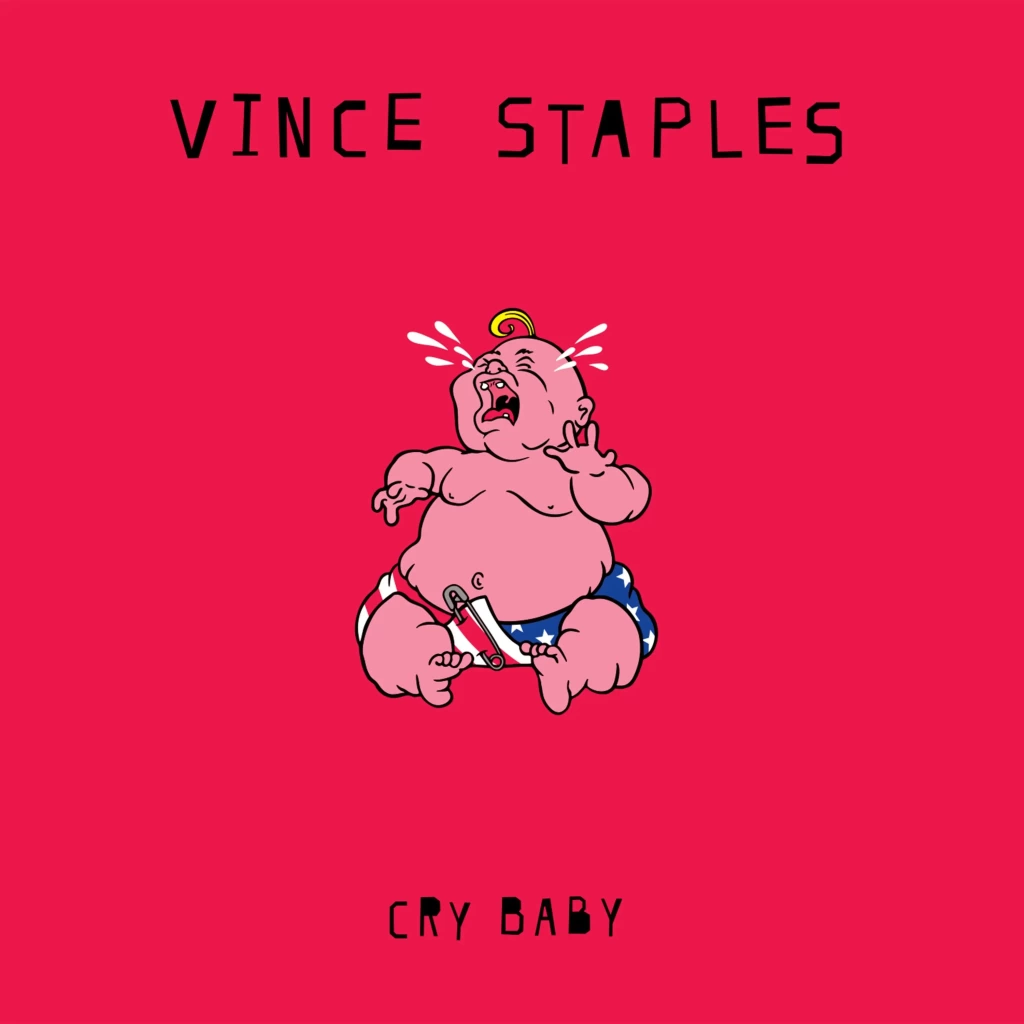 For Cry Baby, his first record on his own Section Eight Arthouse imprint through Loma Vista, Vince Staples raps (and occasionally sings) over standard rock instrumentation of guitar, bass, and live drums, a noted departure from his previous albums’ beat-centric production. It’s a novel and compelling artistic shift, one that keeps his raps fresh while demonstrating that he’s still among hip-hop’s best orators. No matter the vehicle, Staples navigates the streets with a keen eye for observation and an undisputed gift for richly layered wordplay. To call Cry Baby simply a “rock album,” though, would be reductive. Here, Staples and his band pull from various offshoots of guitar-forward music. There’s the driving, double-time post-punk of “The Running Man,” the heavy-pocket disco of “Cotton,” and the fuzzed-out blues-funk of “TV Guide,” all of which underscore the Black roots of music old and new. Rapping through it all, Staples pays heed to the genre’s Black origins while showcasing how hip-hop emerged from many of the same elements: those thwacking drums, those viscous basslines, those looping melodies. “The Big Bad Wolf” samples Slick Rick’s classic “Children’s Story” to bind tactile turntable scratches with thick, syncopated grooves, and “Blackberry Marmalade” invokes Jay-Z’s “The Story of O.J.” refrain over menacing, distorted bass guitar and an insistent drumbeat that recalls a lower-BPM version of Outkast’s “B.O.B. (Bombs Over Baghdad).” —Grant Sharples [Loma Vista]
Widowspeak: Roses
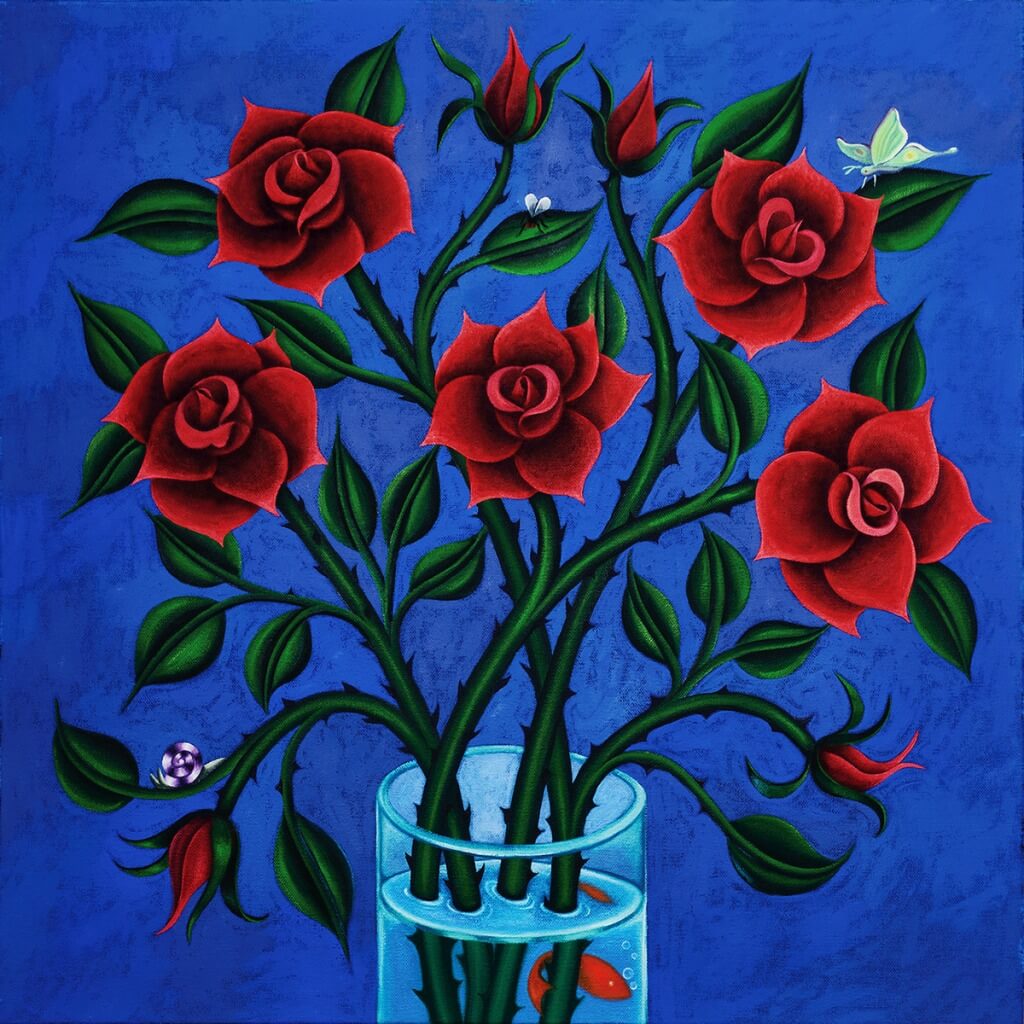 The Brooklyn duo Widowspeak has never been afraid of its own emotions. On Roses, the band’s seventh album and first since 2022, Molly Hamilton and Robert Earl Thomas dive into the manifold tiny heartbreaks of daily life with swirly acoustics and shimmery, evocative lyrics: “I wanna be your good company,” Hamilton croons on “Wondering,” a look into Roses and its everyday world bathed in sepia. The record is like a view from inside the fishbowl, the soundtrack of a dream you can’t quite remember. It indulges itself, and the listener, in twangy, sugar-sweet love songs reminiscent of Mazzy Star’s gentle exhortations. Hamilton and her husband Thomas are pros at this kind of atmospheric dream-pop, and Roses is the triumphant result of their years doing careful genre study. The music pulls you close and spins you around with an unhurried conviction. It’s an album for lovers, by lovers. —Miranda Wollen [Captured Tracks]
Zoh Amba: Eyes Full
 If you liked Zoh Amba’s Sun album last year, I don’t know how you’ll feel about Eyes Full—because that was an ambient-jazz album and this is Amba going full-tilt into singer-songwriter mode. But both of Amba’s styles work, because their musicality is bold and far-reaching no matter the genre. That singing voice of theirs sticks out immediately; it’s no wonder Matador pounced on signing them. Gone are the avant-garde days of Amba’s electrifying past. They’re in a mode that’s not unlike Adrianne Lenker’s, telling stories about characters in a deluge of ferocious folk guitar and homespun twang, to which Dirty Three’s Jim White lends some raucous drumming. Eyes Full is off-kilter but fascinating, just as Sun was in 2025 and O, Sun three years before that. —Matt Mitchell [Matador]
 Keep scrolling for more great stories.