
12 new albums to stream today
The new albums from Aldous Harding, Namasenda, and The Lemon Twigs should be at the top of your queue today. Tap in and find a new obsession.
Photo of Namasenda by Miami Crest

Paste is the place to kick off every New Music Friday. We follow our regular roundups of the best new songs by highlighting the most compelling new records you need to hear. Find the best new albums of the week below.
Alabaster DePlume: Dear Children Of Our Children, I Knew: Epilogue EP
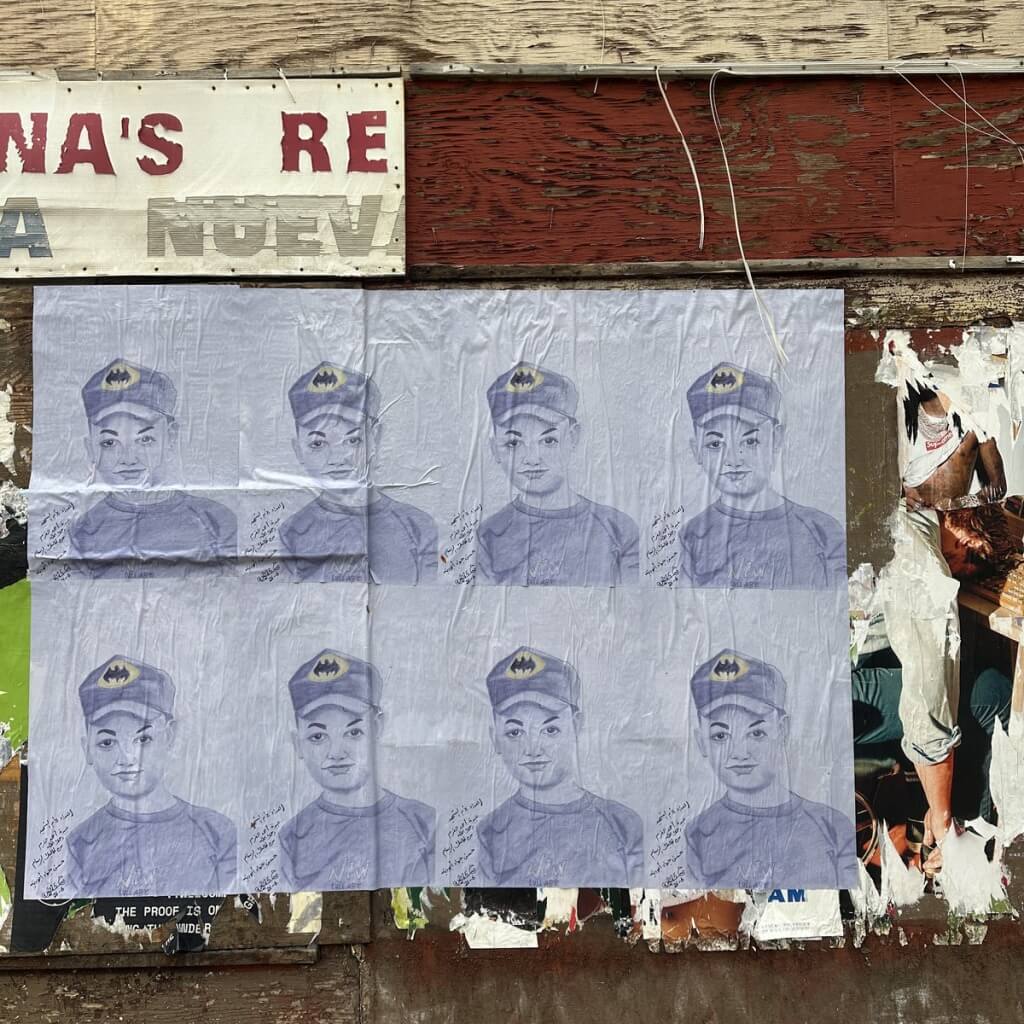 Dear Children of Our Children, I Knew: Epilogue is Alabaster DePlume’s “answer to the way the US audiences responded last year when we addressed the genocide.” Meeting people after shows, DePlume sensed an overwhelming voicelessness. Listeners etched into him their experiences “like graffiti or a poster on the wall,” and this EP is him delivering their voice. Recorded with bassist Shahzad Ismaily and drummer Tcheser Holmes, Dear Children incorporates samples of children playing in the West Bank. Even the cover was made by a teenage Gaza boy. I find “It’s Only Now Once (Elbit Systems Windowpane)” to be the EP’s most evocative piece. It moves like library music or echoes of foxtrot. DePlume’s saxophone sings like it’s halfway ghost, his instrument lending brief respite to a trail of impossibly brutal punishment. The title itself recalls violence in its reference to the Israel-based defense contractor Elbit Systems Ltd. “It’s Only Now Once” sounds like a door opening—like the world is, as DePlume says, “awakening to the reality it was already living.” —Matt Mitchell
Aldous Harding: Train On The Island
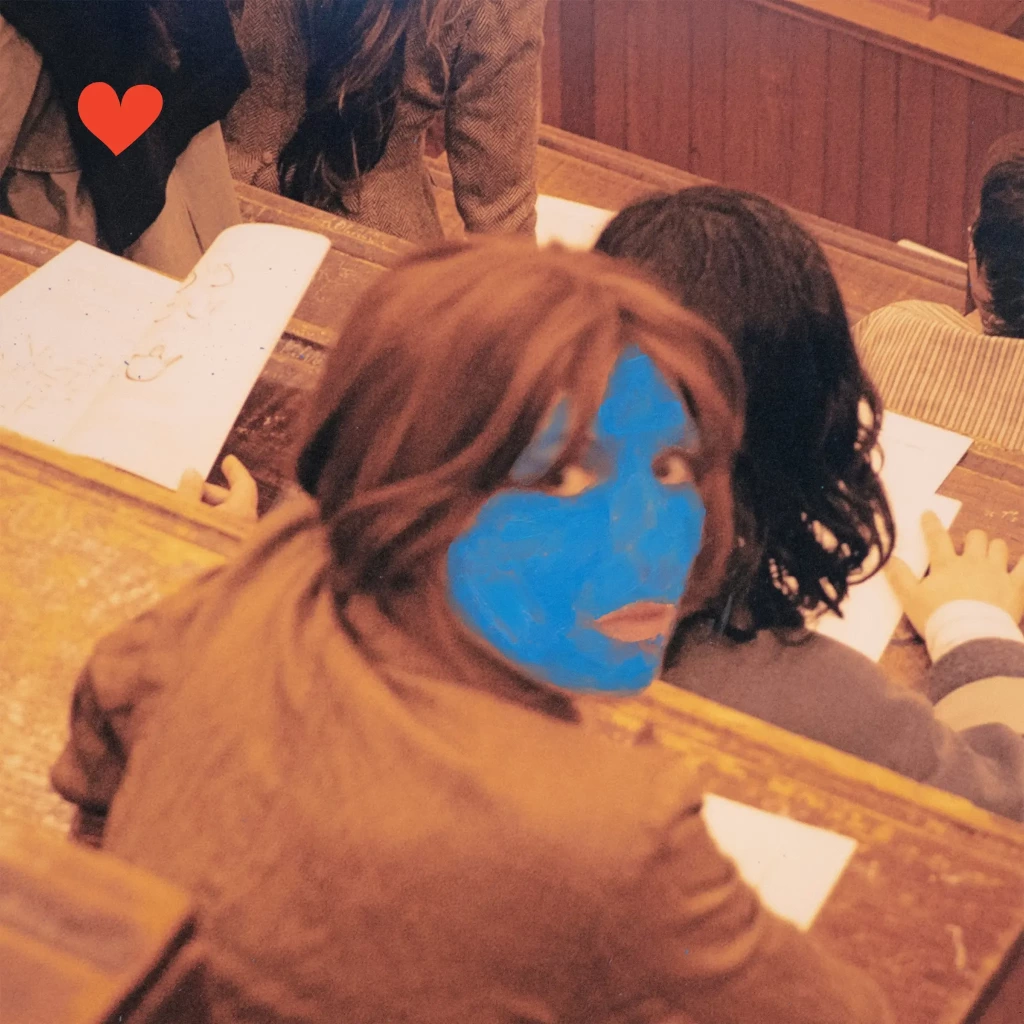 Aldous Harding’s strangeness has always endeared me to her; in a sea of indie-pop homogeny, her iconoclasm is a welcome change of pace. One can imagine my relief, then, that on Train On The Island, Harding’s humanoid passport hasn’t quite come through the mail. The ten-song album is just as peculiar as its predecessors—a minimalist, open-hearted jaunt through the twisty-turny annals of Harding’s incomprehensible brain. She’s supported here by John Parish, as well as pedal steel player Joe Harvey-Whyte, harpist Mali Llewelyn, synth player Thomas Poli, drummer Sebastian Rochford, and multi-instrumentalist Huw Evans, whose light, dreamy accompaniments beautifully buoy Harding’s idiosyncrasies. That balance between control and abandon waits in the record’s greatest tensions, both in lyric and melody. Harding’s lines are economical yet evocative: on the aforementioned “One Stop,” she notes sincerely, “I met the real John Cale / He had no words, but it’s alright,” before finding the punchline: “I packed the stage while he ate rice.” On her delightful duet with Parish, “Venus in the Zinnia,” she burbles, “I cut my hair / Nobody loved it.” That both distinct memories and universal experiences (who among us has not confronted the universal “To bangs or not to bangs?” dilemma) can be expressed in Harding’s whimsical, no-nonsense prose is an achievement in itself. Actually, the fact that Harding’s prose manages to be simultaneously whimsical and no-nonsense might be an even greater one. The two words are not often neighbors. In Train On The Island, they’re roommates. —Miranda Wollen [4AD]
Broken Social Scene: Remember the Humans
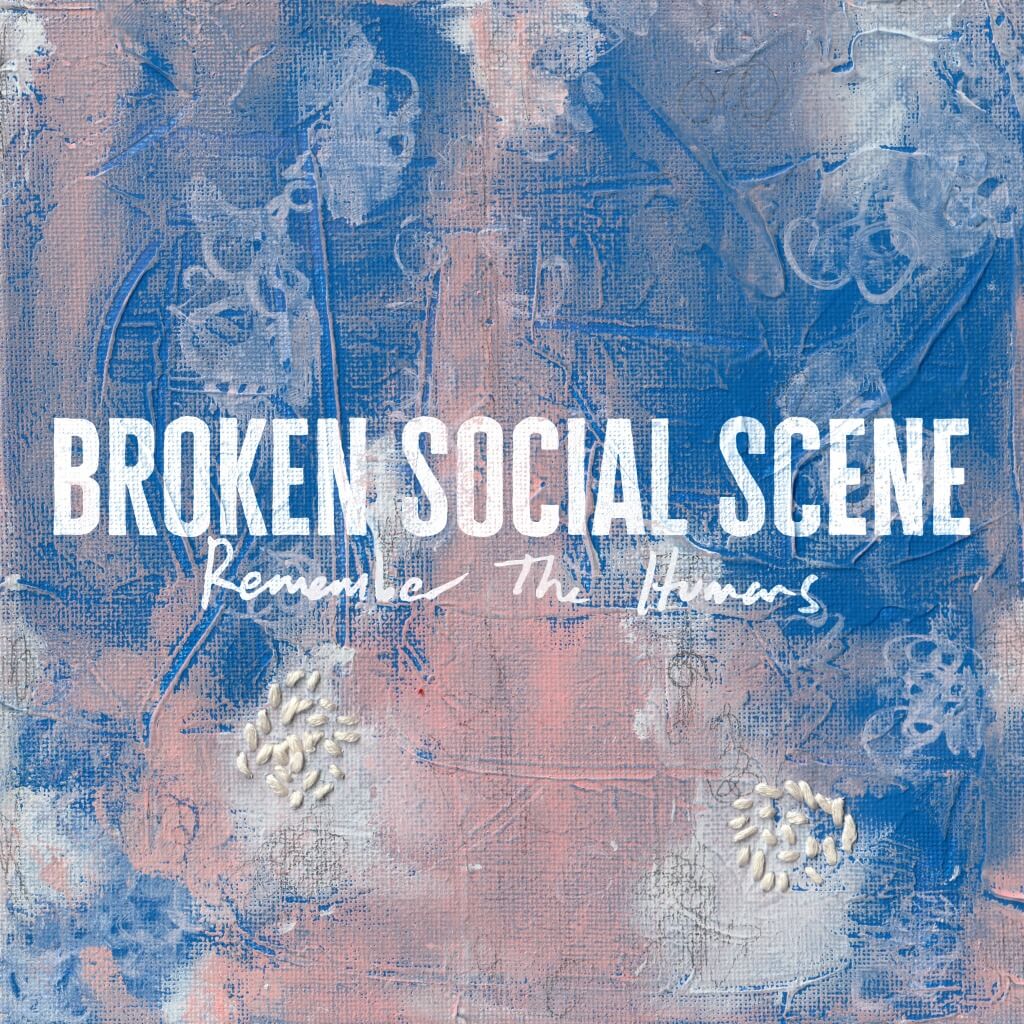 Remember the Humans, Broken Social Scene’s first album in almost nine years, is a homecoming of sorts—reuniting them with David Newfeld, who produced what most fans still consider their true standards: 2002’s You Forgot It in People and 2005’s Broken Social Scene. It’s not like the band needed their old friend to recapture some long-lost zest. The albums they’ve made in the interim, 2010’s Forgiveness Rock Record and 2017’s Hug of Thunder, showed logical growth—emphasizing the strength of their heart-tugging melodies (“Skyline,” “Forced to Love,” “World Sick,” “Protest Song”) and scaling back some of the production eccentricities. But goddamn, hearing them back together again is magical. Rarely have a producer and band been more suited for each other, with Newfeld’s knack for microscopic sonic drama—hard panning, stacked percussion, colorful EQ, instruments dropping in and out—amplifying the wide-eyed, open-armed wonder baked into their music. —Ryan Reed [Arts & Crafts]
Cola: Cost of Living Adjustment
 Four years ago, Ought broke up. This was heartbreaking for me personally, as someone who’s been obsessed with Sun Coming Down for years. But Cola, the trio Tim Darcy and Ben Stidworthy have been running with drummer Evan Cartwright since 2022, is a pretty damn good mollifier. It’s a somewhat different proposition than Ought—still post-punk, but tighter, sparer, rough edges a little smoothed down—and Cost of Living Adjustment, their third record, might be my favorite of theirs yet. The album is technically self-titled: Cola, C-O-L-A, which the record’s full title turns into an acronym referring to the wage adjustments workers are nominally owed when inflation rises. As concepts go, it suits Darcy’s songwriting perfectly; he’s always had a political streak, but here it comes attached to a very of-the-moment kind of gallows humor that couldn’t fit him better. The music is the loosest and noisiest Cola have sounded yet, more willing to let the seams show, but never losing that quality of feeling entirely deliberate—every choice made on purpose, every piece exactly where it belongs. —Casey Epstein-Gross [Fire Talk]
Fire-Toolz: Lavender Networks
 Lavender Networks, Angel Marcloid’s debut for the lauded experimental label Warp, continues to delight in the vivid frictions—in harsh/clean vocals, in timbres and textures that rarely appear in the same song—that have anchored much of her past work. “Quintessential Fixed Width Unfoldment” shows the full sonic range: literal whispers to brutal screams, electro-metal drums and distorted riffs to flute-like synths and gooey electronics. For the right kind of listener, it’s thrilling to know any instrument might creep into your headphones. The song’s umbrella is big enough here to weave in guest vocals from electronic artist Brothertiger, brooding art-pop songwriter Zola Jesus, and mystical folkie Nailah Hunter—and make them all feel like natural collaborators. Every other song is filled with similar delights, blurring electronic and acoustic, organic and synthetic, jarring and soothing: On “Kiss The Bladed Cat, Find Ways To Stretch Time,” demonic shrieks are balanced with horror-movie synths, tick-tock electronic beats, and what sounds like the supple glide of a fretless bass. “The Ocean Gratitude Cylinder Peace Necklace Lemonade Flying Free” pairs blast beats and vintage metal riffs with dissonant synths and some tasty smooth-jazz sax. Marcloid is willing to follow any musical idea to its logical endpoint: to craft the perfect vocal balance for the glitchy and atmospheric “And Where Is The Heart? I’ve Searched My Entire Home,” she tracked down Jennifer Holm, a Nashville session musician, after encountering her tranquil voice in a royalty-free ballad from a YouTube video. —Ryan Reed [Warp]
Little Simz: SUGAR GIRL EP
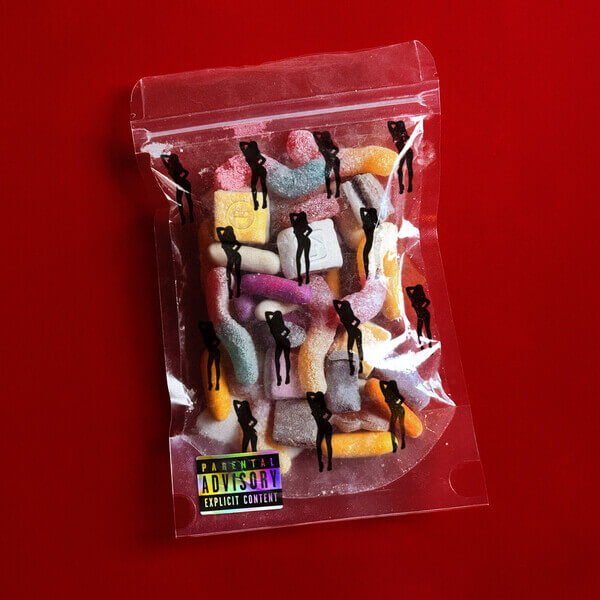 Little Simz is back, baby. On her Sugar Girl EP, the iconoclastic rapper bares her teeth, flanked by a squadron of fierce female artists. On four explosive numbers that reaffirm Simz’s place among rap royalty, her North London accent peeks out delightfully from behind her taut bars. On “That’s a No No,” Simz snarls over the heavy bass of a Kanye-style beat. “Lost count of all the bitches I influenced,” she purrs, all bravado and rhythm. On “Game On,” a sultry, snappy number, JT breathes, “Do black lives still matter to these brands? / Front rows back, all white / Caution, yellow tape bitch, Off White,” alongside her. The Afrobeats-inflected “Open Arms” sees Simz recruit Nigerian rapper DEELA for an atmospheric, high-momentum effort touched by Yoruba phrases. “You don’t ask, you don’t get,” DEELA intones over a thrumming drum line. “Can’t you see I’m here? Pay me my respect.” And on “Telephone,” the EP’s flighty, roiling closer, Simz teams up with 070 Shake for a rock-inspired reflection on friendship and dependence. If there’s one gripe to have about this EP, it’s the lack of Simz herself; often, the rapper gives the floor to her collaborators—a noble move that leaves the listener desirous of her signature brash style. But hopefully this EP is a hint at a forthcoming album, one that will satiate our cravings and give us Little Simz in her full glory. —Miranda Wollen [AWAL]
Loraine James: Detached from the Rest of You
 All the hallmarks upon which Loraine James has built her reputation are present and correct from the start of Detached from the Rest of You. Opener “A Long Distance Call” arrives on a riptide of bubbling synth glitches and modulated samples before settling into a delicate but insistent mid-tempo flow, James’ breathy voice gently pitched and manipulated into the gaps between the beats and synth nudges. It’s a track that would feel at home on James’ Hyperdub debut For You and I. As the album progresses, more of the pop ambition James has touched upon moves to the fore, partly thanks to several excellent vocal features. The gorgeous “In A Rut” includes a Nico-like turn from sound artist Sydney Spann; Spann’s fellow New Yorker Ansyia Kym provides a wonderfully organic counterpoint to James’ metallic textures on “Score”, like steam rising through a steel grid; while Low’s Alan Sparhawk offers a mournful focal point for the space-age boom-bap of “Peak Again.” Perhaps the most transcendent features here, however, come from closer to James’ home in the outer reaches of British electronica, UK bass, and alt-pop. London experimental R&B auteur Tirzah—like James, a genuinely singular artist who seems to navigate the vagaries of the music industry entirely on her own terms—illuminates “Habits and Patterns” with her beacon-like voice, throwing the intricate contours of the track’s production into sharp relief. It’s the record’s most straightforwardly beautiful moment, only rivaled in impact (albeit for different reasons) by the astonishing “Ending Us All,” featuring Loraine James’ longtime collaborator Le3 bLACK and drummer Fyn Dobson. Here, James and her co-conspirators let themselves loose on a shifting terrain of monstrous, writhing percussion and shearing synths, with bLACK’s clear-eyed mic work weaving through the chaos with expert precision. —Luke Cartledge [Hyperdub]
Lykke Li: The Afterparty
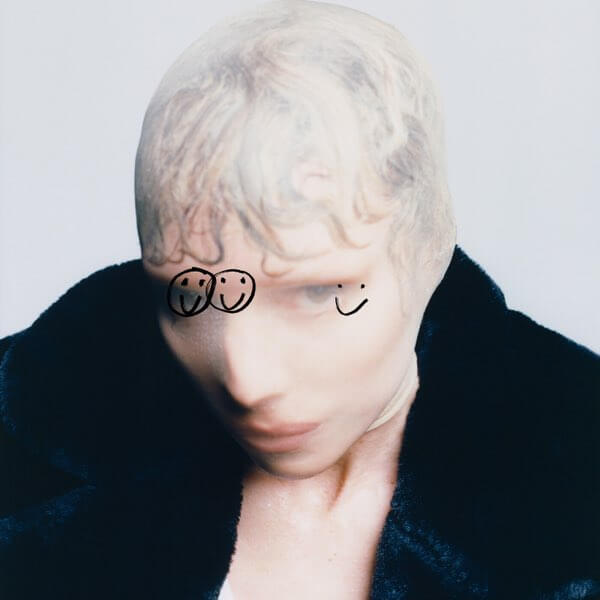 The Afterparty, Swedish electronic star Lykke Li’s sixth—and, she’s claimed, her last—studio album, is only twenty-four minutes long. But don’t brush it aside on that account: over nine songs, Li packs a mean, emotional punch. Imagine you’ve made it to the afters and realized it was a mistake to show up in the first place. Li takes this feeling and wrangles it into an existentialist manifesto replete with sharp, rat-a-tat beats and a disarming array of searing, sparse tracks perfect for a long, regretful ride home at dawn. On lead single “Lucky Again,” an arresting Max Richter sample is transfigured into a moody dance beat. “Baby hold on tight / Til the bitter end / If we’re lucky / We’ll get lucky again,” Li beseeches, like a gambler on her last chip, over tropical drums and smooth bass lines. On “Sick of Love,” her space-agey electronic trip full of distorted synths and echoing vocals, Li does her best impression of Robyn on SSRIs. It’s a rousing success: “All the tears are on this dance floor / Mirror, mirror, tell me, am I not as pretty?” she croons as tymps twitter around her. Li’s album is a shout into the void over a series of deceptively peppy stomp-clap beats—a panic attack in the club bathroom, an Uber you might throw up in. If this is really her final effort, Li is going out with a bang. —Miranda Wollen [Neon Gold]
MUNA: Dancing On The Wall
 Engaging in a more maximalist approach on Dancing On The Wall does seem like the natural next step for a group eager to preserve both their “gayotic” brand and meet the perpetually anxious cultural moment. Sometimes, it works in the album’s favor: the hooks are poppier, the emotions are bigger, and the instrumentation is edgier. But Dancing On The Wall is at its most compelling when MUNA isn’t trying so hard to make provocative, heightened statements. “On Call” sounds exactly like Something to Tell You-era HAIM, from the Danielle Haim-esque purr in Gavin’s vocals to the shouting background harmonies, but overcomes its familiarity through guitar riffs and a stirring chorus that viscerally captures the song’s emotional desperation. The title track is similarly a bit derivative, playing like a mix of every MUNA trope, but its broadness weirdly acts as a relief from the album’s more audacious efforts. The New Wave-inflected “Girl’s Girl” recalls the memorable wordplay of “Anything But Me” and the slick guitar licks on “One That Got Away.” Though it’s not quite as fresh as the songs it calls back to, “Girl’s Girl” is fun and funky enough to stand on its own. —Sam Rosenberg [Saddest Factory]
Namasenda: Limbo
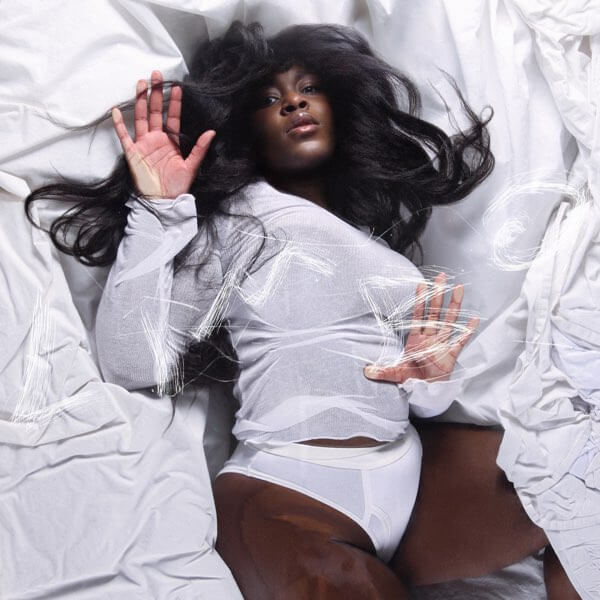 Limbo is easily Namasenda’s most honest work to date, grappling head-on with all her insecurities and uncertainties from within this liminal moment. She won’t shy away from sharing that she was depressed while working on the album, and the cover, shot by frequent collaborator and PC Music alum Hannah Diamond, shows Namasenda literally “bedrotting” while dressed in a thermal top and underwear. It can be strange to associate bedrotting with purity—I personally picture grease-stained sheets and the hypno-psychedelic swirl of TikTok—but perhaps what becomes pure is the level of honesty accessed when you’re at your most vulnerable state, when all guards have finally been lowered. Chief amongst Limbo’s concerns is body image, on which Namasenda is refreshingly frank. A large part of the album is devoted to “me trying to figure out where I stand in the beauty culture and the way that I see myself and the way that I see my body.” Songs like “Alright” address how body insecurity crops up in romantic relationships (“I suppress my appetite to be your type”), and Namasenda calls “Heaven” a straight-up “looksmaxxing anthem.” —Lydia Wei [YEAR0001]
runo plum: Bloom Again EP
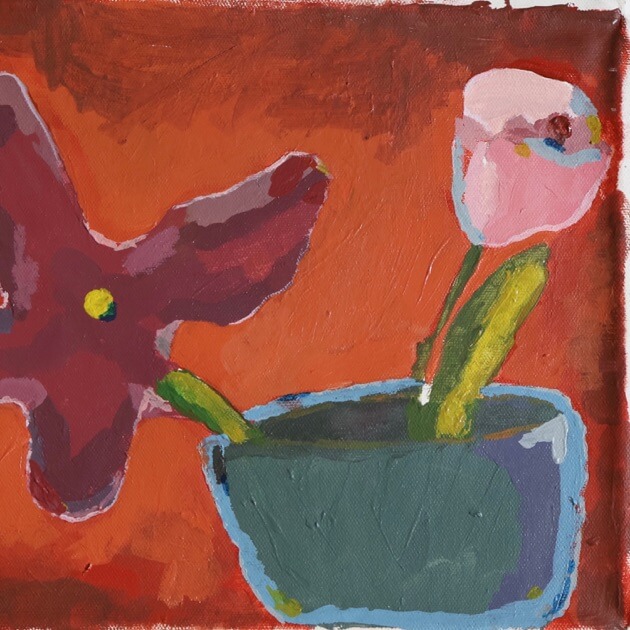 Bloom Again is a sweet, swirling honeymoon phase, braiding post-breakup growth and the joy of a new love into six heady tracks. It’s the most hopeful step forward conceivable from the heartbreak of runo plum’s debut record, patching. “Pink Moon,” the second single, is an almost unbelievably pure love song, spacious enough to encompass all that ineffable adoration and then some. “Freckles on your shoulders / Oh how I wanna kiss ‘em,” plum sings over softly picked acoustics, a bit of Adrianne Lenker in her double-tracked tone. “You’re glistening sun on the water / It feels impossible to look away.” When plum first did press for the record, she spoke often about a “rage album” meant to follow the keening hurt of patching. As she put it then, patching “is the soft album. Well, it didn’t end up being as soft as I originally wrote it to be. The second one is more of the rage thing. But we’ll see what happens. Maybe I’ll just keep it in the vault. My ex is my friend now, and I’m like, ‘Do I really want to put out a rage album about them?’” Bloom Again seems to answer that question with, at the very least, a “not yet.” This EP is decidedly not that rage album. It couldn’t be further from it, really. It’s warm and open-hearted, at once intimate and expansive—an extension of the patching world and narrative rather than a departure from it. It feels almost like a little coda—a sweet epilogue rewarding the listener for making it through the hard-won journey of patching. —Casey Epstein-Gross [Winspear]
The Lemon Twigs: Look for Your Mind!
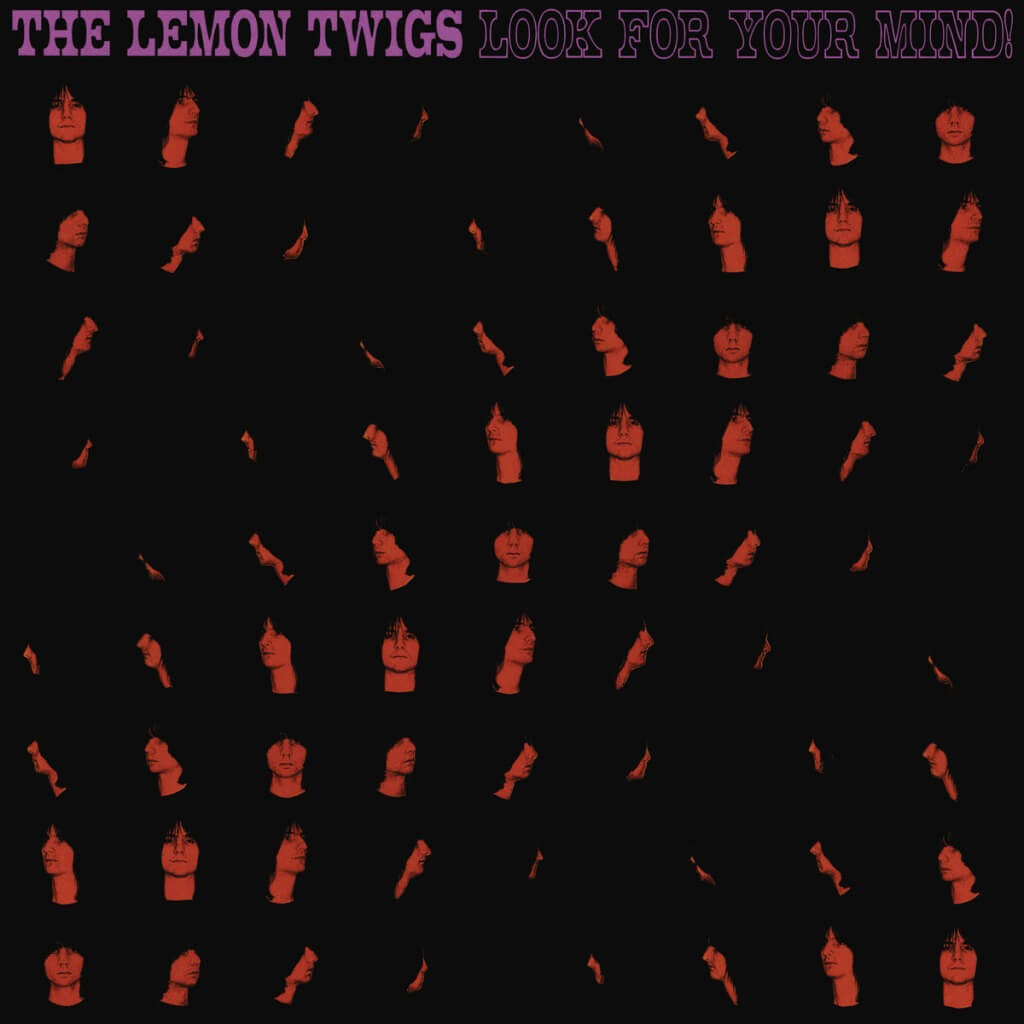 Oh, look! It’s another great Lemon Twigs album. If you can believe your eyes and ears… The D’Addario brothers continue to future-fit their retro pop songs with tales of heartbreak from the modern age. A surf-rock song about the pitfalls of Big Tech? Count me in. Look for Your Mind! is the work of musicians who worship at the altar of the Beach Boys and Todd Rundgren but sit in studios with Thundercat and Weyes Blood. It’s the Great American Songbook recorded on vintage equipment and cranked to an eleven. Brian and Michael aren’t precocious 4AD signees or rock-opera practitioners anymore; they’ve totally settled into themselves, churning out bouncy, sugary tunes about love in the time of surveillance. The Lemon Twigs band has settled in, too. Danny Ayala and Reza Matin have become permanent members, and Tchotchke’s Eva Chambers taps in for a contribution here and there. I dig these musicians and the path of influence they continue to pave. Listening to “2 or 3” and “I Just Can’t Get Over Losing You” is like witnessing experts in motion. I won’t remind you of the D’Addario brothers’ ages. It’ll just make you depressed, because you’re definitely not making anything this great, however old you are. —Matt Mitchell [Captured Tracks]
 Keep scrolling for more great stories.