
5 songs you need to hear this week
Featuring Vince Staples’ Californicated rap-rock turn, The Clog’s folk-pop on goblin mode, and Chanel Beads’ alien, modulated angst.
Photo of Vince Staples by Adrian Nieto

Every Thursday, the Paste staff and contributors will choose their five favorite songs of the week, awarding one entry a “Song of the Week” designation. Check out last week’s roundup here.
Song of the Week: Vince Staples, “Blackberry Marmalade”
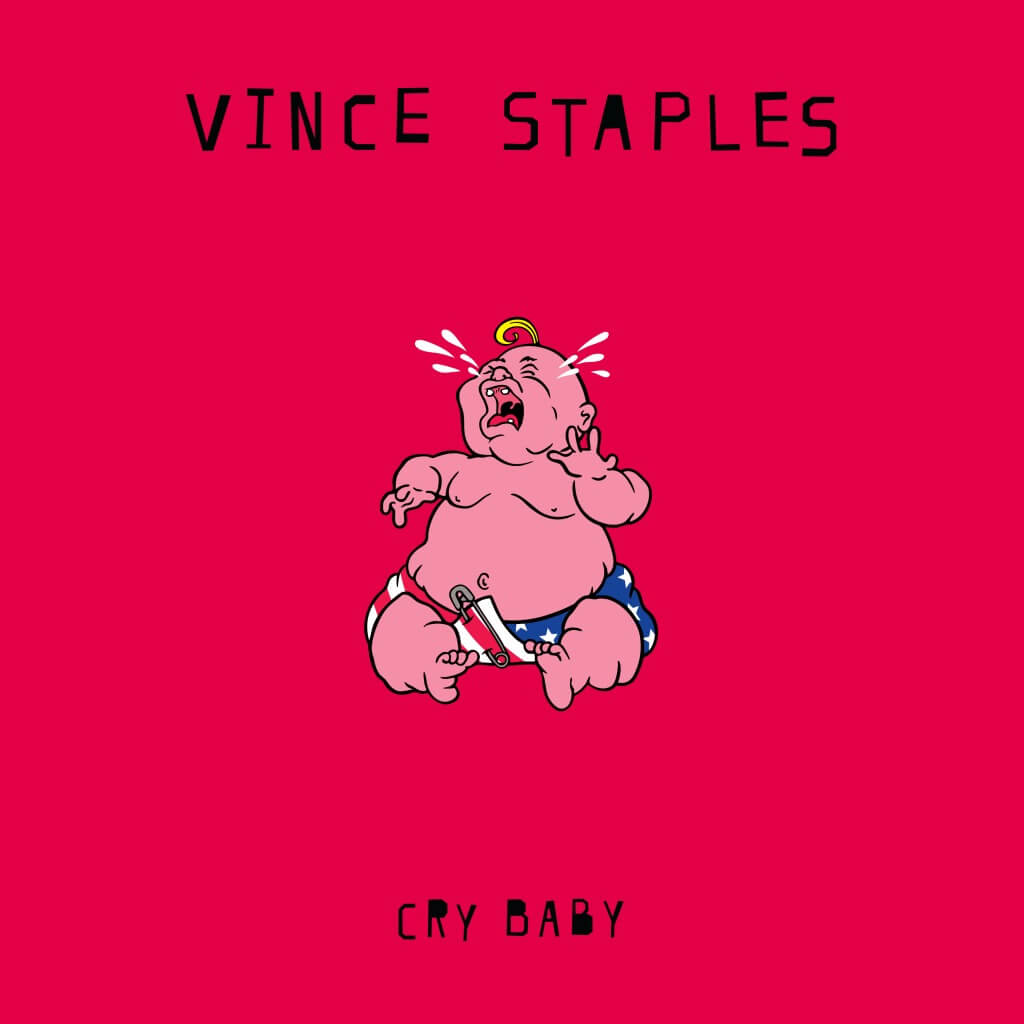 Vince Staples has kept himself busy since releasing Dark Times in 2024—collaborating with JPEGMAFIA and JID, releasing season two of his now-canceled Netflix show, and appearing in a viral Ziwe interview. The lead single from the Long Beach rapper’s forthcoming album, Cry Baby—Staples’ first release on Loma Vista following his departure from Def Jam—recalls the work of Paris Texas, opening with a bassy, SoCal pop-punk riff and Staples’ allusions to the tarnished legacies of fallen empires and cultural icons like Ye and Michael Jackson. It’s a jumping-off point for his characteristically sharp skewering of capitalism’s and white supremacy’s mechanisms of making Black art and labor (and by extension, Black life) consumable and disposable.
Like the greatest standouts on his 2015 masterpiece Summertime ’06 or its Big Fish Theory follow-up, Staples knows how to hide his bracing sociopolitical commentary in plain sight among earworm hooks. Summer’s always been his season. But in Vince Staples’ musical and cinematic world, sunnier days are never without a violent undercurrent. The threat of brutality never stops the party, but always looms over it. “Blackberry Marmalade”’s refrain of “promise me you won’t gun me down” is paired with a music video where Staples stares down the barrel of a mass shooter’s gun. Directness works in Staples’ favor on the single. If he’s being overt and obvious—about gun violence, exploitation, the surveillance state, and material dangers that come from anti-Black stereotyping—it’s because the truth is impossible to ignore. “Blackberry Marmalade” is a rejection of (white) America’s denial culture. “I know it’s polarizin,’” Staples remarks. He’s never been one to shy away from extremes, and he’s not about to start now. —Grace Robins-Somerville
Alabaster DePlume: “It’s Only Now Once (Elbit Systems Windowpane)”
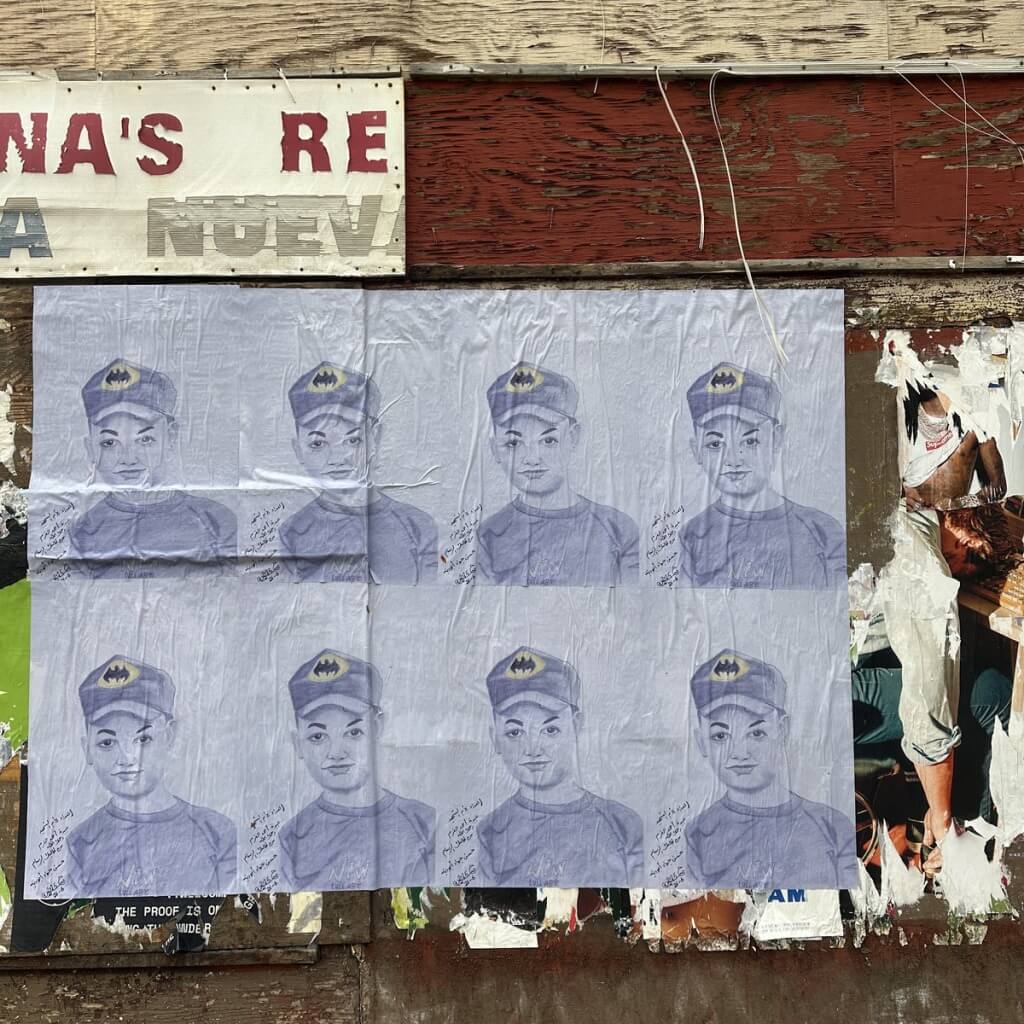 Dear Children of Our Children, I Knew: Epilogue is Alabaster DePlume’s “answer to the way the US audiences responded last year when we addressed the genocide.” Meeting people after shows, DePlume sensed an overwhelming voicelessness. Listeners etched into him their experiences “like graffiti or a poster on the wall,” and this EP is him delivering their voice. Recorded with bassist Shahzad Ismaily and drummer Tcheser Holmes, Dear Children incorporates samples of children playing in the West Bank. Even the cover was made by a teenage Gaza boy. I find “It’s Only Now Once (Elbit Systems Windowpane)” to be the EP’s most evocative piece. It moves like library music or echoes of foxtrot. DePlume’s saxophone sings like it’s halfway ghost, his instrument lending brief respite to a trail of impossibly brutal punishment. The title itself recalls violence in its reference to the Israel-based defense contractor Elbit Systems Ltd. “It’s Only Now Once” sounds like a door opening—like the world is, as DePlume says, “awakening to the reality it was already living.” —Matt Mitchell
Chanel Beads: “Song for the Messenger”
 “Time is always slower in the corner store,” Shane Lavers sings, voice modulated and warped, on his latest single, “Song for the Messenger.” It’s been two slow years in the corner store since Chanel Beads released its 2024 debut Your Day Will Come—and, because it appears our day still hasn’t come yet, Lavers has just announced its much-awaited follow-up, also called Your Day Will Come. I’ve caught a Chanel Beads show or two in my time, and the Brooklyn project never disappoints. “Song for the Messenger” is a classic Chanel Beads track, mixing indie pop foundations (see: guitar, violin, and more eaze’s pedal steel) with hazy electronic textures (see: the additional vocals from Maya McGrory, Anastasia Coope, and Bella Litsa) and sharp edges (see: Lavers’ blunt delivery of “And I always thought I would kill myself”) until the whole thing feels like an alien utterance of extraterrestrial angst. —Casey Epstein-Gross
Gia Margaret: “E-Motion”
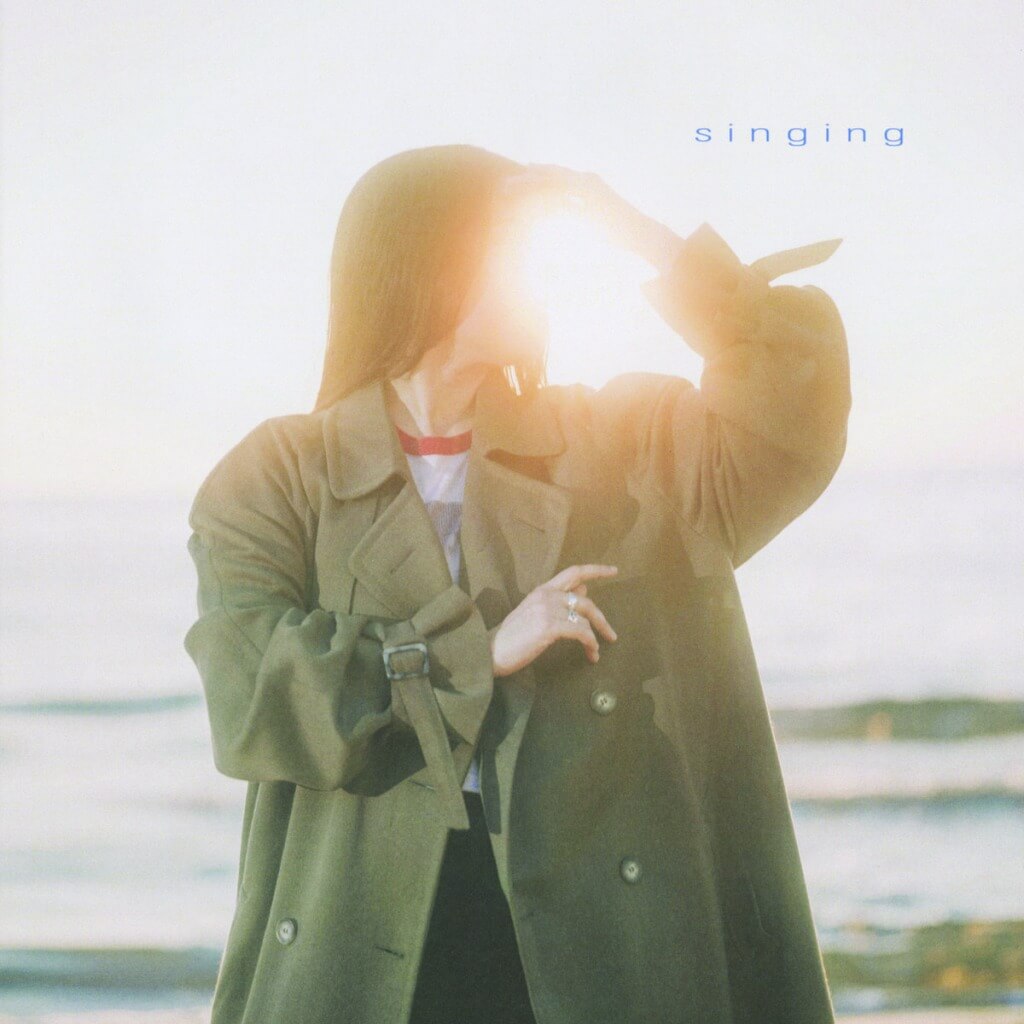 “What is the use of being alive,” sings Gia Margaret over jazzy sax, “If you don’t show that emotion you’re covering up?” Never has a vocoder bled so much pure feeling. “E-Motion,” the closing track off Margaret’s excellent (and fittingly-titled) record Singing, finds the Chicago musician singing for the (sort of) first time since the vocal injury she suffered shortly after releasing her 2018 debut There’s Always Glimmer. Margaret has full control over every aspect of her craft now—her voice, angelic and processed, is an effortless thread woven through the ambient soundscapes and piano instrumentals she’s grown so comfortable making in the interim. It doesn’t hurt, though, that “E-Motion” boasts assistance from both Kurt Vile (who contributes a phenomenal cutaway guitar solo) and the Weepies’ Deb Talan (who supplies backup vox). When the album closes with Margaret asking, “Will you sing me anything? / Anything you want?”, you can’t help but repeat the sentiment back to her, wishing the album would continue, if only so you could hear more and more. —Casey Epstein-Gross
The Clog: “Come Ye & Follow Me”
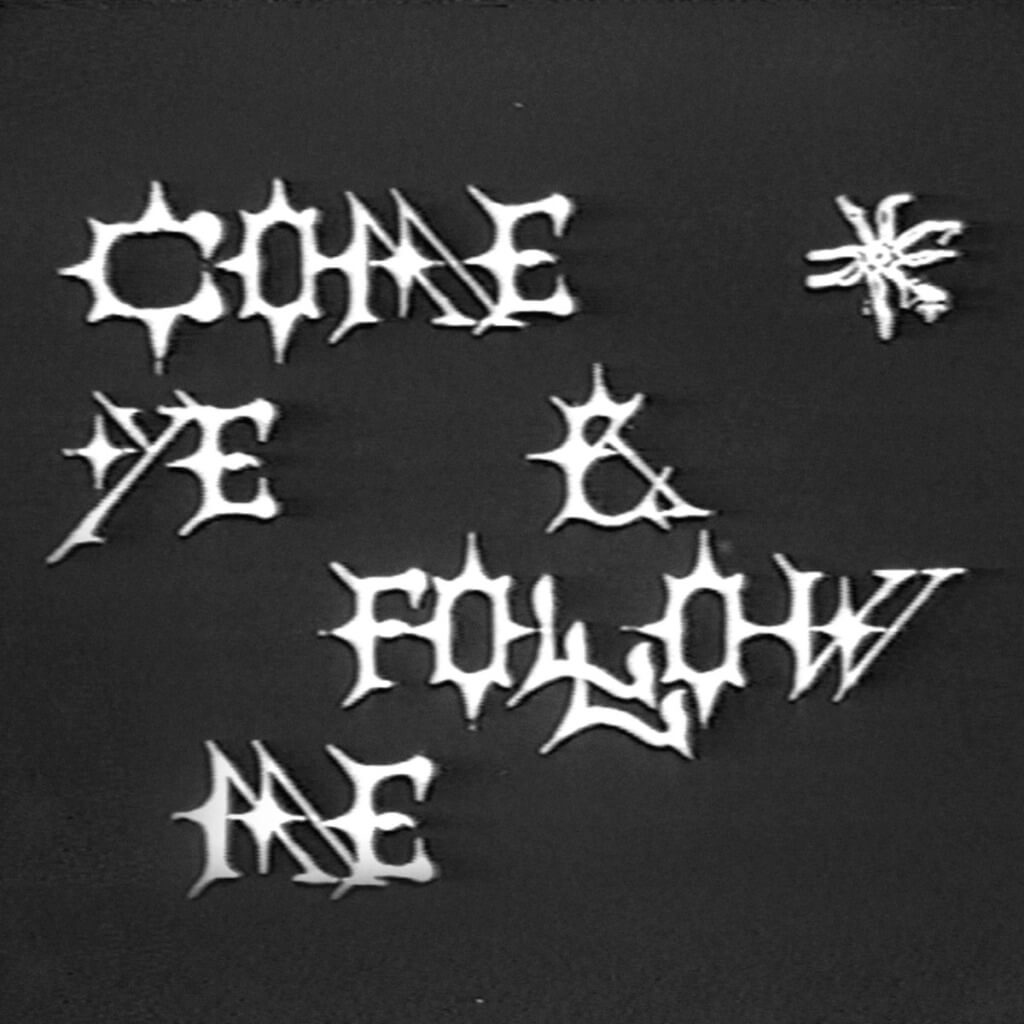 Seven years ago, the Clog recorded a four-song EP next door to Hyde Street Studios in San Francisco, uploaded it to Bandcamp, and then vanished. In 2021, they cut “Come Ye & Follow Me” with Oliver O’haver but it sat unmixed until 2025. Featuring Clara Davis on backup vox, the single slots in nicely with the variegated, oft-sinister pop spirits of Scott Walker and Cindy Lee. George Carpenter’s singing drifts into harmonies that recall the Beach Boys’ “Surfer Girl” but on goblin mode. The guitar is tuned like Link Wray’s about to hit a cowboy downstroke, while the percussion clops along like a horse hoof. And beneath everything exhales a symphony, lending the song its concluding vastness. Imagine a Thirties film title card vibrating on a TV with a built-in VHS player. That’s “Come Ye & Follow Me.” The fifth Clog song ever is disfigured rock and roll music that psychotically drifts through the surf, synth, and swing. —Matt Mitchell
 Keep scrolling for more great stories.