
The 50 greatest movie soundtracks of all time
Photo by Universal Pictures/Getty Images
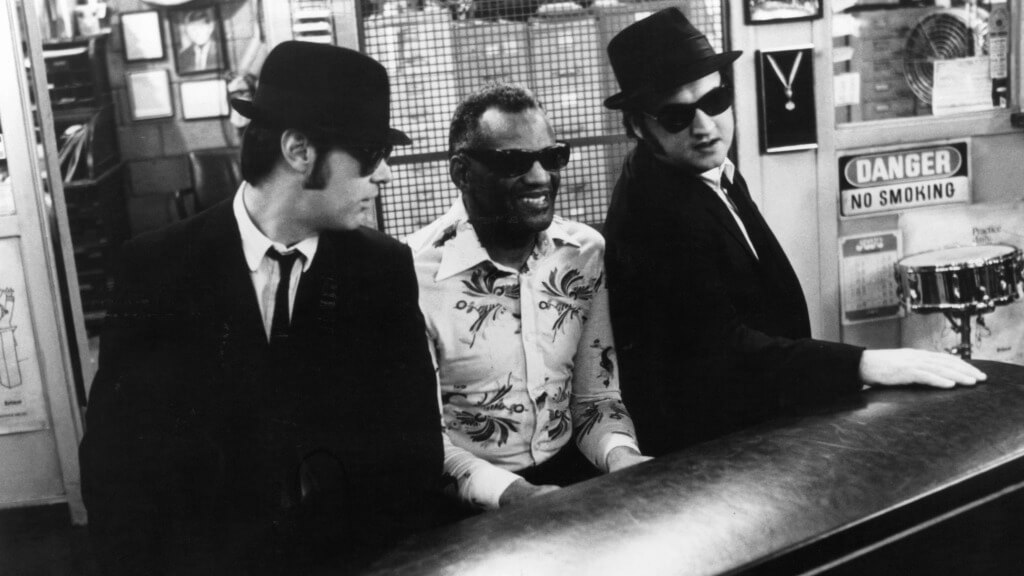
Since movies turned color, Hollywood soundtracks have helped define generations, movements, and trends—whether it’s Elvis shaking his hips in Jailhouse Rock, Prince making his guitar snarl in Purple Rain, or George Clooney singing bluegrass. For nearly 70 years, popular music has scored some of the most important moments in motion picture history. For this list, we’ve included original soundtracks, curated mixes, compilations that double as albums, and a few things in-between. One rule: no film scores. Those deserve their own list. We also skipped soundtracks composed mostly of score (sorry, Eternal Sunshine of the Spotless Mind). Before we dive in, here are some great soundtracks that just missed the cut: Black Caesar, High Fidelity, Singles, McCabe & Mrs. Miller, Head, Love Jones, Apocalypse Now, and Friday. Let us know in the comments what your favorite movie soundtrack is and which ones we missed. Now, here is our ranking of the 50 greatest movie soundtracks of all time.
50. Repo Man (1984)
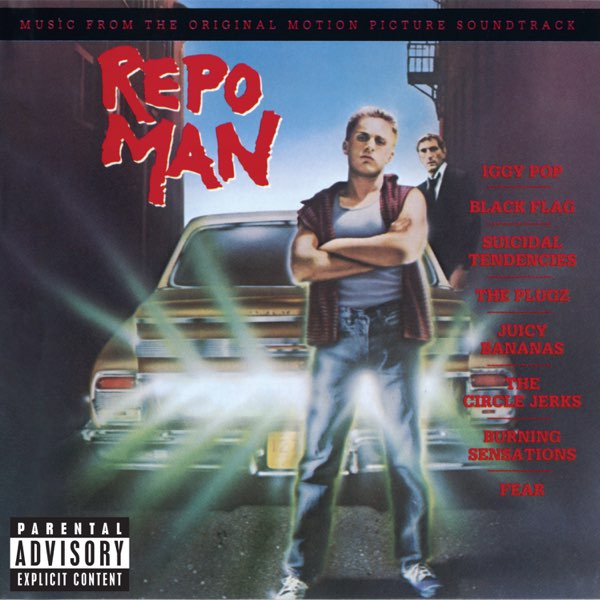 For a long time, I thought Maximum Overdrive was Repo Man. Turns out they’re different movies! But they both have Emilio Estevez, so I wasn’t totally off-base. Repo Man is one of the coolest pictures of its era: a satirical portrayal of Reagan’s America and Atomic Age consumerism, filtered through sci-fi black comedy about repossession, UFOs, televangelists, punk rock, and Los Angeles. The soundtrack supplies a fitting, histrionic accompaniment to cartoonish gags and displaced suburbanites. Iggy Pop wrote the title song, while Black Flag, Juicy Bananas, Circle Jerks, the Plugz, Fear, and Suicidal Tendencies round out the cast. Burning Tendencies’ cover of the Modern Lovers’ “Pablo Picasso” is a standout. If you want an encapsulation of the L.A.’s punk scene’s glory days, look no further. —Matt Mitchell
49. Jennifer’s Body (2009)
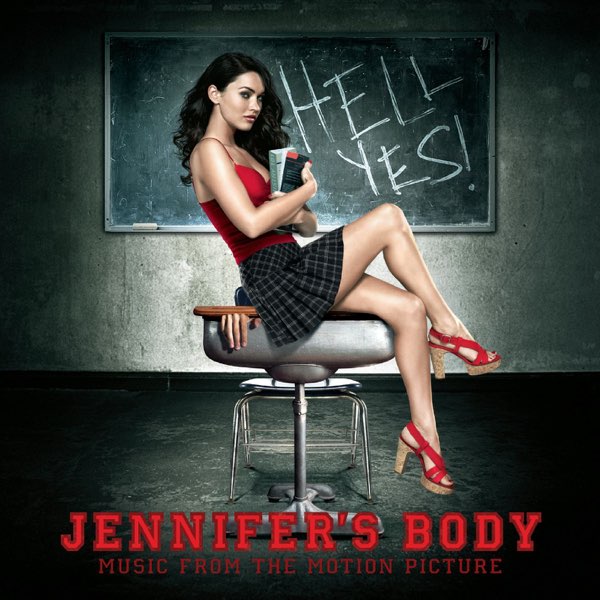 “Do you know how hard it is to make it as an indie band these days?… Satan is our only hope.” The misunderstood, flop-turned-cult classic Jennifer’s Body follows the titular high school hot girl who starts eating boys after a botched satanic ritual by a struggling local band. It’s peak flip-phone and L8r Lo$r, mirrored in a soundtrack packed with late-aughts pop punk and indie sleaze. Black Kids’ “I’m Not Gonna Teach Your Boyfriend How To Dance With You” soundtracks Jennifer’s cheerleading routine, capturing a jangly, girl-next-door energy that recalls Disney Channel’s Sky High. Panic! At the Disco, Florence + the Machine, Hayley Williams, and Silversun Pickups sit alongside crunchy, pulsing electro-pop from Little Boots and Cobra Starship. Moments of true gore and horror come to the tune of heavy, blown-out metal riffs. The Sword’s “Celestial Crown” gives me goosebumps, roaring over Jennifer’s post-first kill lake swim. But the most satisfying needle drop comes via Hole’s “Violet,” a snarling riot grrrl closer that locks the film’s feminine rage firmly into place. —Cassidy Sollazzo
48. Marie Antoinette (2006)
 It’s a common misconception, actually: what the doomed queen Marie Antoinette really said of the revolutionary French was, “Let them listen to The Cure!” Luckily, this historical snafu is corrected in Sofia Coppola’s dreamy, girlish, ur-2000’s Marie Antoinette. In a maximalist cinematic landscape, Brian Reitzell’s soundtrack does much to remind us just what Antoinette is in Coppola’s imagination: a hopeful, confused, disappointed teenager attempting to navigate a situation she has had little choice in. Sprinkled throughout are lively classical concertos and delicate opuses, whose mismatch with the ‘90s and ‘00s rock that otherwise fill the landscape bring the listener in and out of the century she watches on screen with dizzying, perfect incongruity. Coppola’s juxtaposition of royal unreality with the gritty, spacey sounds of New Order, The Strokes, Siouxsie and the Banshees, and The Radio Dept. give the film two distinct atmospheric layers, both of which play into the unsustainability and discontent of Antoinette’s troubled, decadent youth. As the movie careens from the heady joys of excess into the tailspin of public enmity that would eventually see the end of Antoinette’s life, the music takes a dip into the modern instrumental, drawing on Aphex Twin and Squarepusher to signal its heroine’s descent into darkness. And, as with any great film, Marie Antoinette gave a few old classics new life: the film’s iconic shopping scene, a demonstration of decadence that has landed on countless Tumblr moodboards in its 20 years, features a 1983 rendition of the ‘60s classic “I Want Candy,” shrieked joyously by English new wavers Bow Wow Wow. Though we know that very desirousness will spell Antoinette’s demise, it’s hard not to hum along. —Miranda Wollen
47. Belly (1998)
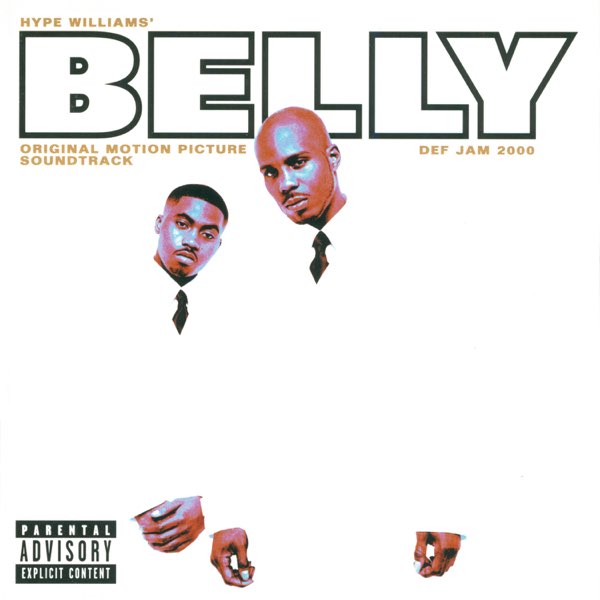 For Belly, Hype Williams assembled one of the most stacked rap compilations of the late Nineties. On Def Jam’s dime, he grabbed songs from D’Angelo, DMX, Ja Rule, Method Man, Nas, Hot Totti, Raekwon, Sean Paul, Jay-Z, Gang Starr, Rakim, ⅓ of Wu-Tang Clan, Made Men, and Half-a-Mil, alongside production from DJ Premier, Puff Daddy, R. Kelly, Dame Grese, Knobody, Swizz Beats, RZA, Hangmen 3, Spencer Bellamy, Poisoned Ivy, and Poke & Tone. The album reached #5 on the Billboard 200, and its lead single, “Grand Finale” by DMX, Ja Rule, Method Man, and Nas, went to #18 on the Hot Rap Songs chart. The Belly soundtrack is a collage of the post-Biggie and post-Pac rap ecosystem, paving the way for a new wave of MCs to emerge while R&B, dancehall, and hardcore music give the film its streets-to-riches rhythm. It’s a record that improves with every listen, just as Belly improves with every viewing. —Matt Mitchell
46. The Crow (1994)
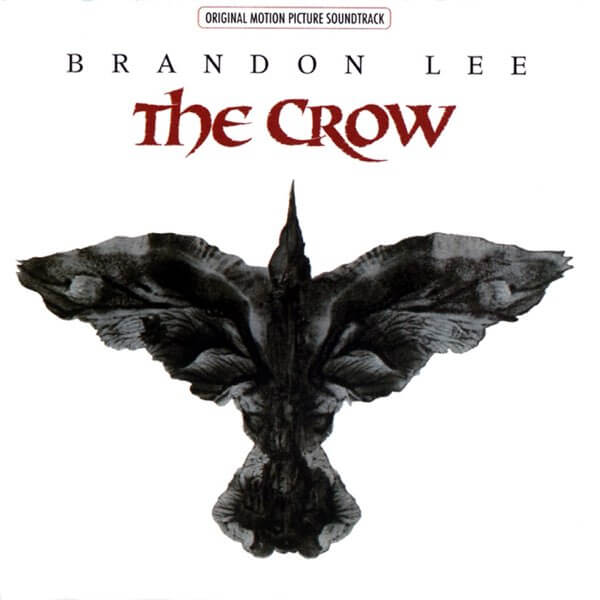 Love and death define The Crow. Alex Proyas’ 1994 flick is a who’s-who of that period’s alt-rock: Nine Inch Nails, Stone Temple Pilots, Rage Against the Machine, Violent Femmes, Rollins Band, Pantera, The Jesus and Mary Chain, Helmet. But it’s The Cure’s “Burn” that makes The Crow one of the best soundtracks ever. Originally meant to feature “The Hanging Garden,” Robert Smith instead penned an original song, one that sits in the pocket between the brash drumlines of “The Hanging Garden” and the thumping basslines of “Fascination Street.” The song is a self-referential gothic gem that would be the perfect thematic match for any supernatural cult classic, but especially The Crow. —Olivia Abercrombie
45. Curious George (2006)
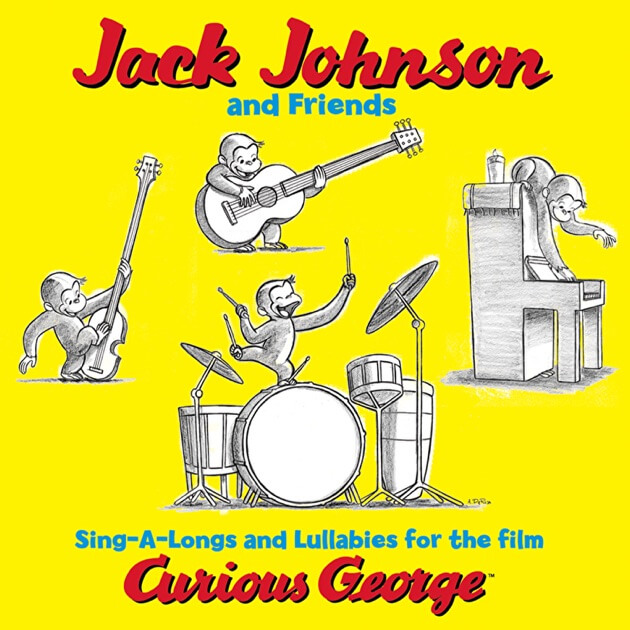 There are few children’s songs I listen to on a regular basis. There are even fewer that make me want to cry and also do a cartwheel. But there is at least one such song, and it is Jack Johnson’s “Upside Down.” That we owe this masterpiece of American folk to the Curious George movie feels, honestly, super appropriate. The warm glow of connection that embodies the film’s ethos is reflected perfectly in Johnson’s easy voice and soft, sunny guitar. The album has a few hidden heavyweights, too: “Wrong Turn” is a gentle ballad that tugs on the heartstrings through the sheer power of its plaintiveness. It would work as a great breakup song if it didn’t have an animated monkey on its cover. Accompanied by feel-good heavyweight G. Love, Johnson’s soundtrack carries with it an unpretentious love of life that is near-impossible not to catch. And an unbearably sweet, stripped-down cover of the White Stripes’s “We’re Going To Be Friends” manages to summon within the listener a borderline insurmountable need to hug their dad (or, at least, it does in this one.) Johnson’s bespoke album is cozy and energetic, idiosyncratic and right at home. To tap him for the movie was a stroke of genius on director Matthew O’Callaghan’s part; the movie has developed a lifespan far beyond what it could have once had thanks to Johnson’s effortless prowess. —Miranda Wollen
44. Black Panther (2018)
 The most successful soundtrack released in my lifetime is either O Brother, Where Art Thou? or Black Panther. Kendrick Lamar assembled a team of collaborators to make an image of the African diaspora. Kdot’s presence on the record is that of a curator, with Top Dawg Entertainment in the creative driver’s seat. Director Ryan Coogler wanted the soundtrack to sound like the music of our modern day, not the time period in which Black Panther was introduced in Marvel comics. Cue African drums, Zulu language singing, big hooks, and Sounwave’s magic touch. The guestlist is an achievement, pairing together the most important names in rap and soul music: Lamar, SZA, Schoolboy Q, 2 Chainz, Khalid, Swae Lee, Vince Staples, Jorja Smith, Zacari, Ab-Soul, Anderson .Paak, Jay Rock, Future, Travis Scott, and The Weeknd. The soundtrack debuted at #1 on the Billboard 200, earned comparisons to Tron: Legacy and 8 Mile, and was considered one of 2018’s best rap projects. It garnered eight Grammy nominations, including Album of the Year, Record of the Year, and Song of the Year, thanks to the success of “All the Stars.” Though Barbie came close to matching Black Panther’s musical scale, Lamar’s compilation is still king. —Matt Mitchell
43. Smokey and the Bandit (1977)
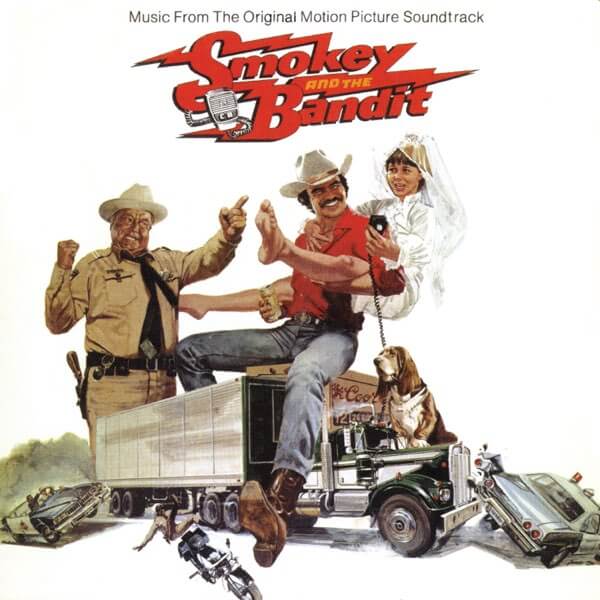 I don’t know a single other person my age who has seen Smokey and the Bandit. At this point in my life, I particularly love the film’s anti-cop stance (the Confederate flag on the Bandit’s license plate… not so much) and the effortless chemistry between Burt Reynolds and his co-star, Sally Field. But, when I was just a giddy kid who didn’t mind aimlessly watching hours of car auctions with my father, I was sure that a piece of my existence was made possible by Reynolds cruising around in a black Pontiac Trans Am and “blocking” for a semi-truck bootlegging Coors Beer from Texarkana to Atlanta in a hot pursuit. But the real star of Smokey and the Bandit, for me, is the music, sung by the guy driving that semi-truck: Cledus Snow (aka the “Snowman”), played by Grammy-winning country crooner Jerry Reed. “East Bound and Down,” the film’s theme song, carries on over and over throughout the runtime, along with other tracks, like “The Legend,” “Orange Blossom Special,” “If You Leave Me Tonight I’ll Cry,” and the theme song’s counterpart, “West Bound and Down.” But the track I am always returning to is “The Bandit,” Smokey’s musical soul. “Bandit, you’re reckless, and you live much too hard,” Reed croons on the track. “Bandit, you’re the joker in the deal of the cards. You’re a legend to the old man, a hero to the child. Bandit steal a lady’s heart with only a smile.” My father sings these songs all the time. His father sang them, too. Wherever I go, there Jerry Reed is. —Matt Mitchell
42. That Thing You Do! (1996)
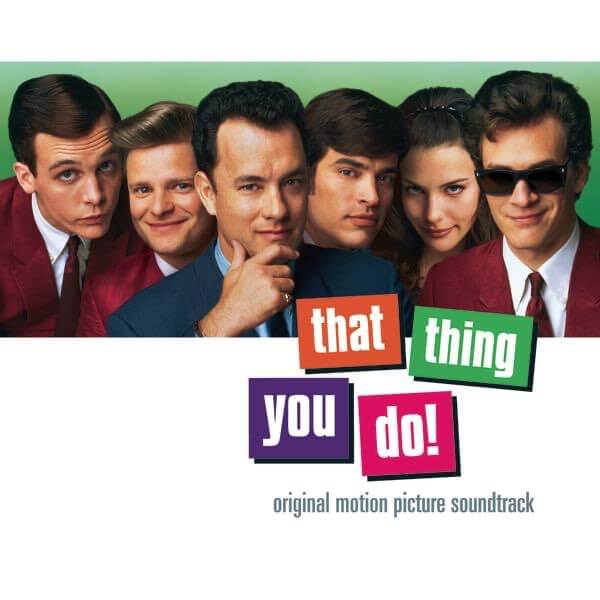 It’s a shame that “That Thing You Do!” is a fake song, because it’s one of the greatest power-pop songs ever written. That Thing You Do! (the film) focuses on The Wonders and their shot-out-of-a-canon rise to momentary fame after scoring a hit song. While the film’s examination of one-hit-wonderdom remains among the best music-centric plots of all time, the songwriting of Fountains of Wayne’s Adam Schlesinger is a pinnacle of pop penmanship. Crafting a song that not only hitched its wagon to a long-bygone era but could just as easily succeed commercially 30 years after the fact had one-in-a-million odds—and Schlesinger happened to have luck on his side. “That Thing You Do!” is, by my account, the greatest song ever sung by a fake band (I give my regards to Spinal Tap, Stillwater, the Archies, and Josie and the Pussycats). And the other Wonders songs are pretty neat, too: “All My Only Dreams,” “Dance With Me Tonight,” “Little Wild One.” Plus, some tunes by faux groups like The Heardsmen, The Chantrellines, The Saturn 5, and The Vicksburgs make up That Thing You Do!’s little pop world. And don’t forget about Del Paxton or The Wonders in disguise as Cap’n Geech & The Shrimp Shack Shooters. Those Erie, Pennsylvania, kids could really swing, man. —Matt Mitchell
41. Garden State (2004)
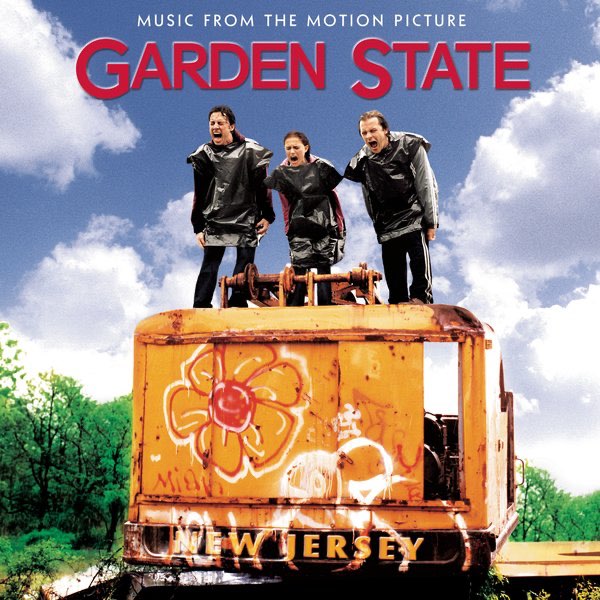 Some elements of Zach Braff’s Sundance darling Garden State haven’t aged particularly well—Natalie Portman’s infantilized, underdeveloped characterization and the random hotel voyeur scene stick out like a sore thumb—but the 2004 dramedy’s Grammy-winning soundtrack still makes it a worthwhile cultural artifact. Curated by Braff himself, the film’s mix of mid-Aughts indie rock, trip-hop, and singer-songwriter folk-pop is incredibly effective at evoking Braff’s character’s depressive apathy as well as his strange, sometimes affecting personal journey being back home in New Jersey. Coldplay’s “Don’t Panic” is a marvelous opener, Chris Martin’s dreary croak and Johnny Buckland’s strumming fitting with the film’s melancholic, charmingly awkward tone. The Shins’ “New Slang” scores the most recognizable scene, in which Portman nervously and excitedly watches Braff listen to the song and discover its quaint beauty. My personal favorite music moment comes late in the film with Iron & Wine’s deeply tender, slowed-down cover of the Postal Service classic “Such Great Heights,” which plays as Braff finally lets his guard down and tells Portman she makes him feel safe. Despite the twee quirks Garden State occasionally falls victim to, the personalized songs Braff used give it a great, often stirring deal of emotional lifting. —Sam Rosenberg
40. Valley Girl (1983)
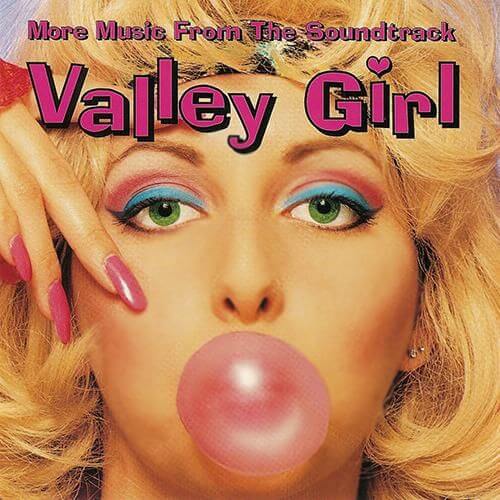 The only way to soundtrack your loose adaptation of Romeo and Juliet is with a new wave treasure trove. Released on Roadshow’s label, the Valley Girl compilation is a time capsule of the mid-‘80s’ alternative changeover. The tracklist is stacked: the Plimsouls’ “Everywhere at Once,” Modern English’s “I Melt With You,” the Psychedelic Furs’ “Love My Way,” Men at Work’s “Who Can It Be Now?,” Sparks’ “Angst in My Pants,” among songs by Josie Cotton and Bonnie Hayes. The music encapsulates the culture clash central to the flick: a San Fernando Valley girl falls for a Hollywood punk. Preppy meets rebellious, which is exactly how I would describe “I Melt With You” and “Love My Way.” Funnily enough, this soundtrack could have been even better: songs from The Clash, Culture Club, Bananarama, and the Jam were featured in the end credits but not heard in the final cut of the film due to problems with music rights. But Cotton singing “Johnny, Are You Queer?” during one of the film’s prom scenes radicalized me. But the best part about Valley Girl’s soundtrack is: you can look at the song list and remember every scene. —Matt Mitchell
39. Velvet Goldmine (1998)
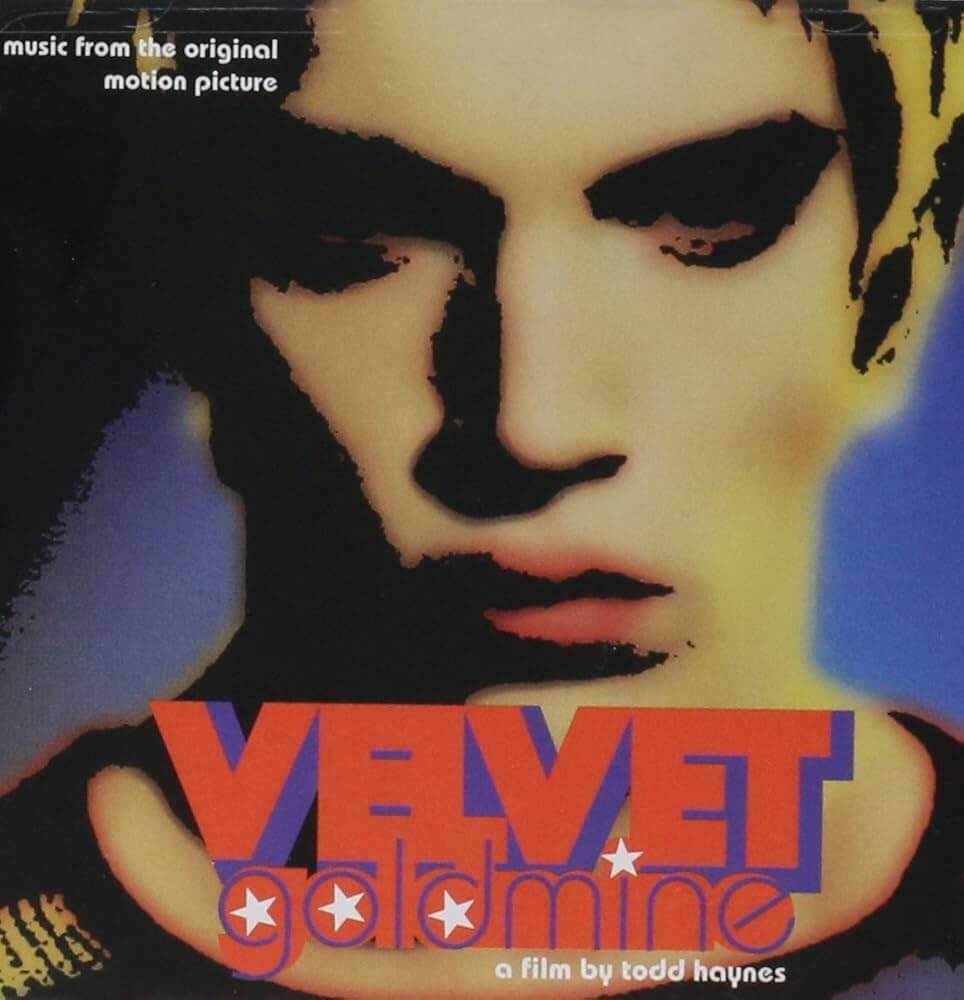 Todd Haynes glam-rock fan-fiction of Ziggy Stardust-era England was not well-received by Bowie, who forbade the director from using his songs in the movie. Haynes worked around it, substituting the hunky dory stuff for Brian Eno’s “Needle in the Camel’s Eye,” Pulp’s “We Are the Boys,” Lou Reed’s “Satellite of Love,” T. Rex’s “Diamond Meadows,” and Roxy Music’s “Virginia Plain.” We also get Teenage Fanclub covering the New York Dolls, Placebo covering T. Rex, Ewan McGregor singing the Stooges’ “TV Eye,” and Thom Yorke singing Roxy Music’s “Ladytron. Haynes also hired Shudder to Think and Grant Lee Buffalo to do Bowie ripoffs, including “Ballad of Maxwell Demon” (based on “All the Young Dudes”), “Hot One” (“Time”), and “The Whole Shebang” (“Velvet Goldmine”). Also: the band Venus in Furs isn’t a real band at all, but Suede’s Bernard Butler and Radiohead’s Jonny Greenwood teaming up to play “2HB” and “Bitter-sweet.” It took 20 years for glam-rock to get its best on-screen depiction. Hedonism looks good, trashy, and destructive in Haynes’ world—not far off, I imagine, from the real thing. —Matt Mitchell
38. Juno (2007)
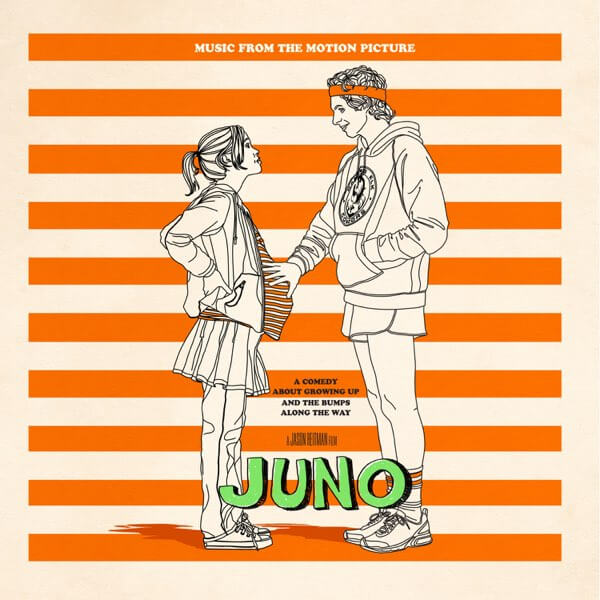 Few things feel more like 2007 than Juno. Watching Jason Reitman’s coming-of-age dramedy now is like microdosing everything about how that year felt and looked: the perpetual feeling of autumn, polarized discourse around unplanned teen pregnancies, an aesthetic nostalgia for the ‘60s and ‘70s, the prominence of Web 2.0-informed millennial slang. Juno’s cuddly, vintage soundtrack is just as immersive in capturing that particular time, featuring cozy contributions by The Moldy Peaches and Antsy Pants singer Kimya Dawson, acoustic compositions from Mateo Messina, and inspired picks from Belle & Sebastian, The Kinks, Buddy Holly, and The Velvet Underground. Some of the film’s most memorable moments are powered by its music: Barry Louis Polisar’s “All I Want is You” scores the remarkable handmade title sequence, Mott the Hoople’s “All The Young Dudes” plays in both the trailer and a pivotal scene between Elliot Page and Jason Bateman, and Cat Power’s pretty rendition of “Sea of Love” acts as a gently cathartic balm to the sadness and loneliness of Juno’s experience carrying her baby. Even the cutesy duet between Page and Michael Cera that closes out the film has an endearing sweetness to it, likely because such unabashed earnestness (and such natural chemistry between two actors) is so rare these days in our irony-poisoned cultural landscape. —Sam Rosenberg
37. The Rocky Horror Picture Show (1975)
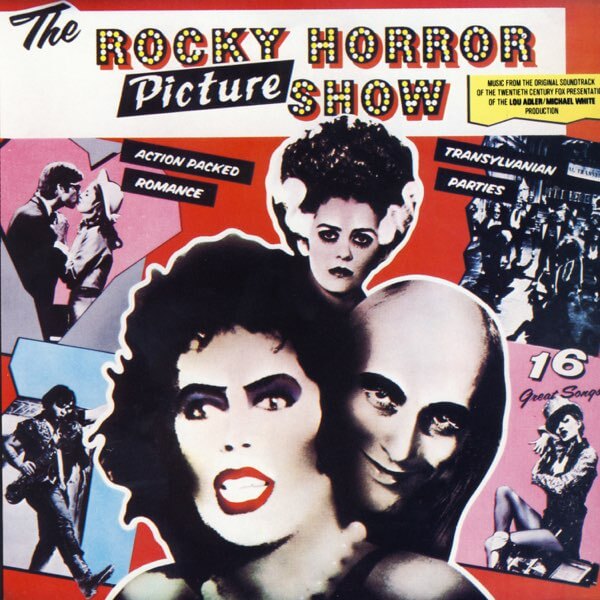 The B-movie roll call of “Science Fiction/Double Feature” drips with almost lustful nostalgia for a bygone era of celluloid schlock and movie palaces while “I’m Going Home” pits Dr. Frank-N-Furter as our fave fallen alien this side of Bowie. Meat Loaf’s “Hot Patootie” leaves tire tracks down the backs of Elvis and Buddy Holly before skidding into a teen cautionary tale (“Eddie”) befitting a lowdown, cheap, little punk. There’s cornball romance (“Dammit Janet”), sexual awakenings (“Touch-a, Touch-a, Touch-a, Touch Me”) and all the glam decadence your steamy loins can stand as Tim Curry makes the entire galaxy wet on “Sweet Transvestite.” There’s even a faux dance craze that turned out to be, get this, an actual global sensation. (We’re looking at you, Time Warp.) It’s a compilation, nay a simmering cauldron, of familiar sounds, classic themes and juvenilia spiked with some elusive ingredient that empowers even the meekest among us to slip on a wobbly pair of pumps and declare ourselves the baddest bitch in space—or at least the biggest hotdog in the castle. Little did I know when I first stumbled upon The Rocky Horror Picture Show and its rock and roll soundtrack as a 12-year-old, 98-pound weakling that Richard O’Brien’s 1975 midnight cult classic would rose-tint my world for the next 30 years, or that I would end up in the castle of an alien transvestite and diabolical mad scientist for an evening of debauchery, decadence and cannibalism. It’s not exactly the type of moral one traditionally follows like a guiding star; and yet, Rocky Horror has curiously managed to become a campy, kinky and fishnetted beacon through many of my darkest nights. Suffice it to say, it’s been a very strange journey, indeed. —Matt Melis
36. Sing Street (2016)
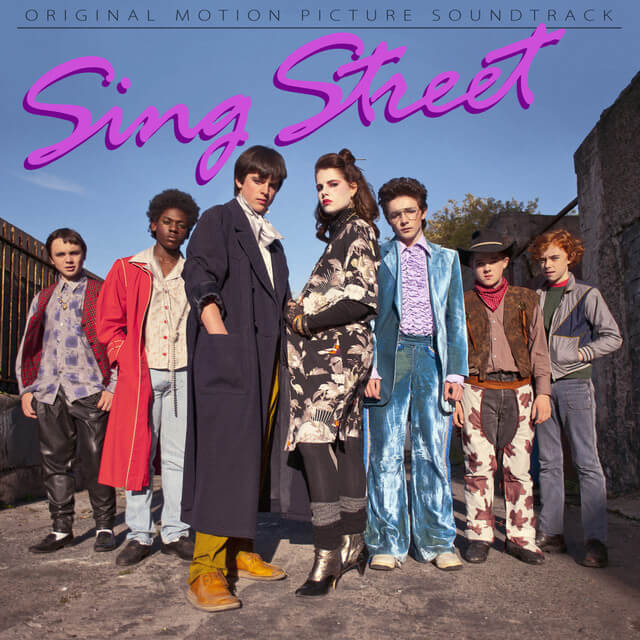 In the category of “fake bands singing fake songs for a movie,” nothing tops John Carney’s Sing Street. It’s a five-star comfort film set in working-class Dublin in the 1980s, with Ferdia Walsh-Peelo as a compelling lead. He anchors the story as Conor, a Duran Duran- and Cure-obsessed kid who falls for a girl near his school. If you’re trying to impress a crush, starting a band isn’t a bad move. The original songs in Sing Street are certified earworms: “Drive It Like You Stole It,” “A Beautiful Sea,” and “Girls” work because they don’t try to be anything more than loving ripoffs of Conor’s influences. But my favorite track, “Up,” is a legit banger. The scene where it comes to life, as each player learns their part one by one… goosebumps. —Matt Mitchell
35. The Big Chill (1983)
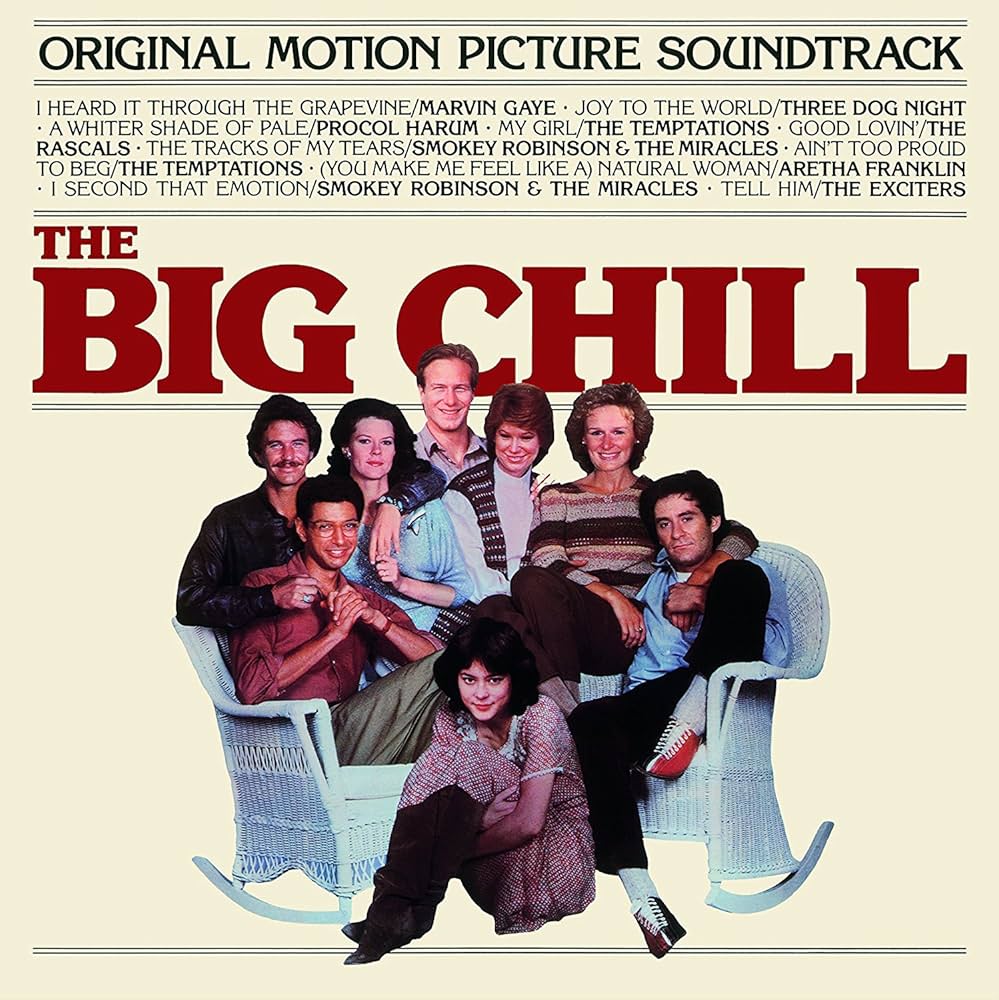 The older I get, the more I come to appreciate The Big Chill. University of Michigan classmates reunite a decade later when after college friend dies by suicide and are left to reckon with cultural idealism, middle-age delusions, and morality. Backing it is a perfect curation of Motown and soul music: Marvin Gaye’s “I Heard It Through the Grapevine,” The Temptations’ “My Girl” and “Ain’t Too Proud to Beg,” Aretha Franklin’s “(You Make Me Feel Like) A Natural Woman,” and the Miracles’ “The Tracks of My Tears” and “I Second That Emotion.” Plugged into the soundtrack too is the Young Rascals’ “Good Lovin’,” Three Dog Night’s “Joy to the World,” and Procol Harum’s “A Whiter Shade of Pale.” The cast is great (Tom Berenger, Jeff Goldblum, Meg Tilly, Glenn Close, Kevin Kline, William Hurt, Mary Kay Place), the writing is clever, and the soundtrack is a timeless comfort. —Matt Mitchell
34. I Saw the TV Glow (2024)
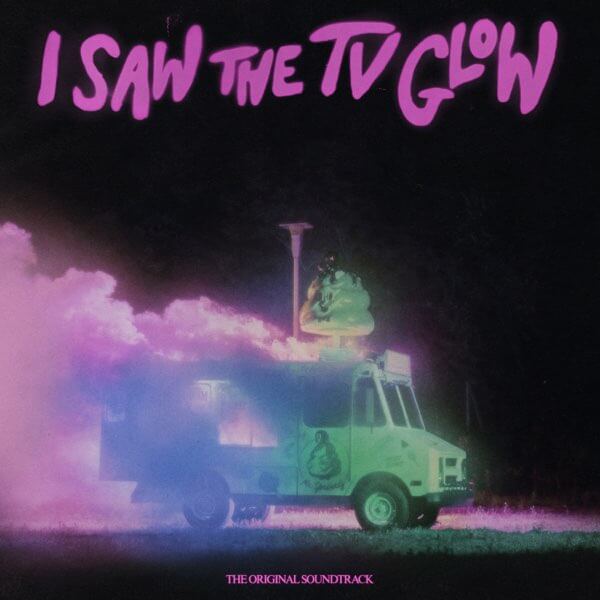 The I Saw the TV Glow soundtrack features yeule, Frances Quinlan, Caroline Polachek, Florist, Bartees Strange, Maria BC, King Woman, Jay Som, L’Rain, The Weather Station, Drab Majesty, Proper., Sadurn, and Sloppy Jane, all of whom explore varying states of youthful angst, intangible longing, and identity crises. Every song gets used for at least a moment in the film; no musician’s contribution doesn’t fit. It’s a unicorn in that way, in how it matches the precise thematic unity that films like Garden State and Juno lent to their soundtracks in the 2000s. From rising superstar Polachek, whose current monthly listener count is at 2 million, to Hop Along’s Frances Quinlan., whose count remains at 16,000, director Jane Schoenbrun’s refusal to turn towards the most famous musicians for material in their A24 debut is refreshing. The I Saw the TV Glow album will carry on as a groundbreaking release, especially for indie musicians who otherwise might not be getting soundtrack or sync opportunities. These songs will make noise forever, and you can tell that the 14 artists on the tracklist see the doors about to break open for other filmmakers to follow in Schoenbrun’s footsteps. Not only is I Saw the TV Glow now a standard for the modern-day soundtrack, but the film is going to be a crucial text for queer and trans people for generations to come—and that includes the music, too, which is brimming with queer, femme, trans, and POC artists who’ve found themselves in the film’s 100-minute runtime. —Olivia Abercrombie
33. Good Will Hunting (1997)
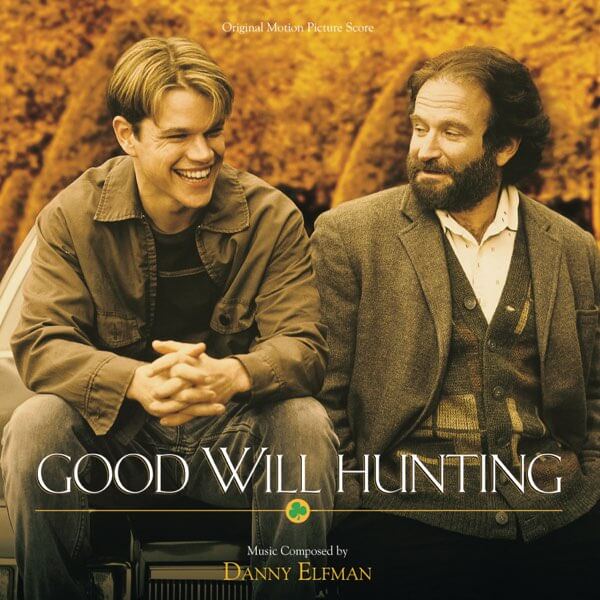 Who doesn’t love Elliott Smith? Well, whoever they are, they should not watch Good Will Hunting, because the ‘90s darling is exactly what they’ll get. Smith’s soft-spoken angst might seem an odd pairing with Matt Damon’s brash Boston accent at first blush, but that juxtaposition is arguably the point. Will Hunting spends the entire film with his fists up, brandishing his oft-overlooked intellect as a weapon so nobody can get close enough to see the flesh-and-blood man behind it. Gus Van Sant’s clever weaving of Smith’s discography throughout the film allows the audience to hear what Will won’t quite say out loud: “Say Yes” plays atop Will’s first date with Skylar, sweet and playful, capturing the nerve-wracking thrill of letting someone in before your defenses catch up. When she urges Will to open up, “Between the Bars” arrives, Smith’s intimate whispers making the moment feel almost too private to watch without a sense of voyeurism. And then, of course, there’s “Miss Misery,” the track written specifically for the film. It’s a song about the seductive pull of self-sabotage, and when Van Sant sets it against those last images of a man choosing to instead risk something better, it’s hard not to feel as if those final moments encompass the whole film. —Casey Epstein-Gross
32. O Brother, Where Art Thou? (2000)
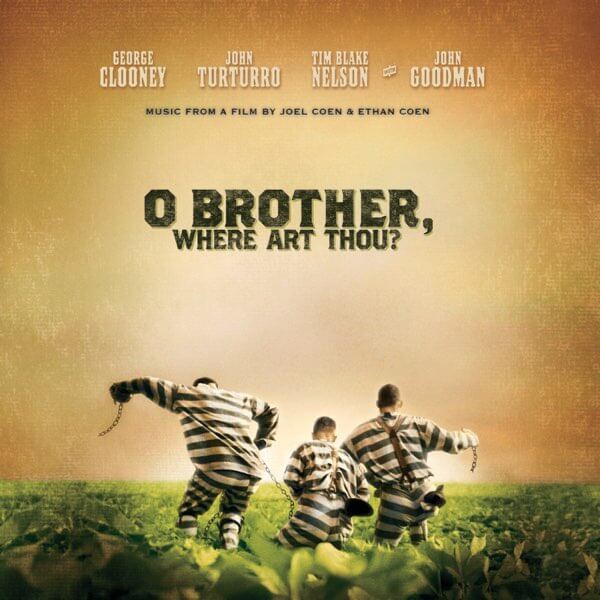 For a movie as ludicrous as the Coen brothers’ award-winning satire, O Brother, Where Art Thou? hits a strikingly sincere note in its soundtrack. T Bone Burnett selected a collection of songs so embedded into American folk mythology that they hardly require explanation: ditties like “You Are My Sunshine,” “I Am A Man of Constant Sorrow,” and “I’ll Fly Away” could only ever exist in the dusty, sprawling Southern expanse the movie’s characters ramble over. The songs do much to pinpoint George Clooney’s un-hardened Ulysses McGill as a real fugitive—Tim Blake Nelson’s Delmar O’Donnell, to be fair, doesn’t require the same treatment. The soundtrack’s hidden highlights, though, lie in the soulful croons of bluegrass royalty Alison Krauss and Gillian Welch. Welch’s and Krauss’s world-weary altos lend the movie a pathos without which its parody might detract from its beauty. It’s a necessary thing: the film centers much around the character of Tommy Johnson, himself a skilled blues musician. Having picked Johnson up, the other three form a blues band, The Soggy Bottom Brothers, whose music (in the Coens’ loopy fashion) both spells their doom and their eventual freedom. The group’s musical moments are where we see their emotions expressed most sincerely, and why we, and the denizens of their world, end up rooting for them. To treat a satirical film with such musical tenderness is an achievement in and of itself; no wonder, then, that the soundtrack won a Grammy for Album of the Year. —Miranda Wollen
31. Dazed & Confused (1993)
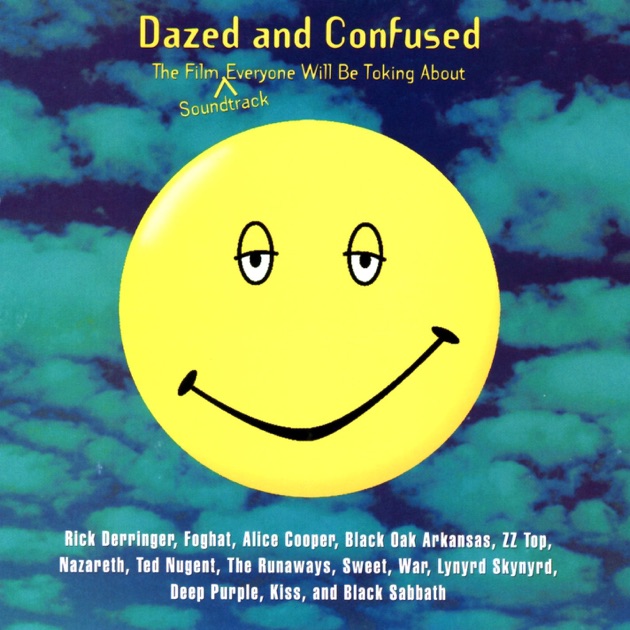 I can’t hear the opening sizzles of Aerosmith’s “Sweet Emotion” without picturing Kevin Pickford rolling up to the last day of high school in his orange ‘70s GTO Judge, joint hanging out the window between his fingers, not a semblance of a care to be had. Richard Linklater’s Dazed and Confused follows different cliques on their last day of high school in Austin, Texas, in 1976. From the last bell, they embark on a changing of the guard: juniors becoming seniors, eighth graders becoming freshmen, with new rounds of hazing commencing with Fred O’Bannion (Ben Affleck) chasing the incoming freshman boys with a wooden paddle to the tune of Alice Cooper’s “School’s Out.” The soundtrack cherry-picks the best from every mid-’70s niche and subgenre—forest-keg-party funk (“Right Place, Wrong Time”), morning-after Americana (“Summer Breeze”), stoned-out blues rock (“Tush”)—most often using diegetic tracks coming from car radios or bar speakers. Each song fits the scene it fills and the sonic itch it scratches. “Free Ride” hums with anticipatory buzz during the getting-ready montage, while the sleepy drift of Lynyrd Skynyrd’s “Tuesday’s Gone” settles over the party’s comedown. By the time Foghat’s “Slow Ride” carries the film to its final stretch, Pink and his gang are back where they’ve spent most of the movie: on the road, piled into cars, cruising. The summer, and the rest of their lives, waits somewhere ahead of them. —Cassidy Sollazzo
30. Twilight: New Moon (2009)
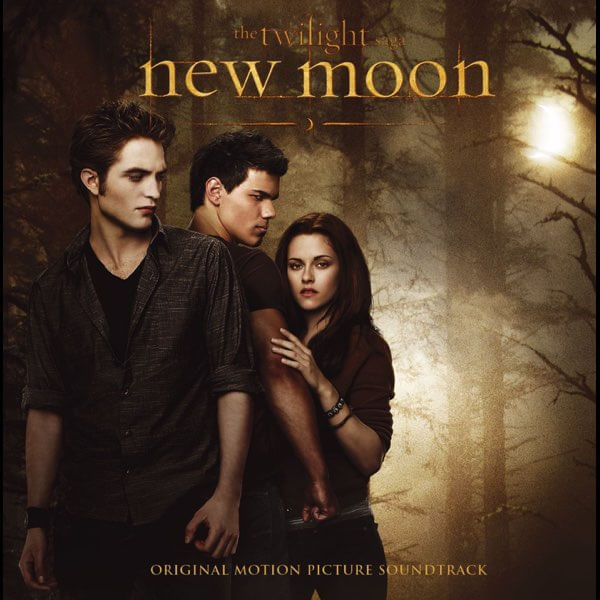 With the exception of some iconic soundtracks like Trainspotting, Garden State, and Pulp Fiction, it’s rare for a soundtrack to tap into the zeitgeist and create trends of its own. It was even rarer by the time Twilight came around, as consumers were more inclined to download music online than to buy CDs, now with a vast sonic world to choose from rather than being introduced to something new through compilations. But New Moon is one of the best soundtracks of the 21st century because it accomplished something special: a focus on world-building, featuring songs by some of the biggest names in indie, tied into Bella’s emotional turmoil, adding depth to an otherwise corny teen movie. With the help of Hollywood’s most sought-after music supervisor and contributions from the likes of Thom Yorke, Lykke Li, Grizzly Bear, the Killers, Bon Iver, St. Vincent, and other indie icons, the second installment of the franchise achieved a cult legacy. —Tatiana Tenreyro
29. Philadelphia (1993)
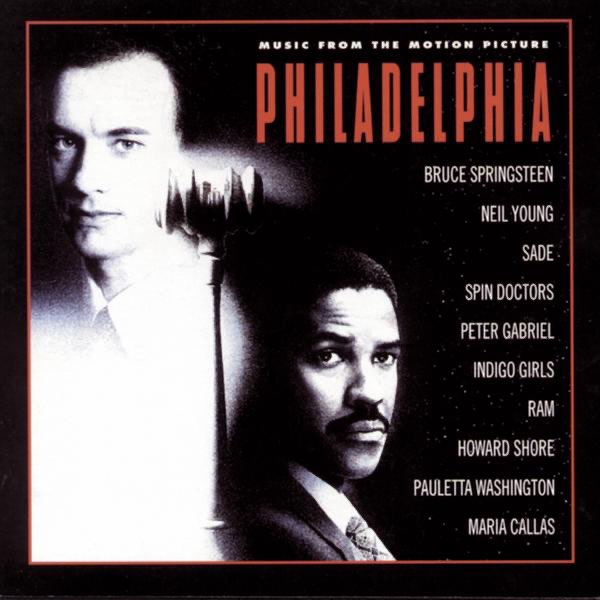 Jonathan Demme’s 1993 masterpiece Philadelphia is an emotional depiction of attorney Andrew Beckett suing his employing firm after getting fired for being gay and contracting AIDS. While much of the film takes place in a courtroom, audiences are tasked with watching Beckett slowly succumb to the disease and, ultimately, pass away from it after months of deliberation. It was a revolutionary moment for gay representation in cinema, and a landmark attempt at destigmatizing AIDS in greater conversations. While Demme making a film about the AIDS epidemic was a risk taken by the director at the time, Young (and Bruce Springsteen) composing an original song for the film was just as big a risk. I look at all the other entries here and I see many songs that have transcended the films they were made for, but Springsteen’s theme song for Philadelphia is head-and-shoulders above. Demme said later on that he and his wife cried the first time they heard “Streets of Philadelphia,” when lines like “a thousand miles just to slip this skin” and “will we leave each other alone like this” reached them. I visit the song often, too. Every second of it is as solemn, subtle, and sympathetic as ever. “Philadelphia” has become an overlooked relic in Young’s career—notably because it’s been largely scrubbed from streaming services and is only available on YouTube or on an actual, physical copy of the soundtrack. But, it’s one of the tenderest arrangements the songwriter has ever put together. “City of brotherly love, place I call home, don’t turn your back on me. I don’t want to be alone,” Young sings over a lone piano and quiet orchestra of atmospheric synths. “Love lasts forever.” As it plays out at the film’s end during Beckett’s funeral, you’ve likely already been crying for 45 minutes. Young’s solemn, wholehearted performance is the gut-wrenching coda that sums up Philadelphia: “Sometimes I think that I know what love’s all about. And when I see the light, I know I’ll be all right.” —Matt Mitchell
28. This Is Spinal Tap (1984)
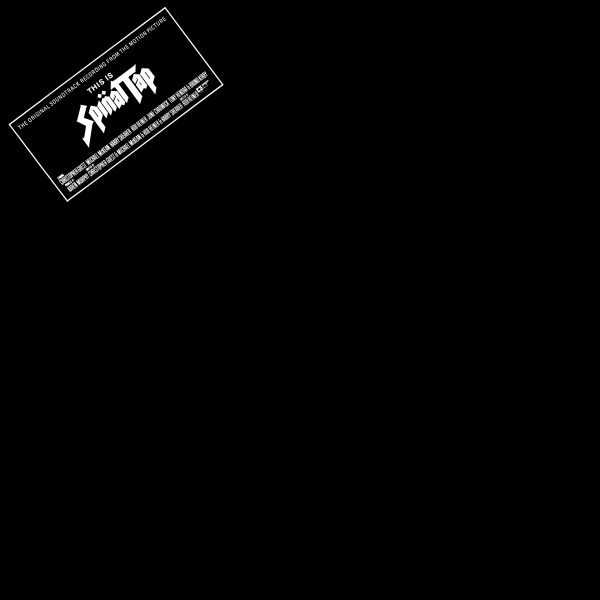 Longtime fictional English band Spın̈al Tap spontaneously combusted onto the metal scene as the subject of 1984’s mockumentary This Is Spinal Tap. Armed with long hair, amps that go to 11, and a totally necessary umlaut, the band did such a hilarious (and also accurate) job of spoofing the heavy metal genre that they’ve become part of its actual lore. Much of the love and respect showered upon David St. Hubbins, Nigel Tufnel and Derek Smalls by the hard rock community stems from the fact that their jokes may be songs, but their songs aren’t jokes. Classics like “Big Bottom,” “Tonight I’m Gonna Rock You Tonight,” and “Stonehenge” are designed to make us laugh, but they also aren’t any more ridiculous than the types of songs they lovingly send up. Hell, Soundgarden used to cover them. And that album cover… I mean, how much blacker could it be? None… more black. —Matt Melis
27. Juice (1992)
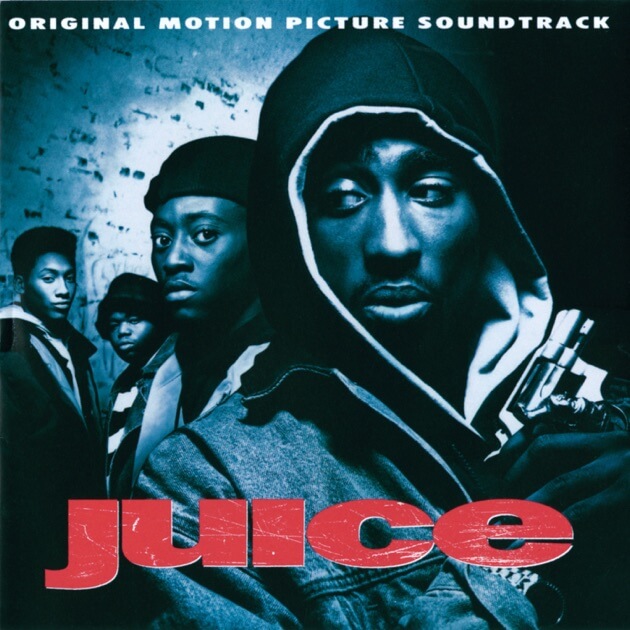 Juice is ‘80s and ‘90s hip-hop in a nutshell: Naughty by Nature, Salt-N-Pepa, Big Daddy Kane, Cypress Hill, Eric B. & Rakim, M.C. Pooh, Too $hort, EPMD. Even funk (Trouble Funk), ska (Fabulous Five Inc.), new jack swing (Teddy Riley), and acid jazz (The Brand New Heavies) get nods. Like Boyz n the Hood and Straight Out of Brooklyn before it, the Juice soundtrack makes an image of rap music evolving into its golden age, carried on the backs of Tupac Shakur, Omar Epps, and Khalil Kain in their acting debuts. Treach, Queen Latifah, Fab 5 Freddy, Oran “Juice” Jones, and Special Ed all make appearances. And, despite Juice being set in Harlem, the film’s music curation blends East and West Coast voices. The result was instant crossover success: “Uptown Anthem,” “Juice (Know the Ledge),” “Don’t Be Afraid,” and “Is It Good to You” all charted, and the album itself moved 500,000 copies. —Matt Mitchell
26. Once Upon a Time in Hollywood (2019)
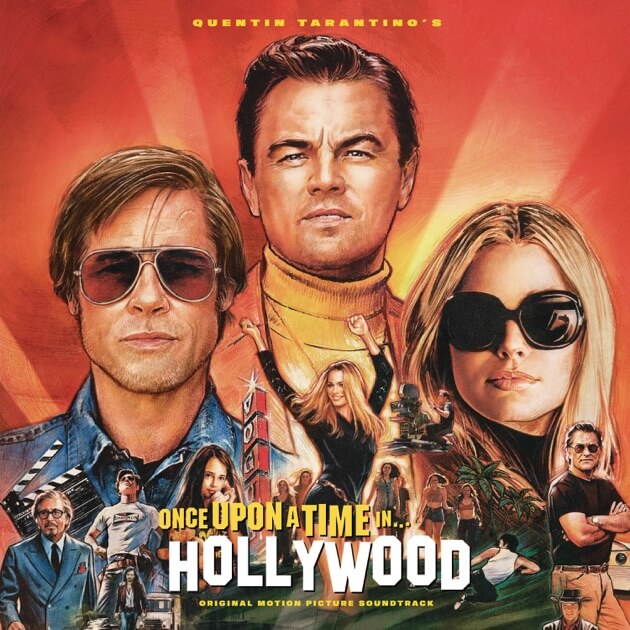 The soundtrack to Tarantino’s (as of right now) last film is, on paper, no more exciting or innovative than the music curation in Dazed and Confused or Almost Famous, but it’s the way that music supervisor Mary Ramos implements snippets of KHJ-AM radio segments into scenes that cements it for me. We get Boss Radio DJs Don Steele and Charlie Tuna; jingles for Mug root beer, Heaven Sent perfume, and Clairol Summer Blonde; ads for the Vagabond High School Reunion, The Illustrated Man, Batman, and Tanya Hawaii Corporation tanning butter. Songs by Bob Seger System, Buchanan Brothers, Deep Purple, Paul Revere & The Raiders, Mitch Ryder and the Detroit Wheels, Simon & Garfunkel, Dee Clark, and Neil Diamond score the vignettes of Rick Dalton, Cliff Booth, Sharon Tate, and the Manson Family. The Rolling Stones’ “Out of Time” plays while Los Angeles’ nightlife turns on, in one of the coolest montages I’ve ever seen. But it’s the last two songs in the film, the Mamas and the Papas’ “Twelve Thirty” and Vanilla Fudge’s “You Keep Me Hangin’ On,” that cement Once Upon a Time in Hollywood as a great 21st century soundtrack for me. Those songs are there for Tarantino’s polarizing act of revisionist history, in which, spoiler alert, a B-list actor and his driver/stand-in wipe out the Manson Family killers before they can reach Tate’s mansion. —Matt Mitchell
25. Pretty in Pink (1986)
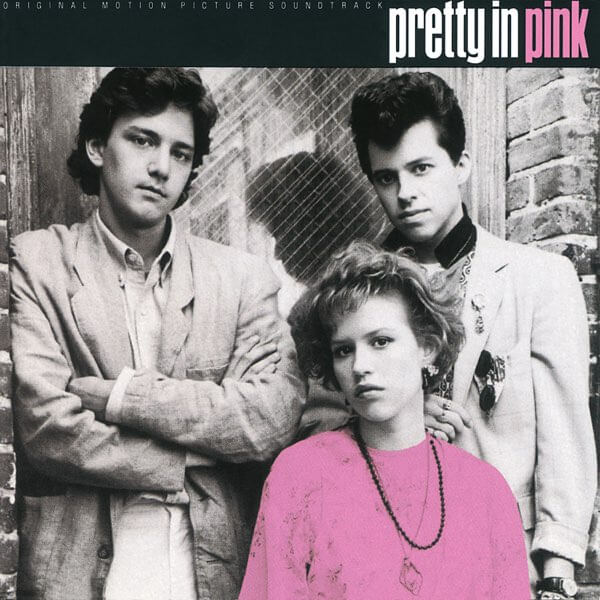 A number of ‘80s soundtracks can spin on their own and cause you, as Andie says, to “O.D. on nostalgia.” There’s nothing wrong with that. We all ache for simpler times. However, the very best soundtracks, like Pretty in Pink’s, can send your mind and heart racing back to crushes, friendships, and a kiss outside a prom we never even attended. Maybe those were simpler times; after all, we wrapped up Andie and Blane’s class dilemma in 90 minutes and change. It’s funny: As you get older, you start to differentiate less between the movies you grew up with and your own experiences. Maybe, it’s because you realize that Andie, Blane, and Duckie’s prom probably had a longer-lasting impact on you than your own, thanks to a mix of pre-Kick INXS, Echo and the Bunnymen, the Psychedelic Furs, the Smiths, and OMD. Regardless, we all know whose prom had the better soundtrack. Let’s plow. —Matt Melis
24. Nashville (1975)
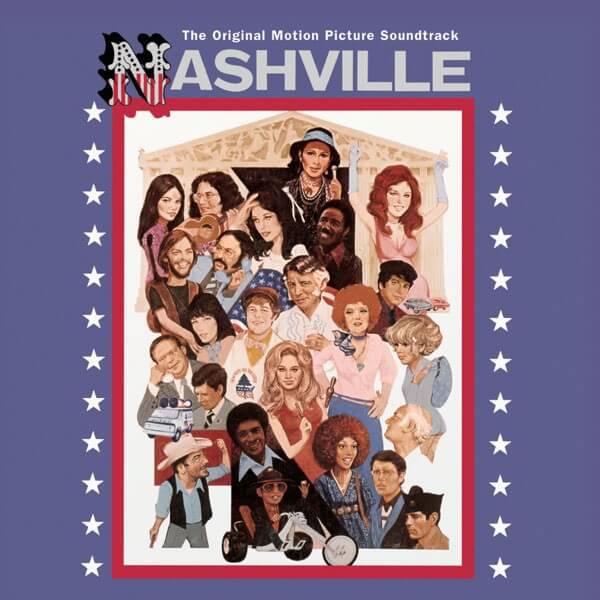 Directed by an auteur and performed by local amateurs, Robert Altman’s political satire of the country and gospel music industry is an epic, hilarious spoof of post-Nixon America. I think about what Harry Haun said about the movie in his review: “I have seen Nashville 4 ½ times and I’m still discovering dimensions that had eluded me.” Keith Carradine, Ronee Blakley, Karen Black, Henry Gibson, and Timothy Brown all star in the picture, and they wrote and sang their own songs for the soundtrack. The songs in question are sometimes bad but sometimes excellent, and that’s exactly the point. It’s impossible to not feel alive in Nashville’s WTF-levels of lunatic realism. Loneliness, affairs, nationalism, and long highways sound familiar in the hands of semi-nobodies with excellent musicianship. Gibson singing “Ain’t no use to sit and whine, ‘cause the fish ain’t on your line / Bait your hook and keep-a-tryin’, keep a-going’!” goes down sincerely. Carradine’s “I’m Easy” won Best Original Song at the Oscars. Not too shabby for a handsome man from Broadway. Nashville is as good as it gets. —Matt Mitchell
23. Help! (1965)
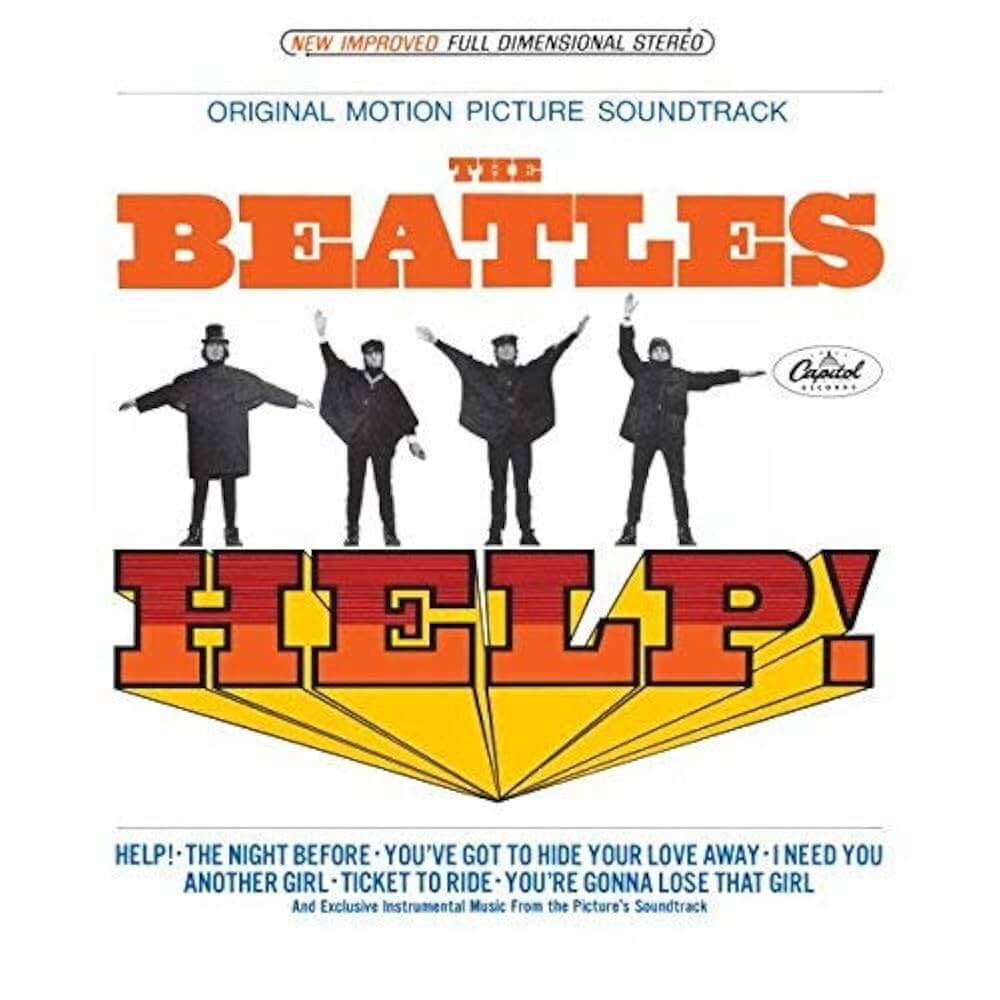 I think “You’ve Got to Hide Your Love Away” was the first non-Beatles #1 hit I ever listened to, thanks to an early appearance in the Help! film. It’s John Lennon going full Bob Dylan, diving into his self-reflective poetry while strumming a strophic line. “You’ve Got to Hide Your Love Away” was unique when it came out because, well, there are no backing vocals on it! And it includes John Scott’s tenor and alto flutes, which make for quite a lovely outro—one of the band’s dreamiest. And, as far as title tracks go, I do think “Help!” is one of the very best ever—musically it’s a banger but its lyrics are quite crushing, as Lennon penned the song in response to the suffocating Beatlemania, even telling Playboy that it was him “subconsciously crying out for help.” Funny that it’s juxtaposed by the left-field, WTF slapstick that is the Beatles’ second feature film. But “Help!” is still the band at its most honest and playful, taking despondent, suffocating popularity and spinning it into this punchy, bouncing hit song fit with one of the greatest countermelodies I’ve ever heard. Oh, what a hit or two of grass can do for you. —Matt Mitchell
22. Lost in Translation (2003)
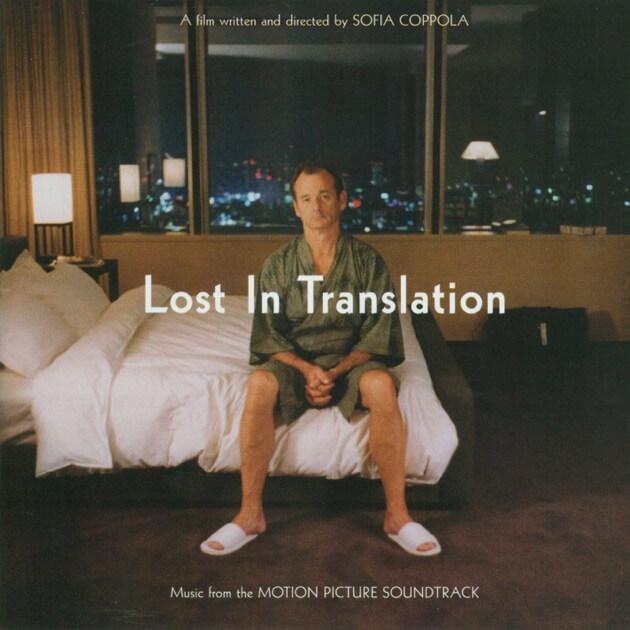 Lost in Translation is known for one song, the Jesus and Mary Chain’s “Just Like Honey.” The way it decorates the film’s ending adds to how incomprehensible the scene is. Sofia Coppola is a great translator for this—she’s proven time and again that music cues are powerful storytelling engines (see: Dolly Parton’s “I Will Always Love You” at the end of Priscilla)—and her use of music in Lost in Translation is sometimes overwhelming. Peaches’ “Fuck the Pain Away,” my bloody valentine’s “Sometimes,” Air’s “Alone in Kyoto,” Happy End’s “Kaze wo Atsumete,” Squarepusher’s “Tommib,” and Phoenix’s “Too Young” personify Tokyo’s nightlife. Bill Murray doing an off-key performance of Roxy Music’s “More Than This” was the best actor-sung moment in film until Adam Driver sang “Being Alive” in Marriage Story. Subtext is Coppola’s greatest weapon. I’ve always loved how every needle drop in Lost in Translation never raises its voice until the end, when “Just Like Honey” drowns out all the dialogue. How else could you depict two people separated in a busy street? Romance is an overwhelming thing. —Matt Mitchell
21. Boogie Nights (1997)
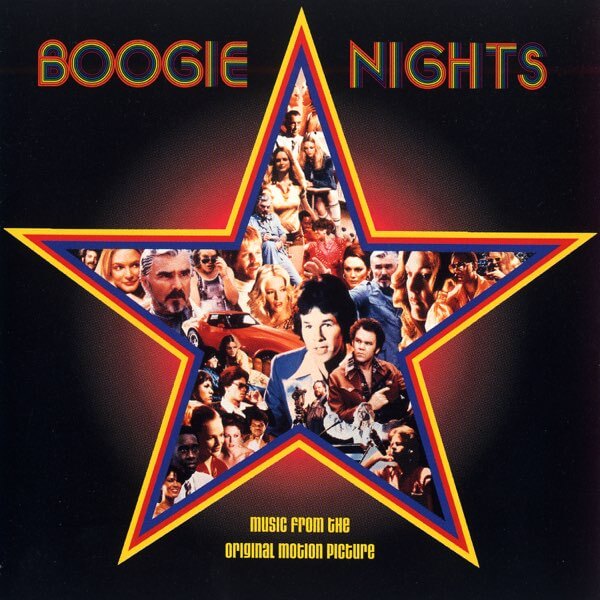 Paul Thomas Anderson’s dizzying, decadent, compulsively entertaining 1997 feature about the golden age of porn contains so many needle drops, they had to make two soundtracks for it. Both volumes scan a canyon-wide gamut of pop, disco, funk, and rock from the late ‘60s through the early ‘80s, starting with The Emotions’ rousing hit “Best of My Love” and culminating in Electric Light Orchestra’s jangly “Livin’ Thing.” Much like how a coke-addicted Dirk Diggler went a little too hard in committing to his porn star persona, the then-26-year-old Anderson probably got a little too trigger-happy in choosing the songs for this movie. Still, it’s hard to imagine Boogie Nights without this much music. The film is all about the seductive and destructive nature of excess, how having so many sensorial, libidinal, and material pleasures at one’s disposal can just as easily devolve into inconsolable pain when gone unchecked. Rick Springfield’s “Jessie’s Girl” is the most notable reflection of that idea, its upbeat pop-rock instrumental playing as an ironic, contrapuntal cue to Diggler’s thousand-yard stare as he realizes he’s reached rock bottom. Luckily, as demonstrated by The Beach Boys’ “God Only Knows” during the film’s radiantly optimistic epilogue montage, there is a way back out if you have a community of people who are there for you and can reignite your lust for life again. —Sam Rosenberg
20. Easy Rider (1969)
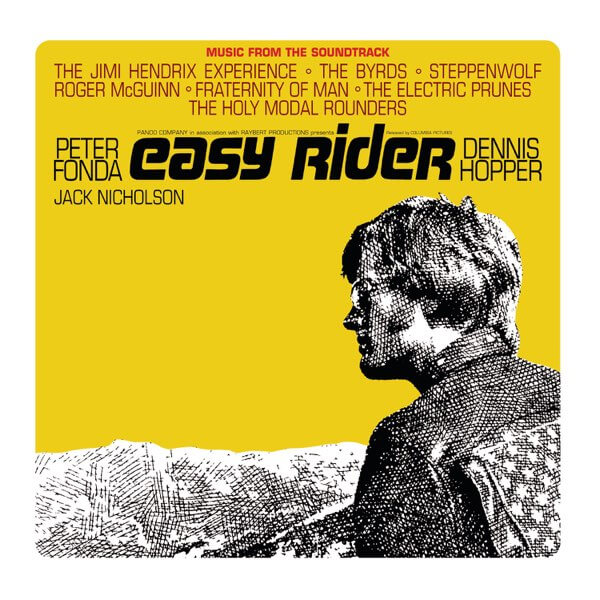 Peter Fonda and Dennis Hopper’s Easy Rider was among one of the first movies (alongside Mike Nichols’s The Graduate) to popularize the needle drop. It was also one of the first movies to lean heavily on contemporary rock, with Hopper pulling directly from the music he was hearing on the radio in 1968. The motorcycle flick follows two long-haired hippies riding across the country toward Mardi Gras, encountering pockets of small-town middle America along the way that greet their freedom with everything from curiosity to blatant hostility. The corresponding soundtrack feels like the natural result of Fonda and Hopper’s own tight Laurel Canyon ties. It stretches across rock’s many branches—country folk (The Byrds), blues rock (Steppenwolf), and twisted psychedelia (Jimi Hendrix, The Electric Prunes)—all born from the same late-’60s creative ecosystem. The music makes the long stretches of endless highway seem especially mythical. Riding montages unfold under sprawling desert skies, engines humming along dirt roads while Steppenwolf’s “Born to Be Wild” barrels forward. The inherent looseness reflects the film’s countercultural ethos. Elsewhere, the soundtrack leans into reverb-soaked guitars and drifting psychedelia to mirror the film’s druggy detours and shifting states of mind. Roger McGuinn even wrote “Ballad of Easy Rider” specifically for the movie, a dusty folk closer that reflects the wandering spirit of the journey itself. —Cassidy Sollazzo
19. 2001: A Space Odyssey (1968)
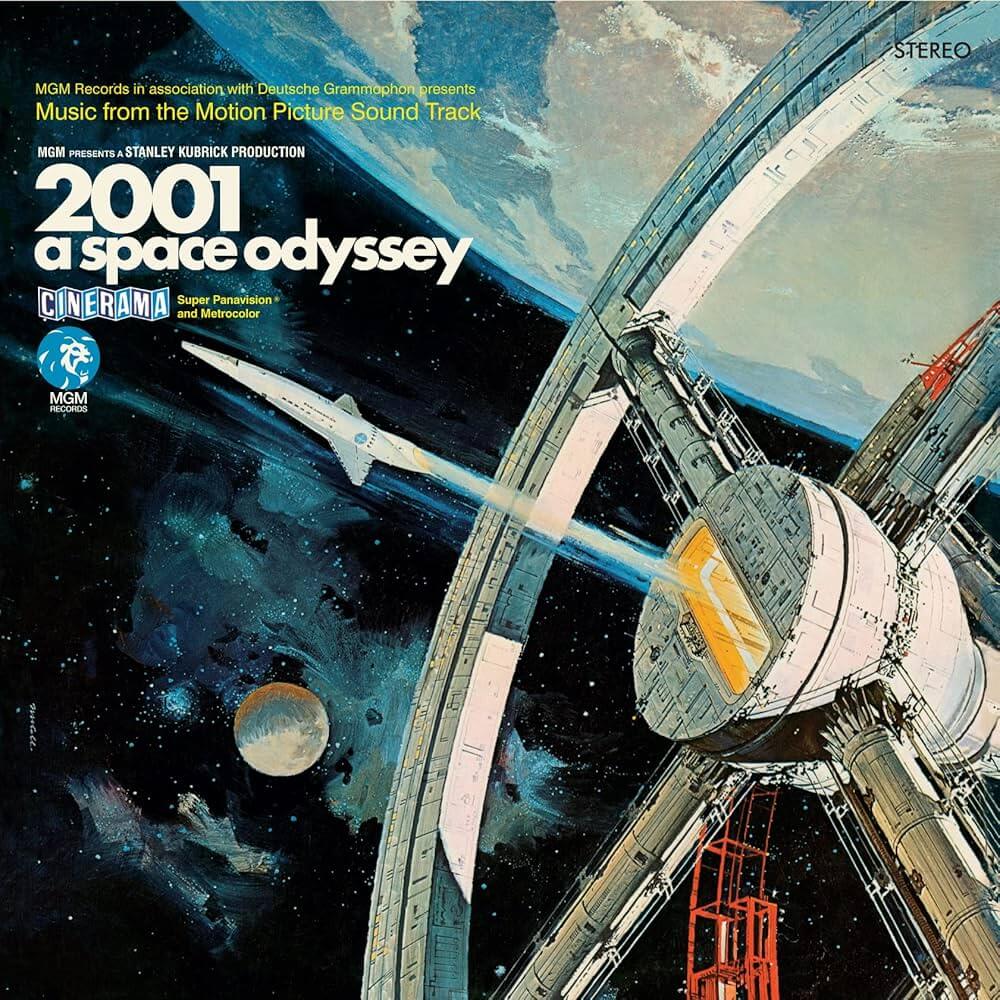 The most distinctive soundtrack on this list belongs to the music behind Stanley Kubrick’s masterpiece, 2001: A Space Odyssey. Kubrick resisted using music as a narrative crutch, instead aiming to evoke mood within a “nonverbal” cinema experience. Rather than commission a traditional score (Alex North was hired but later sacked), Kubrick used existing classical music recordings: Richard Strauss’ tone poem “Also sprach Zarathustra,” György Ligeti’s “Requium,” “Atmospheres,” and “Lux Aeterna,” Johann Strauss II’s “The Blue Danube,” and Aram Khachaturian’s “Gayane Ballet Suite (Adagio).” “Lux Aeterna” is a rush of choral horror, while Strauss II’s waltz maps Kubrick’s ambitious space-travel sequences. But “Zarathustra” is the most iconic theme in the film, appearing when apes learn to use tools in the beginning and when Bowman becomes the Star-Child at the end. You can feel every musical beat of 2001 deep within. —Matt Mitchell
18. Wild Style (1983)
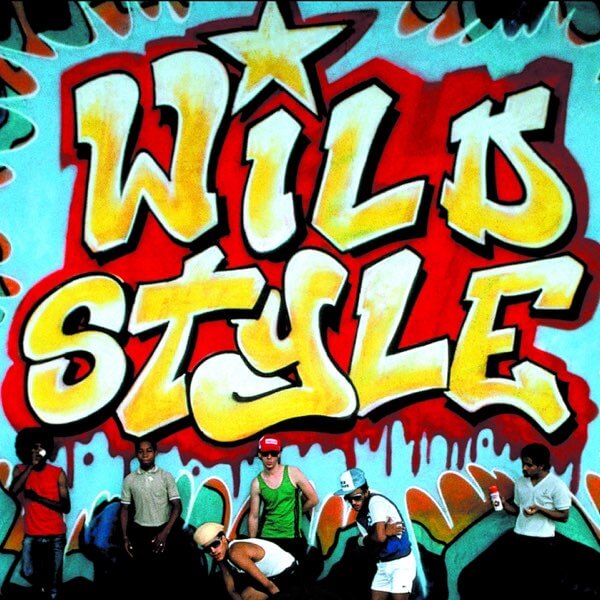 Without the Wild Style soundtrack, there’s likely no Belly, Juice, Boyz n the Hood, or even Do the Right Thing. It hasn’t aged as well as other titles on this list, but few entries have been as influential. Charlie Ahearn and Blondie’s Chris Stein co-produced it with Fab 5 Freddy, and the likes of Grandmaster Caz, Fantastic Freaks, DJ Grand Wizard Theodore, Cold Crush Brothers, Rammellzee, Rodney Cee, Busy Bee, DJ Charlie Chase, Prince Whipper Whip, AJ Scrach, and Shockdell show up throughout the 78-minute runtime. It’s among the best documents of old-school hip-hop, turntablism, graffiti artists, and the Bronx in 1983. It’s where uptown rap and downtown art meet, and I’d bet that most of our favorite rappers wouldn’t exist without the film’s rap-break concert. Here’s a list of albums that have sampled Wild Style: Illmatic, Check Your Head, Midnight Marauders, MM..FOOD, Black Sunday Resurrection, Jay Stay Paid, and Beat Konducta. —Matt Mitchell
17. Almost Famous (2000)
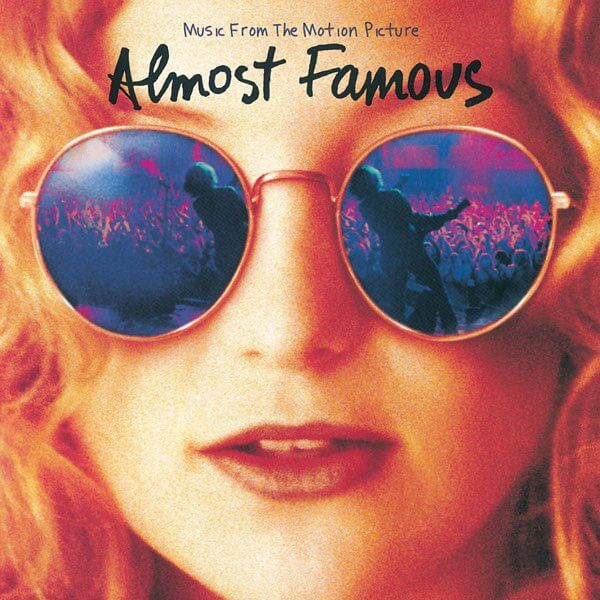 It’s almost a no-brainer that a movie about music, set in the midst of rock and roll’s undeniable peak and based on the early days of one of music journalism’s most renowned writers, is going to have a soundtrack full of hits. But what makes Cameron Crowe’s Almost Famous truly immersive is the way the music is ever-present throughout the film. 15-year-old William Miller lands a Rolling Stone assignment following the fictional band Stillwater on their tour, where he meets the equally young Penny Lane and slips behind the curtain of the rocker-groupie world. There are traditional needle drops (The Allman Brothers Band’s “One Way Out” when William first embarks on his journey, Led Zeppelin’s “Tangerine” to give the ending that glow of pure hope), and original Stillwater tracks. But the early-’70s industry itself is built into the soundtrack, with songs from every corner of the era drifting from car radios, hotel rooms, and house parties: Neil Young’s “Everybody Knows This Is Nowhere,” Steely Dan’s “Reelin’ in the Years”, and a parade of other giants from Yes to David Bowie covering Lou Reed. The most famous moment is the tour bus singalong to Elton John’s “Tiny Dancer,” but the film’s quietest music scenes linger even longer. Zeppelin’s “That’s the Way” plays as sunlight spills through the bus windows on a long stretch of road, the band and the gang suspended in the limbo between shows and cities. And then there’s Cat Stevens’s “The Wind,” soundtracking Penny Lane twirling alone across an empty venue floor after a Stillwater show in Cleveland, stage lights casting a halo around her. It’s the kind of moment that makes you nostalgic for a time you never lived through yourself, and you can feel Penny Lane chasing that fleeting magic she knows in her heart won’t last. —Cassidy Sollazzo
16. Above the Rim (1994)
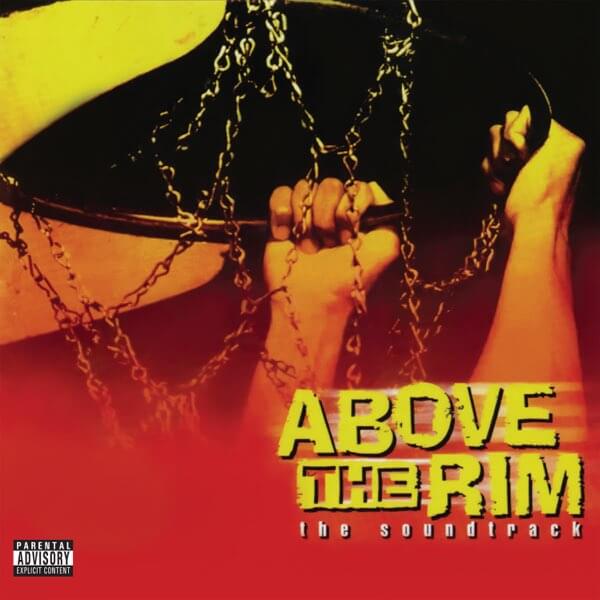 The holy grail of G-funk, new jack swing, and gangsta rap soundtracks, Above the Rim was executive produced by Suge Knight and supervised by Dr. Dre. And it’s got some bangers, like SWV’s “Anything (Allstar Remix),” O.F.T.B.’s “Crack ‘Em,” Tha Dogg Pound Gangstas’ “Big Pimpin’,” and Paradise’s “Hoochies Need Love Too.” But two tracks hover over the rest: the Lady of Rage’s “Afro Puffs” and Warren G and Nate Dogg’s “Regulate.” I think “Regulate” is one of the greatest rap songs of all time. It was a crossover hit too, reaching #2 on the Hot 100. The arrangement features a four-bar sample of Michael McDonald’s “I Keep Forgetting (Every Time You’re Near),” Bob James’ “Sign of the Times,” and Dr. Dre’s “Let Me Ride.” Hell, they even put a clip from Young Guns at the beginning. And the bars are nasty, too. “16 in the clip and one in the hole, Nate Dogg is about to make some bodies turn cold”???? Peak tune, peak soundtrack. —Matt Mitchell
15. The Blues Brothers (1980)
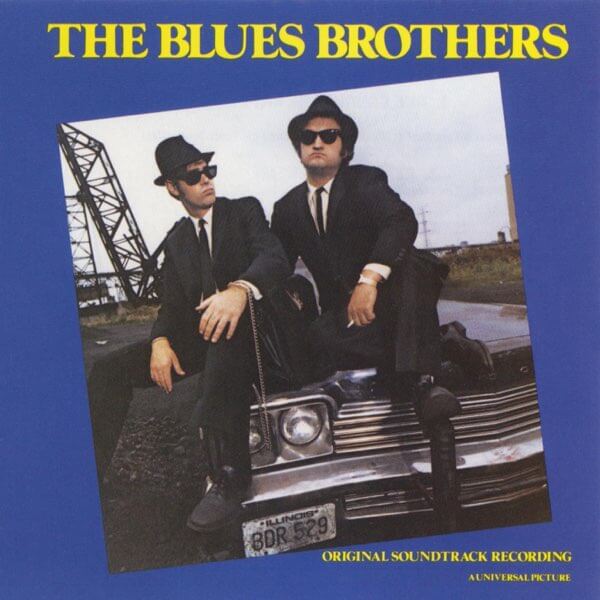 The Blues Brothers soundtrack is perfect in every sense of the word. It helps, of course, that John Belushi and Dan Aykroyd were fine enough singers. The film, adapted from the “Blues Brothers” recurring sketch on Saturday Night Live, is the best on-screen documentation of Chicago. To achieve something like that, you need a good batch of songs playing behind you. Cab Calloway, Aretha Franklin, Ray Charles, James Brown, and John Lee Hooker show up to sing one tune each. Joliet Jake (Belushi) and Elwood (Aykroyd)’s R&B band is full of real-life players: Steve Cropper and Donald “Duck” Dunn from Booker T. & The M.G.’s, Isaac Hayes’ drummer Willie “Too Big” Hall, trombonist Tom “Bones” Malone, trumpeter “Mr. Fabulous” Alan Rubin, saxophonist “Blue Lou” Marini, and Howlin’ Wolf counterpart Matt “Guitar” Murphy. The Blues Brothers live and die by Sam & Dave and sing a bunch of hit songs: “She Caught the Katy,” “Gimme Some Lovin’,” “Everybody Needs Somebody to Love,” “Jailhouse Rock,” “Sweet Home Chicago.” Songs by Otis Redding, Louis Jordan, Elmore James, Fenton Robinson, and Kitty Wells show up all over the place. The Blues Brothers is a true love letter to rhythm and blues. Its soundtrack tape sold a million copies. —Matt Mitchell
14. Clueless (1995)
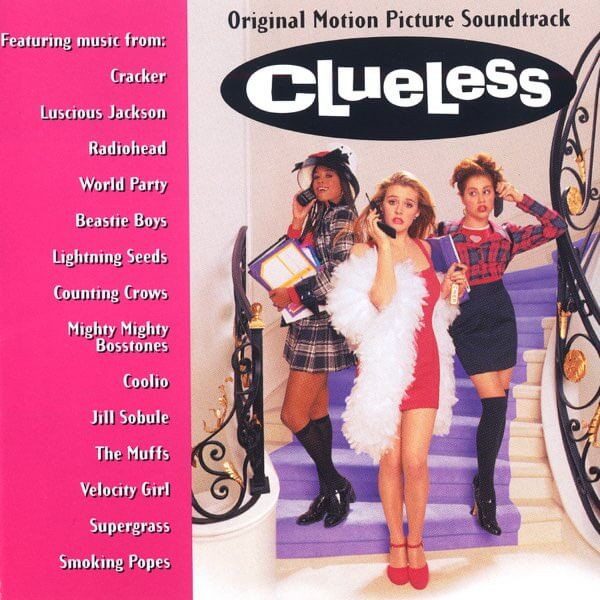 The ‘90s reimagining of Jane Austen’s Emma turns surrey high society into SoCal glitz and decadence. Privileged LA teen Cher Horowitz takes new girl Ty under her wing to help her navigate their high school’s social hierarchies, while also embarking on her own never-ending journey of self-improvement. It’s bright, flippant, and campy, and the jangly pop-rock soundtrack mirrors the film’s glossy LA fantasy. Power-pop and alt-rock staples anchor the movie’s most memorable moments, opening with The Muffs’ fuzzed-out cover of “Kids In America,” which immediately drops us into Cher’s sun-drenched Beverly Hills bubble. Moments later, David Bowie’s “Fashion” plays as Cher schools through her now-canon digital wardrobe. Next thing you know, No Doubt’s “Just A Girl” enters as Cher and her bestie Dionne cruise down palm tree-lined streets. It quickly becomes clear that music simply follows Cher everywhere she goes. Some soundtrack staples get playful twists, like “All the Young Dudes,” which plays as Cher complains about the state of ‘90s high school boys (“C’mon, it looks like they just fell out of bed!”) while a group of slackers slo-mo walk across the quad in sagging JNCO jeans. Elsewhere, the soundtrack captures the social ecosystem of the school, and LA, itself: the pretentious law student/ex-step brother Josh listening to Radiohead, the stoner skaters shredding to the Beastie Boys, and Coolio’s “Rollin’ With My Homies” turning a Valley house party into one of the film’s most quintessentially California moments. —Cassidy Sollazzo
13. Goodfellas (1990)
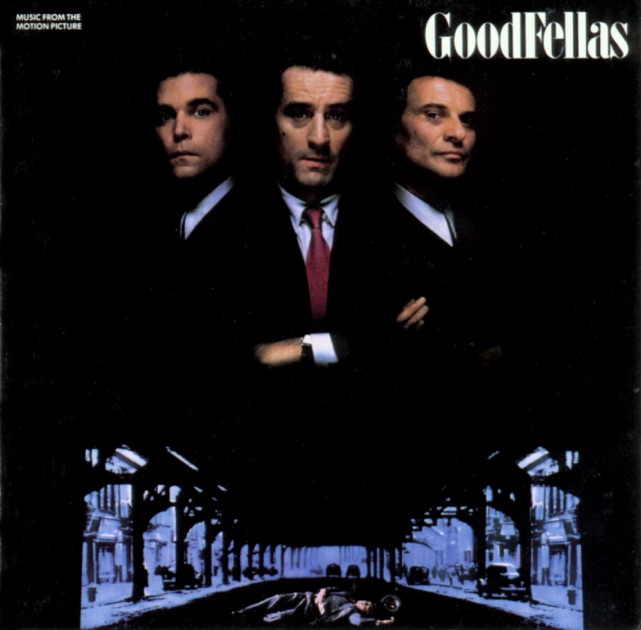 Like Tarantino, Martin Scorsese is one of Hollywood’s best curators, writing music into his scripts rather than punching them all in during post. Goodfellas is, far and away, his best work. The film spans decades and the songs reflect that, changing from doo-wop and soul to muscular rock and roll. Rather than try to wax poetic about how perfect the soundtrack is, here’s an incomplete but still comprehensive list of the featured needle drops: “Rags to Riches” (Tony Bennett), “Can’t We Be Sweethearts” (The Cleftones), “Speedoo” (The Cadillacs), “Then He Kissed Me” (The Crystals), “Roses Are Red” (Bobby Vinton), “Leader of the Pack” (The Shangri-Las), “Baby I Love You” (Aretha Franklin), “Beyond the Sea” (Bobby Darin), “Gimme Shelter” (The Rolling Stones), “Sunshine of Your Love” (Cream), “Layla” (Derek and The Dominos), “Monkey Man” (The Rolling Stones), “What Is Life” (George Harrison), “Mannish Boy” (Muddy Waters), and “My Way” (Sid Vicious). Every thematic beat has its own theme song. What a feat that is. —Matt Mitchell
12. The Graduate (1967)
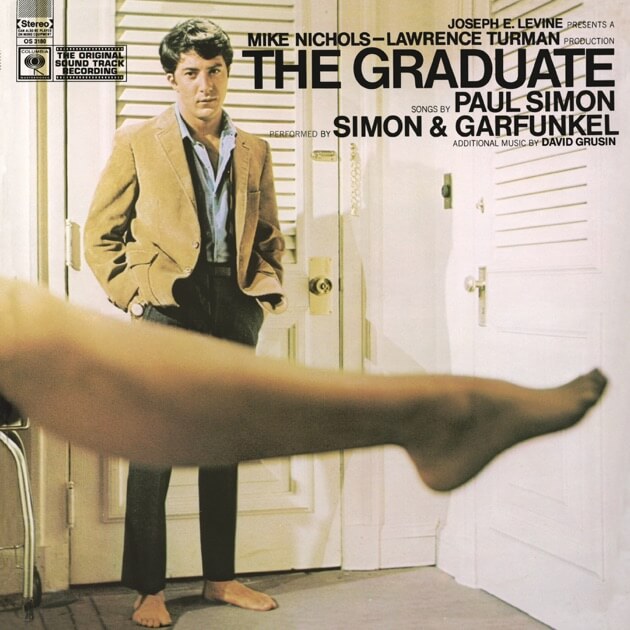 There’s a world in which The Graduate is not set to famous Simon & Garfunkel songs, and a rather feasible one at that. After all, the only reason it worked out this way is because, while waiting for Paul Simon to finally send over the new film-specific tracks he promised Mike Nichols he’d write (spoiler: he never got around to it), editor Sam O’Steen cut scenes with existing Simon & Garfunkel tracks as placeholders—and eventually, it was hard to imagine the film without them. So, sure, there might be an alternate timeline out there where something other than “The Sound of Silence” scores both the opening scene of Benjamin Braddock sad-Charlie-Brown-walking through LAX and those final moments of subtle uncertainty in that municipal bus, but you know what? I’m damn happy it’s not the timeline we live in. “April Come She Will” is the perfect soundtrack for the hollow routine of Benjamin’s affair with Mrs. Robinson, its gentle melody making the emptiness feel almost pleasant; “Scarborough Fair/Canticle” imbues his time spent with Elaine with even more aching tenderness. And no, I’m not forgetting “Mrs. Robinson”—it’s just that, unlike the rest of the soundtrack, this track was written for The Graduate, or at least changed for it. According to the lore, Nichols was still searching for a song to accompany Benjamin speeding his Alfa Romeo down the coast to crash Elaine’s wedding, so he pestered Simon until the musician handed over a half-penned ditty about Eleanor Roosevelt, so unfinished that he just wrote in “doo-doo-doo”s where all the verses were supposed to be. Naturally, Nichols changed “Roosevelt” to a more relevant three-syllable “R” name, and, well, the rest is history. More broadly speaking, what began as essentially a mistake ended up being one of the most transformative uses of pop music in film history. Using already-known, already-beloved songs to soundtrack a brand-new movie ended up creating a sort of palimpsest of emotion: viewers’ pre-existing connections with the songs were then grafted upon the film’s blank slate. Goodbye, orchestral background music; hello, needledrops. —Casey Epstein-Gross
11.Do the Right Thing (1989)
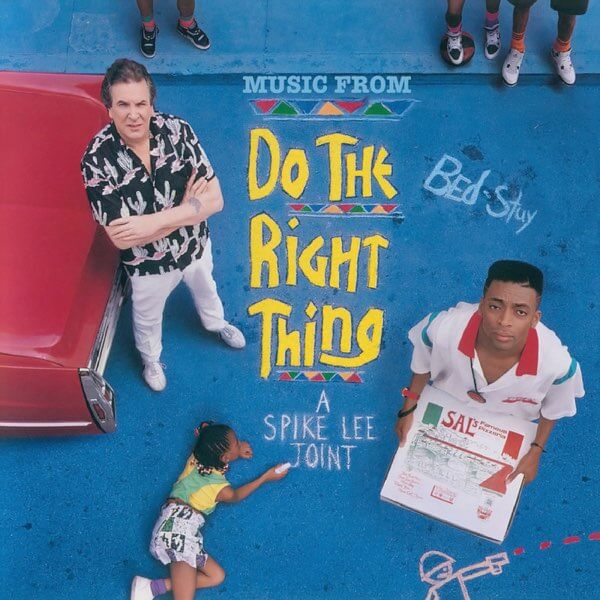 Spike Lee’s 1989 opus Do the Right Thing uses the simmering tension of an urban heatwave as the catalyst for an explosive racial confrontation, and its Bill Lee-led soundtrack is just as potent. Lee, a band leader to many of the jazz and folk greats of the 20th century, compiled a blend of new rap, old-school hip-hop, Motown, reggae, and soul music to mirror the emotional highs and lows of Mookie and his community as the day gets hotter. The soundtrack’s defining song is Public Enemy’s “Fight the Power,” a watershed piece of civil-rights rap that came to define not just the film, but the decades of hip-hop that followed. As it blares from Radio Raheem’s boombox, tensions build between the neighborhood’s Black denizens and its Italian ones. The characters’ shouts collide with Public Enemy’s chorus until Sal smashes the stereo with a hammer. When the music stops, bedlam ensues. Fiery and sharp, “Fight the Power” somehow both defines and transcends the film it was made for. Other standouts include two ballads by R&B goup Perri and a gentle love song from Keith John. Do the Right Thing’s soundtrack sounds like it’s always existed from the heart of Bed-Stuy. The album stands fully on its own. —Miranda Wollen
10. A Hard Day’s Night (1964)
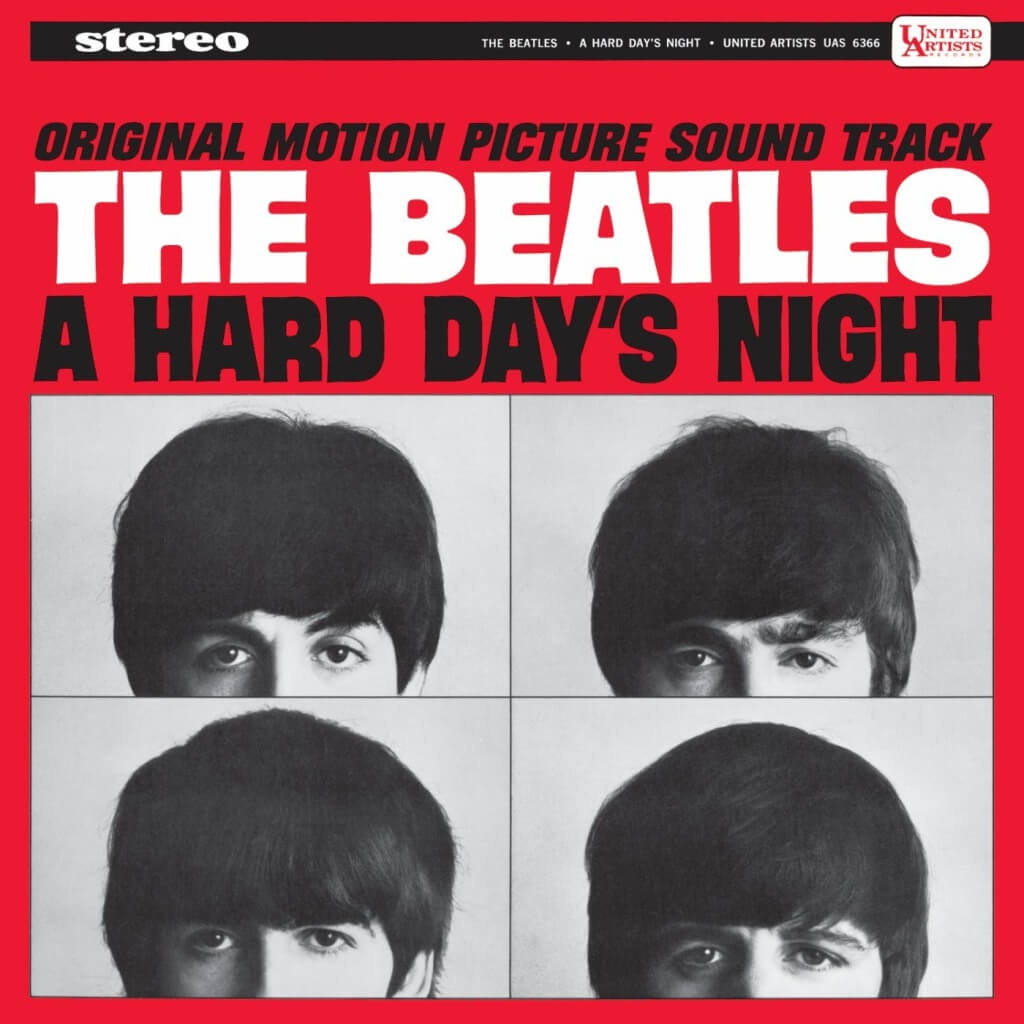 One of the fastest-selling albums of its time, A Hard Day’s Night is the slapstick snapshot of Beatlemania that made the Beatles even bigger stars in 1964. The coolest thing about A Hard Day’s Night is that it’s less a soundtrack than a proper studio album, marking the beginning of the Fab Four’s true ascent into genius. After this, there’s not a bad record in their catalogue. “And I Love Her” ranks among Paul McCartney’s most tender vocal performances, built on gentle acoustic strumming and scant percussion; Macca only has two-and-a-half minutes to express his undying love for a woman, and he minces no words over the course of three verses and a short, but effective, middle eight. “A Hard Day’s Night” is recognizable from that first guitar strum of George Harrison’s Rickenbacker 360 12-string—as important a note in the band’s history as the E major that concludes “A Day in the Life.” “If I Fell” showcases John Lennon and McCartney’s double-tracked co-lead vocals and Harrison’s chiming 12-string guitar, a combination that worked often in the band’s history but never better than right here. And then there’s “Can’t Buy Me Love,” McCartney’s first mad genius number—an argument that his pop hooks were greater than Lennon’s, but that’s a debate for another day. “Can’t Buy Me Love” crossed over from the screen to the charts, having the biggest position jump in Hot 100 history when it went from #27 to #1 in just one week. In the song’s second week at the top of the chart, the Beatles had 13 other songs on the Hot 100 beneath it, many from A Hard Day’s Night. The soundtrack is the pinnacle of one of the greatest commercial runs in pop music history. —Matt Mitchell
9. Trainspotting (1996)
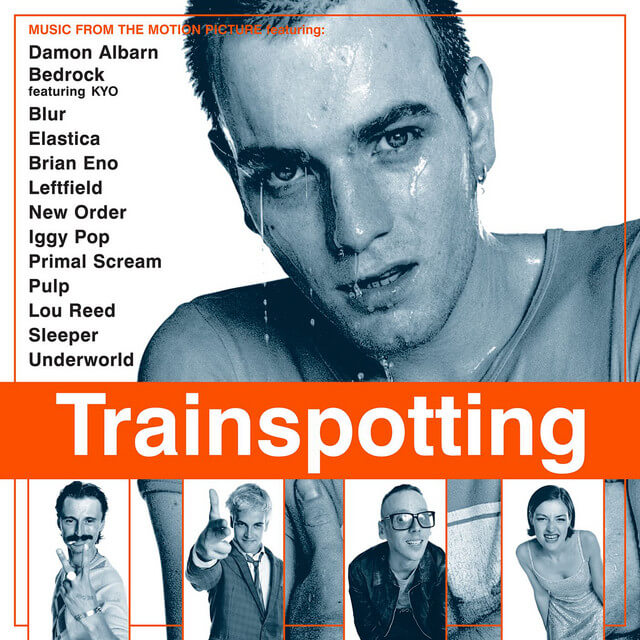 Trainspotting is one of the most visceral depictions of addiction put to screen; it makes me recoil, bolstered by its soundtrack and, at times, made even more hilarious and outlandish by it. The blend of ‘70s rock, Britpop, and the underground techno of the time perfectly captures Mark Renton’s world: the warehouse clubs, the drug dens, the boundless Edinburgh countryside. The Scottish heroin addict spends the runtime trying to escape the scene, perpetually pulled back into the squalor and false comfort that comes with it. It’s a sonic back-and-forth that ping pongs against Renton’s battle against his surroundings, being dragged back down the dark tunnel after desperately clawing his way out. Lou Reed collides with trip-hop and house, recalibrating with Blur and Blondie in between. A song like “Perfect Day” soundtracking Renton’s overdose presents it with equal parts euphoria and dread as he gets dragged out of a cab and plopped in front of the ER. Trance-house cuts underscore his eventual withdrawal, Underworld’s “Dark & Long (Dark Train)” providing that repetitive, disorientating pulse as he hallucinates in his childhood bedroom. When he moves to London to start anew, Ice MC’s “Think About The Way” sets that crisp, metropolitan tone over the city montage, with the film’s neon-sickly palette and kinetic editing moving in lockstep with the music. In the film’s opening scene, kicking off with “Lust for Life,” Renton monologues about the choices we make in life—how some conform, and others drift outside the lines, he and his friends firmly in the latter category. By the time Underworld’s “Born Slippy” kicks in, the speech has turned on its head: I’m going to change. This is the last of that sort of thing. I’m cleaning up and moving on. Going straight and choosing life. The track arrives in a surge of sound and momentum that mirrors Renton stepping into the world with a brand-new sense of wonder and possibility. —Cassidy Sollazzo
8. American Graffiti (1973)
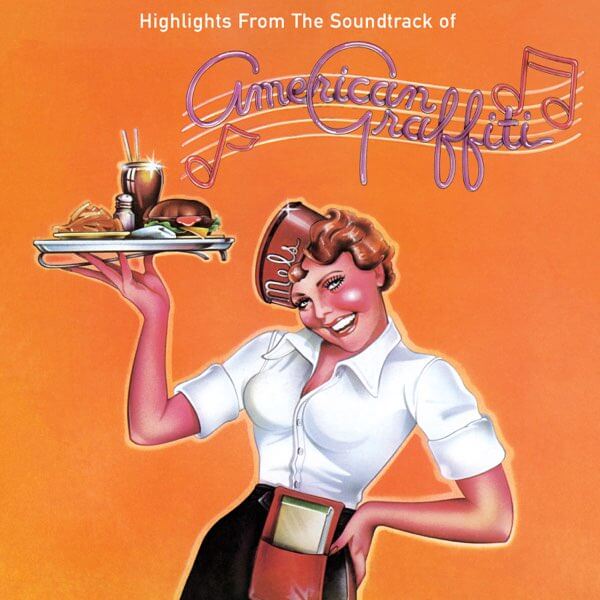 George Lucas took a diegetic approach to the American Graffiti soundtrack, playing every song within the film’s Modesto world while actors delivered their lines. He and Universal spent so much licensing—nearly $90,000 on the featured songs alone—that there was no budget left for a traditional score. Subsequently, the scenes where music is absent or muted are reserved for the heavier beats in the screenplay, enhancing American Graffiti‘s realism: the radio is always going, but you are not always close enough to hear it. At the freshman hop, real-life rock band Flash Cadillac & the Continental Kids perform as Herby and the Heartbeats, adding to that familiar image of a local group tapped to cover radio hits for rooms full of teenagers. American Graffiti just sounds like the period piece it is: Frankie Lymon & The Teenagers, the Beach Boys, Chuck Berry, Buddy Holly, the Platters. Lucas, not yet 30, was already stuck in the wayback machine, sentimental for a summer long gone. The tagline sums it up best: Where were you in ‘62? American Graffiti makes it easy to remember. —Matt Mitchell
7. Rushmore (1998)
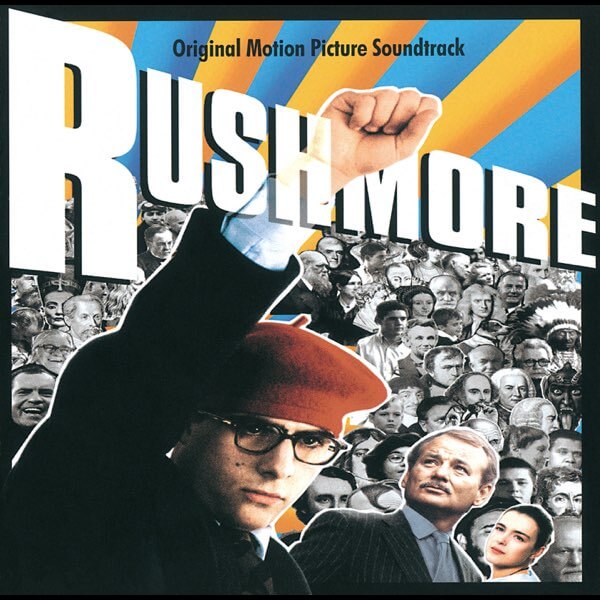 Most soundtracks tend to be decided upon, or at the very least finalized, during post-production. Not Rushmore. Wes Anderson handed Jason Schwartzman a full mixtape of songs to influence his performance as Max long before they ever whipped out the cameras. Music served as a skeleton of sorts for the 1998 off-kilter bildungsroman, informing Anderson’s vision the whole way through. Initially, he pictured an all-Kinks soundtrack, but that fell apart rather fast. Though only one Kinks song ended up in the final cut (“Nothin’ in the World Can Stop Me Worryin’ ‘Bout That Girl”), the impulse to score Max’s oddly preppy teenage rebellion to the tunes of the British Invasion remained the driving force of the film all the way through. The Creation’s “Making Time” barrels through the opening, hinting at the movie’s themes-to-come all the while; The Who’s “A Quick One, While He’s Away” soundtracks Max and Herman Blume’s ever-intensifying battle with enough absurdity to keep their genuine cruelty from becoming unwatchable. That lone surviving Kinks pick plays while Murray sullenly watches his wife flirt with someone else at his own kid’s birthday party; he might cling to that stoic grimace, but Ray Davies’ voice emotes enough for the both of them. At the film’s end, Max requests the DJ play Faces’ “Ooh La La” as he dances with Rosemary, and it’s simply the perfect bittersweet send-off. Unlike some of the other soundtracks on this list, Rushmore’s is not exactly cohesive on its own—sure, it’s got a lot of Brits, but just when you fall into English complacency you’re hit with jazzy, American sax from Zoot Sims or good ole French crooning from Yves Montand. It’s a strange assortment of songs, and when heard in isolation, it seems like little more than a peculiar playlist put together by a group of friends with particularly good taste. But in Anderson’s hands, each song seems to magically slot into place, becoming every bit as integrated into Rushmore’s world as the trees in the schoolyard, the fishtank in the classroom, the red beret on Max’s head—so impeccably tethered to the narrative that for a moment you almost forget the songs exist outside it. —Casey Epstein-Gross
6. Saturday Night Fever (1977)
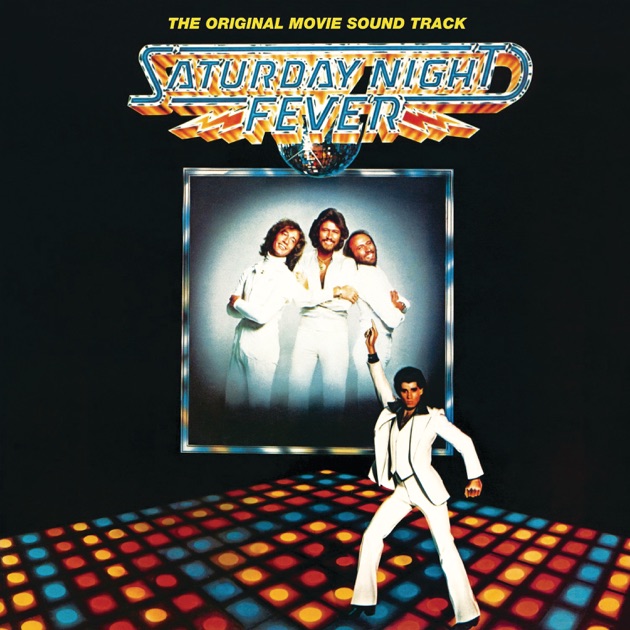 The Bee Gees, composer David Shire, and a host of other ‘70s bands like Tavares and Kool & The Gang crafted an eminently groovy rotation of disco pop for Saturday Night Fever, an equally lively tale about the joy and limitations of escaping onto the dancefloor. Aside from its powerful cultural and commercial impact, the bright production style not only helped offset the darkness of the film’s queasy sexual, gender, and racial politics, but also counteracted the bleak socioeconomic conditions that haunted the gyrationally gifted Tony Monero. Crazy to think the Bee Gees weren’t even initially considered for the soundtrack—songs from Stevie Wonder and Boz Scaggs were apparently used as temp tracks. It was only in post-production that the Australian trio were brought in to write and record their essential contributions. What would Travolta’s iconic swaggering strut down the streets of Brooklyn be without “Stayin’ Alive” playing in the background? Same goes for the scene where he aura farms for a crowd to “You Should Be Dancing” and the one where he leads a group of people in synchronized choreography to “Night Fever,” whose beat was cleverly repurposed from “Stayin’ Alive.” The journalistic origins of Saturday Night Fever’s plot may have been fabricated, but the love and care put into its soundtrack and storytelling are very much real. —Sam Rosenberg
5. Super Fly (1972)
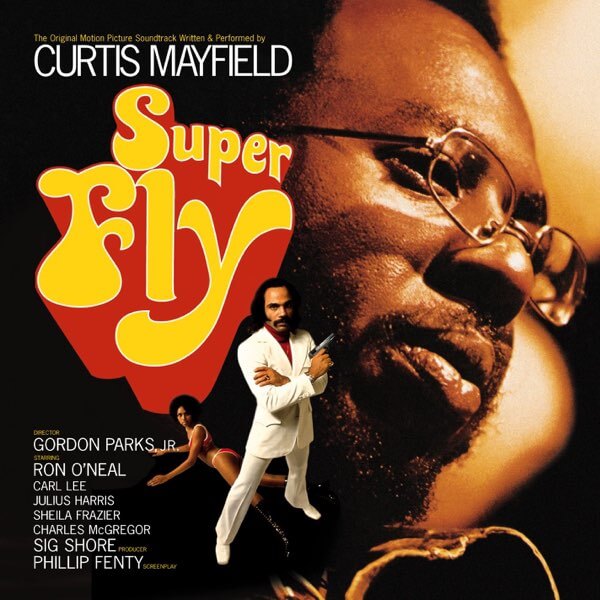 Curtis Mayfield pulled off a rare trifecta with his third solo album: Super Fly was a touchstone of its era, it was highly political and, perhaps as a result of the first two, it was the rare soundtrack album that made more money than the film it accompanied. With an irresistible, highly assured mix of funk and soul, Mayfield offered a searing portrait of the inner-city poverty and desperation that the movie’s conflicted drug-dealing protagonist, Youngblood Priest, is making worse even as maneuvers to escape it. With wah-wah guitar, sharp brass and gooey string arrangements, the nine songs on Super Fly (including the Top 10 singles “Freddie’s Dead” and the title track) helped define the sound of ’70s funk, while Mayfield delivered a timeless message. —Eric R. Danton
4. The Harder They Come (1973)
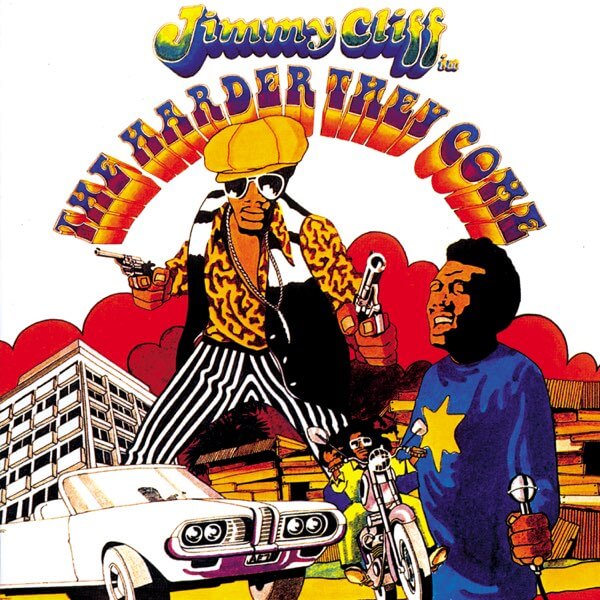 There was a lot more to the early years of reggae than Bob Marley & the Wailers, and the best of the rest is brilliantly summarized on this soundtrack album for one of the best fictional music films ever made. Once they realized they weren’t going to get any Wailers tracks, the filmmakers chose brilliantly. As the charismatic outlaw/singer/star of the movie, Jimmy Cliff sang half the songs, but there’s not a bad cut in the original soundtrack’s dozen. Included are reggae’s best-ever ballad (Cliff’s “Many Rivers To Cross”), best-ever pop hook (the Maytals’ “Sweet and Dandy”), and such one-hit wonders as the Slickers and Scotty. The 2003 “Deluxe Edition” reissue adds a second CD with 18 more songs, as smartly chosen as the first disc. —Geoffrey Himes
3. Inside Llewyn Davis (2013)
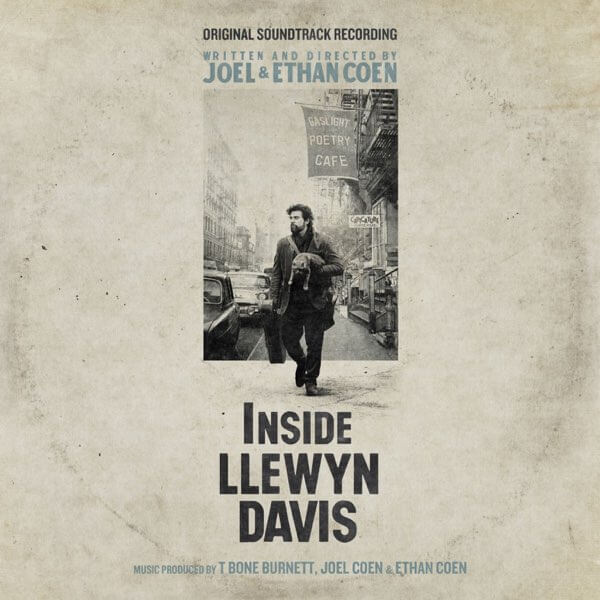 Inside Llewyn Davis could pass for a real recording from the Greenwich Village folk scene 65 years ago. That’s a reflection of T Bone Burnett’s production, but it’s also a reflection of the performances. Oscar Isaac, our titular antihero and Dave Van Ronk stand-in, sings traditional songs like “Hang Me, Oh Hang Me,” “Green, Green Rocky Road,” “The Death of Queen Jane,” and “Fare Thee Well (Dink’s Song)” like he’s not from our world, but from Bob Dylan’s and Pete Seeger’s. Justin Timberlake and Carey Mulligan channel Peter, Paul and Mary on “Five Hundred Miles,” while Timberlake returns alongside Isaac and Adam Driver to deliver the “Please Mr. Kennedy” novelty song (penned for the film by Ed Rush, George Cromarty, Burnett, the Coen Brothers, and Timberlake himself). The Down Hill Strugglers and Punch Brothers make appearances on the soundtrack, too. Everything is time-appropriate and performed with reverence. More than a dramatization of the folk revival, Inside Llewyn Davis is a love letter to it. The characters feel as real in their world as Dylan, Van Ronk, Judy Collins, Phil Ochs, and Joan Baez do in ours. —Matt Mitchell
2. Purple Rain (1984)
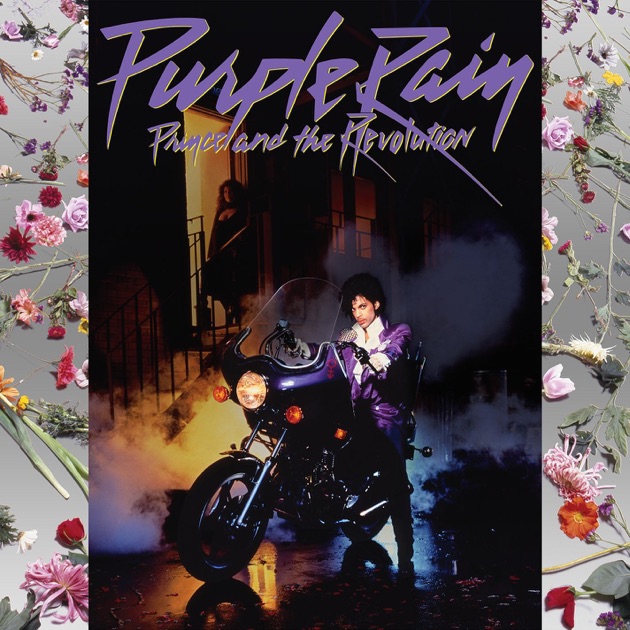 If Prince had quit music after 1984’s Purple Rain, the soundtrack to the film of the same name, he would still be on the Mount Rushmore of American music. His sixth album brought funk to the world of pop, making synthetic music overflow with life and soul. Riding high on the success of 1999, Prince took advantage of his creative freedom and pursued every wild musical idea, from the sermon intro on “Let’s Go Crazy” to the psychedelic meanderings of “Computer Blue” to the scandalous “Darling Nikki,” a weird, noisy ditty that somehow found its way onto radio. But nowhere are Prince’s talents—as composer, producer, guitarist, vocalist, visionary—on better display than “When Doves Cry,” the song that would turn the Purple One into a global superstar. Add in the pop perfection of “I Would Die for U” and the gut-wrenching title ballad, and it’s a miracle that he actually topped this three years later. —Josh Jackson
1. Pulp Fiction (1994)
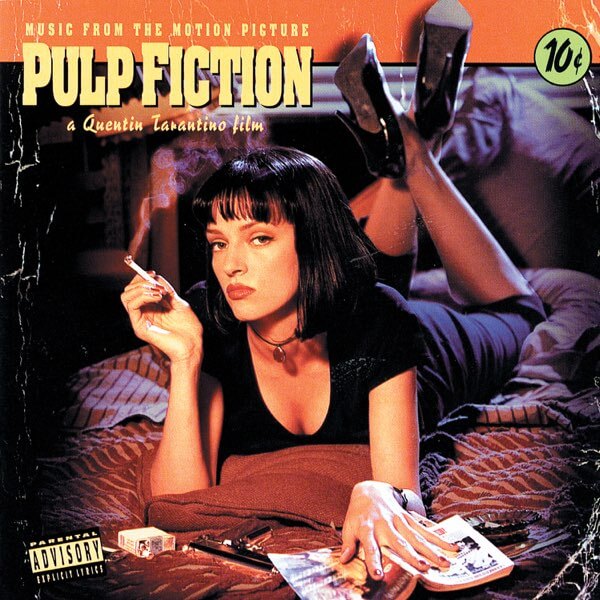 One of the reasons Tarantino’s Pulp Fiction soundtrack works so well is that it lets us know where in this world we are and who we are dealing with. As hitman turned apprentice shepherd Jules later assures, “That’s Kool & the Gang,” so why should he and partner Vincent, looking nothing like dorks in their suits leftover from Reservoir Dogs, enter our purview to any less funky an intro than Kool’s “Jungle Boogie?” In a more soulful vein, their boss, Marsellus Wallace, negotiates a fixed boxing match in an Inglewood strip club as R&B legend Al Green’s “Let’s Stay Together” wafts through the room, the mobster’s brute speech in no way softened by the soul singer’s strained lover’s plea. Basically, if we hear anything that could’ve been on Soul Train in the ‘70s, we know not to fuck with those present. Similarly, Mia Wallace lives adjacent to this cold-blooded underworld in a time machine where she can play Dusty Springfield to Vincent’s Billy Ray (“Son of a Preacher Man”) and twist to Chuck Berry (“You Never Can Tell”) and ‘50s sock hop fare between $5 shakes and trips to the restroom to powder her nose. It’s all neat and tidy with a soundtrack to match until the pulp starts to hit the proverbial fan. Cue the surf music. Only Quentin Tarantino would hear surf rock pioneer Dick Dale and his Del-Tones’ hang-10 version of Eastern Mediterranean traditional “Misirlou” and instantly associate those sounds with Ennio Morricone, Sergio Leone and Spaghetti Westerns. And yet, after 30 years of hearing Dale’s visceral tremolo picking and an emphatic “Ha, ha, ha” reverberating over Pulp Fiction’s titles, it’s impossible not to feel like we’re entering a wild, wild west of sorts where a different set of rules run the game. —Matt Melis
 Keep scrolling for more great stories.