
All 19 Rush albums, ranked worst to best
The prog-rock pioneers have tried a bit of everything, from crunchy riffs to gleaming New Wave grooves to orchestral-rock ballads.
Photo by Fin Costello/Redferns
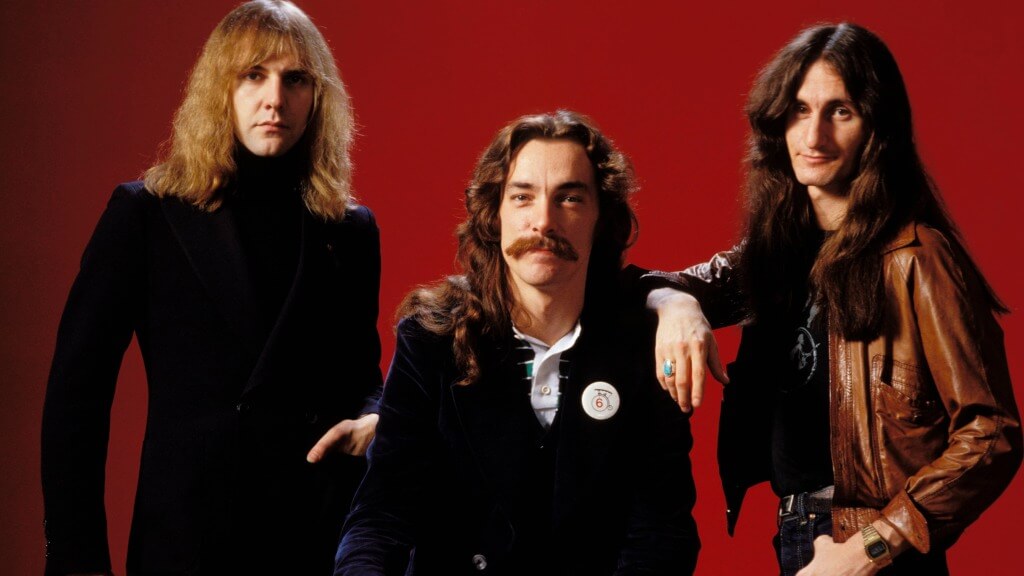
When you dare to rank the Rush catalog from worst to best—pitting “Digital Man” against “New World Man,” “Red Lenses” versus “Red Barchetta,” “2112” opposite “Force Ten”—you make yourself vulnerable to the pitchforks of righteous prog-rock nerds. (I can use that term liberally, as I happen to be a member of said group.) But this is a challenging body of work to evaluate, no matter how delicately you approach it.
The Canadian trio—singer-bassist Geddy Lee, guitarist Alex Lifeson, and (for four unrivaled decades) drummer-lyricist Neil Peart—assembled some of the most complex music ever blasted on your local classic-rock station, navigating through wild time signatures and elaborate song structures with virtuoso chops. The riveting guitar solos, the heavy bass grooves, the intricate tom-tom fills—it’s rightly the stuff of legend. But what made Rush extra special isn’t the playing, per se—it’s how, at their best, they’ve managed to make even their most extreme moments of excess feel accessible. Moving Pictures belongs on a Prog Mount Rushmore because it’s intellectually satisfying, ultra catchy, and poignant.
When Rush nailed that precise sweet spot, they were untouchable. But what about the albums in the cracks—is the New Wave era superior to the earlier, gruffer era? Were those nods to grunge a mistake? There’s a lot to unpack. Now, a handful of dates into their first tour in eleven years—joined by drummer Anika Nilles, admirably filling the un-fillable drum throne of the late Neil Peart—there’s never been a better time to try. Here are all nineteen Rush albums ranked worst to best.
19. Roll the Bones (1991)
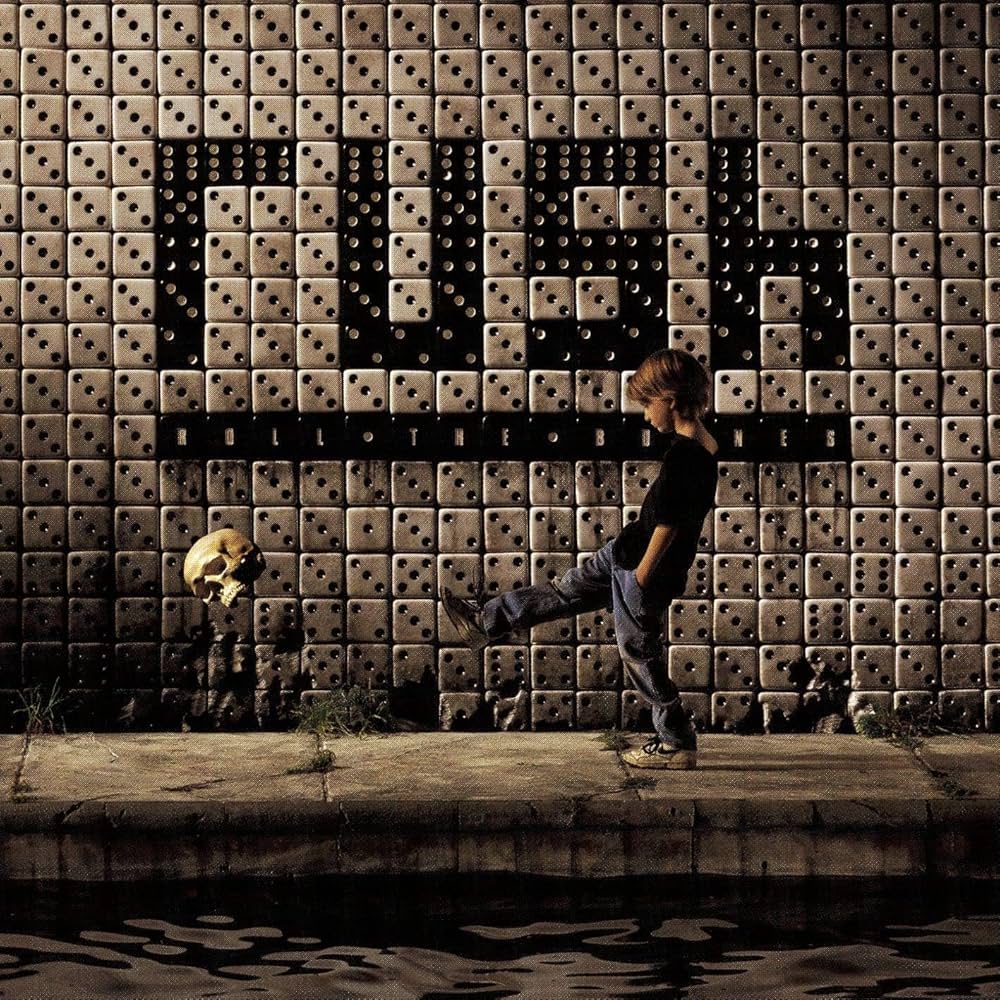 Roll the Bones, Rush’s fourteenth album, kicked off their 1990s with a thud. There are minor gems here, of course, including the seductive power-ballad “Bravado”—a current-tour setlist staple. But many of its songs are split between two camps: ones that are pleasantly generic (“Face Up”) and those that are actively cringe-worthy (the title track, featuring Lee’s awkward, pitch-dropped pseudo-rapping.)
18. Test for Echo (1996)
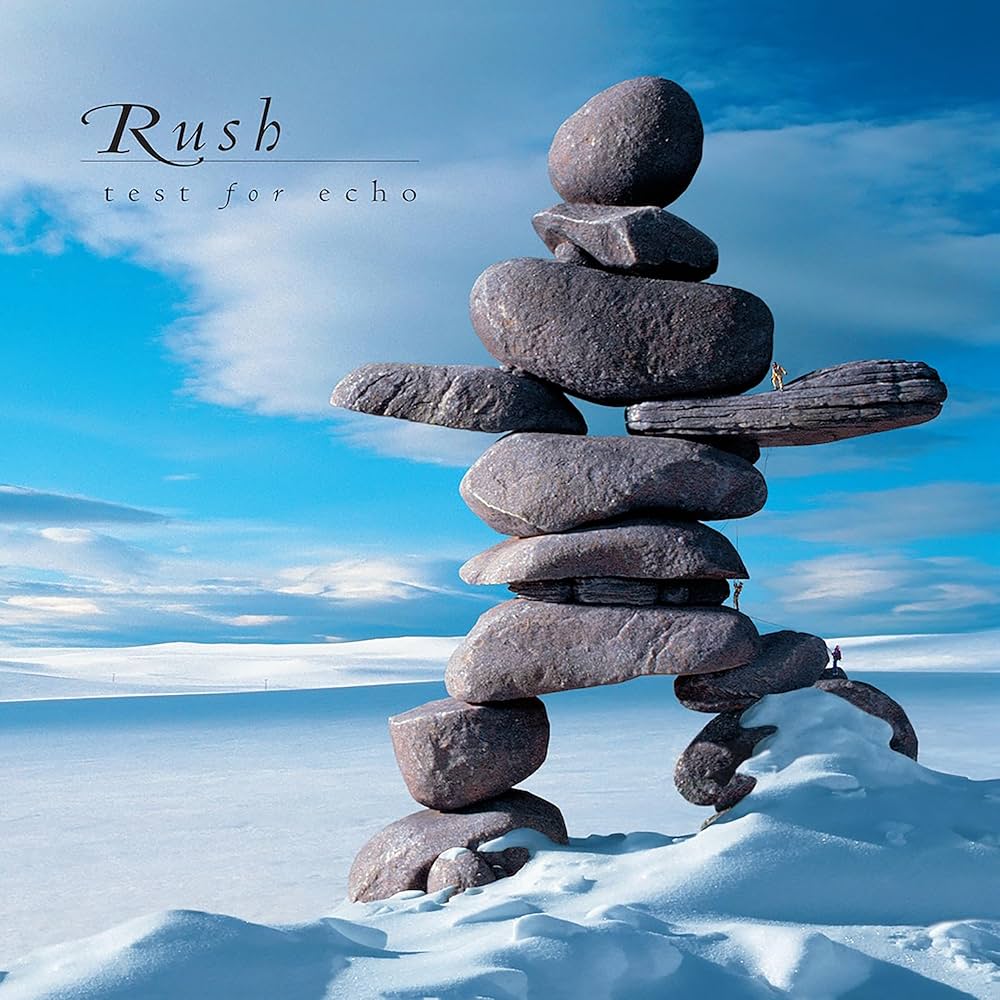 The nineties were a clear low point for Rush—but not because they were afraid to evolve with the times. Too often, the material just wasn’t there, like on the somewhat anonymous grunge-prog concoction “Time and Motion.” A couple highlights did sneak through, including the sleek but dramatic title cut, which topped Billboard’s Mainstream Rock Airplay chart.
17. Rush (1974)
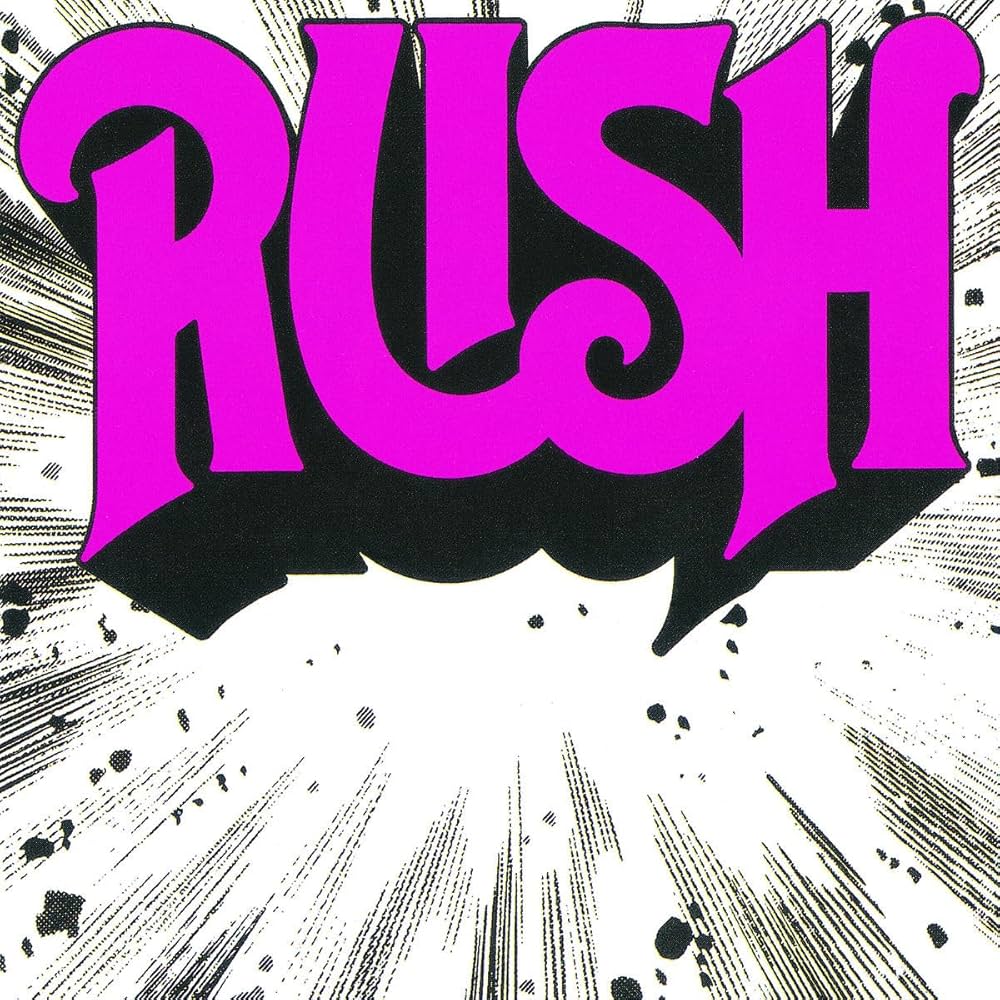 Humble beginnings: Rush’s self-titled LP, their only outing with original drummer John Rutsey, leans into the Led Zep-isms that defined their embryonic, less original pre-prog era. A few essential tunes elevate it above the scrap pile—including the horns-up set list staple “Working Man,” built on one of the heaviest guitar riffs of its vintage.
16. Hold Your Fire (1987)
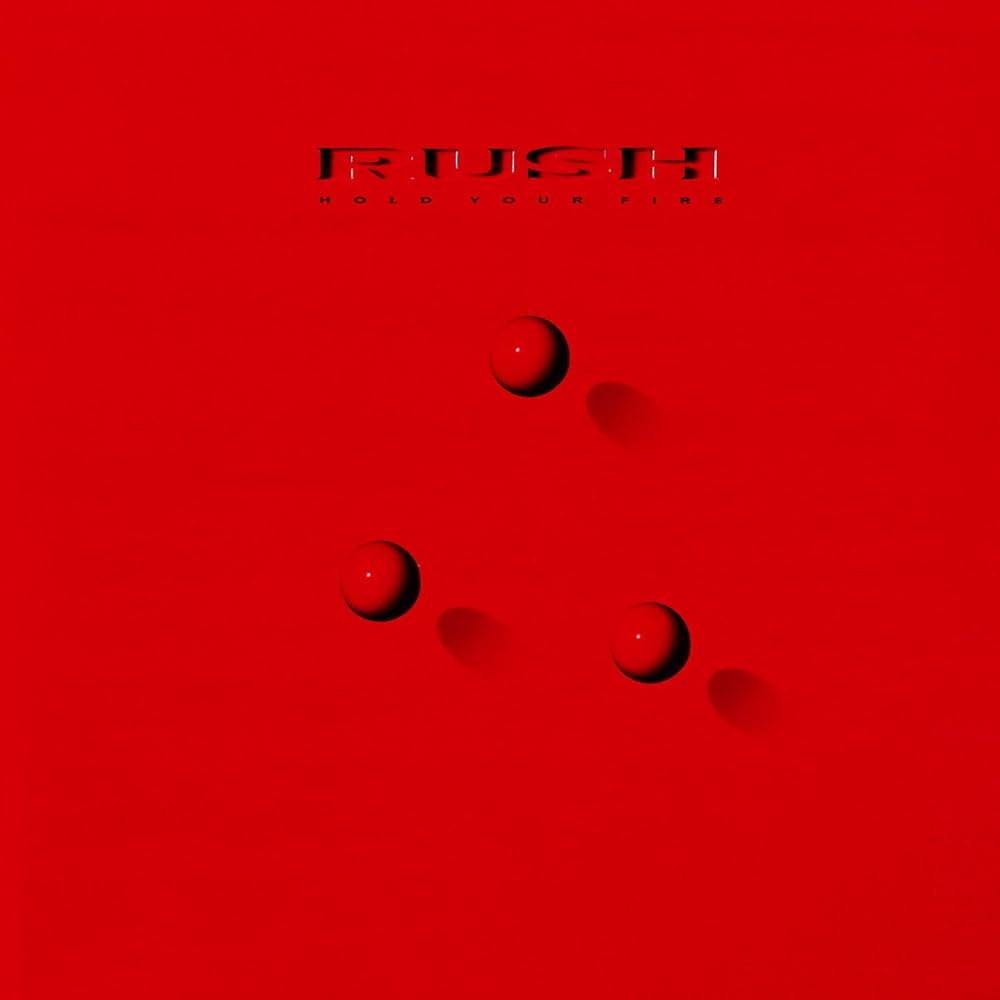 The good news: “Time Stand Still,” an early highlight on the current tour, is one of the most transcendent prog-pop songs ever recorded, filled with enough melodic hooks and inventive playing to justify double the length. The bad news: The album’s softer production muzzles some of their muscle, and even though they deserved credit for pushing themselves, the out-of-character synth-flute ballad “Tai Shan” still feels like an experiment best left shelved.
15. Vapor Trails (2002)
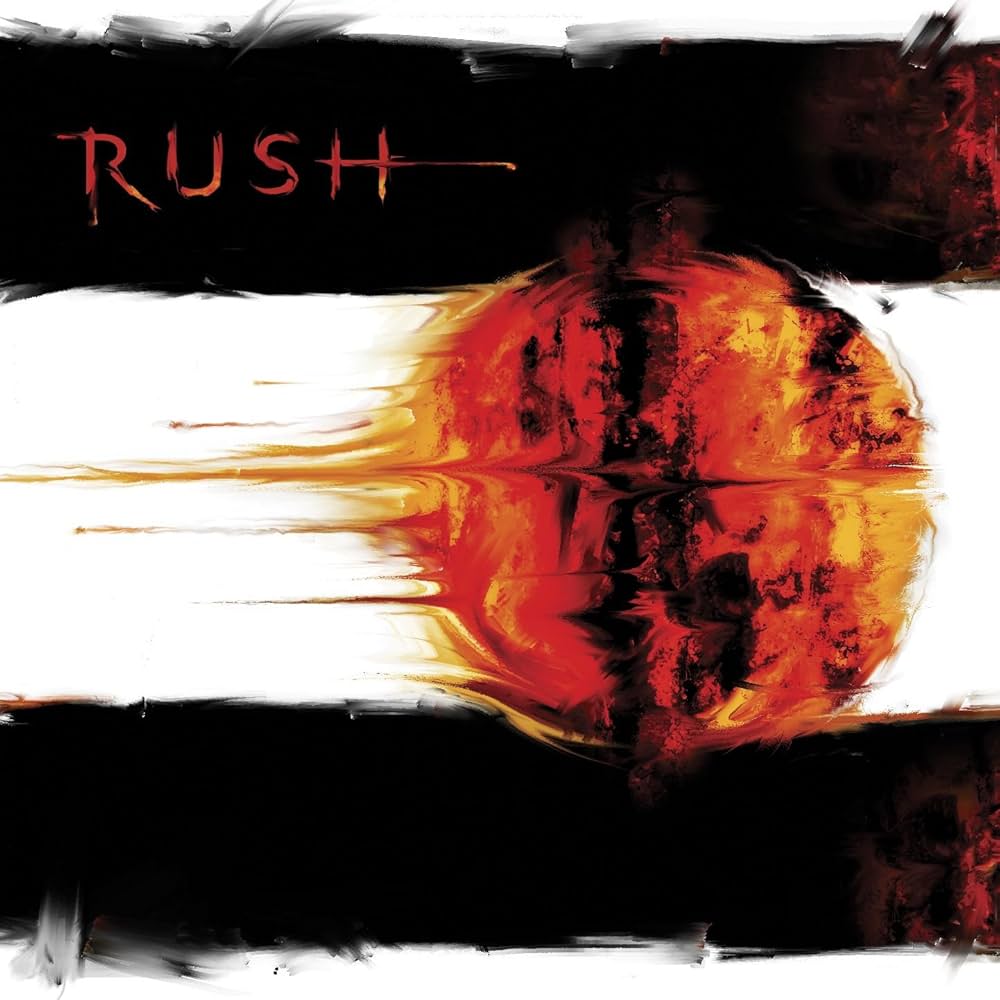 Album seventeen emerged during an unimaginably painful stretch, following the tragic deaths of Peart’s daughter and common-law wife. That they eventually made any music is a heroic act under the circumstances. The lean-and-mean Vapor Trails certainly has sparks of wonder: the psychedelic “Earthshine,” the shimmering alt-rock expanses of “How It Is,” the moments where Lee flips into a spry falsetto on “One Little Victory.” But many of these songs feel like warm-ups for their true return to form on follow-up Snakes & Arrows.
14. Caress of Steel (1975)
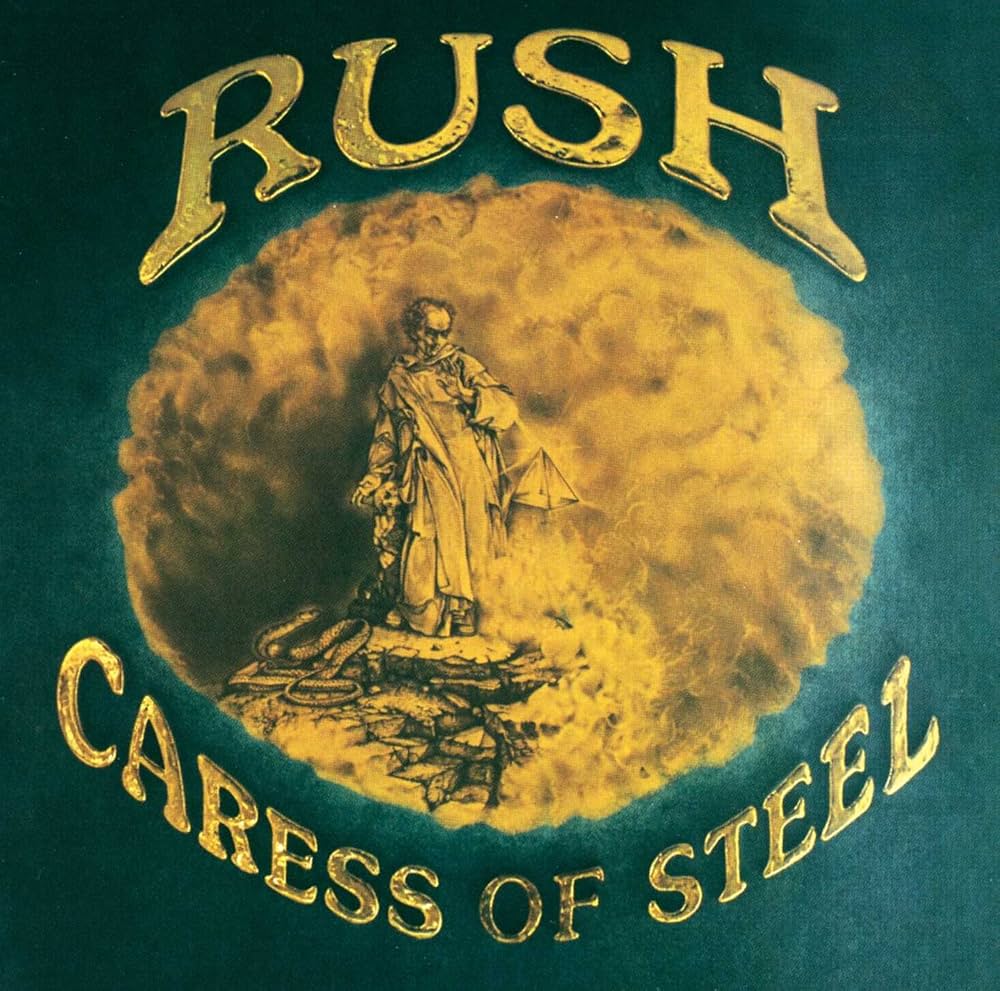 Caress of Steel has plenty of haters—understandable, given that it contains the bludgeoning and boring blues-rocker “I Think I’m Going Bald” and two of their most indulgent epics, “The Necromancer” and “The Fountain of Lamneth.” But Rush’s confusing third LP does offer two obvious home runs: the wistful “Lakeside Park” and the heroically marching “Bastille Day.”
13. Presto (1989)
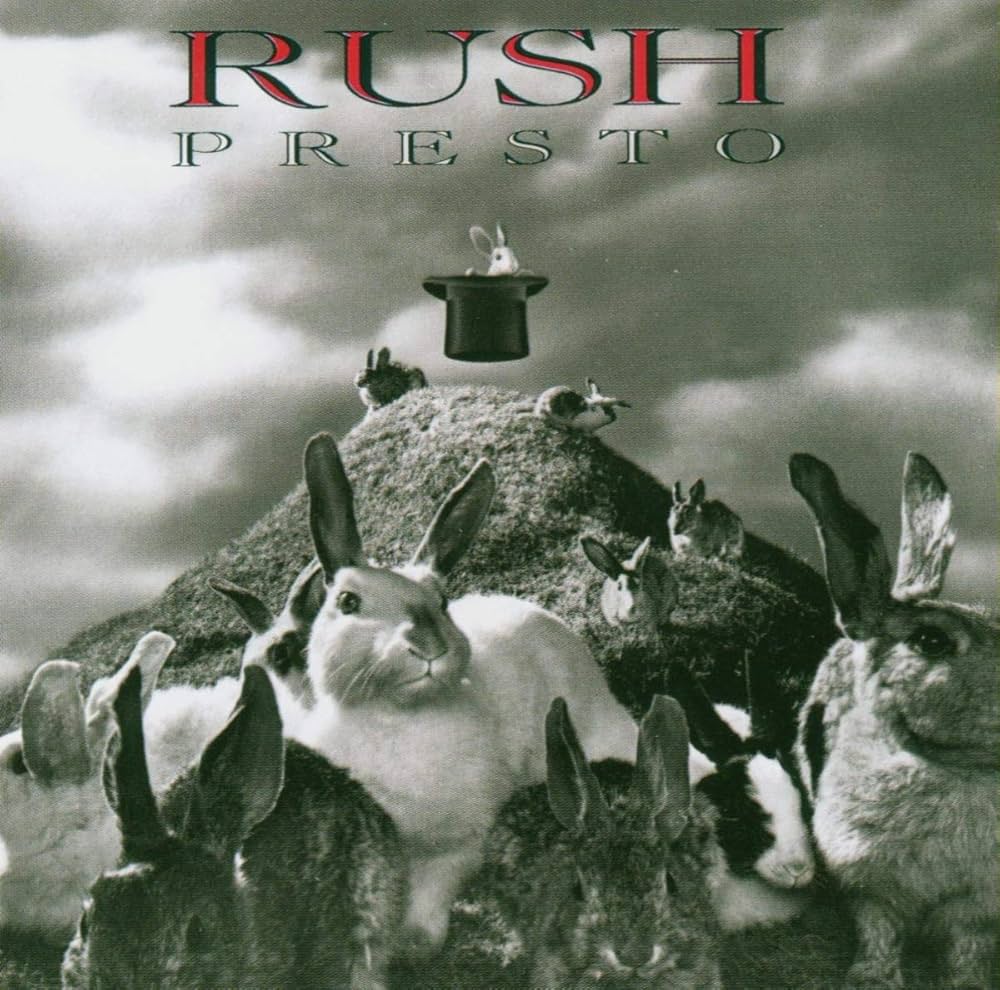 Paring back the synthesizers that dominated their mid-80s work and pushing Lifeson’s textured guitars back out front, Presto rips from the jump: “Show Don’t Tell” is delightfully funky and soulful, and “The Pass” is one of the most moving moments in their catalog, with a starlit arrangement framing a poetic mediation on darkness and tragedy. But they aren’t all winners: “Red Tide,” for one, teeters uncomfortably close to adult-contemporary.
12. Counterparts (1993)
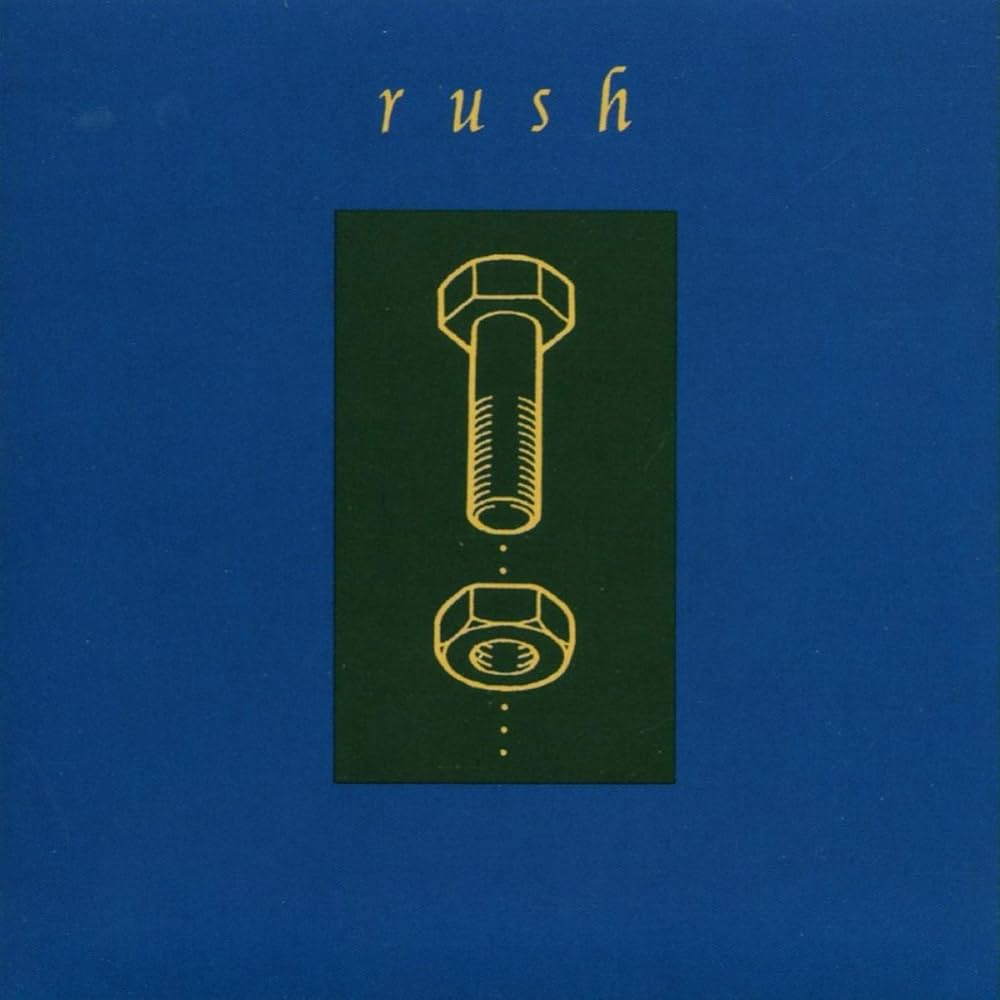 After the uninspired Roll the Bones, Rush largely rebounded with their fifteenth record, which veers into a more aggressive sound on highlights like “Stick It Out” and “Animate.” But it wasn’t all post-grunge propulsion: The Grammy-nominated instrumental “Leave That Thing Alone” makes room for jazzy drum interludes, pulsating synths, and a sublime Lifeson solo.
11. 2112 (1976)
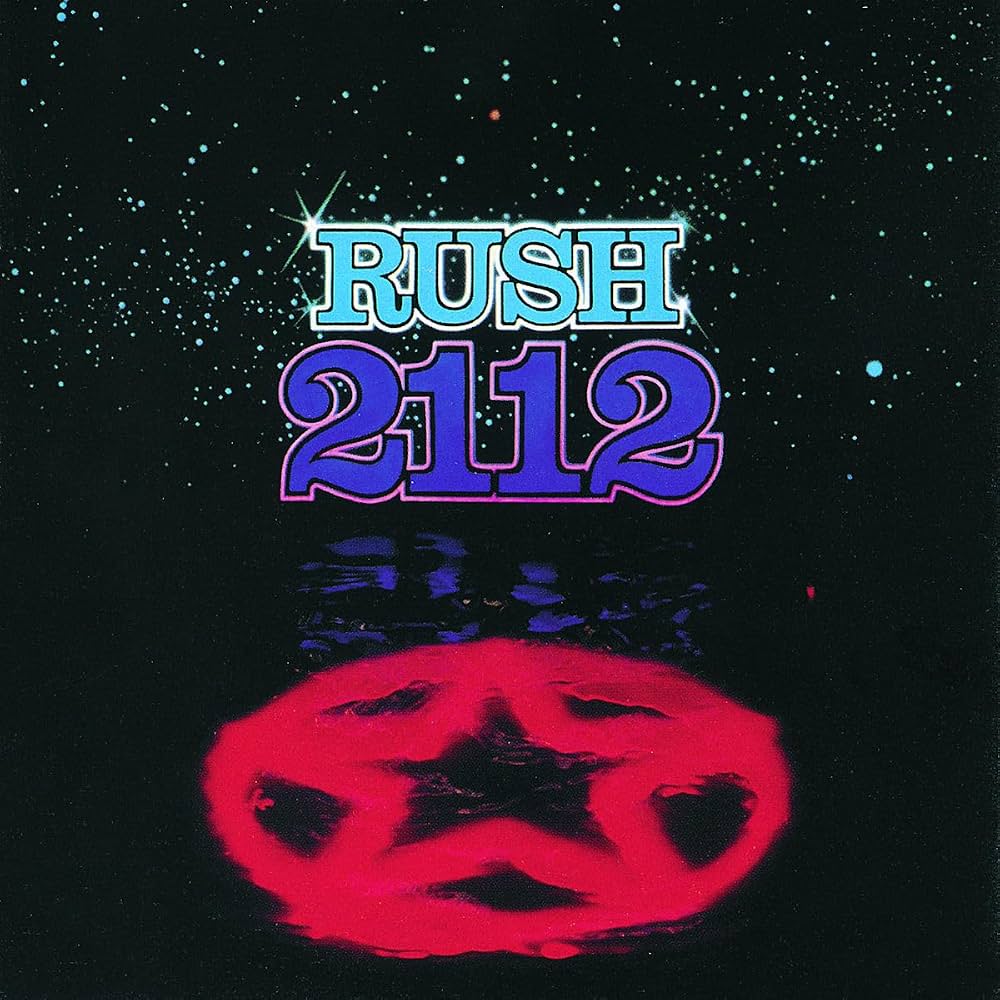 Even if diehards find this opinion sacrilegious, Rush breakout concept LP is neither as cohesive or minute-to-minute memorable as the handful of seventies prog classics that followed. The dystopian sci-fi storyline of the side-spanning title track can be tedious (see: “Discovery,” where our protagonist finds a guitar and attempts to play it—poorly), and Lee’s highest yelps often fatigue the ear. Luckily, that twenty-minute journey is still loaded with killer hard-prog riffs, and side two’s “A Passage to Bangkok” strings together what sound like thinly veiled weed references into a blast of punchy, hooky fun.
10. Snakes & Arrows (2007)
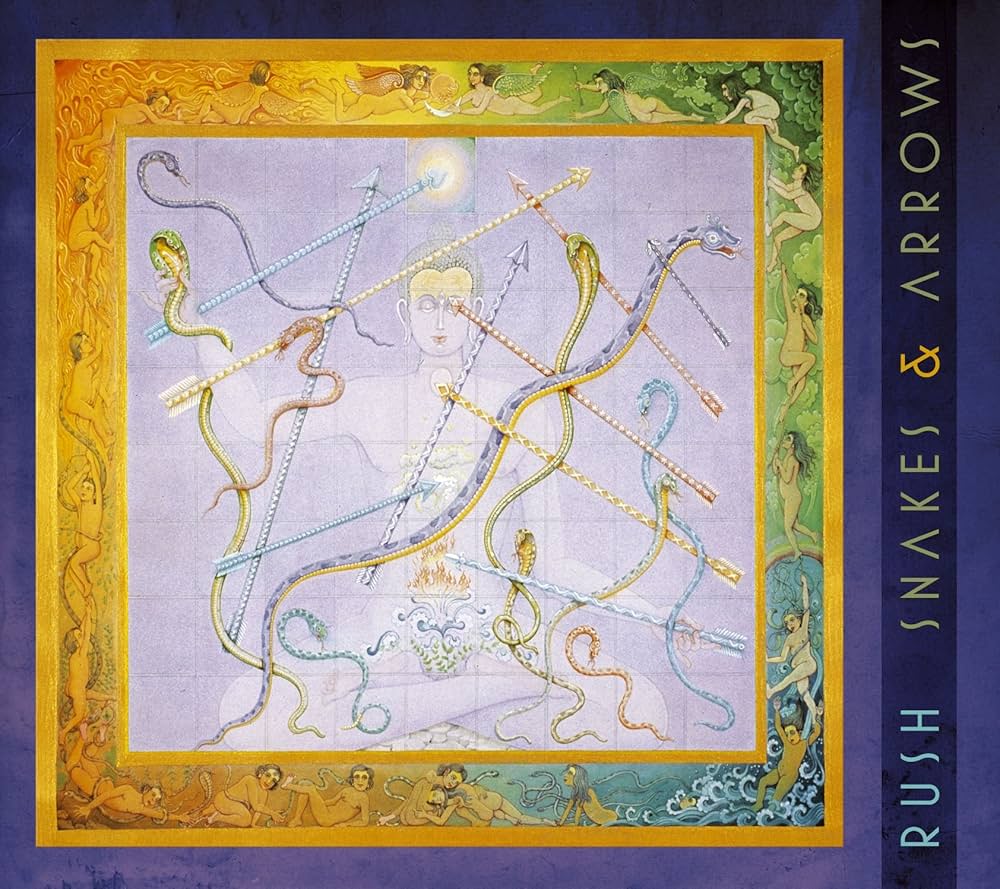 On Snakes & Arrows, Rush teamed for their first of two projects with co-producer Nick Raskulinecz (Foo Fighters, Deftones). Entering the sessions already a huge fan, he pushed the trio to embrace their, well, old-school Rush-ness: bringing back Moog Taurus bass pedals and mellotrons, re-embracing instrumentals (all three here are of top-shelf quality, including Lifeson’s ultra-short and folky twelve-string reverie “Hope”). Not everything works on Snakes & Arrows, but even the weakest moments sound richly produced and noticeably invigorated.
9. Clockwork Angels (2012)
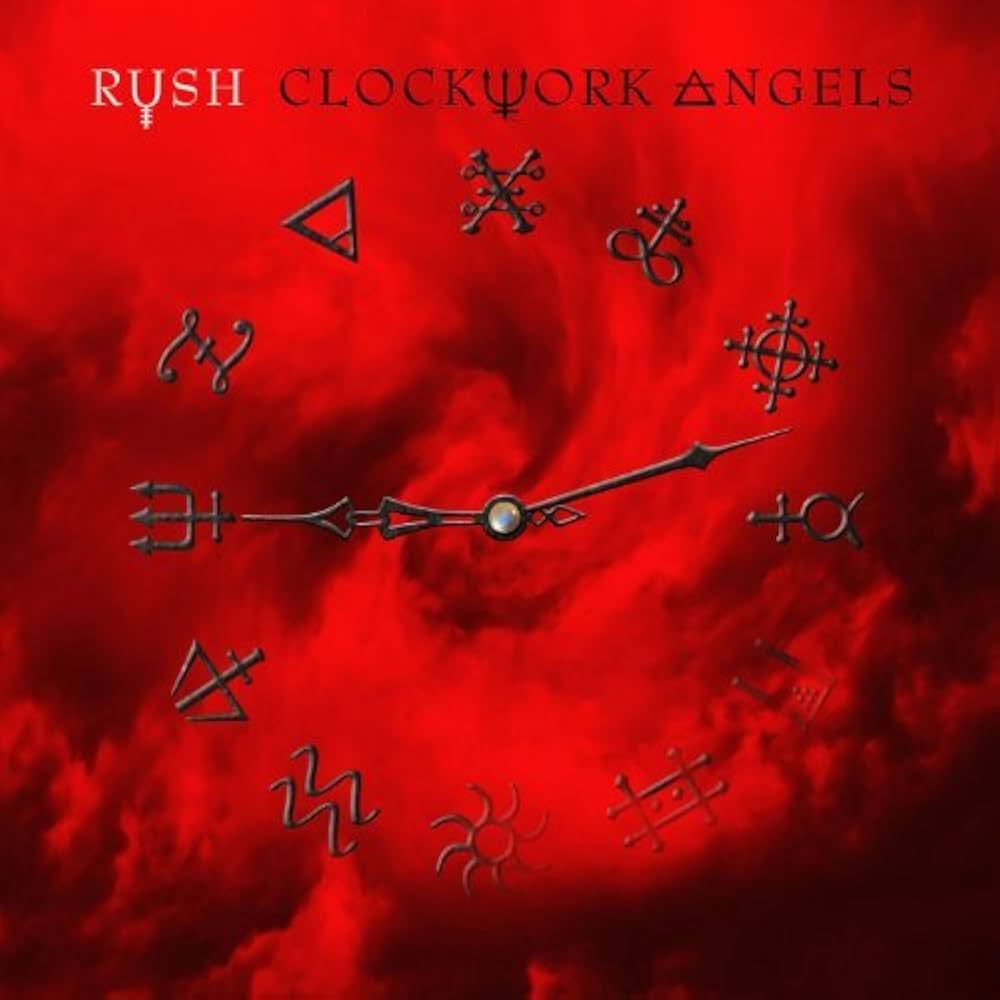 Rush’s nineteenth album was also Peart’s swan song—and beautiful final monument to both his drumming and lyric writing. They also rarely sounded more in sync as a trio: Tied together with steampunk-styled imagery, Clockwork Angels is both grandiose and heavy, balancing some of their most intense riffs in decades (“Caravan”) with stirring and delicate melodies (closing orchestral-rock ballad “The Garden”).
8. Power Windows (1985)
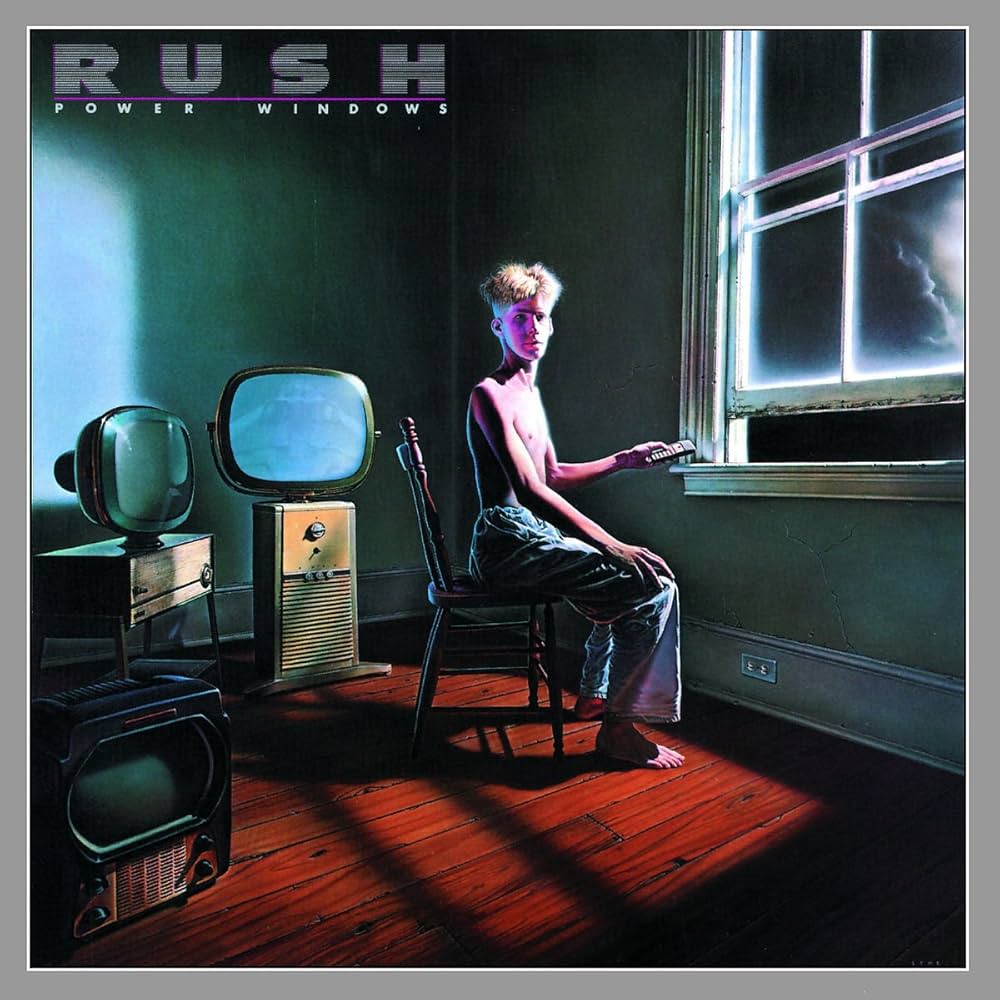 Fans who direct their ire toward this boomy, synth-splattered decade are probably most allergic to the band’s eleventh album, which defines the entire “’80s Rush” experience. (Just look at that video for bass-powered single “The Big Money,” with its cheesy visual effects Lee’s massive hair.) But despite some occasionally over-the-top keyboard gloss, Power Windows brings the goods: enormous hooks (“Middletown Dreams”), inventive playing (the fittingly titled “Mystic Rhythms”), and state-of-the-art production that always sounds powerful even at its most lightweight.
7. Fly By Night (1975)
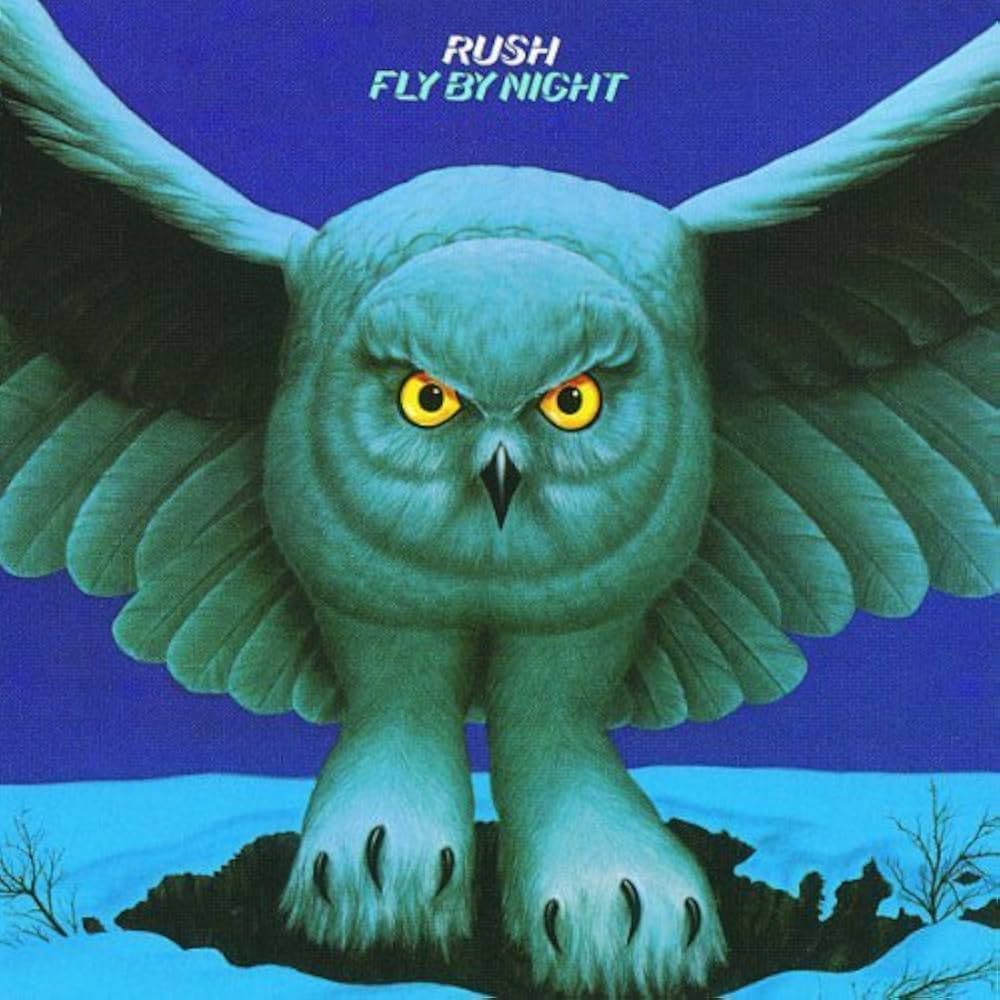 Even if the self-titled debut had some righteous riffs, Rush didn’t feel like Rush until their quickly recorded follow-up, the first to feature their beast behind the kit. With Peart in the mix, the songs naturally grew proggier and more technical (see: the eight-minute “By-Tor and the Snow Dog”), though still powered by the ferocious hard-rock energy that made Rush so intriguing. There are a few real anthems here, including, well, the dynamic “Anthem” and the endlessly fun title cut.
6. Grace Under Pressure (1984)
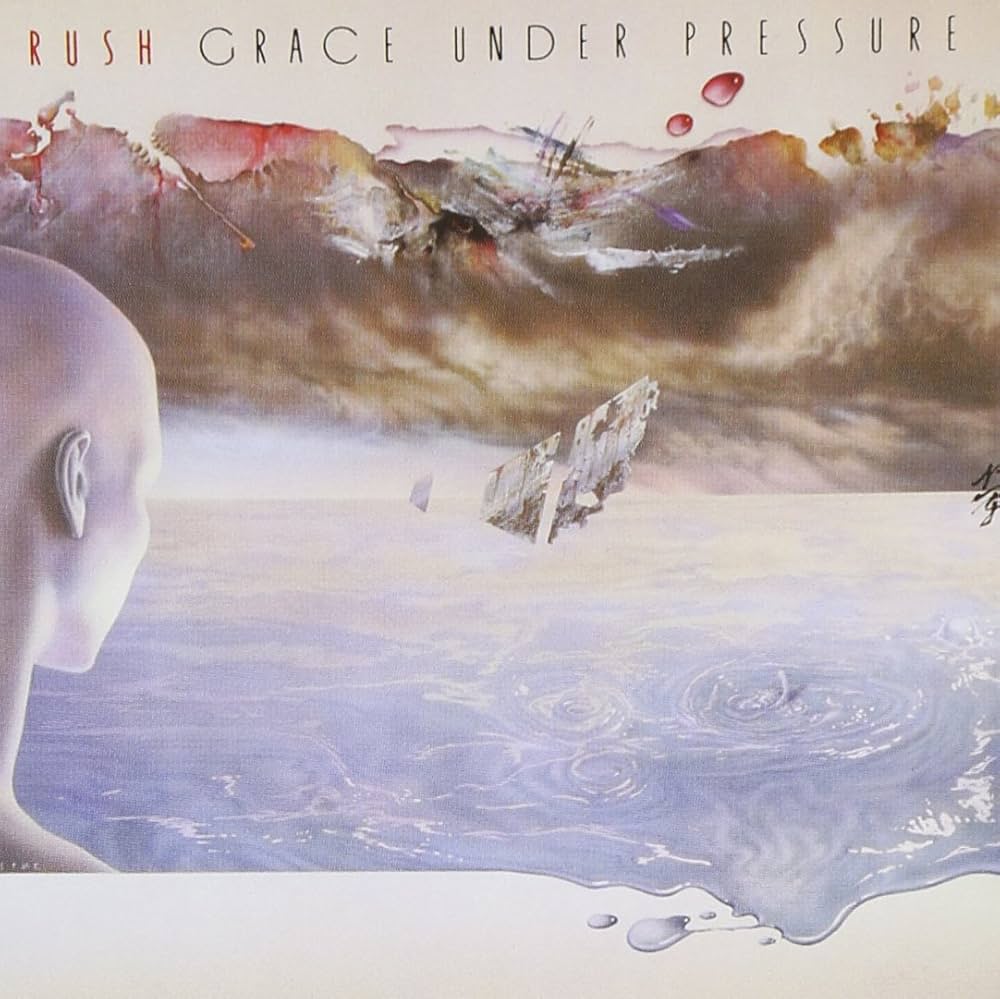 Grace Under Pressure is a strange album—though it’s widely regarded as a “return to guitars,” the songs feel more atmospheric and less visceral than their back-to-back early eighties classics, Moving Pictures and Signals. (Notably, Grace marked a major personnel change: It was their first and only team-up with co-producer, following a run of fruitful collaborations with Terry Brown.) Perhaps as a result, not as many melodies or riffs emerge from the stormy swirl. But it’s still a captivating listen from start to finish, and the big moments hit really hard, like the chiming delay-pedal powerhouse “Kid Gloves” and the battering-ram synth-rock attack of “Distant Early Warning.”
5. Signals (1982)
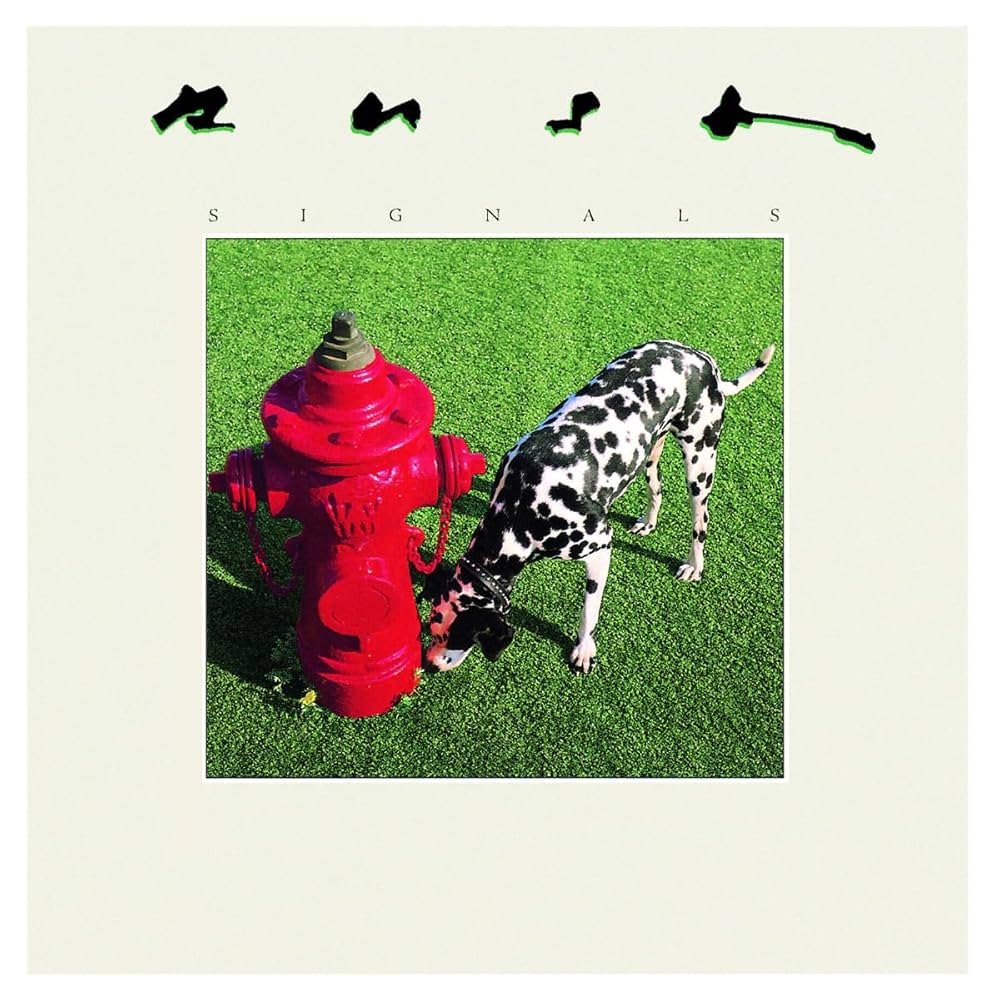 Despite fizzling out with the relatively aimless “Countdown,” Signals still manages to crack the top five thanks to the album’s otherwise colorful and cinematic songwriting. “Subdivisions” is a perfect Rush song, with hair-raising synth sounds and haunting lyrics about teenage alienation. The Police-like “Digital Man,” with its vaguely reggae rhythms and insanely groovy bass line, showcases the sheer sound these three dudes could produce. Plus, along with its predecessor, 1981’s Moving Pictures, it’s one of the most beautifully recorded LPs in rock history.
4. Permanent Waves (1980)
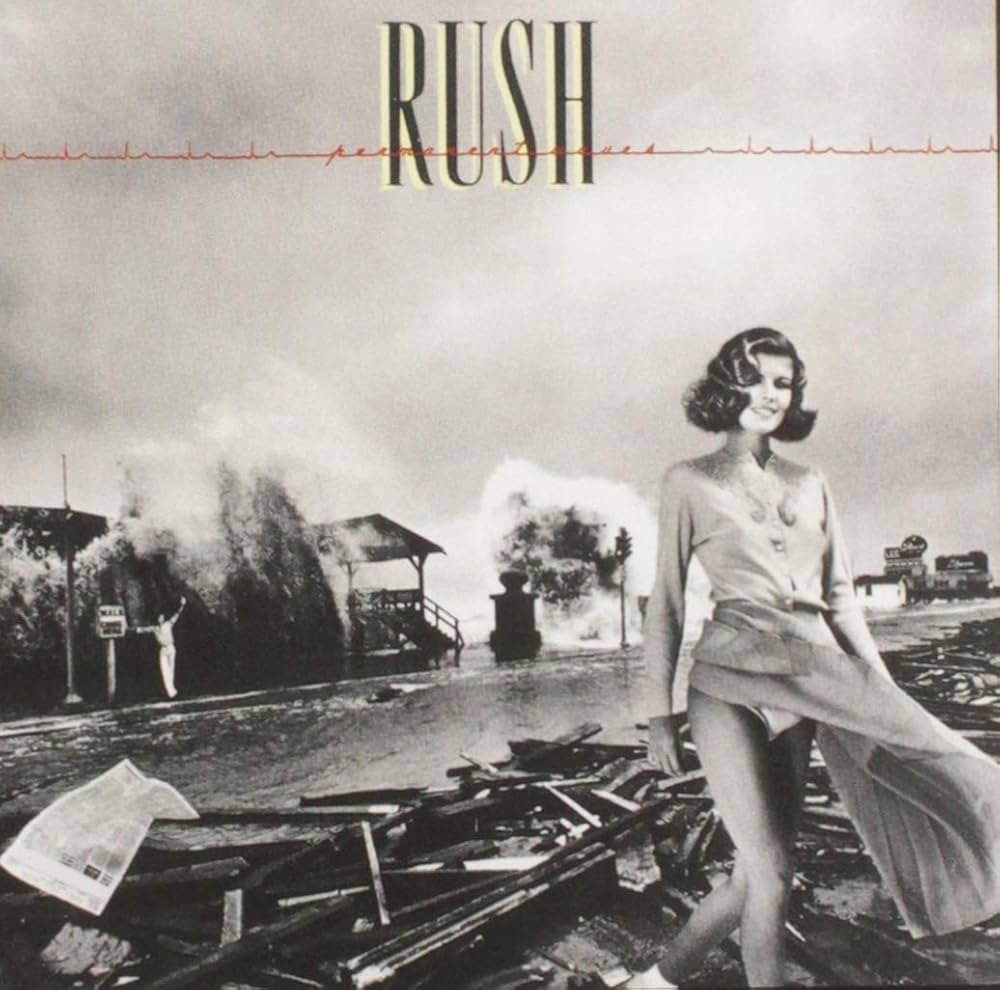 I’ve been testing out vintage speakers recently—and no matter the setting, setup, or frame of mind, this album has always sounded incredible from the jump, with “The Spirit of Radio” crashing through the gate with Lee’s sweetly soulful bass, Peart’s signature ride-cymbal grooves, and Lifeson’s squirrelly hammer-on riffs. Rush take advantage of that perfect engineering with some of their tightest playing and songwriting—songs equally suited for prog-loving air-drummers and casual fans who just want a snappy hook or two. On one end of the spectrum is “Freewill,” another heavyweight rocker; on the other is “Jacob’s Ladder,” a brooding epic with metallic, mind-bending guitar leads. Crank it all.
3. A Farewell to Kings (1977)
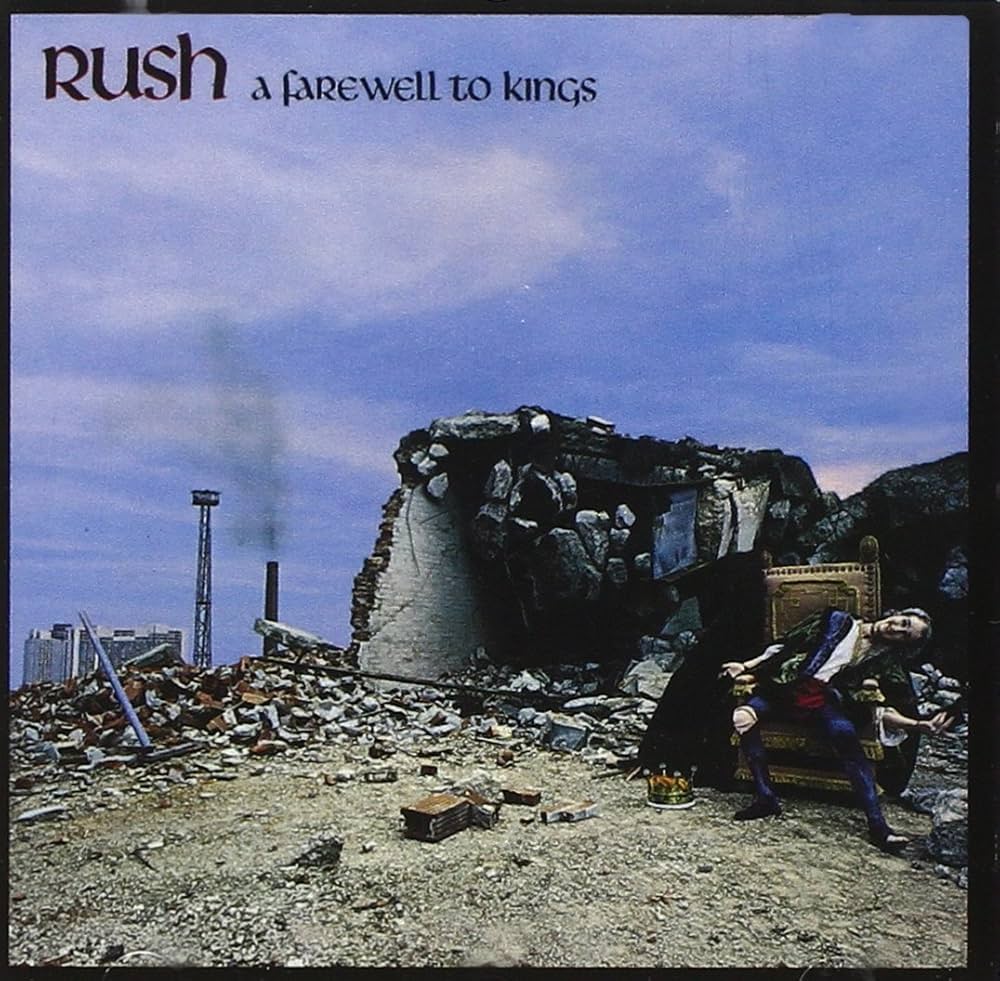 A Farewell to Kings is the moment when everything clicked. Having elevated their chops as road warriors, and riding a wave of confidence after the modest commercial success of 2112, they holed up in the studio with a stockpile of fancy new toys (Minimoog, bass pedals, classical guitars, and Peart’s array of temple blocks, tubular bells, and other percussion) to craft their first of several masterpieces. If Rush were a hard-rock band with prog ambition on 2112, those labels had now flipped: Both “Cygnus X-1 Book I: the Voyage” and “Xanadu” are multi-part suites that earned their expansive run times, animating ambitious fantasy narratives with tasteful melodies and giddily shifting arrangements.
2. Hemispheres (1978)
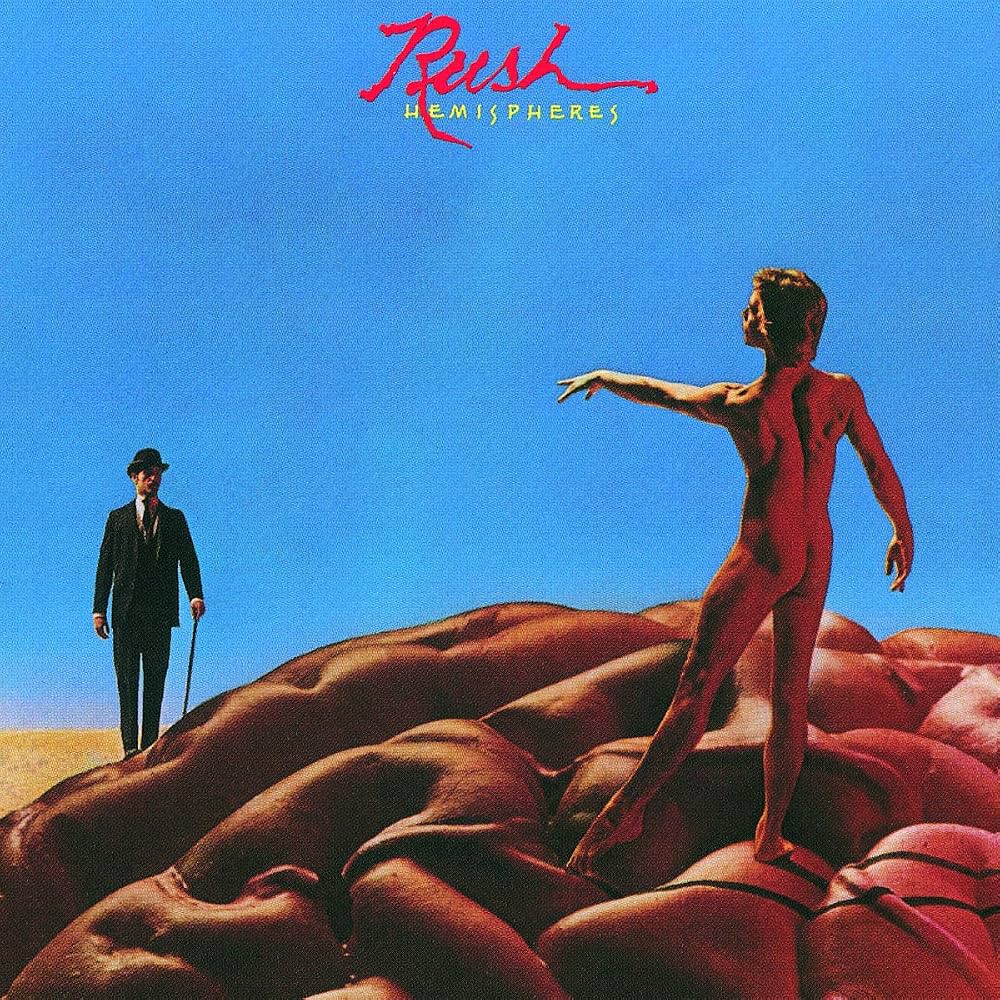 It’s basically a coin flip between A Farewell to Kings and its also-brilliant follow-up—they’re joined at the hip sonically, fueled by the same ultra-prog ambition and warm late-seventies production. Hemispheres even features the second installment of the heady “Cygnus” saga started on Kings. (This one’s a side-long eighteen minutes, showcasing the band’s wide dynamic range—from twinkly synth ambiance to roaring guitars and Lee at full shriek.) And just its sibling, Hemispheres doesn’t shy away from their softer side: “The Trees,” a warped but wise fairy tale about feuding oaks and maples, offers some shine for Lifeson’s gentle classical-guitar fingerpicking.
1. Moving Pictures (1981)
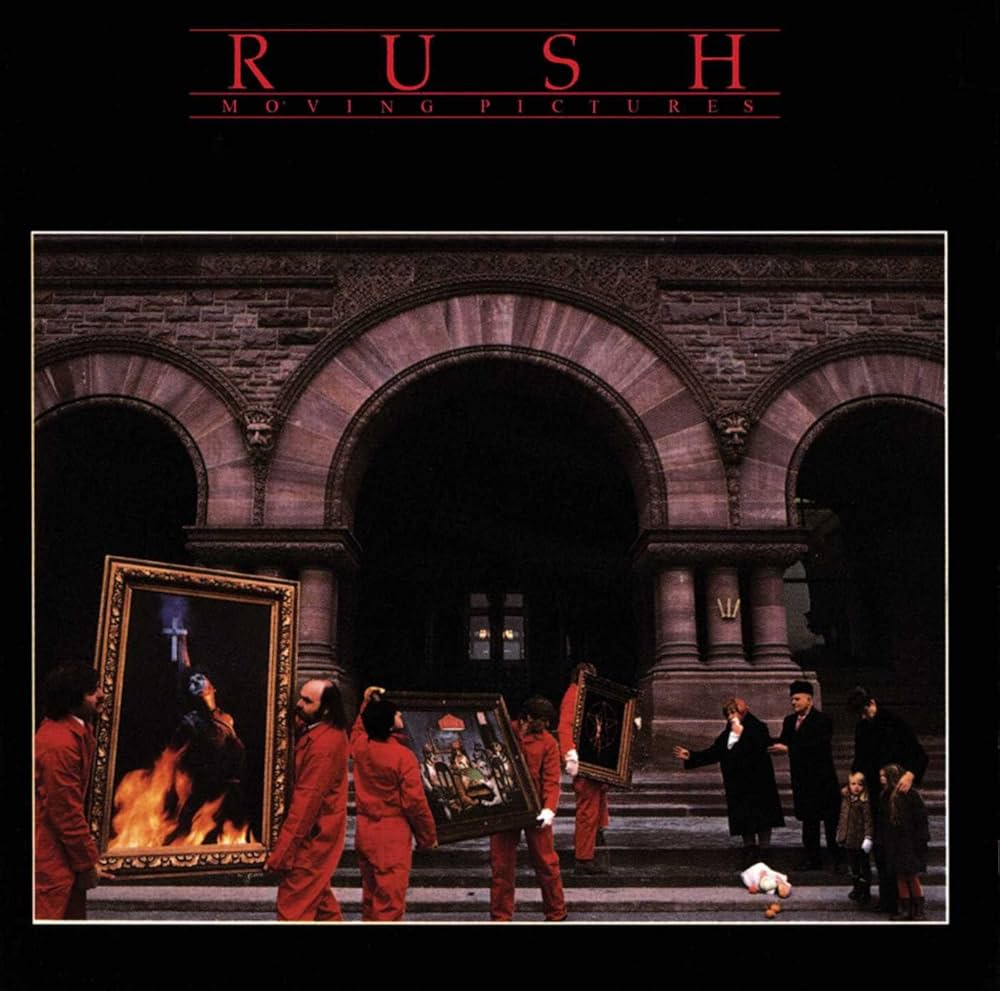 Few, if any, streaks in prog history rival Rush’s fertile period from 1977 through 1982. It’s staggering just how much they evolved, how much ground they covered, how many times they managed to survive broader cultural shifts that crumbled many of their less versatile peers. You could make a compelling argument for any of these five albums as their peak—but there are clear reasons why their eighth LP, Moving Pictures, is their most commercially successful (remaining seventy-six weeks on the Billboard 200) and culturally relevant (with “Tom Sawyer” soundtracking everything from The Sopranos to a Paul Rudd bromance film).
Like their other early-eighties work, this album is immaculately produced: crisp bass, tight but monstrous drums, guitars destined to fill arenas. And Rush matched that fidelity with seven perfect songs, balancing their still-grand arrangements (the 11-minute “The Camera Eye”) with a handful of their most satisfying and universal melodies. “Tom Sawyer,” of course, is the pound-on-your-steering-wheel single that somehow never overstays its classic-rock welcome, and “YYZ” might be the only instrumental prog song a hater might throw on a secret playlist. Then there’s “Red Barchetta,” charged by Lifeson’s sparkling harmonics and woozy bent-note riffs, and the eternal “Limelight,” in which Lee’s tender vocal illuminates Peart’s sage ruminations on fame and adulation. Moving Pictures is peak-level progressive rock—deep, imaginative, and always full of heart.
Ryan Reed is a writer and editor from Knoxville, Tennessee. In addition to Paste, his work has appeared over the years in Rolling Stone, Revolver, The New York Times, Pitchfork, and many other publications.
 Keep scrolling for more great stories.