
Skyrockets in flight: When “Afternoon Delight” became one of the biggest sex songs ever
As the excitement for America’s bicentennial reached fever pitch, Starland Vocal Band landed their first and only #1 hit on this day in 1976.
Michael Ochs Archives/Getty Images
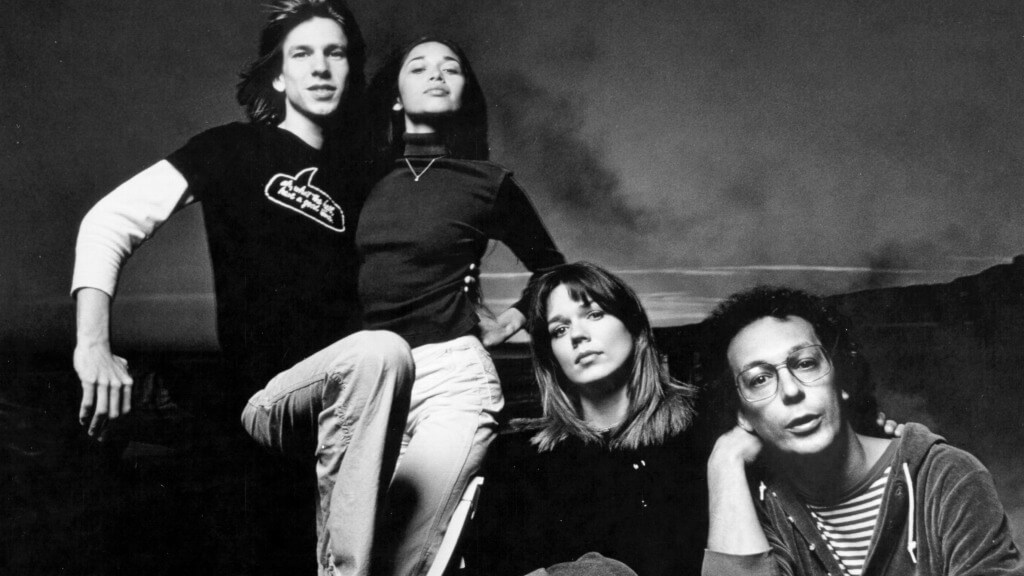
In the mid-seventies, singer-songwriter Taffy Nivert was in the hospital, recovering from surgery as part of her cancer treatment. That’s a dark place to start a story, but it gets better. At the time, Nivert was married to Bill Danoff. The two had already enjoyed some success in the music industry, having co-written John Denver’s 1971 hit single “Take Me Home, Country Roads.” They had also recorded a few albums together, first as part of a group named Fat City. As members left the band, it was eventually just the two of them remaining, so they changed the name to Bill & Taffy.
The duo wasn’t a success. As Danoff later told Rolling Stone, “Back then, nobody knew how to take us. We tried to start off in the middle of all that psychedelic stuff and we weren’t that, and we weren’t necessarily a folk act.” Nivert added, “We didn’t know any folk tunes; we were always more pop-oriented. We’ve always been singer/songwriters doing our own songs.” Nivert’s surgery was around the time the pair joined Jon Carroll and Margot Chapman to form the new group Starland Vocal Band. Danoff and Nivert had maintained a positive relationship with Denver, and Starland Vocal Band was one of the first acts signed to his new label, Windsong.
As Nivert was in the hospital, Danoff went to lunch at a Washington, D.C. restaurant called Clyde’s. The eatery, Danoff noticed, had a happy hour menu named “Afternoon Delight.” Items included spiced shrimp and hot brie with almonds, which sounds like a fine, very seventies pre-dinner treat. The menu name struck Danoff. He went and told Nivert about it, specifically about what imagery the phrase “afternoon delight” evokes to him: it’s sex in the middle of the day, of course!
It felt like a song to him, so he got to work. He said, “It just came out that way. I started having fun writing the song. As soon as I got the title idea of ‘Afternoon Delight,’ it had an obvious connotation. You tell the phrase to someone and they say, ‘Oh, a nooner,’ which is a new phrase to me. I heard the song like a fiddle tune, which gave me the chance to write a lot of neat syllables in rhyme.”
Indeed, the song had many lines that hit the ear beautifully. Lyrically, the song is suggestive, but it’s no “WAP.” No wet-ass anything is directly mentioned, but that doesn’t mean the bucket and mop won’t still be needed. Lyrical highlights include, “Rubbing sticks and stones together, make the sparks ignite / And the thought of rubbing you is getting so exciting,” and, “Started out this morning feeling so polite / I always thought a fish could not be caught who didn’t bite.”
“I didn’t want to write an all-out sex song,” Danoff explained in a Los Angeles Times interview. “I just wanted to write something that was fun and hinted at sex. It was one of those songs that you could really have a good time writing.” Still, when the song was finished and it was time to start promoting it, he harbored concerns that its nature might scare radio stations away. He said, “If the song had been banned it would have been a real injustice. The lyrics are subtle and sophisticated and not at all raunchy. It might have been banned years ago but not today.”
“Afternoon Delight” was released as the first single from the band’s self-titled debut album in April 1976. The song boasted a gentle, folk- and country-inspired sound, unsurprisingly given the band’s association with John Denver. It’s an endlessly pleasant listen, thanks in part to the group’s four vocalists, who effectively explore the variety of ways their voices can work together. Denver later praised their “totally unique vocal sound,” saying that they “do more with their vocals than what a lot of people are doing in music today.”
Despite Danoff’s concerns, radio DJs didn’t seem to take issue with the song. In fact, they embraced it wholeheartedly. As Nivert later explained, “The song was the right thing at the right time. It was the summer of 1976, the country’s bicentennial celebration, and it was just so different from everything else that was out there.” Aside from its inviting, listenable sound, the “skyrockets in flight” line in the chorus evoked patriotic imagery of fireworks. “Afternoon Delight” debuted on the Billboard Hot 100 chart on May 8, at #87. It gradually climbed from there and became the soundtrack to a particularly historical Fourth of July. On the July 10 chart, the song secured the top spot.
“Afternoon Delight” was huge, so much so that it landed the group The Starland Vocal Band Show, their own short-lived, six-episode variety TV program on CBS (which, by the way, served as a career launching pad for a young David Letterman, who appeared in some comedic sketches). The single was nominated for Record of the Year and Song of the Year at the 1977 Grammys, and while it didn’t win either award, Starland Vocal Band was named Best New Artist over acts like Wild Cherry and Boston.
This positive attention didn’t last long. A 1978 feature in The Washington Post described Starland Vocal Band as needing a hit, though the piece was optimistic that “Late Nite Radio,” the title track from the band’s 1978 album of the same name, could be one. Swing and a miss on that: both the song and album failed to chart. It also has a soundbite from Nivert on why she believed the TV show didn’t work out: “We read the scripts and we knew their material wasn’t any good. ‘These jokes aren’t funny,’ we kept telling them, but they said not to worry, they knew what would go over on TV, and to remember we were new to all this. It was a miserable, frustrating experience.”
She further spoke about ending a frustrating relationship with their previous manager and where she felt the band stood: “We’ve got an image to overcome—that John-Denver’s-opening-act sappy bull. That’s how we’re seen, and some of that’s our fault. We love John, but when we were working with him, we also should have been doing something else to establish a stronger identity for ourselves, and we didn’t.”
The band was unable to return to mainstream success and broke up in 1981. In the decades that followed, their signature song seemed to experience some reputational turbulence, too. It certainly lost any cool factor it may have had during that one magical, bicentennial summer. (Even back then, though, the band’s Carroll conceded there was a contingent that considered the track uncool.) In 1993, Pulitzer-winning columnist Dave Barry listed “Afternoon Delight” as a major vote-getter in his “Bad Song Survey.” 1997’s Good Will Hunting used the song as a punchline, with Will singing it to annoy a therapist. Multiple users of The Straight Dope Message Board nominated the track as one of the cheesiest of all time in a 2003 thread.
It was around this time, though, that “Afternoon Delight” had a major moment. That year, Will Ferrell and Adam McKay were filming Anchorman: The Legend of Ron Burgundy. As Paul Rudd later explained, he and co-star Steve Carell were sitting on set between takes. The pair had been listening to seventies music earlier in the day and they had an idea: four of the movie’s main stars (them, Ferrell, and David Koechner) should learn the vocal parts for “Afternoon Delight,” as something fun to do during a late-night talk show appearance or something like that. The idea was mentioned to McKay, the director and co-writer, in passing. Later, he suggested they try singing the song in the actual movie. After a quick twenty minutes of practice, they shot the scene, and when the film came out the next year, it was regarded as one of its most memorable moments. They even did a full-blown cover of the song, complete with a music video, as a DVD bonus feature.
“Afternoon Delight” was back, as evidenced by the sharp upticks in Google search interest after Anchorman’s theatrical and DVD releases. Innumerable references to the song in pop culture followed. Just months after Ferrell and McKay’s film, there was a memorable Arrested Development episode in which Michael and his niece, Maeby, sang the song as a duet, during which Michael gradually realized what the lyrics actually meant. Today, its legacy is solid, with 94 million streams on Spotify. This doesn’t mean Starland Vocal Band is no longer a one-hit wonder, of course, but it might have prevented them from fading into complete obscurity like other one-and-dones before and after them.
As for Nivert, she recovered from her cancer just fine, made one of her era’s most enduring hits, and is still with us today. See? The story got better.
Derrick Rossignol is a writer and editor whose work covering music, video games, and other areas of pop culture has appeared in publications like The A.V. Club, The Boston Globe, CBR, The Guardian, Nintendo Life, and Uproxx.
 Keep scrolling for more great stories.