
The 100 greatest songs of the 1970s
Waste your summer praying in vain for a savior to rise from these streets…
Photo by Echoes/Redferns
50. Ann Peebles: “I Can’t Stand the Rain” (1973)
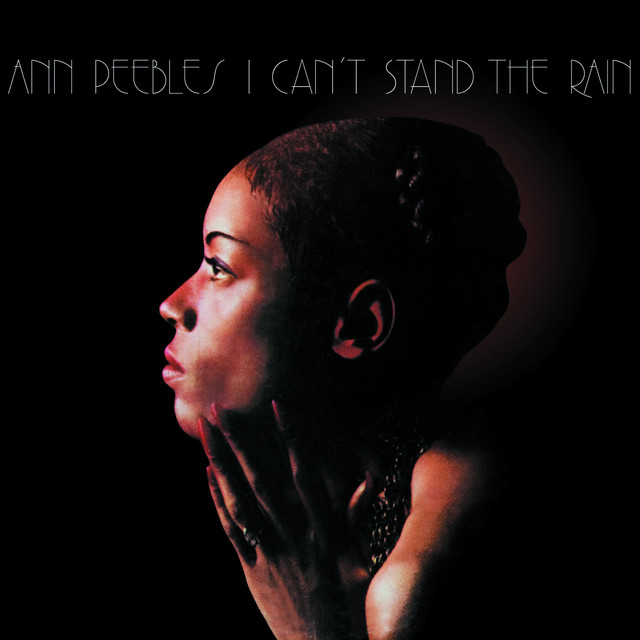 All glory to Tina Turner for smashing her “I Can’t Stand the Rain” cover in 1985, but today I lay all my flowers at the feet of Ann Peebles—whose performance in 1973 powered the decade’s Memphis soul legacy and gave Hi Records its definitive recording. The story goes that Peebles, on her way to meet her partner Don Bryant and friends for a concert, saw “the heavens open” and remarked, “I can’t stand the rain.” Bryant saw the line as an opportunity to write a response to “bad weather songs.” Willie Mitchell, king of Hi Records, used an electric timbale to get that raindrop riff. The song was a top 40 hit and went to No. 6 on the R&B chart, and Missy Elliott later sampled it in her debut single, “The Rain (Supa Dupa Fly.” At some point, John Lennon called it “the best song ever.” Peebles never made it to the concert, but “I Can’t Stand the Rain” has paid for her unused ticket a couple thousand times over. —Matt Mitchell
49. Lou Reed: “Street Hassle” (1978)
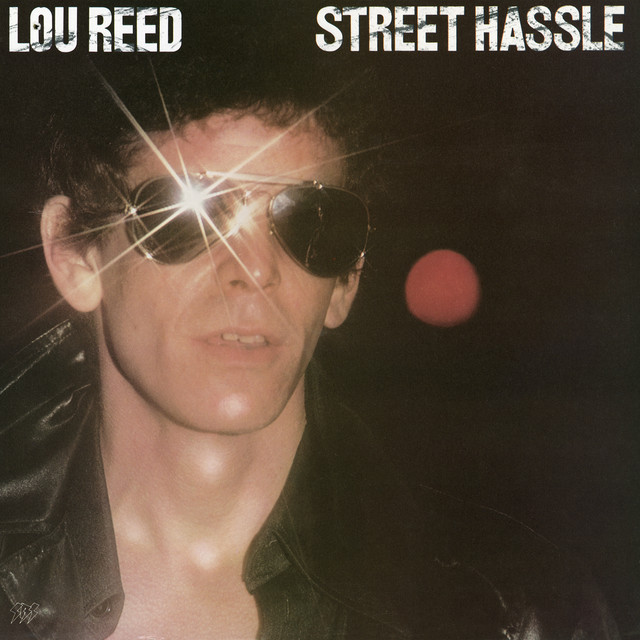 Lou Reed had already done more than enough by 1978: co-founded the Velvet Underground, made the album that famously sold almost nothing but turned every single buyer into a band, then reinvented himself as a solo artist and put trans women and hustlers on the radio with “Walk on the Wild Side.” But “Street Hassle” just might be his masterpiece. Eleven minutes, three self-conscious movements, one cello figure sawing through all of it like a rope being pulled taut. Everything else arranges itself around that one implacable phrase: the string quartet swelling and receding, the guitar shadowing the violins, and Lou Reed’s flat, gruff New York deadpan half-speaking over all of it, more witness than singer. He wanted a monologue set to rock, something Selby or Algren or Burroughs might have written, and ended up with a triptych of vignettes to the same effect, each separated by a pause before picking back up again, different and the same all at once. A trans woman named Waltzing Matilda paying a male prostitute for sex; a dealer telling a pimp to drag an overdosed girl into the hallway so nobody catches a case; and then, in the long last stretch, the story dissolves into pure loss, love slipping away without ceremony. It’s the least sentimental song imaginable about the most sentimental subject there is, and running through it is a “sha-la-la”—a sweet, dumb, doo-wop nothing floating up out of the wreckage, the sound of a 1959 love song wandered into the wrong decade and stranded there. Halfway through, a woman’s voice comes in soft and elegiac; near the end, Bruce Springsteen turns up unannounced (and uncredited) from the studio next door to mutter that tramps like us were born to pay, taking his own most famous promise and quietly retracting it. The song doesn’t editorialize about any of it. It just watches, and keeps watching, and Reed’s voice cracks a little further open with each part—it’s a tour de force of empathy from a man who couldn’t always be bothered to practice it. —Casey Epstein-Gross
48. Kate Bush: “Wuthering Heights” (1978)
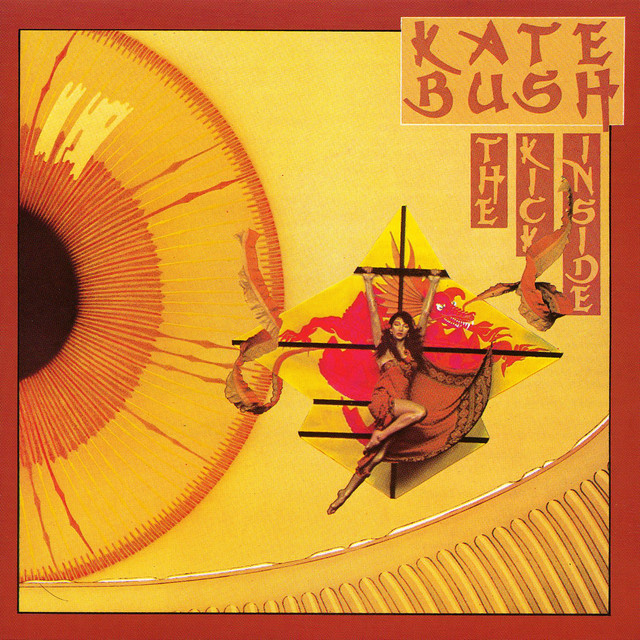 Every British schoolchild knows the music video to “Wuthering Heights,” having been compelled at one point or another to watch it in English class. I suppose that might be why it reminds me so acutely of my adolescence: I can still see myself now, sitting cross-legged on the classroom carpet, watching the projection of a woman in a red dress dancing across the wily, windy moors, thinking: I didn’t know singers could even do that. Even without this recollection, the fact remains that Kate Bush’s debut single might be the purest expression of being a teenager ever recorded. It’s not just that she was eighteen when she wrote it, or that its subject matter is the youthful love between Emily Brontë’s protagonists. It’s that this song, like so many teenagers, is weird. It has a chilling, gorgeous melody—Bush’s piercing soprano sounds as childlike and otherworldly as the ghost of Cathy Earnshaw that she’s evoking; the manipulations of her vocal timbre are opera-like, soaring above the instrumentation. It oscillates between two major keys, never settling in one or the other, wrong-footing the listener with bright chords that contradict the darkness of the Gothic romance they are retelling. Then there is the guitar solo. Later, sound engineer Jon Kelly would regret not pushing it further forward in the mix, but in fact, Ian Bairnson sounds just right. He meanders with his Les Paul towards the song’s end, his playing imbued with the same strange, faraway tenderness of Bush’s vocals. With “Wuthering Heights,” Kate Bush became the first female artist to achieve a UK No. 1 with an entirely self-written song. And she ushered in a new era of pop music. —Mariam Abdel-Razek
47. Labi Siffre: “Cannock Chase” (1972)
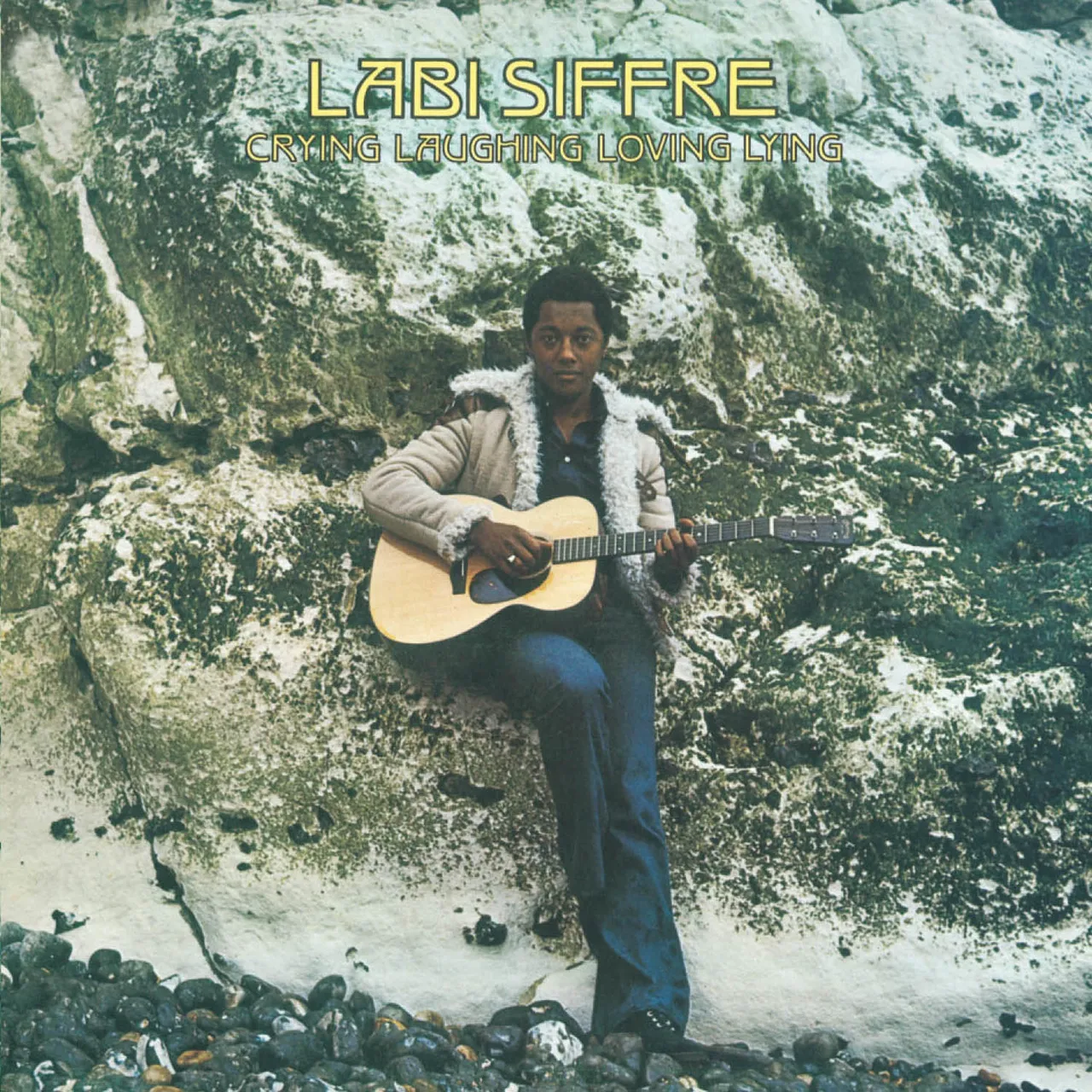 Crying Laughing Loving Lying gave Labi Siffre his first top 20 hit in the U.K. but failed to chart in America. Time has been good to Siffre, whose work has inspired the likes of Olivia Newton-John and Kanye West. And in the years since making his best album, “Cannock Chase” has become his most-streamed song—thanks to a recent push on TikTok and appearances in Sentimental Value and The Holdovers. It’s a sublime song about Siffre’s soul getting “back in the fight”—a la-da-da hymn about a nature that awakens our hearts. “Sitting in the back seat of my car, with my arms ‘round my guitar,” Siffre sings as gently as he strums. “And the rain falls, from the roof of the world.” A chugging percussion compliments him while a medley of flute, French horn, bassoon, and strings unspool. “Cannock Chase” is Siffre’s beautiful, reflective tribute to a moment of rest in a chaotic, demanding life—a universe of humanity unto itself. —Matt Mitchell
46. Chic: “Good Times” (1979)
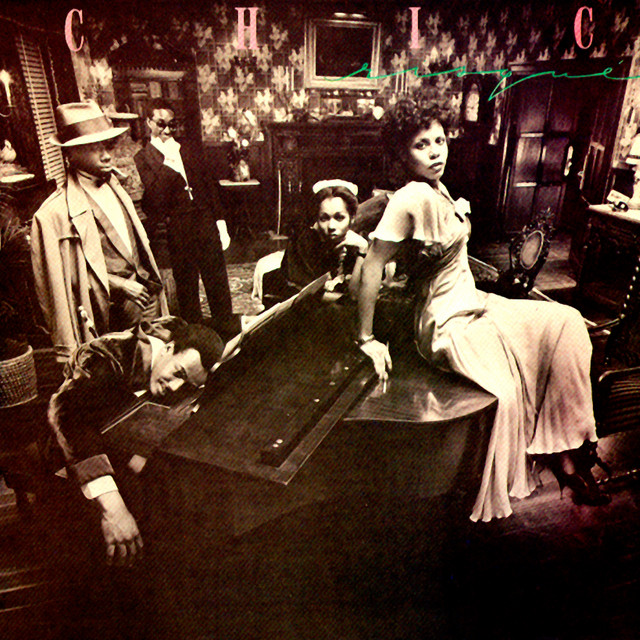 Few guitar tones are more recognizable than Nile Rodgers, who started a funk empire with Chic alongside bassist Bernard Edwards. In 1978, Chic scored a No. 1 single with “Le Freak” and nearly replicated that success with “I Want Your Love.” But the band’s best song came a year later, when “Good Times” ushered in the platinum album Risqué—a late-period disco classic that celebrated the decade’s embrace of dance music. Rodgers, hoping to make a commentary about America’s economic failures, found inspiration in Great Depression-era lyrics from Milton Ager and Al Jolson. And while Chic excelled on the message part, they also made one of the greatest club jams of all time. “Good Times” is a feast of occasion and function—infectious to the nines thanks to Rodgers’ guitar spank, pristine production, and Edwards’ bass groove. —Matt Mitchell
45. CAN: “Vitamin C” (1972)
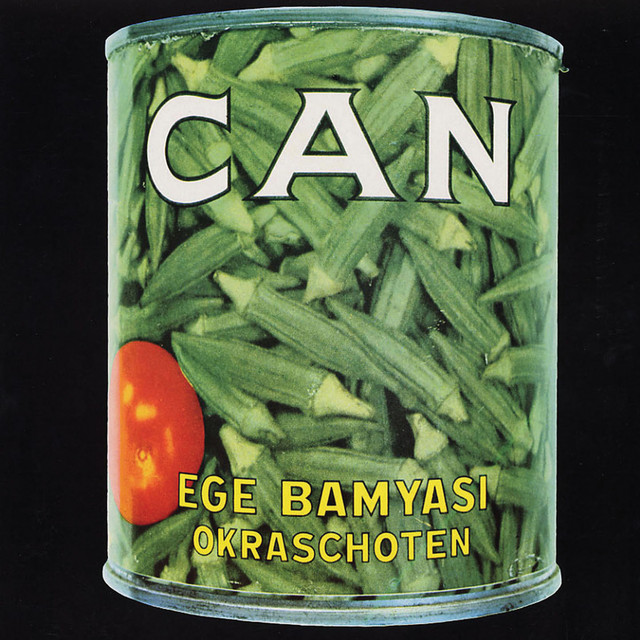 Compared to the elastic, loopy psych jams that populate most of CAN’s 1972 record Ege Bamyasi, “Vitamin C” is startlingly tight and crisp in its construction. Damo Suzuki’s tiptoeing vocals deliver a fragmented story about a girl whose silver-spoonfed upbringing has left her ill-equipped for the challenges of real-life, culminating in a chorus of paranoid, spacey yelps that pull away from the backbeats at the song’s center. It’s a three-and-a-half-minute neurotic thriller that sustains its choppy, menacing verve as it trips toward a drop that never comes. The suspense stays with you long after the fade-out.—Grace Robins-Somerville
44. Prince: “I Wanna Be Your Lover” (1979)
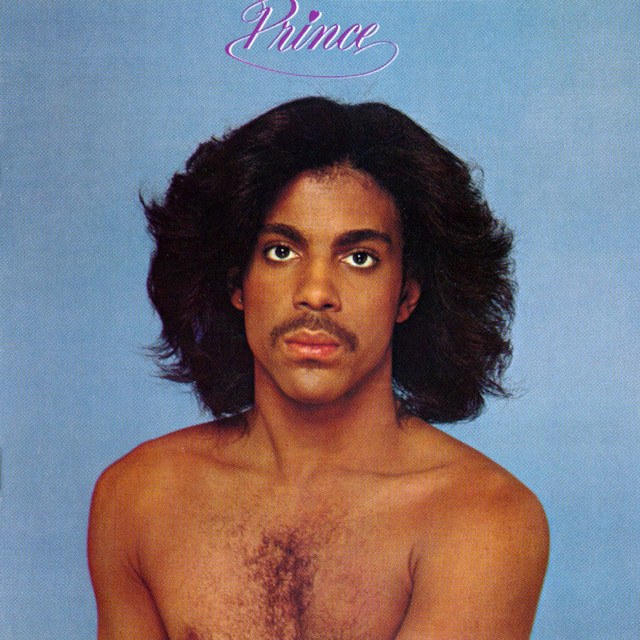 Prince sprinkled something magical into his 1979 hit single “I Wanna Be Your Lover”: over almost six minutes, he never lets up, piling a twinkly falsetto atop a swinging guitar riff. The instrument, aided at moments by a simple drumbeat and an alien synth, bounces and jumps excitedly under the High Priest’s sky-high riffs. Three minutes in, a wild and wacky collection of keyboards and synthesizers bursts, dancing and hopping in a way that emulates Prince’s vocals. Sugary-sweet and sexually frustrated, the tune is a great portrayal of the horny desperation that afflicts so many Real Lovers. From the starting gun to its goofy fadeout, “I Wanna Be Your Lover” is not just a blast of joy, but pop perfection years before Prince would become the greatest star in the world. —Miranda Wollen
43. Ryuichi Sakamoto: “Thousand Knives” (1978)
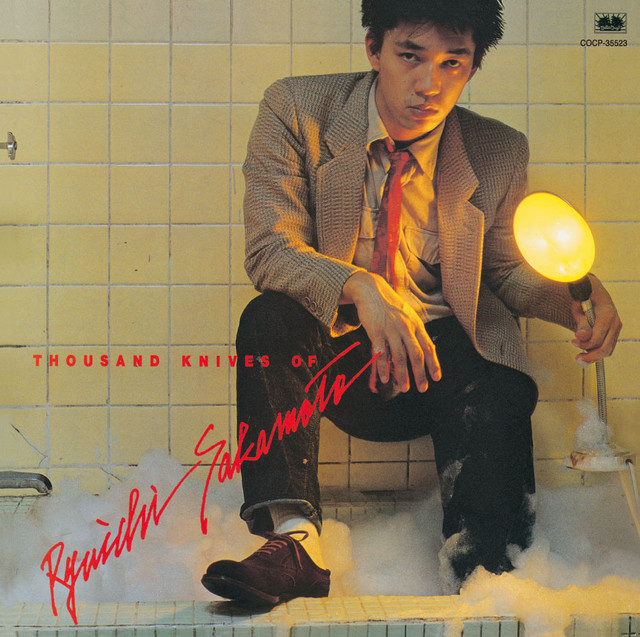 The same year that his legendary synth-pop band Yellow Magic Orchestra released their self-titled debut, the late Ryuichi Sakamoto also put out what would become the first entry in his long, inimitable solo career. Throughout the nearly ten-minute “Thousand Knives,” the only words you hear are Sakamoto reciting a Mao Zedong poem through a robotic vocoder; from there, it sprawls into a free-flowing, jazzy, instrumental pop number that eventually wraps up with an interpolation of communist China’s de facto national anthem “The East Is Red.” Right up until his death in 2023, the prolific Sakamoto had a knack for interweaving bold statements into his compositions; “Thousand Knives” was only the beginning. —Abby Jones
42. Gang of Four: “Damaged Goods” (1979)
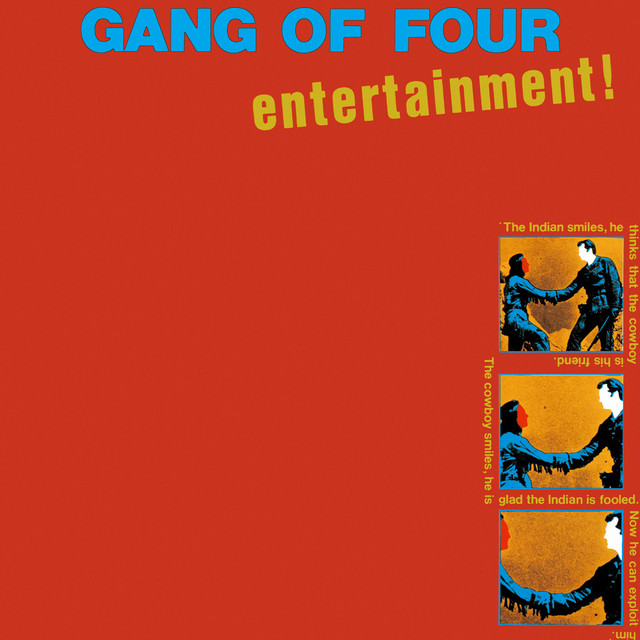 All our modern post-punk roads lead back to this starting point. Reared on a diet of Marxist tracts, the slashing guitar playing of Dr. Feelgood’s Wilko Johnson, disco, and Krautock, four young men from Leeds set the course for generations of artists by winding together the taut, lacerating masterpiece we call “Damaged Goods.” The connective tissue that Gang of Four discovered within all of those influences was the power of repetition. Singer Jon King circled back on the same phrases throughout his lyrics while drummer Hugo Barnham and bassist Dave Allen had a collective understanding of the hypnotic power of locking into a singular groove. The X-factor throughout was Andy Gill, a guitarist whose tone was as corrosive and sharp as a rusting spool of barbed wire. With their collective power and force of will, the four were able to drill down to the core of still-simmering issues like capitalism, the Great Man Theory, media manipulation, and sexual politics. Few efforts from this era remain as prescient and as influential. —Robert Ham
41. Donna Summer: “I Feel Love” (1977)
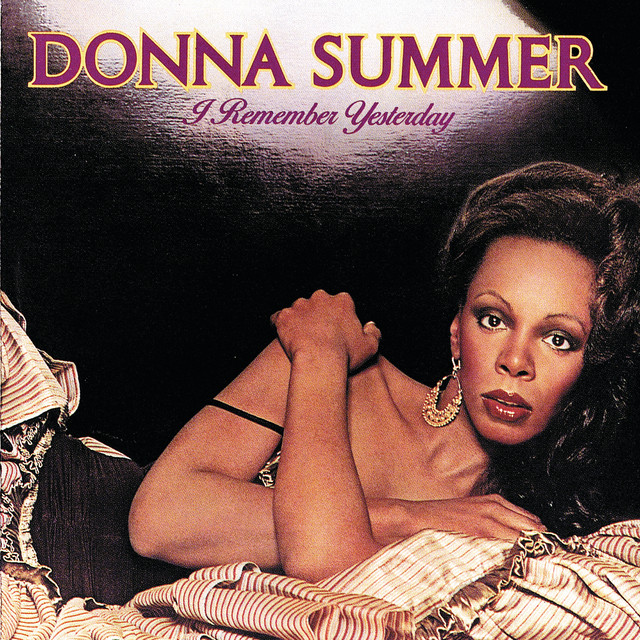 Sometimes I like to think about how it might have felt to be there when a song was first released, when it made its first ripple in the big old pool of time and space. If I’d been there in whatever club was the first to play “I Feel Love,” I’d have thought I was listening to something from the distant future, or outer space, dropped off by a UFO as a gift from some benevolent alien. Brian Eno did—according to David Bowie, when he first heard it, Eno ran into the studio and declared he had just heard “the sound of the future.” In fact, Giorgio Moroder and Pete Bellotte were deliberately trying to evoke this sound when they wrote it: the track makes heavy use of a Moog synthesizer, burbling into life with space-age flair, and aside from Donna Summer’s vocals, the only sound not created by a machine was Keith Forsey’s kick drum. But for me, the future isn’t in the instrumentation of “I Feel Love”; that hi-hat chopping through the mix with the precision of a butcher’s knife, Summer’s voice drifting in and out on top. The future is in its brilliance. On “I Feel Love,” a formula was found, a massive discovery on par with Newton’s laws of motion, and it’s been used in every dance song played in every club for the past fifty years. —Mariam Abdel-Razek
40. Gary Stewart: “She’s Actin’ Single (I’m Drinkin’ Double)” (1975)
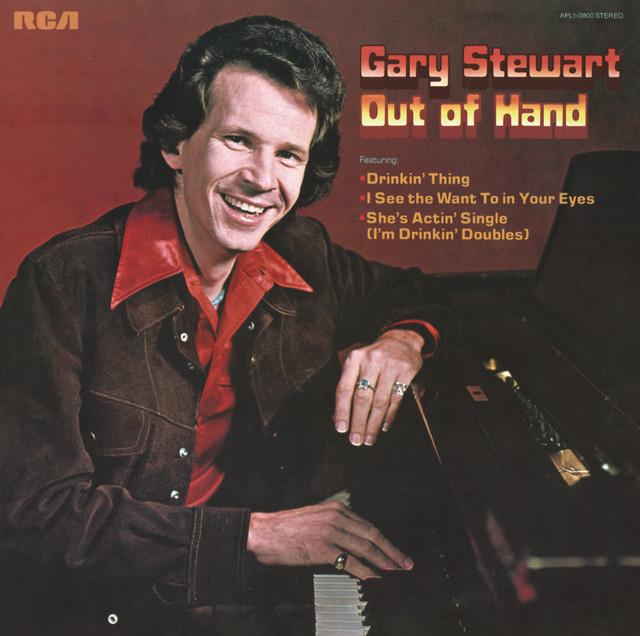 Gary Stewart is having a second life. Thanks to Jimmy McDonough’s definitive biography, I Am From the Honky-Tonks, the Kentucky-born and Florida-bred country singer’s career is enjoying a renaissance more than two decades after his death. Stewart’s third album, 1976’s Steppin’ Out, was finally added to streaming for the first time this April. But most people my age know Stewart from Wednesday’s cover of “She’s Actin’ Single (I’m Drinkin’ Double),” which has likely doubled the song’s lifespan since appearing on their Mowing the Leaves Instead of Piling ‘em Up album. But Stewart’s original, written by Wayne Carson, topped the country charts in 1975—in the same year as crossover gems like John Denver’s “Thank God I’m a Country Boy” and Glen Campbell’s “Rhinestone Cowboy.” Stewart was famous for singing about drugs and drink and “dime-store violence.” In “She’s Actin’ Single,” he’s a woe-is-me barfly watching his girl “pour herself on some stranger” while he pours himself a drink somewhere else. “My heart is breaking like the tiny bubbles” is a hook, line, and sinker. Ask me ten times what the greatest country song ever is and I’ll reply with “She’s Actin’ Single” ten times. The way Pete Drake’s pedal steel sings here… I’m liable to say “She’s Actin’ Single” eleven times. —Matt Mitchell
39. The Congos: “Fisherman” (1977)
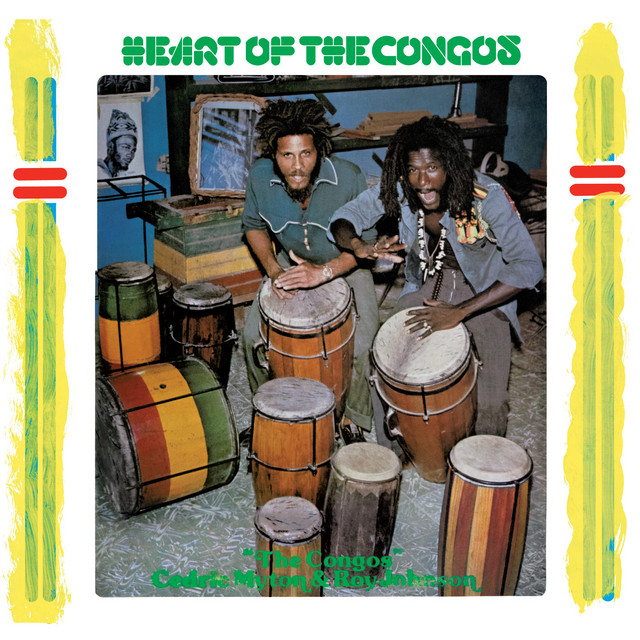 The Torah speaks of Tehom, a formless void beneath existence best understood as an endless primordial sea. These are the waters The Congos’ “Fisherman” rows upon. The Congos and Lee “Scratch” Perry provided a dark, mystic version of dub and roots reggae. Through the heavenly entwined harmonies of Cedric Myton and Roy “Ashanti” Johnson, “Fisherman” weaves disparate biblical allusions and desperate poverty; a Jonah-like fisherman sailing an endless tide to feed himself and his family. Perry’s spectral production shudders, adding an unnerving aura to the voices, like visiting angels watching the trials of man. —Nathan Stevens
38. The Rolling Stones: “Can’t You Hear Me Knocking” (1971)
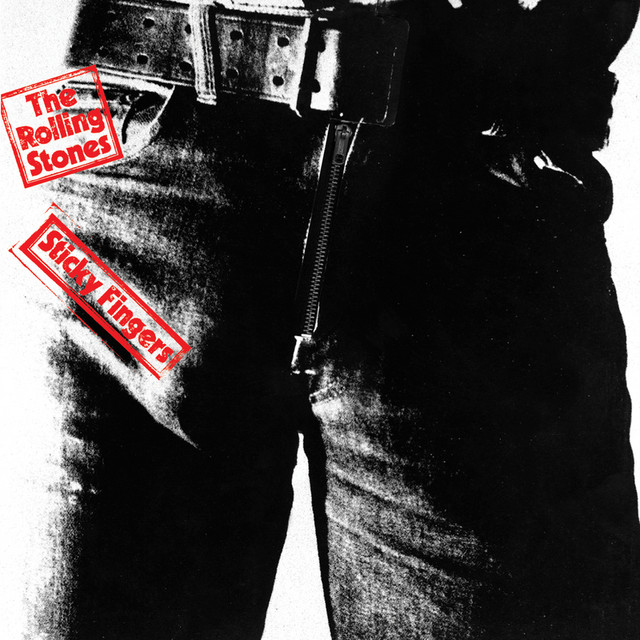 Long overshadowed by “Brown Sugar” and “Wild Horses,” it cannot be understated how perfect, blistering and mountainous “Can’t You Hear Me Knocking” is fifty-two years later. The epic centerpiece of Sticky Fingers, it’s actually two songs combined into one. For the first 2:43, you get a slice of that standard Stones rock and roll they perfected long before 1971. But then, the band—featuring conga player Rocky Dijon, saxophonist Bobby Keys, organist Billy Preston, and percussionist Jimmy Miller—cascades into a monumental, explosive and improvised flood of jazz-rock improvisation. And to think, the entire thing happened by accident—as the jam session was unknowingly captured on tape and then loved so much it got thrown into the second act. It’s no wonder that the Stones are one of the greatest rock bands of all-time: even their practice material is perfect. —Matt Mitchell
37. Charles Mingus: “The Shoes of the Fisherman’s Wife Are Some Jive Ass Slippers” (1972)
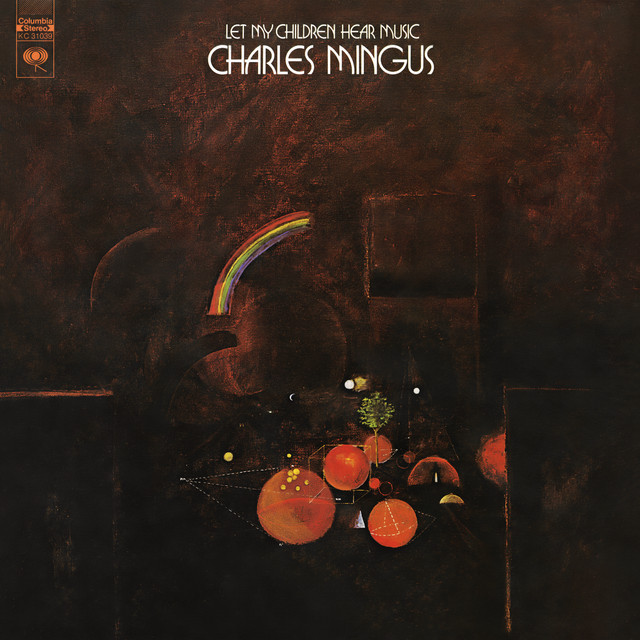 Let My Children Hear Music is the best album Charles Mingus ever made, according to Charles Mingus. Certainly, it is his most ambitious—an album scored for a large jazz orchestra, Mingus enlisted the help of numerous conductors, orchestrators and arrangers (among them long-time collaborator Sy Johnson, as well as legendary jazz producer Teo Macero) in creating it. Its opening track, “The Shoes of the Fisherman’s Wife Are Some Jive Ass Slippers,” is in fact a rearrangement by Johnson of another Mingus composition from 1965, “Once Upon a Time, There Was a Holding Corporation Called Old America.” His orchestrations are beautifully dense, layering loose, floating horns above a swinging, waltz-like groove, and Charles McPherson’s alto sax interacts playfully with the rest of the orchestra in his solos. As always with Mingus, the rhythmic aspects to his composition are what mark them out as unique. The song is sometimes hot, sometimes sweet, sometimes languid in its movement, and so it oozes in and out of time like the tide, carrying you along in its wake. But it never lacks direction. This is true of the harmonic elements, too: each section is connected in a long swooping arc chromaticism, the chord line rising constantly, as though building up to something. This song, and this album, are some of the truest expressions of jazz in history—they are full of life, colorful and sprawling, and they are the best case for how truly peerless Mingus was as the composer of his generation. —Mariam Abdel-Razek
36. Television: “Marquee Moon” (1977)
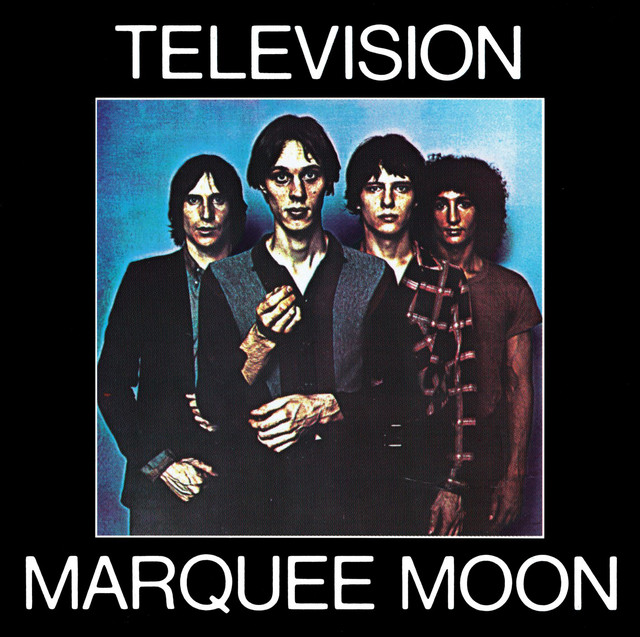 “Marquee Moon” was my gateway drug into realizing guitar solos didn’t have to be macho peacocking or pure fuzz; they could be long, skinny, and weird and still feel absolutely gigantic. The track stretches past ten minutes—which, in the context of CBGB’s typical three‑chord pile‑ups, might as well have been Bitches Brew-length—and it spends nearly all of that time obsessing over two interlocking guitar voices. Verlaine lays down this clipped, see‑saw rhythm figure while Richard Lloyd threads dissonant little comments through the gaps, the two of them fitting together like a jigsaw puzzle. Lloyd gets first crack at a proper solo after the second chorus: a short, bright burst that feels carefully mapped, all melody and sharp edges. The real mind‑bender, though, is Verlaine’s long run after the third chorus, the one that gets likened to Jerry Garcia’s great wandering epiphanies. Over that same staccato two‑chord pulse, his guitar starts talking in this clean, almost austere tone, running up and down a scale, doubling back on itself, gnawing on the same shapes until they start to feel less like licks and more like thoughts he can’t quite shake. The band slowly cranks the temperature—bass and drums getting more frantic, chords climbing higher—until, around the 8.5‑minute mark, everything finally locks into this blinding, all‑hands‑on‑deck climax before they cool it off and stumble back into one last verse. It’s possibly the closest I’ve heard a song come to real-life hypnosis. —Casey Epstein-Gross
35. Patti Smith: “Land: Horses/Land of a Thousand Dances/La Mer(de)” (1975)
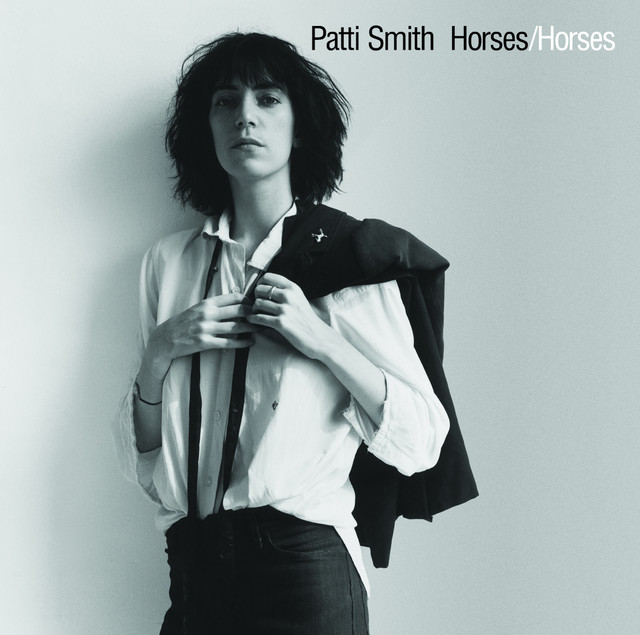 Patti Smith and her blistering debut record Horses forged us all in fire, embalming the golden age of rock and roll and burying it alongside the great poets in a shrine to art worth worshipping, with its eulogy delivered through the rasp of a girl burning if only to prove she’s alive—more alive than you or I could ever dream of being. “Land,” arguably Horses’ centerpiece, rambles and breaks into a feverish sprint headlong into a violent surrealism then only reserved for the Beats, careening around the Cyclone track, bound to spark, clutching saintly visions of A Season in Hell and the Billboard chart—quite literally “Go Rimbaud and go, Johnny, go”—as the cart lifts ever so slightly off its steel path. Though skeletal in its instrumentation, solely reliant on the chugging rhythm of the sharp guitar strum, “Land” builds to a thrilling climax that forever ensures Patti Smith’s place in her own hall of heroes, entrenching herself in the lineage of pop music’s primary architects. —Elise Soutar
34. Black Sabbath: “Supernaut” (1971)
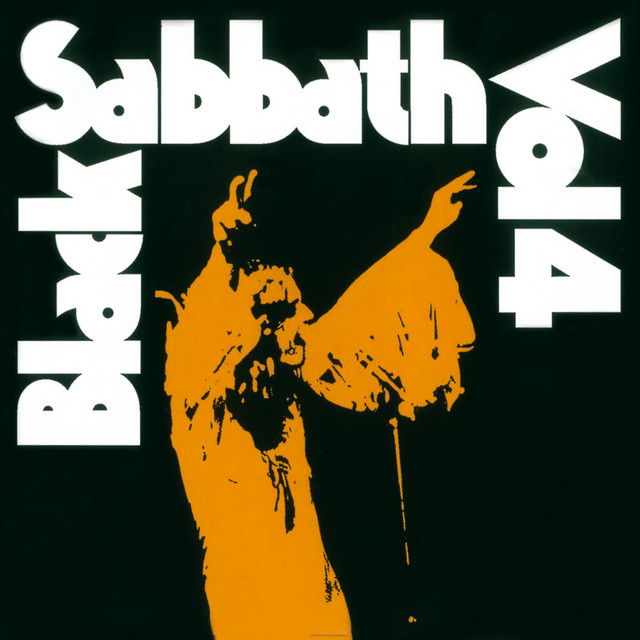 Black Sabbath’s Vol. 4 is one of metal’s most cinematic and gloriously strange moments, weaving genre whiplash into the band’s stoner-friendly pummel. And there’s no better example than “Supernaut.” The whole band is on fire here, highlighted by Bill Ward’s funky and syncopated drum groove. But the song’s structure is also deceptively bizarre: Ozzy Osbourne chimes in every so often to belt cosmic hodgepodge and nursery rhyme nods, and a mid-song breakdown piles on mountains of percussion and faint acoustic guitar. Still, every twist feels earned alongside Tony Iommi’s endlessly fun, Frank Zappa-approved guitar riff, which sounds like it’s emerging from a literal swamp. —Ryan Reed
33. Gil Scott-Heron: “The Revolution Will Not Be Televised” (1971)
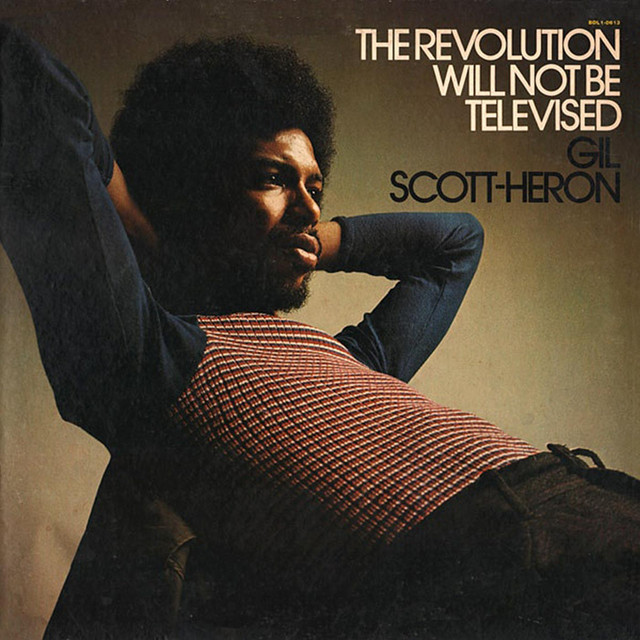 Before the official advent of hip-hop, politically charged poet Gil Scott-Heron delivered spoken word proto-rap over an instrumental fusion of jazz, blues, and soul. He released over a dozen albums of unconventionally smooth streetwise social critique throughout the 1970s and into the early 1980s, but his most well-known composition, “The Revolution Will Not Be Televised,” was the first track on his first album, 1970’s Small Talk at 125th and Lenox. Using an onslaught of pop cultural references and slogans to make an ironic commentary on the romanticized concept of revolution, Scott-Heron strives to individualize and localize the catalysts to true change, closing with a sobering reminder: “The revolution will be live.” —Will Hodge
32. Dolly Parton: “I Will Always Love You” (1973)
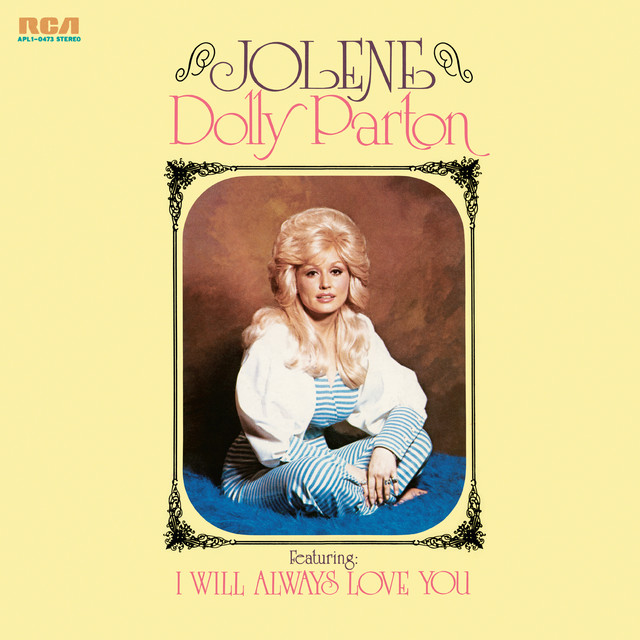 On Sept. 25, 1967, Porter Wagoner introduced Dolly Parton. The country singer and songwriter performed “Dumb Blonde” and “Something Fishy,” two tracks from her then-week-old debut album, Hello, I’m Dolly. Norma Jean had just departed The Porter Wagoner Show, and Wagoner selected Parton as her replacement. Thus began a fruitful partnership between the two musicians. It was initially amicable, invariably fruitful, and increasingly hostile. When Parton’s star eclipsed Wagoner’s, the latter grew envious, eventually suing his former co-star for $3 million in lost profits years after she left the show to pursue a solo career. That split from the controlling Wagoner—and her fresh beginning—culminated in one of the greatest love songs ever penned: the ineluctable, historic “I Will Always Love You.” It marked a significant step in Parton’s artistry and her career. Through her moving farewell to a friend-turned-foe, Parton made history: She became the first writer to top the Billboard charts multiple times with the same song, thanks to a 1982 re-recording and Whitney Houtston’s Earth-shattering 1992 cover, the latter of which held the No. 1 spot for a record-breaking 14 weeks. According to Parton herself, the song ultimately convinced Wagoner that she needed to pave her own path. And pave her own path she did. —Grant Sharples
31. Mulatu Astatke: “Tezeta (Nostalgia)” (1972)
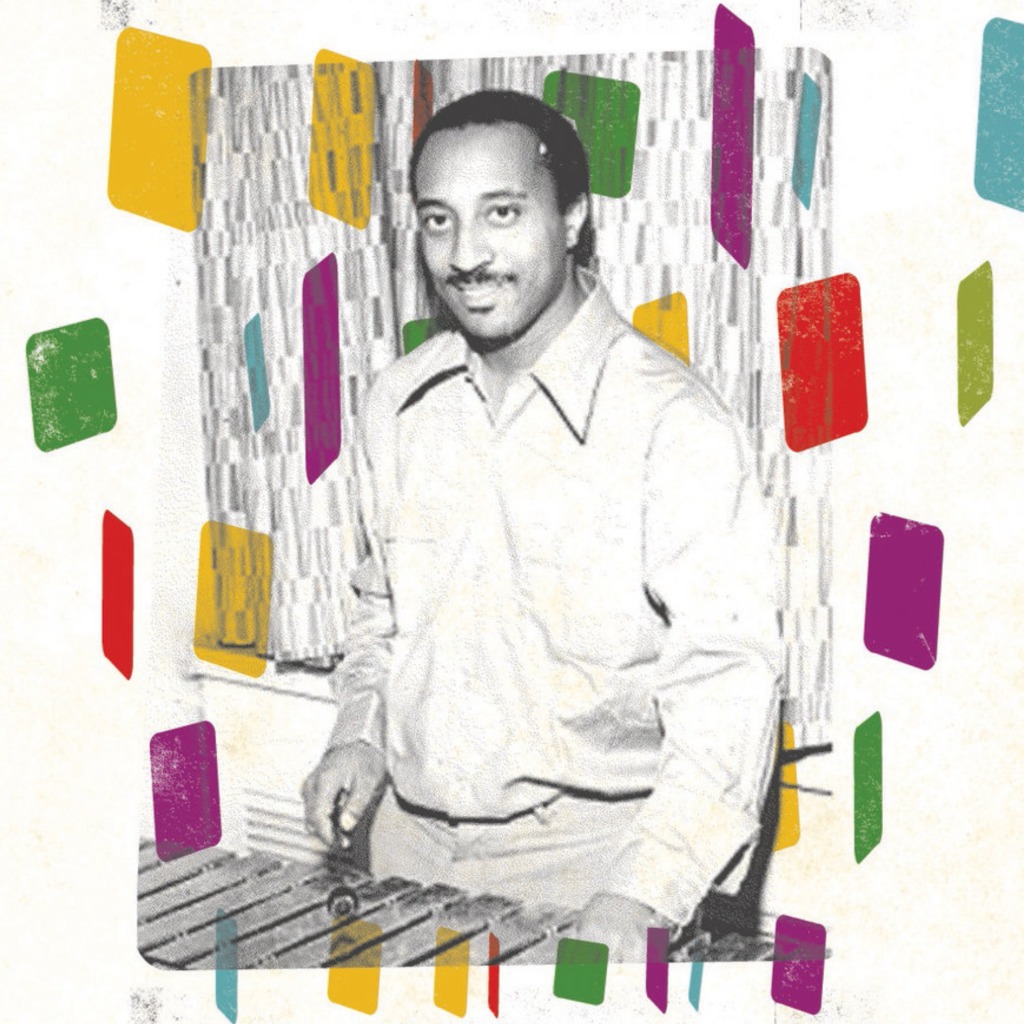 No part of the internet can agree on when “Tezeta (Nostalgia)” came out, but one source said 1972 and it did appear on the Ethiopiques volume set in 1969-1974, so I’m running with it. I wanted to include this Mulatu Astatke song because it is, to my ears, the most beautiful piece of music ever made. Astatke’s vibraphone riff rises in me like an awakened sun. It would take months, maybe years to comb through all of the great Ethiopian jazz music that is being unearthed, remixed, and reissued right now, but all of those compositions would lead back to “Tezeta.” Recent needle drops in The Bear and Nickel Boys have helped Astatke find new audiences, and introducing people to “Tezeta” has become one of my life’s joys. For some, hyperbole poisons criticism, but I simply cannot think about this song in small terms. Music begins here, when those gentle guitar shrugs start to dance beside a Rhodes piano. I hope my soul sounds like this. I hope your soul sounds like this. —Matt Mitchell
30. X-Ray Spex: “Oh Bondage! Up Yours!” (1977)
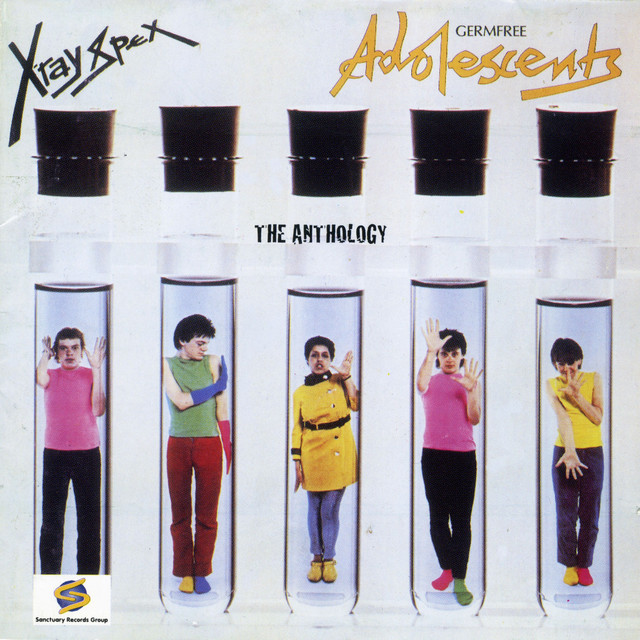 Has anyone ever been as ahead of the curve as Marianne Elliot-Said when she christened herself Poly Styrene and wrote an album’s worth of songs decrying how consumerism will carve us hollow and strip us of our selfhood? Just as crucial: has anyone else attempting a similar feat ever sounded this undeniable? Despite standing shoulder to shoulder with every titan of London’s punk elite, something about Poly and X-Ray Spex still feels more visceral, more immediate—perhaps because we’ve only just begun the broader cultural reckoning with it must’ve been like to look and sound and be like her on a national stage circa 1978. The spoken intro alone, giving way into a 16-year-old Lora Logic’s blistering saxophone riff, would’ve been enough to mint “Oh Bondage Up Yours!” as a signature track of the first British punk wave. Yet, as maybe even more people now think little girls should be seen and not heard, the sound of Poly Styrene howling with abandon through the rest of the song is what makes it deathless, never tied strictly to any time or era—at least until the day we can loosen our constraints. —Elise Soutar
29. Neil Young: “Powderfinger” (1979)
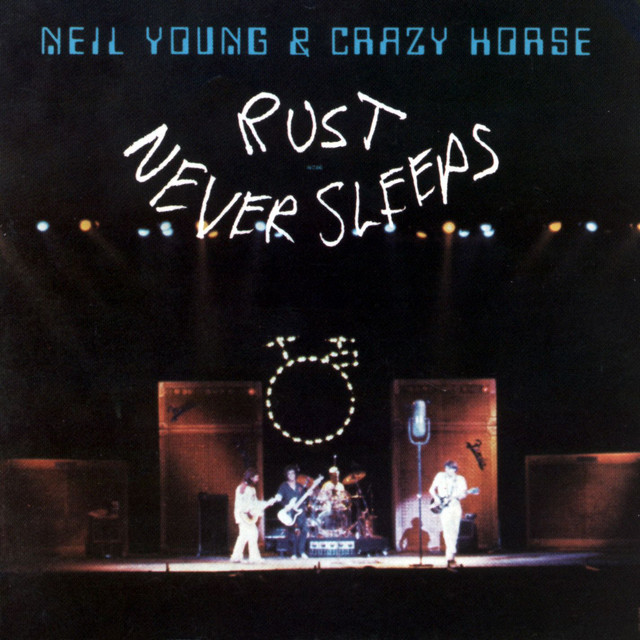 When Neil Young sings “Powderfinger,” he embodies a 22-year-old who’s struck with indecision as danger approaches. On the unbeatable Rust Never Sleeps rendition, Young’s first solo is forthright and cocky. He bends and contorts the strings as if he’s trying to get your attention, even if the upper echelon of his notes are awkwardly squeaked out. When Crazy Horse comes in on harmonized “oohs,” Young’s bend is so assured that it rings slightly false. And all of a sudden, we’re back to the song’s central riff. But when Uncle Neil returns to noodling on Old Black, everything about “Powderfinger” has shifted. We just heard that the narrator’s “face splashed in the sky,” a shocking, climactic act of violence that’s been looming throughout the entire song. Young’s second solo is more mournful, leaning into those wailed high notes, sometimes awkwardly strewn atop the chord progression. By the time he returns to those bends, they take on an elegiac, wrenching quality, as if he were looking for a way to explain the suffering that just took place. —Ethan Beck
28. Betty Davis: “F.U.N.K.” (1975)
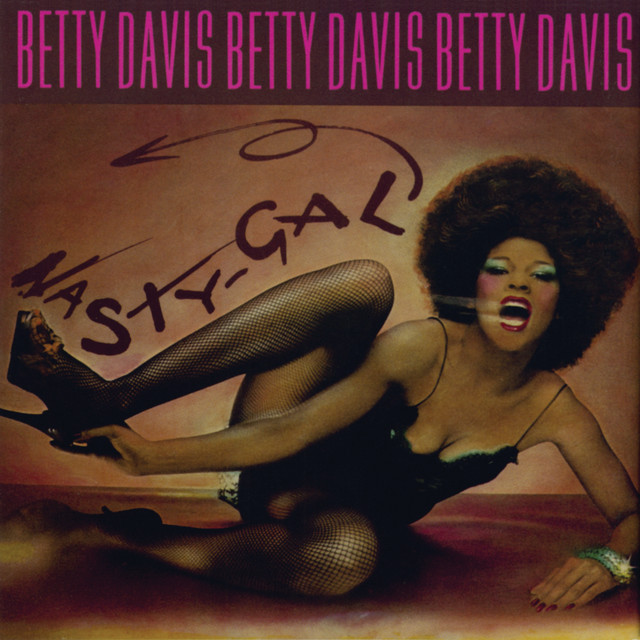 Nasty Gal was a commercial failure upon its release in 1975—a blow so devastating that Island Records canned Betty Davis’ next record for more than thirty years. Critics weren’t particularly high on Nasty Gal either, but time has afforded the world to properly catch up to Davis. Now we know that, not only was she ahead of her time, but Nasty Gal is on the Mount Rushmore of funk albums. The ten songs within aren’t about risks, they’re about Davis mastering her space-age, soul-deep getup and grooves. Scorched-earth riffs, funhouse mirror rhythms, and gnarly bass tones color the body-punshing “F.U.N.K.,” in which Davis name-drops Stevie Wonder, Tina Turner, Al Green, Anne Peebles, Isaac Hayes, Barry White, Jimi Hendrix, Aretha Franklin, and Chaka Khan—presenting the song like a museum of Black art: “I was born with it, I will die with it, because it’s in my blood and I can’t get enough.” Davis was plain nasty in the heaviest, coolest, most psychedelic way. —Matt Mitchell
27. Fleetwood Mac: “The Chain” (1977)
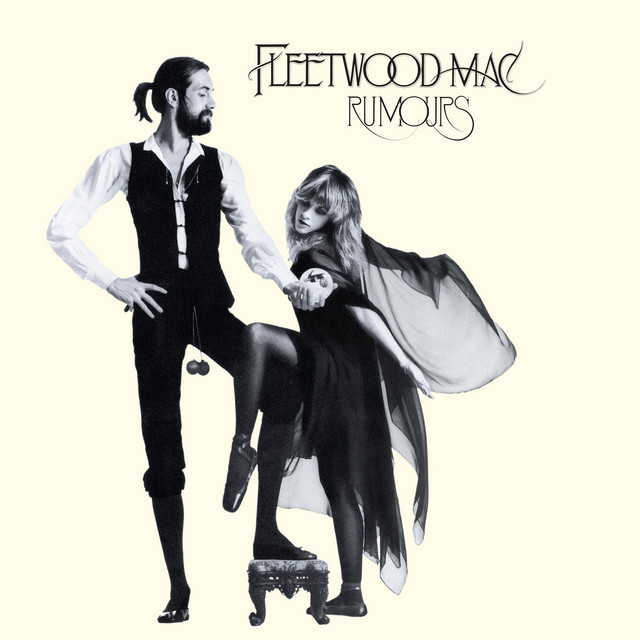 Though it doesn’t have the chart-topping catchiness of “Go Your Own Way” or the mythological staying power of “Dreams,” “The Chain” is, undoubtedly, badass and haunting. Written by all five members of Fleetwood Mac, there is an unbreakable sense of bitterness running rampant through the 4:28 runtime. Engineers Ken Caillat and Richard Dashut put the song together by splicing tapes, and the way it all came together still feels otherworldly and improbable forty-six years later. The lyrical connective tissue of the track is the dissolution of Lindsey Buckingham and Stevie Nicks’ relationship, and you can hear the vitriol in every single note. From John McVie’s demonic bassline that separates the two acts of the song to Nicks, Buckingham, and Christine McVie harmonizing on their own villainy, “The Chain” is remarkable, damning, and totally inimitable. “If you don’t love me now, you will never love me again” is a ruinous proclamation that arrives like a gut punch every time, without fail. Also, I will never skip out on an opportunity to share this recording of Fleetwood Mac performing “The Chain” in Los Angeles in 1982. —Matt Mitchell
26. Miles Davis: “Miles Runs the Voodoo Down” (1970)
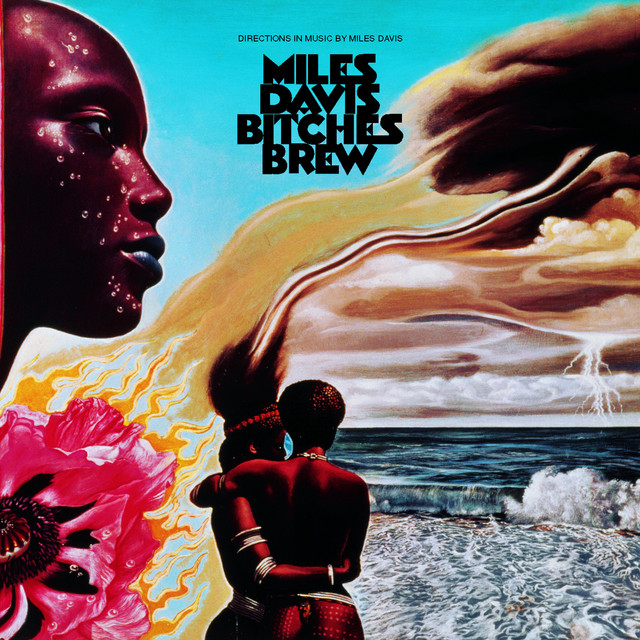 The Miles Davis entry in this list was always going to be a Bitches Brew song—it was just a matter of which one. I went back and forth between “Pharaoh’s Dance” and the title track but settled on “Miles Runs the Voodoo Down.” At fourteen minutes, it’s the third-shortest part of the album, but it exemplifies the project’s chaos. Don Alias’ drumming is the anchor while John McLaughlin bends through a guitar solo that spits fire in ten directions. Elsewhere in the mix, two electric pianos (Joe Zawinul’s on the left; Chick Corea’s on the right) yank on the melody while Davis’ brass and Wayne Shorter and Bennie Maupin’s woodwinds clash head-on and burst. Davis’ part is especially interesting, because it’s coming from the upper register of his trumpet—a technique that eschews melody for streaky, eruptive runs that not only cast a shadow of aggression over the album’s glorious improv, but also douse it in gasoline. “Miles Runs the Voodoo Down” is unlike anything else in the catalog. —Matt Mitchell
25. Kris Kristofferson: “Sunday Mornin’ Comin’ Down” (1970)
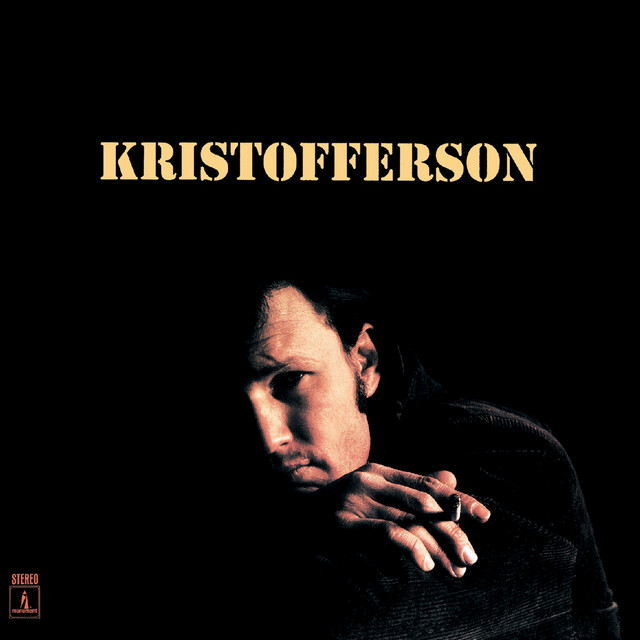 I knew Johnny Cash’s hit version of “Sunday Mornin’ Comin’ Down” first, but it’s much better sung by the man who wrote it: Kris Kristofferson. Where Cash brings a certain optimism to the song, Kristofferson’s delivery lends a necessary darkness to the lyrics’ tint. A hangover turns into a morning full of regret and a brain full of cigarette smoke, and our narrator’s eyes and nose catch nostalgic, if subtly heartbreaking neighborhood details: fried chicken, a dad laughing with his daughter, a choir spilling out of a church school, cussing kids kicking cans. The aroma dissipates into the funny double entendre of “Wishing, Lord, that I was stoned,” only for Kristofferson to follow it with the melancholic “‘cause there’s something in a Sunday / makes a body feel alone.” He may have been an Army pilot, movie star, studio janitor, and Rhodes scholar, but “Sunday Mornin’ Comin’ Down” is, in my mind, the greatest folk song ever written. When joy flashes with every touch of hi-hat, Kristofferson’s story becomes so tactile that you can feel his dreams slip out of reach. —Matt Mitchell
24. Buzzcocks: “Ever Fallen in Love (With Someone You Shouldn’t’ve?)” (1978)
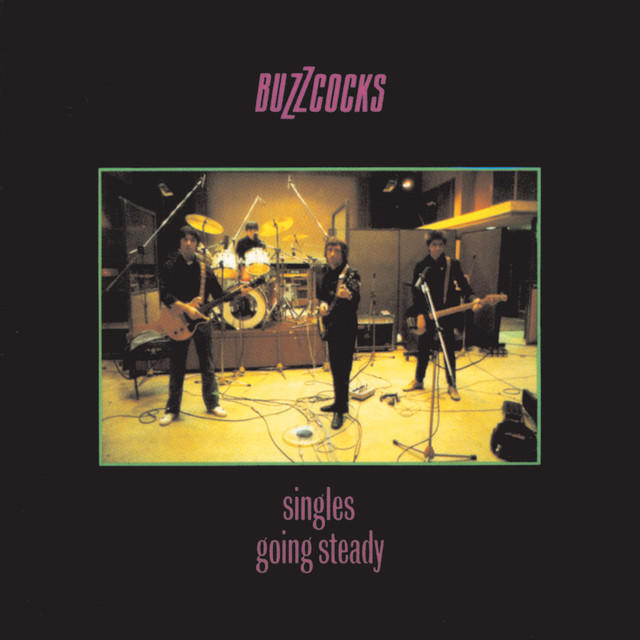 Every punk scene needs someone who understands that a hook is also a weapon, and in Manchester that was Pete Shelley. The Buzzcocks took the speed and urgency of punk and welded it to the boy-meets-girl architecture of classic pop: short, fast, ferociously melodic sugar-rush songs about wanting people, sung in Shelley’s high, slightly reedy, distinctly un-punk voice. The song came about one day as Shelley half-watched Guys and Dolls in a guest house TV room—Adelaide warning Brando to wait till he falls for someone he shouldn’t—then scribbling the lyrics the next day in a van outside the post office. The lyrics are deliberately scrubbed of gendered pronouns, but less because Shelley himself wrote the song about a man—Francis Cookson, with whom he lived for years—than because he wanted the song to apply to either sex. It’s something of a subtly radical act for 1978, queer authorship dressed up in the costume of a universal pop song. And good lord, does it move: that impossibly catchy chord progression churning underneath, the chorus arriving like a question you already know the answer to. After all, nobody’s ever been asked “Ever fallen in love with someone you shouldn’t’ve?” and truthfully responded “No.” —Casey Epstein-Gross
23. Willie Nelson: “Blue Eyes Crying in the Rain” (1975)
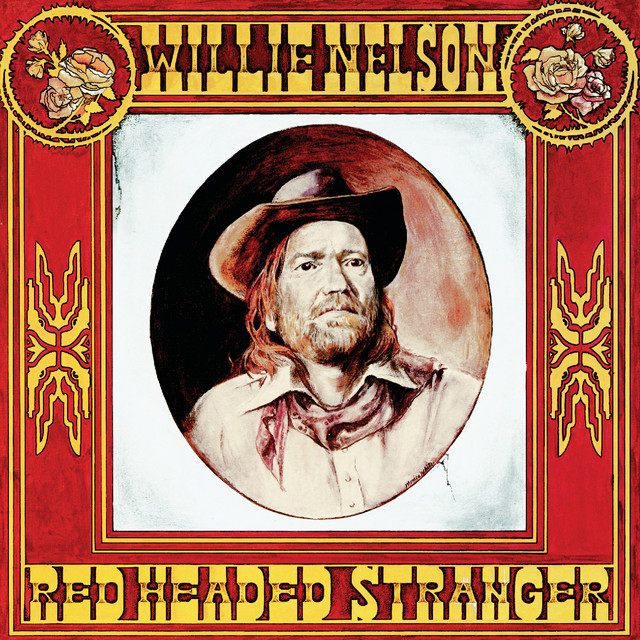 No person defined country music in the 1970s like Willie Nelson. There’s a hundred albums in his catalog, but that run from Shotgun Willie through Red Headed Stranger is the one that everybody rightfully zooms in on. The centerpiece of Red Headed Stranger, “Blue Eyes Crying in the Rain,” is what Bill Malone once called “clean, uncluttered country music.” The song topped the charts (Nelson’s first No. 1 hit) and seemed like a culmination of every narrative angle Nelson had been chasing on Phases and Stages—even though Fred Rose had written it more than thirty years prior. Here, the Nashville Sound is stripped for parts, revealing the voices of Nelson’s trusty guitar Trigger and Jody Payne’s mandolin singing in tandem. Red Headed Stranger is about a wife-killing fugitive, but it’s Nelson singing “love is like a dying ember and only memories remain” that haunts through the ages. —Matt Mitchell
22. The Walker Brothers: “The Electrician” (1978)
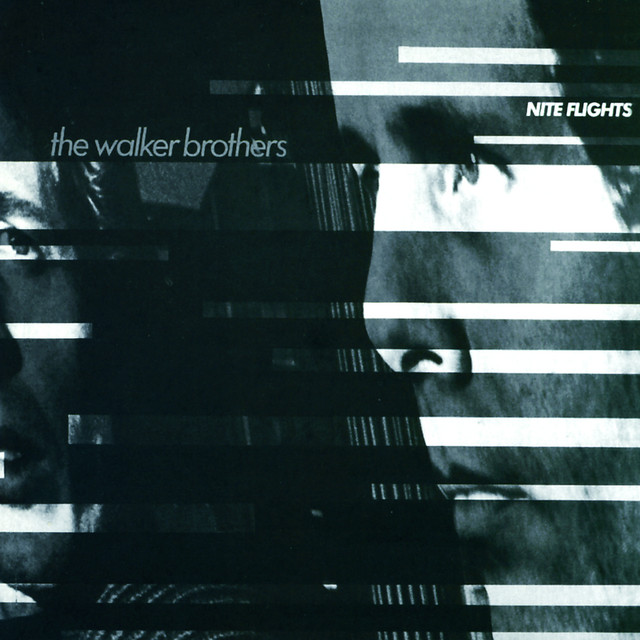 It’s the song that reinvented Scott Walker—rinsing away the ambitious, baroque set pieces of his sixties solo records, as well as his less successful country-pop jaunts of the early seventies, and reuniting with the band that jump-started his fame to set him on his avant-garde path he followed until his death. The first Walker Brothers record made up entirely of original material, Nite Flights features valiant efforts from Walker’s bandmates that, unfortunately, don’t stand a chance in the shadow of the four Walker compositions opening the record. “The Electrician,” which closes this opening stretch, contains all Walker trademarks henceforth: creaking, dramatic, terrifying, and intermittently gorgeous—even under the guise of what Bowie biographer Chris O’Leary described as “a love song about American complicity in Central American torture regimes.” As those strings strain through the proceedings, holding a knife to your throat even as the melody descends in relief, we catch a glimpse at one of the greats re-discovering himself, wringing fear and loathing out of even the gentlest ballad he can muster. —Elise Soutar
21. ABBA: “SOS” (1975)
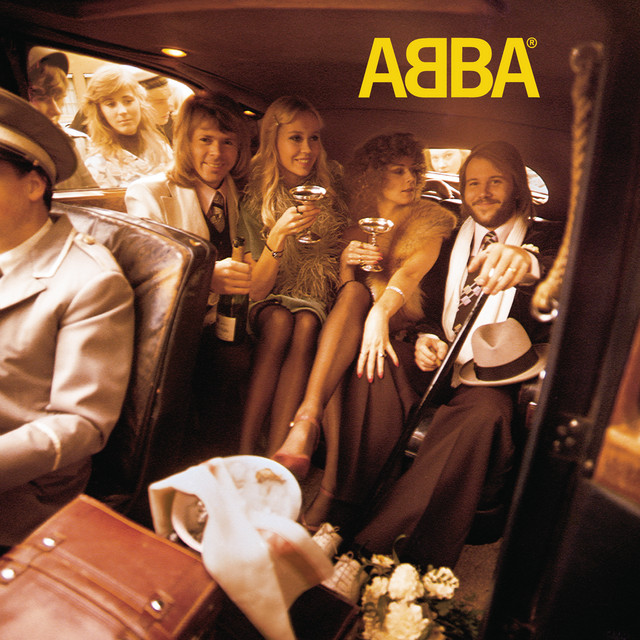 As a woman whose first ever encounter with music was ABBA Gold I am particularly willing to die on the hill that Benny Andersson and Björn Ulvaeus had one of the best songwriting partnerships of their time, but even without this bias it is a fact that becomes abundantly clear when listening to “SOS,” one of their finest achievements. There’s a startling intensity to this song—like much of ABBA’s discography, it is particularly invested in the psychological trauma that comes from a failed love affair. It is not just that the love is over, but that the mental connection is wearing away: “I try to reach for you / But you have closed your mind,” Agnetha Fältskog sings. And later, with her vocals hypnotically double-tracked: “When you’re near me, darling, can’t you hear me?” I could wax lyrical about much of this song, in particular its piano part, but most astonishing is the last chorus. Not content to repeat “the love you gave me,” ABBA threw in an “and” just for kicks. The line is suddenly invigorated, as they cram the syllables in, singing double time: “and the love you gave me, nothing else can save me.” Easy. Ruinous. Benny and Björn wrote the pop playbook, and “SOS” is the first entry. —Mariam Abdel-Razek
20. Blaze Foley: “If I Could Only Fly” (1979)
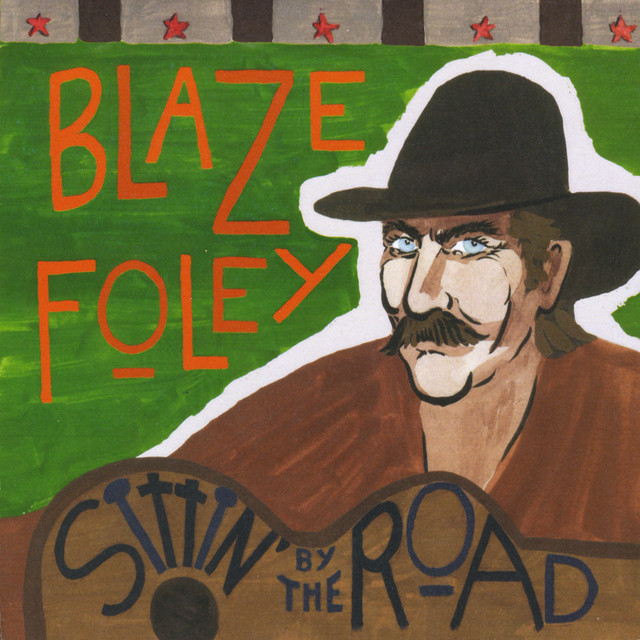 Five years ago, three of the greatest musicians on earth—Dylan Earl, Willi Carlisle, Nick Shoulders—sang this song in the dead of Arkansas winter. It’s my favorite performance ever, and a worthy interpretation of Blaze Foley’s greatest work. Foley recorded the song in 1979, but only a thousand copies of it were pressed. The songwriter was an eccentric linchpin of Austin’s folk scene while spending most years living in his car, on friends’ couches, or taking shelter in dumpsters. “If I Could Only Fly” is the kind of song that should make any man as famous as the day is long, but Foley’s tune never quite made it out of Texas—not for a long time at least. I hear him sing lines like “Tell me things get better, somewhere, up the way / Just dismal thinking on a dismal day / And sad songs for us to bear” and impossibly I still smile, just as Foley might have wanted. He died in 1989 but, thanks to good people like Merle Haggard, Lucinda Williams, Townes Van Zandt, Lyle Lovett, John Prine, and a few hundred others, he’s not yet forgotten. —Matt Mitchell
19. The Clash: “Lost in the Supermarket” (1979)
 CEG
CEG
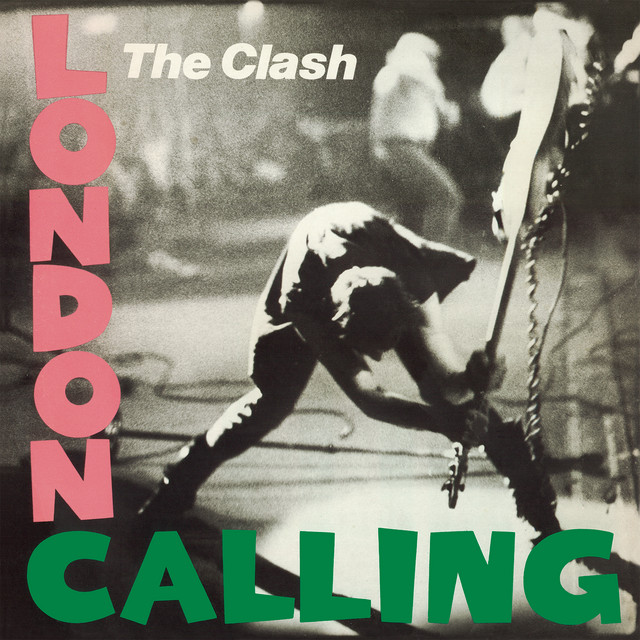
I first heard “Lost in the Supermarket” when I was about ten, and it gave me nightmares about losing sight of my parents in Publix for weeks. To this day, it rings in my head whenever I step foot into any maze of aisles. Choosing a single song off the Clash’s sprawling, omnivorous 1979 masterwork London Calling is a fool’s game; it’s one of the greatest punk records of all time, and a personal lodestone to boot. But for some reason, more than any other track, it’s “Lost in the Supermarket” I find myself returning to. It’s not even sung by Joe Strummer; he wrote it (in a supermarket, unsurprisingly—the cramped one beneath the flat he shared with his girlfriend, where he found himself, as he later put it, “dazed by the color and the lights”) and then handed it to Mick Jones, whose plaintive, boyish vocal turns out to be exactly what the song needs. It’s a far cry from their typical offerings: it’s melodic, almost disco-adjacent in its gentle pulse, tuneful in a way that punk orthodoxy would’ve considered treason two years earlier. But it’s beautiful and endlessly catchy, and all the more damning for it. Decades before Don DeLillo sent the Gladney family wandering the aisles of White Noise, Strummer had already provided the soundtrack: here, the supermarket is the place where the modern soul goes to dissolve, fluorescent-lit and fully stocked and empty as a drained milk bottle. A last-ditch chance at salvation for a populace raised on consumerist alienation and suburban ennui, arriving each week at the supermarket in hopes of purchasing “a guaranteed personality.” Nearly fifty years on, nothing’s changed—whether we’re pushing our cart through a real-life aisle maze or clicking “add to cart” on the labyrinthine interwebs, we’re just as lost as ever. —Casey Epstein-Gross
18. Chico Buarque: “Construção” (1971)
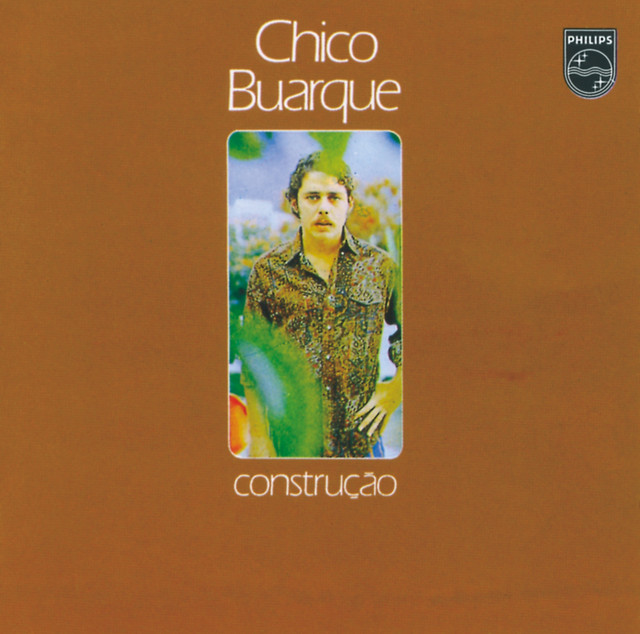 Brazil was one of many falling dominoes in the United States’ brutal Operation Condor, toppling democratically elected leftist governments and ushering in commercially friendly autocrats. It forced Brazilian poet Chico Buarque to flee to Italy and, while in exile, he began to craft the greatest roar of sorrow and defiance of the era in “Construção.” Through clever word play and the form of an epic poem, Buarque follows the final hours of a construction worker, ending in a fatal fall. Over metronomic percussion, he turns the knife: the dying man was viewed merely as an inconvenience to gridlocked traffic as his broken body slumps in the road. The harmonies rise, blaring like a car horn and Barque reveals the anti-human core of capitalist infused fascism: your only worth is what can be extracted from your body. “Deus lhe pague / My god pay you back,” he sings to close the song, a plea for the dead and a threat to those in power. —Nathan Stevens
17. Marvin Gaye: “Got to Give It Up” (1977)
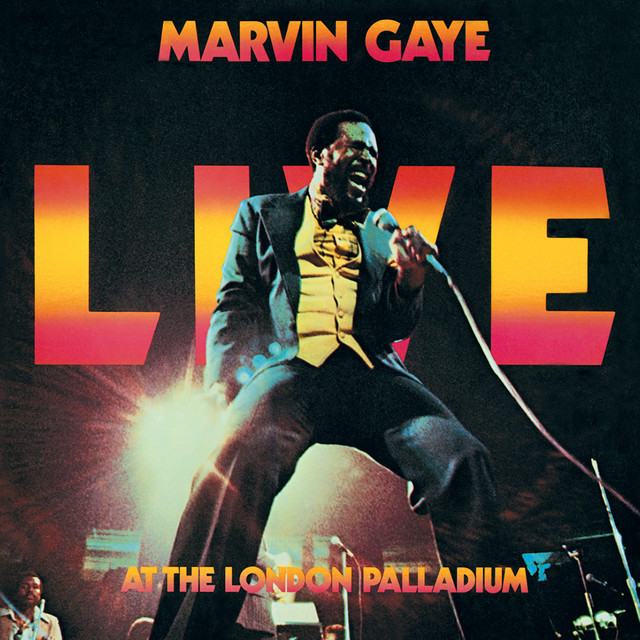 Marvin Gaye wrote “Got to Give It Up” in 1977, after Tamla urged him to get in on the disco action that was taking America by storm. This was the same year that the Saturday Night Fever soundtrack ruled the world, and everyone from the Rolling Stones to Queen were trying their hand at dance music. Gaye followed Diana Ross’ lead, who’d just recorded her own disco track “Love Hangover.” He was also in the middle of divorce proceedings with his wife Anna Gordy, who claimed that he wasn’t paying child support. After avoiding imprisonment, English concert promoter Jeffrey Kruger booked Gaye to do a long run of Euro shows. It was at the London Palladium on that tour that Gaye unveiled “Got to Give It Up.” Affixed with saxophones, drums, guitars, synthesizers, tambourine, and backing vocals from Gaye’s brother Frankie and ex-wife Janis, the result was this sprawling, dynamic, scatting track influenced by the background conversations and talking parts on “What’s Going On” from six years prior. I dare you to carve out some time to listen to this one, because “Got to Give It Up” isn’t just one of the best disco songs ever made; it’s Marvin Gaye’s greatest performance. —Matt Mitchell
16. Tom Waits: “Christmas Card from a Hooker In Minneapolis” (1978)
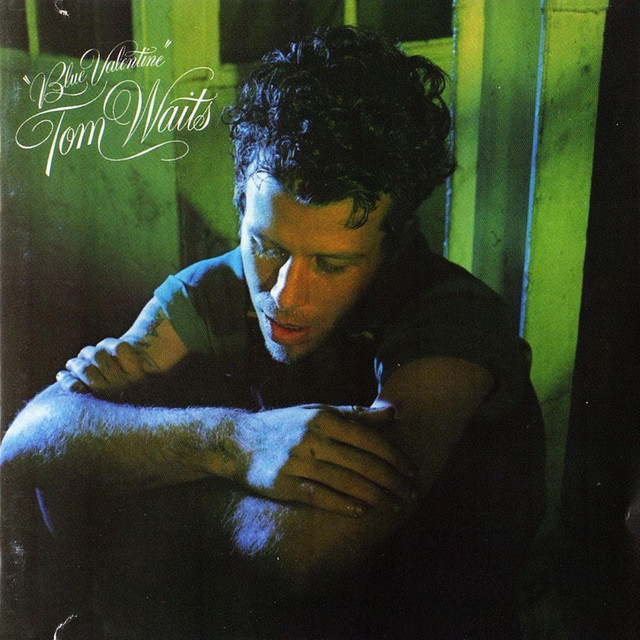 “Christmas Card from a Hooker in Minneapolis” is a six-minute story—a letter from a prostitute to a man named Charlie, which Tom Waits reads to us in full. He lets her entire life unfold on the page: she gets pregnant and quits drinking and drugging; her husband plays the trombone and agrees to raise the baby even though it’s not his; her record player got stolen so she can’t play that Imperials record Charlie bought her; everyone she knows is “either dead or in prison,” but she’s happy for the first time “since my accident.” “I wish I had all the money we used to spend on dope,” Waits croons, the words bubbling in his throat like syllables in acid. “I’d buy me a used car lot and I wouldn’t sell any of ‘em. I’d just drive a different car every day, dependin’ on how I feel.” But the heart of the song comes in its twist, when it’s revealed to Charlie that she doesn’t have a husband and simply needs a couple of bucks to pay for a lawyer. “Hey, I’ll be eligible for parole come Valentine’s Day,” she assures him, and you can hear the smirk wash over Waits’ face. “Christmas Card from a Hooker in Minneapolis” may not be a joyous symbol of the December yuletide. But the details make a bid for closeness or pity, depending on who you ask. It’s intimate but at a distance. Waits, certainly one of the best storytellers to spin a fable seven ways to Sunday, is at his best here. —Matt Mitchell
15. Sly & The Family Stone: “Family Affair” (1971)
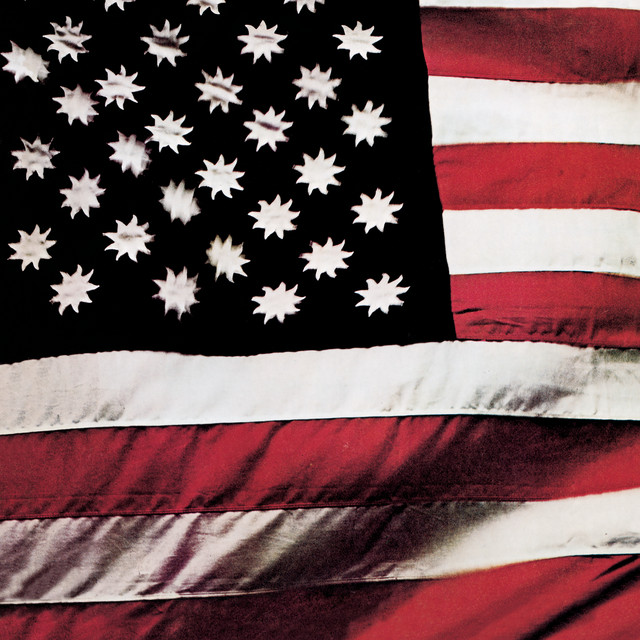 The sixties died more than once. They were murdered with Martin Luther King, Jr. and with Bobby Hutton in April 1968. They were murdered again in Los Angeles in August 1969, under the instruction of Charles Manson; they died once more with Jim Morrison in Paris in 1971. That same year, Marvin Gaye asked: What’s Going On Six months later, Sly and the Family Stone replied. If ever there was a death knoll for the 1960s, it was There’s A Riot Goin’ On, the band’s funky, paranoid, beautiful magnum opus. To be Black and “relatively conscious” in America “is to be in a state of rage almost, almost all of the time,” James Baldwin said in 1961, and so it was with Sly Stone—disillusioned with the steady disintegration of the civil rights movement, using drugs heavily, and suspecting almost everyone around him of being an enemy, Stone leaned into his disquiet and created a record mired in cynicism, gritty and rough around the edges, its persistent overdubbing and erasing giving it a murky tone reflective of its subject matter. It’s easy to class “Family Affair” as a flash of brightness amid such bleakness, but at its heart it is just as sinister. As Rose Stone repeats the titular phrase over and over, Sly sings underneath, an admonition of blood, mud, betrayal. He sounds distant, as though at a remove, or buried somewhere far away. Billy Preston stacks moody chords on his Hahner Pianet. The drum machine plays a rhythm like a heartbeat, unfailing. And we spiral down with Sly, deeper and deeper. People can love you, he seems to say. But they can betray you too. There’s no telling who’ll do what. —Mariam Abdel-Razek
14. Paul & Linda McCartney: “Uncle Albert/Admiral Halsey” (1971)
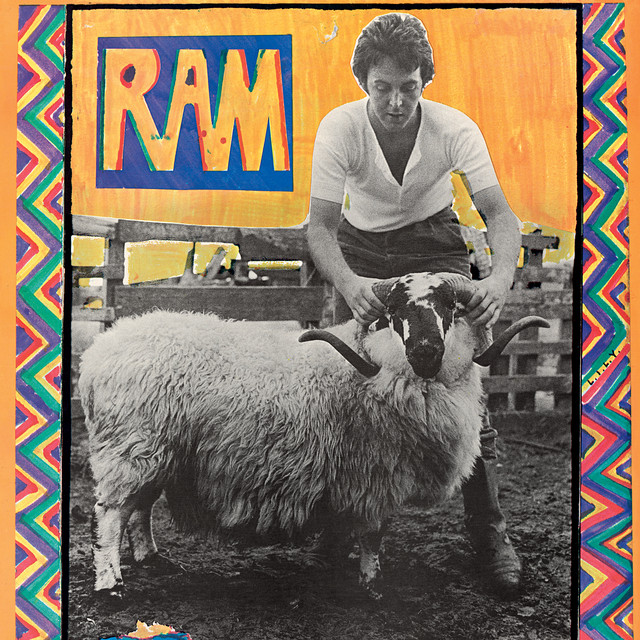 “Uncle Albert/Admiral Halsey” is a weird song, and that’s what makes it one of Paul and Linda McCartney’s best. The five-minute track packs two entirely different ideas into one with no attempt at all made to make a transition between the two. Made up of unfinished fragments lovingly smooshed together by Eirik Wangberg, the song’s first half—a melancholic ode to that mysterious Uncle Albert, full of soft rain sounds, wavery guitars, climbing harmonies, and phone-call interludes—is reminiscent of the Beatles. The latter part—all funky French horn, Kumbaya messaging, and jaunty strings—foreshadows what was to come from the McCartneys in Wings. The combination makes “Uncle Albert/Admiral Halsey” a strange beginning to Paul McCartney’s solo career. He’s described the song’s first half as an apology to an elder generation and the latter as an admonition of its authoritarian tendencies. It’s experimental and joyful and unlike anything else in his catalog. You could make the argument that it made the template that so many modern indie musicians live and die by. —Miranda Wollen
13. Herbie Hancock: “Chameleon” (1973)
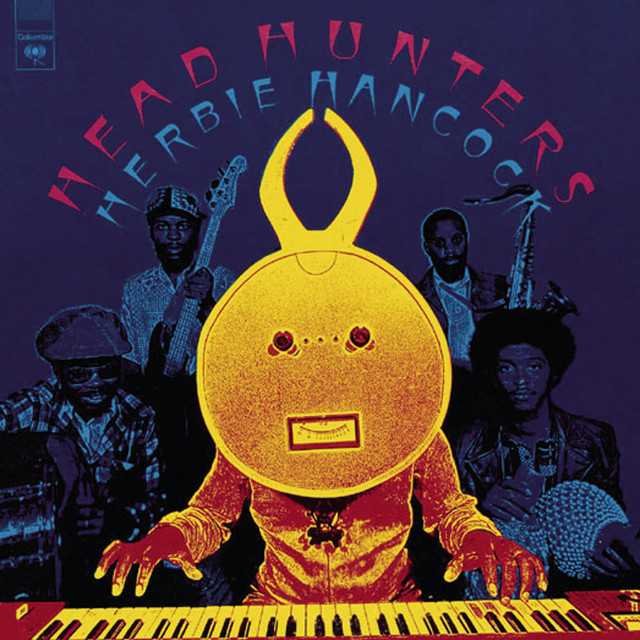 It’s easy to understand why Herbie Hancock called it “Chameleon.” The opening piece of his 1973 opus Head Hunters is a masterwork in jazz fusion. Aided by saxophonist Bennie Maupin, bassist Paul Jackson, and drummer Harvey Mason, Hancock flits between deep-pocketed funk and glassy jazz with an aplomb possible for none other than a virtuoso. Over the course of nearly sixteen minutes, the players morph their performances and adapt to one another’s contributions. Hancock’s squelchy ARP Odyssey bassline and Maupin’s gilded sax interlock, playing the same notes with different textures, underscoring the protean nature of music as an art form. After riffing for a while, Hancock seizes the foreground with a full-on Odyssey solo while accompanying himself on Clavinet and Rhodes keyboards, as Mason supplies a steady groove underneath. It’s the longest track on Head Hunters, and for good reason. Even as the instruments fade out, you hope that it’s all just a trick, that they fade right back in for another epic trip to the cosmos, stanked up to the max. —Grant Sharples
12. Dinosaur: “Kiss Me Again” (1978)
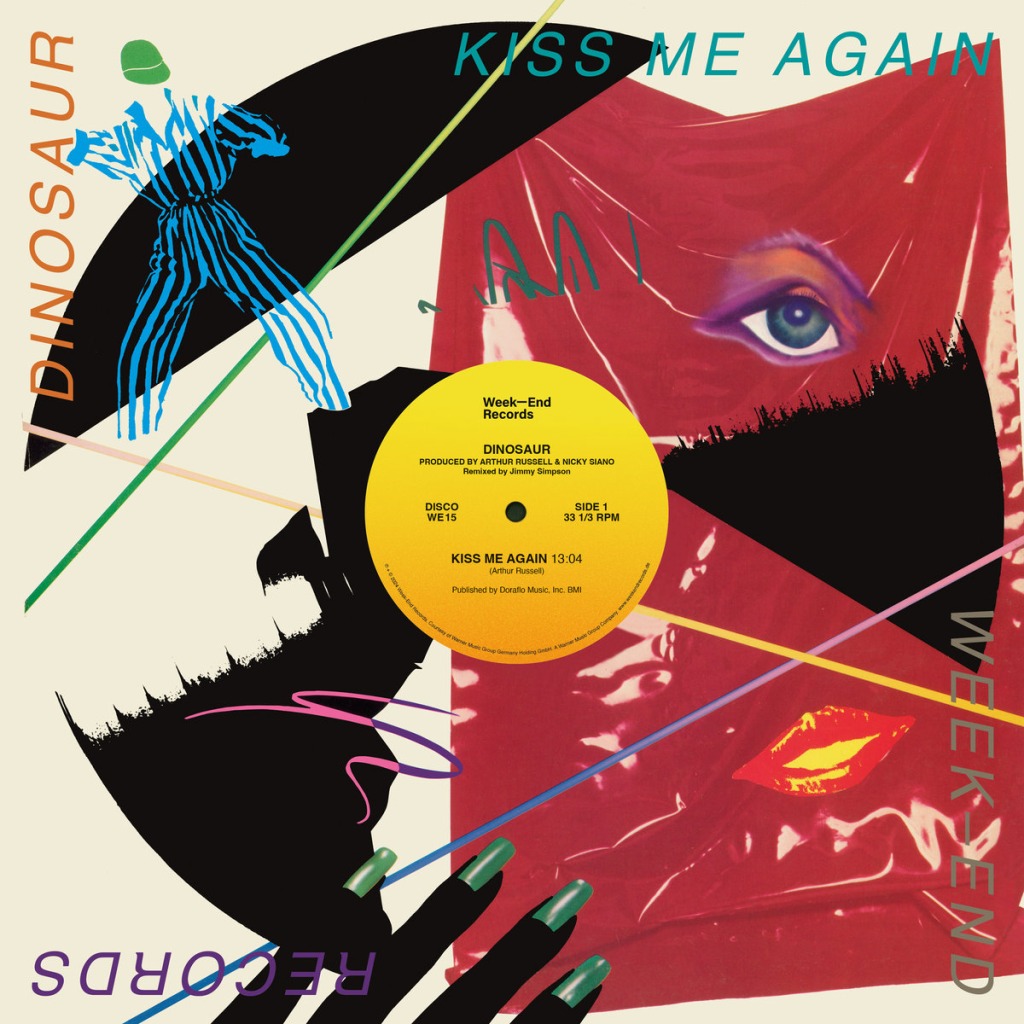 In 1978, Arthur Russell had not yet embraced the avant-garde statesman role he would fill on World of Echo eight years later. He tried to get by on minimalistic compositional music for a hiccup, but eventually earned his keep penning underground club hits under a bunch of aliases, like Indian Ocean and Loose Joints. As Dinosaur (or Dinosaur L), he and Nicky Siano were putting cello and trombone into dance music. “Kiss Me Again” is my pick for the best disco song of all time, if only because its unconventional details rebel against the genre’s deepest and most-beloved explorations. Between the powerful charisma of singer Myriam Valle and the titanic guitar solo by David Byrne, the genius of “Kiss Me Again” is a heavy, beautiful thing. That it goes on for thirteen minutes is the biggest gift. —Matt Mitchell
11. David Bowie: “Station to Station” (1976)
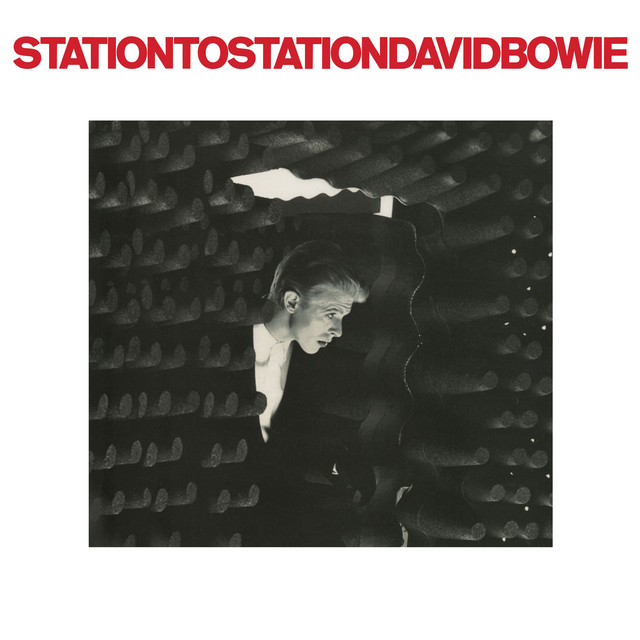 To pick a single Bowie moment—let alone a single song—to define the way he invented and re-invented this decade in his image countless times over is an impossible task. You’re talking about what is perhaps the most magical decade any artist has ever had, birthing all of alternative music and leaving a legacy that we will never live to see replicated, even as some have come close. Back against the wall in this instance, I just might pick five minutes into the title track of 1976’s Station to Station, where a krautrock funeral march of Crowley, Kabbalah, and coke residue finally bursts into its climax, kicking down the door and into a new period of experimentalism for Bowie and his Berlin-bound cohort. On record, even in its triumph, we hear a hollow man who can hardly remember his life pre-fame nor his name mid-session cryptically wonders if he can ever truly love again. This towering monument to Bowie’s artistry, however, is eclipsed by nearly every live version committed to tape, where each cry of “it’s too late” in the outro feels like a searing light cutting to the core of the human condition. To call it a miracle doesn’t feel hyperbolic in the least. In fact, it might be the one instance where you find yourself grasping for a stronger descriptor. —Elise Soutar
 Keep scrolling for more great stories.