
The 100 greatest songs of the 1970s
Waste your summer praying in vain for a savior to rise from these streets…
Photo by Echoes/Redferns
Last month, Paste began its big, multi-month project: picking the greatest songs of all time. The plan is to go decade by decade and choose our favorite singles and deep cuts before producing one large definitive ranking later this fall. In June, we tackled the 1960s, and now we’ve turned our focus to the 1970s. As I noted last time, this isn’t us saying our ranking is better than anyone else’s. Instead, we wanted to curate an interesting perspective on what very well may be the greatest decade in music history. Now, some of our picks will have overlap with what other publications have chosen over the years. That’s inevitable, because some songs really are that good. But we didn’t want to just settle for songs you can find on albums in every record store in the country. Instead, this is a combination of undeniable hits and personal picks released between 1970 and 1979. We aren’t working from any template other than last month’s.
The criteria from June remains the same: We are only featuring one song per artist. If you’re not interested in entries 100-11, you can view the top ten of this list here. Enjoy our rankings, disagree with us in the comments, and come back next month to see what we have to say about the 1980s.

100. Elvis Costello: “(The Angels Wanna Hear My) Red Shoes” (1977)
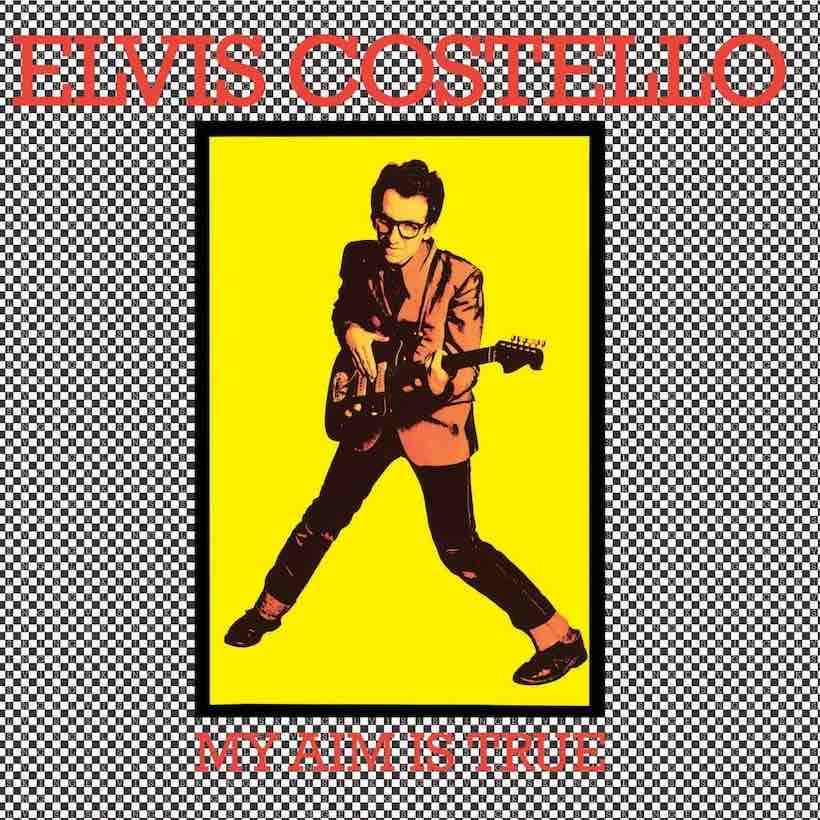 Supposedly written in ten minutes during a train trip from London to Liverpool, even Elvis Costello himself has sounded vexed when explaining the actual narrative throughline of “Red Shoes,” one of the breakthrough singles off his 1977 debut record, My Aim is True. Though more biting, punk-friendly songs would come on the following year’s This Year’s Model, and further records with backing band The Attractions let Costello’s more intricate, Gershwinesque songwriting efforts shine through, it’s difficult to deny that this sunshine-soaked put-down showed the gift was already there. Jamming as many bitter phrases as he can directed towards a lover who’d jilted him into each bar and spewing acid under the guise of power pop perfection, it’s no wonder “Red Shoes” has remained a constant in the songwriter’s live set fifty years into a career boasting some of the century’s best songs. From the first delivery of “I said, ‘I’m so happy, I could die’ / She said, ‘Drop dead,’ then left with another guy,” Costello earned his place in an echelon of greats. Sometimes, even the opening shot is a ripper. —Elise Soutar
99. Rita Lee & Tutti Frutti: “Agora Só Falta Você” (1975)
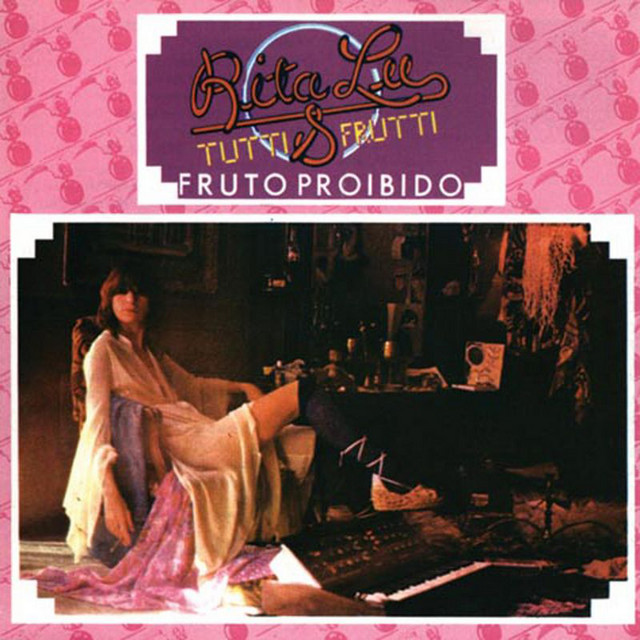 Considering how Brazilian musician Rita Lee tapped Alice Cooper engineer Andy Mills to produce Fruto proibido, it should come as no surprise that the virtuoso multi-instrumentalist and vocalist was able to settle into the rockstar role without a flinch. Lee had been a member of Os Mutantes before going solo, but her fourth solo album was a dramatic, raunchy monument to a rowdiness she’d leave behind for dance music by the end of the seventies. In high-ball combos of glam- and psych-rock, Lee sings of family strife, empowerment, and closure, often in sarcastic, youthful inflections. The sultry, head-spinning “Agora Só Falta Você” is just one burn in Lee’s scorched-earth guitar saga, as she tumbles through bullheaded, crushing blues tones. In my opinion, there is no better Portuguese rock song than this. —Matt Mitchell
98. Bob Marley & The Wailers: “Waiting In Vain” (1977)
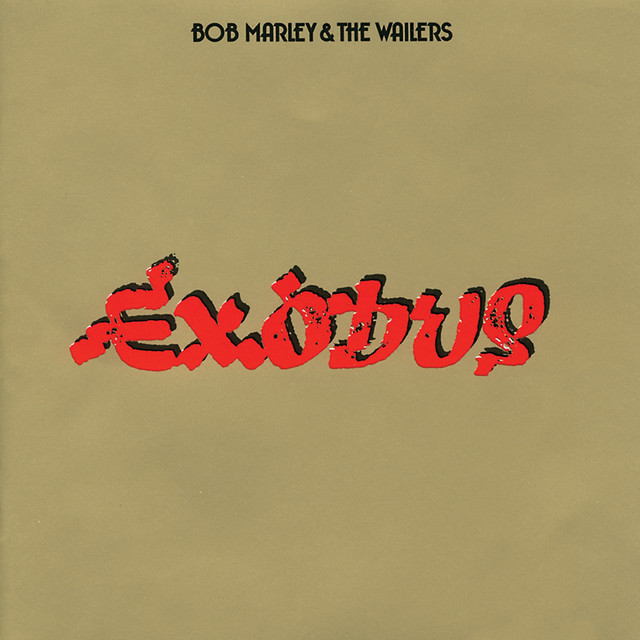 In the decades since Bob Marley’s death, the reggae legend has come to be viewed as far more than a musician. His unmistakable, iconic visage, framed by untamed dreadlocks, calls to mind a folk hero for some, a cultural ambassador for others, or, perhaps most reverently, a voice speaking up for oppressed peoples everywhere. In part, that transcendence makes “Waiting in Vain” one of his most surprising triumphs to casual fans. It finds a pining Marley, equal parts determined and frustrated, forced to wait for his love to be requited. “Tears in my eyes burn / … / While I’m waiting for my turn,” he yearns over a steady, chilled rhythm from his Wailers and backed by the I-Threes, the famed female Jamaican vocal group, which included wife Rita Marley. On a surprise mid-song surge, Marley’s heart leaps from his chest as he imagines the seasons passing (“‘Cause if summer is here / I’m still waiting there / Winter is here / And I’m still waiting there”) without any change in temperature from the object of his desire. For all the beacons of spiritual liberation and social rebellion found in Marley’s music, it doesn’t change a simple fact that transcends all genres of love songs: the waiting is the hardest part. —Matt Melis
97. Leonard Cohen: “Chelsea Hotel #2” (1974)
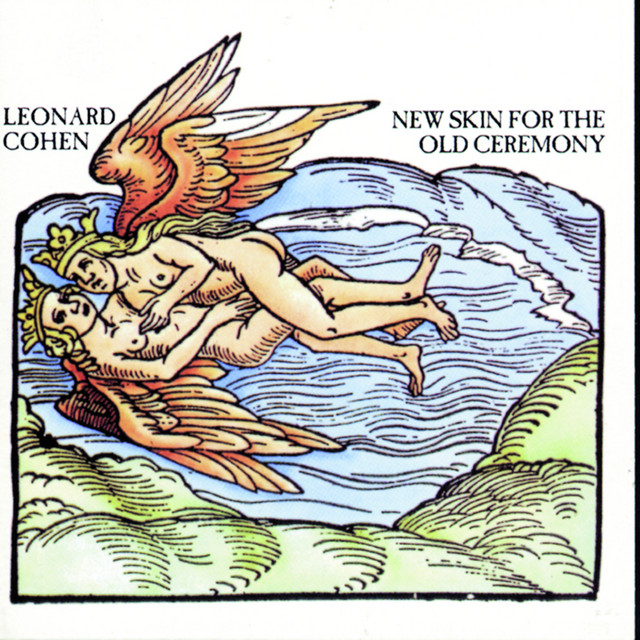 I came to “Chelsea Hotel #2” backwards: searching it up after hearing Jeffrey Lewis’ incredible ode to it, “The Chelsea Hotel Oral Sex Song” (which is, I firmly believe, one of the best songs ever written about another song). But the original, of course, is where the opening lines heard ‘round the world are found: “I remember you well in the Chelsea Hotel, / you were talking so brave and so sweet, / giving me head on the unmade bed, / while the limousines wait in the street.” Atop finger-picked acoustics, Leonard Cohen committed the sacrilegious act of kissing and telling—about Janis Joplin, no less—in his tell-tale low, sweet croak. (After confirming onstage later that the song was indeed about her, he then called it an indiscretion and apologized to her ghost on the BBC, which is its own kind of heartbreak.) But “Chelsea Hotel #2” really isn’t the dirty joke its most famous line might imply. It’s all grief. “I need you, I don’t need you,” Cohen repeats, waffling between the two extremes with feeling bleeding through each syllable. She tells him she prefers handsome men but for him she’ll make an exception. “We are ugly,” he sings, deep and sorrowful, “but we have the music.” Cohen is one of rock music’s most beloved songwriters for a reason, and “Chelsea Hotel #2” is him at his most economical and most devastating: a whole love affair, a whole vanished New York, in under four minutes. The final verse is gutting: “I don’t mean to suggest that I loved you the best / I can’t keep track of each fallen robin / I remember you well in the Chelsea Hotel / That’s all, I don’t even think of you that often”—the final line undercut by all that came before, while simultaneously reaffirmed by the mundane reality of loss: it is simply something you learn to live with. —Casey Epstein-Gross
96. Todd Rundgren: “I Saw the Light” (1972)
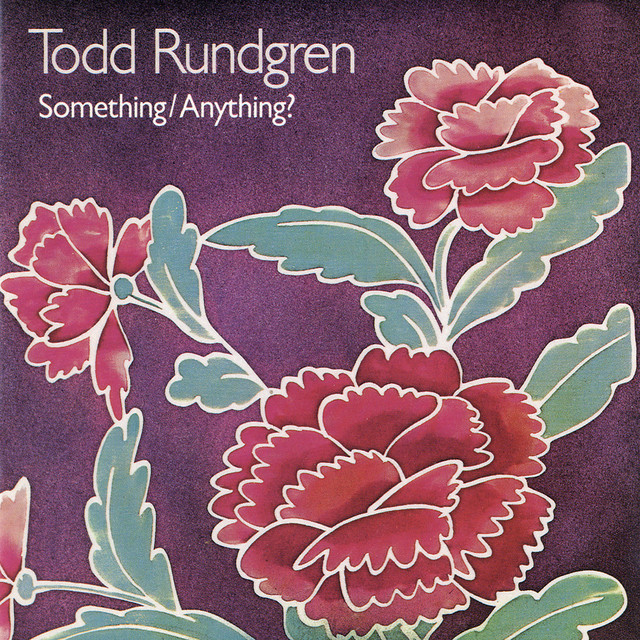 As good an endorsement of Ritalin as any: Todd Rundgren allegedly wrote “I Saw the Light” in twenty minutes while on the ADHD pill in late 1971. “It caused me to crank out songs at an incredible pace,” he later said. “You can see why, too, the rhymes are just moon/June/spoon kind of stuff.” Simple as those rhymes may be, “I Saw the Light” is when Merseybeat spilled into power pop perfectly. The single is Rundgren’s finest work, and he did it all by himself, recording every instrument and vocal part alone in Los Angeles after growing tired of studio musicians. “I Saw the Light” was placed at the beginning of Something/Anything because Rundgren thought it would be a hit, and it was, peaking at No. 16 on the pop chart. The song has a pull to it: cooing harmonies, a popped-blister guitar solo, choruses that add new genius. The lifespan of “I Saw the Light” is ongoing. Every time it comes on the radio is the first time I’ve ever heard it. —Matt Mitchell
95. The Staple Singers: “I’ll Take You There” (1971)
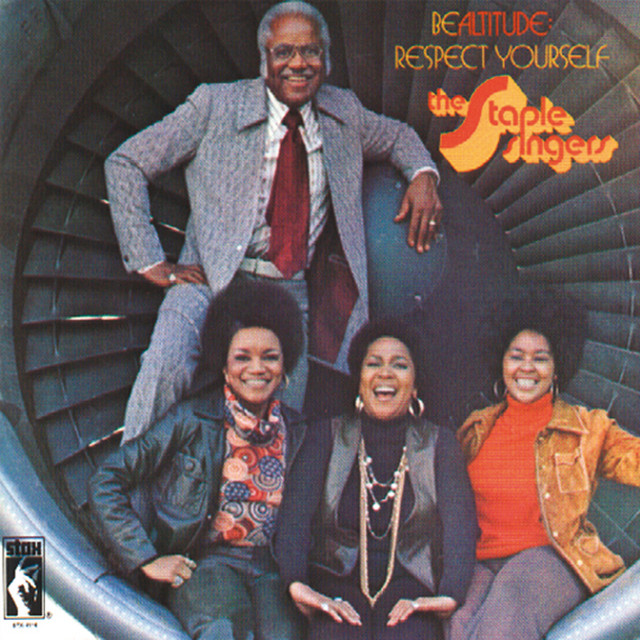 God bless Mavis Staples and her sisters. A string of hits in the 1970s turned the Staple Singers into a household name, but none are greater than “I’ll Take You There,” which spent fifteen weeks on the charts and reached No. 1 on the Hot 100. Fifty-five years later and it’s still among the highest-selling gospel songs ever. It’s call-and-response genius, with a saccharine Eddie Hinton bassline lifted from Harry J Allstars’ “The Liquidator.” It’s quintessential Muscle Shoals, with string and horn arrangements from Johnny Allen and Al Bell. The Staples family is in total lockstep with itself, from Pops to Cleotha and Yvonne. “I’ll Take You There” is an exceptional spiritual, where Heaven isn’t a destination but a way of life. The image of “lying to the races,” suspended in air by an Alabama groove, is still a heavy stone in one of the greatest soul pockets. —Matt Mitchell
94. Big Star: “Kanga Roo” (1978)
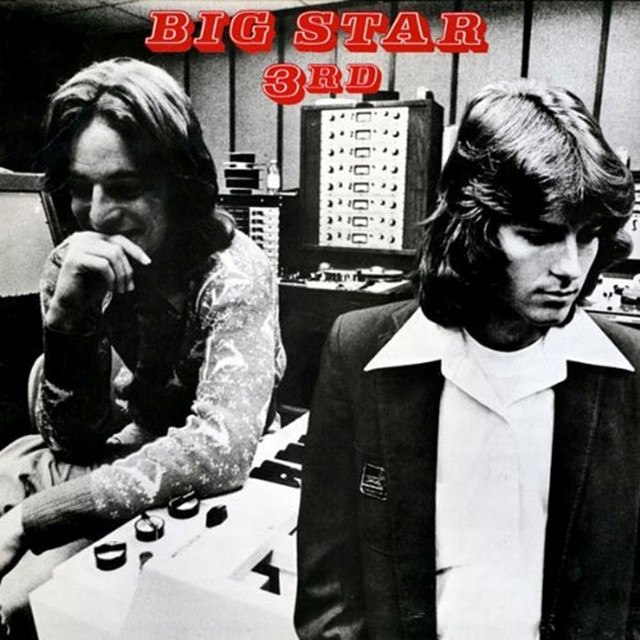 By Third, Big Star was falling apart, and you can hear it on tape. “Kanga Roo” keeps threatening to pull itself apart, the melody stretched thin between the odd noises (seasick guitar feedback, smearing slide guitar, scattered drum beats, that infamous clanging cowbell), echoey production, and Alex Chilton’s miserable vocals. As the story goes, he snuck into the studio late one night with a twelve-string guitar, and decided to record the guitar and vocal mics on a single track, rendering them impossible to distinguish from one another. When Chilton played the song for Jim Dickinson the next morning, the latter asked what he was even supposed to do with the track, only for Chilton to allegedly reply, “Well, why don’t you produce it, Mr. Producer.” And produce it he did. The song ends up messy and strange, slipping between soft and harsh at a moment’s notice, all of it couched in a surreal dreaminess. You can hear it eroding in real time, much like the band themselves. It’s skeletal and enigmatic, and its lyrics are too: “Like Saint Joan / doing a cool jerk,” Chilton whines, “Oh, I want you / like a kangaroo.” It’s a love song that can’t hold its own shape, and every gorgeous shambling indie record since—Wilco letting “I Am Trying to Break Your Heart” collapse into static, This Mortal Coil covering this exact song a few years later—is standing in its rubble. —Casey Epstein-Gross
93. The Slits: “Typical Girls” (1979)
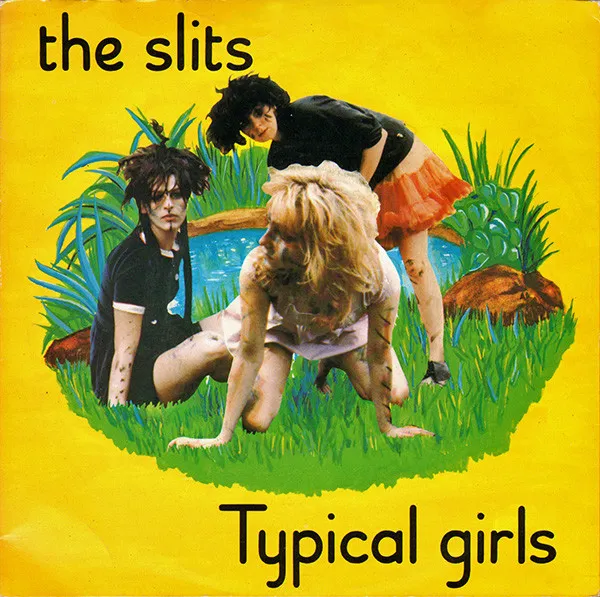 Because of Chrissie Hynde (another great guitarist), who told her to “shut up and get on with it” after Sid Vicious kicked her out of the Flowers of Romance, Viv Albertine joined The Slits. Albertine was a shock doctor who walked around Britain wearing ripped up party dresses and striped stockings—a punk Barbarella writing nasty, disaffected guitar riffs that made her ex-boyfriend Mick Jones’ playing sound like smooth jazz. What I’m getting at is those Slits records captivate me and bash my head and speaker in. “Typical Girls,” pulling from punk and dub music, is tough and defiant—a sharp-toothed refusal of gender clichés, commercial entrapment, and domestic complacency; the dividing line between a femme fatale and head cheerleader. I could pull out a good lyric, but they’re all good lyrics. All the cool shit fifty years ago was getting made by the punk girls. —Matt Mitchell
92. Guy Clark: “L.A. Freeway” (1975)
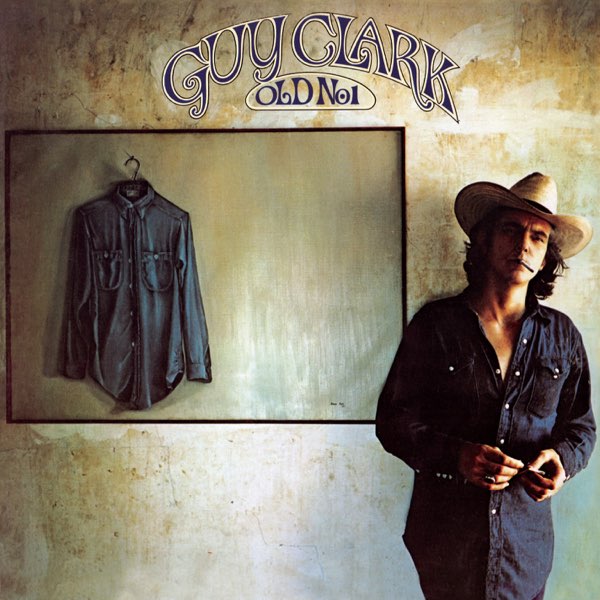 Until his mid-thirties, Guy Clark was a Houston boy playing a part in the city’s folk music movement. But when he and his wife Susanna moved to Nashville at the dawn of the seventies, Clark, who’d mentored the likes of Steve Earle and Rodney Crowell, went into RCA Studio B and recorded his debut album, Old No. 1. Simply put, it’s the greatest country debut of all time, thanks to “L.A. Freeway.” In the melody rings a Southern orchestra, thanks to Johnny Gimble’s fiddle and Mickey Raphael’s harmonica. Crowell and Earle join Emmylou Harris, Sammi Smith, Gary B. White, Lea Jane Berinati, and Florence Warner for backing harmonies, sending Clark on his way like a crowd hollering on the sides of a parade. “Love’s a gift that’s surely handmade,” he sings to Susanna. “We got somethin’ to believe in, don’t you think it’s time we’re leavin’?” —Matt Mitchell
91. Yellow Magic Orchestra: “Rydeen” (1979)
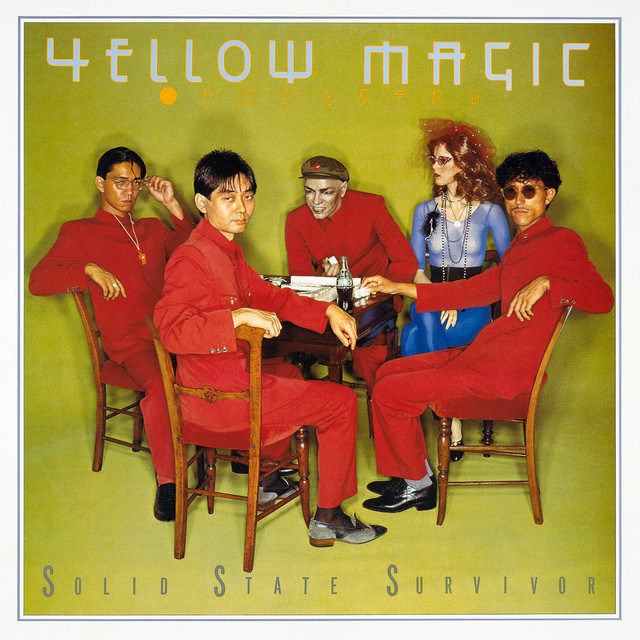 “Rydeen” is the type of song that dares to make you feel invincible. Named for late-18th century sumo wrestler Raiden Tameemon, the track comes from Yellow Magic Orchestra’s landmark sophomore album Solid State Survivor; the record would help establish Ryuichi Sakamoto, Haruomi Hosono, and Yukihiro Takahashi as pioneers in Japanese synth pop, techno, and chiptune. In lieu of lyrics, “Rydeen”’s pervasive catchiness comes from a razor-sharp Moog riff, its galloping drums and scintillating rhythm keys pushing everything forward. It’s just as triumphant as it is playful, serving as the main theme for the Sega arcade game Super Locomotive and proving, even decades later, that Yellow Magic Orchestra were ahead of their time. —Abby Jones
90. Nick Drake: “Northern Sky” (1971)
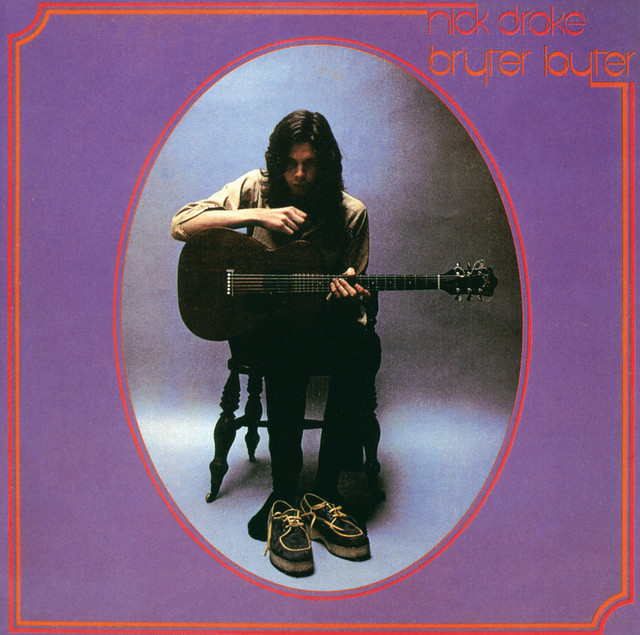 Nick Drake was not, throughout his short and prolific life, known for optimism. “Northern Sky,” the best song off the John Cale-produced Bryter Layter, is an exception to that rule. Dappled in the colors of the strange aurora it references, Drake submits a prayer of sorts. It is one of the less lonely ideas of his career, perhaps because he was living with John Martyn at the time. One can feel the sun shining through the trees in his soft guitar, the sweet chimes of a celesta, the hitch in his breath when he breathes, “Oh, if you would and you could / Straighten my new mind’s eye.” Though written in his typical tuning, the song carries a sense of levity in its pastoral—a rarity in Drake’s career. Tender and fragile, fleeting hope makes “Northern Sky” impossibly and painfully human. It is a wondrously small thing—a turn off-course that has become one of Drake’s most celebrated songs, and for good reason. —Miranda Wollen
89. This Heat: “The Fall of Saigon” (1979)
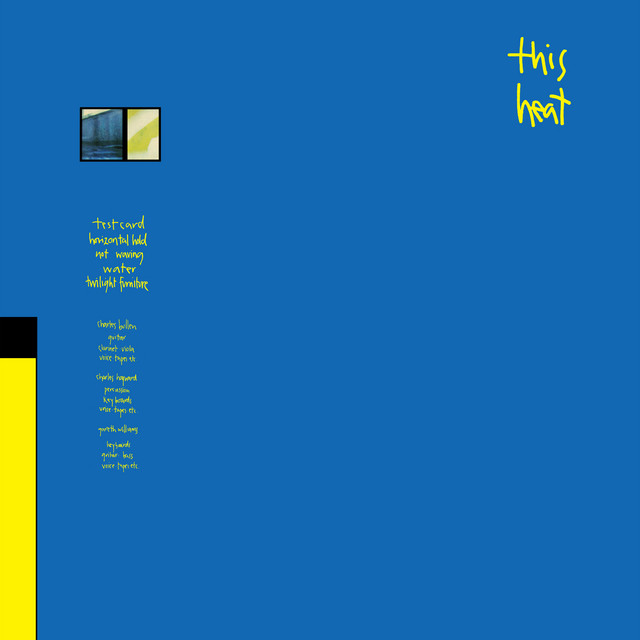 Before they would go on to influence post-punk gods like Steve Albini, industrial heavyweights like Nurse With Wound, and experimental pop visionaries like Stereolab, the short-lived London trio This Heat was just like anyone else left feeling dispirited and ireful after the Vietnam War. Written shortly after the war’s end, “The Fall of Saigon”—the penultimate track off This Heat’s self-titled debut—feels like a snapshot of history luxuriating in despair: “My God, how we got so far only to reach so low,” Charles Bullen, Charles Hayward, and Gareth Williams sing in unison. Their voices reverberate over eerie hypnotic loops until the song feels like a funereal march from near-future dystopia plodding straight towards the present. —Abby Jones
88. Roberta Flack: “Killing Me Softly With His Song” (1973)
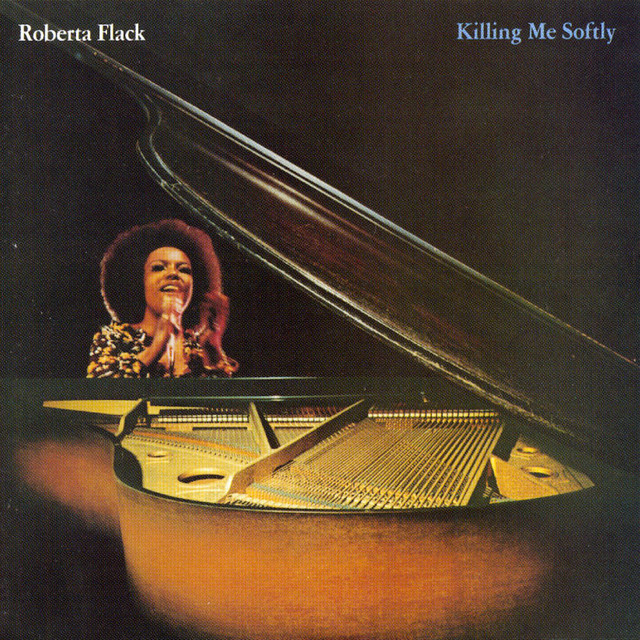 Though you might be more familiar with the Fugees cover of Charles Fox, Norman Gimbel and Lori Lieberman’s “Killing Me Softly with His Song,” it was Roberta Flack who made the track a ballast of emotional soul and jazz. Helen Reddy, a veteran of this list, was supposedly approached by Lieberman about singing the song first, but Reddy didn’t particularly care for the title and missed out on the acclaim. Flack’s version would win a Grammy for Record of the Year and cement her as vocalist royalty. And her singing on “Killing Me Softly with His Song” is, to put it simply, wondrous and masterful. Donny Hathaway lent harmonies to Flack’s lead, and their collaboration helped turn the track into a whole movement of beauty and electricity. It’s one of the greatest vocal performances of the 1970s, and it’s one of the greatest ballad efforts ever laid to tape. —Matt Mitchell
87. Joy Division: “Disorder” (1979)
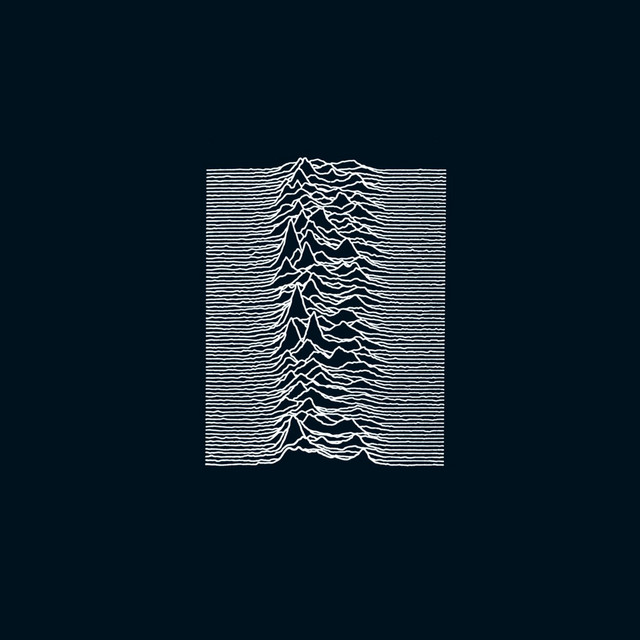 The first thing you hear on Unknown Pleasures—the first thing anyone ever hears of Joy Division, really—is Peter Hook’s bass, playing high and melodic where a bass has no business being, while Bernard Sumner’s guitar hangs back like a cold front. Stephen Morris’s drums skitter and press forward, and Martin Hannett’s production hollows out the middle so everything sounds like it’s happening in a room much bigger and hollower than the one you’re in. But “Disorder” is, by Joy Division standards, almost bright—it’s propulsive, even danceable, a sprint rather than a dirge. The world is “getting faster, moving faster now,” after all. In the eye of the storm, though, Ian Curtis is standing in place: “I’ve been waiting for a guide to come and take me by the hand,” he intones, all cavernous baritone and stark numbness. “Could these sensations make me feel the pleasures of a normal man?” It’s a song about numbness that feels a little like it too—not sadness, exactly, but the alarming absence where sadness should be. “I’ve got the spirit,” he sings, “but lose the feeling”—repeated until only the last word is left, feeling, feeling, feeling, chanted over and over until the word wears through and becomes noise. —Casey Epstein-Gross
86. Bill Withers: “Ain’t No Sunshine” (1971)
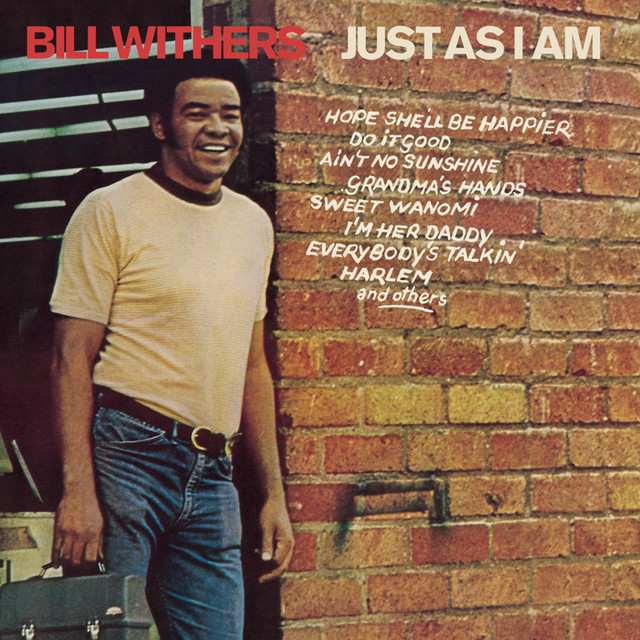 “Ain’t No Sunshine” requires no introduction, nor does baritone vocalist Bill Withers. You wouldn’t guess the tune was inspired by a sixties rom-com: but Withers’ most popular track is about a doomed love affair. He worked at a factory making toilet seats for airplanes when, at thirty-two, “Ain’t No Sunshine” catapulted him to the top of the R&B world. In fact, the demo he made was so impressive, with its rich intonations and evocative lyrics, that it earned Withers the help of the star producer Booker T Jones. Withers hadn’t even finished writing it at that point, and the “I know, I know, I know” refrain was just a placeholder. The song’s simplicity is one of its greatest strengths: it’s a perfect everyman’s tune—a universal feeling expressed in a universal language. —Miranda Wollen
85. Karen Dalton: “Something On Your Mind” (1971)
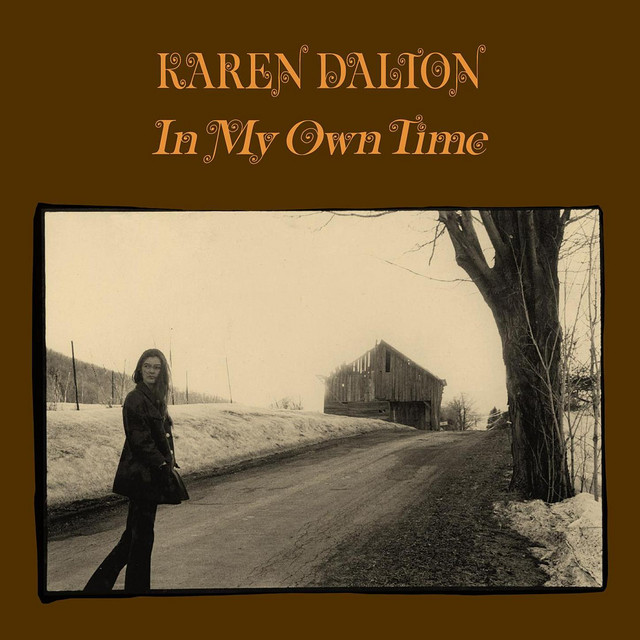 In My Own Time is a truly singular album, but Karen Dalton’s life story strikes a common chord: The blues singer and guitarist fled her Oklahoma hometown in the 1960s with hopes of establishing herself in Greenwich Village’s storied folk scene, making fans and collaborators out of soon-to-be-legends like Bob Dylan but never quite achieving commercial fame in her lifetime. She suffered from debilitating shyness on stage and in the studio, which led her to almost exclusively sing songs she didn’t write herself. But she performed other people’s lyrics as if they came straight from her heart: “Didn’t you know you can’t make it without ever even tryin’?” she sings on In My Own Time’s pensive, prophetic opener “Something on Your Mind,” letting Dino Valenti’s words emphatically flow out of her like she’d been waiting for this moment forever. —Abby Jones
84. The Temptations: “Papa Was a Rollin’ Stone” (1972)
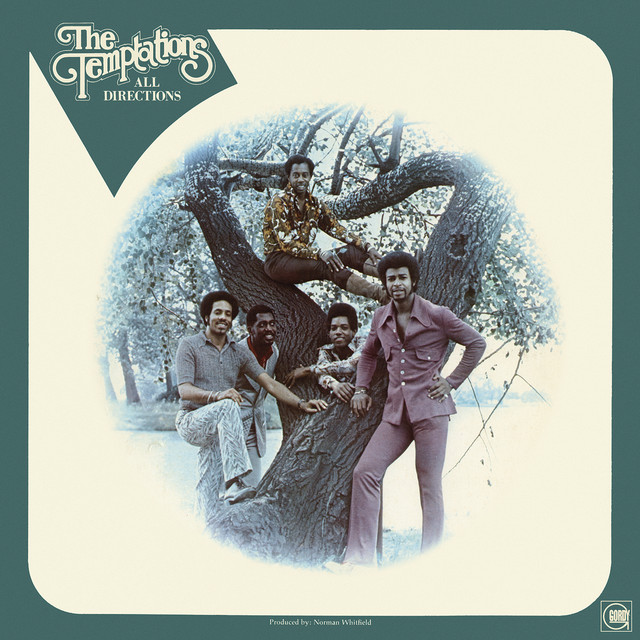 The Temptations’ ultimate gift of psychedelic soul, “Papa Was a Rollin’ Stone” is the group’s 12-minute opus penned by Norman Whitfield and Barrett Strong. It would top the Hot 100 and go on to be regarded as one of the greatest songs ever made, but “Papa Was a Rollin’ Stone” is the track that marked the beginning of Motown’s decline in quality—but don’t get it twisted, the label still put out numerous hits; they just weren’t arriving in droves like they had between 1959 and 1971. The Temptations’ magnum opus, however, is one of the last great instrumentals by the Funk Brothers and, arguably, the greatest orchestral piece that the Detroit Symphony Orchestra ever lent to a Motown track. It’s got one of the greatest bass performances ever, a tense backbeat embellished by a repetitive hi-hat and one of the most soulful hand-clap rhythms I can think of. “Papa Was a Rollin’ Stone” arrived on the charts at a mountainous seven-minute clip. It’s the fourth-longest No. 1 hit ever; it’s the suavest, most haunting vocal ensemble performance of the 20th century. —Matt Mitchell
83. Ramones: “Today Your Love, Tomorrow the World” (1976)
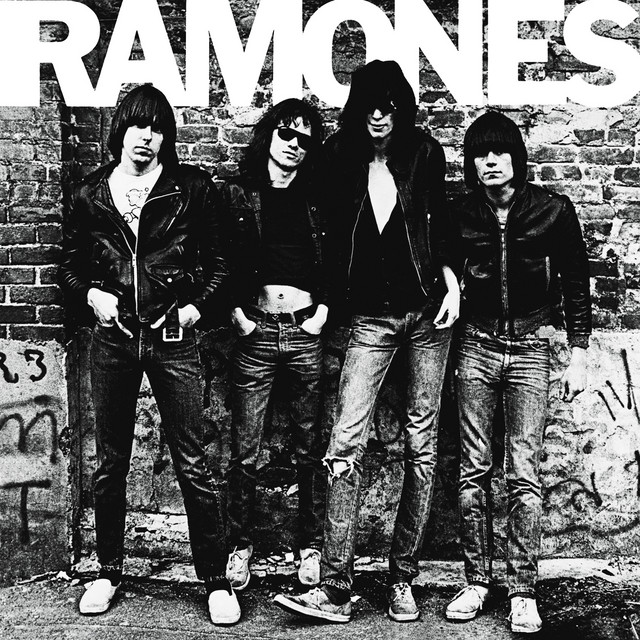 The Ramones are at their best when they are wrapped up in fits of irony and pitch-black humor. You can find those moments across their entire catalog, but nothing stacks up with “Today Your Love, Tomorrow the World,” the closing track from the band’s debut album. An anti-Nazi song written by Dee Dee—who grew up in Germany because his American soldier father married a German woman—as an act of rebellion against his peers who bullied him, few bands have ever had the gusto to open a song with such a swift, toeing-the-razor’s-edge declaration: “I’m a shock trooper in a stupor. Yes, I’m a Nazi.” Joey follows it up by uttering one of the funniest lines in the entire Ramones catalog: “Schatzi, you know I fight for the fatherland.” The Ramones even include their trademark “1-2-3-4” countdown in-between the chorus and outro, but this time Dee Dee sings it in German. Not only is “Today Your Love, Tomorrow the World” a perfect encapsulation of the Ramones’ unrest, it captures the band at its best. Here, Tommy pounds the cymbals like his organs will fall out of his ass if he skips a beat, while Johnny shreds so well that I can’t imagine he walked out of the studios with every finger still intact. If Ramones is the album that busted NYC punk rock wide open, “Today Your Love, Tomorrow the World” is the track that knocked the final hinge clean off the door. —Matt Mitchell
82. Jorge Ben: “Ponta de lança africano (Umbabarauma)” (1976)
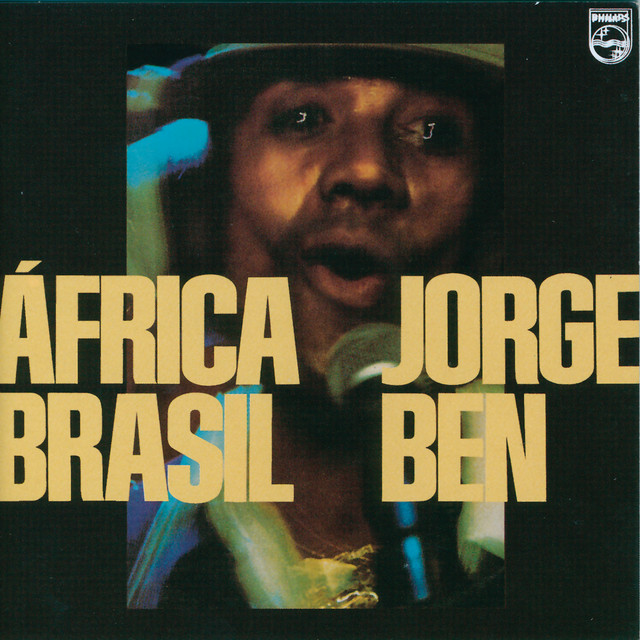 In 1975, Jorge Ben teamed up with Gilberto Gil for Gil e Jorge (Ogum Xangô), a guitar revolution packed into samba masterworks. A year later, he went electric and made the best album of his career, África Brasil. The groove here is Ben’s anchor, his motivator, and his destination. Every speck of this tape is adventurous and super-charged, full of Afro-samba horns, and gospel vox. The songs are tributes to Afro-Brazilian heritage and diaspora; “Ponta de lança africano (Umbabarauma)” is about an African football striker. Ben’s craft morphs into psychedelic, polyrhythmic MPB spirituals, turning África Brasil into his most ecstatic bop where the pulse never ceases. Ben saw Miles Davis’ “music from the gods” and used the trumpeter’s On the Corner intensity to make África Brasil. A song like “Ponta de lança africano (Umbabarauma)” slides in sideways. In this pocket, ancestry is motion and memory. —Matt Mitchell
81. Warren Zevon: “Werewolves of London” (1978)
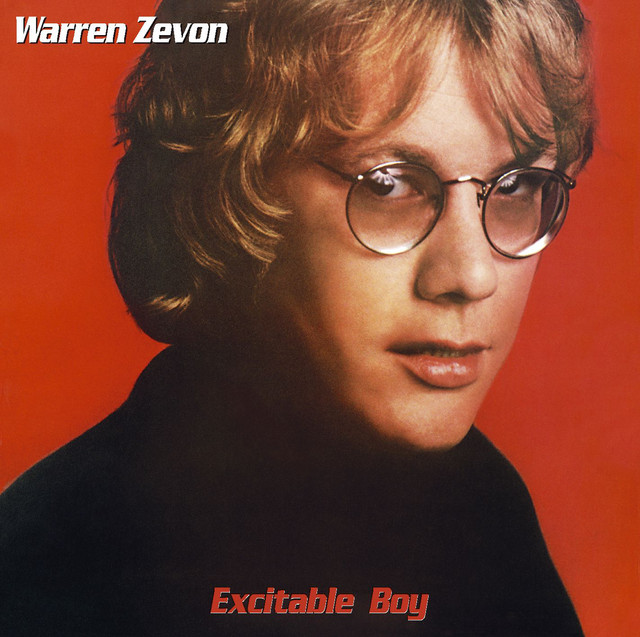 It’s been said that this song contains one of the greatest opening lines in music history—“I saw a werewolf walking with a Chinese menu in his hand”—and while that’s true, “Werewolves of London” is a lyrically stacked with a sitcom jokes-per-minute density (down to the shameless cribbing of the piano riff from “Sweet Home Alabama”. Every single one of Warren Zevon’s one-liners is as perfect as the hair on that werewolf spotted drinking a piña colada at Trader Vic’s. In addition to being one of the most hilarious in his catalog—Zevon himself infamously referred to it as “a dumb song for smart people”—it’s also a masterclass in session musician recruitment, Zevon and co swapping players in and out of the studio before striking the ideal balance with Mick Fleetwood and John McVie. What started out as Zevon’s unserious attempt at sparking a dance craze proved that sometimes the dumb in-jokes and throwaway gags are where the best ideas are born.—Grace Robins-Somerville
80. Al Green: “Love and Happiness” (1972)
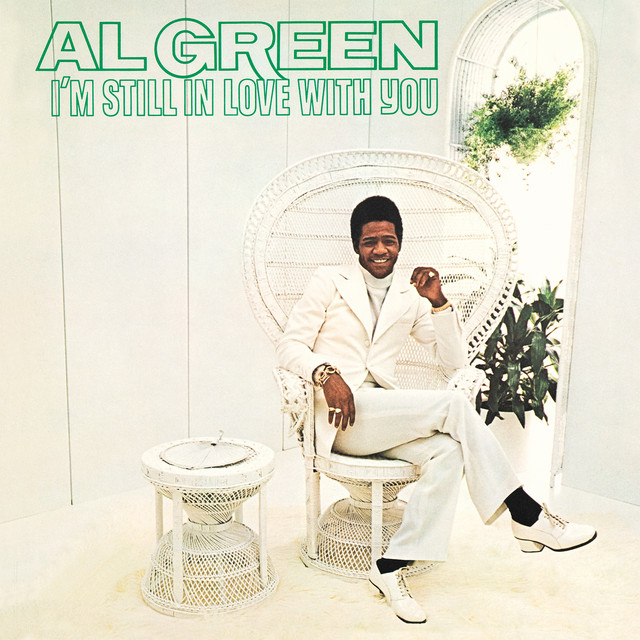 It’s easy to say that “Love and Happiness” is a warm extolment of domestic life, a bit like some other parts of Al Green’s discography (“Let’s Stay Together,” for instance) but “Love and Happiness” has always stood apart from those songs. The story goes that Mabon “Teenie” Hodges wrote it one morning just after having sex with his girlfriend and before watching a wrestling match on TV. This, to me, feels right. Firstly, because this song—and in particular the first thirty seconds, when Green sings searchingly over Teenie’s guitar riffs, has to be one of the sexiest songs ever recorded. Secondly, there is a specific bodily quality to “Love and Happiness,” a physicality that comes from the sheer perfection of its groove. Green’s band—the Hi Rhythm Section, house band of Willie Mitchell’s Hi Records, who played on a metric ton of soul hits over the course of the seventies—are at their world-conquering best. Al Jackson Jr.’s pocket is so behind it’s as though he just rolled out of bed, the backbeat fat and lazy, strutting through the track. Both guitar parts, meanwhile, are so percussive they become like extra drum kits: Leroy Hodges anchors everything with a ridiculously sharp bassline, keeping time like a kick drum, and Teenie’s guitar pierces in bursts through the warmth of Charles Hodges’ Hammond organ. When the Memphis Horns play, they light up the song with the brightness and brevity of a flare gun. But it’s still Al Green’s voice that makes this track. It carries a streak of ferocity that shows how he had more in his arsenal than tenderness. —Mariam Abdel-Razek
79. Kraftwerk: “Trans Europe Express” (1977)
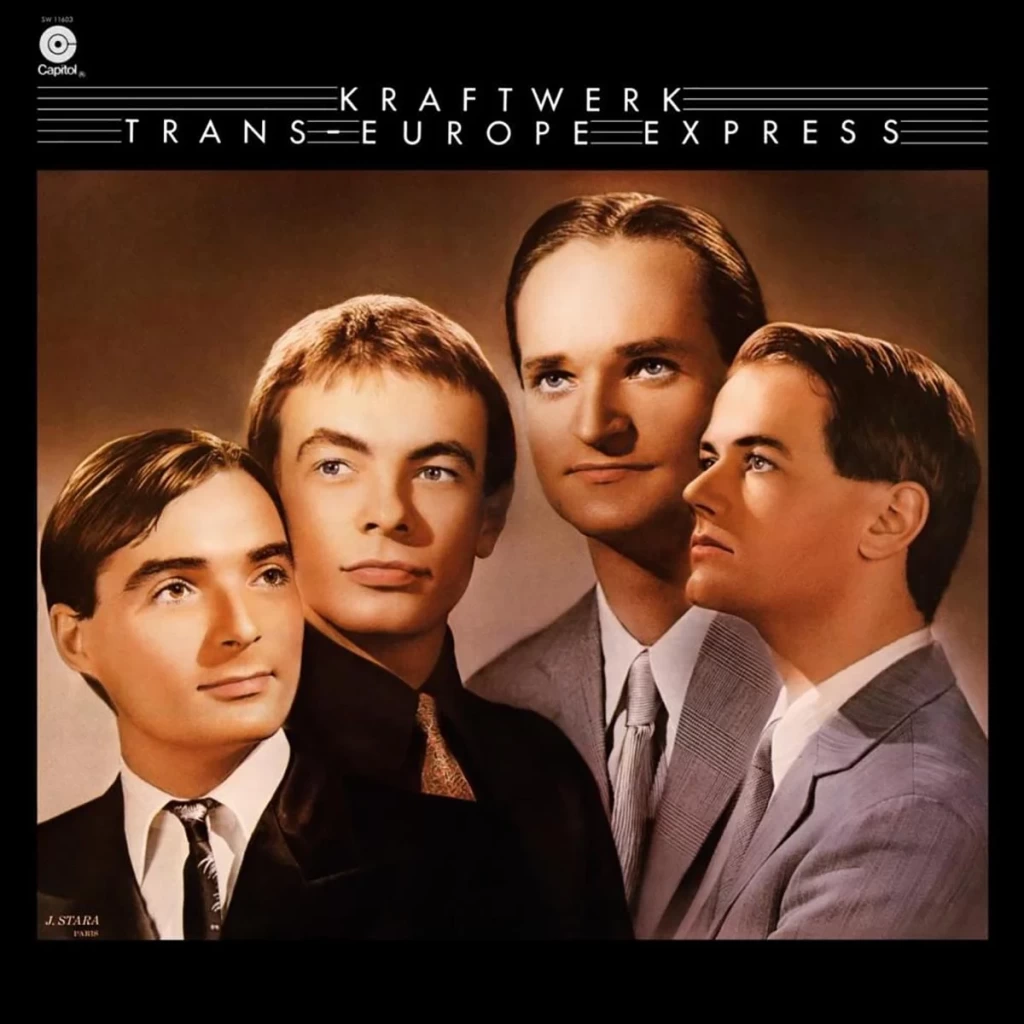 Kraftwerk’s sixth album found moderate success in America, rising to No. 119 on the Billboard 200, but its title track has probably influenced more records than the rest of that week’s chart combined. The Germans were playing with melodic synths, coded rhythms, manipulated vocals, and minimalist textures around this time; their mechanical, cybernetic ideas would soon predict the synth-pop glories of Depeche Mode and Pet Shop Boys. But on “Trans Europe Express,” vocalist Ralf Hütter calls out to David Bowie and Iggy Pop, the former whose album Station to Station was inspired by Kraftwerk’s electronic godfathering. Bowie once called Kraftwerk’s music the “folk music of the factories.” In the spartan abrasions of “Trans Europe Express” and its train schedule precision, I’d say there’s nothing truer. —Matt Mitchell
78. Jim Croce: “Operator (That’s Not the Way It Feels)” (1973)
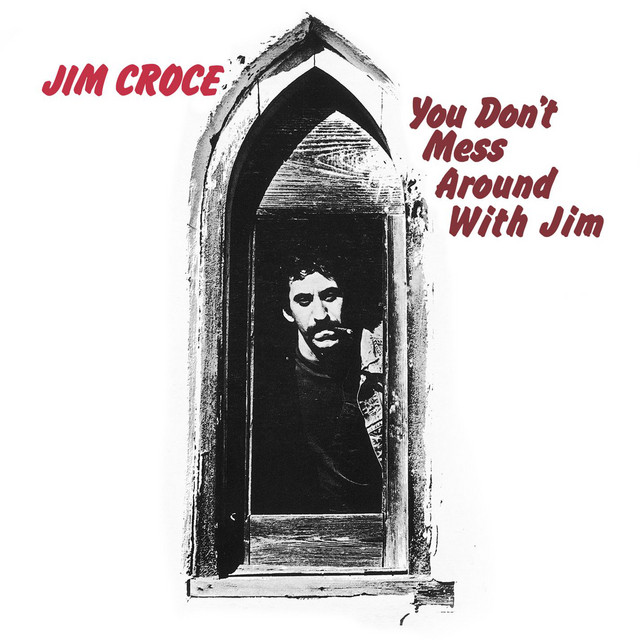 One of the earliest known Dear John letters was written to Ernest Hemingway in 1919. “I am afraid it is going to hurt you, but I’m sure it won’t harm you permanently,” wrote Agnes von Kurowsky. Years later, Jim Croce would watch his fellow soldiers line up to use the one telephone on the base, calling up their wives and girlfriends to see if the Dear John letters they’d received were true. Then, he wrote a song about it. If Hemingway could have heard “Operator,” it might well have healed his broken heart. Or maybe it would have broken all over again. There is an ache to the way Croce sings that feels tangible. It is as though you could cut open his voice and find his heart right there in the middle. The song is sparsely arranged, but still it rings with warmth and color; Maury Muehleisen’s guitar interweaves beautifully with Croce’s finger-picked arpeggios, the textures building out slowly but surely as Croce’s speaker pours his heart out to the operator on the other end of the line. By the time the whole band is playing together, you’ll hear Tommy West’s bassline walking mournfully up and down the fret board and feel just about ready to burst into tears. At its heart, “Operator” is about the utter helplessness that we feel in the face of sadness. Croce’s narrator tries to make his call, can’t read the number through his tears, then eventually gives up, telling the operator to keep the dime. “Isn’t that the way they say it goes?” he asks with a sad shrug, and we know exactly what he means. Heartbreak is a human affliction, and just as Hemingway’s lover said to him in her letter, we get over it eventually. But as Jim would say—that’s not the way it feels. —Mariam Abdel-Razek
77. Agustus Pablo: “King Tubby Meets Rockers Uptown” (1977)
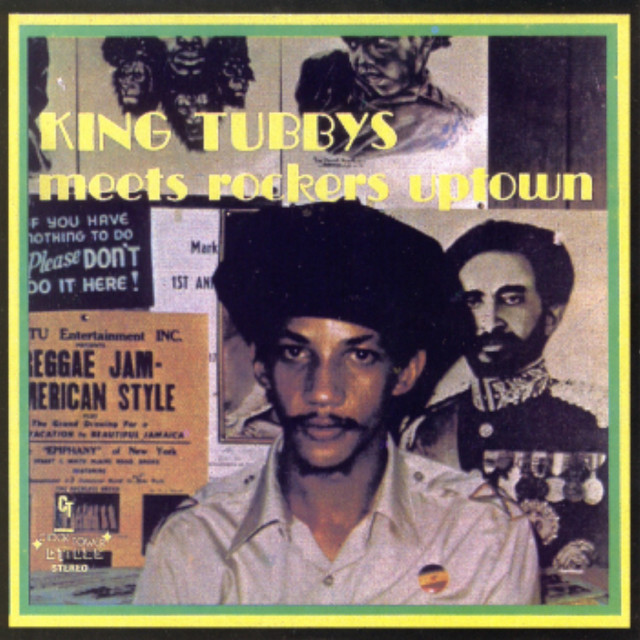 “King Tubby Meets Rockers Uptown” still sounds ahead of its time nearly fifty years later. Back then, dub musicians were favoring bass lines and percussion, but Agustus Pablo and sound engineer King Tubby went through minor-chord psychosis while hammering the rhythms of a looping eighth-note into a melodica melody. The scrapes of tape delay effects and disjointed guitar swipes sound like EDM years before the genre would take launch. The decaying groove in “King Tubby Meets Rockers Uptown” resonates through Pablo’s production, which has since spilled into rap, ragga, jungle, and drum ‘n’ bass. He makes a plastic kids’ instrument sounds like a new frontier. Double-time drums like Carlton Barrett’s could make history restart. —Matt Mitchell
76. Elton John: “Funeral For a Friend/Love Lies Bleeding” (1973)
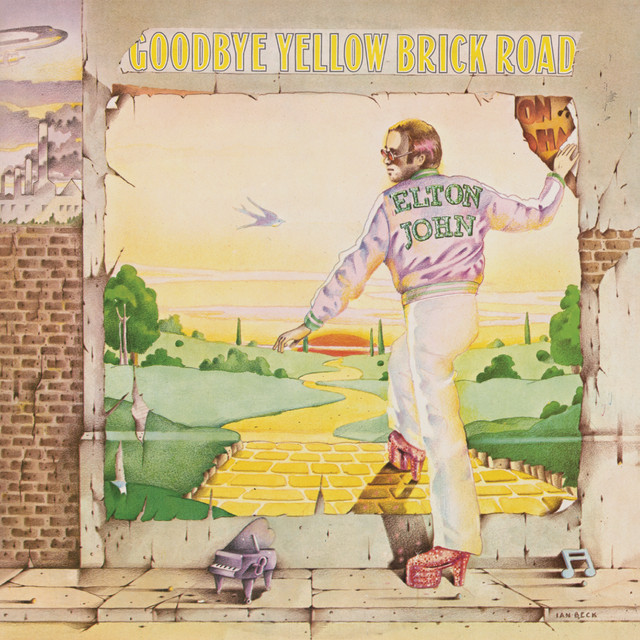 The opening song on Goodbye Yellow Brick Road gets overlooked because of the hits Elton John and Bernie Taupin made. But it’s John attempting to make a prog-rock anthem and he clears the bar exceptionally. Beginning with a new-six-minute instrumental intro—which John penned after he was inspired to create something he would like played at his own funeral—“Funeral For a Friend” glides right into “Love Lies Bleeding,” this towering rock anthem of romantic desperation filled with death metaphors and breakup slang. “I wonder if those changes have left a scar on you / Like all the burning hoops of fire that you and I passed through / You’re a bluebird on a telegraph line / I hope your’e happy now / Well, if the wind of change comes down your way, girl / You’ll make it back somehow,” John sings, before Davey Johnstone’s blistering electric guitar outruns an earthquake of percussion. There’s something to be said about a song that greatly influenced the composition of a similarly intense epic like “November Rain.” When Elton John kicked ass, no one in the biz could keep up. —Matt Mitchell
75. Judee Sill: “Jesus Was a Cross Maker” (1971)
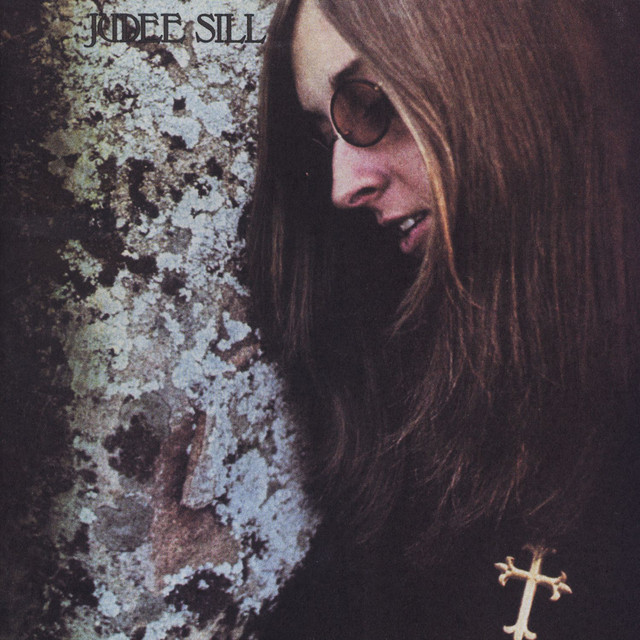 Judee Sill’s debut fused visions of the astral plane and Christian hymns, chasing peace through new age spirituality. The centerpiece, “Jesus Was a Cross Maker” was romantic angst and religious ecstasy. Starting and returning to a central prayer (“sweet silver angels…”), she wishes for a balm for her heart and the ability to forgive. The ease in which “Jesus Was a Cross Maker,” segues from a hushed folk ballad to rollicking gospel feels like a miracle. And it mirrors her own revelations; we bare and make our own crosses and our own suffering. Her piano glimmers with light, Sill’s voice doubled and split between grace and sorrow. —Nathan Stevens
74. Thin Lizzy: “The Boys Are Back In Town” (1976)
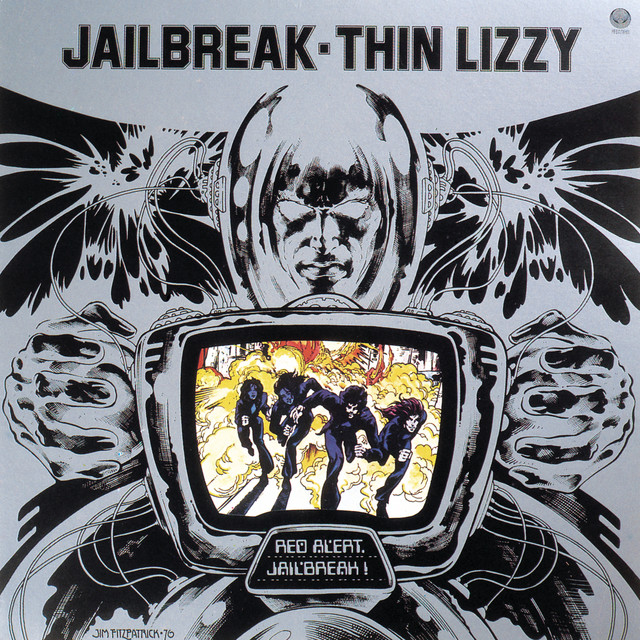 In 1976, Phil Lynott spoke a universal truth into the world, one that rings just as true on It’s Always Sunny in Philadelphia as it did on seventies FM radio: baby, the boys are back in town. Fifty years of saturation haven’t dulled the thing one bit. It still opens like a door kicked in, those power chords and the stuttering guitar figure snapping behind them, before the twin leads arrive and paint the whole song gold. Despite allegedly being about a Manchester street gang Lynott knew (the Quality Street Gang, which is an objectively hilarious name for a gang), he gives you almost no plot—some guys came back! Woohoo!—and then loads it with enough specificity to build a whole neighborhood: Johnny, the wild-eyed boy, the crazy cats, that girl who’ll slap your face if you touch her, all of them convening down at Dino’s Bar and Grill. The song is thrilling and goofy and slightly ominous all at the same time, Lynott singing in that warm, gravelly voice like he’s letting you in on an all-exciting secret. It’s an anthem of returning, and it doesn’t matter who you are or where you’ve been, it’s impossible to hear those chords without fist-pumping alongside them. —Casey Epstein-Gross
73. Taeko Onuki: “4:00 A.M.” (1978)
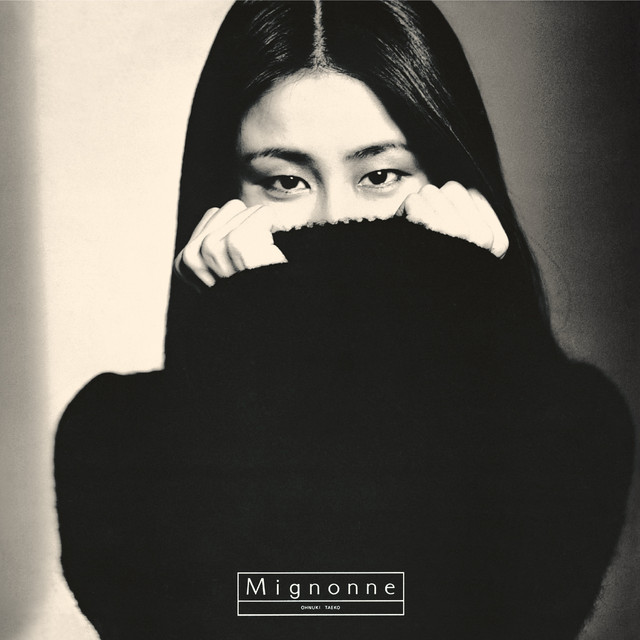 Mariya Takeuchi’s “Plastic Love” is now the signature song of “city pop,” a genre of Western-inspired Japanese music that was most popular in the eighties. Takeuchi was preceded by some pioneering icons in the style, though, including Taeko Onuki, whose 1978 album Mignonne is a landmark early city pop project. Members of iconic Japanese trio Yellow Magic Orchestra contribute to the album, including on its standout track, “4:00 A.M.” The near-six-minute song pulls influences from jazz, funk, and electronic music, with Onuki’s powerful but airy voice tying it all together, making it a necessary stop on any journey into city pop. —Derrick Rossignol
72. Bob Dylan: “Idiot Wind” (1975)
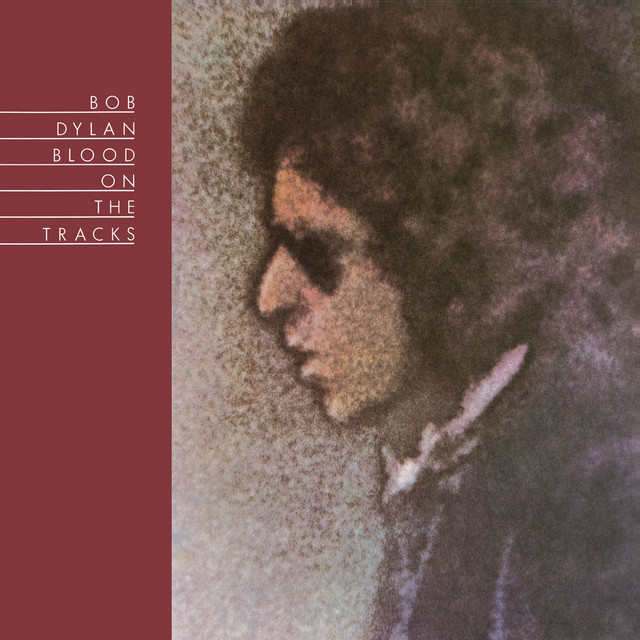 “Idiot Wind” is as well-made as it is furious, some of Bob Dylan’s finest story work. The Blood on the Tracks centerpiece is a scorched-earth diatribe against a lover, full of great turns of phrase like “I followed you beneath the stars, hounded by your memory and all your ragin’ glory” and “It was gravity which pulled us down and destiny which broke us apart.” But none are more vicious than “You’re an idiot, babe, it’s a wonder that you still know how to breathe.” After nearly eight minutes, the sanctity of marriage and the doggedness of memory fade goodbye. All we’re left with are two people “blowing through the buttons of our coats,” two people who can barely feed themselves. This is Bob Dylan at his cruelest. —Matt Mitchell
71. Neu!: “Hallogallo” (1972)
 Before they would go on to influence post-punk gods like Steve Albini, industrial heavyweights like Nurse With Wound, and experimental pop visionaries like Stereolab, the short-lived London trio This Heat was just like anyone else left feeling dispirited and ireful after the Vietnam War. Written shortly after the war’s end, “The Fall of Saigon”—the penultimate track off This Heat’s self-titled debut—feels like a snapshot of history luxuriating in despair: “My God, how we got so far only to reach so low,” Charles Bullen, Charles Hayward, and Gareth Williams sing in unison. Their voices reverberate over eerie hypnotic loops until the song feels like a funereal march from near-future dystopia plodding straight towards the present. —Abby Jones
70. James Brown: “The Payback” (1973)
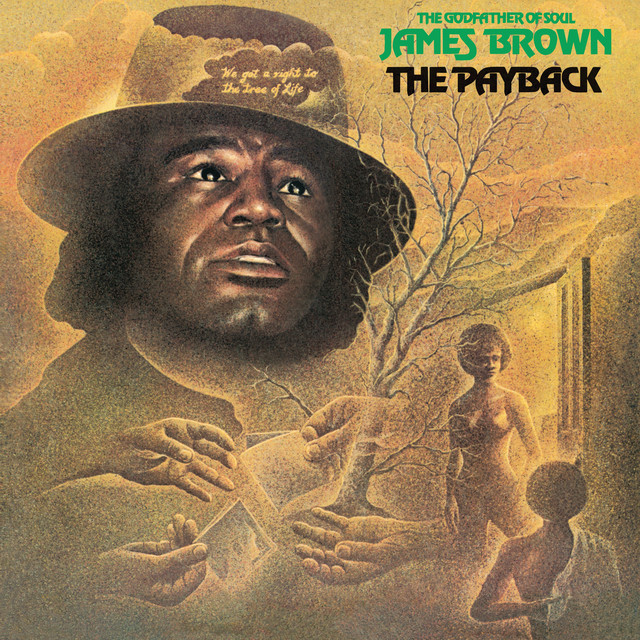 Something in my brain turned on when I encountered James Brown for the first time, during his Rocky IV performance. When you hear a singer like him, you spend the rest of your life chasing something like it. But the problem with that is it’s a foolish mission. There is no one like James Brown, and “The Payback” proves that he could adapt to any era. I heard this song during an Everybody Hates Chris rerun and it’s been in rotation ever since. Brown wrote it with Fred Wesley and John Starks (not the Knicks point guard) for a Blaxploitation film called Hell Up in Harlem but it got rejected by producers for being “the same old James Brown stuff.” I disagree, and the song’s tail of influence concurs. Its place in the history of sampling cannot be overlooked, as acts like LL Cool J, Mary J. Blige, The Notorious B.I.G., Massive Attack, Common, and Kendrick Lamar have used it, the latter most famously in “King Kunta.” Hell, Steve Albini’s band Big Black covered “The Payback” in 1984. It’s seven minutes of funk nirvana, worth a whole lot more than chicken change. —Matt Mitchell
69. Yes: “Close to the Edge” (1972)
 “Close to the Edge,” the nineteen-minute odyssey from Yes’ fifth LP, is progressive rock’s mic-drop moment—the genre in its purest, most quintessential form. (OK, to be fair, it shares that title with Genesis’ similarly epic “Supper’s Ready.”) If you were to chart out the hallmarks of vintage prog, this side-long epic has all of them: true symphonic density, dynamic shifts between heady aggression and supreme sweetness, breathtaking melody balanced with undeniable virtuosity. It’s like some kind of sacred collaboration between Mahavishnu Orchestra, The Beach Boys, Stravinsky, and Wendy Carlos. Decades later, it remains completely unmatched in its scope. —Ryan Reed
68. The Roches: “Hammond Song” (1979)
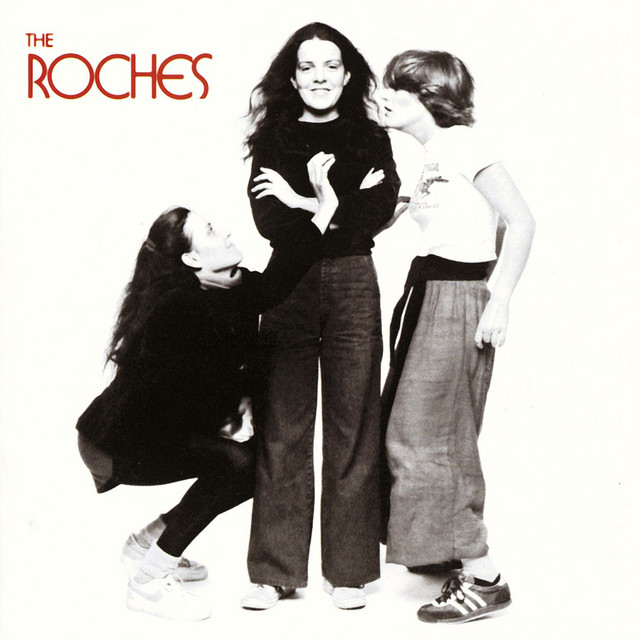 “Hammond Song” is more of a prophecy than it is a song, like something the witches in Macbeth would have sung over a cauldron at dusk. Lush and strange, its arrangements feel both otherworldly and quintessentially folk. Written two weeks after their appearance on Paul Simon’s There Goes Rhyming’ Simon, the tune arose from the Roches’ flight to rural Louisiana. They hoped to escape the pop music world, and the South’s wildness—with its thick forests and swampy marshes—can be heard in the triadic harmonies the sisters indulge in, girded by a gentle guitar and little else. An unexpected electric solo a minute in snaps the listener out of their hypnosis, awakening them to the song’s climactic questioning: “Do your eyes have an answer / To this song of mine?” the sisters coo, their voices scrambling atop each other in a full, frenzied peak. “Hammond Song” is utterly unique and wonderfully strange. —Miranda Wollen
67. Alice Coltrane / Pharoah Sanders: “Shiva-Loka” (1971)
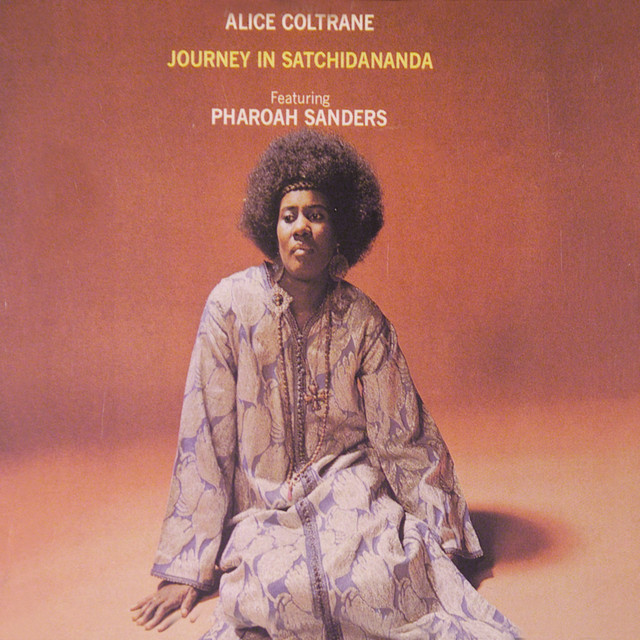 Journey in Satchidananda is remarkably cohesive, packed to the brim with masterful tracks from start to finish. It’s hard to pick a favorite, and it also doesn’t seem fair to do that, since it’s best digested in its entirety. But the standout is the second number, “Shiva-Loka.” Opening with the clatter of Majid Shabazz’s bells and Rashied Ali’s earthy cymbals, it floats in the ether until Sanders’ saxophone penetrates the pink-tinted sludge. Alice Coltrane’s harping weaves jagged lines around his quivering melodies, until things disintegrate into a metallic blur. You’d be hard-pressed to find a Sanders collaboration with either of the Coltranes that’s anything less than stunning, but it doesn’t get much better than “Shiva-Loka.” —Ted Davis
66. Blondie: “Hanging On the Telephone” (1978)
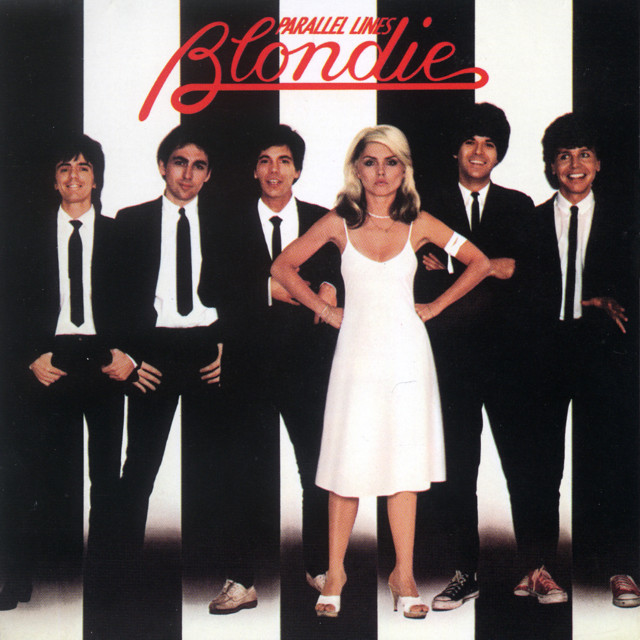 Before Jeffrey Lee Pierce co-founded The Gun Club, he was the president of a Blondie fan club. From him, Blondie received one of the most important pieces of fanmail in rock history: a compilation tape containing a giddy crush song by a short-lived California power pop band. The Nerves first wrote and recorded their scratchy ode to sweet nothings whispered through wires; Blondie’s New Wave upgrade amped up both the glamour and desperation, trading in The Nerves’ endearingly nasally “aw shucks”-ness for New York accented ferocity and elevating its youthful yearning to hysterical heights. Debbie Harry’s voice dips and glides from a purr to a roar as spoken language loses its sufficiency. At the beginning of “Hanging On the Telephone,” she’s begging her crush to answer her call; by the end, she wants nothing more than for him to hang up on her. It’s a fitting origin story that one of Blondie’s more urgent and enduring tracks came to them through a long-distance admirer and that their transformation is its own game of musical telephone. They answered the call, and we’re all better off for it.—Grace Robins-Somerville
65. Aretha Franklin: “Rock Steady” (1971)
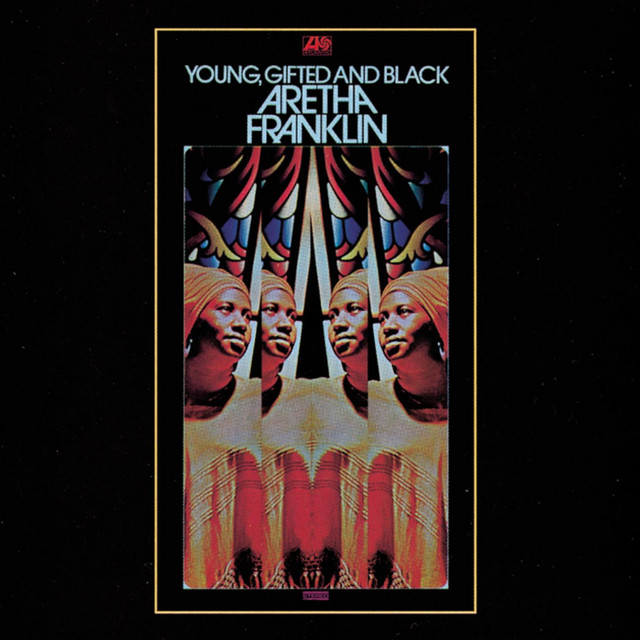 I prefer Aretha Franklin’s seventies output over any other era of her career. Between Young, Gifted and Black and Amazing Grace, 1972 was her best year, full stop. The previous October, she launched into orbit with “Rock Steady,” a single that propelled her to No. 9 on the pop chart (her third top 10 single in a row). Recorded in Miami with hand-in-glove bandmates Donny Hathaway, Bernard Purdie, Cornell Dupree, Richard Tee, and Chuck Rainey, Franklin eschews soul and gospel for greasy, dirty-toned funk music. She makes her own church on this song, as the Sweethearts of Soul sing behind her like a choir. When the Memphis Horns take over, you’re deep in a groove that’s as tasty as it is colossal—funk like this can bully a cloudy day into sunshine. —Matt Mitchell
64. Waylon Jennings: “Luckenbach, Texas (Back to the Basics of Love)” (1977)
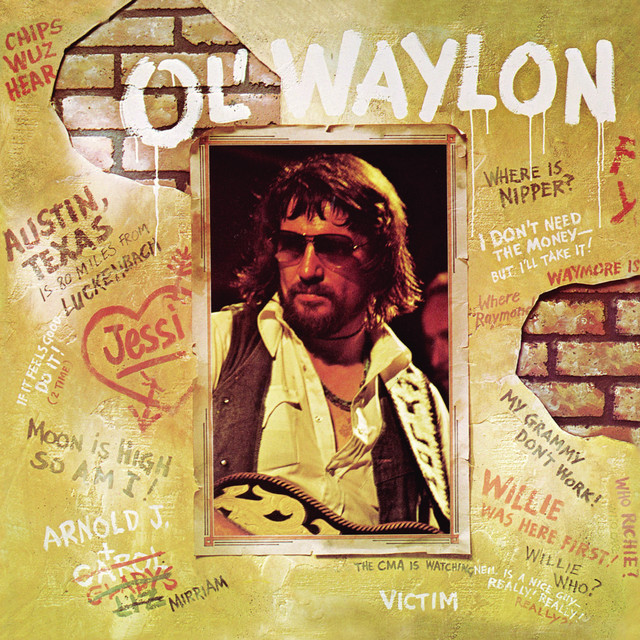 It turns out that Waylon, Willie, and the boys were tired of misappropriated country music tropes decades ago. Before pedal steel was all over the Hot 100, and before Nashville’s Lower Broadway became a hotbed of name-droppy honky tonks, “Luckenbach, Texas (Back to the Basics of Love)” lamented the conundrum of getting famous for music about being an outcast: “So baby, let’s sell your diamond ring / Buy some boots and faded jeans and go away,” Jennings croons over some gorgeous, down-home instrumentals. “This coat and tie is choking me/In your high society you cry all day.” From the Lone Star State and beyond, “Luckenbach, Texas” still gets us craving the simpler things. —Abby Jones
63. Devo: “(I Can’t Get No) Satisfaction” (1977)
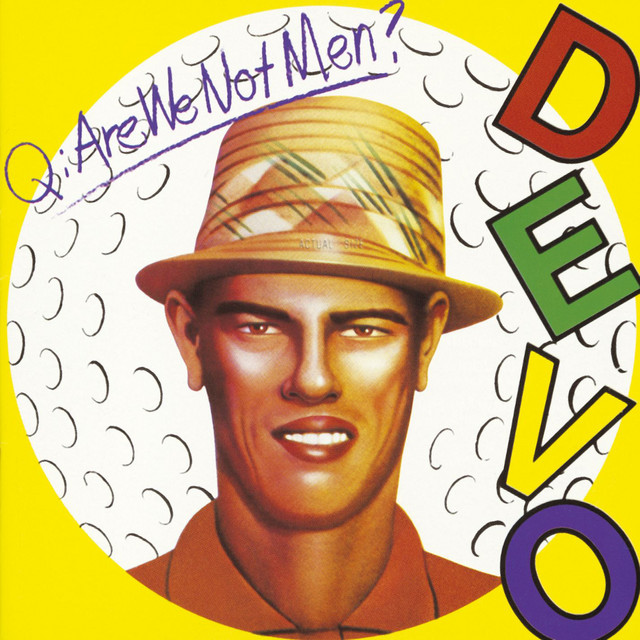 Discovering Q. Are We Not Men? A. We Are Devo! in high school was like having everything I once knew—or thought I knew—about pop music mutilated, desecrated, and re-configured. Devo’s cover of “(I Can’t Get No) Satisfaction” remains one of the band’s most important songs—and, in my opinion, superior to the Rolling Stones’ original recording. The spastic, punk-derived robotics that Devo injected into the rock and roll classic came from experimentation, and their decision to deconstruct “Satisfaction” and patch it back up into their own unique reappraisal stemmed from a jam session that Mark Mothersbaugh originally sang “Paint It Black” over. But Jann Wenner and Rolling Stone hated the “Satisfaction” cover, positing Devo as having attempted to make a mockery out of the magazine’s namesake and, according to Gerald Casale, “dissing his rock gods”—even though the Casales and Mothersbaughs weren’t making fun of the Stones hit. “We thought ‘Satisfaction’ was the greatest rock song that had ever come along since Elvis,” Casale told Paste in 2023. Mick Jagger certainly liked the cover: Devo had to play it for him for approval before Q. Are We Not Men? A. We Are Devo! could come out. —Matt Mitchell
62. Barbra Streisand: “One Less Bell to Answer/A House Is Not a Home” (1971)
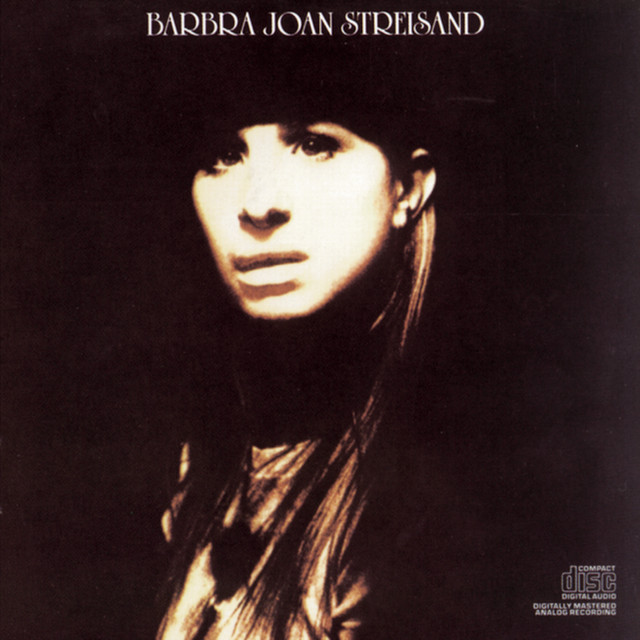 That many have recorded each of these Burt Bacharach-Hal David standards is a testament to their perfection; both are sublime pieces of music. But no one has come close to sounding the way Barbra Streisand does, and that’s probably why she chose herself as a duet partner. Who else could compare? Here, she is wry, forlorn, lonely, defiant all at once. The doubling of her voice does not dilute its intensity—instead, it makes her sound conflicted and sorrowful, in dialogue with her subconscious mind. Alongside her, brass and woodwind sigh wistfully, building to more than one barn-storming climax. “One Less Bell to Answer/A House Is Not a Home” is, in other words, a piece of theater, and so it puts Streisand right where she belongs. By the 1970s, Columbia was pushing to modernize Streisand’s sound: the Broadway songs and the big band arrangements that had characterized her output in the sixties weren’t selling as well, and so her albums were developing a more contemporary repertoire. Commercially speaking, the move worked. But there’s no hiding the fact that some of Streisand’s best work of this decade is in this Bacharach-David medley, replete with perfect vocal phrasing, a beautiful, tender vibrato, a belt that’ll take the roof off the place. You can take Streisand out of the theater, but there’s no way in hell you’re taking the theater out of Streisand. —Mariam Abdel-Razek
61. William Onyeabor: “Atomic Bomb” (1978)
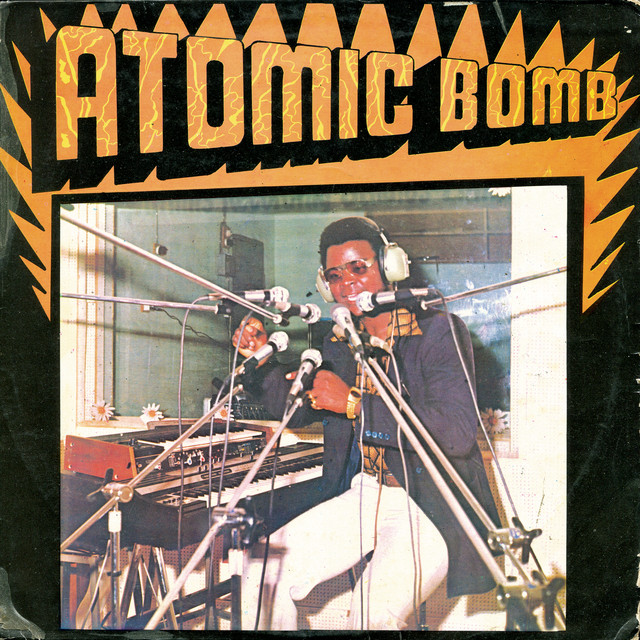 Nigerian electronica, man. The momentum of “Atomic Bomb” is second to none, as it sits in a groove that’s halfway between Afrobeat and P-Funk. William Onyeabor self-released eight albums in as many years, became a born-again Christian, and retreated from music altogether. Though he remained a reclusive and confounding figure until his death in 2017, Onyeabor’s work has been praised by Sinkane, Blood Orange, Charles Lloyd, Hot Chip, David Byrne, Four Tet, and Damon Albarn, among countless others. There’s a lot to learn about him through his music, especially “Atomic Bomb”—an eight-minute anthem of synths, diaphanous guitars, and female backup singers that turns the threat of nuclear war into a deeply human portrayal of love. “Apocalypse” and “comedy” are almost synonymous, and the joy in “Atomic Bomb” is no different. There’s so much nirvana in Onyeabor’s electronics that you forget he’s singing about catastrophe. —Matt Mitchell
60. Led Zeppelin: “When the Levee Breaks” (1971)
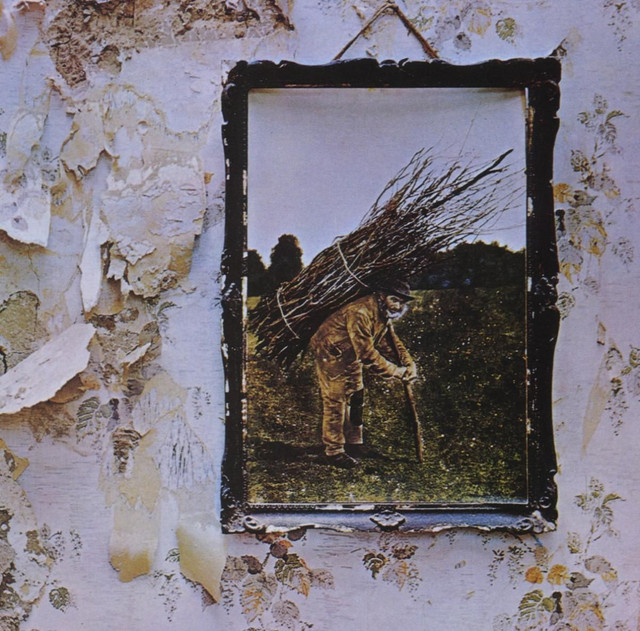 “When the Levee Breaks” could get on this list for its opening percussion alone; it’s the most sampled drum break in rock for a reason. Recorded by hanging two microphones three floors up and letting the drumset echo through the old Hampshire poorhouse the band holed up in, John Bonham’s kick and snare land like slow-motion detonations, each hit trailed by its own ghostly echo, a groove so heavy it barely seems to move. Jimmy Page then slowed the master tape until everything sagged and thickened, layered in droning slide guitar, and reversed Robert Plant’s harmonica so its echo arrives before the note, a genuinely disorienting effect that makes the whole thing feel haunted and half-submerged. But underneath the studio wizardry sits something much older: the song began as a 1929 blues by Memphis Minnie and Kansas Joe McCoy, written after the Great Mississippi Flood of 1927 drove hundreds of thousands from their homes. “If it keeps on rainin’, levee’s goin’ to break,” Plant wails; the mean old levee has “taught me to weep and moan.” It’s a song about watching the water rise and knowing you’ll lose everything to it—the home, the people, the ground itself—until all that’s left is the leaving. Plant’s voice dissolves into that endless, sinking refrain of “goin’ down, goin’ down now” as the flood finally takes the song under. It’s seven straight minutes of rising water you can feel in your chest. —Casey Epstein-Gross
59. Gladys Knight & The Pips: “Midnight Train to Georgia” (1973)
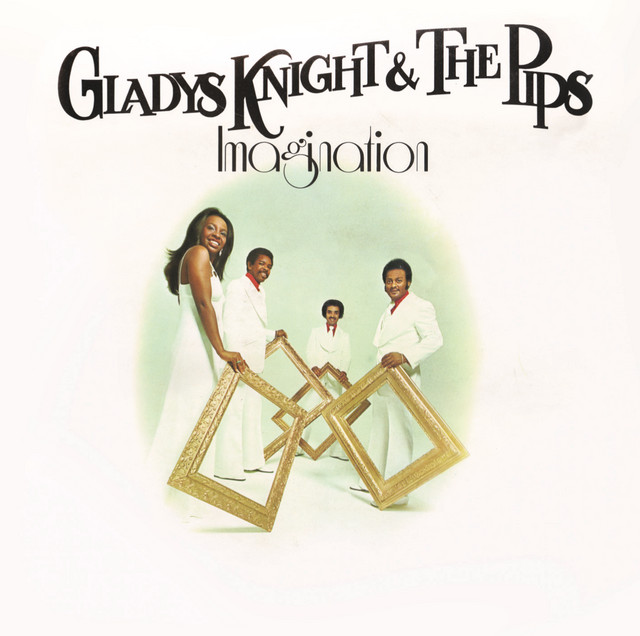 Anyone who has ever dreamed big and fallen short can relate to “Midnight Train to Georgia.” Anyone who has ever loved someone in those circumstances can really relate to it. The 1973 smash hit from R&B singing group Gladys Knight & the Pips tells the familiar tale of a young man who moves to Los Angeles in search of stardom only to find out, as Knight sings it, “that dreams don’t always come true.” However, it’s his lover who has the real decision to make: follow her man and heart back to Georgia or take her own shot at the bright lights. As it turns out, she chooses him without a second thought, the story’s drama coming not from her dilemma but the impassioned adamancy with which Knight’s protagonist insists that she’s “got to go,” a dynamic performance set to vibrant strings and horns and powered along by the chugging call-and-response, train-mimicking backing of the Pips. The recording earned the group a Grammy for vocals, and the number remains Knight’s signature song more than half a century later. All aboard! Woo Woo! —Matt Melis
58. Shin Joong Hyun & Yup Juns: “Beautiful Woman” (1974)
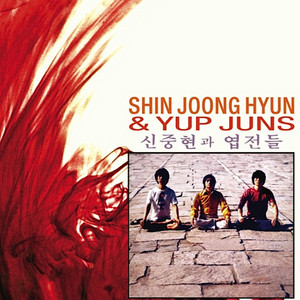 Led by guitarist, vocalist, and “godfather of Korean rock” Shin Joong Hyun, the Yup Juns only lasted three years—destroyed over time by South Korea’s government, who arrested Hyun for marijuana use in 1972 and committed him to a mental institution for treatment. After years of censorship, the Ministry of Culture and Public Information banned fifty-four artists from releasing albums and playing in public in 1976, including Shin—leading to the Yup Juns’ disbandment. But in 1974, Hyun had a hit in “Beautiful Woman”—a song so spectacular and popular that some dubbed it “the favorite song of 30 million people.” The riffs are swampy and disjointed, the rhythms are old school, Hyun’s vocal has a sandpaper texture to it, and the Yup Juns file in behind him to create a perfect cloud of Western psychedelia and Korean soul. Hyun may have helped launch the careers of singers like Kim Jung Mi and The Pearl Sisters, but all roads lead back to “Beautiful Woman.” Everything he touched felt like an invention. An entire generation in Seoul developed their taste through him. —Matt Mitchell
57. Curtis Mayfield: “So In Love” (1975)
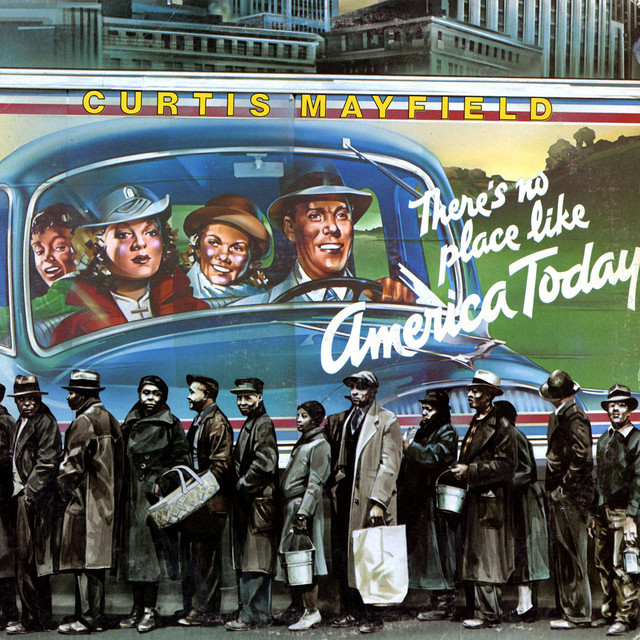 When I heard “So In Love” for the first time, Harold Dessent’s woodwinds, which color the atmosphere of There’s No Place Like America Today entirely, came rushing in under the cover of Lucky Scott’s vibrating bass and Rich Tufo’s keyboards. The title isn’t a misnomer; “So In Love” is for the romantics. There’s No Place Like America Today was a bleak yet comforting dissection of post-Nixon America—a collection of songs expounding on love, sensuality, and survival’s existence under the thumb of systematic oppression. But the tranquility of “So In Love” momentarily banishes the album’s fits of God and funk. “Life is strange,” Mayfield sings, his falsetto struggling. “Believe me, it is true: We don’t always mean the things we sometimes do. Look at me, look at you.” Dessent’s saxophone swells but never colossally, invoking a divide between splendor and sensibility. Quinton Joseph’s drumming putters on like a low-riding Oldsmobile crawling through traffic; he bats a cymbal and the air around him is touched into velvet. If “So In Love” is to suggest anything to its listeners, it is that to be alive is to be political—to be in love is to be political, and to love and to hope means you must be ready to sacrifice in the name of peace. “You do so many things with a smiling face,” Mayfield sings, pushing a psalm into the language of the living. —Matt Mitchell
56. Novos Baianos: “Preta Pretinha” (1972)
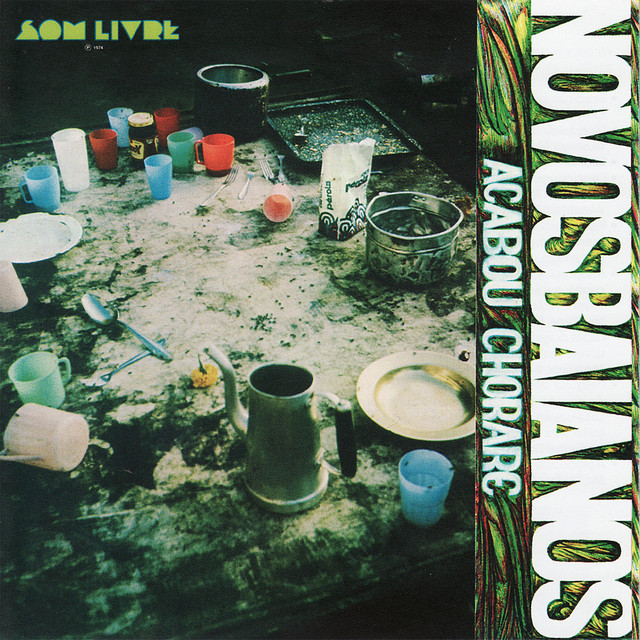 How important is Novos Baianos to the history of Brazilian music? In 2007, Rolling Stone Brazil polled a panel of experts to determine the greatest album to ever emerge from the country, and the band’s 1972 project Acabou Chorare landed on top. The project closes with a truncated “Preta Pretinha,” though the original six-minute version has endured as the most popular. The album is thoroughly full of joy and that’s even true on “Preta Pretinha,” which mourns a brief love that didn’t last. The song’s build-up to its rhythmic second half, and its continued progression during that section, is one of the most breezily absorbing musical moments of the decade. —Derrick Rossignol
55. Roxy Music: “Mother of Pearl” (1973)
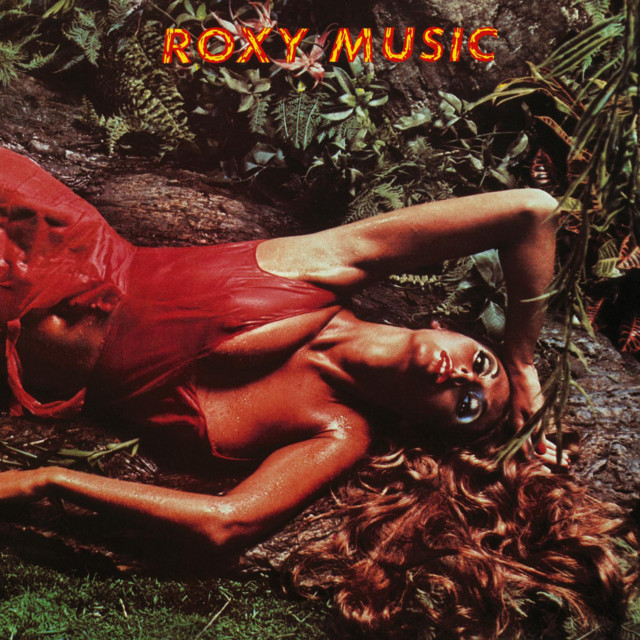 Long before we were asked whether we believed in life after love, Roxy Music mastermind Bryan Ferry begged the question of whether we believed in life (or, at least, life with his band in it) after the departure of of Brian Eno, father of innumerable strains of experimental music, who was largely perceived as the group’s leading left-field force. Ferry still gets flack from the art-rock devoted for his own preference for crooning over making the most cutting-edge music one could Trojan-horse into a radio-friendly format, but those truly in the know could tell you about his own innate flashes of weirdness. 1973’s Eno-less album track “Mother of Pearl” might stand as the band’s crowning achievement, emerging somewhere between the glam stomp of the band’s self-titled debut and the smooth sophisti-pop of the Avalon era to present a sprawling, if semi-artificial, opera of decadent love in a “looking-glass world.” Said romance might end belly up in the mansion pool’s shallow end, bound to disintegrate once sunrise breaks through the door come morning, but that doesn’t make the track’s winding, bizarre odyssey any less grand—or the love of which Ferry croons any less real. —Elise Soutar
54. Townes Van Zandt: “Pancho & Lefty” (1972)
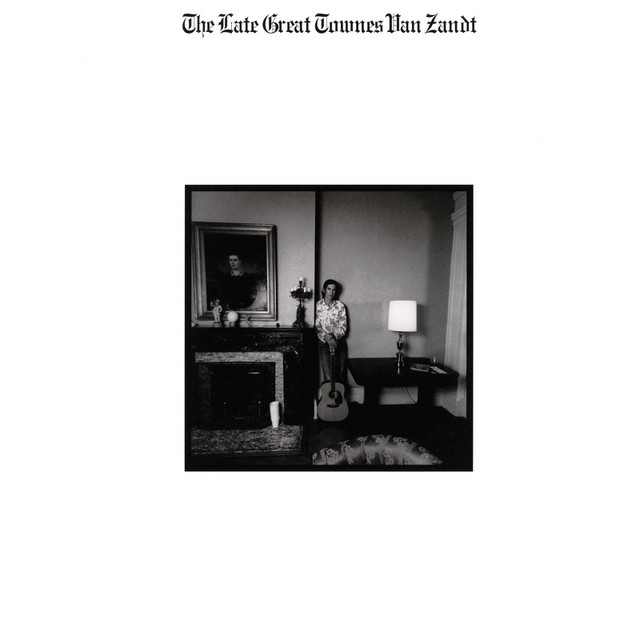 “Pancho & Lefty” is arguably the most iconic cut in Townes Van Zandt’s discography, thanks in large part to a 1983 cover by Willie Nelson and Merle Haggard. Their bold take landed at number one on the Billboard country chart. And while that reworking is certainly great, it lacks the dustiness that makes Van Zandt’s original so eerie. Regardless of who’s singing it, lyrics about bandits, betrayal, and loneliness seem to present a far-fetched spin on Van Zandt’s own human experience. —Ted Davis
53. Evans Pyramid: “Never Gonna Leave You” (1978)
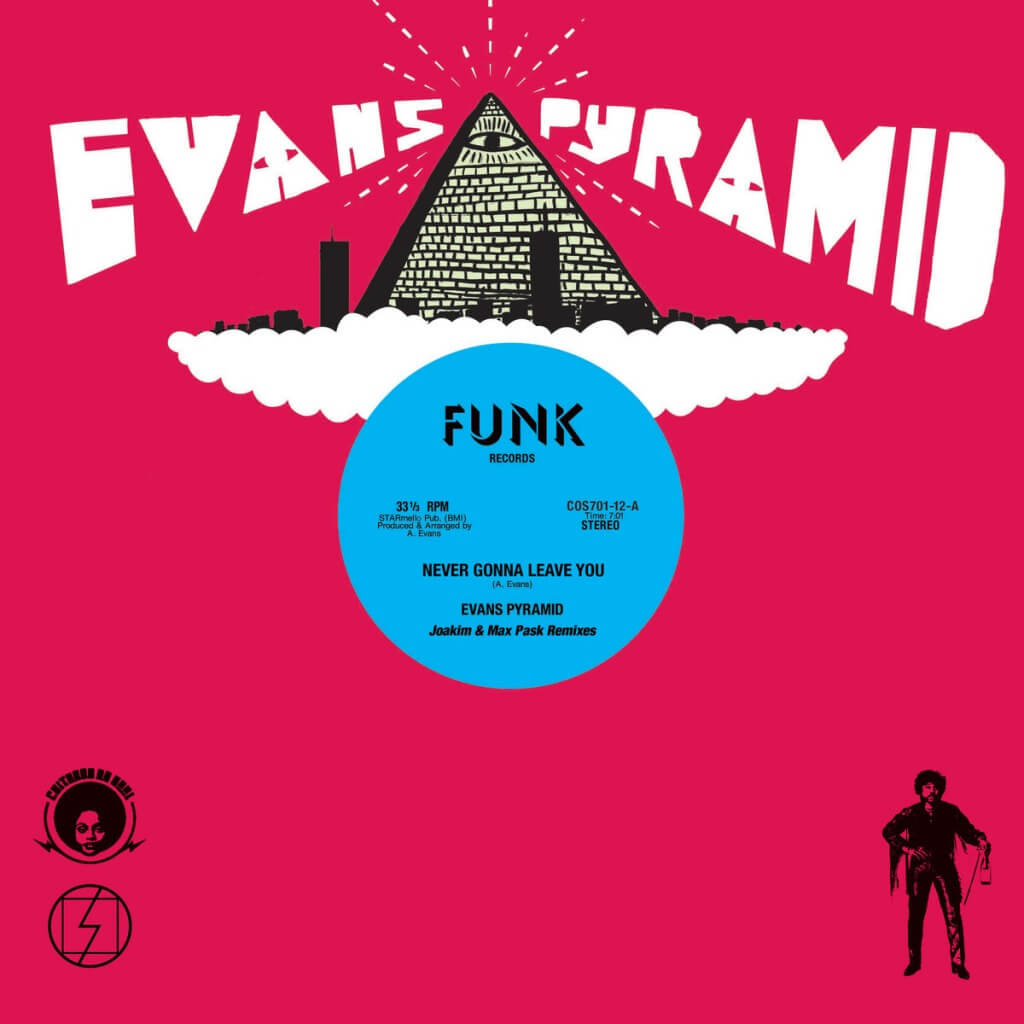 While everyone else debates about what this year’s Song of the Summer is, I’ll be blasting Evans Pyramid’s red-hot disco boogie “Never Gonna Leave You”—a paradise where guitars spank and loop like a backbeat while Andre Evons channels Marvin Gaye with a shade of wine-drunk. The rhythm never gives out, and Evons’ singing is sweet and steady. This is the sound of disco, discovered by crate diggers decades later and reissued after persistent online begging. Good thing, because it’s like sugar on my tongue and sun on my chest. The sound of house music waking up. For almost seven minutes, nothing else in the world compares. —Matt Mitchell
52. Carole King: “It’s Too Late” (1971)
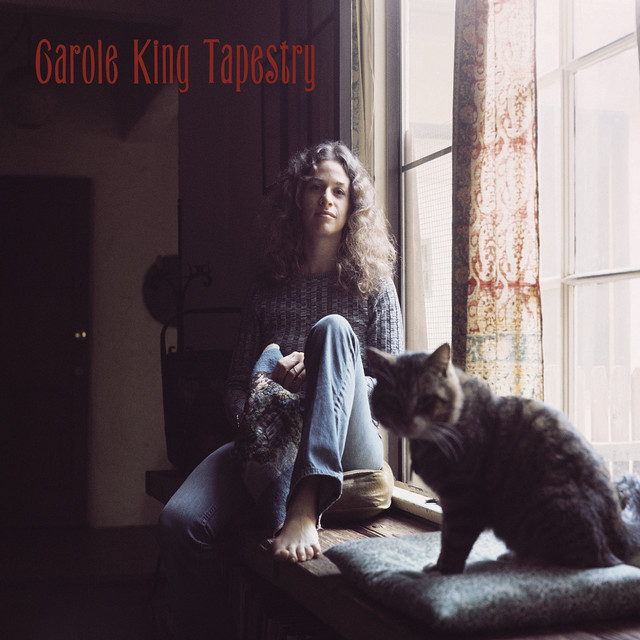 Tapestry is one of the best albums ever, and “It’s Too Late” is its engine—a feminist masterclass and therapy session rolled into one, with dreamy melodies belying the harshest of realities. “Somethin’ inside has died / And I can’t hide and I just can’t fake it,” Carole King croons, her impending freedom spilling out of her in waves. Her voice and her piano are perfect dance partners, and decorations of soprano saxophone, bass, congas, and guitars surround their every step. “It’s Too Late” is sad and relieved all at once—a Tin Pan Alley take on necessary evils, all wrapped up in an easy-listening bow. The song would go on to win Record Of the Year at the 1972 Grammys and is admired to this day for how King laid herself bare on it. —Miranda Wollen
51. Talking Heads: “Life During Wartime” (1979)
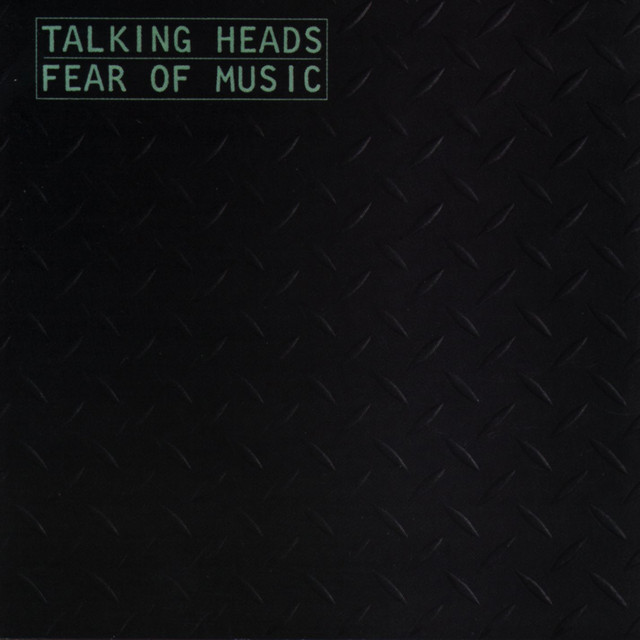 While “Burning Down the House” was the first Talking Heads song I ever heard, “Life During Wartime” was the first Talking Heads song I sought out. It’s the roaring, moody, definitive cut from Fear of Music, one that harbors Bryne’s most bombastic vocal performance ever (and sounds phenomenal live). Sung from the perspective of a terrorist, Byrne waves goodbye to CBGB and Mudd Club and celebrates his handsome arrangement of visas and passports, lamenting that he “might not ever get home” because he sleeps during the day and works at night. “Why stay in college? Why go to night school?” he questions. “Gonna be different this time!” It’s odd, out-there and terminally funkified. The eccentricities of the Talking Heads’ legacy all meet here, as Byrne and his crew make paranoia sound like a hoot—but this ain’t no disco. —Matt Mitchell
 Keep scrolling for more great stories.