
The 100 greatest songs of the 1960s
Let us travel through the transitive nightfall of diamonds...
Photos by Michael Ochs Archives/David Redfern/Redferns/Joe Sia/Wolfgangs/Jess Rand/Getty Images
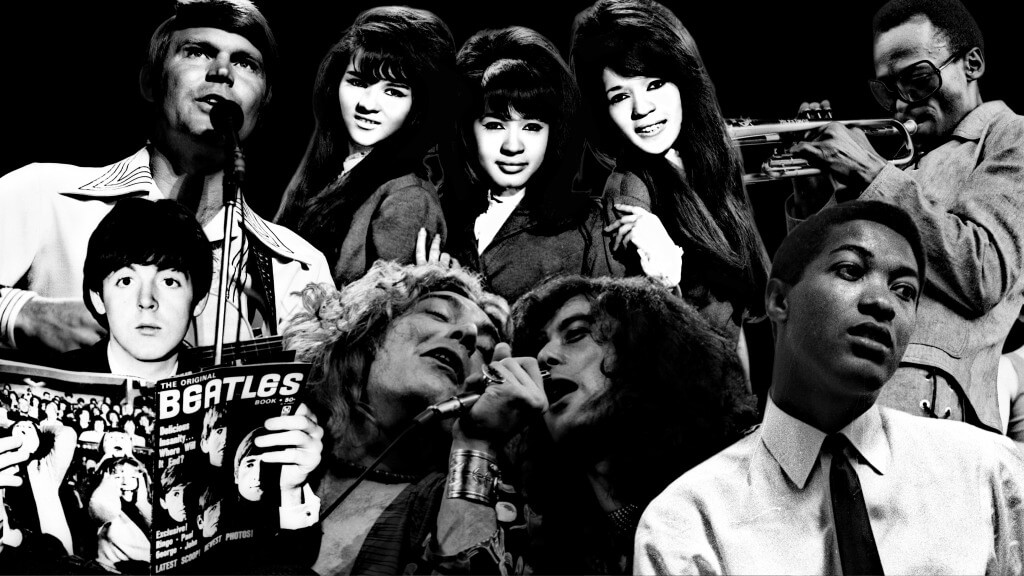
Is there anything better than putting songs in order? Well, probably a few thousand things. But, I’ve come to thoroughly enjoy the curation that goes into crafting a list like this. I don’t see song or album rankings as some holier-than-thou declaration of definitiveness. Rather, I see them as opportunities to offer a different perspective on favorite music, or to put somebody on to something they’ve never heard before. Paste’s picks for the 100 greatest songs of the 1960s are not intended to mirror any other publication’s. This is a snapshot of what us five staffers (and half-dozen contributors) think is the pinnacle of, arguably, the strongest decade of music ever. There were some obvious song choices that we couldn’t overlook, but the emphasis was, from the beginning, on picking personal favorites rather than adhere to any “greatest of all time” templates previously established by other outlets. Of course the Beach Boys and the Beatles and Bob Dylan are on this list, but we chose songs of theirs that meant more to us as individual writers than the history books at large.
One piece of criteria I want to make known before anyone dives into the ranking: we are only featuring one song per artist, otherwise this list would be 40% Beatles. And this list is by no means representative of who we think are the best artists of the 1960s. It’s all about songs released between 1960-1969. This is part one in an enormous project where we will be doing decade by decade songs rankings. The end goal is to publish a list of the greatest songs of all time, spanning the 1940s until now, later in the year. If you’re not interested in entries 100-11, you can view the top ten of this list here. So, without further ado, here are the 100 greatest songs of the 1960s, as chosen by the Paste cohort. —Matt Mitchell
100. Wayne Shorter: “Infant Eyes” (1966)
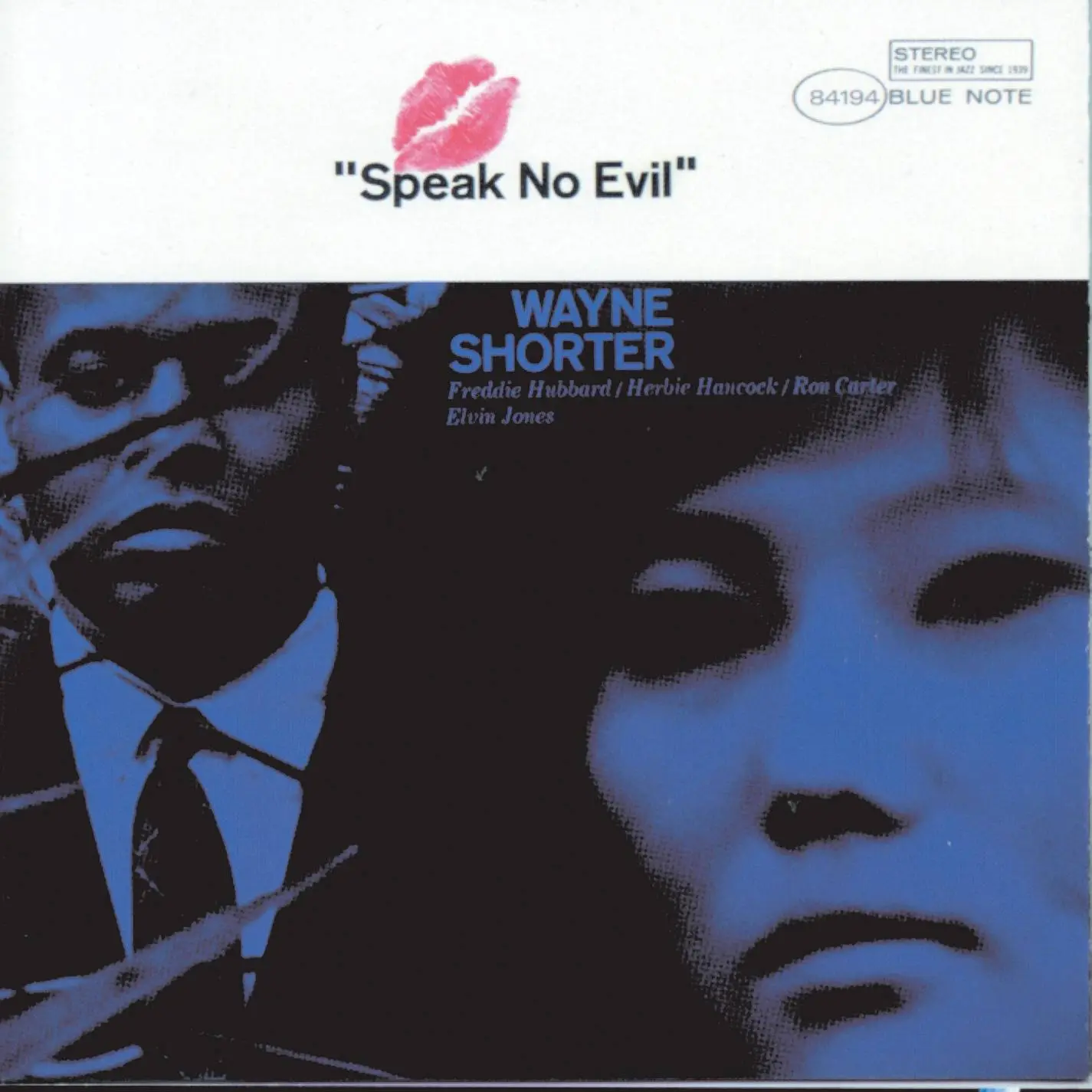 It’s hard to pick out the best of Wayne Shorter’s remarkable group of albums recorded for Blue Note between April 1964 and October 1965, but Speak No Evil stands out for its gorgeous impressionistic approach to harmony. “Infant Eyes”—the ballad Shorter wrote for his first daughter, Miyako—is one of those exquisitely rendered pieces that only gains more colour and tone with every listen. With the able assistance of his fellow sidemen from Miles Davis’s famous “Second Quintet,” Shorter crafts a piece that keeps you guessing—a leaning into mystery that he often aimed for in his music. His greatest coup was in divorcing harmony from key signature; at any given moment, “Infant Eyes” might deploy unexpected resolving chords; meandering arpeggios; strange, bluesy melodic motifs, and none of them fit neatly into one theme or idea. Still, it is a ballad that never feels forced or dissonant. Instead, it leaps and wanders, with great tenderness, into your ears; an elegant, beautiful piece of music that set the bar—and built the foundation—for jazz in the years to come. —Mariam Abdel-Razek
99. Pink Floyd: “Bike” (1967)
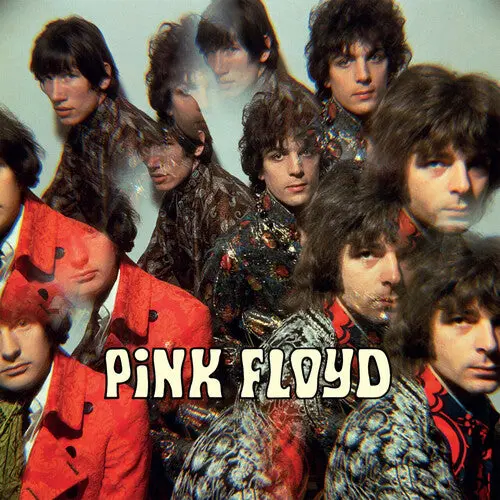 I first heard “Bike,” fittingly, when I was a child—and as a child, it was exactly my speed. It’s a bizarrely innocent, young thing, filled with puppy love and whimsy and mouse friends named Gerald (“I don’t know why I call him Gerald / He’s getting rather old, but he’s a good mouse” remain all-timer lines for me to this day). Of course, I’m much older now, but the song still has yet to leave me: something about the strangeness of the lyrics, the blunt plaintiveness of Syd Barrett’s voice, the left turn into musique concrète at the track’s end. The whole thing lurches forward on big, sloshing, echoing drums and a piano so plinky and primitive that the collective experience is akin to a particularly demented British nursery rhyme. Barrett plays a lovesick schoolboy emptying his pockets to impress a girl—see the swirling, psychedelic refrain of ”You’re the kind of girl that fits in with my world / I’ll give you anything, everything, if you want things”—except inside those pockets are gingerbread men, shitty cloaks, and a bike with “a basket, a bell that rings / Things to make it look good.” And then, without any warning save for the muffled clomping of footsteps, the childlike daydream dissipates into a childlike nightmare instead: a clattering horror show of clanking gears and demonic duck armies, all looping and warping and refusing to resolve. That’s the magic of Barrett, though: he could make whimsy and dread hold hands, and “Bike” is where both go skipping off the edge together. —Casey Epstein-Gross
98. The Miracles: “I Second That Emotion” (1967)
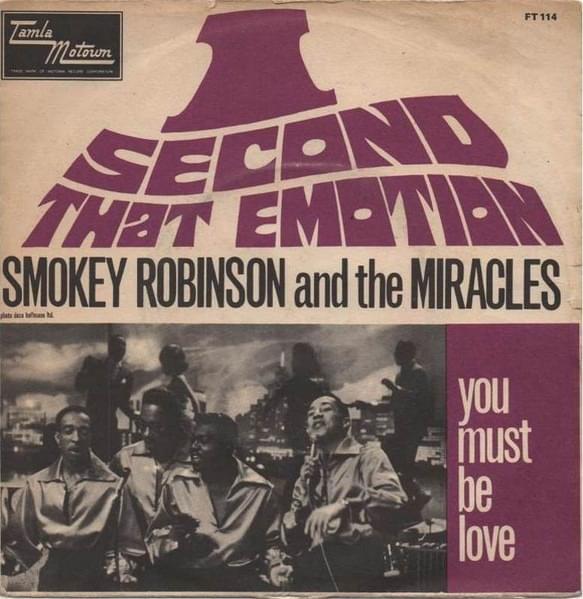 Before Stevie Wonder and Marvin Gaye, the face of Motown was Smokey Robinson. I mean, the singer was so good he got hired to write songs for other label artists like Mary Wells, The Temptations, and The Supremes. The way Robinson could enter any musical space and transform its potential is unparalleled in chart-era music. Thus, it would be wrong to have a list like this without a Miracles song. Robinson co-wrote “I Second That Emotion” with Al Cleveland after the latter had a malapropism at a Hudson’s department store. The two men were eyeing a pair of pearls for Robinson’s wife Claudette, to which Robinson said, “They’re beautiful, I sure hope she likes them.” Cleveland immediately responded, “I second that emotion,” though he meant to say “I second that motion.” And, well, the rest is history. Eddie Willis, Marv Tarplin, and Robert White all lay down some delicious guitar chords that turn this joint into a bonafide soul-pop classic. It’s a glitzy delight in Motown’s storied history—a track that solidified Robinson as the golden boy of the label’s image. —Matt Mitchell
97. Laura Nyro: “Stoned Soul Picnic” (1968)
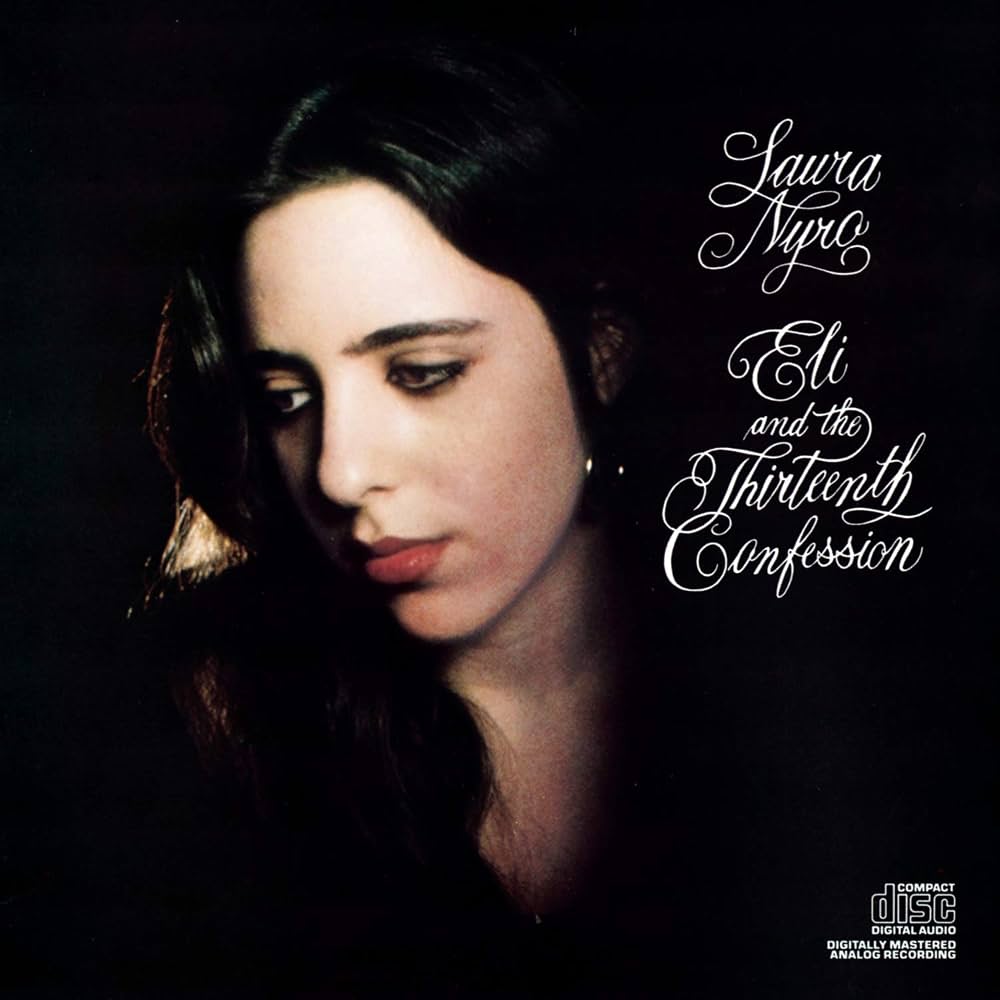 Listening to Laura Nyro’s “Stoned Soul Picnic” for the first time, you’ll likely end up hitting rewind on that first verse. She’s telling you to what down to the stoned soul picnic? Surry down? Years later, the jury’s still out on what “surry” means (some argue for a contraction of “let’s hurry,” some for “surrey,” the horse-drawn carriage in Oklahoma!). “Oh, it’s just a nice word,” Nyro said when asked. Such obscurity is typical of Nyro, who is surely one of strangest, most singular and most talented songwriters in Western music history. “Stoned Soul Picnic” is her at her best: never restrained by tempo, style, or harmony, she shifts gear frequently, and a song that starts as a simple piano and vocal praising the humble joy of a picnic snowballs, rapidly and exquisitely, into a soul-jazz-pop-psychedelic piece that’s impossible to pin down. Co-producer Charlie Calello lends the song a rich, warm depth with his brass and woodwind arrangements, and the last minute soars and catapults across Nyro’s lyrics, her remarkable vocals delivering a bright, bold request to “surry down” that is part demand, part plea. The Fifth Dimension scored a platinum record with their cover, but as Todd Rundgren put it, “nobody ever did a cover version of a Laura Nyro song that was as good as her original version.” —Mariam Abdel-Razek
96. King Crimson: “21st Century Schizoid Man” (1969)
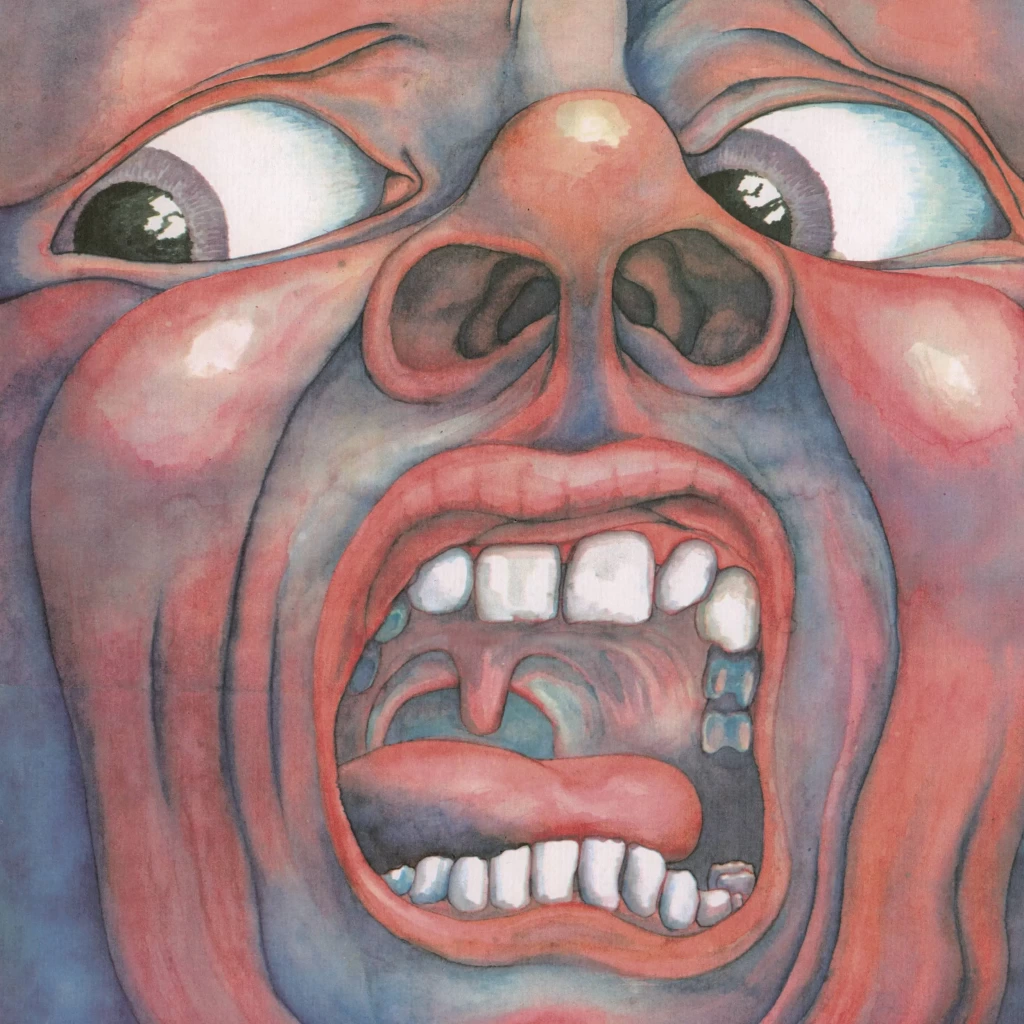 For the first few seconds it’s barely music—just a low industrial churn, like some massive machine idling in the dark. Then the band detonates: a riff of serrated, stop-start chords so alien and aggressive that it’s hard to believe a person sat down and wrote it on paper in 1969. After all, nothing else that decade sounded even remotely like “21st Century Schizoid Man.” The song is a feat of demented engineering: jagged time signatures, lurching halts, hairpin chord changes executed with a precision that borders on the inhuman. Robert Fripp’s guitar doesn’t sing so much as shriek, slicing through clouds of skronking horns in long instrumental passages that more or less draw up the schematics for heavy metal and math-rock before either had a name. And over all of it, Greg Lake’s voice—fed through so much fuzz it sounds beamed in from inside a collapsing transmitter—spits pure dread: “cat’s foot, iron claw, neurosurgeons scream for more.” The words arrive in shrapnel bursts, a Vietnam-era fever of paranoia and barbed wire and napalm, and you half-suspect the schizoid man himself is the figure screaming off the album cover, that famous red face, mouth flung open in horror or ecstasy or both. At the time, of course, the 21st century felt impossibly far away, an untouchable future of flying cars and teleportation. But the song has since proved prophetic, both musically and conceptually. Decades on, it’s been folded into the DNA of prog, electronic, metal, even hip-hop—and when Kanye built “Power” around it in 2010, he handed the song its proof of concept. Because really, in 2026, who fits the title of “21st Century Schizoid Man” quite like Kanye West? —Casey Epstein-Gross
95. Eric Dolphy: “Hat and Beard” (1964)
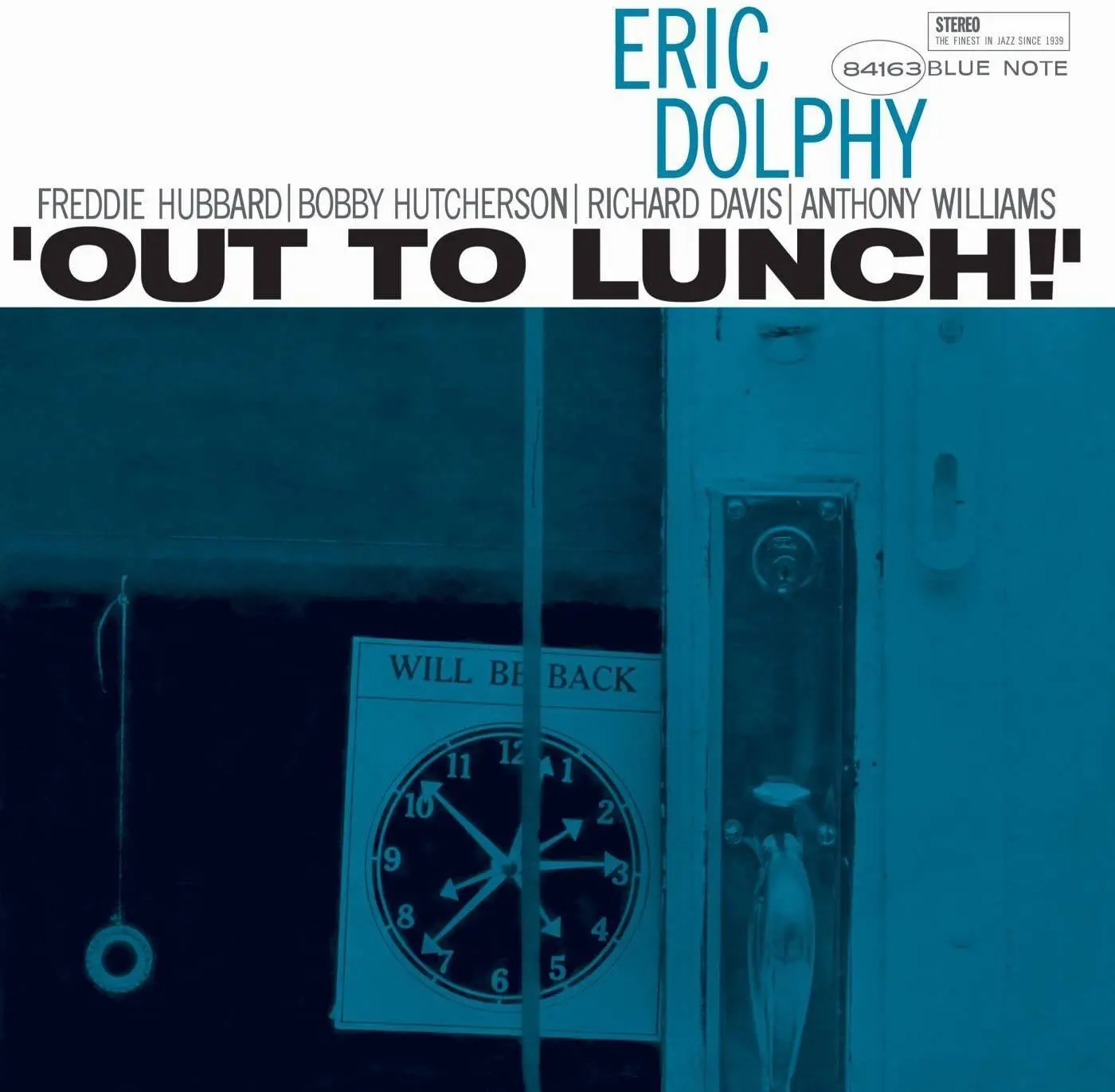 “Everyone’s a leader in this session,” Eric Dolphy wrote in the liner notes for Out to Lunch!, his posthumous 1964 avant-garde jazz opus. Although multiinstrumentalist Dolphy was the nominal bandleader, he establishes an egalitarian atmosphere in which his fellow musicians—trumpeter Freddie Hubbard, vibraphonist Bobby Hutcherson, double bassist Richard Davis, and drummer Tony Williams—flaunt their virtuosity just as much as the guy whose name graces the album cover. Opening track “Hat And Beard,” a titular nod to the sartorial choices of Dolphy’s hero Thelonious Monk, is a masterclass in musicianship. Dolphy mostly plays a supporting role, anchoring the beautiful bedlam with bass clarinet, but it’s not long before he lets it rip with a squealing solo a couple minutes in. Little by little, each of the four other musicians adds their own noodly flourishes (some eerie tritones on double bass here, some mind-bending metric modulation on drums there), and you barely notice the buildup until you’re subsumed in its sweeping totality, an aural ambush at all angles. Both despite and because of its febrile frenzy, it’s a delight to experience. —Grant Sharples
94. Blind Faith: “Had to Cry Today” (1969)
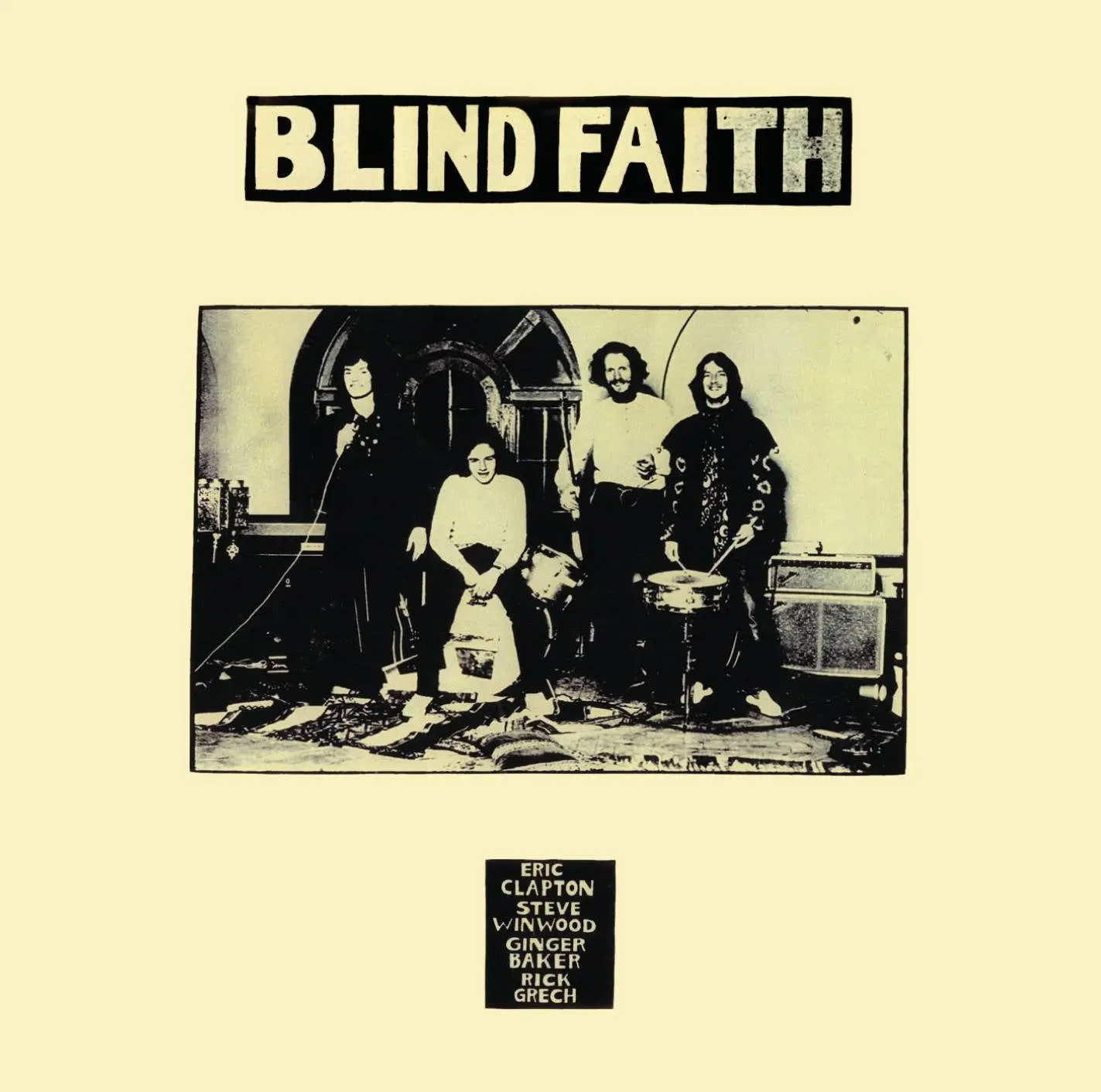 The ambitious nine-minute opening track on Blind Faith’s first and only album helps tee up blues-rock for longevity into the 1970s. “Had to Cry Today” is the grittier, jammier cousin to the supergroup’s breakout single “Can’t Find My Way Home.” Across the Steve Winwood-penned track, guitar, bass, and drums all follow the same thrashing 16th-note rhythm, the melody building to an unresolved chord that Winwood’s wails carry into the hook (young Winwood was always at his best when he was teetering on the edge of doing permanent damage to his vocal chords). Eric Clapton’s guitar teems with those “While My Guitar Gently Weeps” kind of crying tones and falls, and it all makes me feel like I just might have some crying to do today, too. —Cassidy Sollazzo
93. Ike & Tina Turner: “River Deep – Mountain High” (1969)
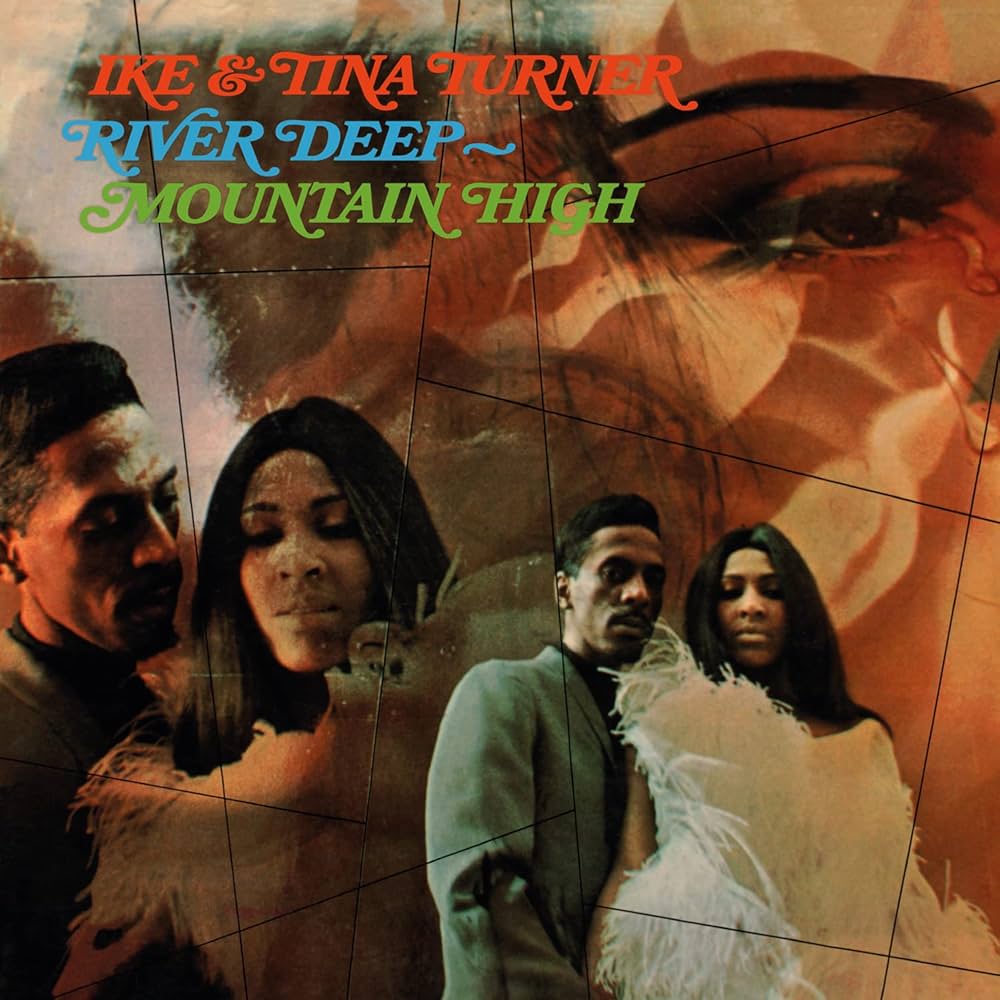 I couldn’t stay away from “River Deep – Mountain High” if I tried. Tina Turner makes this song immortal: her earth-shaking range, the pathos she packs into every lyric. That iconic guitar riff awakens something primordial in me, and Turner’s immediate lock-in ought to be studied by vocal coaches far and wide. The song is rollicking, self-assured, and full-throttle from start to end, short and sweet while packing a serious punch. In collisions of gospel and blues colliding, “River Deep – Mountain High” distills some of the best sounds of the era into fundamental text in mid-century pop history. For a less morally complicated version of the song, without the Ike of it all, I recommend Turner’s 1989 Rock & Roll induction iteration, which features none other than Stevie Wonder as her singing partner. —Miranda Wollen
92. Donovan: “Epistle to Dippy” (1966)
 The title alone is a small miracle of incongruity: “epistle,” that starched, pulpit-ready word for a letter, welded to “Dippy,” which sounds like what you’d nickname a friend who can never find his shoes. That seam—the lofty and the daffy, stitched together with a straight face—is exactly where Donovan lives. “Epistle to Dippy” is pure fun: it’s sprightly, nearly weightless, carried by a harpsichord plinking away like it wandered in off a Renaissance fair and a string section that keeps curling up in little Eastern-tinged swells, the whole thing suspended somewhere between folk tune and chamber-pop reverie. (That’s a young Jimmy Page on guitar, not long before he plugged in with Led Zeppelin and started rattling stadiums.) Floating over all of it is Donovan’s voice, spacey and airy and marvelously odd, that Scottish lilt bending each psychedelic non sequitur (“elevator in the brain hotel” is always a standout) into something almost extraterrestrial. The conceit behind it is grounded, though: a pacifism-tinged open letter to a school friend off in the service—a letter so compelling, in fact, that when “Dippy” himself heard it, he got in touch, and Donovan helped buy him out of the service. If any song could be lovely enough to spring a friend out of the army, it’s this one. —Casey Epstein-Gross
91. Scott Walker: “The Seventh Seal” (1969)
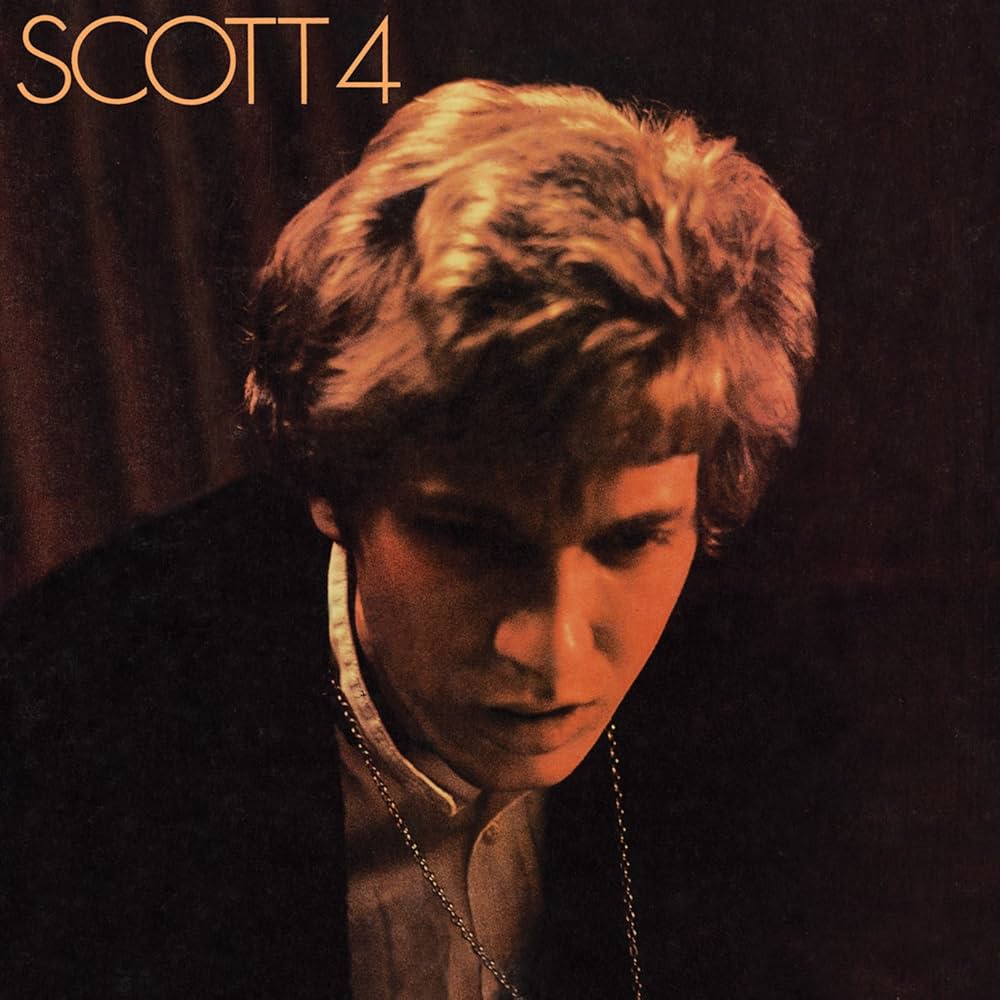 There’s a 2007 92Y conversation with Lou Reed where an audience member at the talk asks about his favorite new artists—to which he replies, after having his memory jogged on the name, “Scott Walker.” Of course, he was probably referring to Walker’s experimental late-career renaissance arriving closer to the century’s turn, but there’s something to the notion that Scott Walker has always existed in the present tense. In fact, Walker feels removed from the typical framework of time altogether, making his bold forays into everything from lush baroque epics to industrial musique conrète musings feel as if they have always existed, but also can only exist in the present moment. Opening Scott 4, the first Walker record—solo or with the Walker Brothers—to consist solely of self-penned songs, “The Seventh Seal” feels like a case study in his ever-presence. Blending orchestral theatrics with an evocative retelling of the Ingmar Bergman film of the same name, it serves as a skeleton key to a rich career that went on to amaze and confound well beyond the demise of the sixties. Removed from the useless restriction of time, there’s a deathless, confounding world to discover behind “The Seventh Seal”’s gate. —Elise Soutar
90. Patsy Cline: “She’s Got You” (1962)
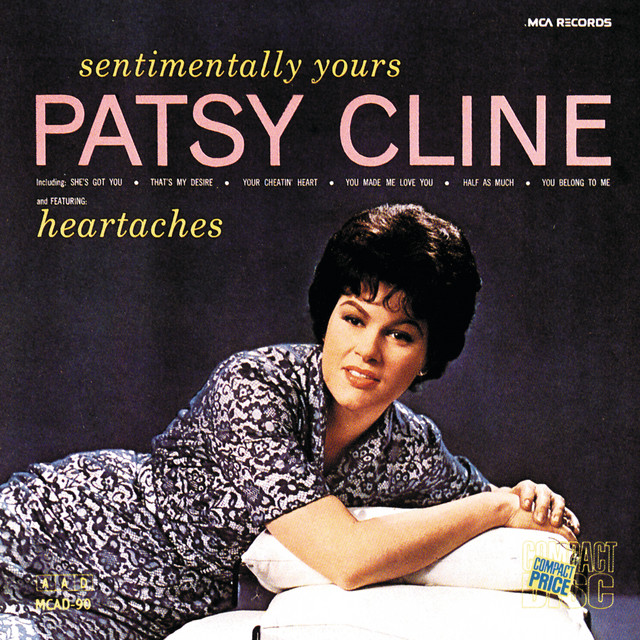 Patsy Cline had a tremendous run of singles between 1957-1962, including “Walkin’ After Midnight,” “I Fall to Pieces,” “Crazy,” and “She’s Got You,” four of the most important songs in country music history. The last of the quartest, released in January 1962, was a crossover hit that broke ground in Australia, Canada, and the UK alongside the States, where it reached #1. Cline was at the peak of her powers when “She’s Got You” reached the radio. The previous November, she participated in a sold-out Opry performance at Carnegie Hall with Jim Reeves, Minnie Pearl, Bill Monroe, Faron Young, and Marty Robbins. When she returned to the studio to cut her next album, Sentimentally Yours, the first song she finished was Hank Cochran’s “She’s Got You,” which he pitched to her over the phone. The possessions she lists in the song sound well and good until the chorus, when her lover’s pictures, their records, and his class ring aren’t quite as strange as his memory. Cline strains to get “it won’t let me be” out, but she nails every note. —Matt Mitchell
89. The Four Tops: “Reach Out, I’ll Be There” (1966)
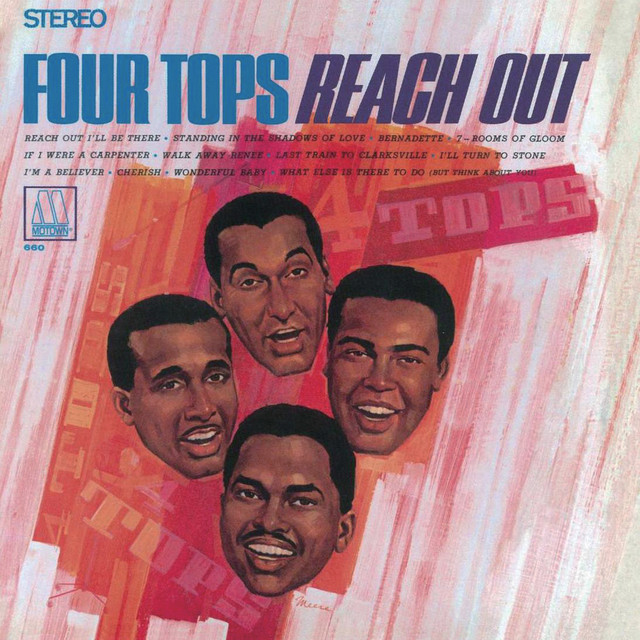 “Reach Out, I’ll Be There” is a veritable Motown motherlode. The whole premise of the song is, ostensibly, comfort—lean on me, I’ve got you, reach out and I’ll be there—but somebody forgot to tell Levi Stubbs, who sings it like a man clinging to a ledge by his fingernails. It opens sweeping and cinematic, all minor-key drama and forward momentum, more ambitious and more complex than the Motown that came before it, and then Stubbs comes barreling in, anguished and nearly shouting, sounding less like a rescuer than the one in need of rescue. He spends the verses cataloguing someone else’s despair—the hope gone, the world coming apart—but the desperation in his voice is so total that you start to suspect he’s describing himself. And then comes that perfectly engineered pause, the grunted “huh!,” and the chorus lifts off into those criminally catchy, soaring Four Tops harmonies and the promise of “a love that will shelter you,” as if singing it loudly enough might save them both. Holland-Dozier-Holland built a lot of perfect machines, but few of them run this hot. It’s a song about being a lifeline that sounds, thrillingly, like it’s drowning. —Casey Epstein-Gross
88. Buffalo Springfield: “Broken Arrow” (1967)
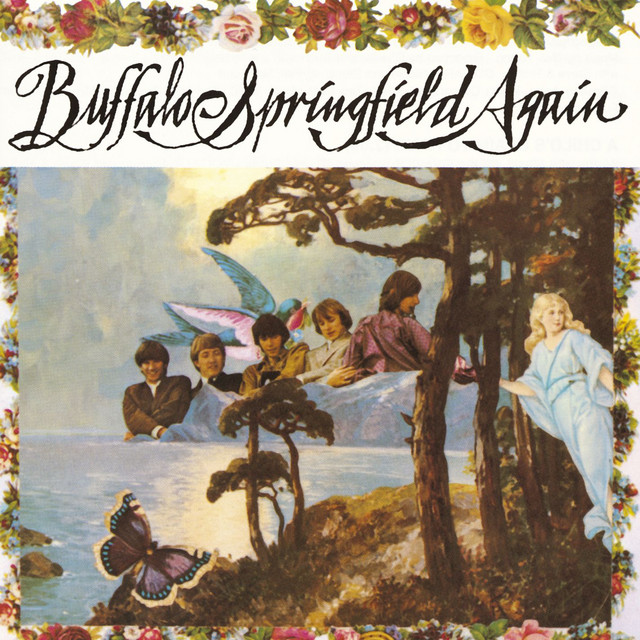 Though Richie Furay provides pretty great background vocals, “Broken Arrow” is Neil Young’s tour de force in three different time signatures. The closing track on Buffalo Springfield’s 1967 sophomore record, Buffalo Springfield Again, is titled after a post-Civil War ceremony held by Creek Indians to celebrate the end of the war. Musically, it implements an audience cheering and booing (in excerpts taken from a Beatles concert), a reprise of Buffalo Springfield’s “Mr. Soul,” the Wrecking Crew’s non-sequitur jazz theme, and a keyboard rendition of “Take Me Out to the Ball Game.” “Broken Arrow” and its surreal suite of teen angst and celebrity delusion has held up well in its fifty-nine years. In fact, I’d call it the Canadian-American rebuttal to “A Day in the Life.” —Matt Mitchell
87. The Angels: “My Boyfriend’s Back” (1963)
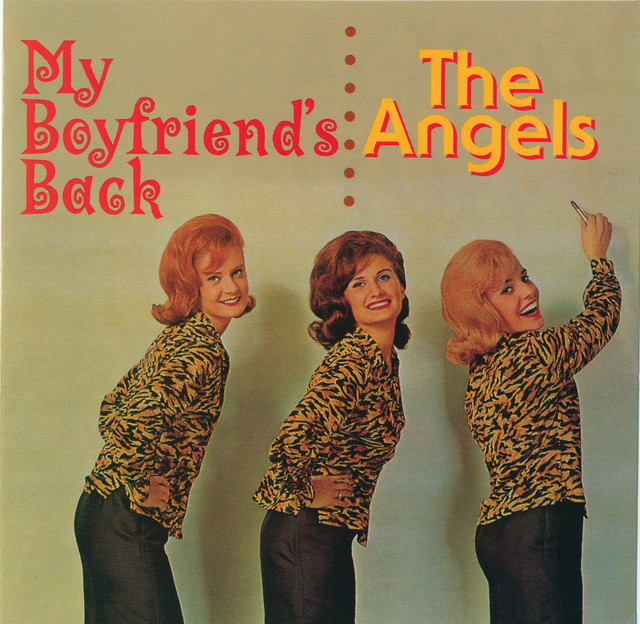 Bob Feldman, Jerry Goldstein, and Richard Gottehrer’s demo of “My Boyfriend’s Back” was recorded by sisters Phyllis and Barbara Allbut and their friend Peggy Santiglia and intended for The Shirelles. But their tape got released as it was recorded, and it turned The Angels into overnight hitmakers (though none of the group’s other singles charted higher than #25). “My Boyfriend’s Back” went to #1, and I think Cash Box had it right all those years ago when they called it a “handclappin’ mashed-potatoes-styled delighter” that can “bust wide open in no time flat.” It certainly helps that Leroy Glover’s arrangement is pop mastery. In the history of girl groups, The Angels rarely get their due, because their catalog isn’t as robust as those of their contemporaries at Motown, Decca, or Philles, but “My Boyfriend’s Back” is proof that you can be remembered forever with just one perfect song. Oh, and here’s a little piece of trivia about the tune: the guy playing trumpet is a 21-year-old Ronnie James Dio. —Matt Mitchell
86. Bill Evans & Jim Hall: “Darn That Dream” (1962)
 Claude Debussy didn’t live to see the invention of the electric guitar. Would he have thought to pair it with his wistful, oceanic songs? On Undercurrent, cool jazz titans Bill Evans and Jim Hall realized the Romantic piano and a hollow-body Gibson could be extensions of each other. The duo took a forties standard in “Darn That Dream” and made it an ode of haunting beauty, Hall playing in his upper-mid range with such restraint and patience that it’s hard to tell his starlight filled lines from Evans’ rippling chords. —Nathan Stevens
85. The Zombies: “Care of Cell 44” (1968)
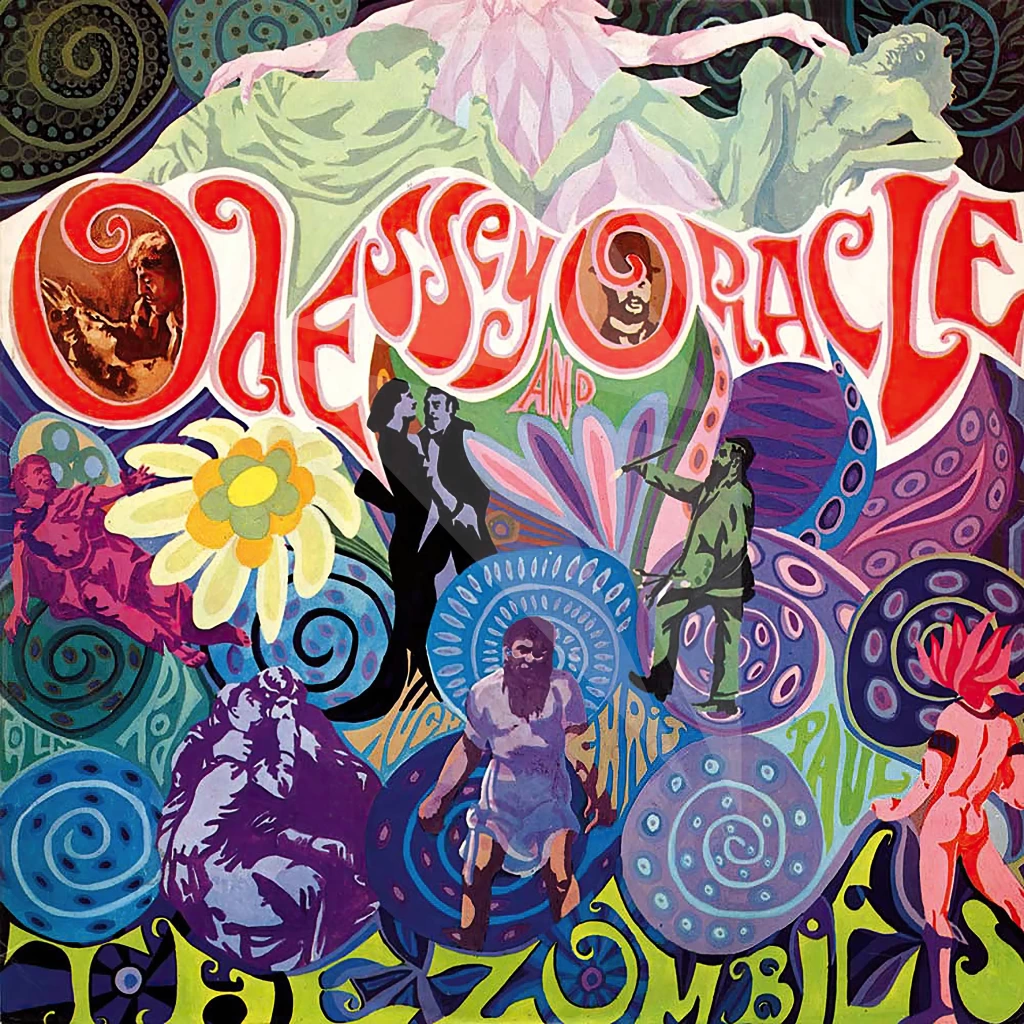 Despite the carceral connotations of its title, “Care of Cell 44” feels thrillingly free, like taking a breath of fresh air in the springtime. That, of course, is by design. From those opening harpsichord plinks to lead vocalist Colin Blundstone’s subsequent morning greeting to the group’s sunny Beach Boys-adjacent harmonies, the song’s technical elements swirl together into an ultra-feel-good psych-pop collage. Such buoyant optimism makes its lyrics, which dictate the narrator’s letter to his imprisoned partner, all the more resonant. —Sam Rosenberg
84. James Brown: “Papa’s Got a Brand New Bag” (1965)
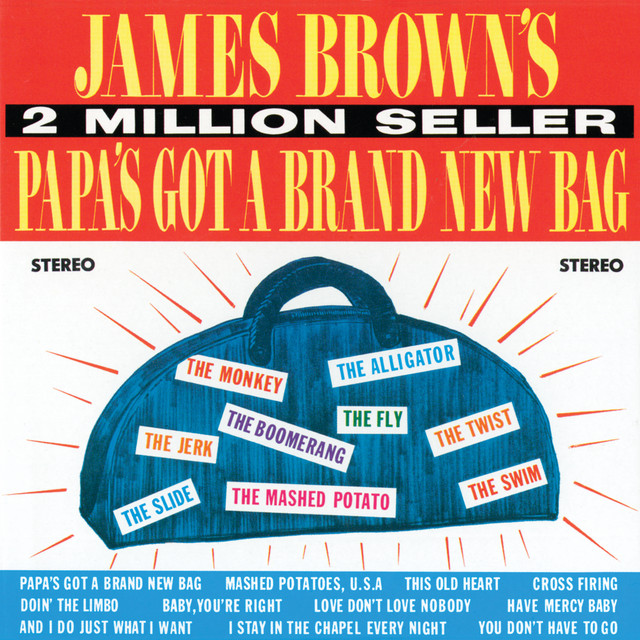 “This is a hit!” goes the opening declaration of “Papa’s Got a Brand New Bag,” James Brown’s first single to crack the Billboard Hot 100 Top Ten. The Godfather of Soul himself knew before anyone else did that this song had the juice. He’d never experienced this level of commercial success before, but for all of Brown’s infectious charisma and stage presence, it seemed like a no-brainer that this one would land him on the charts. With its guitar plucks, easygoing percussion, and, of course, those horns, “Papa’s Got a Brand New Bag” fittingly and deservingly netted Brown that new bag he’d been pursuing for a decade. As one of the definitive showmen of his era and those to follow, Brown landed his first major crossover hit and calcified his star power. He was among the great progenitors and preachers of funk, and now he had the song that would indoctrinate the uninitiated. —Grant Sharples
83. Serge Gainsbourg & Brigitte Bardot: “Bonnie and Clyde” (1968)
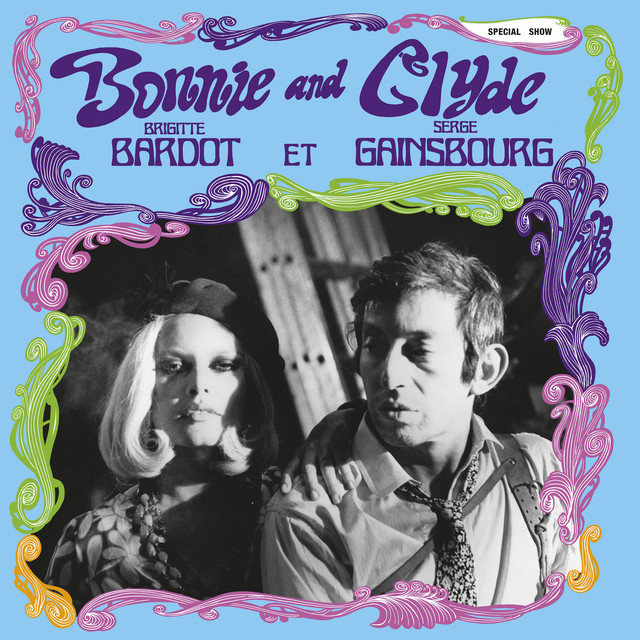 A year after Arthur Penn’s Bonnie and Clyde was nominated for ten Academy Awards, Serge Gainsbourg and his then-lover Brigitte Bardot recorded their greatest duet, “Bonnie and Clyde,” which kept up with Gainsbourg’s growing obsession with Americana. But his Western fascinations don’t diminish how essential “Bonnie and Clyde” is to the French pop canon. Gainsbourg adapted the lyrics from Bonnie Parker’s poem about her and Clyde Barrow weeks before they were gunned down, writing about cops and grief and a “sub gun’s rat-a-tat.” He and Bardot are exciting narrators, reminding us of Bonnie and Clyde’s humanity even as their bank robberies were catching up to them: “If a policeman is killed in Dallas and they have no clue or guide, if they can’t think or find, they just wipe their slate clean and hang it on Bonnie and Clyde.” The song’s production was way ahead of its time, with cuica yelps that sound like tape loops. The tempo never changes, and the guitar strums never mutate even when strings add muscle to the mix. “Bonnie and Clyde” vibrates like a full body high, its mood as shapely as a bottle of Coca-Cola. —Matt Mitchell
82. Merle Haggard: “Mama Tried” (1968)
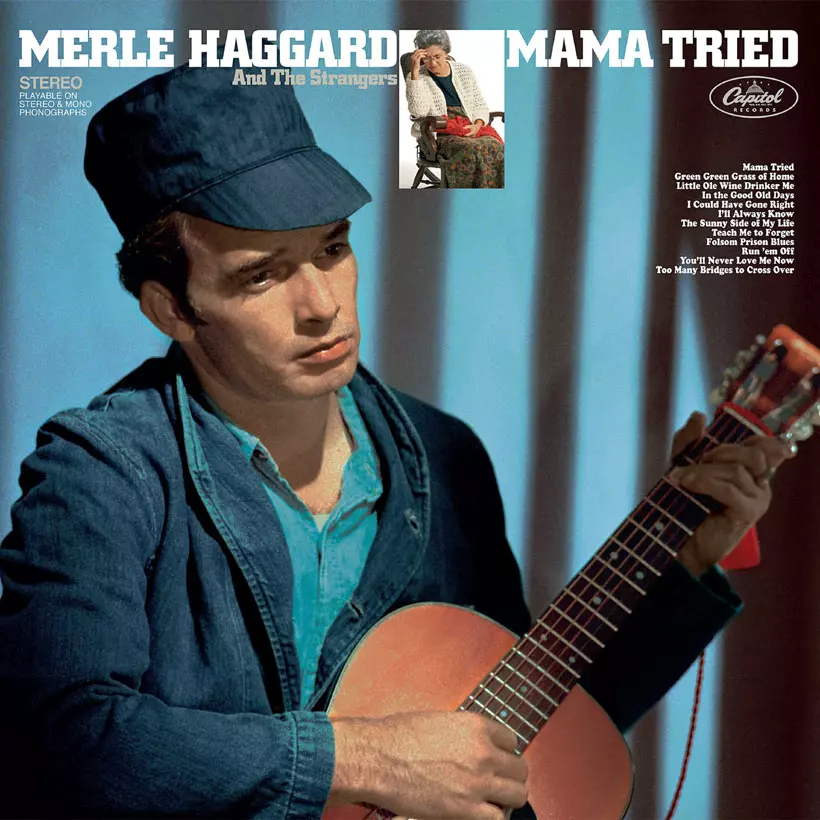 From 1965 to 1969, California-bred country icon Merle Haggard began his recording career by releasing a whopping eleven albums, a run that produced a good handful of #1 singles on the Billboard country charts. The most enduring of them is “Mama Tried,” a semi-autobiographical reflection on how his incarceration at San Quentin prison (where he once saw Johnny Cash perform, by the way) affected his mother. It’s a catchy jaunt, but sadder and more empathetic than its upbeat nature immediately let on, a balance that helped make this one of country’s all-time great songs. —Derrick Rossignol
81. The Tammys: “Egyptian Shumba” (1963)
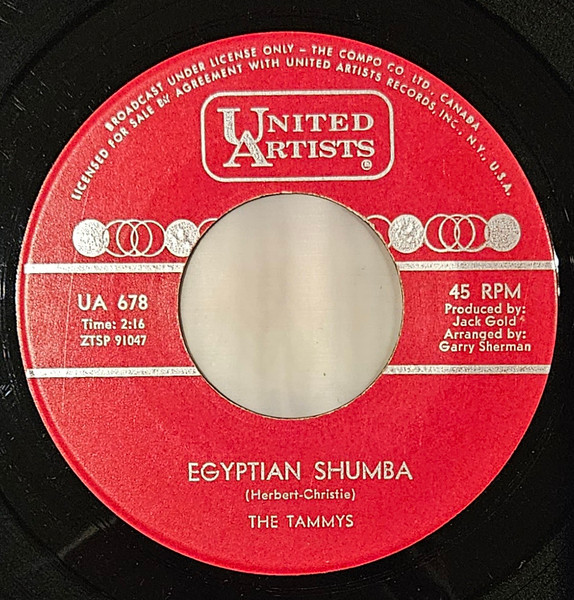 Is it a proto-punk forebearer, an underground camp classic, or a throwaway cashgrab with its grubby paws all over the novelty dance crazes of the time? I’m inclined to say it’s all three, though its songwriters and performers could hardly have intended for the track to endure for decades in Northern Soul dancehalls and eBay shopping carts of rare singles collectors alike. Regardless, the raucous and delightfully strange stomp of “Egyptian Shumba” still reverberates all these years on, recalling the howl of possessed Beatles fans thrashing over the Shea Stadium barriers just as much as it does Kathleen Hanna screaming that hips can hold a revolution. Whether you deem it as weightless as the paper sleeve it came in or track the lineage of alternative music that might’ve sprung from its oddity, the song’s energy is irrepressible and makes it worth endless revisits. “Egyptian Shumba” might have failed to chart nationally upon its release, but the “wonder” part of The Tammys’ “one-hit-wonder” still marvels on. —Elise Soutar
80. Love: “The Red Telephone” (1967)
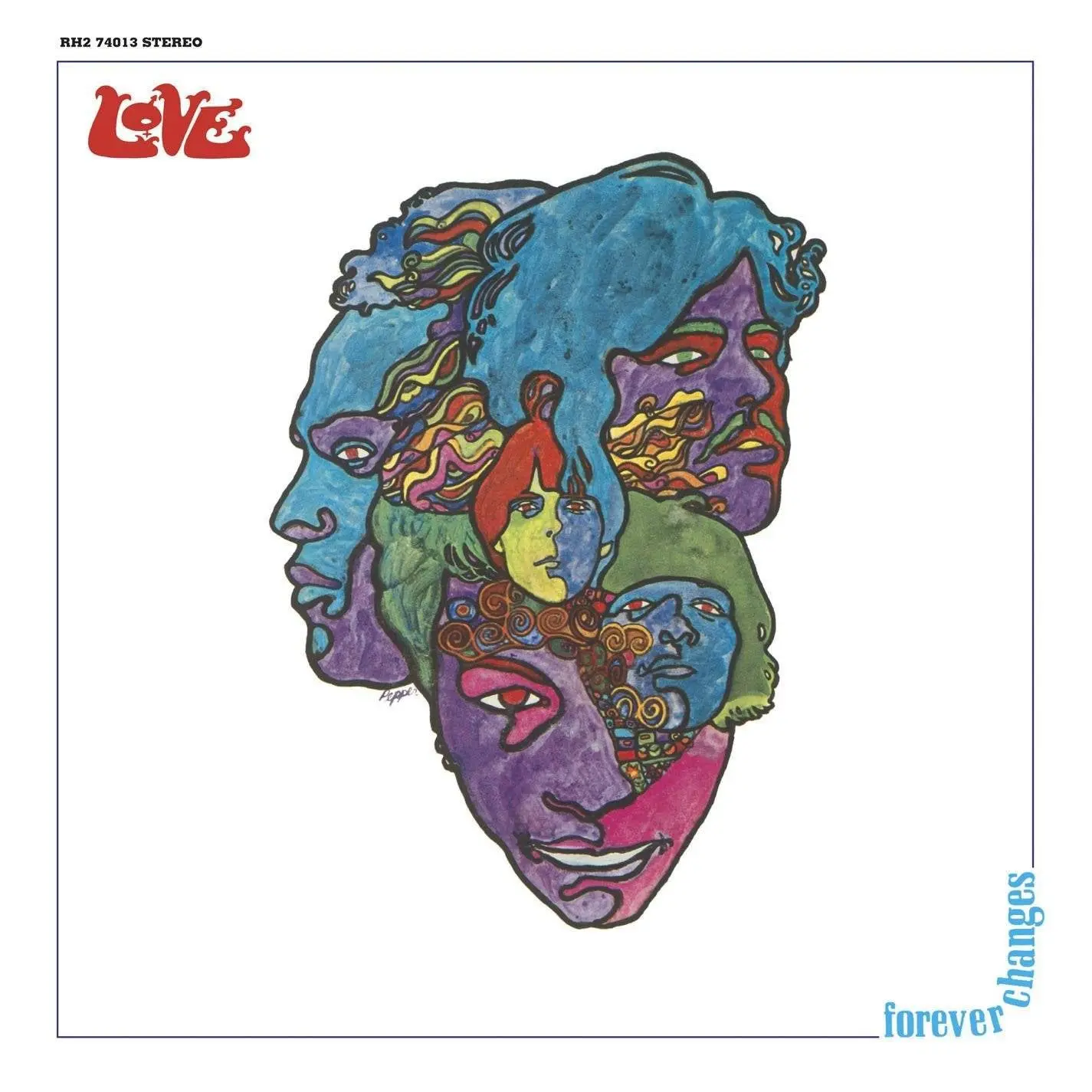 There’s something eerily addictive about “The Red Telephone.” It drifts in on strings and harpsichord, the twinkling beauty of it undercut by a deep bass line and lyrics like “Sitting on the hillside / Watching all the people die.” The lore behind the titular telephone is debated: is it a literal phone in the band’s shared house? Is it the hotline the White House used to connect with the Kremlin? There’s a little bit of both in the song’s DNA: a communality in the “sha-la-la-las,” an ever-present air of apocalyptic dread between each breath. Arthur Lee was in a bad way when he made the record, convinced he wouldn’t live much longer (“I don’t know if I’m living or if I’m supposed to be” hits hard to this day). He wrote the whole thing as a premature elegy for himself, and you can hear that doom leaking through every pretty bar: days bleeding into each other, the creeping fear that he’s become a phony, the flat terror of not knowing whether he’s even alive. As one of the only Black faces in an overwhelmingly white psychedelic scene, he lands the album’s most quietly devastating line—“if you think I’m happy, paint me white”—a lifetime of bitterness folded into a single breath. And then, in its final minute, the song quits brooding alone and turns outward into a monotone chant: a warning that the powers that be are “locking them up today / and throwing away the key,” that it could be you or me hauled off next, before melting into a repetition of “We’re all normal and we want our freedom.” If only this felt less relevant today than it does. —Casey Epstein-Gross
79. Archie Bell & The Drells: “Tighten Up” (1968)
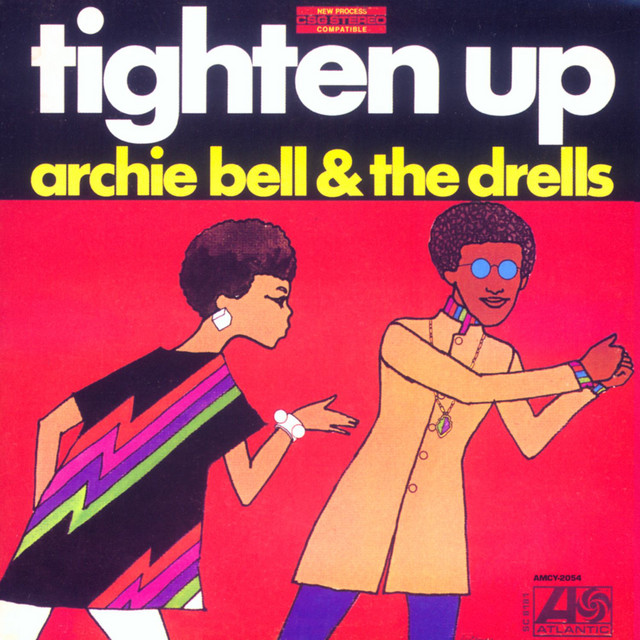 Coming out Houston in 1966, Archie Bell and The Drells signed with Atlantic and watched their debut single, “Tighten Up,” reach #1 on the pop and R&B charts two years later. Even at just a 3:15 runtime, the future of funk is mapped out in the major seventh stars of “Tighten Up.” The backing instrumentation, which sounds like an impromptu party accidentally captured on tape, was done by the T.S.U. Toronadoes at the recommendation of DJ Skipper Lee Frazier. After hearing somebody comment that “nothing good ever came out of Texas” post-Kennedy assassination, Bell felt compelled to introduce him and the Drells’ Houston origins at the beginning of the song. “Tighten Up” is a mellow masterpiece, though Bell was serving in Vietnam when it reached #1 back home. The story goes that, before American Olympian Wyomia Tyus captured the 100 meter gold medal in 1968, she was seen dancing to “Tighten Up” at the starting line. —Matt Mitchell
78. The Byrds: “What’s Happening?” (1966)
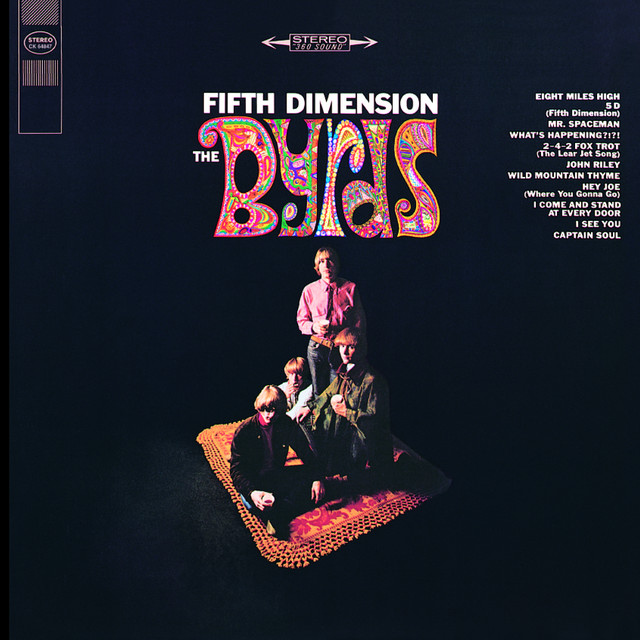 “What’s Happening?” is one of those tracks that proves David Crosby had the sauce from the jump. It’s about a guy who pretty much doesn’t know anything, which doesn’t feel too far off from the perpetually dazed form he came to adopt. Some things he doesn’t know: who you think you are, what you’re doing here, what’s going on here, or how it’s supposed to be. Don’t worry, he doesn’t have the vaguest notion, either. The wording is almost awkward, kind of like Crosby was possessed by the tune, and the questions are just spilling out of him. His vocals are up close in the mix, the melody feeling at once frenetic and meticulous. And it’s not The Byrds without Roger McGuinn’s jangly guitar tones that set the standard for every jangly guitar tone heard since, contorting and circling here in a sitar-ish way, sending chills down my spine with each pass. —Cassidy Sollazzo
77. Buffy Sainte-Marie: “Adam” (1967)
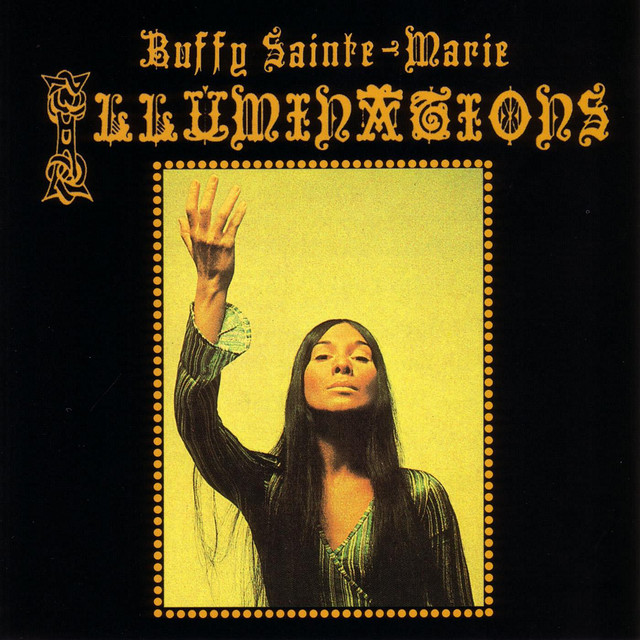 “Adam” is technically a cover of Richie Haven’s song of the same name, but on Buffy Sainte-Marie’s tongue, Haven’s spare, acoustic-and-drums chronicling of the fall of its titular religious figure becomes something searing and elemental—a larger-than-life hymn that reaches up to the heavens and down into the hells. Each verse makes me feel like I’m being immolated on a pyre, and each refrain is a sudden cool bucket of water dousing the flames. It’s freakish and wild, all gurgles of synth and keening strings and fuzzed-up-the-ass bass notes that rumble all the way down to the toes. Those repetitive fuzztone assaults are truly earthquakes, transforming each of Sainte-Marie’s canary-esque warbles into something Biblical and inconceivable. Her voice practically does that all on its own, too. She quivers her way through each riff with expert precision, and I have yet to listen to her delivery of the final lines (“Now he realizes his biggest mistake / That he never had to grow old / And he never had to grow cold / And die”) without getting chills. Throughout the entire song, it feels as if she’s perpetually in danger of crumbling under the weight of the emotion imbued into each word, but that’s part of the deception: Sainte-Marie is in total control, and that’s what allows her to fall apart. —Casey Epstein-Gross
76. Roy Orbison: “In Dreams” (1962)
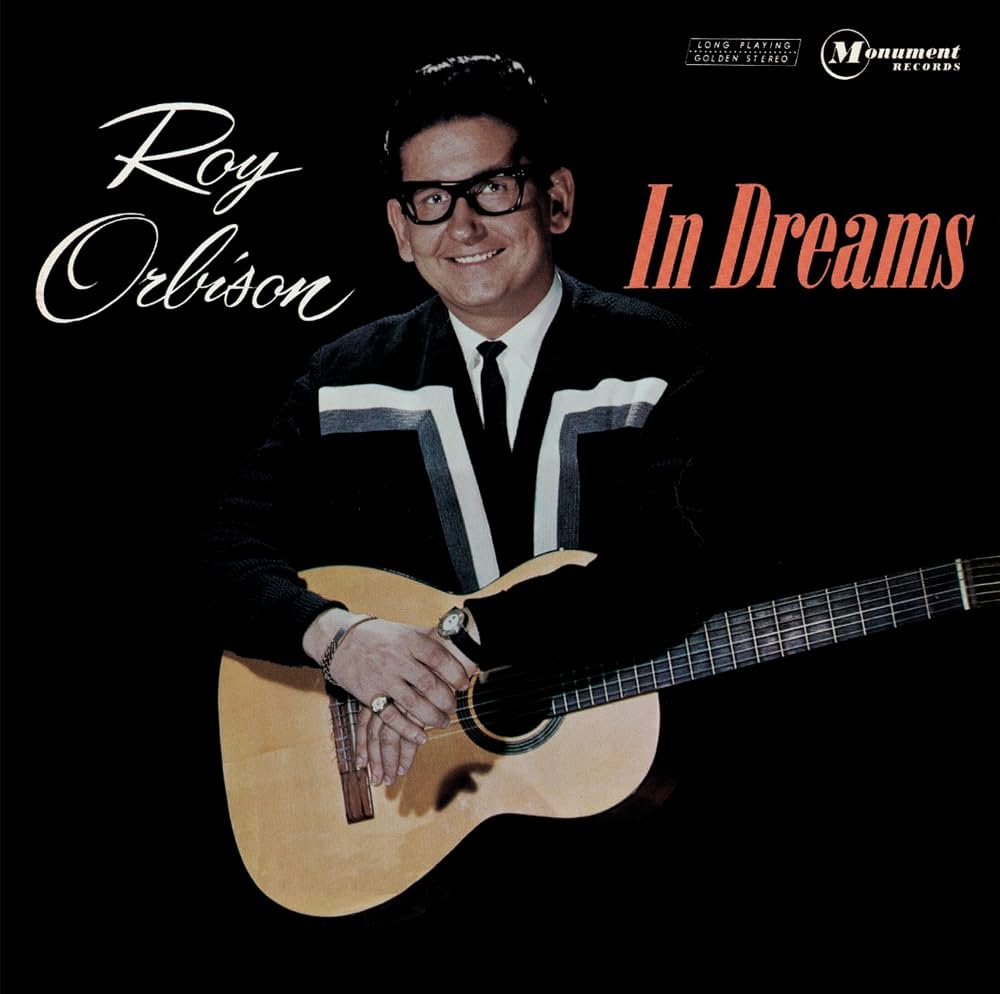 The rock and roll counterculture of the late Sixties did all it could to leave Roy Orbison in its dust. However, every generation since has continued to rediscover just how singular, inventive, and talented this other “Man in Black” truly was. Nowhere do we come across a better example of classic “Big O” than 1963’s “In Dreams.” Orbison’s imaginative song structure weaves us through seven distinct movements as he gently rocks us off to the land of Nod. What begins with a lullaby over some magical sleeping dust and a simple strum continues to build in grandeur with orchestral swells and ethereal backing vocals until finally crescendoing in the grand finale with an octave that only “The Caruso of Rock” could deliver. In just under three minutes, Orbison knocks out, falls madly in love, and leaves his broken heart soaking in a pool of tears before going on his lonely way. Ladies and gentlemen: Roy Orbison. —Matt Melis
75. Led Zeppelin: “What Is and What Should Never Be” (1969)
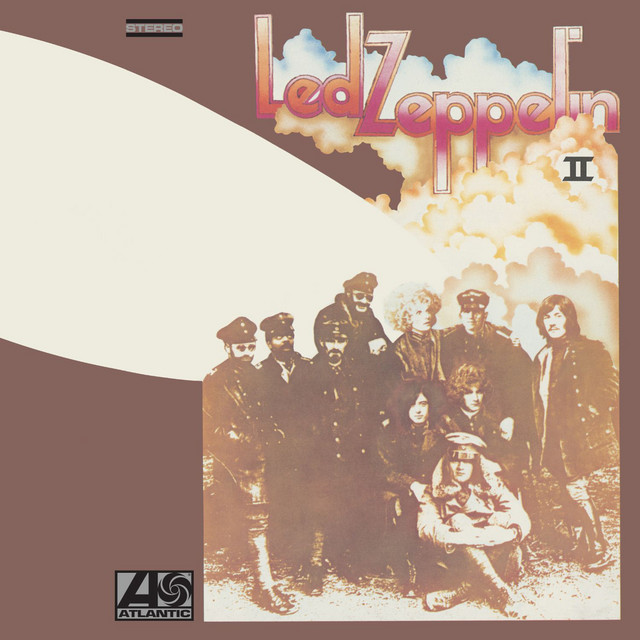 I’ll be upfront: I’m a little young. I first encountered “What Is and What Should Never Be” not on the radio or on a vinyl record, but on American Idol, in Haley Reinhart’s voice. At least she did it enough justice to send me right to the source. I didn’t have the context of the heavy blues-rock of their self-titled debut, the knowledge that the song served as a statement of the band’s range (especially right after “Whole Lotta Love”), but I didn’t need it. I was hooked straight away by that low, smoky, after-hours haze, Robert Plant gone uncharacteristically sultry as if leaning across a candlelit table into the listener’s ear. But just as you get accustomed to the loose jazz of the opening, the floor gives out, and you fall backwards into a bed of roaring power chords that ricochet from one ear to the other like the song is chasing itself around the room. That push and pull is the entire point, and it’s right there in the title: “what is,” the hushed and permissible reality, set against “what should never be,” the forbidden thing straining to get loose—and Plant spends the song caught between them, dreaming of slipping off somewhere he knows he shouldn’t go. (I later learned—later meaning today—that “somewhere he knows he shouldn’t go” was into his wife’s younger sister’s pants, which does make the song somewhat less appealing, but one ought to separate the art from the artist and all that, I suppose.) By the outro he’s quit dreaming and started running, wailing the title over and over in these breathless, tumbling phrases that edge right up to rapping, a man talking himself into the leap. It’s hard not to want to follow him over the edge. —Casey Epstein-Gross
74. Johnny Cash: “Ring of Fire” (1963)
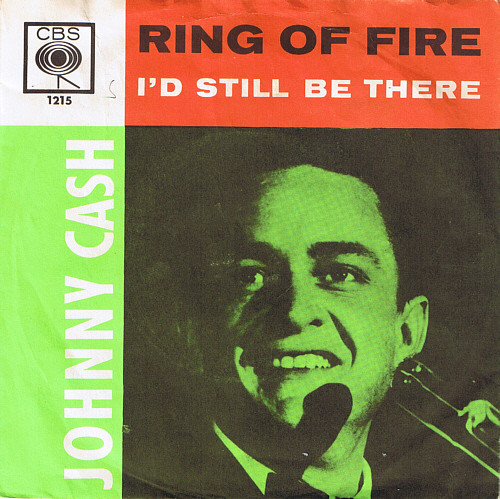 Cards on the table, “Ring of Fire” has great personal significance to me. It’s the reason I passed high school Latin. There’s a reason it’s been covered to shit, from Eric Burdon & the Animals to Lykke Li to four teens trying to memorize the second declension: it’s simply that good. The bright Mariachi band horns are addictive enough on their own, but pair that with Cash’s deep, soulful baritone and the lyrics penned by Merle Kilgore and Cash’s wife, June Carter, and you’ve got a certified classic on your hands. Love, here, isn’t some flowery, beautiful thing, but a force of destruction: “The taste of love is sweet,” yes, “Love is a burning thing / And it makes a fiery ring.” This meditation on the murderous nature of desire lives at constant odds with the music around it, all chirpy background vocalizations and tangy, sunshiney brass; it is, on its face, one of the cheeriest songs about going to hell. But isn’t that what love feels like, too? —Casey Epstein-Gross
73. Charles Mingus: “Track B-Duet Solo Dancers” (1963)
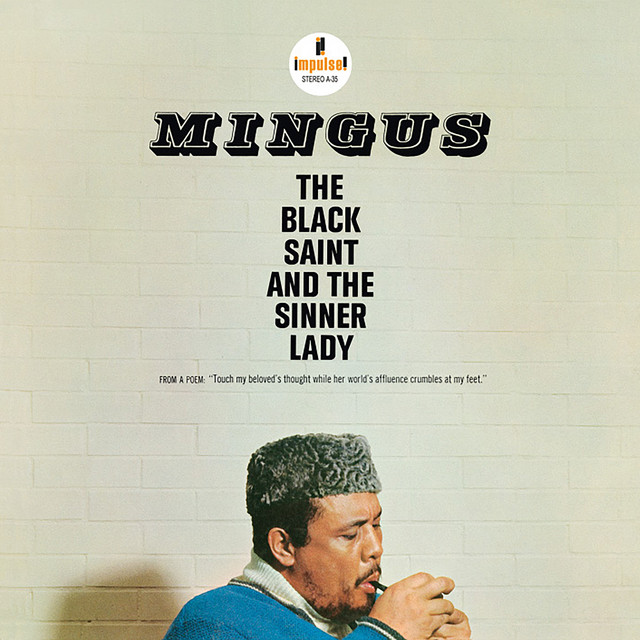 Charles Mingus constructed The Black Saint And The Sinner Lady as a continuous ballet in six movements, spanning four tracks. The bandleader and upright bassist’s 1963 masterpiece functions best as the sum of its parts, but there are still standout moments to be had, namely the second movement, “Track B- Duet Solo Dancers.” Subtitled “Hearts’ Beat and Shades in Physical Embraces,” the track exudes the partnership of dancers in lockstep with its waltzy pulse. Mind you, this is still a Charles Mingus album, so those moments of romantic respite are punctuated with experimental big band blasts, courtesy of the 11 other musicians performing alongside Mingus across its runtime. It doesn’t take long for everything to devolve into double-time clamor; muted trumpets, discordant keys, and frantic drums spill over. It sounds like chaos, but arranger Bob Hammer ensures that it’s a controlled chaos. Even when the musicians splinter off into countless directions, they invariably find their way back at the starting point, like two dance partners reuniting on the ballroom floor. —Grant Sharples
72. Os Mutantes: “A Minha Menina” (1968)
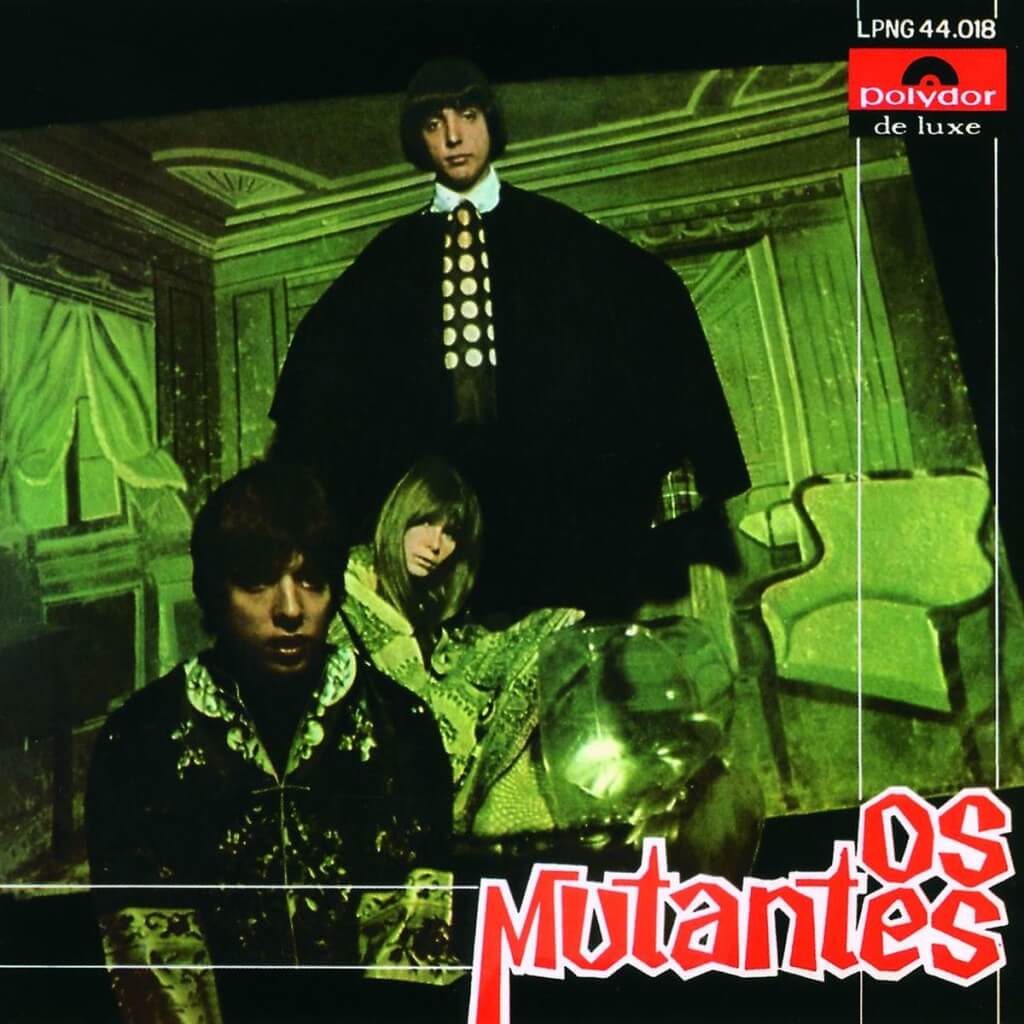 The illogical extreme of Brazil’s Tropicália movement, Os Mutantes’s debut album is a bull in a china shop, if that bull was also on LSD and had learned how to modify instruments and build effects pedals. It stumbles raucously through the boundaries of pop and psychedelia, lending real meaning to the term “experimental.” “A Minha Menina” sees Jorge Ben hop on the mic to take the lead vocals and acoustic guitar on his own composition, and Os Mutantes gamely offer their backing; Sérgio Dias’s fuzztone guitars sizzle and hiss along with Ben’s infectious hook, and all four musicians whoop and holler wildly as they go. It’s the song that goes down easiest on Os Mutantes, but they’re not burying the lede—even this, their most popular song, offers a taste of the sonic mischief that characterised their work. There’s an almost seasick sway to the rhythm that gives it a loose, uncanny feeling and the echoey sound to Rita Lee’s doubled vocals give her tone the sensation of being listened to down a very long tunnel. Like a lot of Os Mutantes songs, “A Minha Menina” only gets weirder, and better, each time you hit play. —Mariam Abdel-Razek
71. Albert Ayler: “Ghosts” (1964)
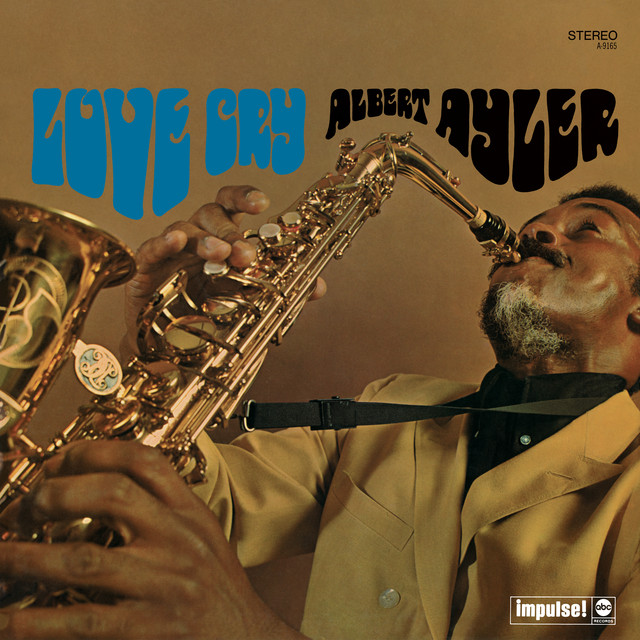 There are multiple versions of Albert Ayler’s greatest composition, but the shortened take that appears on Love Cry is a brief but perfect rapture—acid jazz done up in a brass march with ribbons of psychedelia. The accompanying players from the 1964 rendition—Don Cherry, Gary Peacock, and Sonny Murray—are swapped with Alan Silva, Milford Graves, and Albert’s younger brother, Don Ayler. They file in around Ayler expertly, focusing not on the fury of previous “Ghosts” recordings, but the melody of two horns entangled. Together, they make a strange dance of tenors and rolling toms. “Ghosts” billows and bellows but never blows out. —Matt Mitchell
70. Tommy James & The Shondells: “Crimson and Clover” (1969)
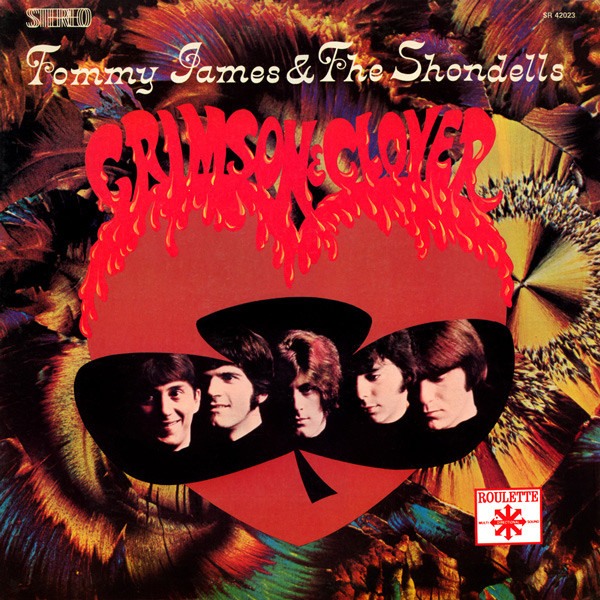 The psychedelic sixties were a transcendent time, and some of it is captured in this list. But there is perhaps no song more psychedelic or transcendent than “Crimson and Clover,” Tommy James and the Shondells’ 1968 #1 hit. James and drummer Peter Lucia Jr. co-wrote it as a means of re-shaping the band’s sound after the R&B, garage-rock-inspired “Mony Mony.” I recommend listening to the five-minute album version, which has noodly, tremolo-effected steel guitars, fuzz distortion, and sha-na-na-na vocal backings. There’s even a speed error in the final mix where the guitar solos drop in pitch. “Crimson and Clover” is a love-making anthem, a tab of ecstasy, pop excellence, and three chords soaked in reverb. A true musical achievement that went totally unparalleled. —Matt Mitchell
69. Jacques Brel: “J’Arrive” (1968)
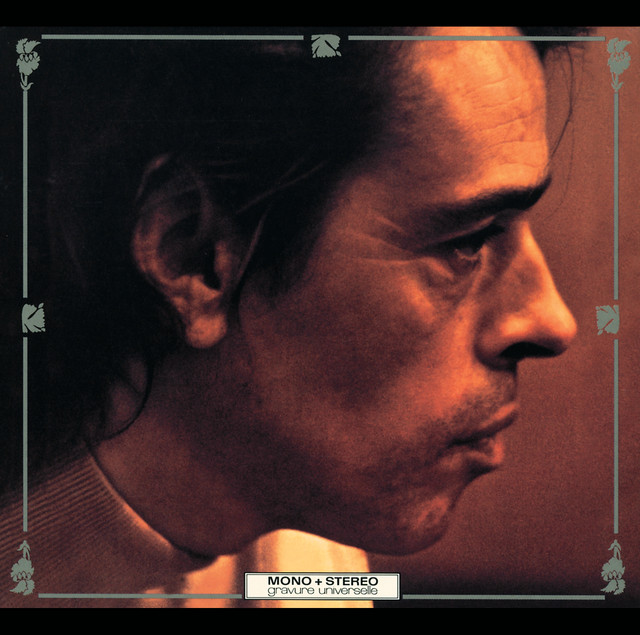 Vidi but no veni or vici for Jacques Brel. Brel’s music was consumed by death and the problem of what to do before it arrived. “I never seem to be able to do anything / But arrive,” he howls over an orchestra ascending to fever pitch on “J’Arrive.” Surrounded by chrysanthemums set on the graves of old friends and seeing a garden of them growing for his departure, “J’Arrive” is defiance and acceptance battling. There is something lush and lovely here even as Brel’s desperation grows. It is all stages of grief, and perhaps life, played at once, the orchestra marching inevitably like time itself. Ever forward, ever arriving. —Nathan Stevens
68. Etta James: “At Last” (1960)
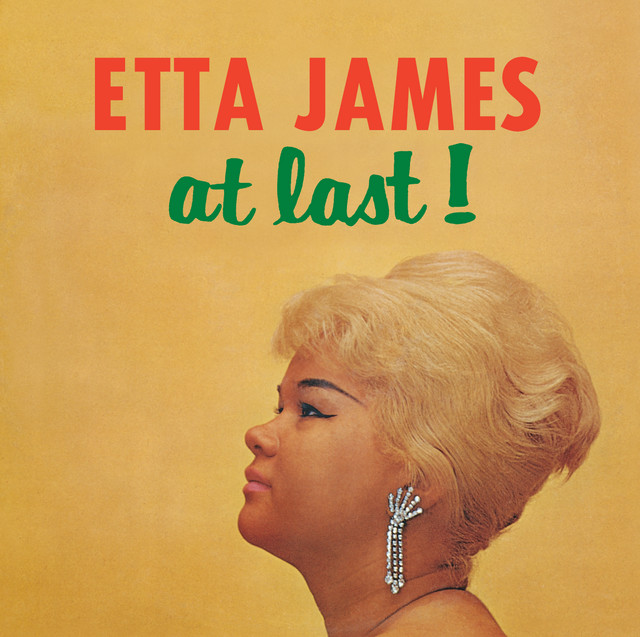 When people such as Beyoncé and Celine Dion are covering the song you made famous, that’s a clear sign you’re a vocal powerhouse. Etta James’ version of a 1941 song by Mack Gordon and Harry Warren is so indisputably her own that it became the title track of her 1960 debut studio album. Riley Hampton’s orchestral arrangement is a perfect pairing for James’ soothing contralto, but what’s especially notable about “At Last” is that it’s among the least flashy material from the LP itself. Its extravagance lies predominantly in James’ restraint, how she can flip from a self-controlled hush to a glamorous belt, often multiple times within the span of a single verse. “My lonely days are over,” she sings in a quiet murmur, letting it all out on the next line: “And life is like a song!” Like the relief of finally finding true love after a long, arduous search, “At Last” channels its strongest affirmations through her expression. It’s a song that was waiting specifically for Etta James to sing it. —Grant Sharples
67. Joni Mitchell: “Cactus Tree” (1968)
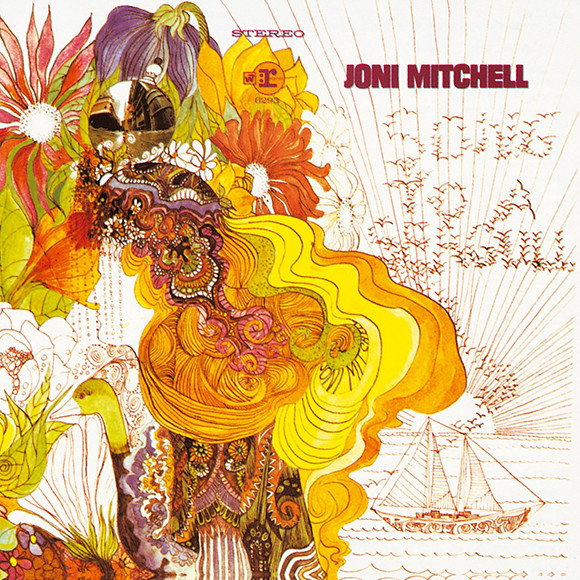 The closer on Mitchell’s debut, the David Crosby-produced Song to a Seagull, is for the real yearners: the ones who yearn and yearn and yearn, but don’t want it when they finally get it. Mitchell’s vocal flips and soaring falsettos feel like the titular seagull doing figure eights in the sky, ruminating on the fleeting nature of passing loves and the men who pine for her (“He can think her there beside him / He can miss her just the same”). She’s “so busy being free” that she can’t even entertain the idea of one of them being her forever. “They will lose her if they follow,” Mitchell warns. They’re stuck on her, but she’s already gone, lonely yet needing to be alone. It’s true and pure folk in its repeated verses as opposed to a verse-chorus-verse structure, swirling around the same haunting finger-picked guitar melody. It’s one of those songs where the key alone (based on Mitchell’s notoriously impossible-to-pin-down tunings) is enough to make my eyes well up, and by the end of the song, at least one tear is likely to have fallen. —Cassidy Sollazzo
66. Herbie Hancock: “Cantaloupe Island” (1964)
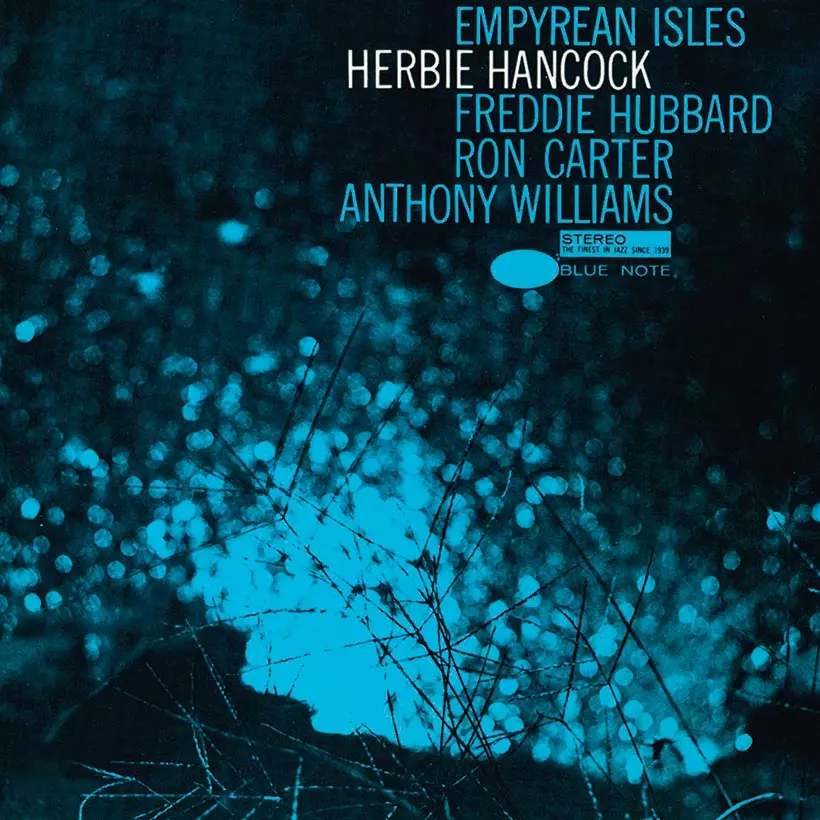 Arguably the defining jazz standard of the decade, “Cantaloupe Island” is the best known standout of Empyrean Isles, Herbie Hancock’s distinctly experimental fourth album with Blue Note. Taking his cue from the trance-like elements of blues music, Hancock builds a simple, addictive sixteen-bar groove on “Cantaloupe Island,” a powerful core that pulses under Freddie Hubbard’s squawking cornet. It’s hard to believe that three minor chords can move with such funkiness and emanate so much cool, but that’s Hancock’s superpower—with only a few building blocks, he can craft a towering, faultless composition. Revisited and recorded over the years by Donald Byrd, Nat Adderley, and Hancock himself, “Cantaloupe Island” is Hancock at his most accessible, but by no means his least inventive; with flair and fire, it strains at the borders of its genre and starts to chart brave new territory. —Mariam Abdel-Razek
65. Vanilla Fudge: “You Keep Me Hangin’ On” (1967)
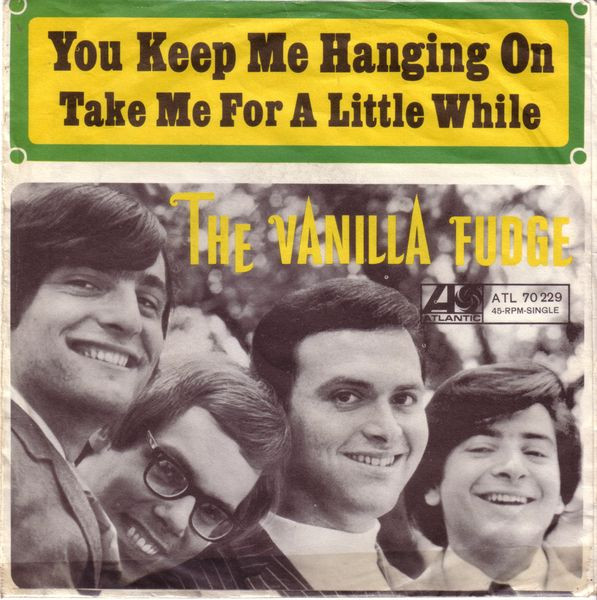 I am among the Supremes’ biggest fans, but there’s a cover of “You Keep Me Hangin’ On” that upends the Motown legends’ own original hit and it’s not Kim Wilde’s or the Glee cast’s. In 1967, a year after the Supremes released it, a brand new, Long Island psych-rock band called Vanilla Fudge made a seven-minute version of “You Keep Me Hangin’ On” that turned the track into this spectral epic. With Mark Stein’s bluesy, captivating lead vocal and Vince Martell’s guitar pumping the instrumentation full of aches and breaks, “You Keep Me Hangin’ On” becomes a deeply unsettling rock concerto made by a band that never made anything quite as ambitious or exciting ever again. Vanilla Fudge’s cover would peak at #6 on the Hot 100 and confirmed Carmine Appice as one of the coolest and loudest drummers on Earth. —Matt Mitchell
64. Midnight Movers: “Medicated Goo” (1969)
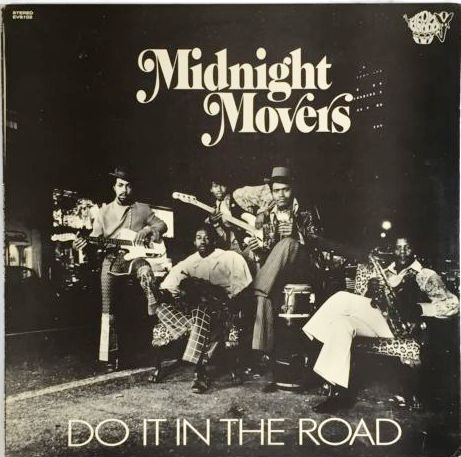 In 1969, Steve Windwood left Traffic, leading Island Records to scourge up odds and ends. They released a thumping, somewhat flat-footed outtake, with goofy character names like Pretty Polly Paulson and Freakin Fredy Frolly, as a Traffic single with little fanfare. But when Midnight Movers, Wilson Pickett’s backing band, recorded a rendition of “Medicated Goo,” it was an effortlessly light, funky addition to their first album, Do It In The Road. And guitarist Charlie Pitts saw an opportunity to turn this already souped-up version into a barnburner. When he hits the second guitar solo on “Medicated Goo,” his tone is so searing that it could be used as a paper shredder. Even though Pitts played on Issac Hayes’ “Theme from Shaft” and with other Stax artists, “Medicated Goo” is his finest moment. —Ethan Beck
63. Loretta Lynn: “Don’t Come Home a Drinkin’ (With Lovin’ on Your Mind)” (1967)
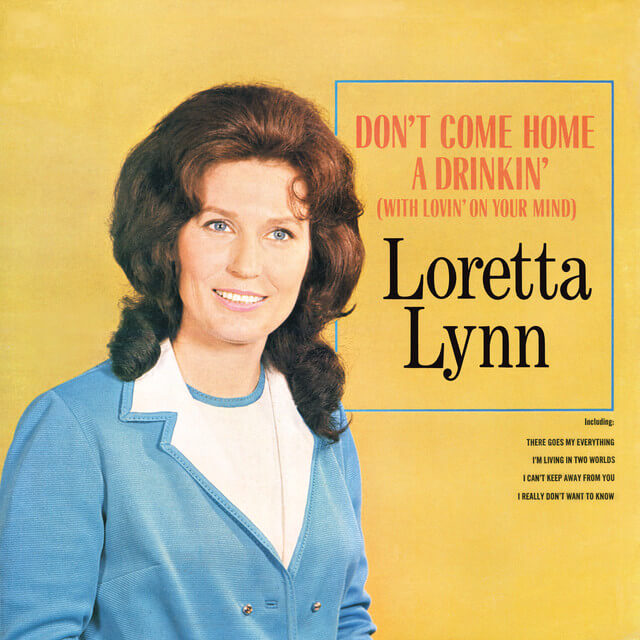 “Liquor and love that just don’t mix,” Lynn avows in the honky-tonk number, from “Don’t Come Home a Drinkin’ (With Lovin’ on Your Mind).” She gives her unruly, cavalier husband an ultimatum to either “leave a bottle or me behind.” It’s her high-strung brashness that pulls the story along in a boozy haze, and the sharpness of her pen is both destructively real and empowering. As she attempts to save the marriage, her free-wheeling beau is “always gone,” out slinging drinks with the guys until the wee hours of the morning. Meanwhile, she soaks her pillow in tears; there’s an edge of sorrow glistening across the unshakable resolve of her signature vocal. Lynn remains steadfast, though, and while the story never fully plays out, we’d like to think she dumped all his belongings on the front lawn, as she sings, “Just stay out there on the town, and see what you can find.” —Jason Scott
62. The Temptations: “Ain’t Too Proud to Beg” (1966)
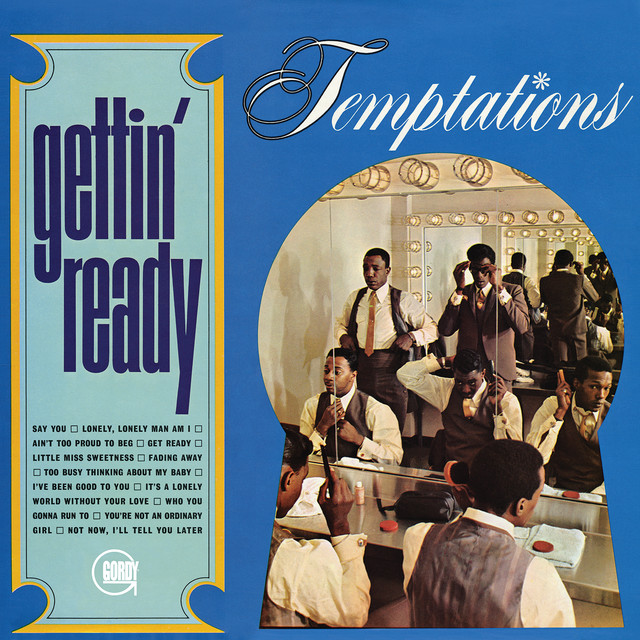 I remember this scene from the Temptations’ miniseries biopic that aired in 1998, where, after the release of “Ain’t Too Proud to Beg,” David Ruffin tells his bandmates Otis Williams and Melvin Franklin that the band should be renamed “David Ruffin and the Temptations,” and it’s a movie moment that’ll never leave me—much due in part to actor Leon’s impeccable delivery of “Ain’t nobody comin’ to see you, Otis!” However, as egotistical as Ruffin was (and whether or not he was as self-absorbed as the media has always portrayed him to be), it’s hard to argue that he wasn’t the star of the group. Their 1966 hit song “Ain’t Too Proud to Beg” all but seals that fate, in some form or another. It’s one of Ruffin’s last great performances with the Tempations (rivaled only by “I Wish It Would Rain” a year later), as his coke addiction was causing him to miss rehearsals and shows before, in 1968, he was fired from the group. “Ain’t Too Proud to Beg” was, albeit unknowingly, his victory lap, after many (if not most) of the Temptations’ charting hits of the era featured him singing lead. It’s one of the best, most energetic soul songs ever recorded. Written by Norman Whitfield and Eddie Holland and featuring backing instrumentation from the legendary Funk Brothers, there’s so much starpower at work here that it seems impossible that “Ain’t Too Proud to Beg” didn’t break the radio when it played. —Matt Mitchell
61. Captain Beefheart and His Magic Band: “Moonlight on Vermont” (1969)
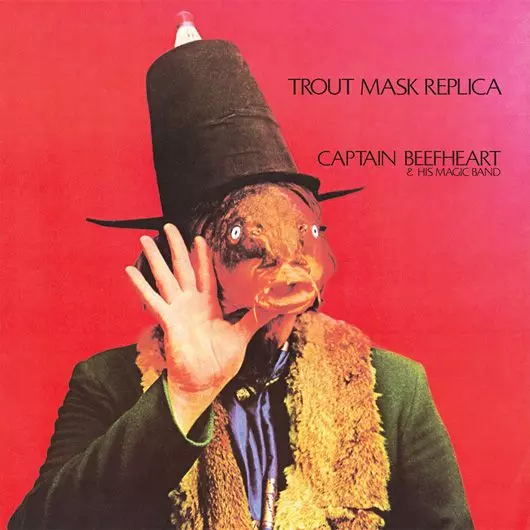 On Trout Mask Replica—one of rock’s most notorious and forbidding masterpieces, an album where everyone routinely sounds like they’re playing a different song in a different room—“Moonlight on Vermont” is about as close as it gets to a moment of clarity. Which tells you plenty, because it still sounds like nothing else on earth. It opens on a stuttering, lurching drum figure and a guitar line that stings like a wasp, and then Captain Beefheart comes growling in, gruff and howling about how the moonlight has gotten to everybody (even Mrs. Wooten! Even Little Nitty!) until the whole town seems to have come unscrewed. Heads have been lost, elephants have escaped from the zoo, bridge has even been cancelled for all the senior citizens. “Well,” Beefheart shrugs, “That goes to show you what a moon can do,” Then he smuggles in two sonic stowaways from opposite ends of the universe: the old gospel chestnut “give me that old time religion” (a funny thing to ask of a song this aggressively new) and, more startlingly, a fragment of Steve Reich’s 1966 tape piece “Come Out”—the phrase “come out to show them,” words first spoken by a Black teenager describing how he had to make himself bleed to get medical care after a police beating. That something so heavy can float up inside all this lunar nonsense ought to be surprising—and perhaps it would be, if it were enacted by anyone else. But let it be known that Captain Beefheart and His Magic Band simply know how to fucking rock. —Casey Epstein-Gross
60. The Chiffons: “One Fine Day” (1963)
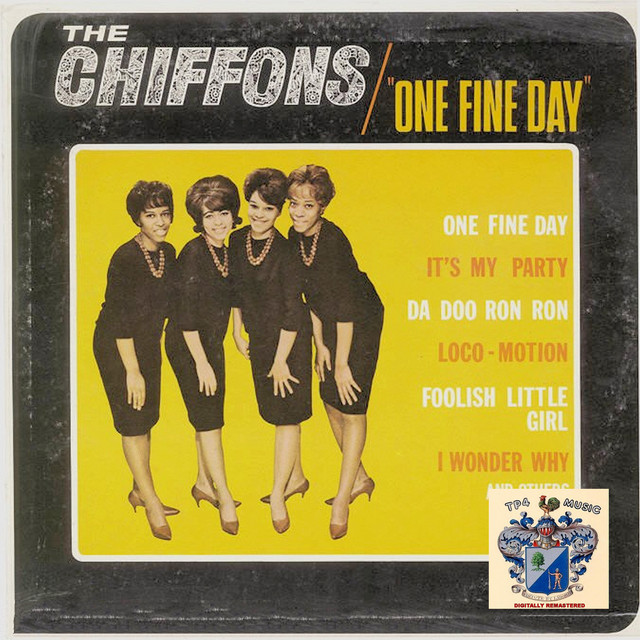 Never underestimate the power of delusion, especially when it rings with the kind of determination that it does on The Chiffons’ rendition of “One Fine Day.” The event that the “boy who only wants to run around” will clean up his act and demand his steadfast, loving loyalty to one long-suffering girl probably isn’t on the horizon, but Judy Craig says it’s gonna happen with so much certainty, it’s almost as if she believes it already has. One of the greatest piano riffs in pop history—care of Carole King—becomes an impenetrable wall around The Chiffons’ kingdom, keeping heartbreak at bay so long as they keep singing and holding out hope for someday. —Grace Robins-Somerville
59. Elvis Presley: “Suspicious Minds” (1969)
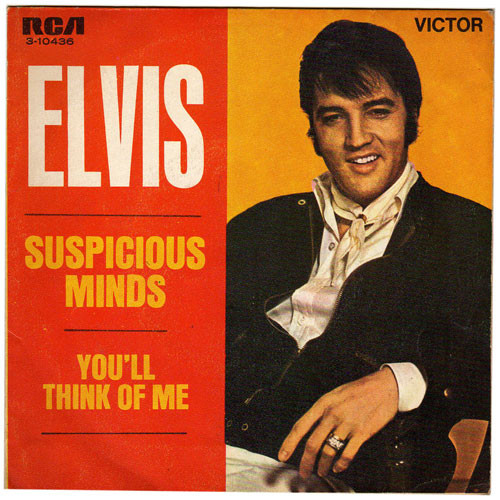 In 1968, Mark James wrote and recorded “Suspicious Minds” and it was a massive commercial failure. A year later, Elvis Presley picked the song up and transformed it into one of the greatest soul-pop productions in rock history. Elvis hadn’t recorded in his hometown of Memphis since 1955, but he took to American Sound Studio in 1969 after his ‘68 Comeback Special sparked his career renaissance. “Suspicious Minds” is a perfect song that has stood the test of time, enduring as Elvis’ greatest song this side of “If I Can Dream,” and the backing vocals from Donna Thatcher, Jeannie Greene and Ginger, and Mary Holladay amplify Glen Spreen’s string arrangements and the trumpet/trombone overdubs with such captivating grace. It would obliterate the charts and soar to #1, sell over two million units and become certified 3x platinum in the US and UK combined. “Suspicious Minds” was Elvis’ last Hot 100 #1 before his death in 1977, and it’s the perfect embodiment of why Elvis was considered royalty. Not to mention, the out-of-nowhere, fifteen-second fade midway through the outro is one of the coolest mistakes ever caught on tape. —Matt Mitchell
58. The Cannonball Adderley Quintet: “Mercy, Mercy, Mercy” (1966)
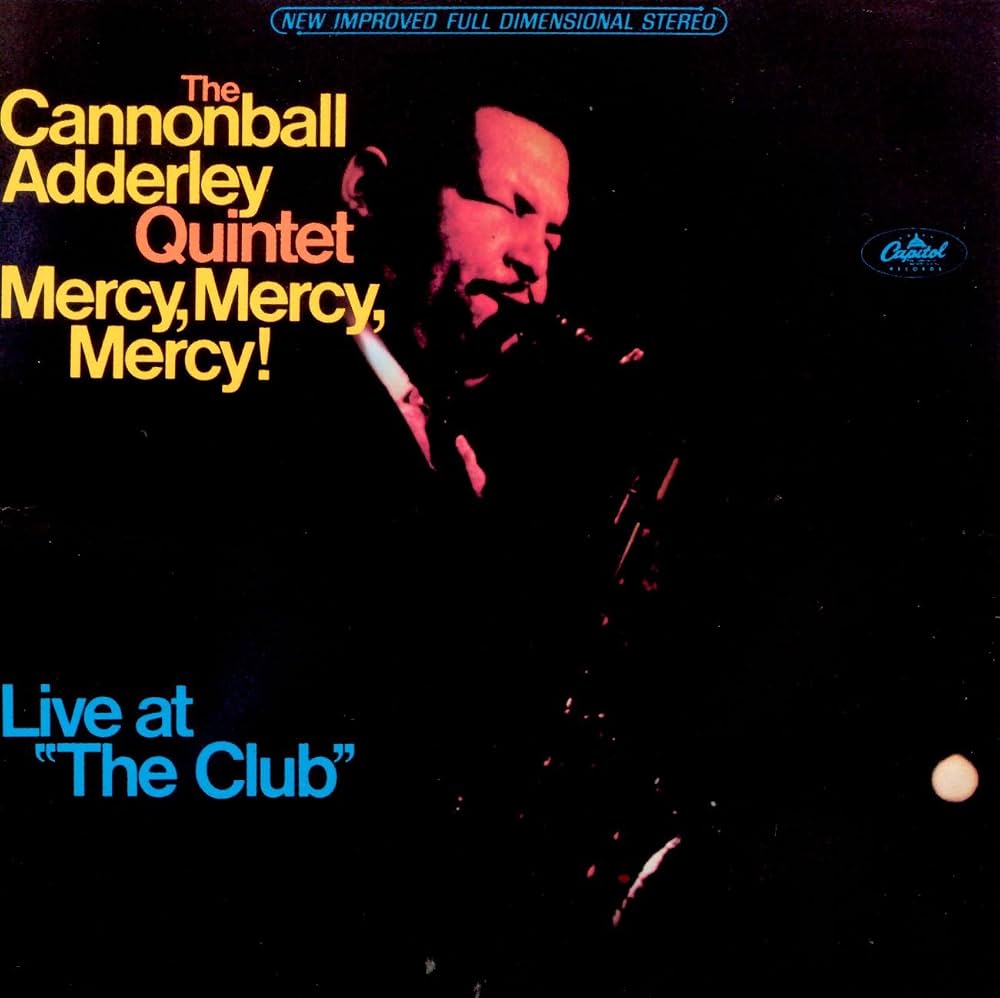 Seven years after his two most seminal and enduring works—a spot as a sideman on Miles Davis’ Kind of Blue and his own record Somethin’ Else—saxophonist Julian “Cannonball” Adderley walked into the commercial pinnacle of his career with “Mercy, Mercy, Mercy,” which caught the ear as being not soul, not jazz, but something in between. Recorded live and penned by Adderley’s pianist, Joe Zawinul—a founding father of jazz fusion—“Mercy, Mercy, Mercy” is an earworm of epic proportions. It grooves and flows on its own time, Zawinul’s Wurlitzer buzzing through a bluesy theme that lurches into a crescendo with the help of the Adderley brothers’ horns. The use of electric piano was a bold step forward at a time when jazz was still tiptoeing around the issue of electric instrumentation, but Zawinul knew what he was doing. “Mercy, Mercy, Mercy” is a superb work of fusion, and it paved the way for the changes in the genre that kept it alive. —Mariam Abdel-Razek
57. Marvin Gaye: “I Heard It Through the Grapevine” (1968)
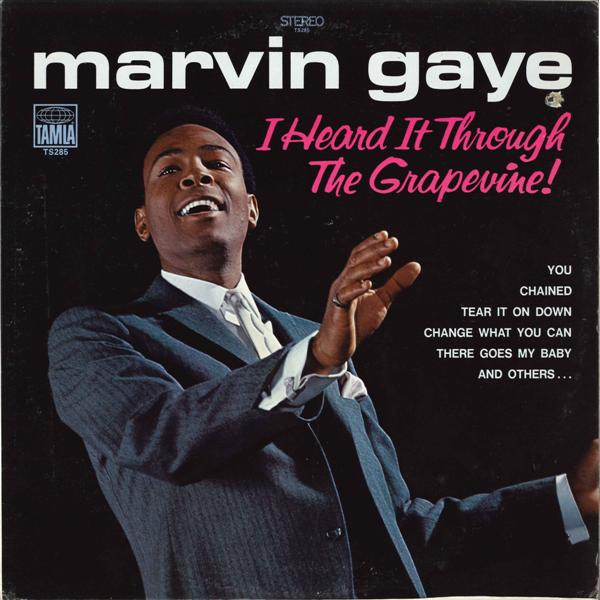 Before What’s Going On and I Want You, Marvin Gaye made “I Heard It Through the Grapevine,” a hit song penned by Motown titans Norman Whitfield and Barrett Strong. It became the label’s best-selling single of the era, peaking at #2 on the Hot 100 and immediately becoming one of the most important soul songs ever recorded. Many consider this to be among Gaye’s greatest works, and there is a lot of truth to that when the song’s orchestral instrumentation heightens his already towering vocals. It’s not Gaye’s flashiest performance, but his subdued, sometimes-running approach is what makes “I Heard It Through the Grapevine” so good. It’s meticulous and so immaculate—a song that has been covered by everyone from Creedence Clearwater Revival to the Gladys Knight & the Pips to the Slits, yet still belongs to Marvin Gaye almost sixty years later. —Matt Mitchell
56. Harry Nilsson: “Everybody’s Talkin’” (1968)
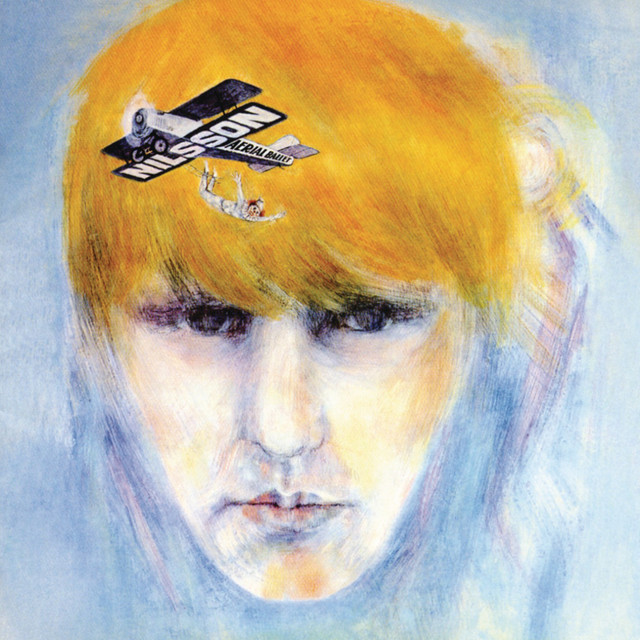 I should admit that I think “The Puppy Song” is one of the creepiest tunes ever recorded, and for years it put me off Harry Nilsson entirely. Why is a grown man singing that song? He oughtn’t do that. And yet —yet!—I love “Everybody’s Talkin’” dearly. The song, which became famous after its use in 1969’s Midnight Cowboy, is a perfect pastoral lament; Nilsson, expressing a feeling that feels especially familiar in the internet age, longs for a kind of freedom that seems attainable only by dropping off the face of the earth. In his crystalline lilt, he sings of sunshine and breezes, cleansing rains and open seas. I, personally, like to listen to it while deleting emails. The song’s now-iconic guitar figure trots the melody forward as it chimes and falls away. “Everybody’s talkin’ at me / I don’t hear a word they’re sayin’” is one of pop music’s great opening lines, delivered by Nilsson with a mixture of exhaustion and hope. The song is a spaghetti-western fantasy. And because he’s Harry Nilsson, it dissolves into nonsense syllables barely a minute in. More than fifty years later, “Everybody’s Talkin’” still feels relevant, speaking to any number of modern maladies. What sounds like simple folk-pop is revealed to be quite complex and deeply American. —Miranda Wollen
55. Ketty Lester: “Love Letters” (1961)
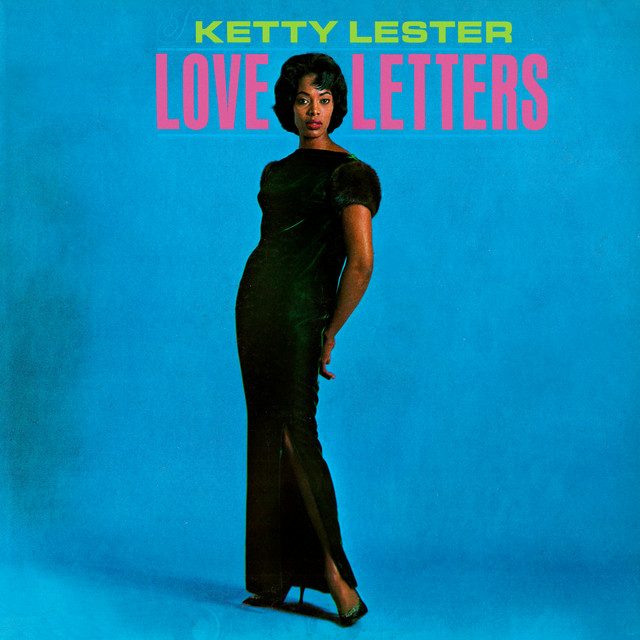 “Love Letters” has gone through a series of iterations, the earliest being Dick Haymes’ 1945 take and the latest being Alison Moyet’s 1987 rendition, but Ketty Lester’s goosebump-inducing cover remains the best (and most popular) version. The R&B singer/actress brought a stirring soul and warmth to Edward Heyman’s aching songwriting and Victor Young’s haunting musical arrangement. It’s no wonder David Lynch deployed it in Blue Velvet, a film that exposes the chilling violence lurking underneath seemingly innocuous surfaces. —Sam Rosenberg
54. The Sonics: “Strychnine” (1965)
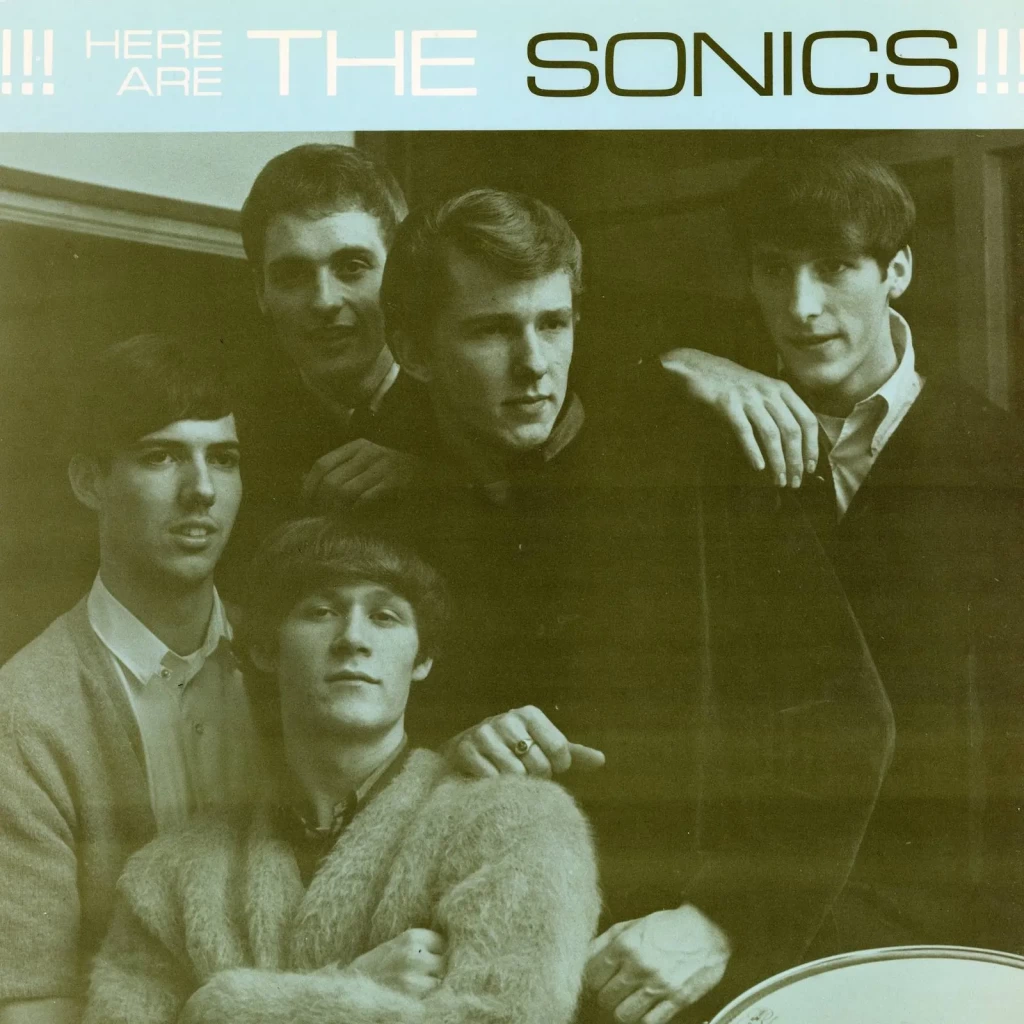 The Sonics drew the blueprint for garage rock. In 1965, Here Are the Sonics!!!, a twelve-track, twenty-eight-minute collection of originals and raucous covers of songs by rock pioneers like Chuck Berry and Little Richard, scraped off whatever polish rock and roll had accumulated and jammed a distorted boogie into the mix behind the deranged squawking of Gerry Roslie. The Sonics, who had formed in Tacoma, Washington, in 1960, didn’t just point the way toward a louder, more chaotic rock sound with their debut; they also helped define how a garage rock album was made, with limited mics and lots of bleed congealing into a primordial stew of barely controlled commotion. “Strychnine” added up to a pre-cursor to just about every style of late 20th-century rock and roll, including punk, post-punk and grunge. A list of the band’s many tributes and admirers would be too long to compile; from Kurt Cobain to LCD Soundsystem, The Sonics touched countless great minds, and thus, almost every corner of popular music. —Loren DiBlasi
53. Jorge Ben: “Mas, que nada!” (1963)
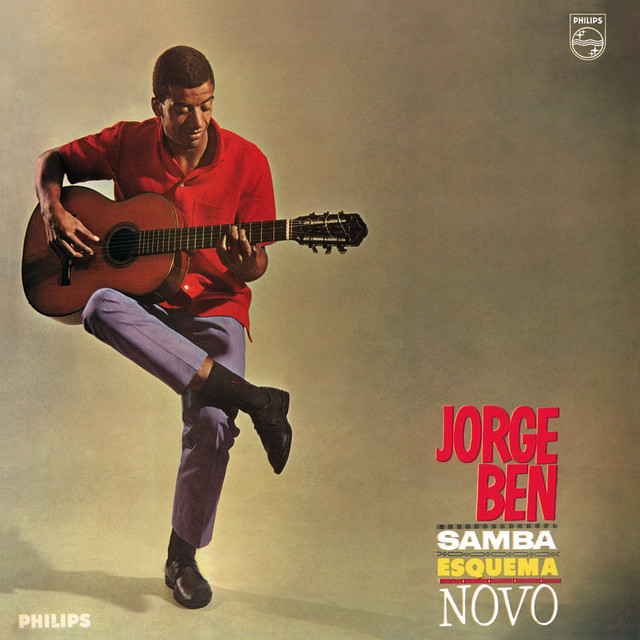 Sérgio Mendes and Brasil ’66 had an international hit with their 1966 recording of “Mas Que Nada” and it was a big moment for global recognition of Brazilian music. This recording has a more ornate arrangement than Jorge Ben’s 1964 original, but arguably less soul. Mendes’ rendition is chipper and dynamic, but the warm, more traditional bossa nova sound of Ben’s recording lets his distinctly buttery and evocative singing shine, a vocal apex that covers have thus far been unable to match. —Derrick Rossignol
52. The Who: “Anyway Anyhow Anywhere” (1965)
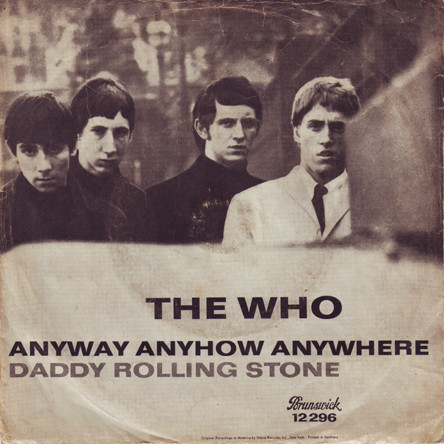 The American pressing plant took one listen and mailed it straight back, convinced the howling racket in the middle was a defect—and you can almost forgive them, because nobody had really heard a guitar do that on a hit single before. “Anyway, Anyhow, Anywhere” is the Who at their snottiest and most inventive, a 1965 Mod broadside and one of the very first records to treat guitar feedback as a weapon to wield rather than a flaw to fix. It’s also a genuine oddity in their catalog: the only song Pete Townshend and Roger Daltrey ever wrote together, and it plays like the two of them egging each other on. Daltrey struts through the verses like he owns every inch of them while a falsetto chorus needles him from above and Keith Moon explodes underneath, snare snapping like he’s out to wreck the kit on the first take. But partway through, something goes sideways. “Anyway Anyhow Anywhere” stops being a pop song and turns into something darker and more dangerous, the tempo coiling tighter while Townshend lets the feedback shriek and claw, a few seconds of pure squalling chaos before Moon comes barreling back in—all rolling thunder and barely leashed violence—and rides those pounding drums out the door. The lyric plants the same flag “My Generation” would a few months later: I’ll go where I want, do what I want, answer to no one, and the rest of you can get bent. It’s pure teenage omnipotence. When the label called the noise a mistake, Daltrey’s answer was perfect: “Cut it loud.” —Casey Epstein-Gross
51. Stan Getz & João Gilberto: “The Girl From Ipanema” (1964)
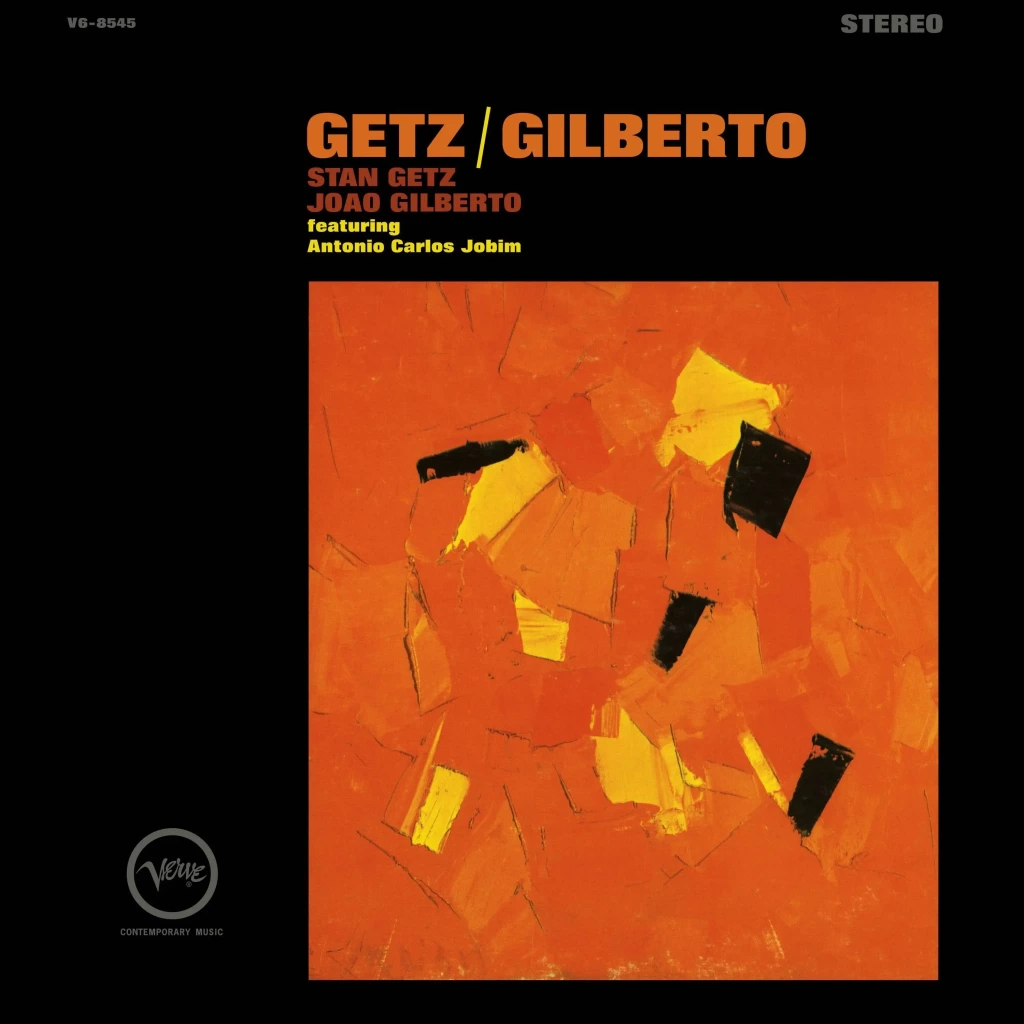 “The Girl from Ipanema” is a song eternally seared into my consciousness. Like many of the songs on this list, its genius lies in its simplicity. Astrud Gilberto sings in English while her husband João sings in Portuguese, and it goes down easy like a musical détente. The song’s arrangement is where it really shines: the backing track is essentially elevator music perfected. But then it opens up, introducing a gorgeous samba track with sultry saxophone and chiming piano. “Girl from Ipanema” is a perfect marriage of American easy-listening sensibilities and Brazilian bossa nova. It’s sweet and imploring, all suntanned skin and sly glances. The music is both capacious and intimate, a pinnacle for Getz and the Gilbertos. Their stunning feat of midcentury musicianship leaves me feeling like a Bond girl. —Miranda Wollen
 Keep scrolling for more great stories.