
The 100 greatest songs of the 1960s
Let us travel through the transitive nightfall of diamonds...
Photos by Michael Ochs Archives/David Redfern/Redferns/Joe Sia/Wolfgangs/Jess Rand/Getty Images
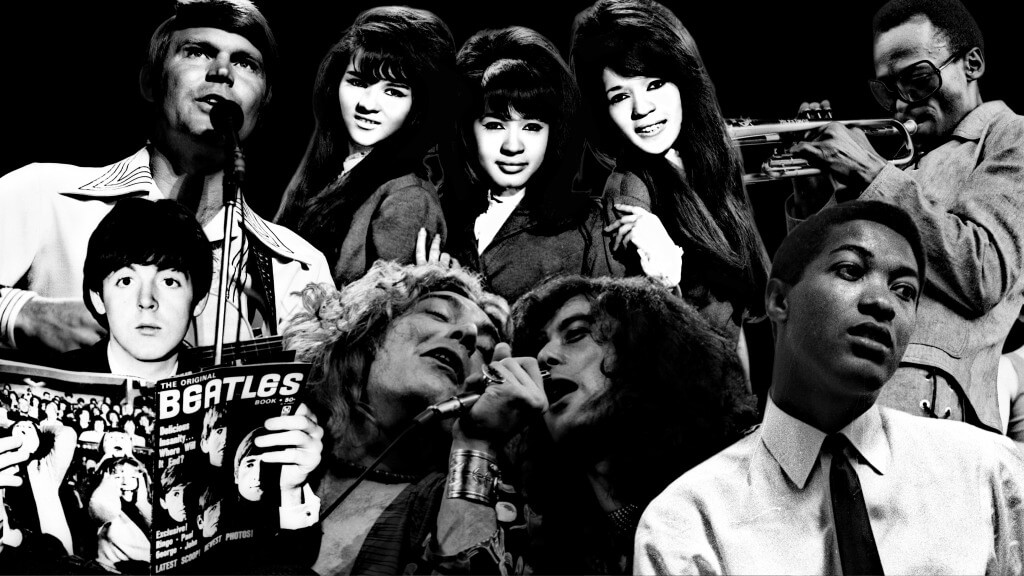
10. Glen Campbell: “Wichita Lineman” (1968)
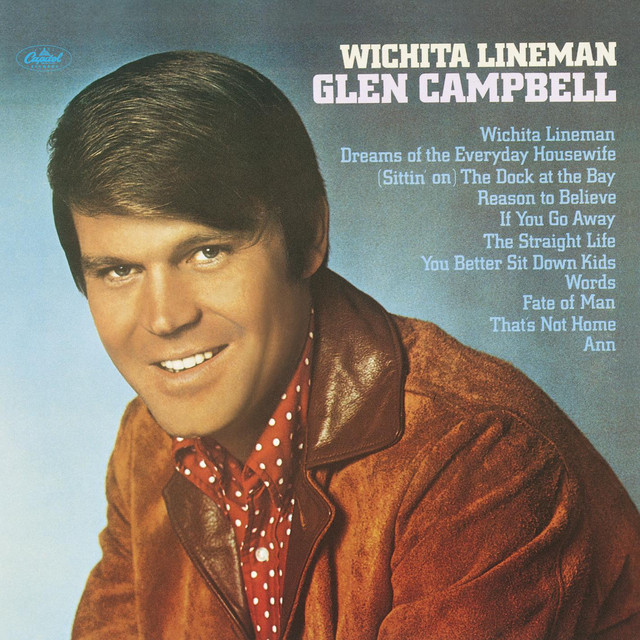 In 1968, Glen Campbell telephoned Jimmy Webb and asked for a place-based song to compliment “By the Time I Get to Phoenix.” Webb thought of his time spent driving through the Oklahoma panhandle and seeing miles of telephone poles, one of which featured a lineman perched at the top, and imagined himself doing it too, calling a lover from the highest point in the known universe. But “Wichita Lineman” doesn’t take place in the high plains. It takes place in Kansas. Within days, Campbell recorded the song at Captiol with Al Casey, Carol Kaye, Jim Gordon, and Al De Lory, who arranged the orchestral suite. The greatest detail in the song is De Lory using high-pitched violins to sound like the “singing in the wire” lyric, but I also enjoy the Morse code keyboard/flute motif that’s meant to portray the raw telephone line sounds in a lineman’s earpiece. Webb even added chords from his Gulbransen electric organ to the final mix. “Witchita Lineman” is a symphonic, country, and pop achievement of the highest order. What else can be said about a song that Bob Dylan dubbed the greatest ever written? “And I need you more than want you, and I want you for all time” is, in my opinion, the most beautiful line ever recorded. —Matt Mitchell
9. The Shangri-Las: “Out in the Streets” (1965)
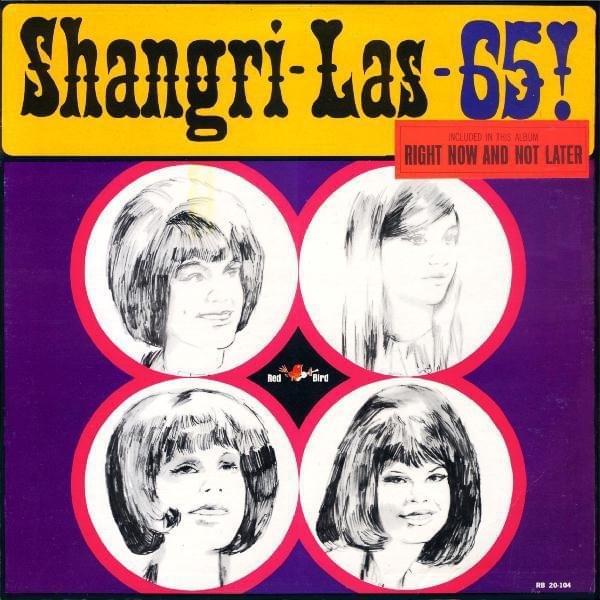 It’s worth considering that for most of a decade so associated with radical social change, much of it did not offer meaningful freedom for women—least of all young women, drivers of the nascent pop music market, who tasted their last licks of autonomy as teenagers before settling down and being chained to a house by a wedding ring. That last yowl of recklessness prior to settling comes through in every song the Shangri-Las, two pairs of sisters from Queens, touched, catapulting the operatic high drama of teenage love to the echelon of life-and-death matters. With a lonesome, foggy echo bookending a plea from a girl forced to let her boyfriend who “quit” being bad for her go, “Out in the Streets” remains an essential touchstone in the group’s slim but influential canon—in no small part due to the heartwrenching lead vocal performance from a teenage Mary Weiss. —Elise Soutar
8. The Jimi Hendrix Experience: “Voodoo Child (Slight Return)” (1968)
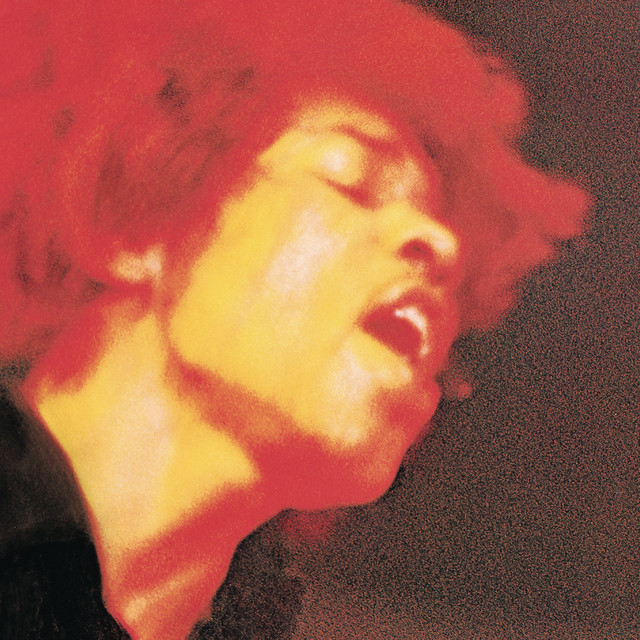 Jimi Hendrix is one of the original guitar gods. Adapting the Delta blues to psych-rock shred fests, Hendrix has become shorthand for six-string virtuosity, lengthy guitar solos, wah pedals, and viscous layers of distorted fuzz. His run was brief but nonetheless impactful, and “Voodoo Child (Slight Return),” the closing track on what would be his last album before his death in 1970, is a full-on clinic that novice and veteran guitarists would be studying for generations. It contains all the Hendrix hallmarks: a meandering wah intro, distorted blues riffing, and his husky vocals. Aided by his likewise talented Experience bandmates—drummer Mitch Mitchell and bassist Noel Redding—“Voodoo Child (Slight Return)” is an incendiary sendoff, a fitting final message for Hendrix to leave behind, the conclusion to an incredible three-album legacy featuring some of the finest guitar-playing ever recorded. —Grant Sharples
7. The Beatles: “Eleanor Rigby” (1966)
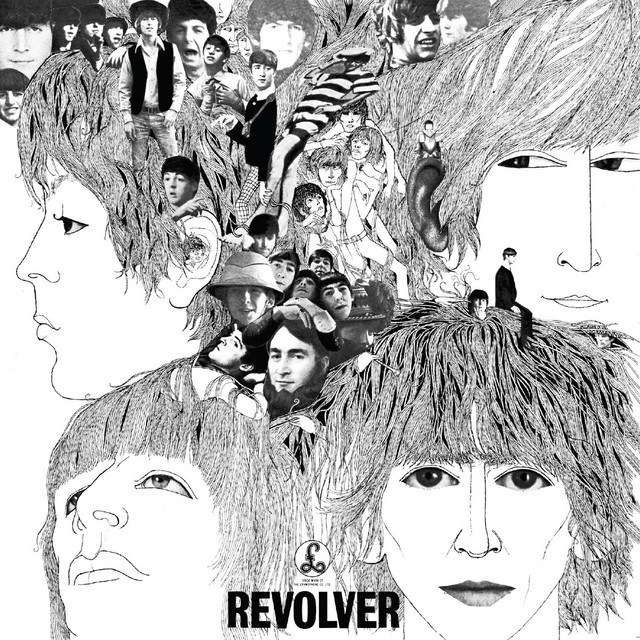 Though it’s a tragedy that “Eleanor Rigby” was billed as a double-A-side single with “Yellow Submarine,” that packaging decision doesn’t negate the utter phenomenon of Paul McCartney and George Martin’s most ambitious collaboration. No Beatle plays an instrument here, nor does Ringo appear at all. Instead, McCartney sings lead while John Lennon and George Harrison harmonize behind him. Martin’s string arrangement, a McCartney idea adapted by taking cues from Bernard Herrmann’s Psycho score, occurs as two violins double up on staccato chords to sound like a quartet. The “Ah, look at all the lonely people” refrain was added last minute upon Martin’s request. The Kinks’ Ray Davies later said “Eleanor Rigby” was made “to please music teachers in primary schools,” though the death and loneliness McCartney writes about came is still, sixty years later, quite shocking for a pop song. This picture of elderly mortality is indeed bleak, and the image of Eleanor Rigby “wearing the face that she keeps in a jar by the door” and being buried before an audience of no one marked a significant shift from the Beatles’ typical font of love songs. And, with Sgt. Pepper’s still months away, rock music had never encountered anything quite so psychedelic. —Matt Mitchell
6. Lorraine Ellison: “Stay With Me” (1966)
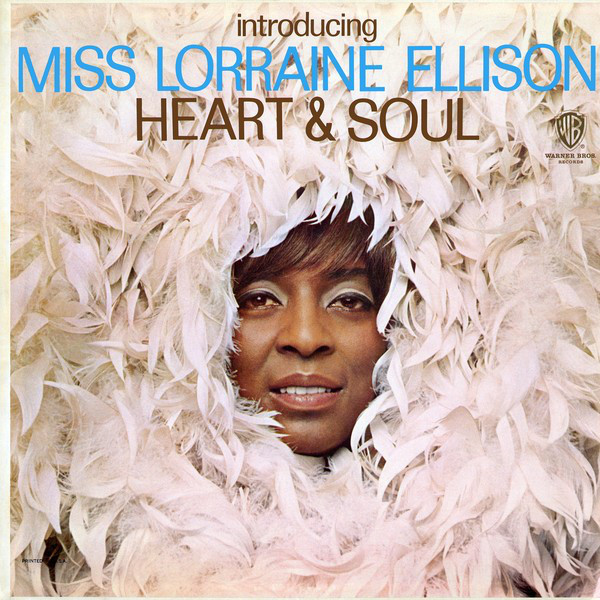 I don’t like Sinatra very much, but, without him, we wouldn’t have Lorraine Ellison’s mountain-moving “Stay With Me.” The story goes that Ol’ Blue Eyes was supposed to record the track with a 46-piece orchestra arranged by Garry Sherman. But when Sinatra bailed, Sherman and producer Jerry Ragovoy called Ellison into the studio and the rest was history. Let me be blunt here: There’s an argument for this being the greatest solo female vocal performance ever. The only competition I can think of is either Merry Clayton in “Gimme Shelter” or whichever Nina Simone song comes on shuffle. I’ve personally never heard a vocal crescendo like the one in “Stay With Me.” And to think that it peaked at only #64 on the Hot 100… It’s rare to encounter a song that creates new description, but soul music changed as soon as Ellison took her final breath in the mix. “Stay With Me” thrusts into view and rattles in ecstasy for three-and-a-half perfect minutes. Many artists have tried to do the song justice, like Janis Joplin, Melissa Etheridge, Mary J. Blige, Chris Cornell, and The Walker Brothers, but it belongs to Ellison alone. —Matt Mitchell
5. The Beach Boys: “I Just Wasn’t Made For These Times” (1966)
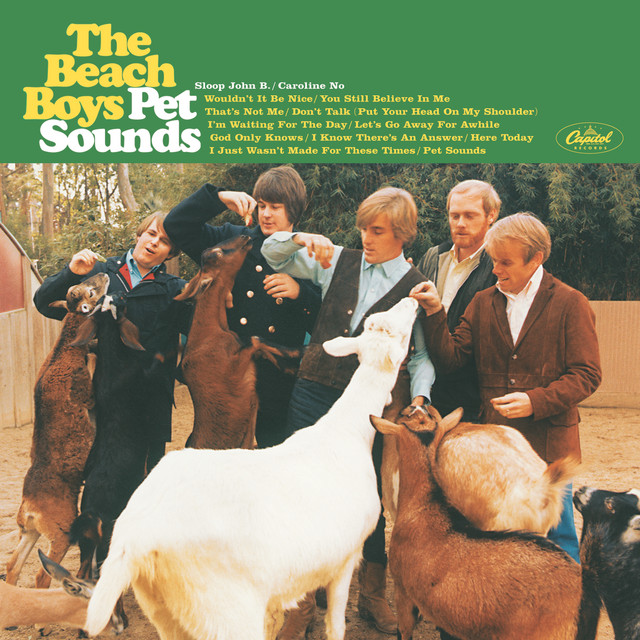 It’s hard to highlight just one track from Pet Sounds, an album that is packed front to back with incredible, culture-shifting songs, but “I Just Wasn’t Made For These Times” stands out for arguably being the most relatable. Brian Wilson distills the universal melancholy of not being able to fit in anywhere with stunning simplicity. He fills in the cracks of his loneliness with eloquently introspective lyrics, the voices of all six band members, The Wrecking Crew’s sonorous percussion, and Paul Tanner’s Electro-Theremin, an instrument whose first use in a pop song was for this very track. “Sometimes, I feel very sad,” Wilson repeats over and over in the chorus, chanting about his disillusionment like he’s trying to purge it from his system. The ultimate realization that makes up the song’s title acts as the bittersweet answer to that feeling. Trying to belong when you’re wired not to be can be deeply frustrating, but as evidenced by Wilson’s gorgeous rendering of such an experience, being unlike anyone else can also be a beautiful thing. —Sam Rosenberg
4. Miles Davis: “Shhh/Peaceful” (1969)
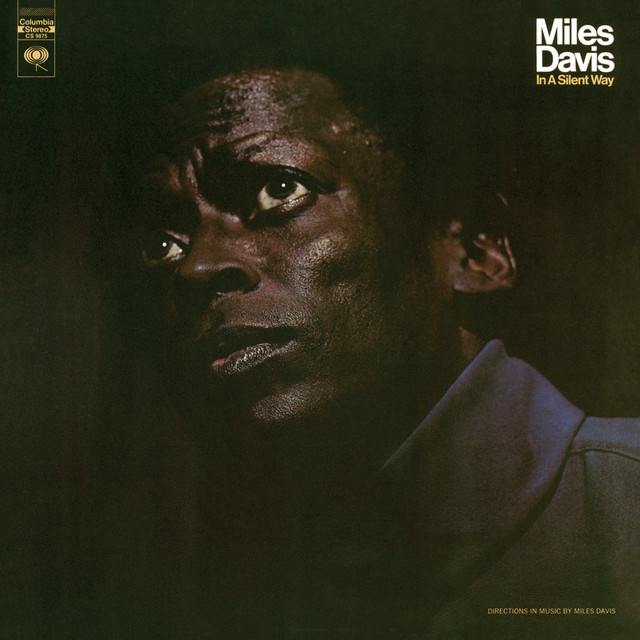 Artists don’t usually reach new artistic heights a few dozen albums into their career, but it was at that point that Miles Davis entered his famed “electric” era. Jazz was in a transitional period when he released the now-iconic 1969 album In A Silent Way, on which he was joined by an all-star band that included Wayne Shorter, Chick Corea, and Herbie Hancock. The rock influence on the eighteen-minute opener “Shhh/Peaceful” pushed the shift further, leaving contemporary critics divided on if the song and album as a whole were genius or an affront to jazz. The answer is clear now, as the fearless experimentation of Davis and his band spawned one of the most retrospectively valued, beloved albums in the genre’s history. “Shhh/Peaceful” perfectly sets the tone, with its three sections offering an unmatched ride through ambient music, psychedelia, rock, and of course, jazz. —Derrick Rossignol
3. Nina Simone: “Lilac Wine” (1966)
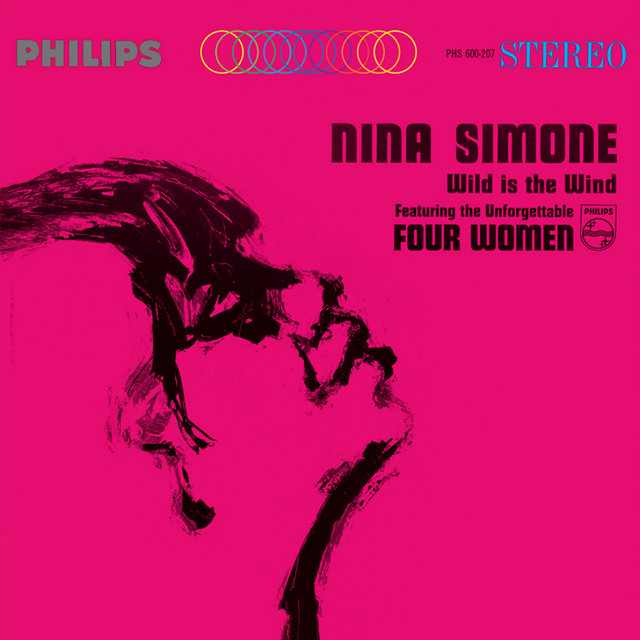 Despite its appearance on this list, “Lilac Wine” is technically a song from 1950, composed for the Broadway musical Dance Me a Song by James Shelton. Hope Foye performed the original version, but the musical’s commercial failure precluded an official cast recording. It wasn’t until Nina Simone infused the song with her idiosyncratic, showstopping voice that “Lilac Wine” was given a second, more fulfilling life. Even before Simone’s rendition, there were covers from Eartha Kitt, Helen Merrill, and Judy Henske. But Simone’s interpretation, a highlight from her 1966 album Wild Is The Wind, is the one that rendered it a classic, the one that Jeff Buckley would sing out of adoration for one of his greatest musical inspirations. A song about summoning liquid courage to confront a lost paramour is inevitably swaddled in sorrow, yet Simone’s dazzling vocals imbue it with a strange hopefulness that makes it all the more devastating, wrenching a new layer out of what was then a sixteen-year-old song. In her hands, “Lilac Wine” shines like freshly shed tears. —Grant Sharples
2. Simon & Garfunkel: “America” (1968)
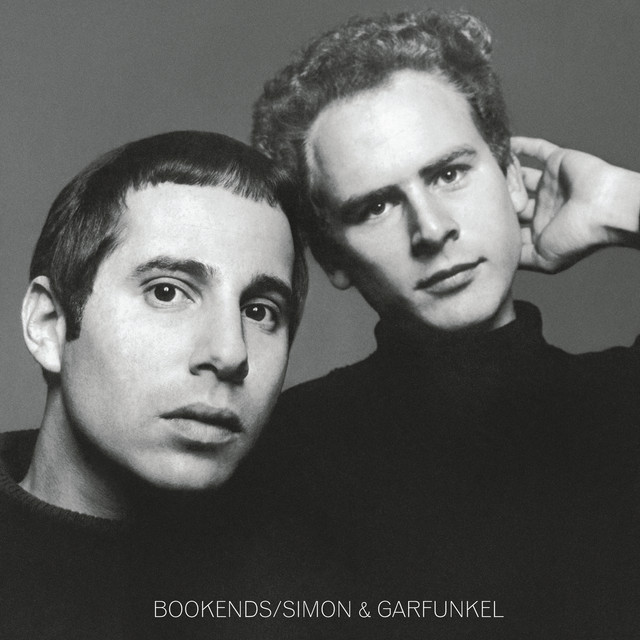 There is perhaps no pastime more American than wondering what “America,” both as a place and a concept, means. There are countless works of art grappling with the dream we’ve imagined and keep flailing to revive two-and-a-half centuries into our lifespan. Sometimes, it’s worth wondering whether New York City native Paul Simon put it all most succinctly in an album track from the third record he made with his school friend Art Garfunkel, Bookends, recounting a cross-country road trip he took with his British then-girlfriend Kathy Chitty. By the time the pair are delivering the song’s final, devastating blow (“‘Kathy, I’m lost,’ I said, though I knew she was sleeping / ‘I’m empty and aching and I don’t know why’”) amidst the more mundane travelogue of the first few verses, you hold both his despair and hope as your own. Nearly sixty years on, both emotions ring on in the track’s wistful outro, searching for salvation that may never have existed—even as we wrestle with the horror and beauty it leaves in its wake. —Elise Soutar
1. The Ronettes: “Be My Baby” (1963)
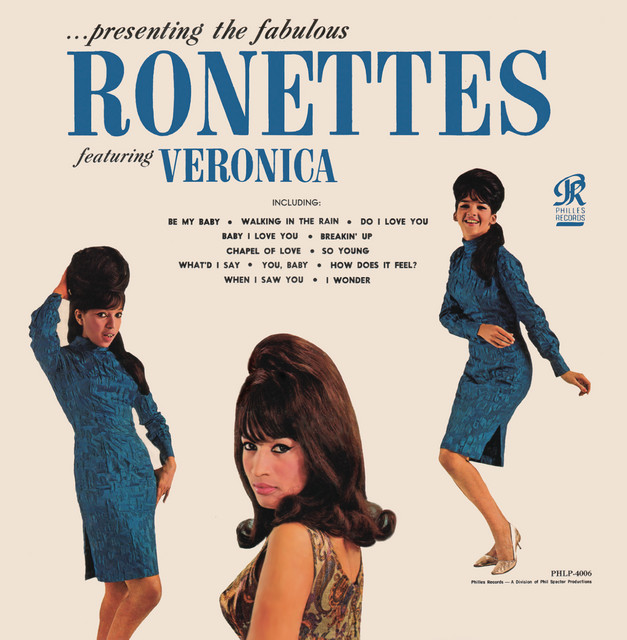 Brian Wilson once declared “Be My Baby” a breakthrough on par with Einstein’s theory of relativity. And he was right—everything that has since existed in the pop music spacetime continuum, every pop song written and recorded the past half a century, is placed somewhere in “Be My Baby”’s field of gravity. Even now, hearing that first snare hit and followed by the rattle of castanets feels like watching the invention of the modern pop song and the modern love song. In Ronnie Spector’s girlish, authoritative rasp, each adoring promise sounds like a decree, her wail of “Be my baby now!” a command. It’s her delivery of that last, most crucial word—“now”—that cinches everything, almost alluding to the live sound captured in the studio, and lifting off from her off-kilter angelic overdubbed backing vocals and echoing through time to turn both that fateful day at Gold Star Studios and any given moment that it hits your ears into “now.” Much like the act of falling in love, listening to “Be My Baby” eliminates all notions of a fixed past, present and future. Contained within that chamber of sounds bouncing off one another and interplaying with crystalline clarity is the entire then-untold history of pop songwriting. It is—in short, and reflective of every cliche it proves absolutely right—timeless. —Grace Robins-Somerville
 Keep scrolling for more great stories.