
The 100 greatest songs of the 1960s
Let us travel through the transitive nightfall of diamonds...
Photos by Michael Ochs Archives/David Redfern/Redferns/Joe Sia/Wolfgangs/Jess Rand/Getty Images
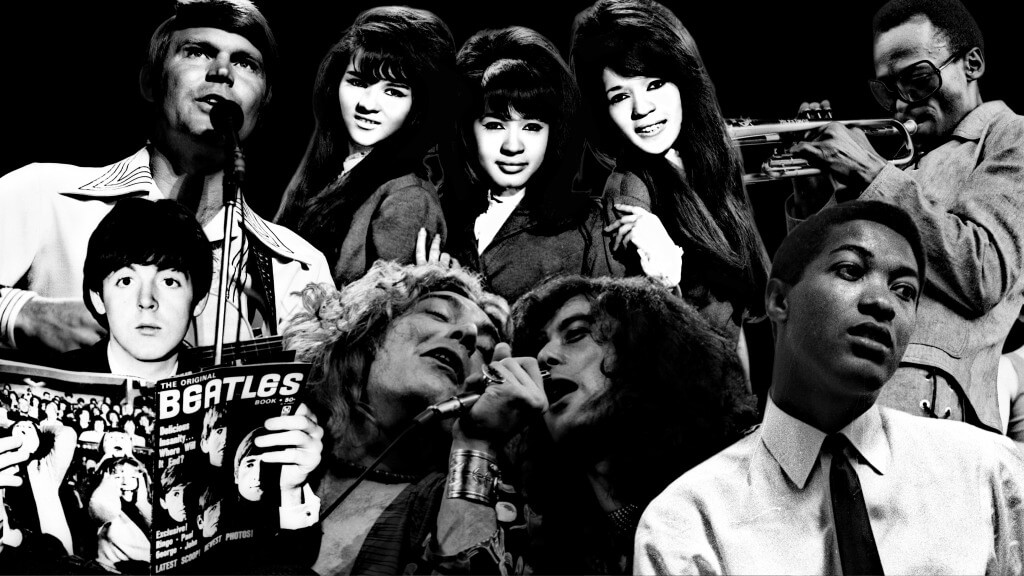
50. The Shirelles: “Will You Still Love Me Tomorrow” (1960)
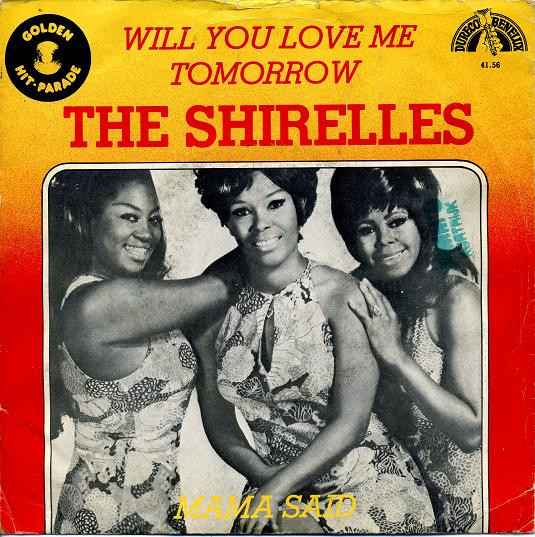 Before The Supremes and The Ronettes, there was The Shirelles, and their recording of Gerry Goffin and Carole King’s “Will You Still Love Me Tomorrow” is, in a word, perfect. It was the first girl-group #1 hit and, in 1999, was inducted into the Grammy Hall of Fame. It’s funny to think that the song almost didn’t happen, because lead singer Shirley Owens deemed it “too country.” Once producer Luther Dixon added a string arrangement, Owens and her bandmates laid down a singing take that is, for my money, the vocal epitome of Brill Building pop music. The symphonic parts are crucial, but don’t overlook Gary Chester’s pattering snare or Paul Griffin’s twinkle piano. Those are subtle anchors in one of the most important doo-wop recordings ever. And that’s the case with so many similar songs from the era: the small details powered entire genres. —Matt Mitchell
49. Ray Charles: “I Can’t Stop Loving You” (1962)
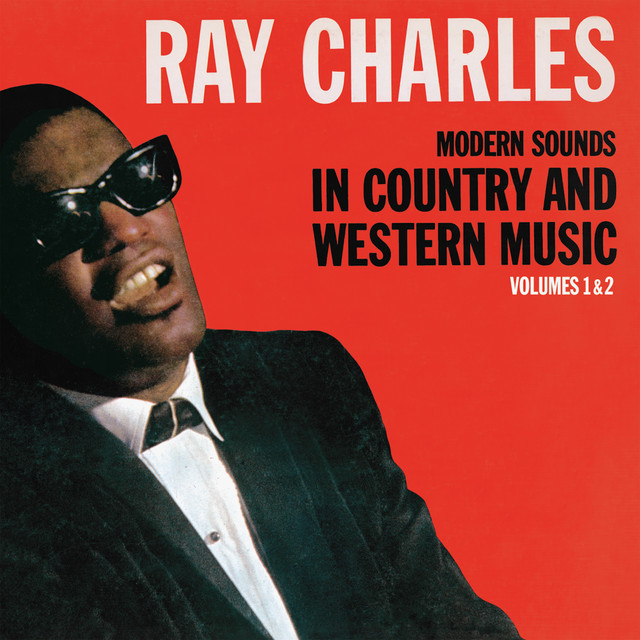 “I Can’t Stop Loving You” was initially written and recorded by Don Gibson in 1957 before Ray Charles turned into a pillar of the Sixties’ country-soul sound five years later. The Georgia pianist had decided to make a pivot from R&B to the country tracks he’d grown up on, and Modern Sounds in Country and Western Music is one of the greatest albums of the decade. While his cover of Eddy Arnold’s “You Don’t Know Me” is just as precious and perfect, “I Can’t Stop Loving You” hit #1 on the Hot 100 and, for my money, is Charles’ greatest song. Through his weathered, impassioned vocals and the track’s gorgeous orchestral backing instrumentation and harmonies, the tune helped get new audiences interested in country music while simultaneously distinguishing Charles as one of the most dynamic and malleable artists of his time and beyond. —Matt Mitchell
48. Procol Harum: “A Whiter Shade of Pale” (1967)
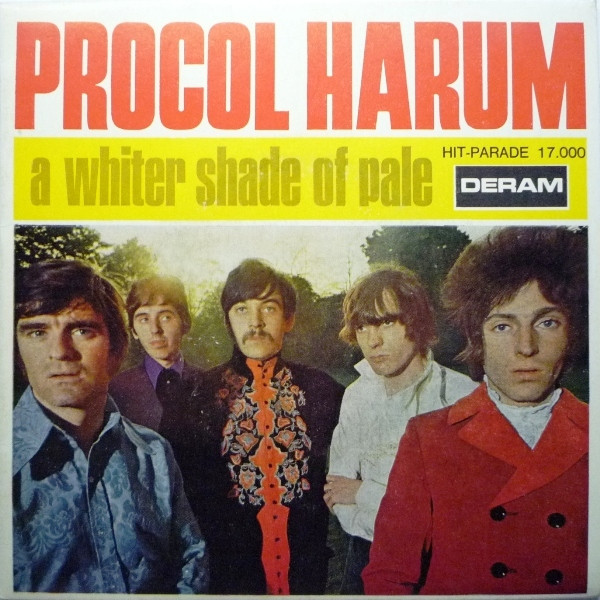 If “A Whiter Shade of Pale” makes you think at all of classical music, that’s probably because it should: its signature organ riff is lifted straight from Bach, yet more evidence that rock, at this point, was looking back in order to move forward. It’s also probably as close to an objectively beautiful song as one could get: that hymnal organ, Gary Brooker’s soulful rasp, the slow churn of the drums. The lyrics, though, err on the stranger side—narrative in nature, but filtered through something trippy and psychedelic. “The room was humming harder,” Brooker croons, “as the ceiling flew away.” But don’t hear “trippy” and “1960s” and automatically think it’s an acid story; according to lyricist Keith Reid, it’s a Chaucer shout (hence “the miller told his tale” and all that), which is either the honest truth or a very British way of denying doing drugs. Either way, the thing arrives pre-soaked in nostalgia, forever scoring some hazy memory of the late sixties you may or may not have actually lived through (although this may, in some part, be due to its inclusion in films like The Big Chill). It’s the rare song that feels less like listening than remembering. —Casey Epstein-Gross
47. Doris Troy: “Just One Look” (1963)
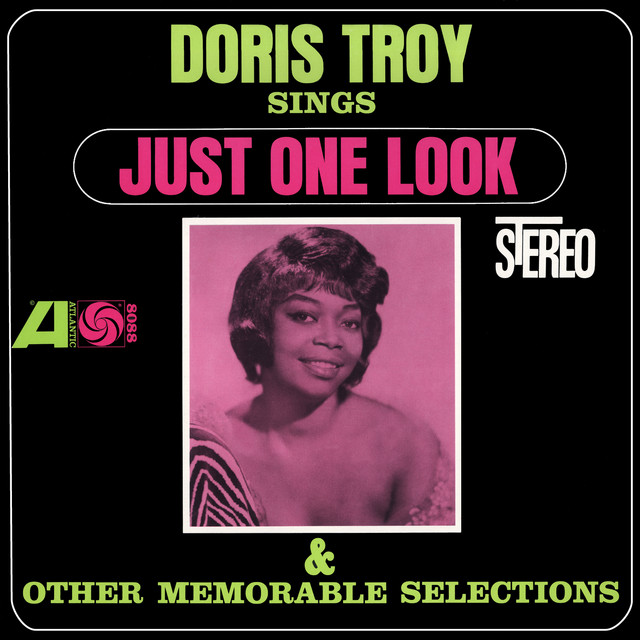 In a decade that saw acts like the Ronettes, the Supremes, and Martha and the Vandellas routinely conquer the music world and several hundred other girl groups crack the charts, Doris Troy managed just one hit of her own. Luckily, that one hit was “Just One Look,” and that’s why we’re still talking about “Mama Soul” more than half a century later. Already an in-demand backup singer when she co-wrote and recorded her signature song, Troy makes us believe every last word when she tells us that it was love at first sight for her. It’s even more incredible to learn that the version we all know by heart and love was actually the song’s demo and recorded in only ten minutes. Troy would go on to sing backup on hits by the Rolling Stones and Pink Floyd and even see her life story turned into a popular stage musical. Still, it was one brief moment in the spotlight in 1963 that made us “fall so ha-har-hard in love” with her voice. —Matt Melis
46. The Meters: “Cissy Strut” (1969)
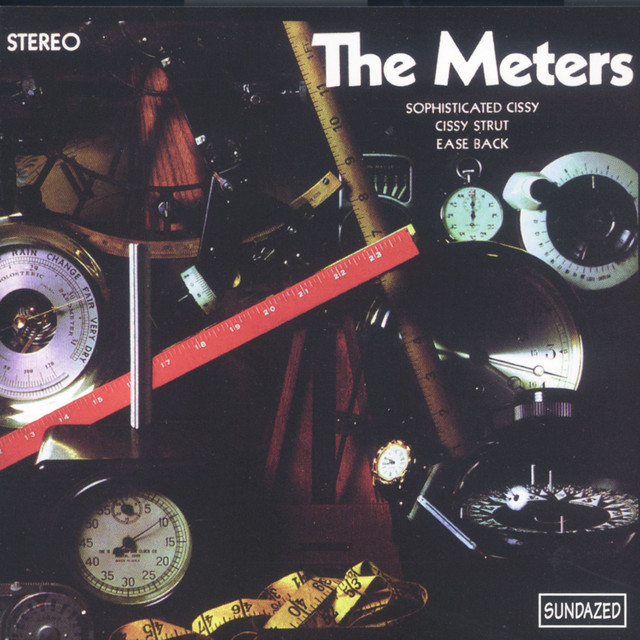 There’s no New Orleans funk (or funk, period) without the Meters, and “Cissy Strut,” the opener of their 1969 self-titled debut album, redefined the potential of the pocket in just a few minutes. Leo Nocentelli’s slick guitarwork melts like ice cream snaking its way down a cone, and Ziggy Modeliste’s drum breaks are stanked up to the max. George Porter Jr. syncs in with Ziggy for one of the greatest grooves ever put to tape, and Art Neville’s embellishments on the keys add even more funky flair. The Meters recorded live as a band in one room, and you can hear their interplay, their deep understanding of one another as high-caliber musicians. They’d frequently perform as a backing band for other artists, but “Cissy Strut” alone demonstrates that the Meters were more than enough on their own. —Grant Sharples
45. The Cleftones: “Heart and Soul” (1961)
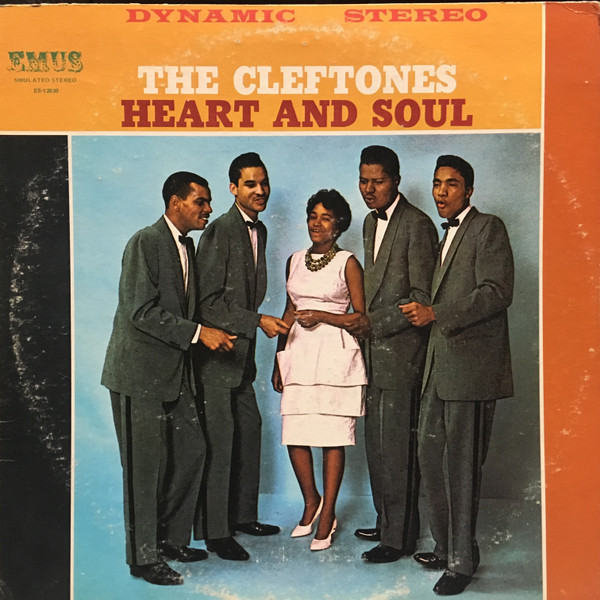 If the Platters didn’t exist, I’d make the argument that the greatest doo-wop group of all time was the Cleftones. Hoagy Carmichael and Frank Loesser wrote “Heart and Soul” but the Cleftones made it famous, watching it reach the top twenty of the Hot 100 in 1961 and turning it into a radio-play powerhouse—a miracle, considering the Cleftones recorded it in 1959 and the track sat dormant without distribution for two years after. It’s the song the group is best remembered for, and it’s one of the most important pop recordings ever. It’s even been rumored that some of Don McLean’s lyrics to “American Pie” were inspired by it. —Matt Mitchell
44. Leonard Cohen: “So Long, Marianne” (1968)
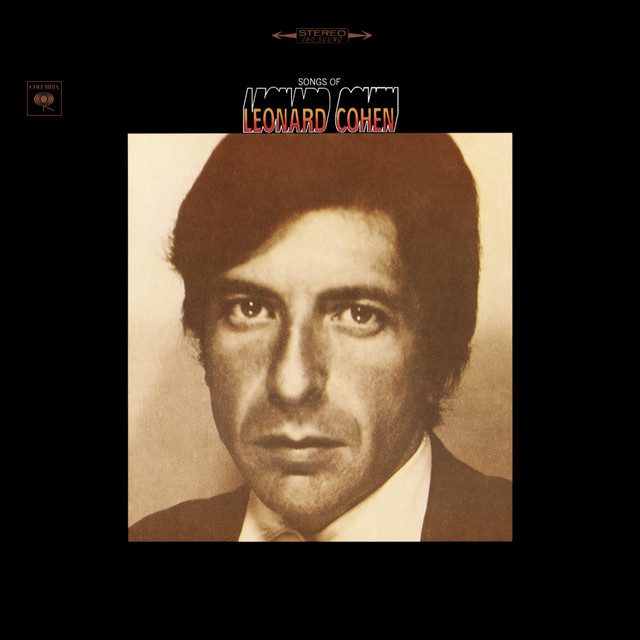 Before Leonard Cohen was Leonard Cohen, he was a moderately successful Canadian poet and novelist pushing thirty-three, which makes his pivot to songwriting, shitty voice and all (“All my favorite singers couldn’t sing,” to quote David Berman), one of the great improbabilities in pop history. And what a voice it is here: that limited, unlovely, half-spoken croak, more recitation than singing, somehow the most intimate sound in the world. “So Long, Marianne” lives on his 1967 debut, and it’s the rare piece of early Cohen that won’t immediately gut you—the man is famous for his darkness, but this one is mostly sunlight, or at least the warm ache of remembering it. The real Marianne was Marianne Ihlen, a Norwegian woman he met on the Greek island of Hydra in 1960, the two of them young and broke, her freshly abandoned by a husband, a six-month-old in her arms. They loved each other for the better part of a decade across Hydra and Montreal and New York, and he started this song in one city and finished it in a hotel room in another, telling himself he wasn’t saying goodbye even as he so obviously was. It’s an ode and a farewell in the same breath—”It’s time that we began / to laugh and cry and cry and laugh about it all again”—wrapped in a melody so pretty and a chorus so rousing that you almost miss that what you’re hearing is the sound of a door clicking shut. In 2016, when Marianne was dying, Cohen wrote to tell her he was right behind her, close enough to reach out and take her hand. He followed barely three months later. The goodbye took fifty years, but the man kept his word. —Casey Epstein-Gross
43. Jackie Wilson: “(Your Love Keeps Lifting Me) Higher and Higher” (1967)
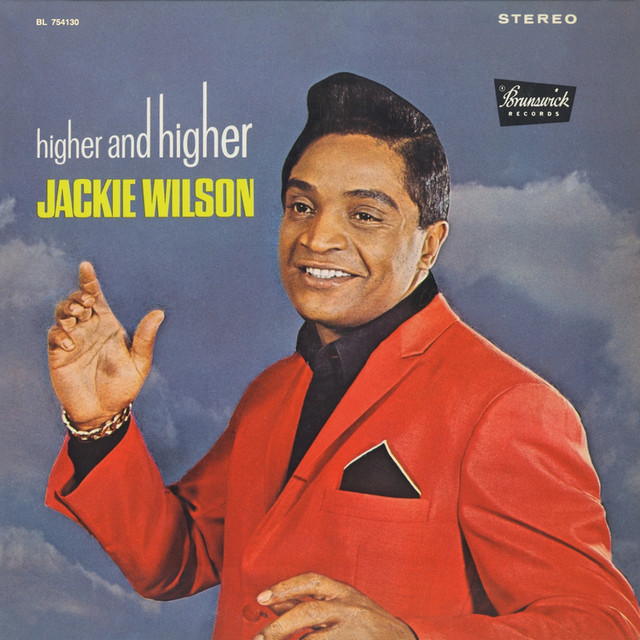 Growing up I always thought “(Your Love Keeps Lifting Me) Higher and Higher” was a Motown song, and I wasn’t totally wrong, even though the single was released on Brunswick. James Jamerson, Pistol Allen, Robert White, and Johnny Griffith are the players featured on Sonny Sanders’ arrangement, and you might know them best as the Funk Brothers, the great Motown house band. Because Berry Gordy paid his musicians so little, the Detroit-based session stars used to do weekend recordings in Chicago with producer Carl Davis for extra cash. Two members of Motown’s house session singers The Andantes also performed on “Higher and Higher,” and the label’s Mike Terry even guests on baritone sax. So, other than Jackie Wilson and Earth, Wind & Fire’s future vocalist Maurice White on drums, “Higher and Higher” was a Motown song. Sixty years after its release, I think it’s one of the best-recorded soul songs in pop music history, thanks to a clean guitar riff and Wilson’s livewire falsetto. And it almost didn’t end up that way, because Wilson originally recorded “Higher and Higher” as a ballad before Davis told him to “jump” in with the percussion. “If he didn’t want to sing it that way, I would put my voice on the record and sell millions,” the producer added. Wilson conceded and did the vocal in one take. —Matt Mitchell
42. Nico: “Frozen Warnings” (1968)
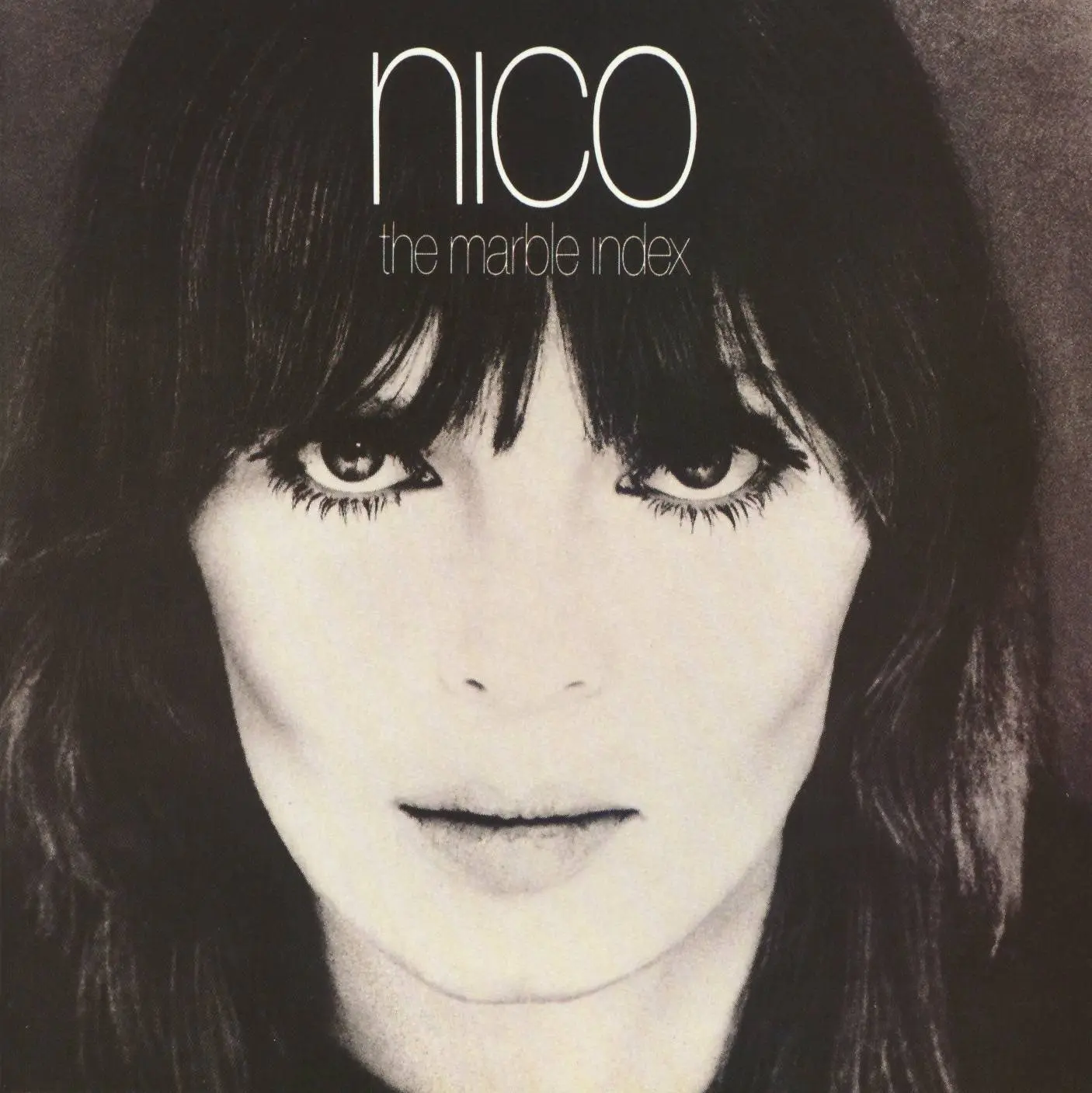 While working with the luminary songwriters and producers of the era, getting a shot to record sessions that many people decades later would have died to sit in on, Nico did not feel like she could hear or sound like herself. At the suggestion of Jim Morrison, she began writing her own songs—all glacial, desolate poems frequently set to a harmonium’s drone—culminating in the atmospheric dissonance of her John Cale-produced second record, The Marble Index. Pulling from European folk tradition, the avant-garde world of Cale’s musical training, and a gothic sensibility that would permeate alternative music for decades afterwards, The Marble Index weaves eerie nursery rhymes with surrealist poetics—and was, perhaps unsurprisingly, a major commercial flop. Yet, history has been kind to tracks like “Frozen Warnings,” which emerges like a morse code message from beyond a world we know, as haunted as it is sublime. Like so much of her work to follow, there is an eerie sense of comfort in Nico’s complete sonic surrender. In the hypnotic churn of sound, she emerges as a singular fixture in the history of experimental music, even when the song itself does not contain the slightest sliver of hope. —Elise Soutar
41. Otis Redding: “(Sittin’ on) The Dock of the Bay” (1968)
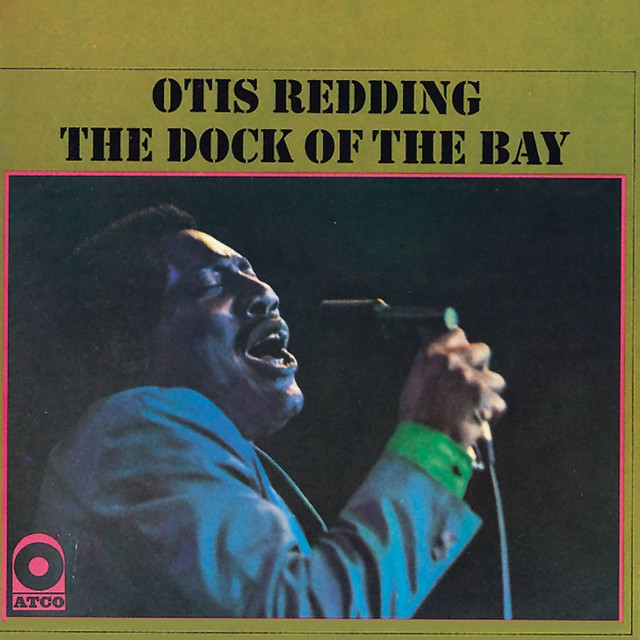 It doesn’t matter when you were born; who among us didn’t grow up on “(Sittin’ on) The Dock of the Bay”? I have yet to sit aside any body of water and not hear Otis Redding’s whistle echoing through my head. It’s so deeply ingrained in my psyche as A Song That Has Always Been There that I have to remind myself, sometimes, of the devastating circumstances around it: it was recorded just three days prior to Redding’s tragic plane crash in 1967, and released to his mourning fans in the wake of his passing. He was at the zenith of soul at the time of his death, already known as a singer who could level a room with a shouter and then turn around and break it in half with a ballad like “Try a Little Tenderness.” “Dock of the Bay” is nothing like either. It’s a quiet, sweet, folky outlier in his catalogue: acoustic guitar, a folky lilt, horns kept low and distant, the whole thing opening on the lap of waves and the cry of gulls. He wrote it with his guitarist Steve Cropper—who died this past December—on a houseboat out in the San Francisco Bay, and the melancholy of the song flows against you much like the tide it was written on: “I’ve had nothing to live for / Look like nothin’s gonna come my way,” Redding croons. “Look like nothing’s gonna change / Everything still remains the same.” And therein lies the brutality of the song’s placement in Redding’s timeline: a track about a man sitting still, feeling as if his life would never move forward. Heartbreakingly, he was right, just not in the way he meant. —Casey Epstein-Gross
40. David Axelrod: “The Human Abstract” (1969)
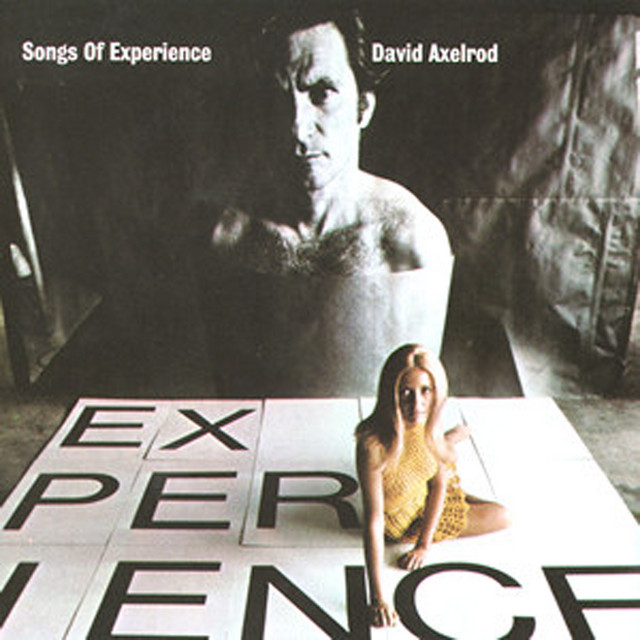 No one else on this list has a resumé like David Axelrod’s. In the sixties, he worked with Lou Rawls, got Capitol Records to give more resources to its Black artists, produced Cannonball Adderley’s music, worked with session musicians like Carol Kaye, wrote and arranged for the Electric Prunes, adapted William Blake’s poetry into instrumental compositions, and started psychedelic groups like The Common People and Hardwater. And he did all of that in, like, six years. Axelrod is best known now via samples of his work by Dr. Dre, DJ Shadow, and Lauryn Hill, but “The Human Abstract,” the longest song on his Songs of Experience album, is a pinnacle of jazz fusion where guitars meanly streak against robust, swelling strings. With Blake’s vocabulary as guidance, Axelrod composed dark, rite-of-passage instrumentals decorated by lavish, dynamic, moody orchestras. More than thirty musicians are featured on Songs of Experience, and “The Human Abstract” thrums as its vast, dramatic center. —Matt Mitchell
39. The Doors: “When the Music’s Over” (1967)
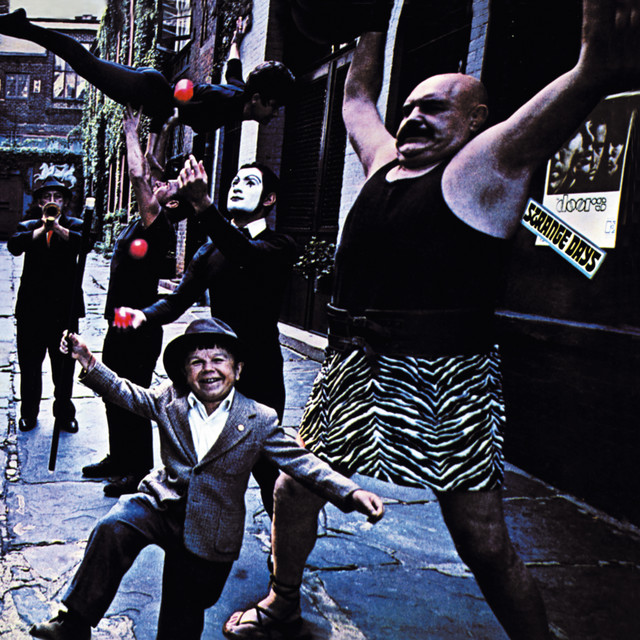 What happens when a poet, classically trained pianist, flamenco guitarist, and jazz drummer start a band? You get a tune like “When the Music’s Over,” the eleven-minute finale on side two of Strange Days. This is where the band settled into its ambitions, and “When the Music’s Over” is an epic that you could only experience if you bought the LP. Strange Days has been called “one of the great artifacts of the rock movement,” and its conclusion would be the Doors’ grandest effort until “The Soft Parade.” The band had been working on the track during their Whisky a Go Go sets as early as 1966, and it’s generally considered to be one of the most difficult recordings the Doors ever completed. Robby Krieger plays fifty-six bars over one riff in the guitar solo, while Ray Manzarek based his organ parts off Herbie Hancock’s “Watermelon Man.” Jim Morrison, however, recorded his vocal in one take after arguing with the band about overdubs. The song, divided across five parts, gets as specific as LA’s London Fog and as broad as the environment crisis. Musically, it’s a total riot of static harmony and a dramatic tempo. And Morrison, at the top of his game, delivers a madman’s lullaby: “Cancel my subscription to the Resurrection, send my credentials to the House of Detention. I got some friends inside.” —Matt Mitchell
38. Tammy Wynette: “Stand By Your Man” (1968)
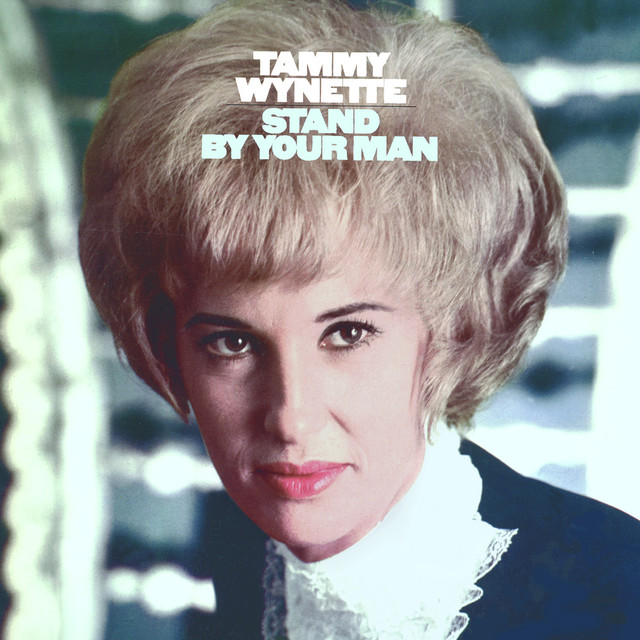 I knew about “Stand By Your Man” years before I knew about Tammy Wynette. Thanks to an appearance in The Blues Brothers, I’ve been humming “sometimes it’s hard to be a woman, giving all your love to just one man” since I was a kid who didn’t know a thing about love or relationships. “Stand By Your Man” is a conservative anthem to some and a working-class ballad to others. I don’t land in either camp. It’s probably both. But, I just think it’s one of the most important country recordings ever. With vocal accompaniment from the Jordanaires, Wynette aches through the story of forgiving a husband who can’t keep his dick in his pants. On the surface, you hate that the wife gives in and lets her spouse off with no more than a slap on the wrist. But Wynette’s performance sells the utter heartbreak in the wife’s predicament. “Stand By Your Man” questions the distance we’re prepared to go in the name of love, and Wynette’s “show the world you love him” conclusion is by no means a fairytale ending, nor should we want it to be. —Matt Mitchell
37. Grateful Dead: “Dark Star” (1969)
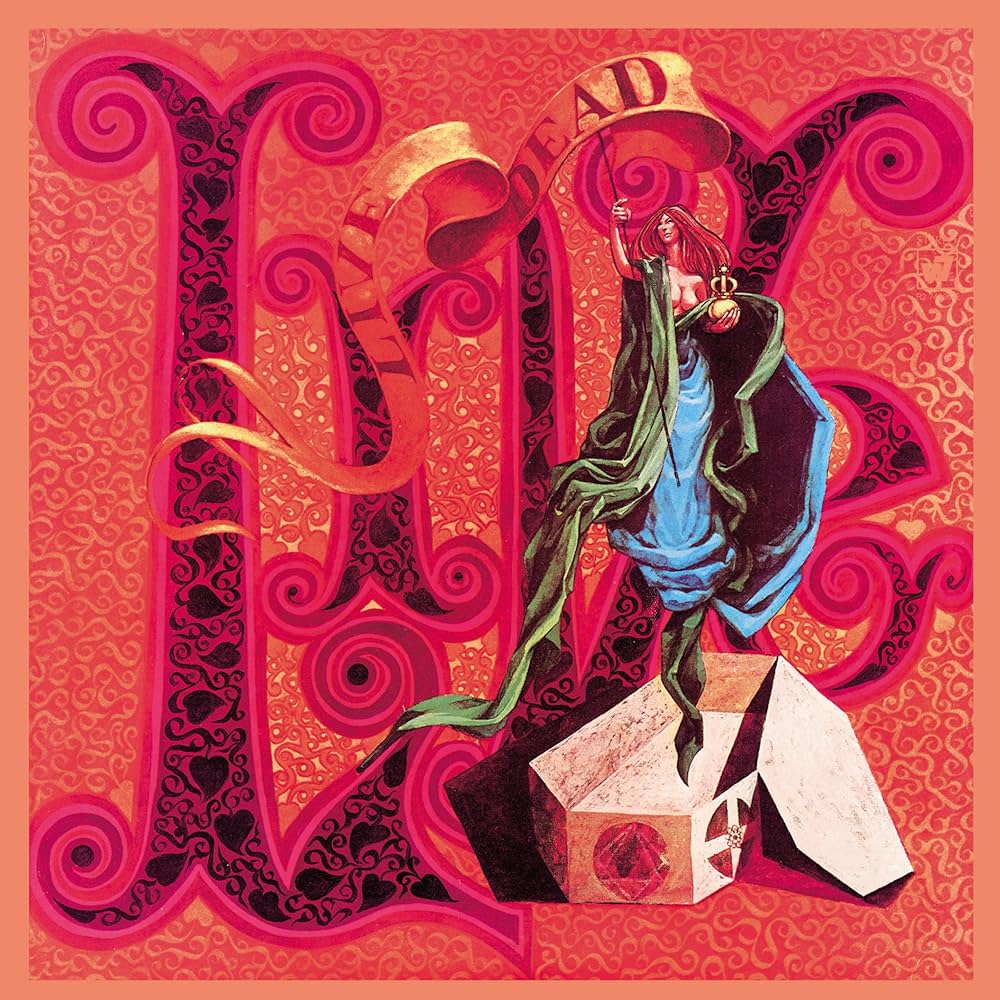 The beginning of Live/Dead exists as an enthralling, cosmic apex for the Grateful Dead—and a thrilling final stamp of acid rock before the band took a turn toward more folk-inspired, softer and harmonious work. It was the first live album to use sixteen-track recording, and nothing could ever quite set the tone like the twenty-three-minute “Dark Star,” a song so towering and auspicious that its genesis is credited to the entire band, not just Jerry Garcia or Bob Weir or Phil Lesh. While it is true that Robert Hunter steps in for a cool spoken-word moment on the two-minute single version of the song, we cannot overlook the 1969 Fillmore West performance that has become so synonymous with Dead lore that it would be blasphemous to exclude it from any list it’s eligible for. From Jerry and Bob’s guitar-playing to Tom Constanten’s organ to Phil’s top-drawer basslines, this is, to me, the crown jewel of jamming. I listen to “Dark Star” and I can hear a million Deadheads being born. “Shall we go, you and I, while we can? Through the transitive nightfall of diamonds” still gives me chills every time I hear it. —Matt Mitchell
36. The Crystals: “He’s a Rebel” (1963)
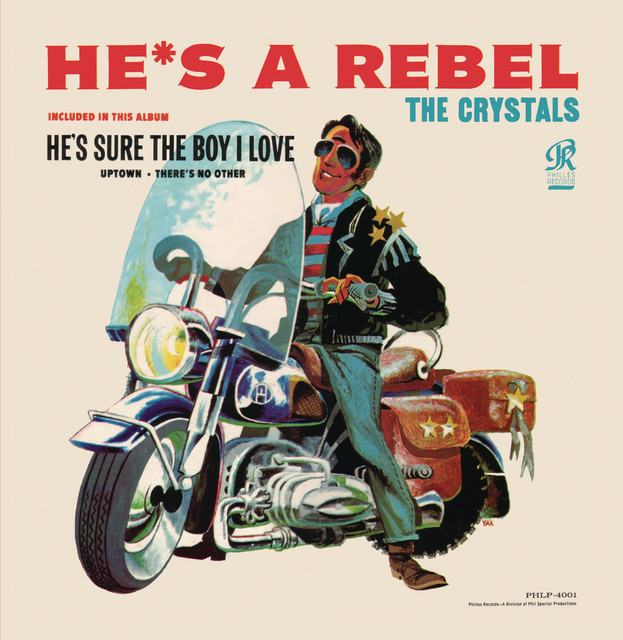 The Ronettes get all the shine, and rightfully so, but The Crystals really were one of the best to ever do it, and they did it with three different lead vocalists. Look at this run of singles: “There’s No Other (Like My Baby),” “Uptown,” “He’s a Rebel,” “He’s Sure the Boy I Love,” “Da Doo Ron Ron,” and “Then He Kissed Me.” And that’s in a two-year span. I’ll pluck “He’s a Rebel” out of the bunch and place it here, because it’s my favorite. Darlene Love sings lead and crushes it, though the song was originally recorded to The Blossoms and credited to the Crystals by producer Phil Spector without notice. “He’s a Rebel” foreshadows the Wall of Sound style that would dominate Spector’s later recordings, with Jack Nitzsche doing the arranging. The Gold Star session players are here—specifically Hal Blaine, Steve Douglas, Tommy Tedesco, Al DeLory, Don Randi, and others—and they sound fantastic. It’s probably one of the greatest pop songs ever captured on tape, right? I think so. All worthy competitors are present and accounted for after this entry. But it’s a shame about Vikki Carr, who also recorded her own version of “He’s a Rebel” in 1962 but was overshadowed by the Crystals’, which went to #1 in three countries including America. —Matt Mitchell
35. The Monks: “Monk Time” (1966)
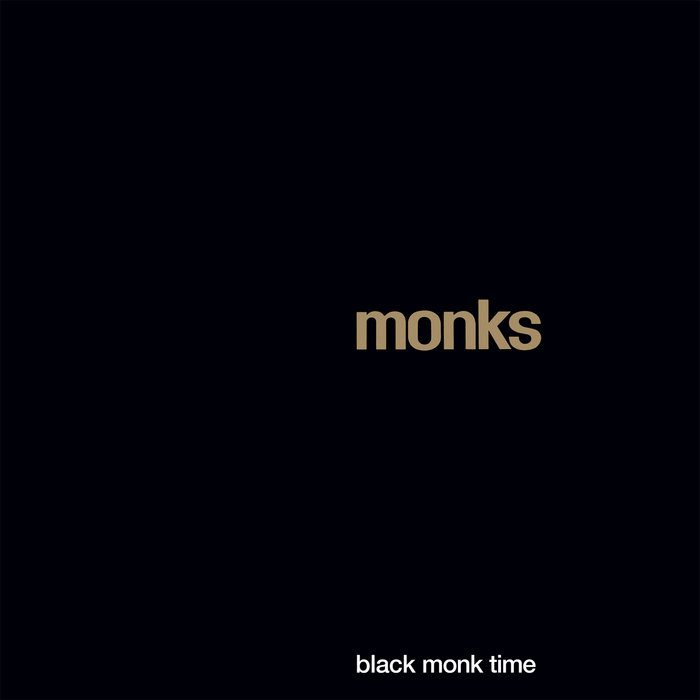 Before punk rock was punk rock, the Monks were doing it—and they were dressing up in black cassocks, too. Five American GIs stationed in Gelnhausen in what was then West Germany, they got bored of the traditional straight-ahead rock and roll they were covering, and, after a notable incident when they began jamming to the frequencies produced by a guitar that had been left propped up against an amplifier, they dived headfirst into the world of distortion and feedback. What they created was a stripped-down, rhythm-focused sound, further reinforced by their use of distortion and the sonic versatility they gained once they got their hands on a Maestro Fuzz-Tone pedal and an electric banjo. In other words, it was proto-punk, and a foreshadowing of garage rock too. “Monk Time” acts as an introduction and a manifesto; the opening song to their first and only album, Black Monk Time, it explodes into life with thumping, relentless drums and bass, before sharp, angular melodic lines that precede acerbic lyrics taking aim at the Vietnam War, the atomic bomb, and James Bond for good measure. “You know, we don’t like the army,” Gary Burger yelps over a tight, fierce instrumental. “What army? Who cares what army?!” That’s punk rock. —Mariam Abdel-Razek
34. Jackie Shane: “Any Other Way” (1962)
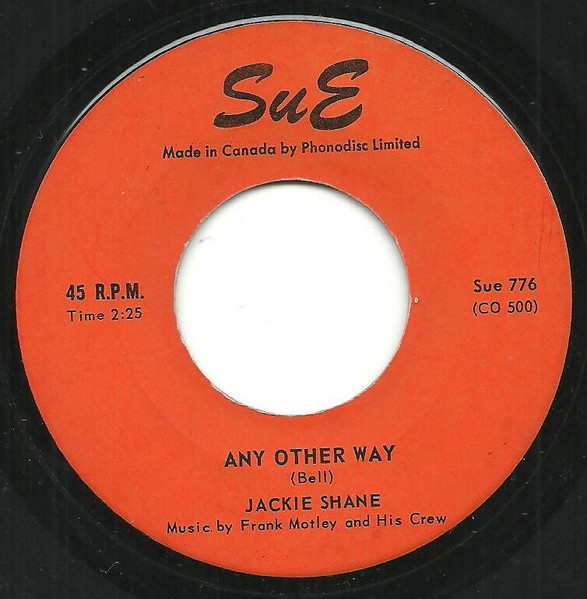 Jackie Shane was born in Nashville and died there, but in between she was a fixture of Toronto’s R&B sound. As a kid, she modeled herself after Mae West and, years later, was discovered by Louis Lavelle and hired to sing in a trio with him and Les Monday. After touring country fairs and radio stations, she got session work as a drummer before cutting records of her own. Her most famous one, a cover of William Bell’s “Any Other Way,” was a local hit in Toronto, reaching #2 on the city’s CHUM chart in 1963 and #124 on Billboard’s Bubbling Under chart. Shane’s rendition featured a subtle lyric change, where she sang, “Tell her that I’m happy, tell her that I’m gay,” instead of “tell her that I’m happy, this is what I want you to say.” The single went out of print quickly, though people were still asking for it at record stores in 1965. Two years later, it was reissued and entered the national RPM chart in Canada. A trans woman since age thirteen, Shane didn’t gain prominent LGTBQIA+ recognition until after her death in 2019, when she was honored with city dedications, public murals, and a documentary premiere at South by Southwest. Musically speaking, “Any Other Way” carries with it a confidence and passion that very few soul records of the era matched. It’s all talent and power. Legend has it that Shane was offered a role in Funkadelic but turned it down. What a fucking star. —Matt Mitchell
33. The Band: “The Weight” (1968)
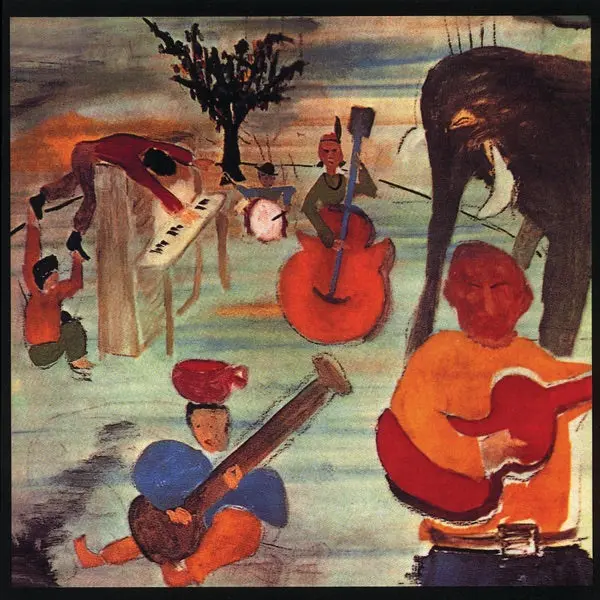 “The Weight” is the cornerstone of the Band’s debut, Music from Big Pink, and arguably the most beautiful, surreal thing Robbie Robertson ever wrote: a homespun, Dylan-soaked tall tale set in some mythical American South, dreamed up by a Canadian but channeled through the Arkansas drawl of Levon Helm like it had always lived there. Every verse is its own crooked little fable: our narrator drags himself into Nazareth and gets passed around a town full of weirdos and freeloaders—Carmen and the Devil strolling arm in arm, Crazy Chester and his dog Jack—who won’t give him a bed, won’t stop asking him for favors, and won’t hesitate to pile more onto his back to carry. Helm sings it all with this soulful, bone-tired warmth that has to be one of the great vocal performances of the decade; when the song hands off to Rick Danko’s cracked, plaintive cry on the Chester verse, we get another. Then comes that chorus—each of the Band’s impossible voices filing in one by one, like neighbors showing up to help lift something heavy. Nearly fifty years, and the enigma at its heart has yet to fully dissipate: who is Miss Fanny, the one who “sent me here with her regards for everyone”? Why should I take a load off her? What’s the load, the weight, anyway? The song’s too generous to answer; it just keeps asking. Somewhere in all that strangeness and exhaustion and grace, the Band caught the whole ache of the sixties: the alienation, the longing for somewhere to belong, the radical little idea that maybe we’re supposed to carry each other. —Casey Epstein-Gross
32. Isaac Hayes: “Walk On By” (1969)
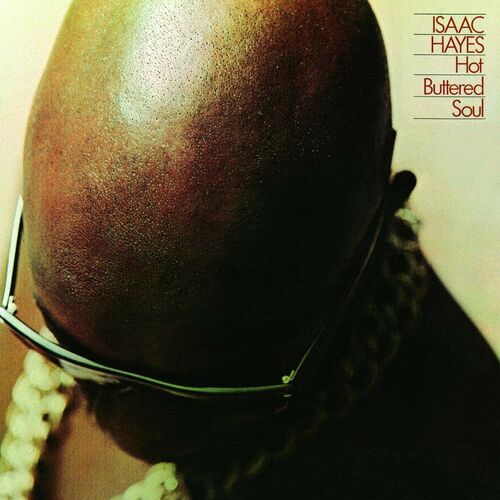 Burt Bacharach and Hal David’s “Walk On By,” as recorded by Dionne Warwick in 1964, received some renewed attention a few years ago thanks to a prominent sample on Doja Cat’s chart-topping 2023 single “Paint the Town Red.” The most notable re-work, though, came just a few years after the original via Isaac Hayes, who transformed the song drastically. He stretched it out from three minutes to twelve, pushing the original composition into a warm, funky, psychedelic soul territory that turned an example of crisp, concise songwriting into a bold sonic adventure. —Derrick Rossignol
31. Sam Cooke: “Bring It On Home to Me” (1962)
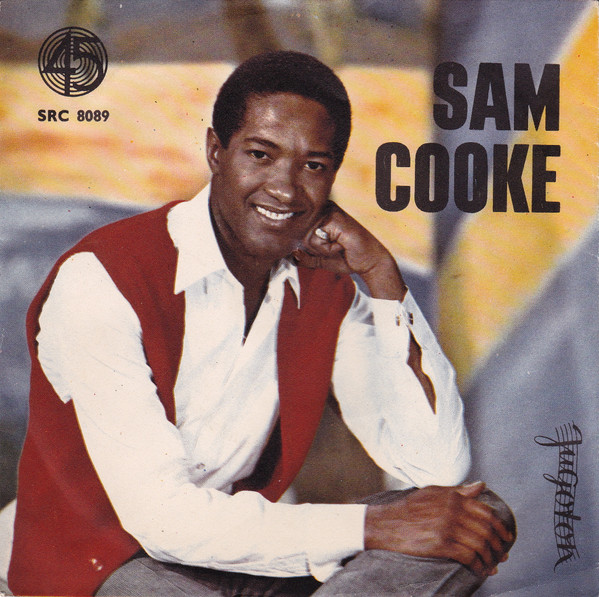 “Bring It On Home to Me” began life as another song entirely, and it even began in other songwriters’ hands. In 1959, Charles Brown and Amos Milburn penned “I Wanna Go Home,” which featured a prominent call-and-response, rich harmonies, and a 6/8 soul tenor. Opting for secularity (by omitting any references to “Lord”), Cooke did a major overhaul and wrote his adaptation, “Bring It On Home to Me,” from the perspective of a longing lover who’ll do anything to persuade their lover to return to them. “I’ll give you jewelry and money, too / That ain’t all, that ain’t all I’ll do for you,” he croons, desperation and adoration mixing into a spellbinding concoction. You’d never know this song wasn’t his at first. When he sings it, though, it belongs to no one but him and his beloved. —Grant Sharples
30. Neil Young and Crazy Horse: “Down by the River” (1969)
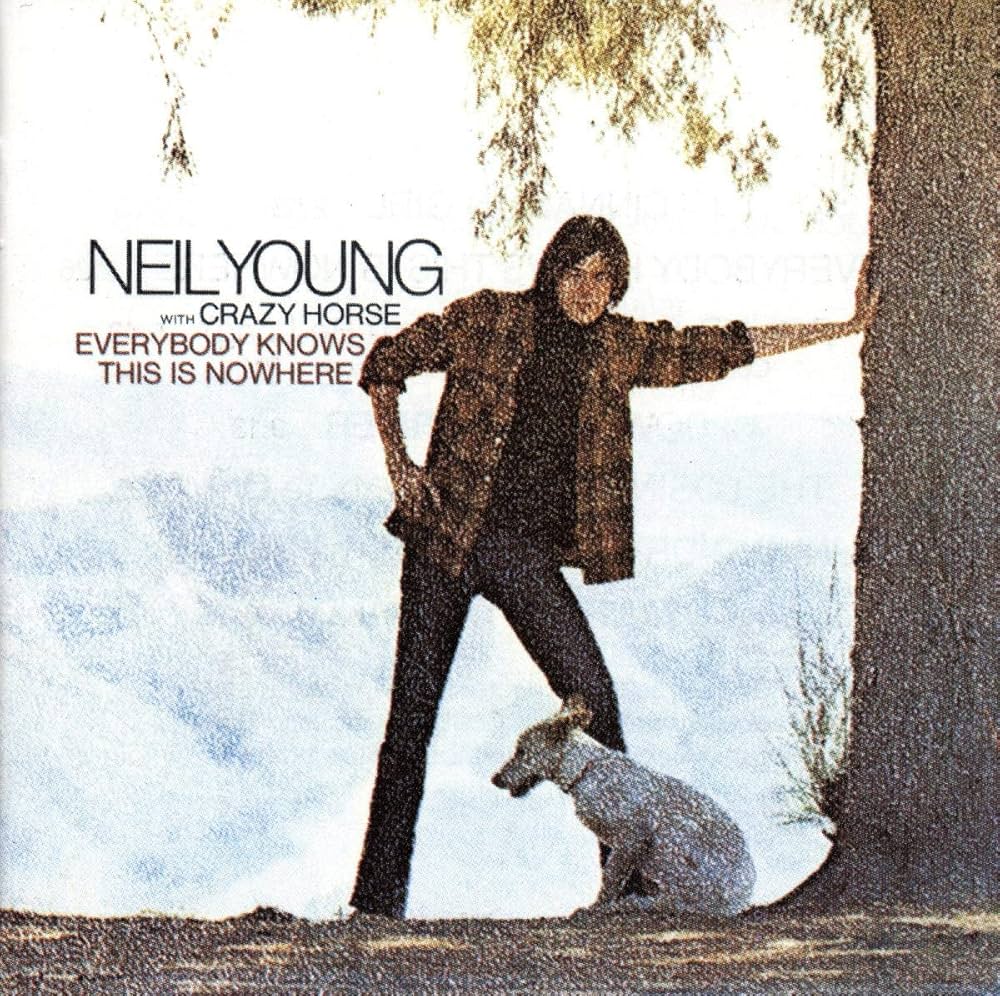 The meaning of “Down By the River” has changed over the years, and even Neil Young himself has switched up his story. In 1970, he rejected the claims that it’s a murder ballad and said it was about “blowing your thing with a chick. It’s a plea, a desperate cry.” Fourteen years later, he said that the song is about a man “who had a lot of trouble controlling himself” and shoots his lover after discovering she’s been cheating on him. No matter what “Down By the River” is about, one thing is for sure: It’s one of the best rock and roll songs of its era and of all time, fused together by one of the greatest guitar solos ever procured, where Young plays the same guitar note nineteen times with a viciousness that remains unprecedented. And then, he went ahead and repeated it again in the final breakdown of the track—bringing the number up to thirty-eight total times across nine minutes. As he shreds, Danny Whitten becomes the track’s metronome, performing an incomparable rhythm guitar that keeps time with the arrangement’s momentum. The staccato of “Down By the River” is as eruptive as gunfire—and, all these years later, the song feels light years ahead of its time. —Matt Mitchell
29. Gal Costa: “Baby” (1968)
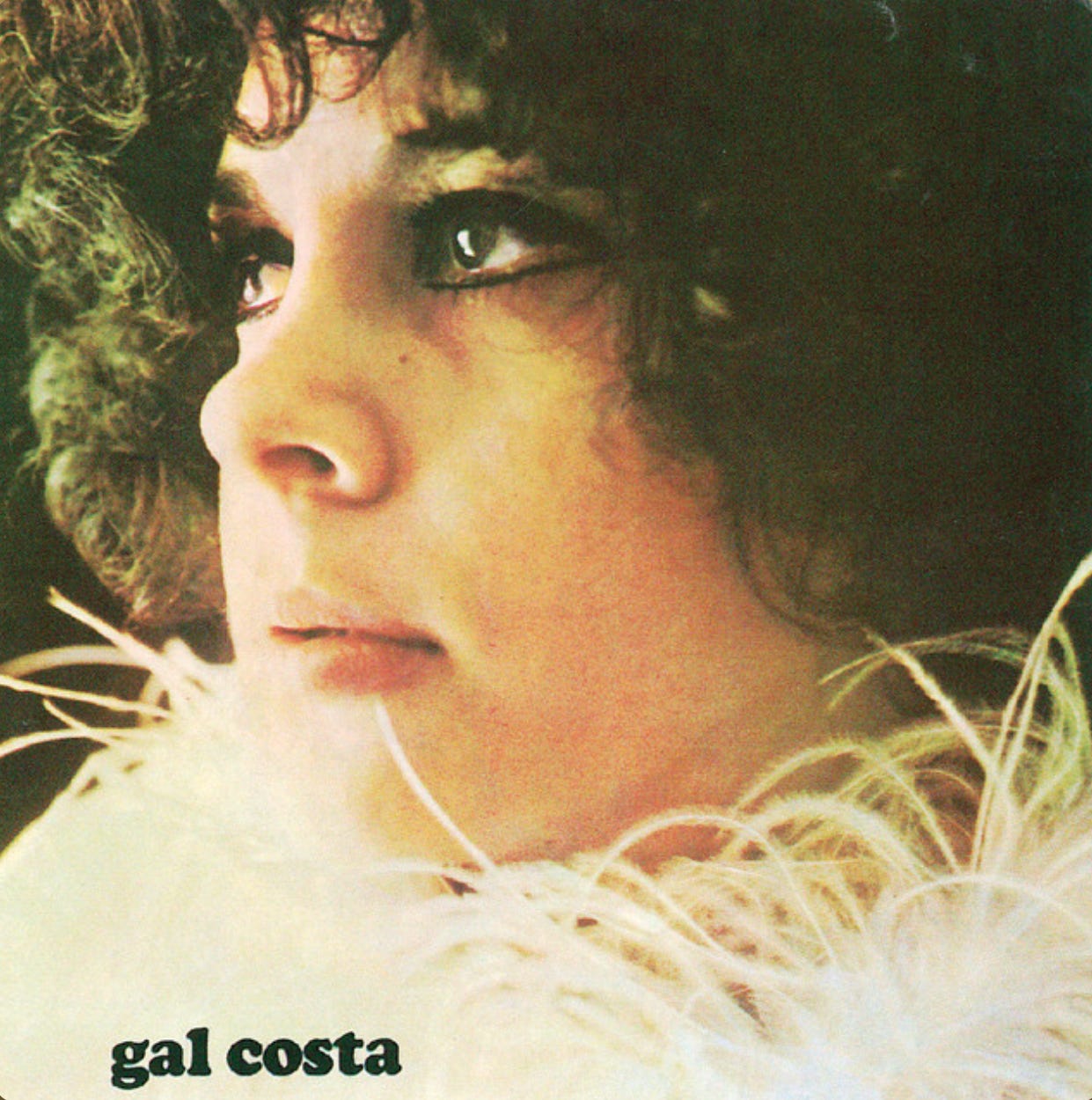 “Baby” is a perfect song. I shouldn’t have to explain further, but for the uninitiated, I will try. “Baby” is one of the world’s sweetest love songs, and I say that understanding about 10% of the words. Sometimes a song carries a feeling effortlessly; this is one of them. It’s puppy love, rose-colored glasses, heart eyes, daydreams. It’s something unattainable and flawless. It’s a kind of love that could only exist in a song. It’s also a love song to Brazil itself: the beaches of Rio, the hot sun, a modernizing culture. Gal Costa’s voice is indescribably fluid, cool water in a small stream beneath soaring violins. At times she’s almost hard to hear, her soprano dancing through the strings like they’re a maze. The song is shy and hopeful, humid and lazy. Caetano Veloso’s voice tiptoes to the fore, forming a call-and-response that feels like lovers’ bedspeak. The song is nostalgic for itself, watching time slip through its fingers. And then, just as soon as it’s begun, it fades wistfully into the memory it always was. The dream ends, as dreams do, and the listener is forced to wake from their trance. Luckily, though, this is no longer the sixties: you can, and should, queue it right up again. —Miranda Wollen
28. The Stooges: “I Wanna Be Your Dog” (1969)
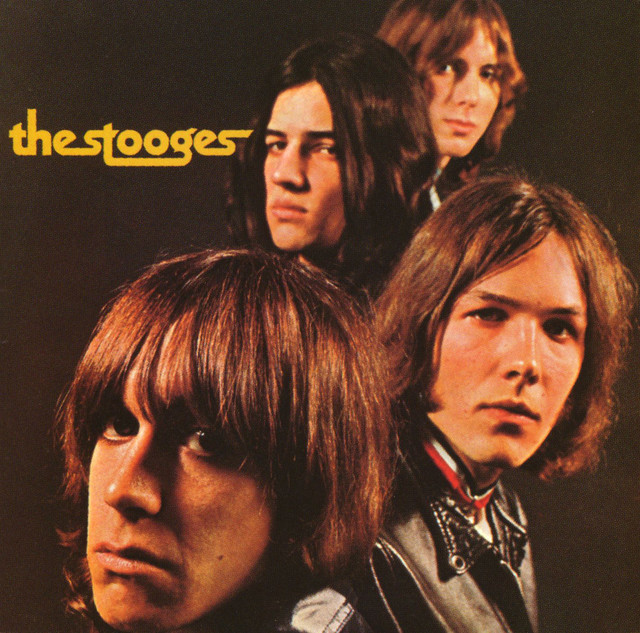 There are maybe three chords in “I Wanna Be Your Dog,” and the Stooges bash them out like even three is one too many. This is music built on principle from the ground up: anti-virtuosity, anti-pretension, anti-complexity. The song opens on a single squall of guitar feedback left hanging in the air like a held breath, and then Iggy Pop arrives, flat and unadorned—“So messed up, I want you here”—and proceeds to spend the next three minutes reveling in degradation and submission, an S&M shrug delivered without a flicker of shame. Desire as the wish to be owned. Fuck peace and love and flowers; I want to play shitty guitar and eat out of a dog bowl. Underneath the whole thing runs one relentless piano note, struck over and over, courtesy of producer John Cale—fresh out of the Velvet Underground and bringing his gift for drone and repetition with him. It’s primitive and repetitive and dumb on purpose, and it’s brilliant for it. It’s more or less the first punk song, written years before anyone had the word for it; the permission slip for about forty years of kids who’d rather be loud than “good.” —Casey Epstein-Gross
27. Van Morrison: “Sweet Thing” (1968)
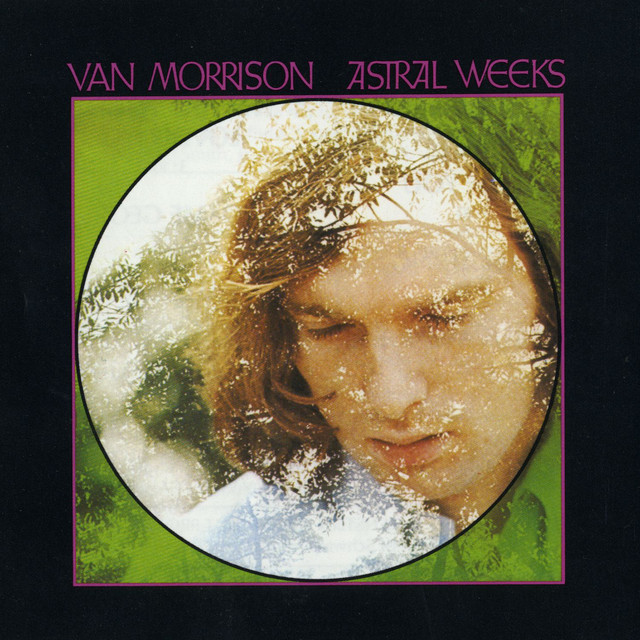 Written in Cambridge, Massachusetts and recorded in three days in New York City by a Belfast musician who’d fallen deeply in love and was soon to fall out of it, Van Morrison’s Astral Weeks has endured as one of an undisputed classic if only because it so vividly captures not only the first, overwhelming blush of new romance, but the looming fear that said connection could sever in an instant. Every lyric and instrumental flourish (has there ever been a sound closer to capturing the rush of infatuation than that first run of strings on that second verse?) of “Sweet Thing” stumbles over itself to declare fealty to the object of its affection—dream-like and ebullient as it declares him to be dynamite, despite not knowing why. Many of us have endured a long and ever-changing relationship with Mr. Morrison since the time he wrote this song, to the point where it can be difficult to imagine him as a young artist desperate to bleed such gorgeous devotion onto tape for us all to share. Still, from the opening acoustic strum to his plea to see “your champagne eyes and your saint-like smile” once more, he remains suspended in amber—in love with a world where a relationship might be fleeting, but can bruise you to the point of world-altering invention. —Elise Soutar
26. Aretha Franklin: “Do Right Woman, Do Right Man” (1967)
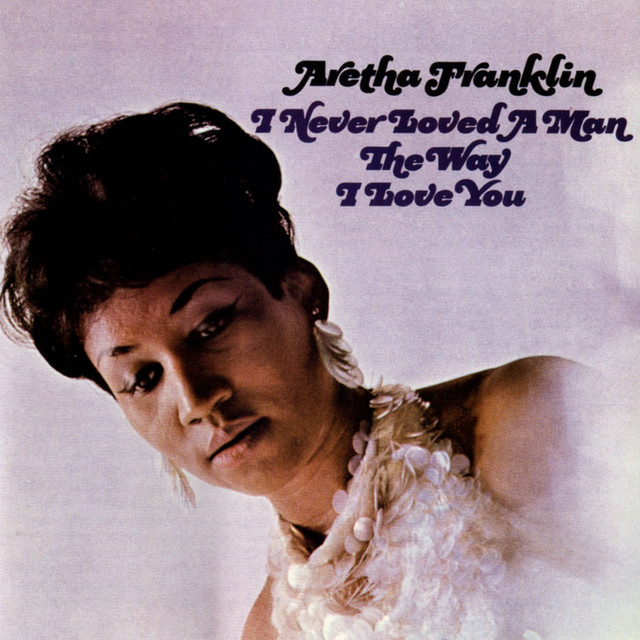 It’s hard to believe that “Do Right Woman, Do Right Man” was a B-side. Even as the flipside of “I Never Loved a Man (The Way I Love You),” Aretha Franklin’s paean to domestic bliss by way of marital fidelity is tender and warm, like a cozy night in with your partner. Chips Moman and Dan Penn wrote an incredible song, but it truly gains its impact through Franklin’s stunning performance. Her gospel chops and soothing timbre lend it an ineffable quality, one in which words fail and pure feeling prevails. On the chorus, she bends admittedly clunky syntax to her will: “If you want a do right, home days woman / You’ve got to be a do right, home nights man.” For the background vocals, Franklin recruited her sisters Erma and Carolyn, who, at first, echo Aretha’s ultimatum on the off beats, adding syncopated splashes of harmony. But, eventually, their voices converge with Aretha’s, finding their way back to the center, and the result is utterly transcendent. With a voice this singular, powerful, and downright beautiful, it’s difficult to imagine any listener declining the Queen of Soul’s invitation. —Grant Sharples
25. Creedence Clearwater Revival: “Born on the Bayou” (1969)
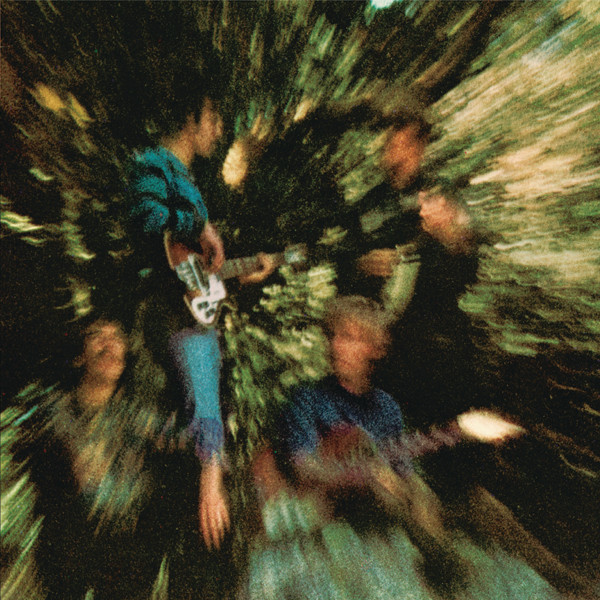 What do you think the Woodstock crowd made of Creedence Clearwater Revival when they went on stage and started hammering away on “Born on the Bayou”? CCR weren’t from the bayou, nor had John Fogerty ever been there, but goddamn does the swamp sound mean, almost vulgar in their hands. Fogerty said he wrote the song when he was broke and staring at the bare walls in his apartment. He thought about Howlin’ Wolf and Muddy Waters and came up with the “chasing down a hoodoo” line, which comes through his lips like venom. CCR are, to me, the defining American rock band of the 1960s, thanks to an impenetrable run of ass-kickers in a two-year span at the decade’s end. You could put “Proud Mary,” “Bad Moon Rising,” or “Fortunate Son” here, sure, but none of those tracks power the era’s rock engine quite like “Born on the Bayou” does, because Fogerty’s feedback-riddled guitar solo is like a drug. In fact, the Gibson ES-175 he used to record “Born on the Bayou” was stolen out of his car soon after the recording session. Rumor has it the strings were still hot when the ax got hocked. What a dirty, nasty, tough blues rock song. —Matt Mitchell
24. Mickey Newbury: “San Francisco Mable Joy” (1969)
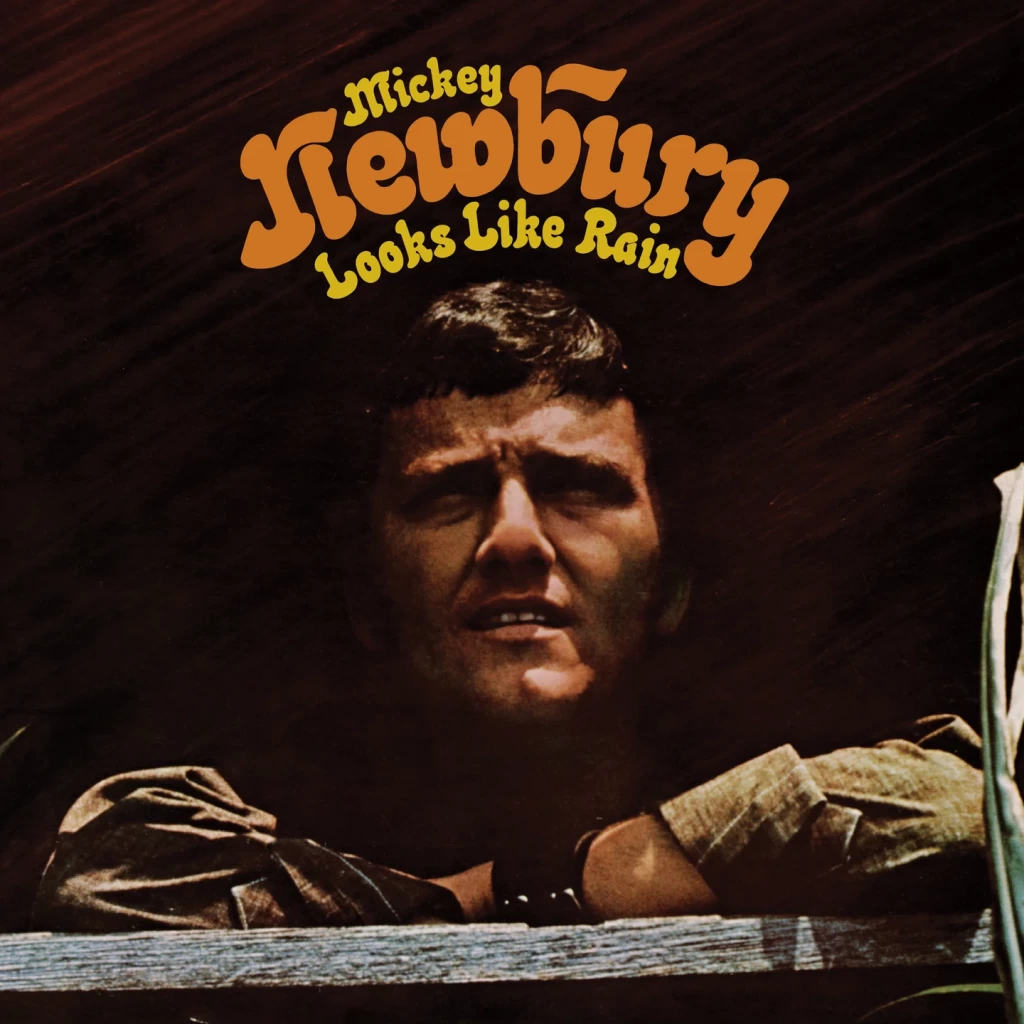 In Mickey Newbury’s It Looks Like Rain, you can hear countrypolitan music transitioning into that rough-and-ragged folk singer style that John Prine resuscitated in the early seventies. Newbury spins a wonderful yarn on “San Francisco Mable Joy,” narrating a story about a Georgia farm boy who takes a freight train to Los Angeles; falls in love with Mable Joy, “destitution’s child” born on a Hollywood street called “Shame”; and winds up in jail after beating up a Merchant Marine. There’s blood, guts, and broke-down, tattered hearts swirling in the cosmos of Georgia cotton, morning laughter, and a California wife. Sounds of rainstorms, harmonica, and gospel choirs fill the melody as tragedy arrives: Mable Joy, either dead or wandering, left their home four years earlier “looking for some Georgia farm boy.” I like what Newbury said later, that “San Francisco Mable Joy” was “a five-minute song written in a two-minute world.” —Matt Mitchell
23. The Rolling Stones: “She’s a Rainbow” (1967)
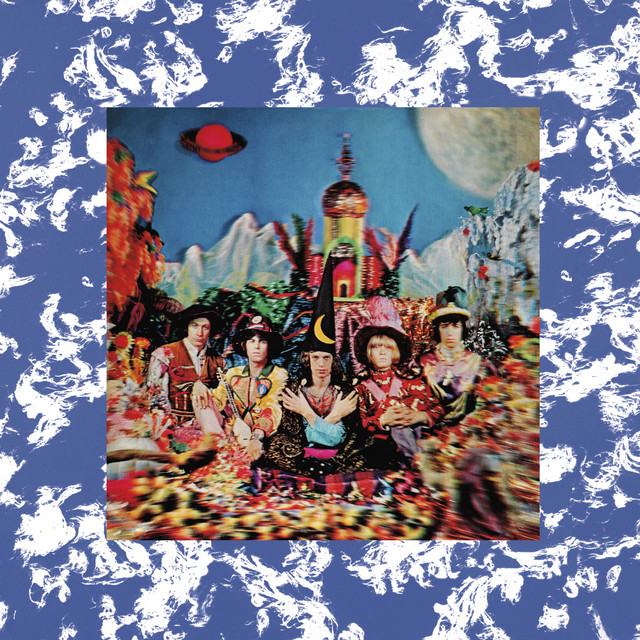 “She’s A Rainbow” is timeless, because the Stones somehow managed to make the song sound like its subject—lilting piano arpeggios, stunning strings, and Brian Jones’ wacky mellotron create a kaleidoscopic aura to the song, and Mick Jagger’s exuberant vocals float over them alongside childlike “ooh-la-la-la”’s sung by the other Stones. Just as “Wild Horses” saw the Stones at a uniquely vulnerable place, “She’s A Rainbow” carries a lovely innocence rarely to be found in their catalog. The lyricism is borderline-Shakespearean in its devotion, and it’s hard to believe that lines like “Have you seen her all in gold? / Like a queen in days of old / She shoots her colors all around / Like a sunset going down / Have you seen a lady fairer?” were coined by the same guys who would later write “Bitch.” To my delight, they were, and the result is beautiful and sweet. The track is practically synesthetic, a psychedelic love-song colossus—proof that the Stones had no trouble keeping up with the Beatles. —Miranda Wollen
22. Dusty Springfield: “Son of a Preacher Man” (1969)
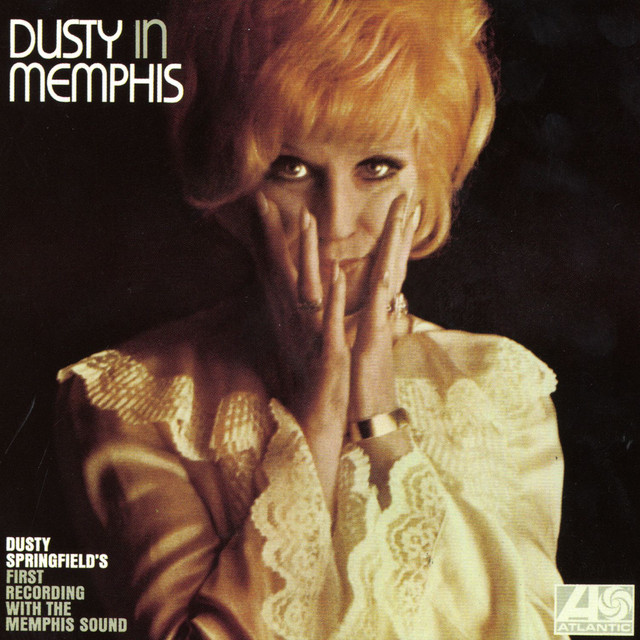 Not a single vocal track from Dusty in Memphis was laid down when Dusty Springfield was actually in Memphis. Too nervous to sing while recording with the Memphis Boys—American Sound’s session musicians, whom she idolized for their work with some of her favourite artists—Springfield was forced to record her final vocals for the album in New York. No matter; this album is a revelation, and “Son of a Preacher Man” is the best of the bunch. After Aretha Franklin turned it down (she worried that it would be disrespectful to her own father, who was himself a preacher), it fell to Springfield, then Franklin’s labelmate after signing with Atlantic, to cut the definitive version, and she was more than up to the task. It is a perfect slice of blue-eyed soul, toeing, delicately, the line between wide-eyed innocence and emboldened sensuality. With the lightest of touches, Springfield darts dreamily between bold, blaring brass lines and delectable licks of electric guitar. She might have been a white girl from north London, but what she put down was full to the brim with soul. —Mariam Abdel-Razek
21. Toots and the Maytals: “Pressure Drop” (1969)
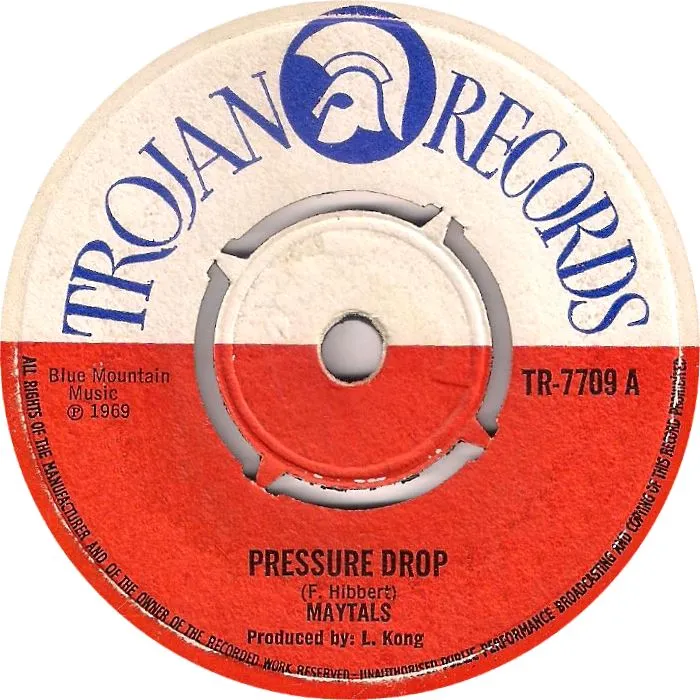 There’s no other way to say it: “Pressure Drop” is 2:56 of pure bliss. The track was cut and released as a single in 1969 (reportedly in a single take, which tracks, considering the thing positively levitates) but most of America met it on the soundtrack to The Harder They Come, the 1972 film that served as a big chunk of the world’s gateway into early reggae—an absolutely stacked record where Toots rubs shoulders with Jimmy Cliff and Desmond Dekker. It opens on wordless hums, Toots’ voice—gruff, gospel-deep, soul-soaked—urging the melody into being like he’s in no hurry to reach the words at all. The rest of it tumbles in at once: a rhythm section that skips instead of stomps, guitar chucking away on the offbeat, an organ purring low under it all. Raleigh Gordon and Jerry Mathias shadow every line Toots throws out, the three of them tossing the hook back and forth like it’s too good to leave to one voice. For years I assumed it was a song about stress, plain and simple: the pressure that’s coming for you, the weight that’s going to drop. Turns out I had it backwards. Toots called it “a song about revenge, but in the form of karma: if you do bad things to innocent people, then bad things will happen to you”—the title was a phrase he’d say to anyone who’d wronged him, his version of a curse, gentle on the surface and merciless underneath. Rather than throw a punch, he’d just promise the pressure was going to drop on you. (The Clash heard all of that and turned it into one of the best of their many great covers in 1979, a key moment of British punk kneeling at reggae’s altar.) However you read it, the song is irrepressible, indelible, impossible to shake. –Casey Epstein-Gross
20. Bob Dylan: “Visions of Johanna” (1966)
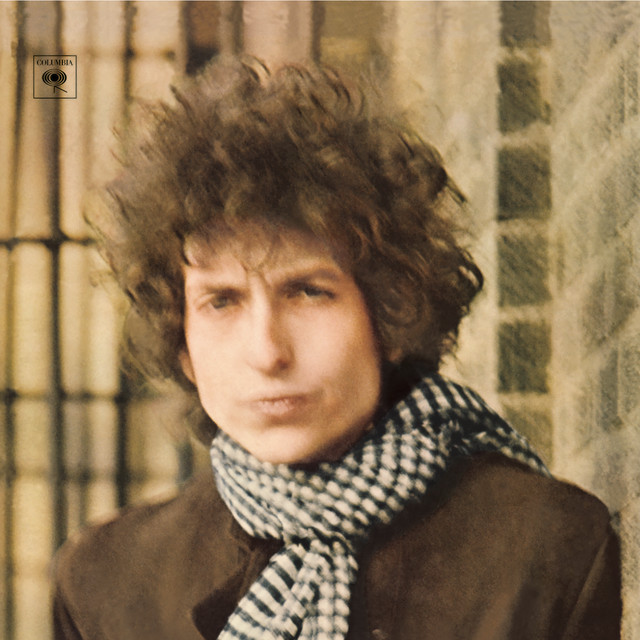 The mid-sixties saw Bob Dylan and others combining folk traditions, rock and roll, and poetic expression in a way that seemed to transcend what any of those mediums could do on their own. Only a deep cut to those who’ve never sat with 1966’s Blonde on Blonde, the sprawling “Visions of Johanna,” originally titled “Freeze Out,” guides listeners through a world where a line like “See the primitive wallflower freeze / When the jelly-faced women all sneeze” gets tossed out there as casually as “I want to hold your hand!” After famously failing to tame “Johanna” in New York City, Dylan headed to Nashville with familiar faces like Al Kooper on organ and Robbie Robertson on guitar and managed to knock out the track in a single session. The results have kept Dylan scholars and fans wrestling for decades with the song’s meaning as the singer juxtaposes the ideals in his mind with the banalities of the reality surrounding him. Even if Dylan’s full intentions continue to elude us, it’s clear that “Visions of Johanna” was changing the rules of songwriting with each cough of a heat pipe and every Mona Lisa highway-blues smile. —Matt Melis
19. Martha Reeves & The Vandellas: “(Love Is Like A) Heat Wave” (1963)
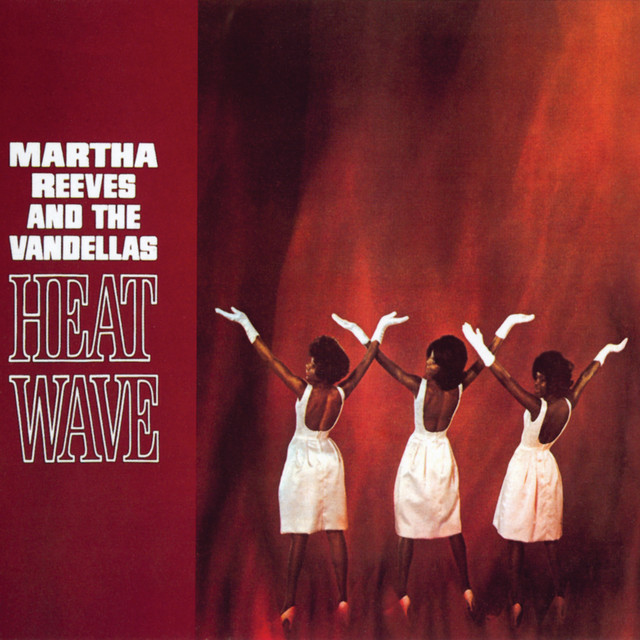 Sometimes the ecstatic rush of a certain song blows you back so immediately, so harshly, that you feel the urge to break it down into specific moments, as if to study how and why two minutes of music were able to exert physical force upon you. There’s plenty in the songcraft of Holland–Dozier–Holland composition “Heat Wave” that elicits such a reaction from the body—sometimes, a chorus worth shouting back is all we have in this world—but most of it boils down to the vocal performances of Martha Reeves, backed by Rosalind Ashford and Annette Beard, as commemorated on the Vandellas’ breakthrough recording. Appropriately, Reeves belts through the track like a woman engulfed in flames, carried by the weightless simplicity of the backing track until her feet hardly skim the ground. That delivery of “Right then, riiiiiiiight theeeere!” in the second verse alone cements it not only as one of the great vocal performances of the decade, but of all time. By the time the delirium cools down and the song begins to fade, you’d be hard pressed not to include the song in the crowded pantheon of Motown’s crown jewels. —Elise Soutar
18. John Coltrane: “A Love Supreme Pt. 1” (1965)
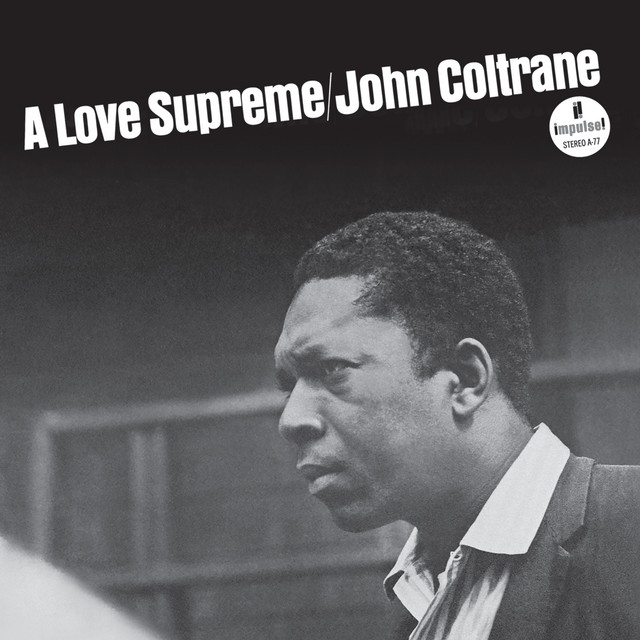 1957’s Blue Train cemented John Coltrane, Miles Davis’ former tenor saxophonist, as a jazz visionary in his own right. But 1965’s A Love Supreme, released just two years before his untimely death at 40, took matters to the next level. In one sense, it literally did, connecting Coltrane with his burgeoning spirituality and veneration of a higher power. That much is clear on the record’s opening piece, “A Love Supreme, Pt. 1 – Acknowledgement,” in which Coltrane repeats the LP’s title like a hymn, beseeching entrance to another realm, realizing and expanding his divine potential. In another sense, he and his quartet are simply locked the fuck in. McCoy Tyner’s piano is versatile but never showboaty; Elvin Jones’ drumming serves the song while displaying his acrobatic chops; and Jimmy Garrison leaps all over the fret of his double bass, a subtle but essential force. Taken altogether, it sounds like a call to prayer. —Grant Sharples
17. Nancy Sinatra & Lee Hazlewood: “Some Velvet Morning” (1968)
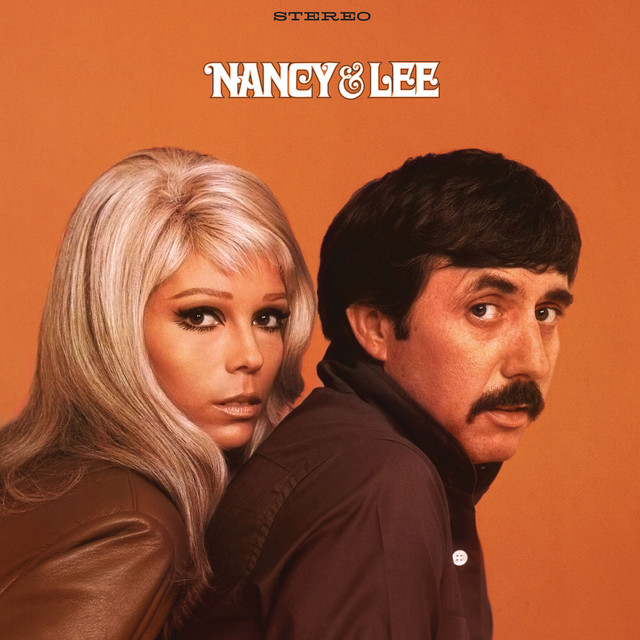 1967 saw pop music grow into its surreal adolescence, following the Beatles’ lead to bend the sturdy, surefire hits of the prior decade into a druggier, more experimental shape. Yet, for the most baffling and brilliant of the songs he wrote for Nancy Sinatra, Lee Hazlewood looked to the mythology of the Ancient Greeks, rather than his peers turning on and dropping out, as a source of inspiration: “There was only about seven lines [ever written] about Phaedra. She had a sad middle, a sad end, and by the time she was seventeen, she was gone. She was a sad-assed broad, the saddest of all Greek goddesses. So bless her heart, she deserves some notoriety, so I’ll put her in a song.” And what a song Phaedra got—writing her stuck in amber as a mystery woman waltzing in the flowery hills and tearing the fabric of a decade in two. Time hasn’t been as kind to duets from similar ilk (could Sonny and Cher have done this effectively?), but “Some Velvet Morning” feels as ominous, eternal, and yes, surreal as it probably did the day Sinatra’s performance as Phaedra was first pressed onto vinyl. —Elise Soutar
16. Pharoah Sanders: “The Creator Has a Master Plan” (1969)
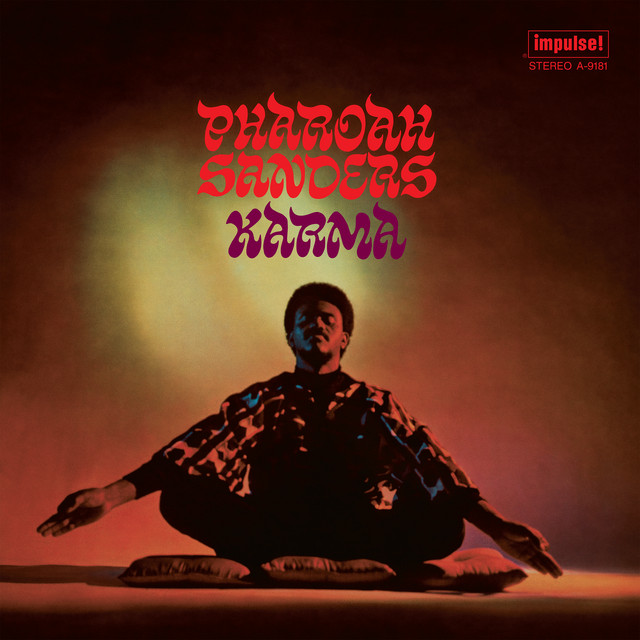 Pharoah Sanders had a true penchant for making music that was sprawling without being overly indulgent. “The Creator Has a Master Plan,” the gargantuan A-side of Karma, finds this quality at its finest. For the most part, Sanders’ blissed-out playing floats atop a neo-salsa groove, though occasionally the band erupts into bursts of randomized noise. The track is largely instrumental, but Sanders’ gorgeous vocals dart in and out of the picture. “The creator has a working plan / Peace and happiness for every man / The creator has a working plan / Peace and happiness for every man,” he sings on a recurring refrain. As a whole, the cut makes me think of a warmer, single-track answer to the entirety of John Coltrane’s A Love Supreme. —Ted Davis
15. Townes Van Zandt: “Fare Thee Well, Miss Carousel” (1969)
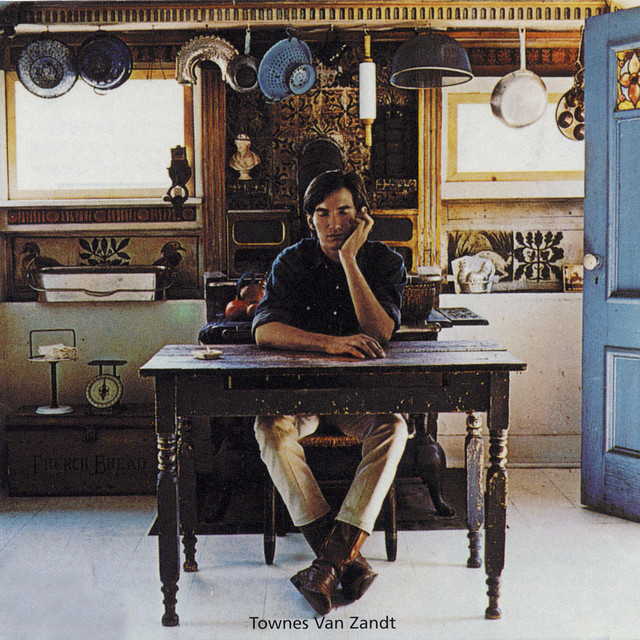 Townes Van Zandt was a big fan of Bob Dylan’s work, but he consistently rejected offers to collaborate with the legendary songwriter—he was nervous about what might happen if he attached himself to celebrity. 1969’s “Fare Thee Well, Miss Carousel” plays like what a hypothetical partnership between the two great musicians may have sounded like. Over five and a half minutes, Van Zandt uses simple rhyme schemes to paint a picture that is at once ordinary and biblically epic. Many think that Van Zandt’s verse tells the story of a man leaving an abusive woman. But the way he shifts between characters and backdrops has always struck me as more brilliantly scatterbrained than narrative—like Van Zandt himself may have only half followed as he wrote in a flash of feverish genius. “Fare Thee Well, Miss Carousel” effortlessly packs the punch of a dizzying postmodern novel into a single song. —Ted Davis
14. The Kinks: “Waterloo Sunset” (1967)
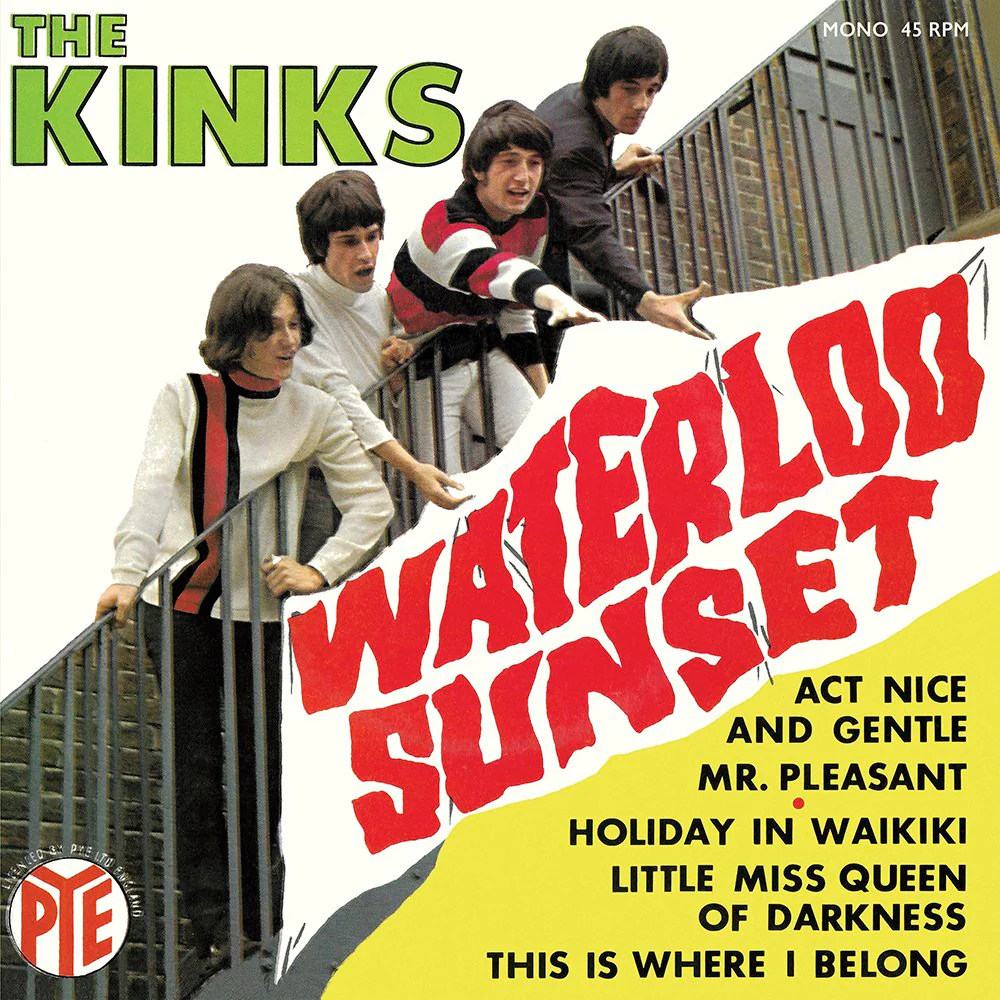 Robert Christgau, the self-proclaimed dean of American rock critics, once called “Waterloo Sunset” “the most beautiful song in the English language,” and it’s not hard to see why. It opens on that descending guitar figure, a plucky riff that swings the door open and walks you in; the strange shimmer on them is Dave Davies running his guitar through a tape delay until every note smears into a soft, watery halo. Beneath it, Pete Quaife’s bass slips down a staircase of its own, so the intro feels like it’s quietly settling, easing you in before the first word. Then the melody arrives, lilting and weightless, carried by one of Ray Davies’ loveliest vocals, his lead winding through the wordless “oohs” and la-la-las of the harmonies behind him like they’re there to hold him up. What Davies pulls off in three minutes is closer to a short novel than a pop song: it’s a wonder of specificity, a whole London conjured in a handful of verses. The grubby Thames slides past, the crowds pour in and out of Waterloo Underground at dusk, strangers rush by so fast they leave the narrator dizzy. He’s alone, but somehow he isn’t lonely. He clocks two figures, Terry and Julie, meeting on a Friday night and crossing the bridge together. Rather than envy them, he just quietly blesses them. They’re in paradise, and watching them, so is he. For as long as “Waterloo Sunset” plays, you’re up there at the window beside the Thames, wishing the sun would take its time going down. —Casey Epstein-Gross
13. Judy Garland: “Over the Rainbow (Live at Carnegie Hall)” (1961)
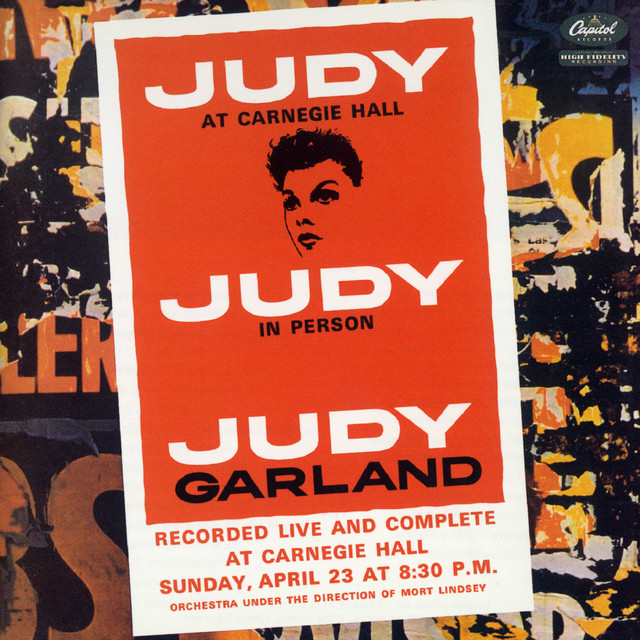 When Judy Garland arrived at Carnegie Hall in April 1961, she was on the doorstep of forty and relatively far away from her Hollywood career. A Star Is Born had happened seven years prior, and she needed medical intervention to combat the effects of her hard drug and alcohol abuse. She’d taken a year off in 1959 for her recovery, going through substance detox and vocal rest, and returned to the stage in 1960 for her “Just Judy” show, leaving all the vaudeville showbiz behind. Her Carnegie Hall performance confirmed her as “The World’s Greatest Entertainer,” and it’s one of, if not the greatest, live albums of the 20th century. And there is no more compelling moment than the performance’s 11th hour, when Garland finished “Rock-a-Bye Your Baby with a Dixie Melody” and began her Wizard of Oz triumph, “Over the Rainbow.” I believe there are moments that can never be replicated, and I’m certain that no moment on tape will ever be as emotional as Garland crooning the first few notes of “Over the Rainbow,” the crowd erupting in immediate applause, and her chuckling with relief while still singing. It would take me thousands of words to properly explain why this recording means so much to me, and I think of it as the seminal stage recording of the 1960s. She truly was the world’s greatest entertainer, and “Over the Rainbow” only sounds right coming from her. —Matt Mitchell
12. The Velvet Underground: “Pale Blue Eyes” (1969)
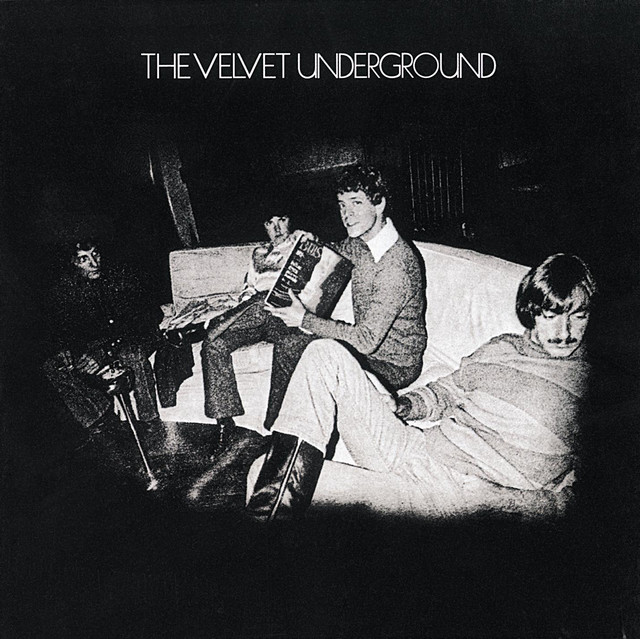 In the third episode of Sex Education’s second season, The Velvet Underground’s “Pale Blue Eyes” plays over the end of a scene where the perpetually sarcastic Maeve (Emma Mackey) attempts to confess her feelings for her pale-blue-eyed best friend Otis (Asa Butterfield), but can’t will herself to admit it now that he’s in a relationship with another girl. Not only does it make for an incredible needle drop, but the scene it soundtracks perfectly captures its quietly devastating power. Along with being one of the saddest love songs ever recorded, “Pale Blue Eyes” is also one of the most affecting and effective usages of The Velvet Underground’s signature droning production. Coupled with the evocative yearning in Lou Reed’s vocals, the repetitive minimalism of the instrumentation (tambourine, bass guitar, and Hammond organ) tenderly articulates the difficulty of not acting on your feelings for someone who’s already taken. It’s a tune for the hopeless romantic in all of us, a cushion to make our spirit whole again when it’s been crushed over and over. —Sam Rosenberg
11. The Supremes: “You Can’t Hurry Love” (1966)
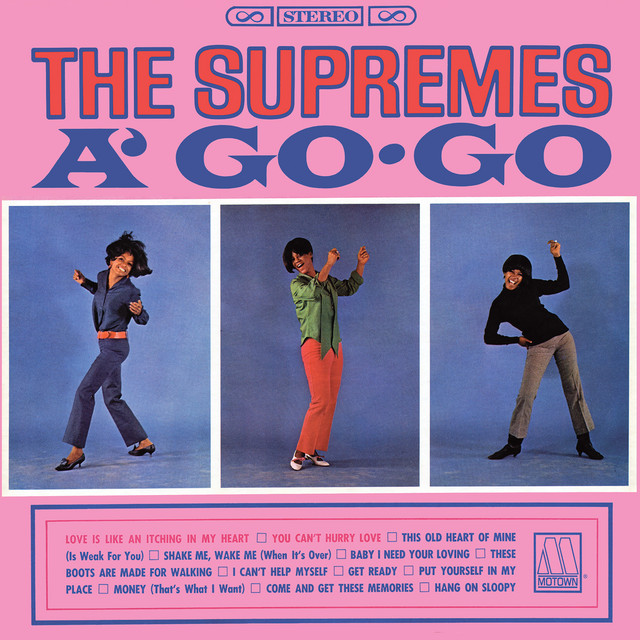 It must be noted that, in five years’ time, the Supremes scored twelve #1 hits for Motown. The Temptations, Miracles, Four Tops, and Marvelettes made the label money, but the Supremes? The Supremes built a perfect soul music canon. Diana Ross, Marlene Barrow, and Mary Wilson ran circles around average groups, turning subpar chart-toppers into foolish anomalies. Their 1966 #1 hit “You Can’t Hurry Love” is, in many unbeatable ways, a perfect pop song—maybe the most perfect pop song ever recorded depending on the day. I surely would make the argument on its behalf. It should also come as no surprise that Holland-Dozier-Holland penned this masterpiece. Of course their hands are all over this song. With an incredible fusion of gospel, soul, and pop, “You Can’t Hurry Love” is Motown’s signature song and don’t let anyone tell you otherwise. That tambourine that chirps like a metronome beneath Ross’ singing keeps the instrumental on time, but it’s Ross herself that transforms the track into an unforgettable, immortal three minutes of angelic, R&B bliss. Like she sings, “Trust, give it time.” Sixty years later, “You Can’t Hurry Love” has lived a thousand lives in a thousand shapes. It will surely outlive us all and find millions of devotees in every lifetime that comes after this one. —Matt Mitchell
 Keep scrolling for more great stories.