
The 50 best songs of 2026 so far
What’s waiting below: terrific singles and album cuts from Slayyyter, Momoko Gill, Vince Staples, Iceage, and many more.


Every June, the Paste team tallies up its favorite songs of the previous six months. It’s a great way for us to present our favorites to you, but also to each other. The cut-off date for these songs was June 1, so some of our recent favorites, like Mykki Blanco’s “Little Feet,” Open Mike Eagle’s “Unfinished Concrete Initials,” and L’Rain’s “soulless cycle,” weren’t eligible. But check back in in December to see what kind of splash they make! For now, let us know in the comments which songs from Q1 and Q2 are your favorites. And if you haven’t yet, check out our mid-year albums list. Here are the 50 best songs of 2026 so far.
50. Zara Larsson / PinkPantheress: “Midnight Sun (Girls Trip)”
 Zara Larsson wasn’t on my radar until PinkPantheress put her on the “Stateside” remix last year. I was not immediately up on Midnight Sun, nor did I know anything about the viral “symphony” dolphin meme or Larsson’s sector of gay Twitter. Apparently, being chronically online does have its limits. But not every missed train is gone forever. Exhibit A: I’ve been drinking Larsson’s Kool-Aid by the liter since autumn. Her new Midnight Sun: Girls Trip album, which isn’t “new” so much as a remixed, reduxed, detonated, all-women collection of dance songs à la Brat and it’s completely different but also still brat, is a fucking awesome party I’m happily showing up late to. Larsson’s cultural stock hasn’t depreciated this many months after the “Stateside” remix (and Olympic champion figure skater Alysa Liu’s fondness of it), so why not return the favor and get PinkPantheress on a remix of her best Midnight Sun track? They’re a good match, and it seems that PinkPantheress’s affinity for bite-sized songs has rubbed off on Larsson, who shaved nearly twenty seconds off the “Girls Trip” version. What can I say about “Midnight Sun (Girls Trip)”? It’s pop-stardom that goes down like sugar; dance music as picturesque as a Windows 10 screensaver; Swedish trance meets UK garage. We’re on an empty road, listening to a playlist with the volume turned up. We’re in Delaware, thinking about the beach in Mexico City. Margo XS, MNEK, Count Baldor, and Troy Taylor’s drum’n’bass production goes hard in the paint, flexing maximalist hyperpop ideas like it’s not a dead genre. Yeah, man—a midnight sun has entered my eyes. It’s gonna be a Eurosummer to remember. —Matt Mitchell
49. Swapmeet: “I Know!”
 “I Know” starts with one lonely guitar note being rung like a doorbell, over and over, until the rest of Swapmeet tumble in around it. The riffs start out clean and a bit woozy, slowly picking up grit until they blur into this warm, overdriven haze, but the arrangement never turns to mush; every drum hit and bass run feels precise. Venus O’Broin’s vocal threads through the middle with that offhand, slightly sardonic lilt, repeating the title until it stops reading as confidence and starts sounding more like someone talking in circles at 1 a.m. on the curb outside a bar. In the band’s own words, “‘I Know!’ was written accidentally—a song arising from an in-between practice jam. The lyrics alike arose pretty spontaneously too, without much over-analysing or fluff,” and you can hear that in the way the track feels discovered rather than designed—three minutes of restless, heartsore indie rock that tumbled out in one go and, thankfully, got caught on tape. It’s just great fun. —Casey Epstein-Gross
48. E L U C I D / Sebb Bash: “Make Me Wise”
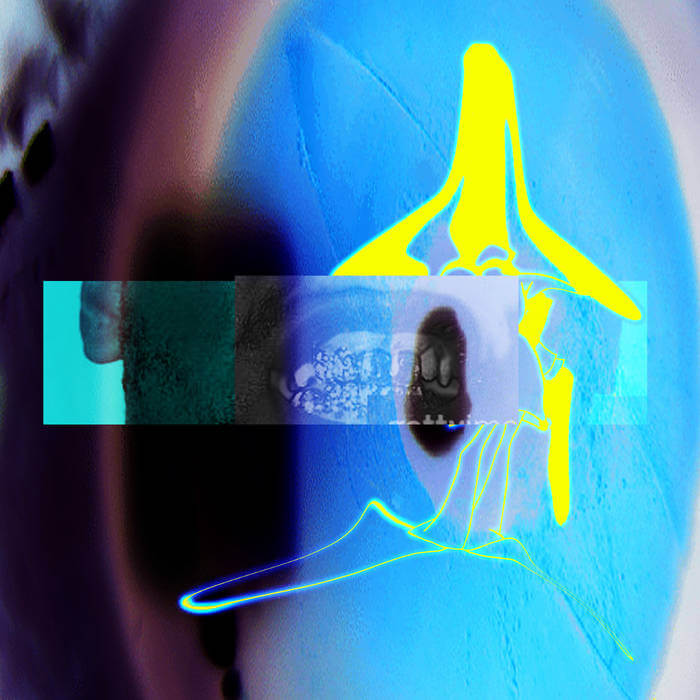 The strings in “Make Me Wise” creep along like shivers up a spine, slowing at the track’s outro into a deep, trudging bass line. Over this eerie, paranoid waltz, E L U C I D raps, “Scarcity is a lie of the state.” His voice grows gruffer and more desperate, digging up the roots beneath his “bad nerves” only to find good reasons for them—mass surveillance, manufactured inequity, state violence. He may be “getting [his] hands dirty” but the empire he’s living in has blood on theirs. Wisdom doesn’t come without fear, and sometimes the most frightening forces are not the ones that take you by surprise, but the slow, banal evils lurking in the periphery: “Even gods get bored, so I pretend I’m you.” —Grace Robins-Somerville
47. Sam Goku: “x-plor09 (much to give)”
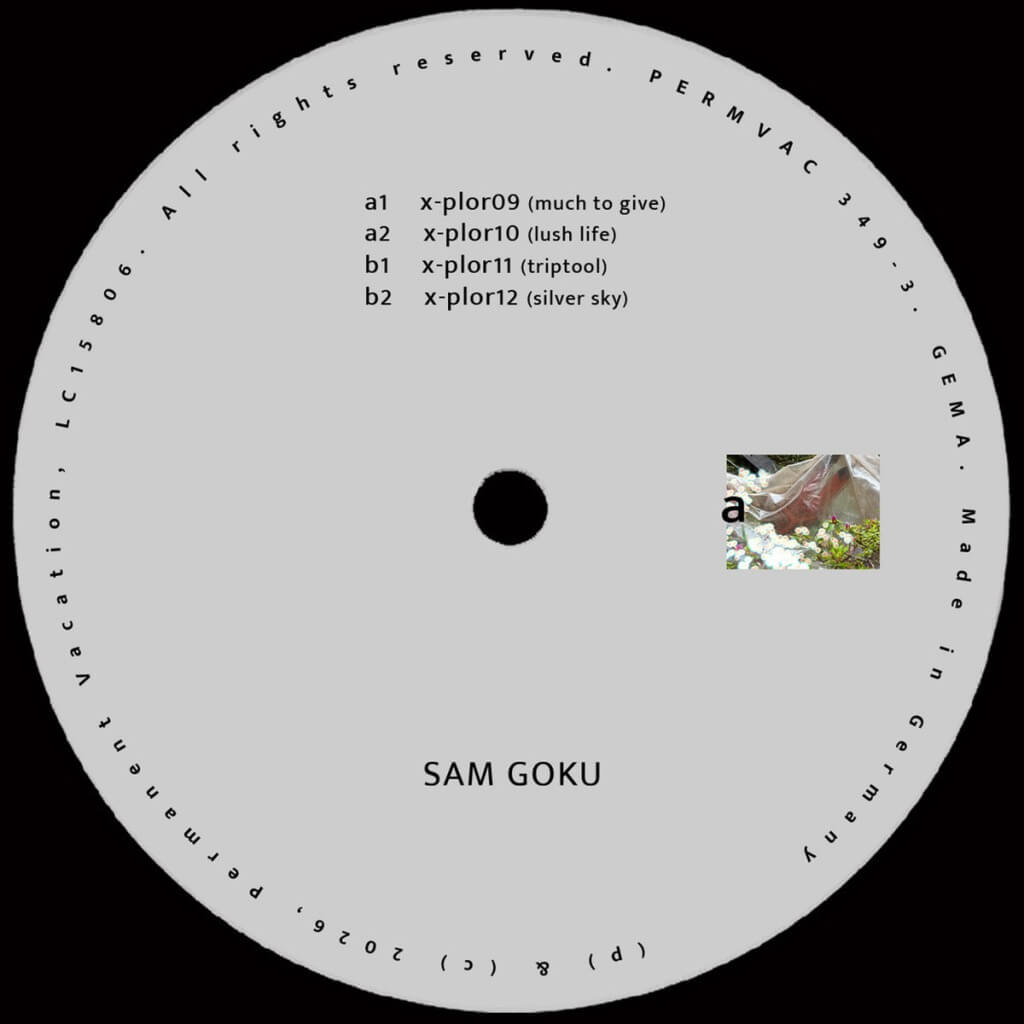 I love a well-done sample flip, and Munich producer Sam Goku does it on “x-plor09 (much to give).” Using the “I’m gonna shower you with love and affection” hook from The Supremes and The Temptations’ joint 1968 single “I’m Gonna Make You Love Me,” Eddie Kendricks’ warped and soulful falsetto arrives in the mix like a sweaty apparition. For seven minutes the house groove stays minimal but builds with blissful sustain. While splashes of Motown vocals cut in and out, Goku feathers inflections of glossy, pinprick synths into the track’s deep, loping bounce. “x-plor09” is dance music performed at the root—a textured, easing glaze. —Matt Mitchell
46. Norman D. Loco: “i want a beer”
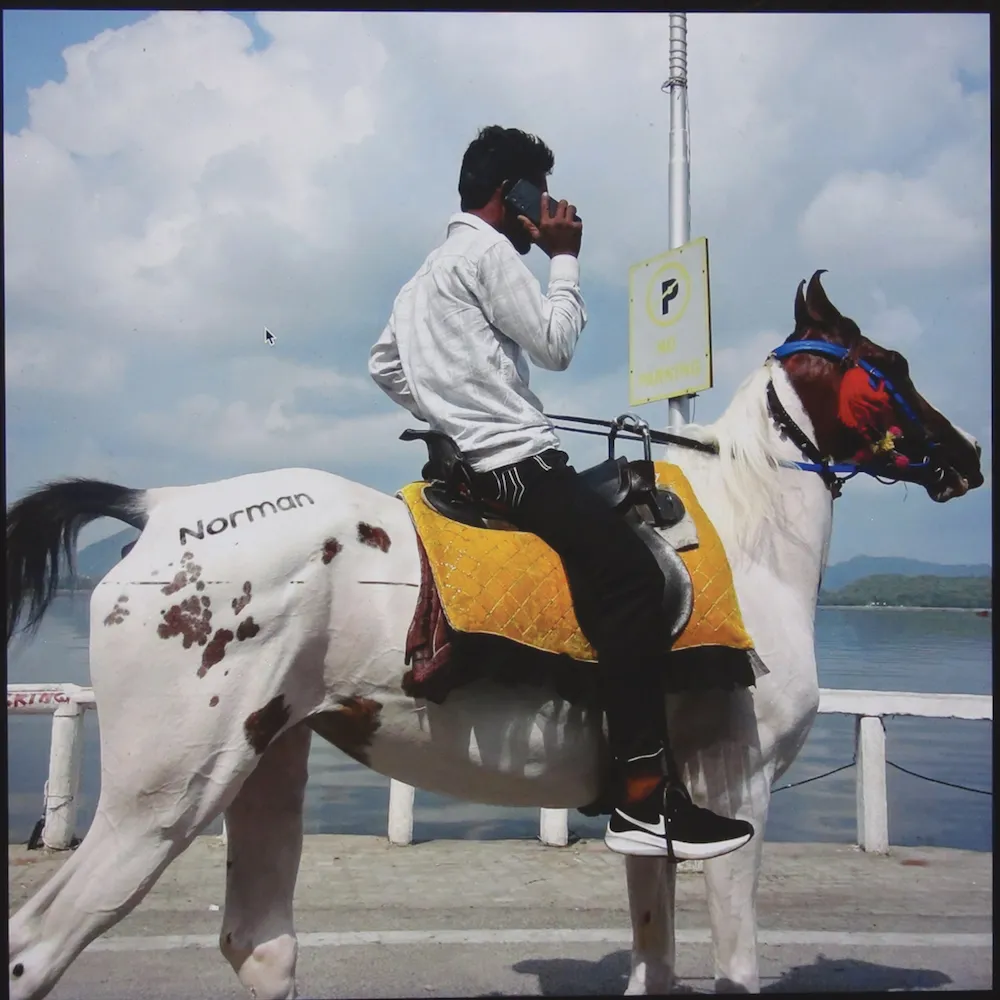 Norman D. Loco: good band name. “Guitar music with lemon zest”: good description. “i want a beer”: good debut single. The London quartet features a singer named Salad and a bassist with four names, one of them Elvis. I don’t know what the Guildhall conservatoire is about, but a few of its graduates know how to make good patchwork psych-pop fuckery à la feeble little horse. “i want a beer” is three months old but still seems brand spanking new, and I’m obsessed with its half-whacked-out, half-whacko textural paradise, which press materials use words like “bespoke” and “mangled” to describe. The “Do you want a lighter? Suddenly you’re a biter” lyric alone has me eating out of this band’s hand. When “i want a beer” came out in February, Salad said he “tried to write a Sean Baker movie in my head and this song is on the soundtrack.” I’m skeptical about the tune fitting into Red Rocket or Tangerine, but what’s undeniable is how much of a squirmy, scattershot hangover it is. I’m getting the spins just thinking about the full-band burst at the 2:27 mark. —Matt Mitchell
45. Mitski: “That White Cat”
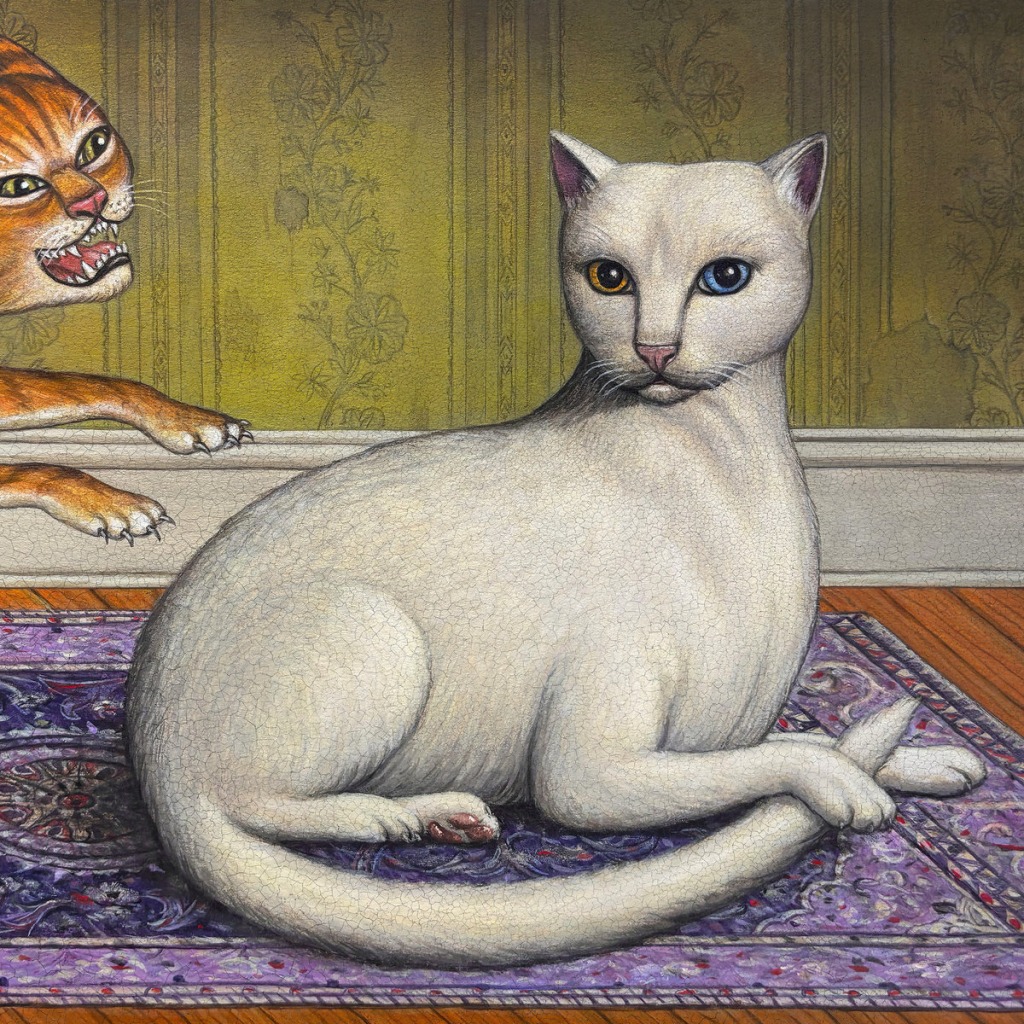 “That White Cat” marches into being with intention: propulsive, militaristic drumming; stray notes from an electric guitar; heavy undergirding bass—in all, more visceral physical momentum than the rest of Nothing’s About to Happen to Me combined. Her voice finds a rawness it rarely reaches on the surrounding tracks, her delivery sharpening into something closer to fury than composure, a waver creeping in on words like “blood” and “bugs” that feels genuinely involuntary, the controlled instrument betraying its player for a few glorious seconds. Lyrically, it’s the album’s funniest and most incisive song, a spiraling domestic ecosystem in miniature; the appalled accusation latent in her delivery of “It’s supposed to be my house / but I guess according to cats / now it’s his house” is a thing of beauty. Property, it turns out, is a fiction; the food chain doesn’t care about your mortgage. I’ve always loved Mitski best out here in the wild—the rollicking rock of Puberty 2, the distortion of Makeout Creek, the viscera of Lush, the wail of that “Class of 2013” Tiny Desk rendition—and “That White Cat” is proof the door to that house is still open. Underneath it all sits the realest question on the album, half-shrieked: ”What do you hold onto?” It rings off the walls as Mitski lets it sit, unanswered save for a group-sung chorus of “ya-ya-ya”s. It lingers long after the song comes to an end. —Casey Epstein-Gross
44. Victoryland: “No Cameras”
 Julian McCamman’s latest Victoryland album, My Heart Is a Room With No Cameras In It, is a triumph of multilayered, spangly bedroom pop, one that finds its zenith on “No Cameras,” a sky-climbing, glitchy, desperate song of devotion dedicated more to the concept of being a Lover Boy than to any one beloved in particular. McCamman’s solemn insistence on verifying, validating, and pushing forth his own emotions is bathed in craggy guitars and dissonant half-harmonies, an appropriately rough and rowdy approach to a song about trying and failing and trying again. Dance-y and resilient, the tune opens with a bang and keeps punching through for its three-minute run, simple bass lines and drum beats providing a sturdy skeleton for McCamman’s more experimental sensibilities. His imagery is as evocative and indulgent as ever: “diving into the garbage disposal / with a balled up fist” is a particularly wince-inducing couplet. His real refrain, however, is something more primitive: “I have so much love to give,” he promises, pleads, shouts angrily to the heavens as the song warps and bursts around him. —Miranda Wollen
43. Namasenda: “Madonna”
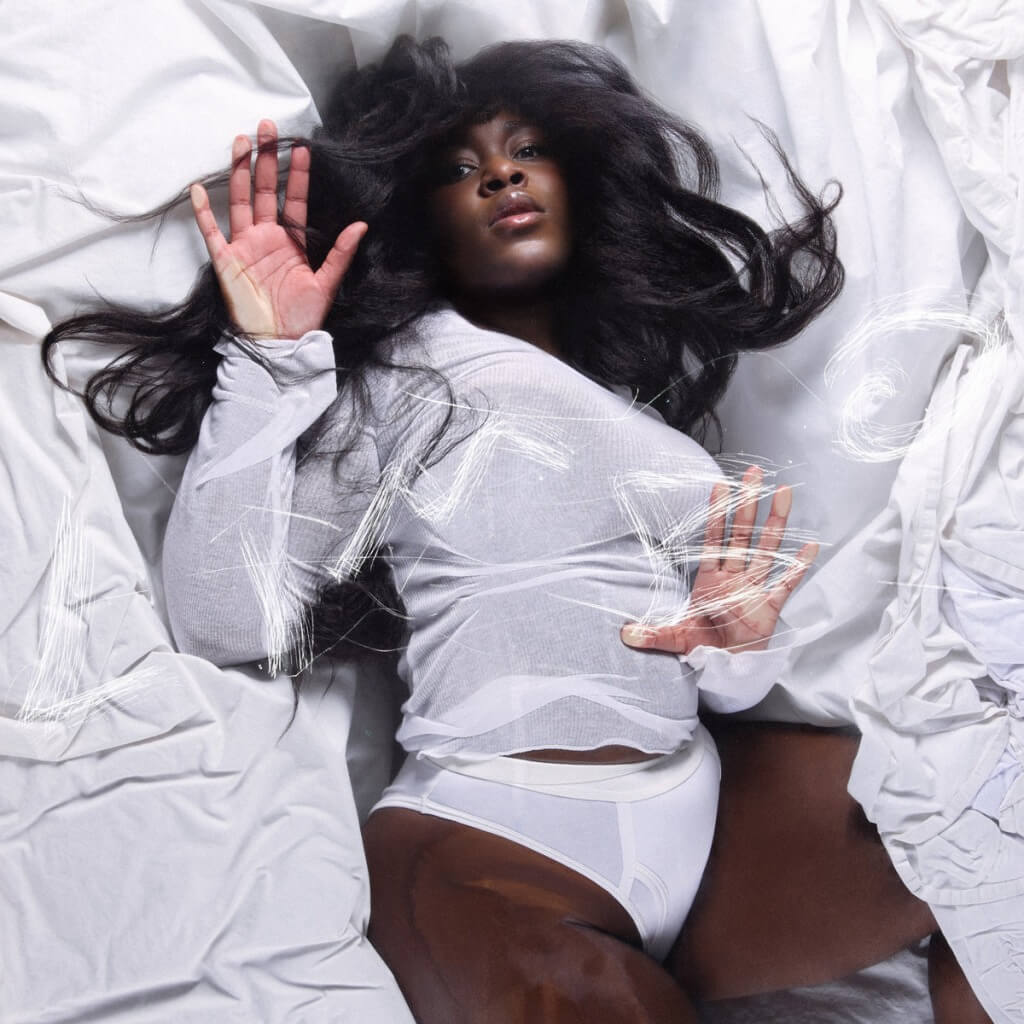 Limbo tends to refer to in-between states, but Namasenda’s album of the same name speaks only in extremes and excesses, favoring maximalist trance and rave sounds as the sports car-flashy vehicles for desires both earthly and emotional. “Glacier collision / My diamonds glisten / All love is prison,” the Swedish pop star sings, her melodrama manifesting in spoken-word bimbo stoicism, with production that gleams like a fresh coat of lip gloss. At the motormouthed chorus, she plays the virgin and the whore, and demands the kind of undying devotion only religious fanatics and hardcore popheads are capable of: “Love me like I’m your Madonnna.” What else can you say but “MOTHER”? —Grace Robins-Somerville
42. Friko: “Still Around”
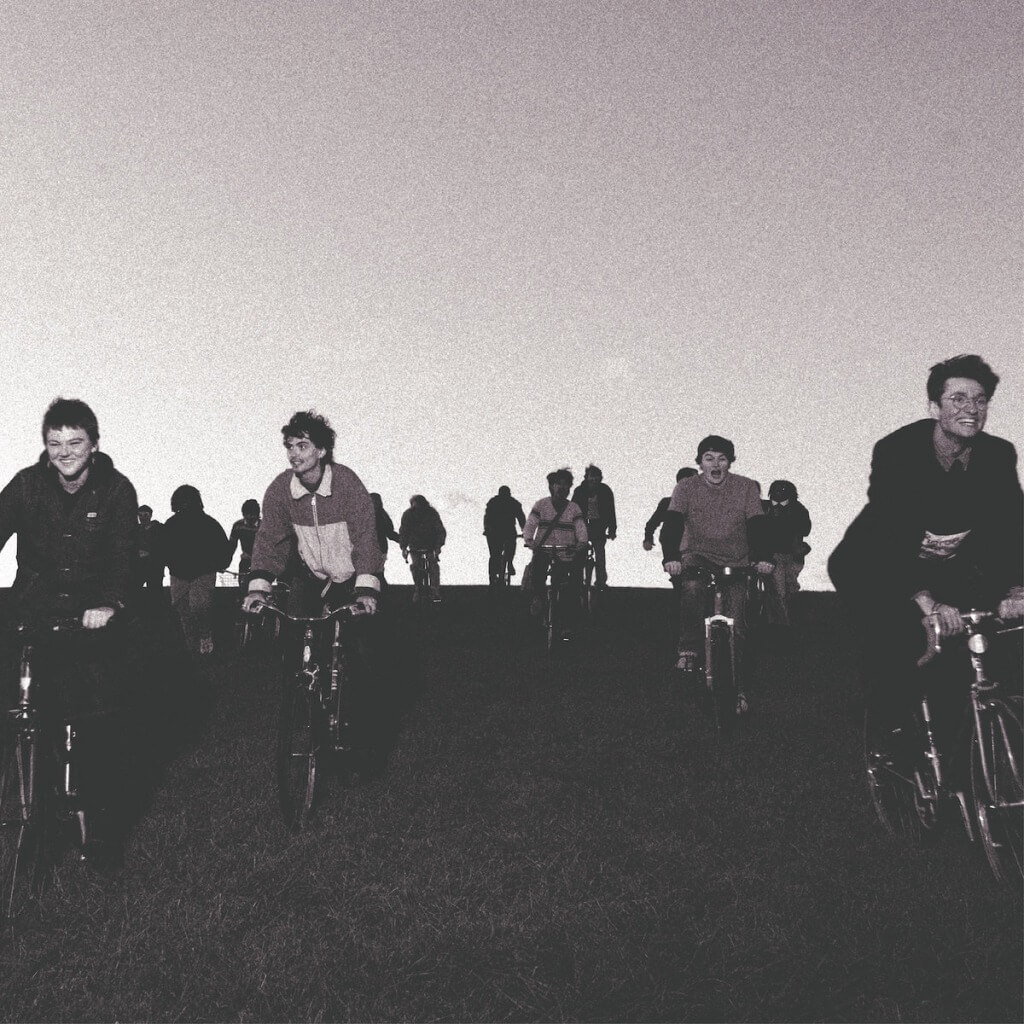 Where we’ve been, Where we go from here is still the best rock debut of this decade. Its well-titled follow-up, Something Worth Waiting For, sprung to life via “Seven Degrees” and “Choo Choo” (both very good songs) earlier this year, but single #3, “Still Around,” is tightly-wound perfection fine-tuned by John Congleton. Big guitar hooks from Niko Kapetan, head-splitting snare-drum cracks from Bailey Minzenberger, and rhythmic intervals supplied by Korgan Rob and David Fuller pile onto each other. “Still Around” bends, curls, and shouts but never snaps. Friko holler “it only starts to come when you need it most” sixteen times, answering their own tattered, jumpy siren. It’s impossible not to love these four people, man. You better get in while you fit in. Bury me beneath the Schubas floor so I can listen to this band forever. —Matt Mitchell
41. ear: “Ne Plus Ultra”
 ear brings a certain “collage assault” je ne sais quoi to A24’s music label, as the IDM-ish duo’s hyperactive, exceptionally textured electronica slots in well beside mark william lewis and Sophia Stel. Rumspringa lead single “Ne Plus Ultra” is a tense, impulsive addition to this current phase of “laptop twee,” as ear uses Sparklehorse and digital hardcore to locate the dissonance of its lowercase sound. “Ne Plus Ultra” translates to “nothing further beyond” and, at one point in the middle of the track, the duo fades a crying kitten into a synth. I’m obsessed with how disorienting it all is, especially when the bleeps, celestial-sigh vocal parts, and buzzsaw bass tears streak through ear’s cut-and-paste glitchscape. “Ne Plus Ultra” is two Bard students’ miniature cosmic opera. —Matt Mitchell
40. Lucy Liyou: “Crisis (Identity)”
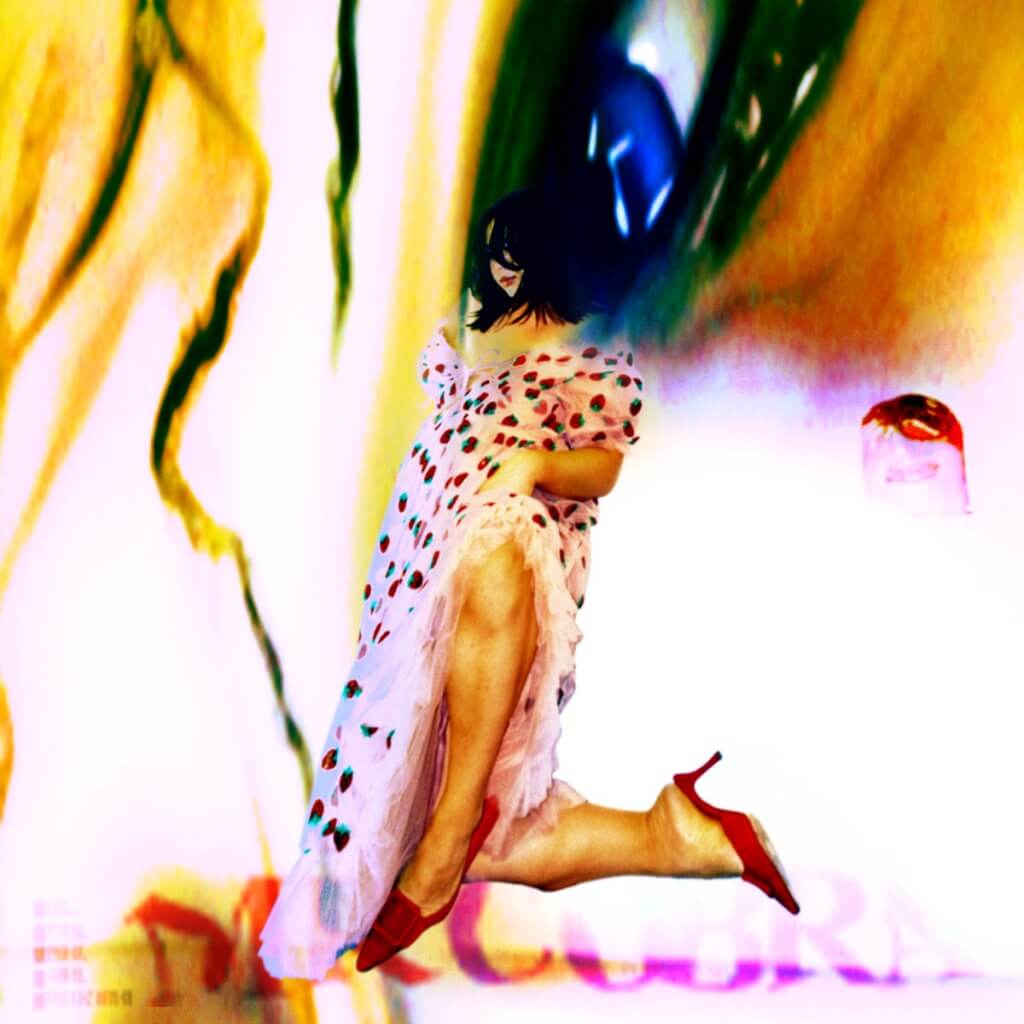 Around the 90-second mark of “Crisis (Identity),” Lucy Liyou whispers, apropos of nothing, “This is not music.” But what can we call it if not music, if not art? The track pulses quietly to life with muted percussion and an eerie piano line, Liyou’s whisper rendered silky and sultry around the words “my body’s such a narcissist,” the harmonies around it becoming inexplicably unsettling. The refrain is an utter earworm: “Might not be what you’ve envisioned / Might not be what you’ve been missing,” Liyou croons, all deceptively demure falsetto, as if peering out from below her eyelashes. “But losing your temper will prove me wrong.” That last word stretches out like a snake, winding through an addictive riff. Then the “uh-uh”s kick in, and the song grows more and more discomforting: a dissonant piano plink here, a serpentine hiss there; a sax solo and barely audible words woosh in and out of earshot. The tempo speeds and speeds. It feels like an identity breakdown in real time: a desperate attempt to find oneself in the gaze of another. To be fair, I saw Liyou’s stage performance of her record, so it’s hard for me to hear the hypnotic groove of the track without seeing Liyou-as-Babygirl fellating a gray mannequin’s nondescript bulge with a mouth of full of blood, leaving a smear of red in her wake as she goes about tearing its arms from its limbs, and sure, maybe that increases its impact. But I’ve found myself, for reasons beyond my comprehension, coming back to “Crisis (Identity)” again and again over the past few months, not for the meaning but just for the sounds: on the subway, in the street, lying in bed. Something about its pulse worms its way into your chest and makes a home there, whether you want it to or not. —Casey Epstein-Gross
39. Fire-Toolz feat. Jennifer Holm: “And Where Is The Heart? I’ve Searched My Entire Home”
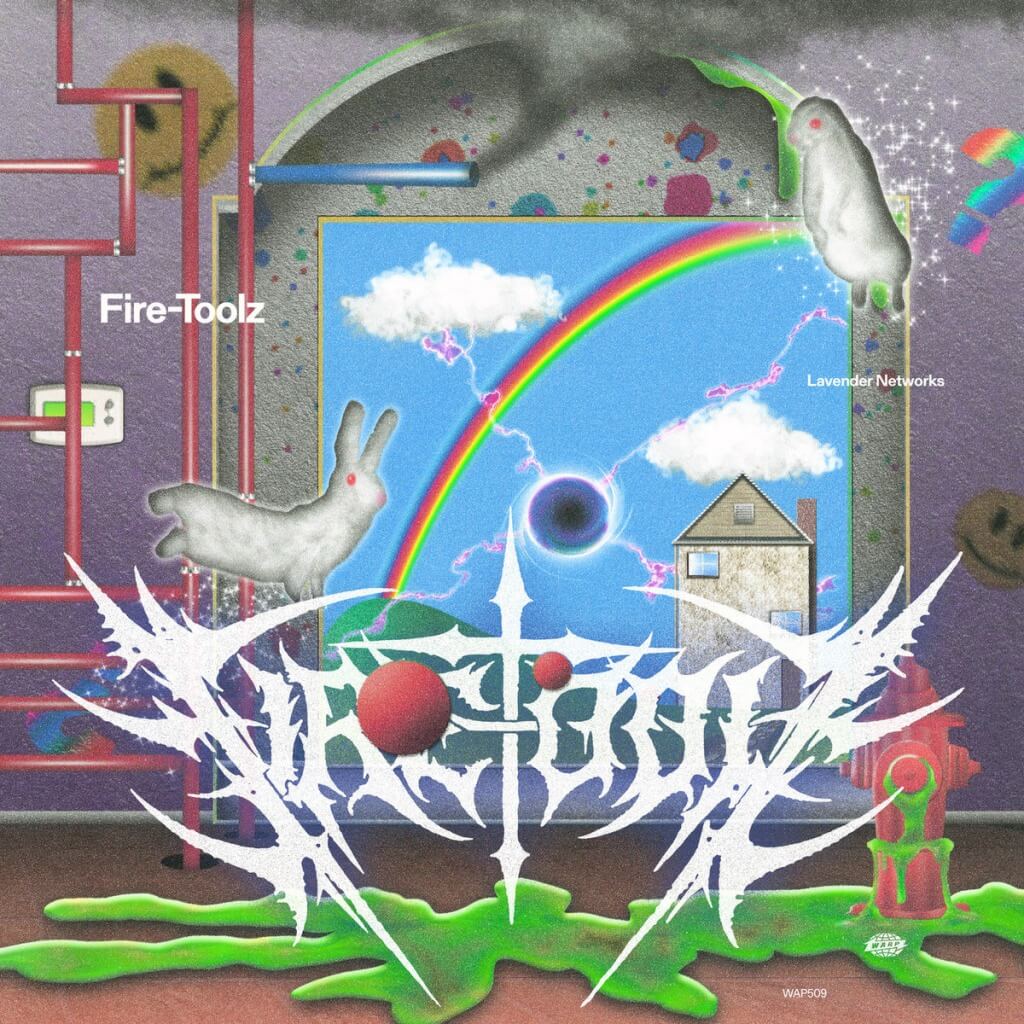 While watching an Eddy Burback clip on YouTube, Fire-Toolz fixated on a royalty-free stock song playing in the background and traced it back to Jennifer Holm, a “session singer, church mommy and Nashville lady.” Holm’s anonymity lends her singing a certain impossibility on “And Where Is The Heart? I’ve Searched My Entire Home.” Her voice reaches me like Beth Gibbons’ does on Dummy, and Fire-Toolz surrounds her with a synth that clangs like a Beverly Glenn-Copeland idea circa-Keyboard Fantasies. But what’s gentle then powers a swirl of ‘80s-blockbuster-score electronica later, until Holm’s harmony dissipates and Fire-Toolz’s screamo growls start to brighten. “And Where Is The Heart? I’ve Searched My Entire Home” is, as she calls it, about grief: “everything about the song makes me feel like I’m walking through the neighborhood on a warm day, with no one to answer to, just being. Being afraid, being cozy.” But the vibrations are never dispirited, especially when they accumulate into a pixelated euphoria. “And Where Is The Heart? I’ve Searched My Entire Home” is post-hardcore, post-Hiroshi Yoshimura, post-PC, post-New Age music. Overstimulation rarely sounds this genius. —Matt Mitchell
38. Kim Petras: “Brutalist”
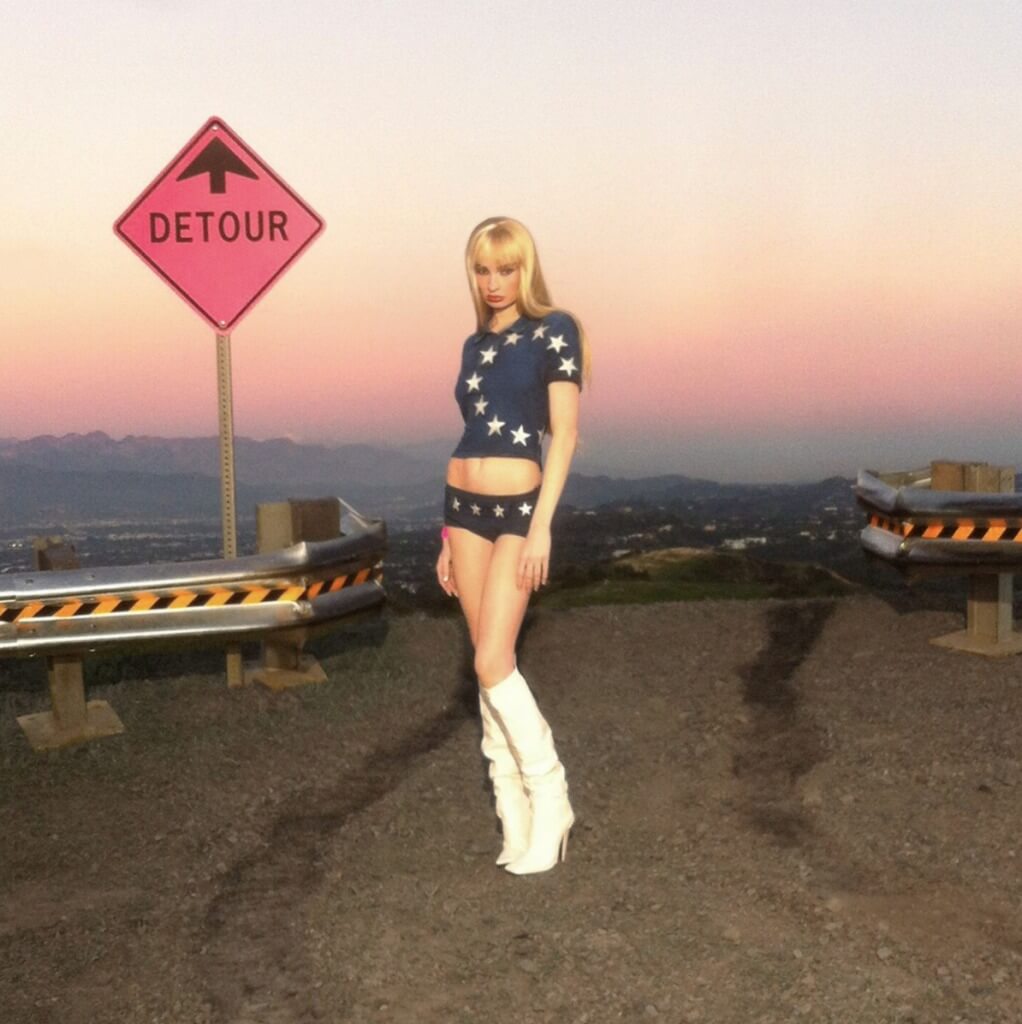 The best song on Kim Petras’ new album Detour starts with a twinkle of synth and throb of bass ripped straight from a mid-aughts classic. For some listeners, maybe that’s reductive, but it’s refreshing to hear sacred pop texts, like Love. Angel. Music. Baby. and The Dutchess, alive in Petras’ DNA. What she really likes about those albums is their awareness of that loose, braggadocious production style found on Polow da Don, Timbaland, and Pharrell recordings. The distance between Bubba Sparxxx and the woman who made “Throat Goat” is shorter than you’d expect. “Brutalist” is, in my opinion, the best songwriting Petras has ever done. Next to an almost Kraftwerk style of German electronic production, she uses a story of her architect dad’s critique of a since-demolished building as a metaphor for people’s perceptions of “trans people ruining their bodies”: “Yeah, they took a knife to it. They took a bomb to it. They bulldozered it. They didn’t give a shit; it really breaks my heart what they did to it.” Here’s a banger that could go bar-for-bar with anyone on the charts right now. This is the idol Petras was promised to be when “Heart to Break” came out eight years ago. —Matt Mitchell
37. Vince Staples: “Blackberry Marmalade”
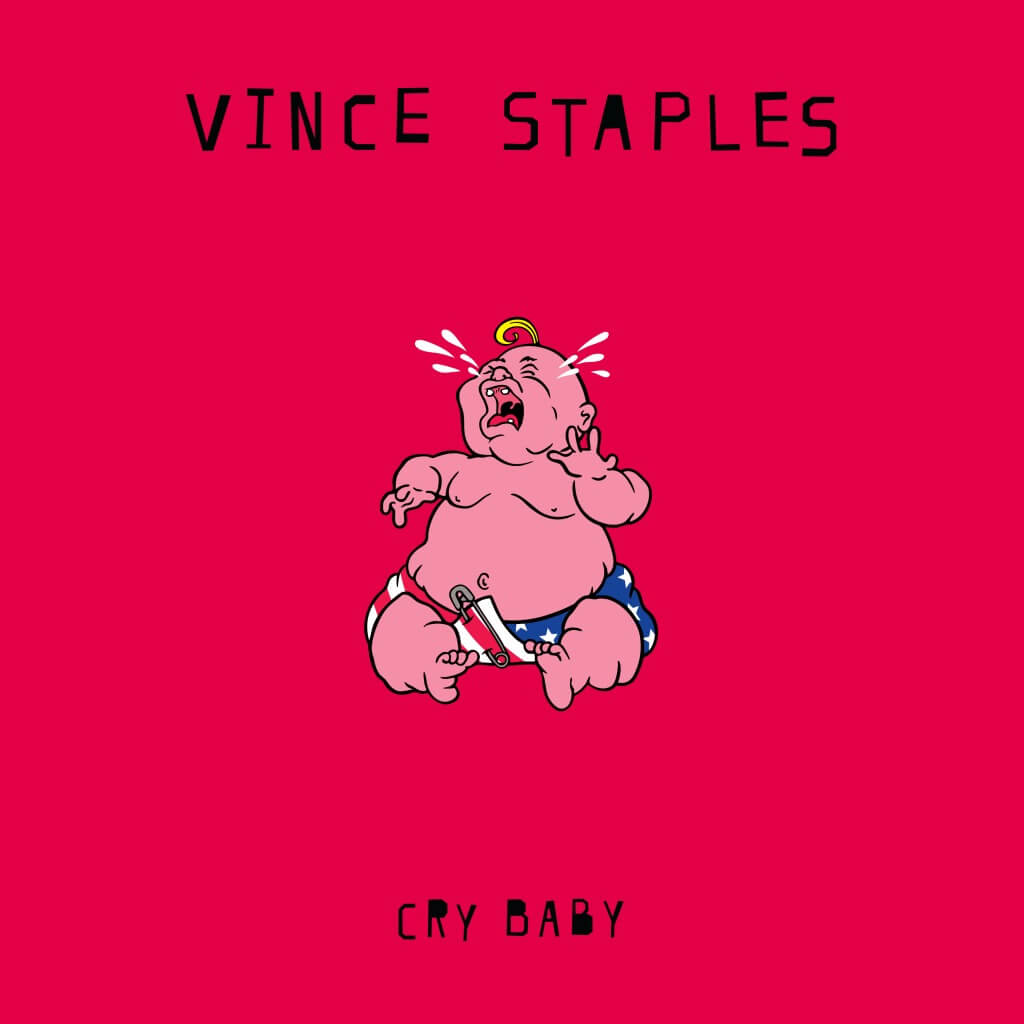 Like the greatest standouts on his 2015 masterpiece Summertime ’06 or its Big Fish Theory follow-up, Vince Staples knows how to hide his bracing sociopolitical commentary in plain sight among earworm hooks. Summer’s always been his season. But in Vince Staples’ musical and cinematic world, sunnier days are never without a violent undercurrent. The threat of brutality never stops the party, but always looms over it. “Blackberry Marmalade”’s refrain of “promise me you won’t gun me down” is paired with a music video where Staples stares down the barrel of a mass shooter’s gun. Directness works in Staples’ favor on the single. If he’s being overt and obvious—about gun violence, exploitation, the surveillance state, and material dangers that come from anti-Black stereotyping—it’s because the truth is impossible to ignore. “Blackberry Marmalade” is a rejection of (white) America’s denial culture. “I know it’s polarizin,’” Staples remarks. He’s never been one to shy away from extremes, and he’s not about to start now. —Grace Robins-Somerville
36. Charli XCX: “SS26”
 The consequence of overstimulation and oversaturation powers Charli XCX’s recent single, “SS26.” In the aftermath of Brat and The Moment, the song feels less like a continuation than a trend exit, even more so than her earlier dead dancefloor paean, “Rock Music.” With A.G. Cook and Finn Keane’s minimalist, lo-fi guitar co-production threaded through the track, Charli riffs on Notes app apologies, press strategy politics, and getting hacked while walking on a runway that “goes straight to Hell.” In less than three minutes, she finds deliverance in separating herself from Brat, its shade of green, and the tie-in A24 movie, because none of those things can stop the end of the world. The line “nothing’s gonna save us, not music, fashion, or film” feels truthful in the same way “‘cause my career feels so small in the existential scheme of it all” did in “I think about it all the time.” Where “Rock Music” was taking the piss, “SS26” is sad to a near-violent degree. —Matt Mitchell
35. Massive Attack / Tom Waits: “Boots on the Ground”
 Tom Waits hadn’t put out an original song since Bad as Me in 2011. Massive Attack hadn’t released anything since the Eutopia EP in 2020. But two of music’s most missed hermits decided to emerge from their respective bunkers simultaneously—five days after the latter’s Robert Del Naja was arrested at a Palestine Action demonstration in Trafalgar Square, no less—and the result is seven minutes of bleary, furious, exquisitely paced doom. “Boots on the Ground” reportedly sat in Massive Attack’s hands for years after Waits sent it over, and that patience shows in the production, which breathes and tightens with a surgeon’s sense of timing. The Bristol pair lays a bed of plucked piano and bruised synths that recall their Mezzanine-era claustrophobia, while percussion and brass clatter from Waits’s corner of the room like a junkyard New Orleans funeral march. He sounds magnificent: looser, somehow even more gravelly than you remember, veering from barked absurdity (I never knew I needed to hear Tom Waits wail “big titties, big titties” or “young, dumb, and full of cum” but, well, here we are) to plain-spoken political rage that could strip paint off a warship (“Now who the hell are these federal pricks? / Hiding in the Senate like a bloated-ass tick / Air-conditioned fuckstick loafers / Sittin’ in a room full of army posters”). —Casey Epstein-Gross
34. Sluice: “Vegas”
 Sluice’s “Vegas” is quite the manifesto. The band wastes no time getting to the meat of things on the finale of Companion, their pensive, pleading, surprisingly hopeful autopsy of 21st-century connection (or lack thereof). “Vegas” is a disjointed manifold of weird little things that make up a life, especially a creative one: Justin Morris describes selling merchandise for Angel Olsen, having the Tweedys teach him how to die, fumbling toward a Pitchfork review (he doesn’t even have the strength, in the moment, to hope for a positive one.) The song is relentless and rowdy, a wave of electric guitars and pounding drums that ebbs and flows alongside Morris’s anxieties and dreams. Morris pines for his friends and family (who appear, touchingly, in the song’s found-footage music video), considers giving up a music career, decides he can’t stomach what he’s got. It’s a strangely triumphant ending to the album, even if it doesn’t seem so at first blush. Whether because of or in spite of the late-capitalist, mid-thirties hellscape within which he’s forced to operate, Morris and his band will keep on keeping on. —Miranda Wollen
33. MUNA: “Dancing On The Wall”
 I’ve been rooting for MUNA since 2021, when a Columbus crowd made the newly-released “Silk Chiffon” sound like a #1 sensation. If you were there that night, you’d have sworn the trio were taking the express lane to superstardom, too. Are they there, though? If opening for Taylor Swift on the Eras Tour or having a Tiny Desk concert count, then sure, they’re flirting with the A-list. It seemed like Katie Gavin, Josette Maskin, and Naomi McPherson found their rightful place in the queer pop pantheon on MUNA. “Anything But Me”? Now that’s a hit song. Every MUNA number should sound that huge. “Dancing On The Wall” somehow sounds huger. It’s not just a gay pop banger on steroids, but a lead single that knocks the door off its hinges with a catchy, thudding kick. Everything I wanted MUNA to be five years ago is out the window. This is bright, loud, transportive pop music: pitch-shifted “when I’m with you, I’m on the wall” playbacks that soothe; a tasty chorus woven into a smart tempo shift at the bridge. I’d bang my head against the wall for a million more songs like it. —Matt Mitchell
32. oldstar: “Whiskey”
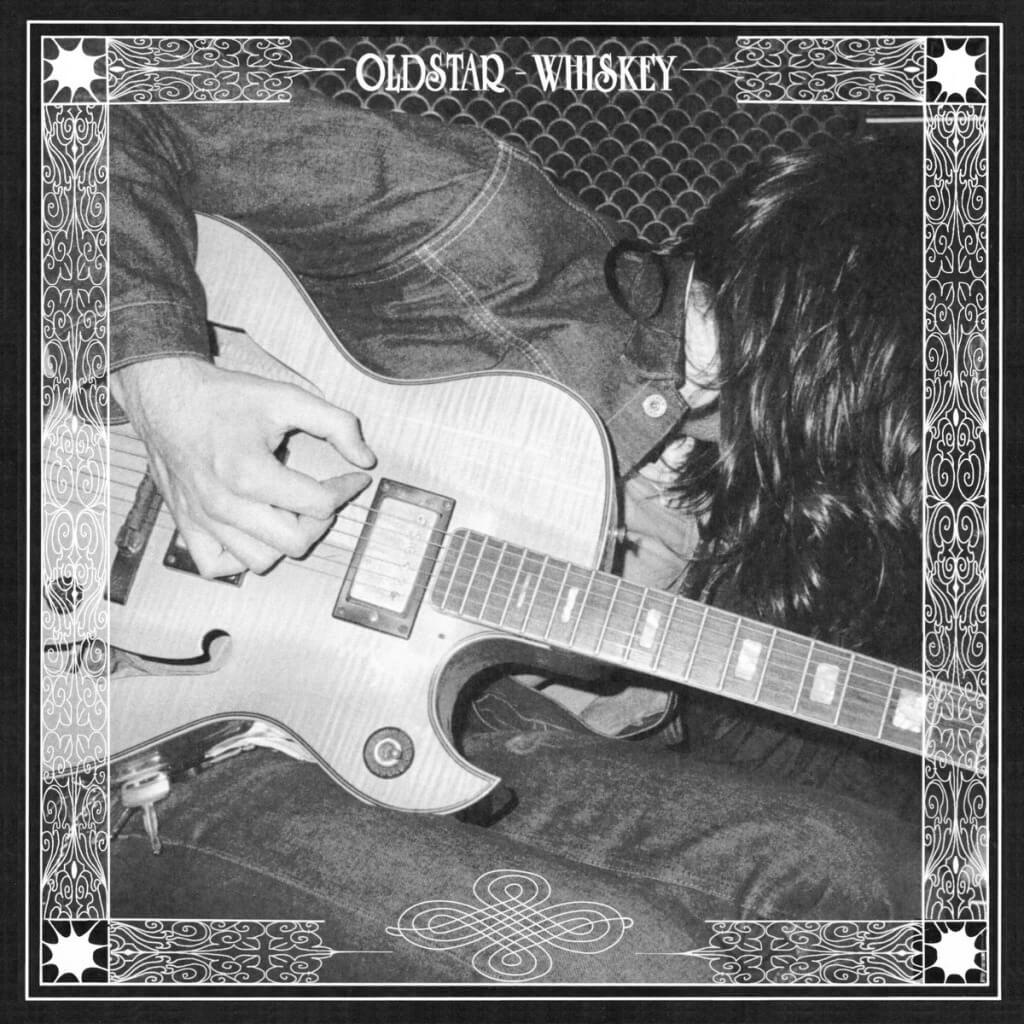 Get me to Panama City Beach pronto, because this oldstar jawn is one hundred amps tall. Zane McLaughlin is barely old enough to be a college graduate, let alone this good at chasing tones. “Whiskey” is five minutes going on an hour because their guitar crunch stretches like a wet T-shirt. Personally, I like my distortion sloppy as a drunk kiss, and oldstar uncoil with the best of them on “Whiskey.” Lamenting the critical mass of alt-country, somebody online recently said, “Put down the pedal steel and pick up a DS-1,” but I just think we oughta let Daniel Haas through this one time. Those bends? Hotter than the gator sun. McLaughlin’s lyrics sound like they were written on a napkin. “Trash truck don’t mean much right now, wish I could unsend that letter somehow” tells me everything without saying too much. “Whiskey” builds into a guitar blowout that could baptize a newborn. Here is oldstar’s true Econoline fever dream, where stiff drinks and Florida rain taste the same. Shit, what a time to be young and bit by the bug of rock and fucking roll. —Matt Mitchell
31. Starker feat. YL: “Lala”
 I only got put onto New York hip-hop label and crew RRR (“Real Recognize Real,” obviously) recently, but listening to LIVING TYPE DANGEROUS Vol. 1, I feel like I arrived just in time. Of the nineteen songs across the album, half a dozen could probably slot into this list, but I have to go with the Laron-produced number “Lala.” It’s a killer look at the long-standing partnership between Starker and RRR founder YL, their off-kilter flows flipping and dipping over the beat, somehow both in the pocket and dancing around it. There’s a contagious playfulness to the track, whether it’s from the adlibs behind every other phrase, the childlike “lalalala”s permeating the whole track, or Laron keeping the whole thing sweet and hazy. It’s time-honored East Coast shit through and through, at once reminiscent of the New York scene of old and utterly of-the-moment. —Casey Epstein-Gross
30. Wild Pink: “Round of Applause at the End of the World”
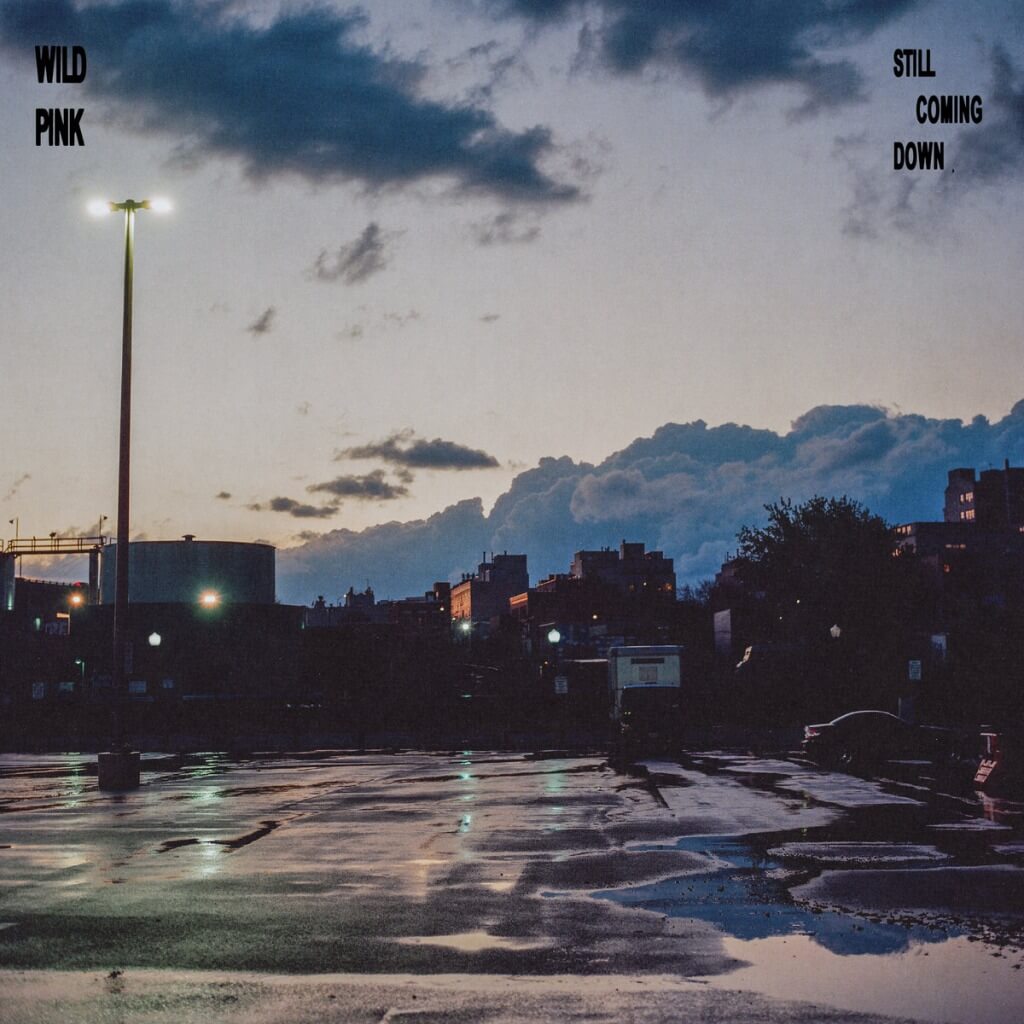 Wild Pink is back, the Kennedy brothers are dead, and our phasers are fried. I can’t prove it, but John Ross seems like the type of guy who names random NBA players with his friends. How else do I explain “Round of Applause at the End of the World,” a song about patsies killing patsies and a presidential motorcade driving through Ybor City? It’s Craig Finn circa 2004-meets-J Mascis doing Springsteen. There’s an accordion riff from Sparrow Smith at the beginning of the Still Coming Down lead single, then traces of Xandy Chelmis’ pedal steel. All of it wafts beneath an onslaught of guitar crunch and tangles with a hue of twang. Ross doesn’t overwork his references, nor does poetry seem as inscrutable now as it did on Dulling the Horns two years ago. Sirhan Sirhan and Jack Ruby are hypnotized and follow their own moral codes while the South laughs, but no beat here feels forced. Ross sighs through the refrain, singing “I don’t know what my idea of fun is anymore” until Smith’s squeezebox starts to whistle again. In Wild Pink’s hands, rock and roll is here to stay. —Matt Mitchell
29. Kelela: “point blank”
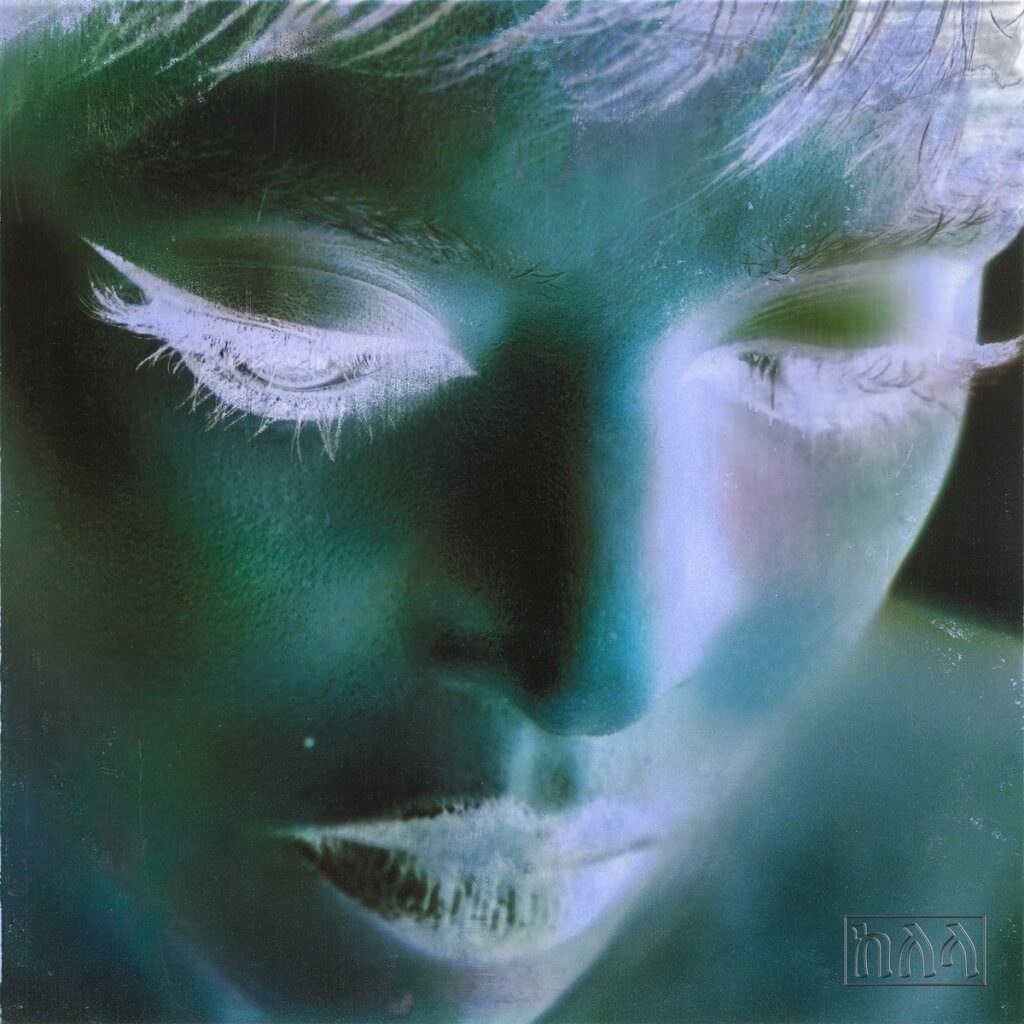 The soul of Cut 4 Me lingers in the snipped West London broken beat of “point blank.” Kelela’s spaciousness returns in delays and breakbeats. She’s processing the fantasy of helping men grow up emotionally by delivering lines like “the more I pour, the more you reap, and I’m too spent to weep” and “n****s refuse to read, somehow y’all got a lot to say” in a quiet storm while a chop of garage rattles beneath her. The vocal layering here feels intimate and immediate, and her syncopated, breathy expressions carry with them an urgency that previous singles “idea1” and “linknb” only hinted at. Can you hear that noise in the street? They’re building altars to “can you slut me out” out there. Kelela’s ties to Fade to Mind and Night Slugs vibrate throughout “point blank.” She and drum ‘n’ bass move like covalent bonds—like tangled infinities. —Matt Mitchell
28. Twisted Teens: “Wild Connection”
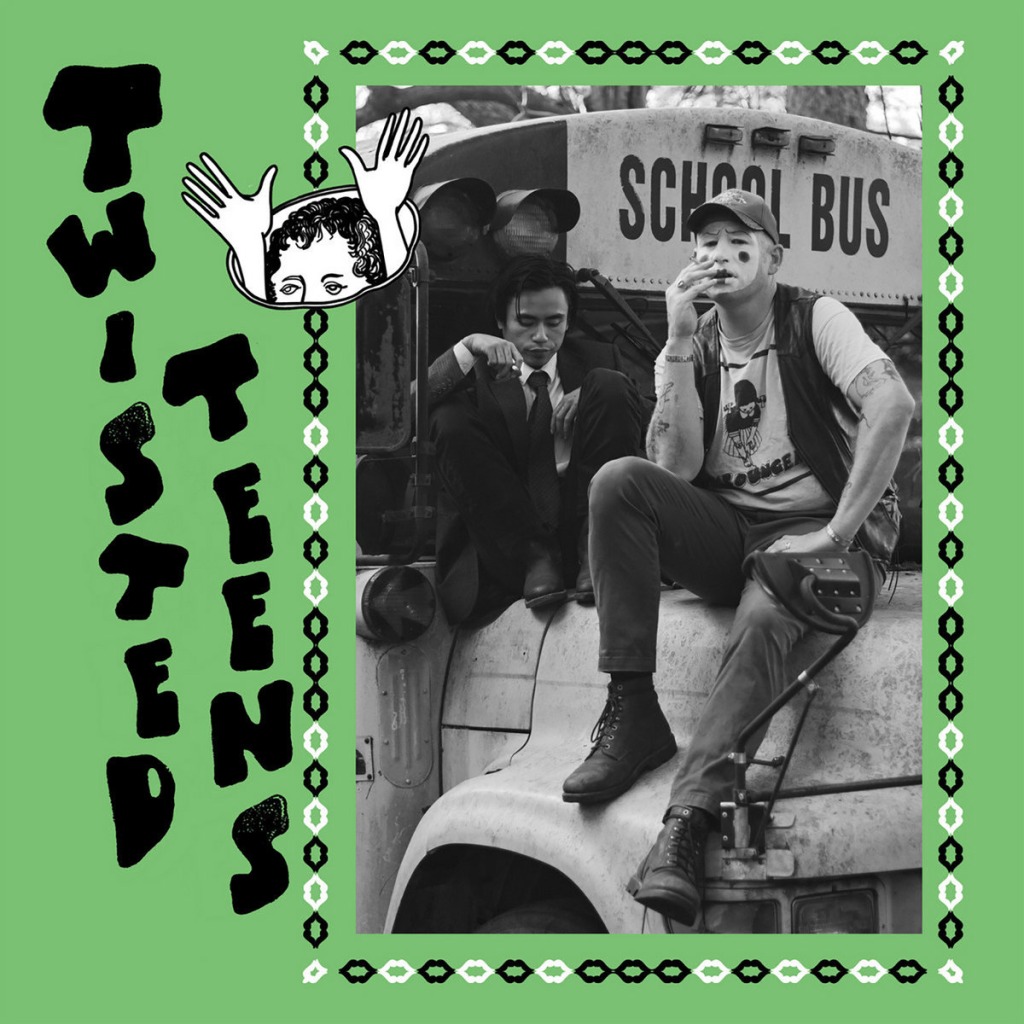 Punk bands have been borrowing country’s tools for half a century, but Twisted Teens don’t play it like a borrowed toy: the steel guitar is load-bearing here, a full second voice rather than set dressing. Razor Ramone’s playing is seamless, wiry, and conversational, darting in and out of Caspian’s lines, most of which are yelped with the swagger of the new boyfriend strutting past a gauntlet of exes—quite literally, considering that’s largely the premise. He writes the way jealous people actually think: every tender gesture toward the girl immediately ledgered against the inadequacies of the competition. He can’t describe his own courtship (tarot readings, the radical act of asking questions) without itemizing why the other guys’ hobbies are pathetic—although, to be fair, he’s absolutely on the money about Kalshi. It’s puppy love rendered in playground logic, complete with a schoolyard insult for the ages (“you’re duller than a woolen mallet / slapping old potato”). But then there’s then the rug-pull of a final verse, where our hero reveals he’s run off with the subject’s friend instead. The song’s a heel turn in miniature. The Deslondes’ Howe Pearson sits in on drums and keeps it loping at a brisk barroom canter, the steel saying tenderness while Caspian’s roguish tenor smirks trouble. Blame the Clown kicked around on tour-merch cassettes before finally hitting streaming in February, and “Wild Connection” might be the clearest evidence for why people were ripping it to YouTube in the interim: funny, sweet, mean, and built like a brick outhouse, all in under three minutes. —Casey Epstein-Gross
27. DJ Sabrina The Teenage DJ: “Rainfalls”
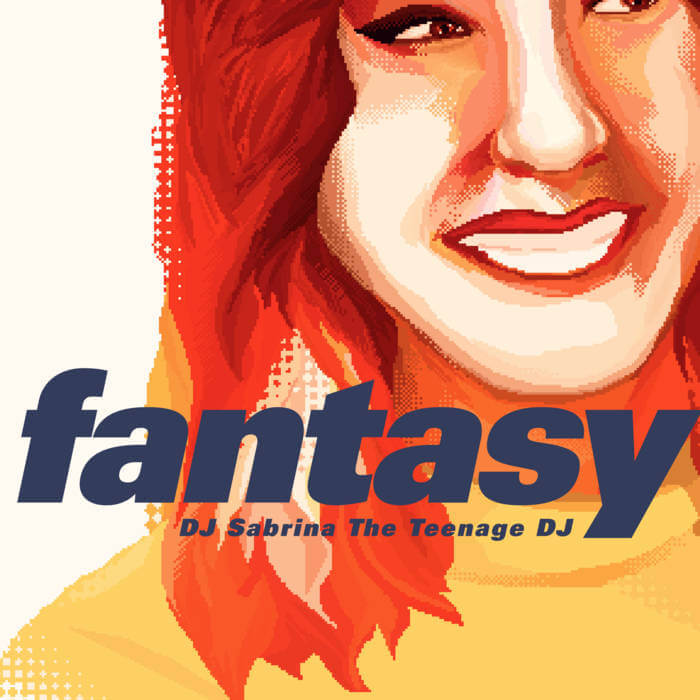 Near the end of the Fantasy tracklist is “Rainfalls,” a monster, twelve-minute dance track that features fifteen to thirty samples at any given time—a hundred or so in total, if DJ Sabrina The Teeange DJ’s own approximations are correct. Femme and pixelated, “Rainfalls” is emotive. A vocal sample pokes through a Bruce Hornsby’s “Changes”-style piano, declaring that “we’re gonna do our very best to take you on a journey through my personal life. There’s nobody else there, it’s just me” before swelling into a four-on-the-floor heartbeat flushed by spanky synths and discombobulated voices. To describe “Rainfalls,” I go back to this Sabrina quote from my interview with her last year. Talking about the Avalanches song “Since I Left You,” she wrote to me: “[The song] has a very uncanny feeling where it sounds alive and organic, but everything is brought back to life from the dead, like old Victorian corpus photography where they posed the deceased around as if they were still with us.” That’s the crux of “Rainfalls” and its self-referential, skyscraping hypnosis—zigging and zagging through resurrections of techno and splashes of house music in an overwhelming but tenacious pile of pop ideas. The color of Sabrina’s primordial ooze is unmistakable and, hours and hours of music later, still one of a kind. —Matt Mitchell
26. Iceage: “Star”
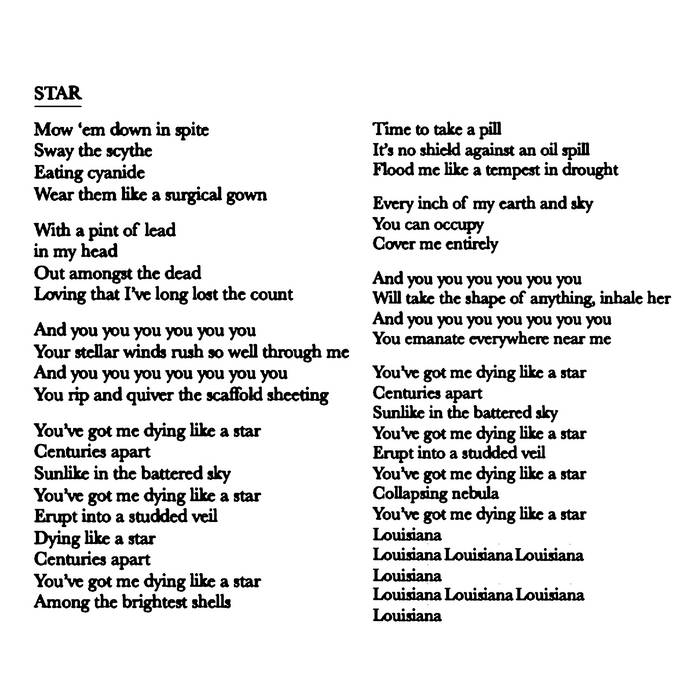 Who’d have guessed that the best Iceage song since 2018 would be the Danish band’s poppiest mark yet? Maybe I should have, considering how tight Elias Rønnenfelt and Dean Blunt are these days, and “Star” arrives like an outcome of that, though it’s also not too far off from the melodic punk on New Brigade. But no matter how good his and Blunt’s Lucre was last year, not all of Rønnenfelt’s escapades are created equal, and I find him to be at his most compelling when he’s pronouncing “Louisiana” like a psychopath (seriously, he could stump a dialect expert with that one) or chewing on the high-drama of erotic images like “every inch of my earth and sky you can occupy, cover me entirely” and “you emanate everywhere near me.” Rønnenfelt and his bandmates put some serious jangle in this gothic jawn, brooding through the sex-and-death decay of off-beat drums, blood-red bass licks, tearing riffs, and postcard lyrics (“sunlike in the battered sky”). More handclaps in rock and roll, please. —Matt Mitchell
25. Daughn Gibson: “Sacred Life”
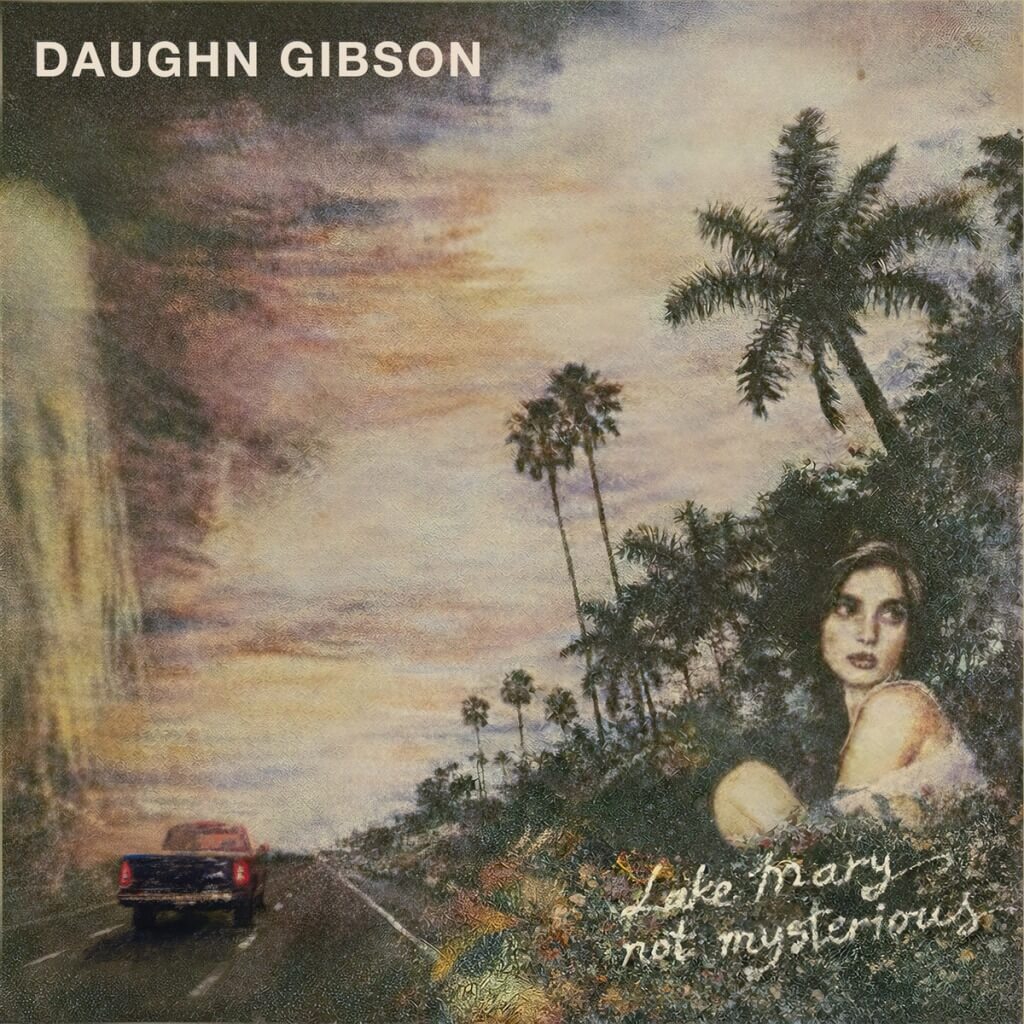 It’s been over a decade since Carnation, Daughn Gibson’s last full-length record, but “Sacred Life” alone proves the Pennsylvania crooner’s still got it. It’s all heartland twang and reverberating synth, Gibson’s deep bass filling out every corner of the room—like some long-lost Matt Berninger-fronted country ballad. “You die bloody inside the bank / A bloody body’s not your fault,” Gibson sings, rumbling and resonant. “But I know you can’t live in the same soul.” After years away, he sounds newly emboldened, turning a song about status, shame, and reinvention into something strangely triumphant. It’s a reminder that his music still lives in that sweet spot where noir fatalism meets plainspoken, barlit empathy. —Casey Epstein-Gross
24. Qontinue: “Pressured Up”
 The only thing I know about Qontinue is that he’s from Toronto and put out a great record called FIGURING(!) this year, but maybe that’s all I need to know. The tape appeared on my Bandcamp feed last month and I’ve been revisiting it constantly. Track two, “Pressured Up,” is a small masterpiece, as a glut of heady gospel and soul samples drape over Qontinue like a jazz arrangement. There’s no blaps or pretension, just Navy Blue’s melodicism, MIKE’s tempo, and vintage textures that spiral and sprawl like a sped-up NTS radio show. The flow, the piano clips, the found-sound debris, the pattering beat hidden beneath a hundred singing voices… even the flip at the 3:15 mark is staggering. The retro-futuristic loops in “Pressured Up” are suspended in air while Qontinue worships beneath them. And there we are, gladly wedged somewhere between the two. —Matt Mitchell
23. Cut Worms: “Windows on the World”
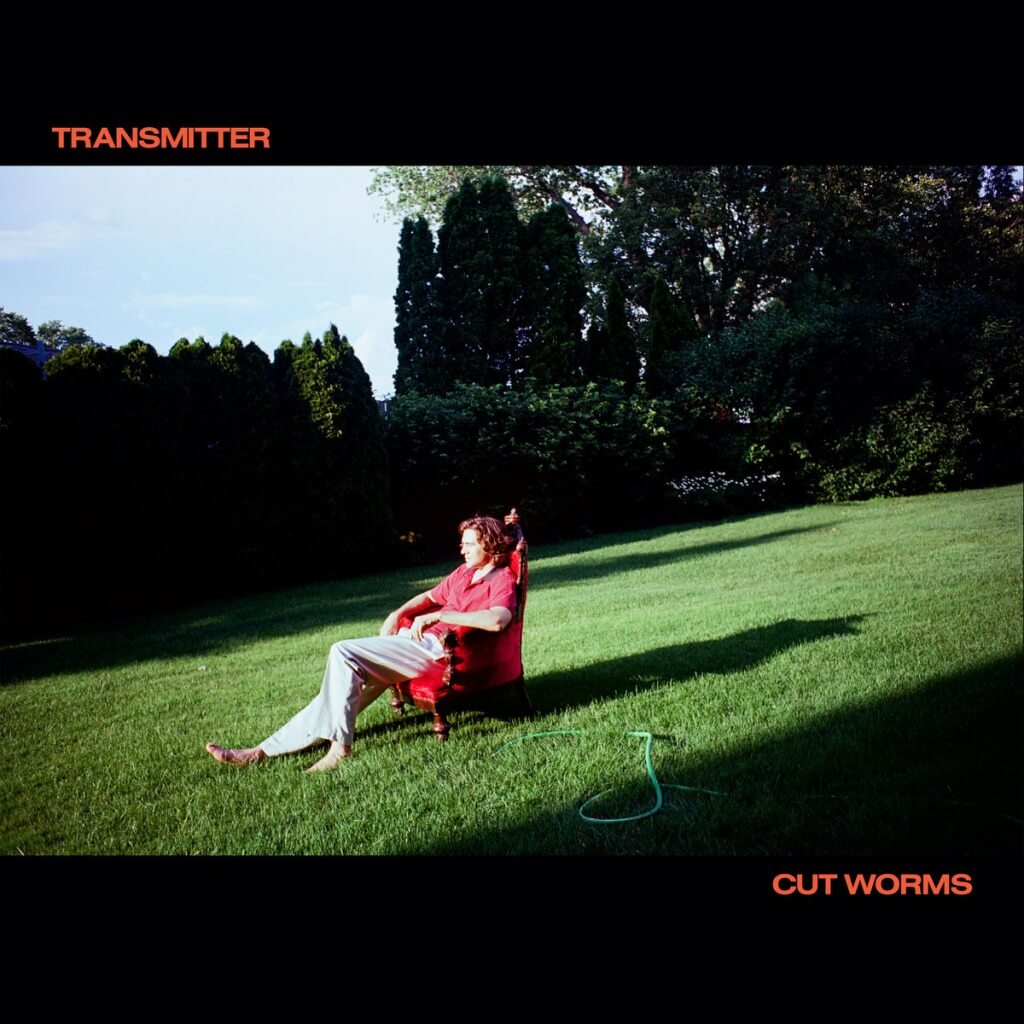 Most Cut Worms songs sound like a county fair to me. It’s all twinkling rides, shit-hot air, and skies wearing bubblegum costumes in Max Clarke’s treasure chest of sun-soaked doo-wah-ditties. I go to him when I need a precious reimagining of some American Songbook ideal. Plus, his voice sounds good spilling from a car with its top down and he’s from Strongsville, Ohio. Clarke may not be a Rockefeller but the Jeff Tweedy-produced “Windows on the World” is the richest he’s ever sounded. It’s him singing while Tweedy dotes on a six-string and Glenn Kotche pounds the snare and pats the ‘rine. “Windows on the World” is a musical misnomer: it’s a catchy and cute tune you could find at the bottom of a cereal box, but the lyrics are as serious as a heart attack. Clarke can see a light-up American Dream about to burn the fuck out. No wonder he titled the song after the World Trade Center north tower’s 107th floor restaurant: “Caught in space, printed in pain inside the walls of how we were,” he sings while Tweedy’s chords noodle in the margins. “On a clear day, you can see almost forever.” Past lives, ephemera, and plate-glass reflections abound, Clarke knows exactly how this play ends. “I keep an open mind that we still might meet again. Charmingly, his two-man band falls in line right behind him and his melty, homespun, cosmic conclusion. —Matt Mitchell
22. Aldous Harding: “San Francisco”
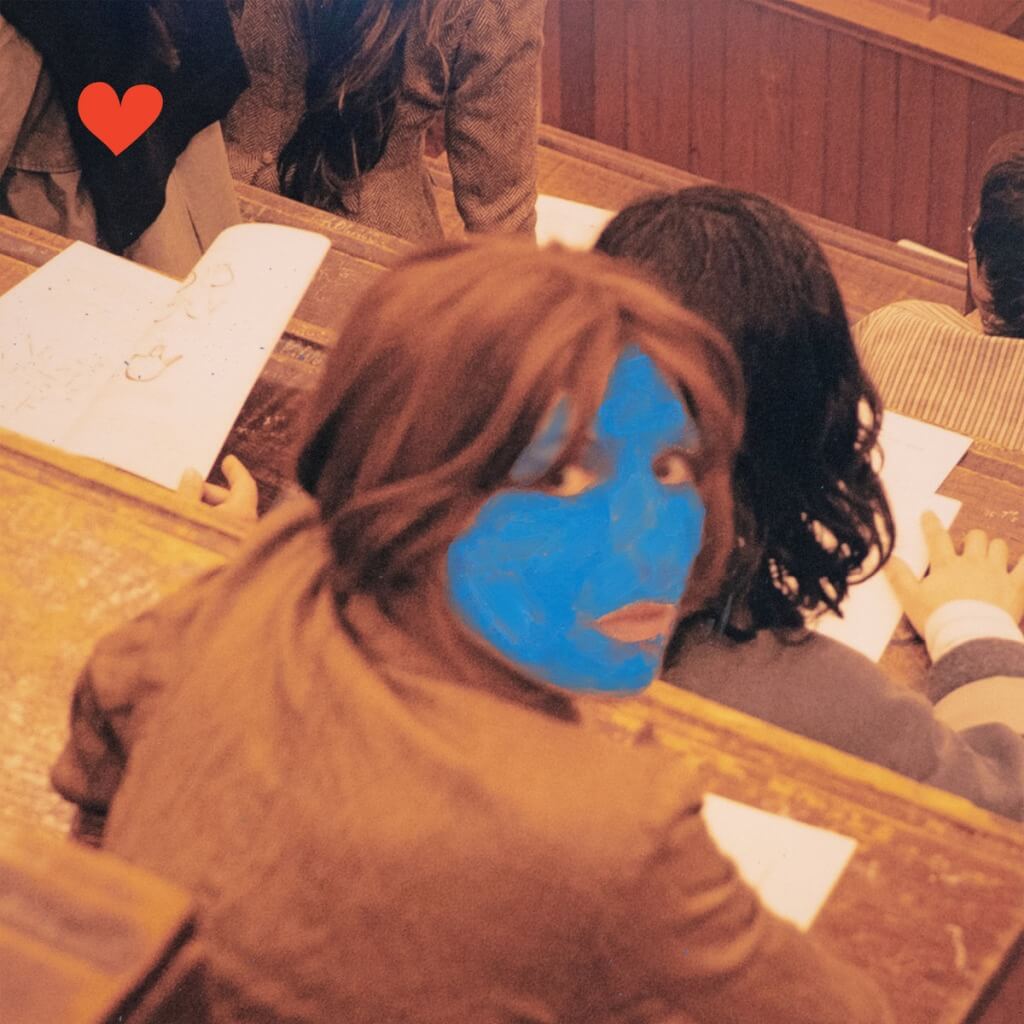 After the irreverent, plunky front half of Train On The Island, “San Francisco” comes as something like whiplash. Its first three minutes are teeth-grittingly sincere, beat after beat of naked emotion barely couched by a sparse drumbeat, a funereal organ, and a wispy string arrangement. “I sit up straight in isolation, / I ask for the things I need,” Aldous Harding describes a metamorphosis wrought by what comes across as more necessity than something chosen. “Baby I know who I am / What is the change to save me?” Here is an inflection point, a balance between salvation and giving up. It is, for a breath, unclear which way Harding will choose to go. And then, in the song’s last minute, it blooms: a gentle, insistent acoustic floats Harding into her head voice as she circles back to the album’s opening refrain, though this time with a bit more oomph: “why wouldn’t I wanna meet ya, why wouldn’t I wanna hold ya?” Harding sings with a degree of entitlement not previously afforded to her. The words now feel triumphant, even determined: “I’ve never been a believer / I don’t cry when I’m told.” The song’s last question, “Why?,” goes unanswered. Instead, the tune fades briskly into silence, a glitch in the system. Its incongruousness with the rest of the album is what makes it fit so well; Harding proves, as ever, that she can’t be pinned down. —Miranda Wollen
21. Neo Geodesia: “Dream Team of Preah Khan”
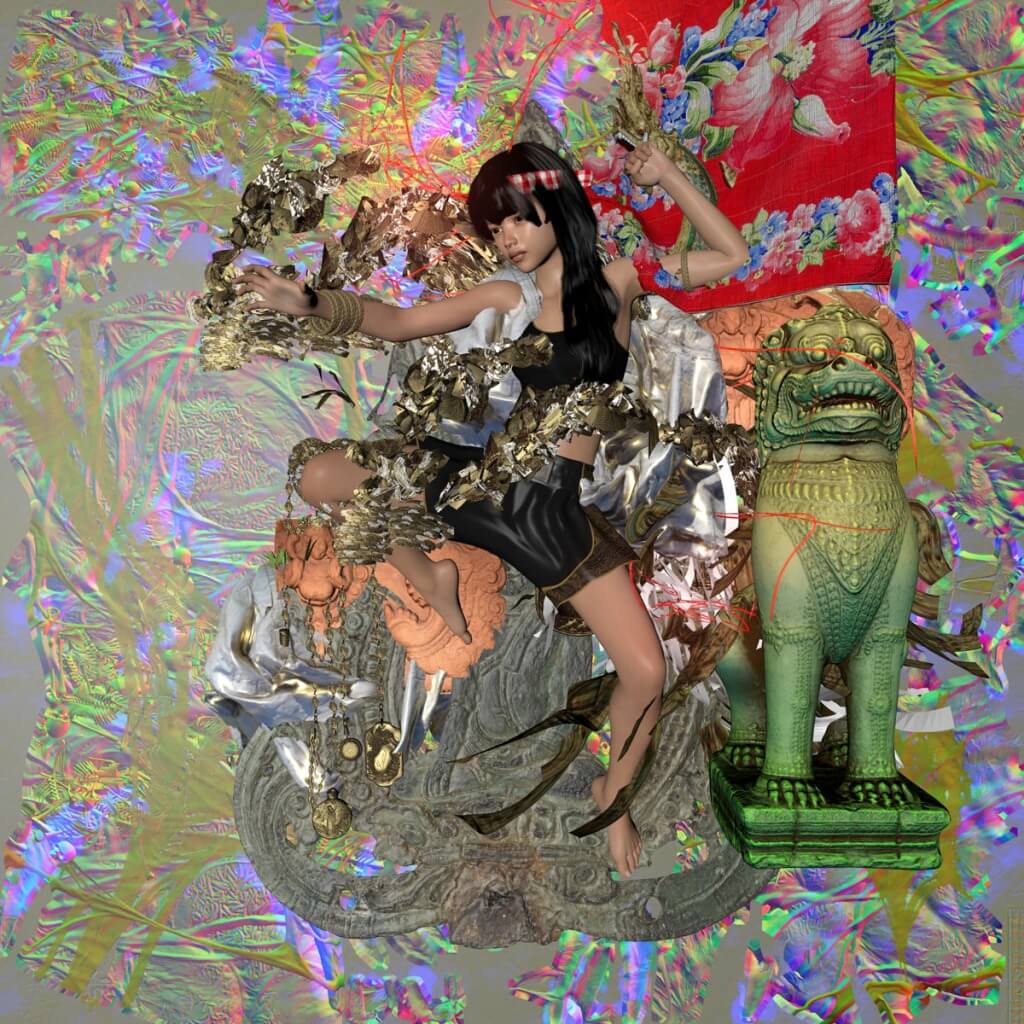 Neo Geodesia, the electro-persona of French-Cambodian composer Saphy Vong, is my latest hang-up. His new record, Oknha Stamina, combines ceremonial Cambodian music with videogame punch/kick attack cues, bamboo percussion, martial arts combat, ambient synths, and powerviolence. Think: Los Thuthanaka in Street Fighter. Vong describes it as a “metaphorical exploration of the entertainment of the elites from ancient times until the modern day.” The album’s best chapter, “Dream Team of Preah Khan,” draws on the redemptive story of Khmer wrestler Chov Sotheara. Vong imagines an all-woman sports team escaping the marauding forces shaping contemporary Cambodia—exploitative garment production, sand dredging, “artefact theft”—to reclaim the Preah Khan Reach, a sacred Khmer sword. The result is a playful, polyphonic decoration of dramatic and agile rhythms, keyboard riffs, colorful twists of mood, and gliding sci-fi tones. The song’s cosmic momentum powers past the album’s “boxing orchestra” tension with a chorus hook, but it never lapses into retro. In “Dream Team of Preah Khan,” history bends but never echoes. —Matt Mitchell
20. Ratboys: “Light Night Mountains All That”
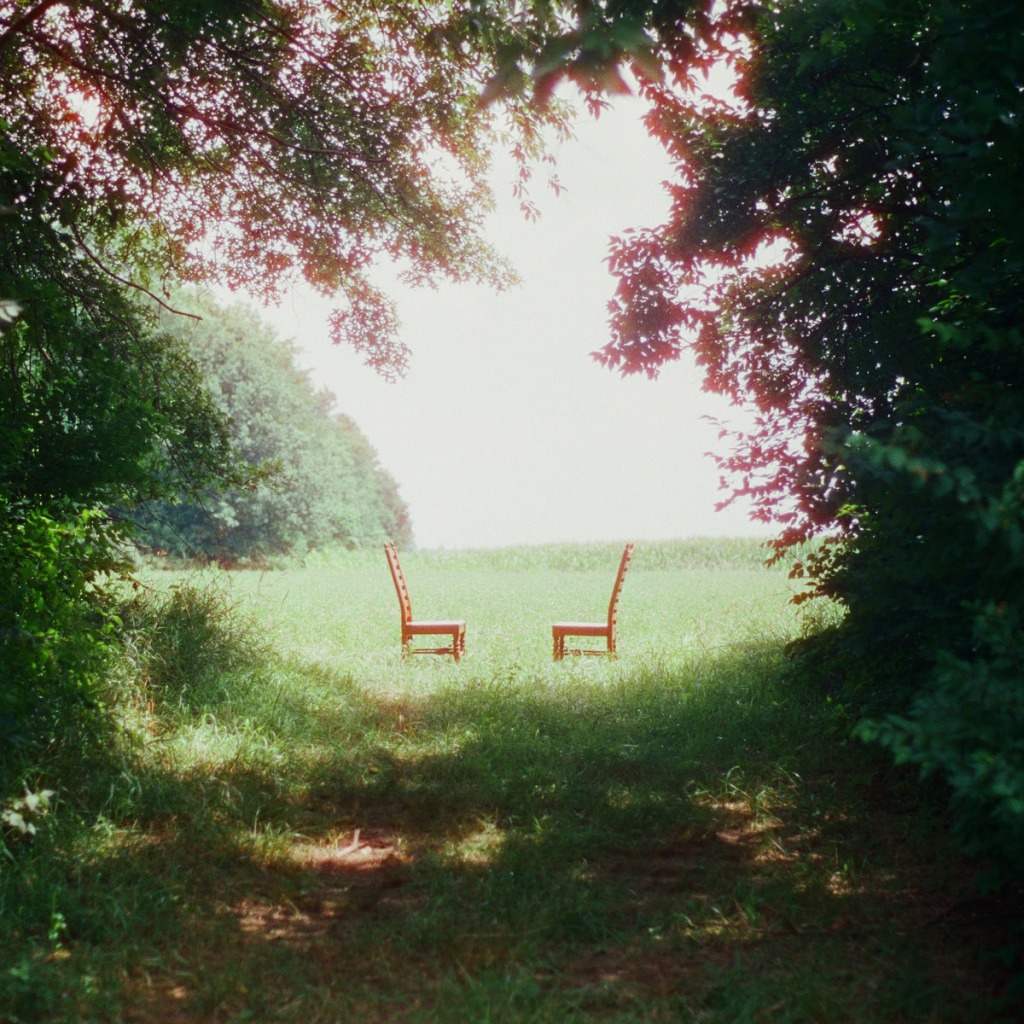 “Light Night Mountains All That” opens so gently you almost miss the warning signs: soft acoustic fingerpicking. Beneath it, though, is something faint and high and wrong—a thread of feedback, a grainy creak, like the song’s already buckling under the weight of its own latent emotion. Then the muted electric strums, taut and fast; then the count-off; then the door blows open. What follows is six minutes of the most precise emotional engineering I’ve heard all year, because what Ratboys are rendering here isn’t anger—anger is easy, anger is a power chord—but the uglier, itchier thing underneath it. Julia Steiner keeps tossing out “you didn’t care” like she’s trying on different ways of verbalizing the same accusation—half-sung, half-spoken, finally screamed, then repeated until the words themselves become just sounds that fade behind a wall of noise—while Dave Sagan’s guitar and Marcus Nuccio’s drums claw their way toward a peak that never quite resolves. Just when you expect a clean button, they circle the feeling one more time, add another bar of soloing, let the drums drag you through one last, slightly different repetition. It closes on the same fingerpicked section from the start, a sonic representation of the way it feels to come back to yourself after a breakdown only to realize with some horror that the world remains exactly as you left it. It’s strange: how small we are in the grand scheme of things, how big things feel anyways. —Casey Epstein-Gross
19. My New Band Believe: “Love Story”
 Time is nothing but a vessel for experience, borrowed by us but never spent entirely on our own terms. A moment can be spent washing rice for dinner while singing along to the radio just as easily as it can hold the rapid-fire sequence of events in which someone’s entire world collapses. An intimate scene of quiet, domestic bliss and a life-shattering catastrophe sit on opposite sides of a key change and blustery string swell, which splits the haves and have-nots like “a metal spike from the sky.” On the centerpiece of My New Band Believe’s self-titled debut, loss illuminates the preciousness of the mundane—the love doesn’t go away; it’s the only thing left to hold onto. —Grace Robins-Somerville
18. Los Thuthanaka: “Quta”
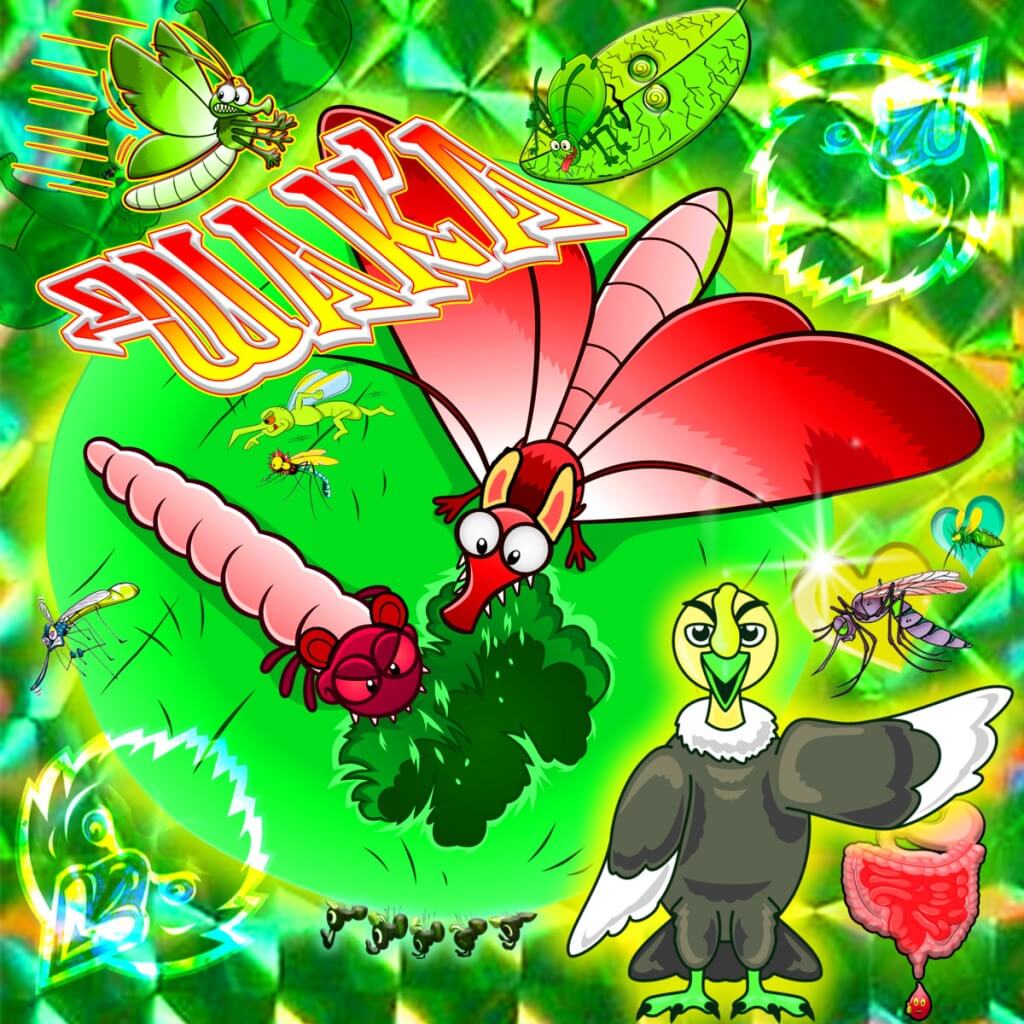 Los Thuthanaka, despite making one of the best albums of the decade in 2025, remain polarizing. Some listeners find the sibling duo’s electronic collages to be illegible noise; others, however, are often stunned by the pair’s ability to interpret Andean folktales into challenging maximalist cut-ups. I am often, if not always, a part of the latter camp. The first lick on their new Wak’a EP, an Aymaran story about the first sunrise, is among their best creations yet. As crying doors open all around Chuquimamani-Condori and Joshua Chuquimia Crampton, crickets harmonize into a low, droning synth. The teclas lope and twirl, holding a textural line that briefly speeds up while a saxophone sample dances faintly. “Aye” chants jolt like percussion, and Crampton’s guitar punches in phrases that sound like early Eno. The melody is not harsh, but gradually handsome. Los Thuthanaka’s pacing washes over you. “Quta” is the crack of orange that stirs the valley awake. —Matt Mitchell
17. Kevin Morby: “Javelin”
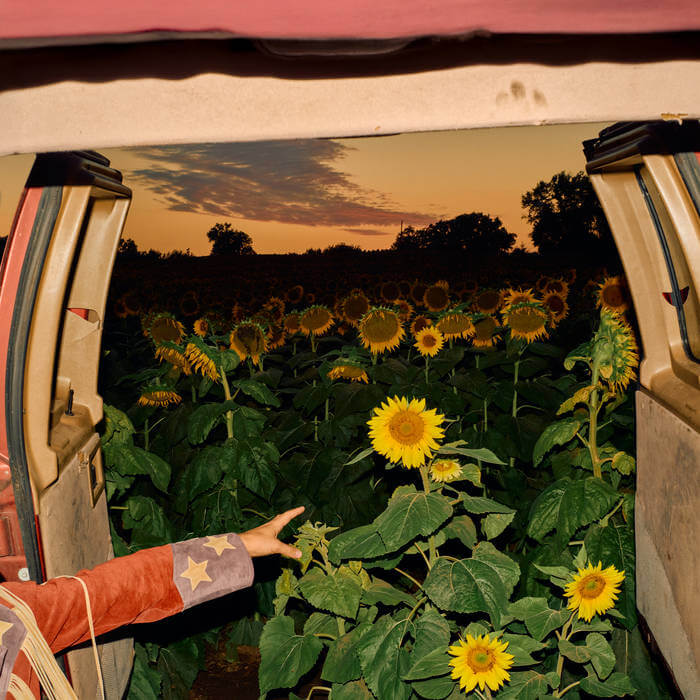 “Javelin” finds Kevin Morby back in middle America: a half jet-lagged troubadour, half anxious husband-in-progress, padding around “this old cowtown in the Bible Belt” while the frame widens around him into something almost cosmic. The arrangement is all charming affability and unhurried brightness—springy drums, jangling guitar, Aaron Dessner resisting the urge to overdecorate—yet the lyrics keep bending toward eclipse imagery, the sun slipping behind the moon as time itself “paints a picture now,” turning what could’ve been a simple road song into something closer to a secular hymn about sticking around. And then there’s Amelia Meath’s voice, multitracked into a one-woman choir that keeps ghosting in around Morby’s lines, like the person he’s always flying back toward is literally baked into the horizon. For a song preoccupied with whether you’re a has-been or a husband, a passing fling or a life partner, “Javelin” lands on something simple and stubborn: you fall, you get back up, you run—back through the air, down the highway, toward the life you keep choosing even when it scares you. —Casey Epstein-Gross
16. SML: “Roundabouts”
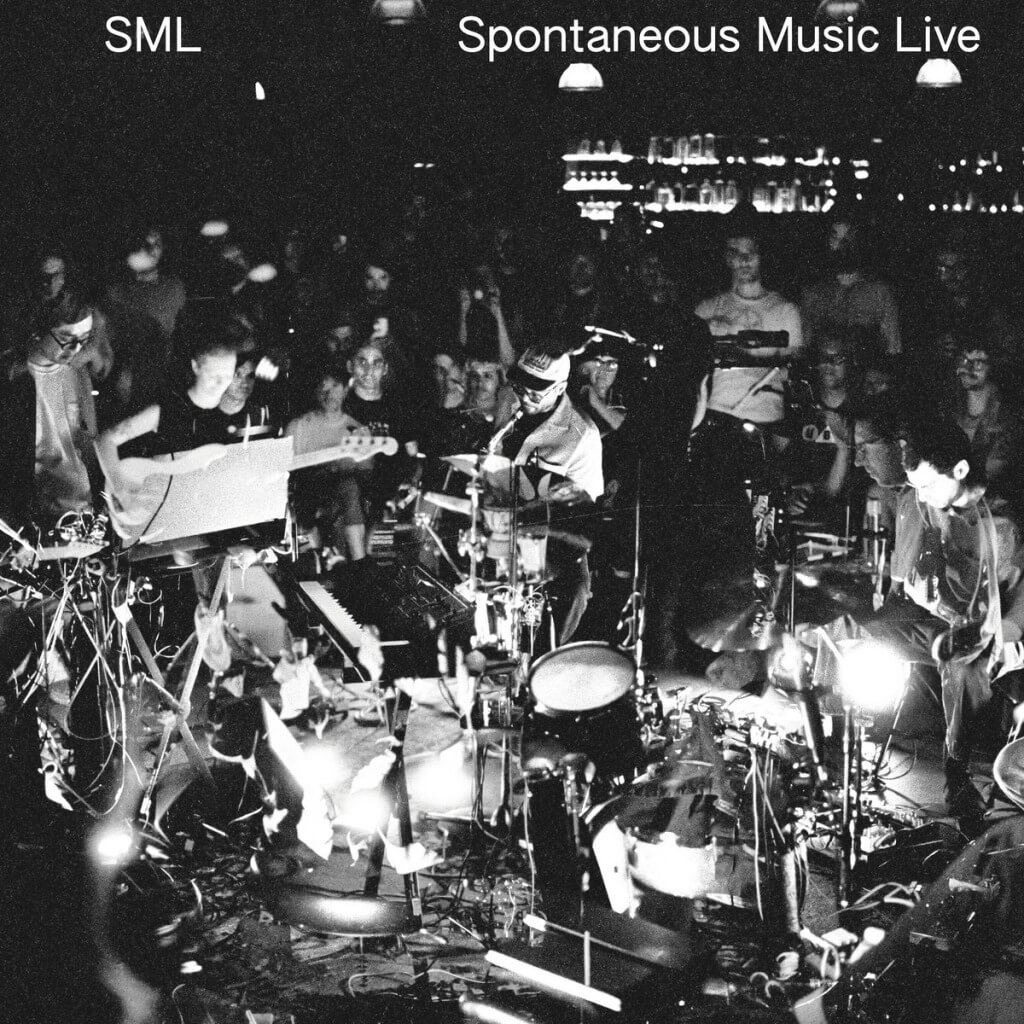 SML’s last album, How You Been, was pieced together from live recordings until it essentially became a sampled jazz recording. The people you hear—Jeremiah Chiu, Josh Johnson, Gregory Uhlmann, Booker Stardrum, Anna Butterss, scraps of audience chatter—never do the same thing twice. Every concert is their chance to pull a new idea out of thin air, and the quintet tears through tones and theory in doing so. I find SML’s work to be mostly incomprehensible. What you hear on its records is the outcome of shared intuition. I’m talking about early Kraftwerk, electric Miles Davis, Cluster, Fela Kuti, Can, Susumu Yokota, Jeff Parker, Jim Baker. Guitarist Gregory Uhlmann told me something last winter that still rings true about his bandmates: every player’s voice goes beyond their instrument. But where How You Been arrived like an edited, fully lucid piece of music, SML’s new single “Roundabouts” is twenty-four minutes of a freakout, in-the-round workshop captured at Zebulon—a jump, hop, and skip from the Interstate 5 overpass cutting through Frogtown. I noticed myself marking the important intervals. Eight minutes in, twelve minutes in, seventeen minutes in. “Roundabouts” doesn’t have twists and turns so much as multiple selves fusing into one. The composition captures the best band in America, totally uncut and spontaneous. —Matt Mitchell
15. underscores: “Tell Me U Want It”
 In music and poetry, the addressee is almost as important as the speaker, if not more; on April Harper Grey’s third album as underscores, the two are interchangeable. “Yo(u)” is me, the listener, or you, the listener, as much as it is underscores herself. U’s opening track is a plea to the object of underscores’s affection to return her feelings, but it’s also a hype-up anthem about speaking one’s own desires aloud, complete with panicked panting. “Is this doing anything for you baby?” she sighs, awaiting a dubstep drop that glitters with a McBling sheen. “’Cause later on this could be embarrassing for me.” To be a pop girl and a lover girl is to be vulnerable and to ask big questions, with the unwavering (sometimes delusional) belief that getting what you want is inevitable. underscores gets it. —Grace Robins-Somerville
14. Cola: “Haveluck Country”
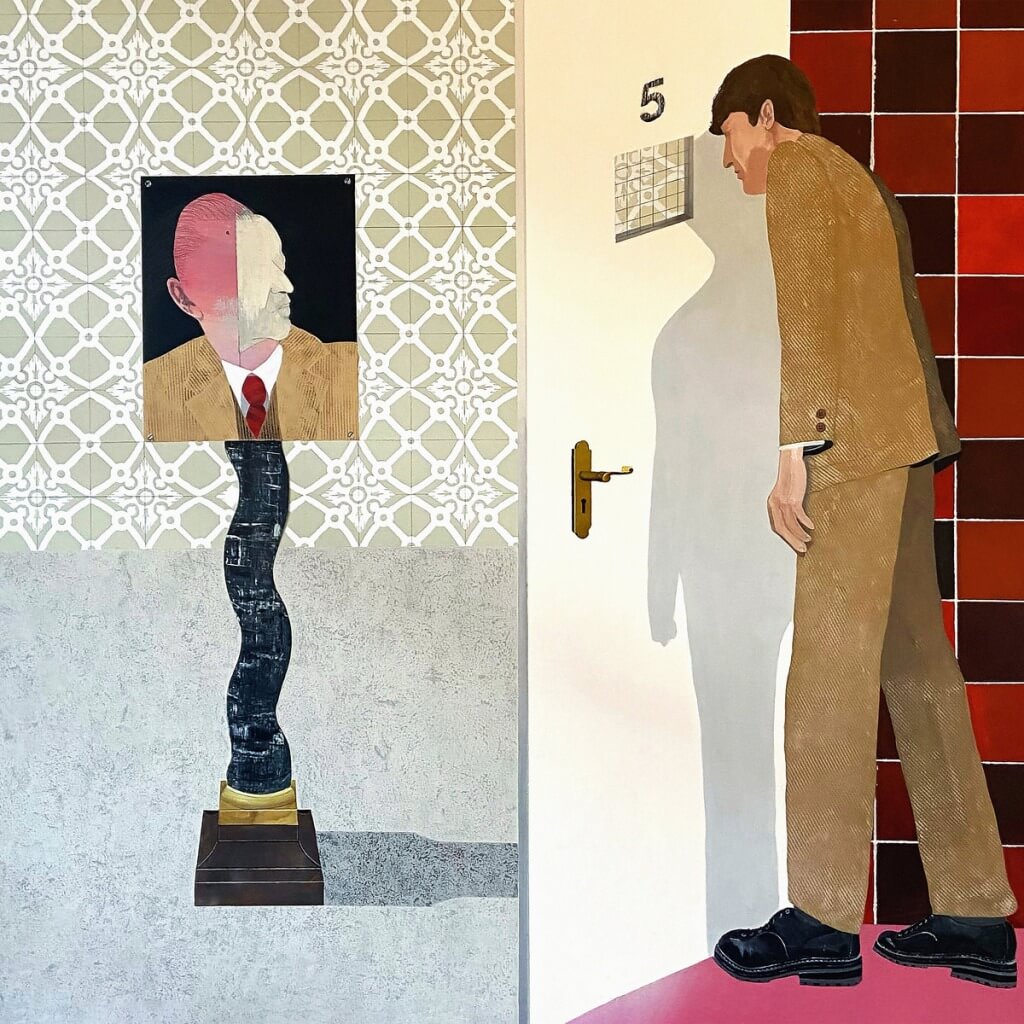 I can’t tell you what it is about “Haveluck Country,” but I genuinely have not been able to put it down since I first heard it. An inexplicable childlike glee bubbles up in me whenever I hear the opening blunt, staccato guitar line. It makes me want to bob my head like an idiot. Is this how toddlers feel listening to Cocomelon? I think it might be. The final single to the post-punk band’s third record, Cost of Living Adjustment, is an odd, stark number choked by that gloriously taut guitar line played in time with Cartwright’s four-on-the-floor percussion. The verses live somewhere in the niche lineage of Parquet Courts’ “Everyday It Starts” and The Fall’s “Totally Wired,” yet feels, in a way I can’t quite verbalize, like George Saunders’ Pastoralia in a song. Darcy’s apathetic delivery floats above it all, much like the capitalistic haze he satirizes—“They’re so healthy / Oh so healthy on drugstore vitamins / Waste of opportunity / With a fortunate half-life”—but just as you get comfortable in that breathless bounce, the track slips seamlessly into a smooth, lethargic bridge. “What if it was just a dream? Vivid luck, vivid luck, vivid luck,” Darcy sings, at his utter lyrical peak, ceaselessly chronicling the hyperrealism of modernity with both Don DeLillo’s sardonic cynicism and Frank O’Hara’s poet’s eye for human detail, and “Haveluck Country” is no exception. He makes the mundane surreal and the surreal mundane. And he makes a damn addictive song, too. —Casey Epstein-Gross
13. Grace Ives: “Dance With Me”
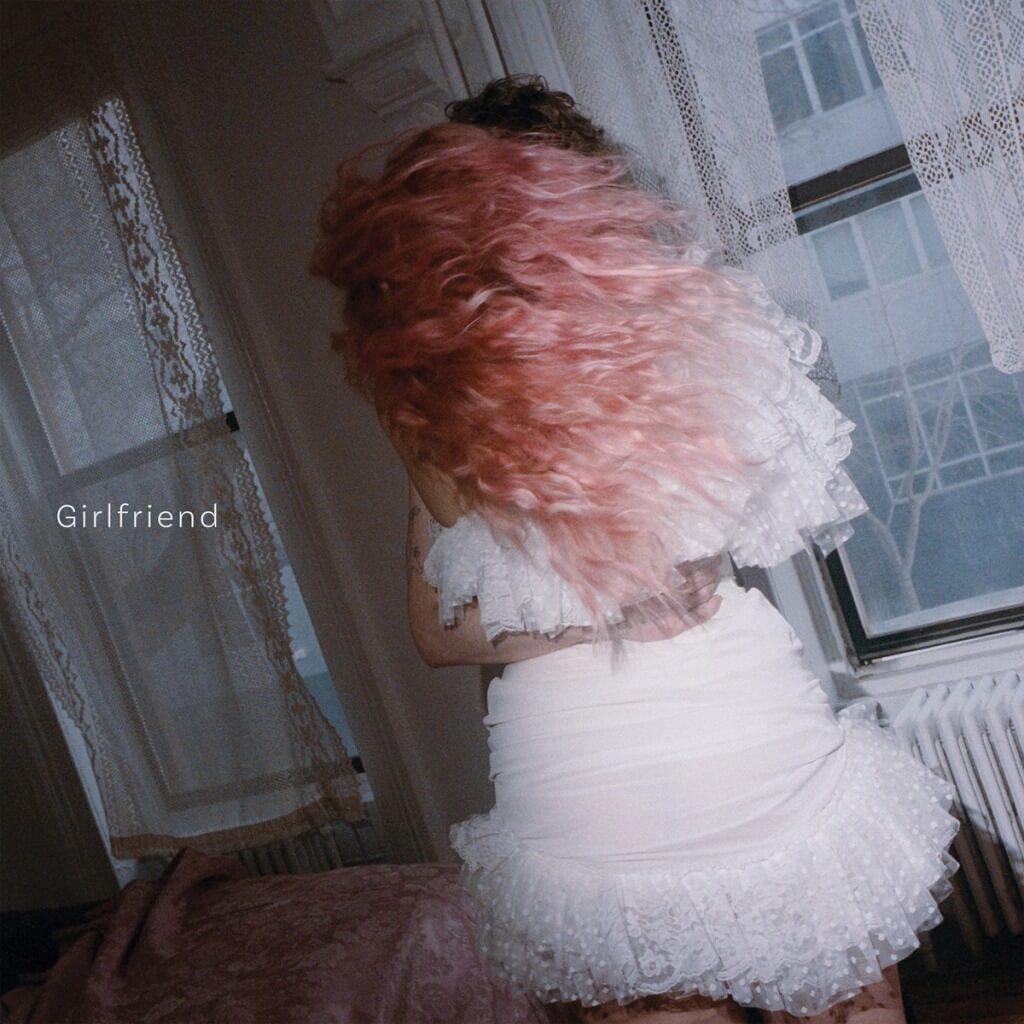 A lot of work goes into being the carefree, fun girl and Grace Ives can attest. Her latest album, Girlfriend is chock-full of party girl pitfalls and tryhard anthems, like “Dance With Me,” which flits between the doldrum days and the nights out that attempt to salvage them. “Dance With Me” holds out hope that tonight could be the best night of our lives, that every party could be the best party ever, that the perfect date night could be just the thing to save a relationship gone stagnant. Bound up in mellotron ribbons and slinky strings, Ives come-hithers to a disinterested paramour like a sexy jester—think Carrie Bradshaw posing in Mr. Big’s doorway with a riding crop and a top hat. As Ives says on another highlight from Girlfriend, “I just let it be embarrassing”—you’re not gonna have fun if you’re too busy taking yourself seriously. —Grace Robins-Somerville
12. Bill Callahan: “Empathy”
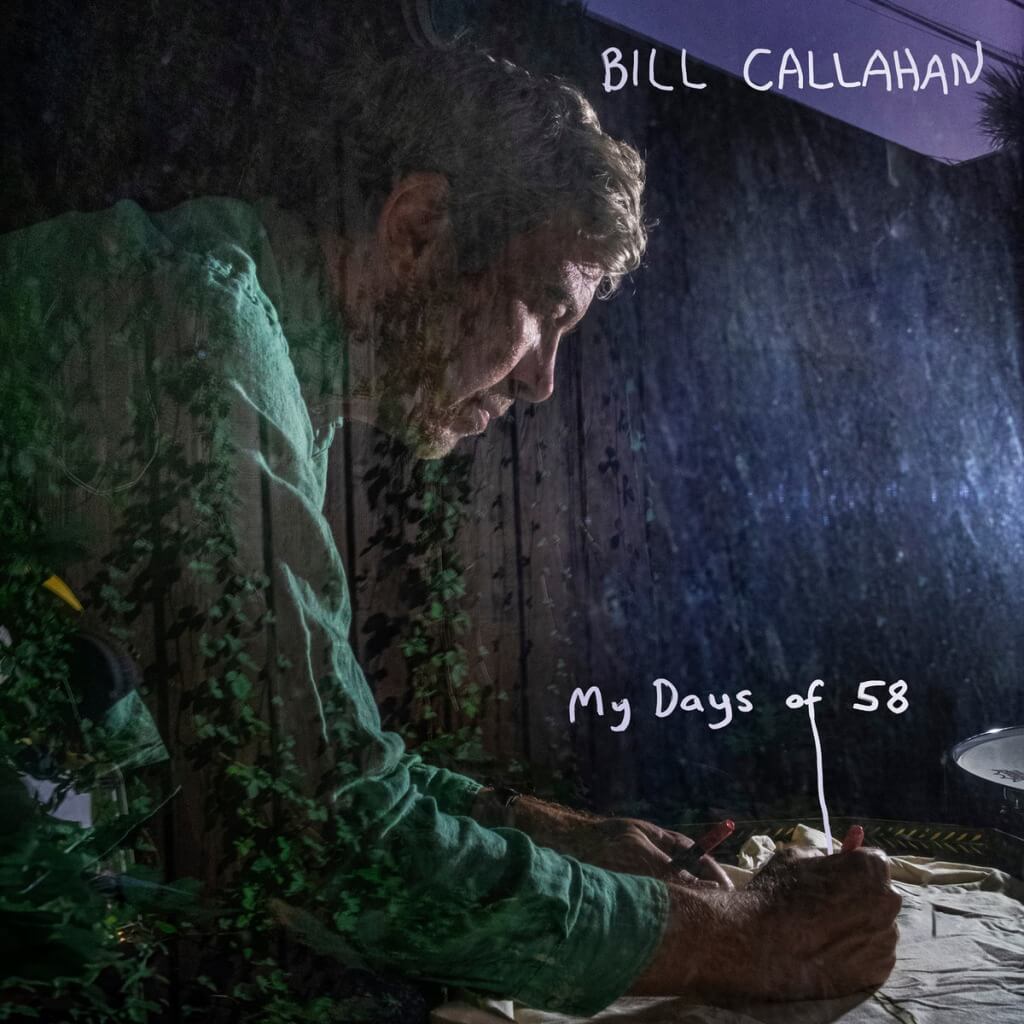 “Empathy” is the axis the rest of My Days of 58 orbits around, its emotional center of gravity. It’s raw and simple, just finger-picking echoing out into open air as Bill Callahan talk-sings an open letter to his father: “Dad, you dropped a bomb on me / When I was 30 / You said you got by without a father / So you figured why should I have one.” It ends decades later, though, with Callahan wondering what his own children will think of him “when they’re fully grown”—the fear of growing up into his father visible in between the lines, an anxiety made all the more present by the touring lifestyle that keeps him away from his kids. He catalogs small failures and course corrections: the broken toe that kept him from a father-daughter dance, the yelling at his son, the way that same son meets him at the door and hugs him so hard he loses his hat. The song resolves not in absolution but in recognition: his daughter “makes beauty,” his son “makes empathy… so much more than me.” It’s an afterlife of a different kind, the sense that the best parts of you might go on without you and also exceed you. Quiet, muted horns play in a mournful serenade at the end, when Callahan faces the memory of his father head-on, looks at him as a full person and tries to make sense of his absence. It’s a deeply affecting number, all the more so for Callahan’s refusal to obscure it with any sonic tricks: sheer honesty, all the way down. —Casey Epstein-Gross
11. Alabaster DePlume: “It’s Only Now Once (Elbit Systems Windowpane)”
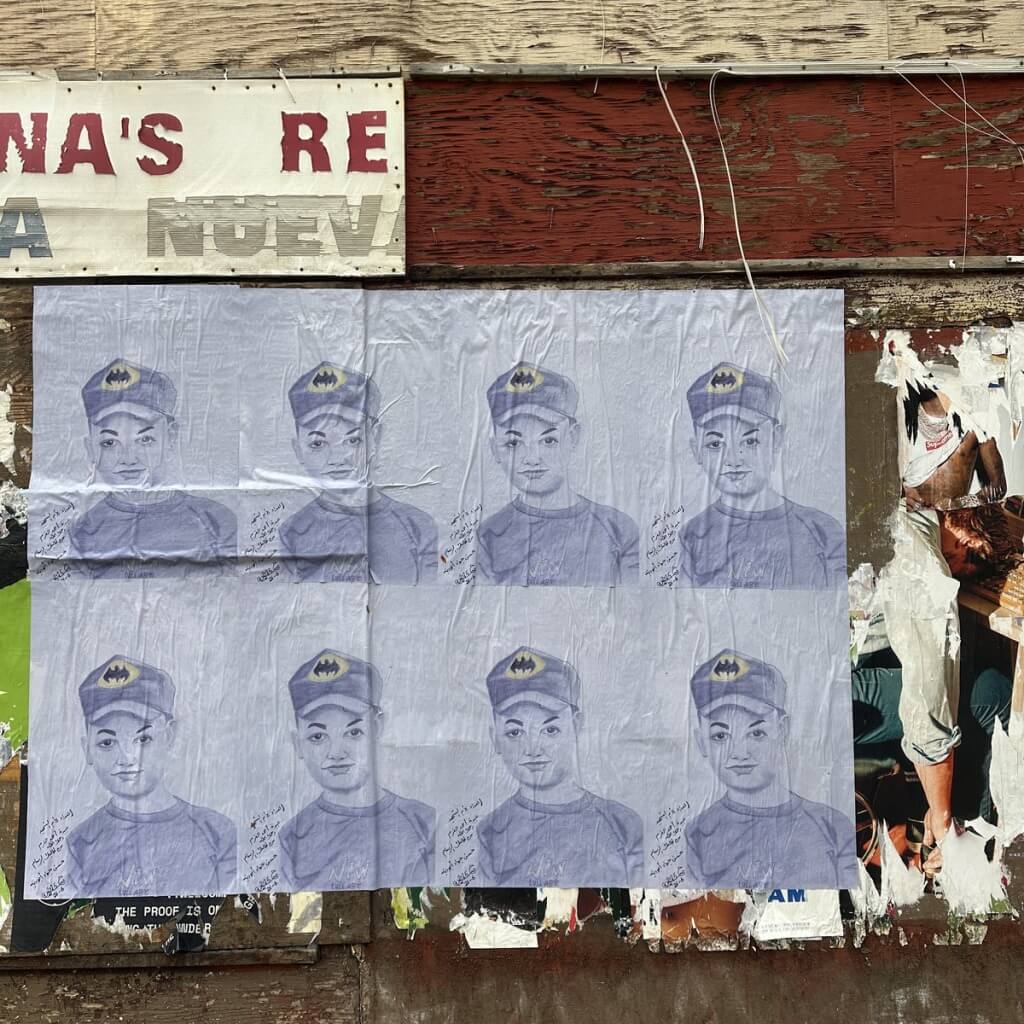 Dear Children of Our Children, I Knew: Epilogue is Alabaster DePlume’s “answer to the way the US audiences responded last year when we addressed the genocide.” Meeting people after shows, DePlume sensed an overwhelming voicelessness. Listeners etched into him their experiences “like graffiti or a poster on the wall,” and the EP is him delivering their voice. Recorded with bassist Shahzad Ismaily and drummer Tcheser Holmes, Dear Children incorporates samples of children playing in the West Bank. Even the cover was made by a teenage Gaza boy. I find “It’s Only Now Once (Elbit Systems Windowpane)” to be the EP’s most evocative piece. It moves like library music or echoes of foxtrot. DePlume’s saxophone sings like it’s halfway ghost, his instrument lending brief respite to a trail of impossibly brutal punishment. The title itself recalls violence in its reference to the Israel-based defense contractor Elbit Systems Ltd. “It’s Only Now Once” sounds like a door opening—like the world is, as DePlume says, “awakening to the reality it was already living.” —Matt Mitchell
10. Modern Woman: “Dashboard Mary”
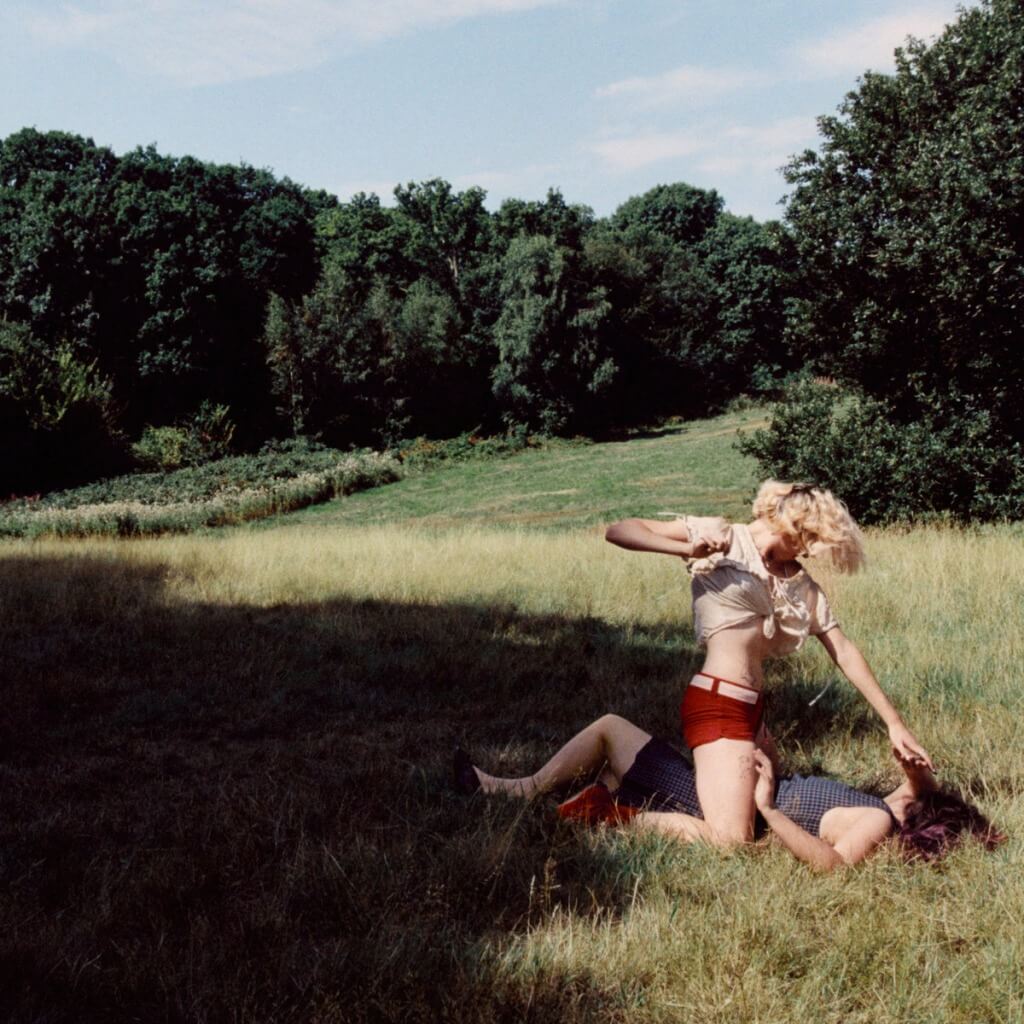 When Modern Woman’s Sophie Harris sings, you can feel it in your ribs. On “Dashboard Mary,” her voice moves like a sprung trap: coiled but limber, capable of sudden force, brutal when it snaps. She chronicles an affair between, seemingly, a grad student and her professor by focusing on the awkward drive to a diner the morning after, rendering it all with a novelist’s eye for detail and restraint: “She thought that he was regretting, cos his hands on the wheel were blue / If her boy at home had woken and if the Dashboard Mary knew.” It is, simply put, a perfectly structured track: a ballad that builds, slowly but surely, into pained walls of noise, taking the song’s already evocative lyrics and making them tangible, somatic. The instrumentation glides between hush and abrasion as violin, saxophone, and a rhythm section pull against one another—at least until the stark, heartbreaking passage before the song’s final stretch of riotous distortion. Nothing here is smoothed over or moralized; the thrill curdles, the momentum keeps going, and the picture never quite resolves. It makes me feel like I have a punctured lung, and I mean that as a compliment. —Casey Epstein-Gross
9. Gelli Haha: “Klouds Will Carry Me to Sleep”
 Like a Boiler Room set in Peewee’s Playhouse or a psychedelic experience with the Care Bears as your trip-sitters, “Klouds Will Carry Me To Sleep” is the latest dip into the creepy-cute uncanny valley that is the Gelliverse. The Sarah Squirm of popstars is characteristically nonsensical, having goofed her way to genius on her latest synth-blitzed single. “I’m in the cosmic odyssey, I’m in your orbit, baby,” Gelli warbles. “I packed a juicebox for the ride, every orb tastes like home tonight.” Who knows what hell she’s talking about, and frankly, who cares? —Grace Robins-Somerville
8. Joshua Idehen: “It Always Was”
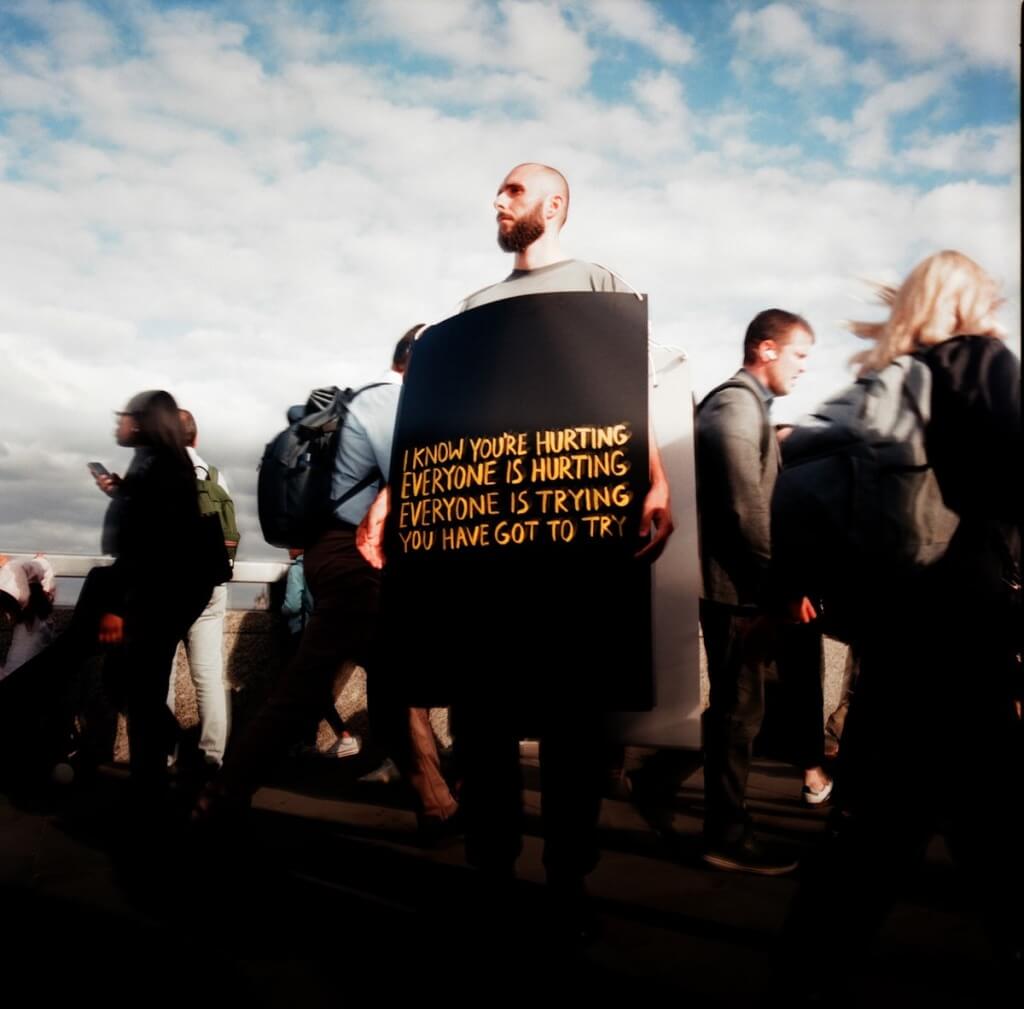 In truth, a lot of songs off Joshua Idehen’s album, the excellently named I know you’re hurting, everyone is hurting, everyone is trying, you have got to try, are standouts of this year; the record is an embarrassment of riches that makes you want nothing more than to put everything down and run to your nearest dancefloor. “It Always Was” is the best of the bunch. Against a pulsing, vibrant soundscape built by Idehen’s co-writer and producer Ludvig Parment, Idehen makes a compelling and contagious argument for something good coming down the line—in fact, he says, it always was. The track judders and thuds, Idehen’s flow unstoppable as he parses through memories (“Artful Dodger through the speakers / The morning rose to meet us / Sun on my skin, like all my sins are forgiven”) and hopes (“Maybe the reason I ain’t that good at swimming / Is ’cause I was born with wings”). It would all sound a bit trite if it weren’t so good: Parment’s beats are addictive and catchy without overshadowing Idehen’s lyrics, which are determined to be uplifting without losing their humanity or tipping over into the realm of mawkish “self-care” narratives. “This is it, this is how we win, my friends! This is how we win!” he declares. With Idehen in your corner, everything feels luminously, exuberantly possible. —Mariam Abdel-Razek
7. Star Moles: “The End”
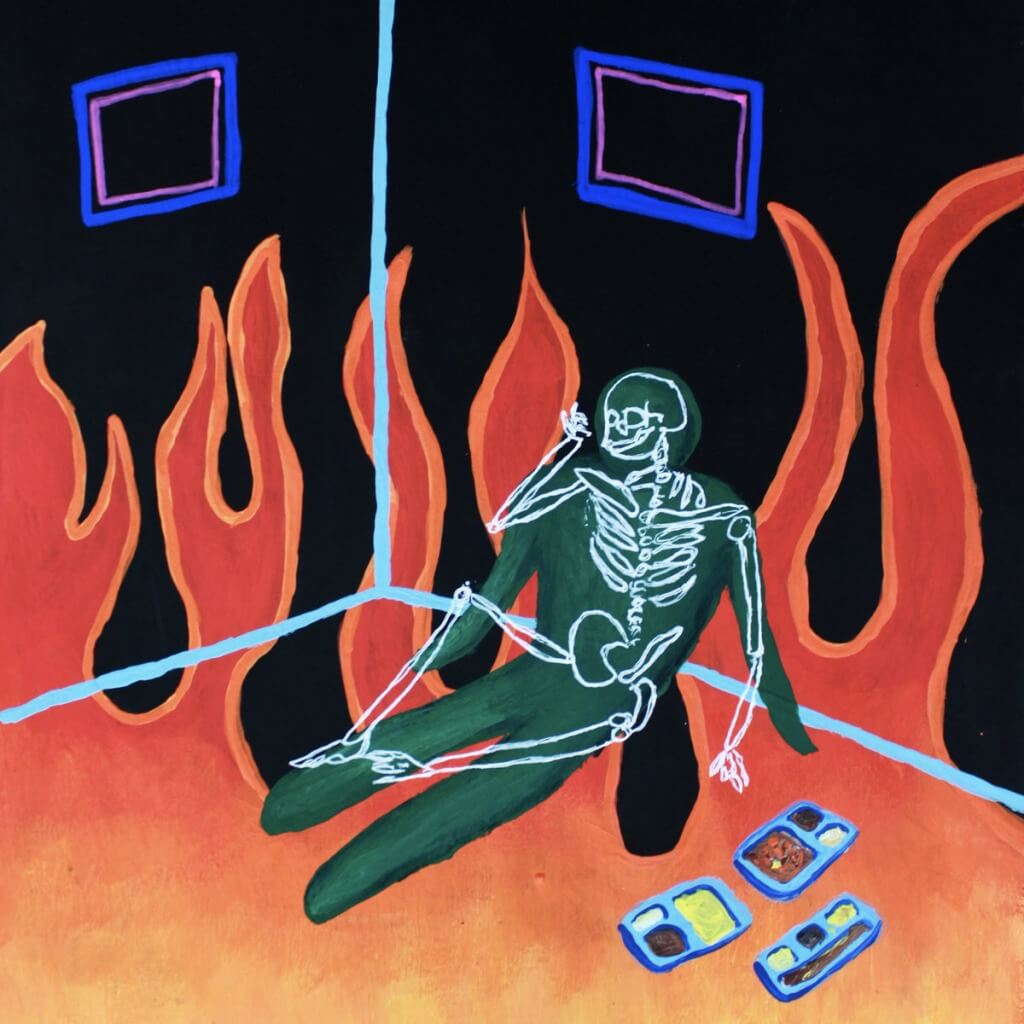 Emily Moales’ latest record kicks off with what might be the best opening line of any song this year: “If I put my shirt on backwards one more time, I swear,” she sings, voice clear and open, “This will be the darkest Tuesday in a thousand years.” “The End” is short and sweet, clocking in at a hair under 2:30, but that just means I find myself clicking replay every time I get in danger of hitting the two-minute mark; anything to keep it from reaching that abrupt ending. Moales’ sound is dubbed as “bedroom pop” a lot, but that’s always rubbed me the wrong way; her even-keeled, plaintive transmissions feel worlds away from the dreamy nostalgia of genre forebears like Conan Gray, beabadoobee, and girl in red. “The End” is more Mo Tucker than Clairo, closer to “After Hours” than “Sofia.” The construction of the track is simple: a minimalist, balladic piano riff, light percussion that serves as the barest metronome, and a late entry from an electric guitar. Moales’ voice and words take front and center here, and that spotlight is well-deserved. There’s a simplicity and intentional childishness to the track, both in content (“Every clown is always smiling even when he scowls”) and in delivery, and it pays off in spades come the song’s end, when Moales declares, “If I have it in my power this will be the end.” How childlike, the track seems to say, to think we hold any sway over the universe at all. Nothing is in our power, and it’s only the last gurgles of youthful naivete that allow us to ever think otherwise—and yet we do anyways, all the time. That’s what life is, after all: fighting to matter in a universe too big to care. —Casey Epstein-Gross
6. Westside Cowboy: “Kick Stones (The Boys)”
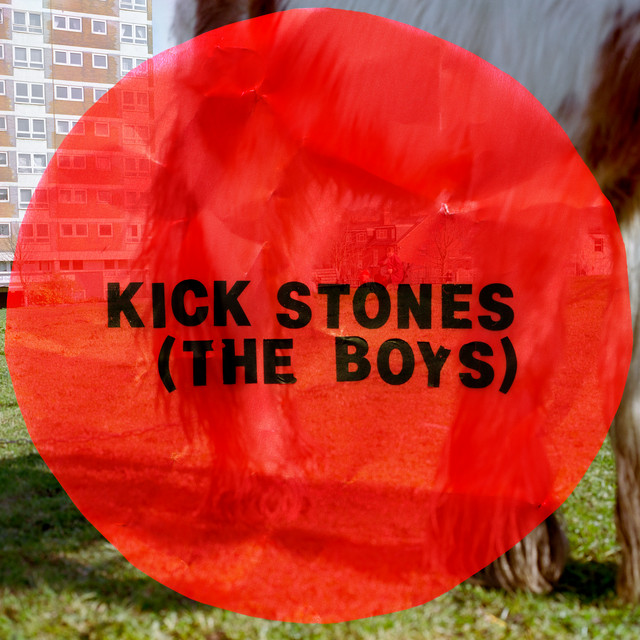 “Kick Stones (The Boys)” is real Manc noise that blisters like “What Goes On” just popped its cork at the Matrix in San Francisco. Westside Cowboy are in total forward motion here, singing about plastic-covered cars swimming in rain that sounds like bells. If you like rhythm guitar, you’re gonna love this: Britainicana trance music restless with garage-rock nerve, an uncoiling streak of noodly infinities, and Paddy Murphy’s insane beat. I’d listen to an hour of “Kick Stones”: all part-choogle, part-backwards Bo Diddley, part-Wedding Present jangle. There’s no chorus, just the “have you heard that the boys, they are gone this time” refrain repeated over and over by Jimmy Bradbury and Aoife Anson O’Connell. I’m blown away by Westside Cowboy’s assault and by this unforgettable line from Bradbury: “you know you got a face like a bullet when you talk like that.” They’re liable to name a building after him for that. Westside Cowboy sound upside down on “Kick Stones.” And then it ends. —Matt Mitchell
5. Avalon Emerson & the Charm: “Jupiter and Mars”
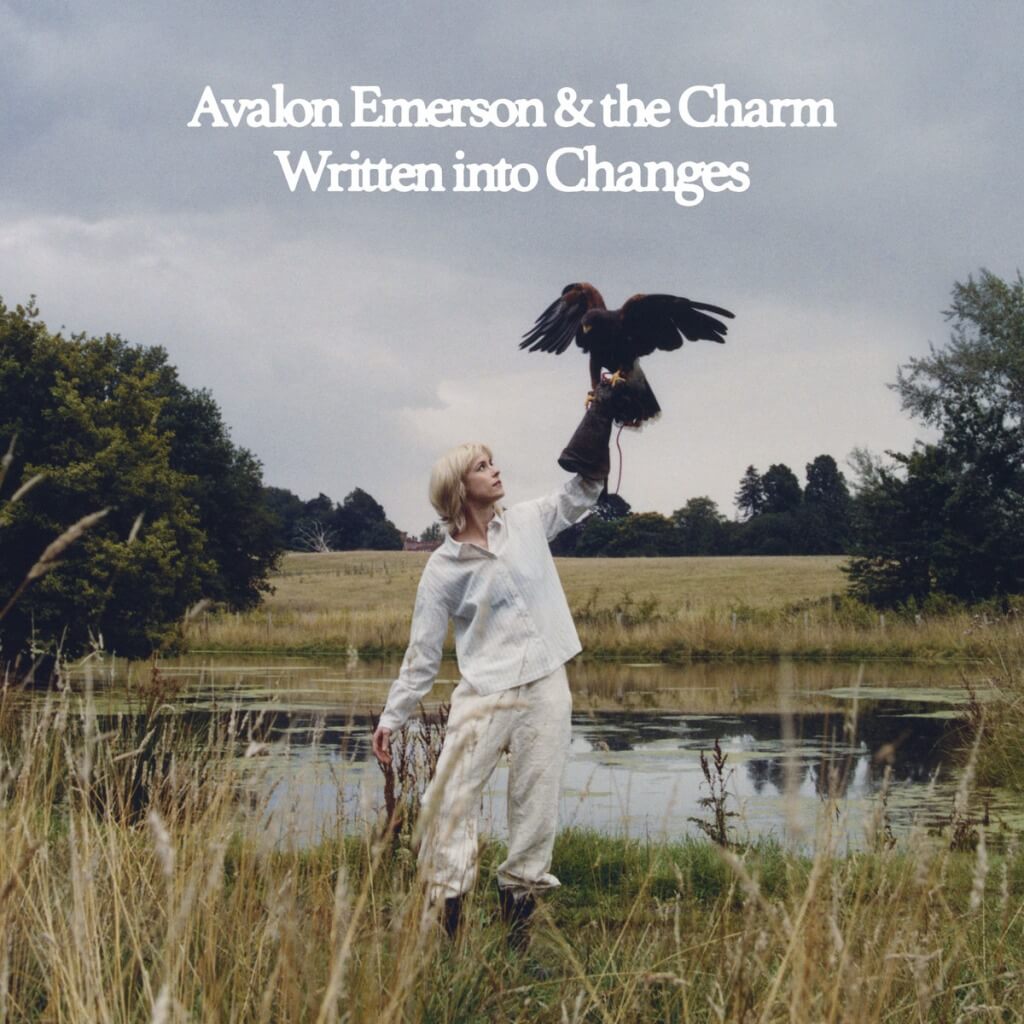 No track better exemplifies the phrase “fairy pop” than “Jupiter and Mars,” a playful, jaunty not-quite-love song that makes clear far beyond her DJ abilities Avalon Emerson’s talents go. Dreamy and unhurried, the single is replete with sparkly firework synths and jangled tinny guitars—a resilient, shrugging skip-hop-step through a doomed love affair with all its anxieties and hopes. If the first half is to be any indication, 2026 is the year of the mantra line—see Aldous Harding’s “San Francisco,” also on this list—and Emerson is no exception: “Nothing gained is nothing lost,” she twinkles over and over, indefatigable in the aftermath of something that never quite was. “Jupiter and Mars” is a track full of great lyricism: “I left the keys to my kingdom in your car”; “When it all collapses on itself one time / And our dust finds each other in the thing / I’ll understand if you leave me again.” It’s all blunt but airtight. For all of Emerson’s descriptions of failure, this song is a comforting one—a testament both to her ability to imbue heavy topics with momentum and levity and her belief that even our dashed hopes deserve to be celebrated. —Miranda Wollen
4. Jim Legxacy: “idk idk”
 I don’t quite know where Jim Legxacy puts all his ambition. He’s a self-made producer with the craft of a Jai Paul-schooled pop savant, churning out great mixtapes like homeless n***a pop music and black british music (2025) and filling Afrobeat, gospel, and Jersey club songs with young ideas about displacement, poverty, and popstardom. These days, Legxacy drops two-minute bangers so often he’s got his own economy for them. New single “idk idk” excels because of how its miniature runtime is blown apart by life-altering perspective, as Legxacy mourns the death of his sister and collages the tragedy with images of recent success, singing about “if I die a legend, hope they lay me with my friends” and “I been living my flaws, fighting with my thoughts.” He’s hung up on grief but trying to play it cool over a chopped soul sample, chipmunk vocals, and tropical drum snaps. Even when he’s still figuring himself out, Jim Legxacy sounds like a showstopper. —Matt Mitchell
3. Momoko Gill: “When Palestine Is Free”
 The standout song on Momoko Gill’s solo debut, “When Palestine Is Free” is a beautiful piece of protest music, setting a chant that has become familiar to many to a simple, haunting tune. Gill begins alone—almost mournful—singing with just a piano as accompaniment, before the piece gathers momentum, filling out first with a spiky, thrumming rhythm section, woodwind and brass, and then, to top it off, a fifty-person choir made up of many of Gill’s collaborators, among others. The song is part chant, part free-flowing jazz groove, as Gill allows her band to play their own solos that cascade up and down the simple backbone of harmony she has built. The middle slows, before building up again to a triumphant conclusion, the choir soaring back in. “Have we come to see / We’re only free when Palestine is free?” they ask. It is a question that will surely haunt us for years to come, if it doesn’t already, and it is clear that on this song Gill is looking both backward and forward. “When Palestine Is Free” reminds the listener to grieve the lives that have been snuffed out by a brutal, genocidal regime—not only for the past two years, but since 1948. Just as importantly, however, it is a defiant, open-hearted call to action, and a reminder that no one needs to take it alone. “No more rest in peace,” Gill sings one last time in the song’s last, fading seconds, alone. It is an expression of sorrow, of anger—but also an invocation, an entreaty to us to fight until injustice is eliminated wherever we find it. —Mariam Abdel-Razek
2. Johnny Blue Skies & the Dark Clouds: “Don’t Let Go”
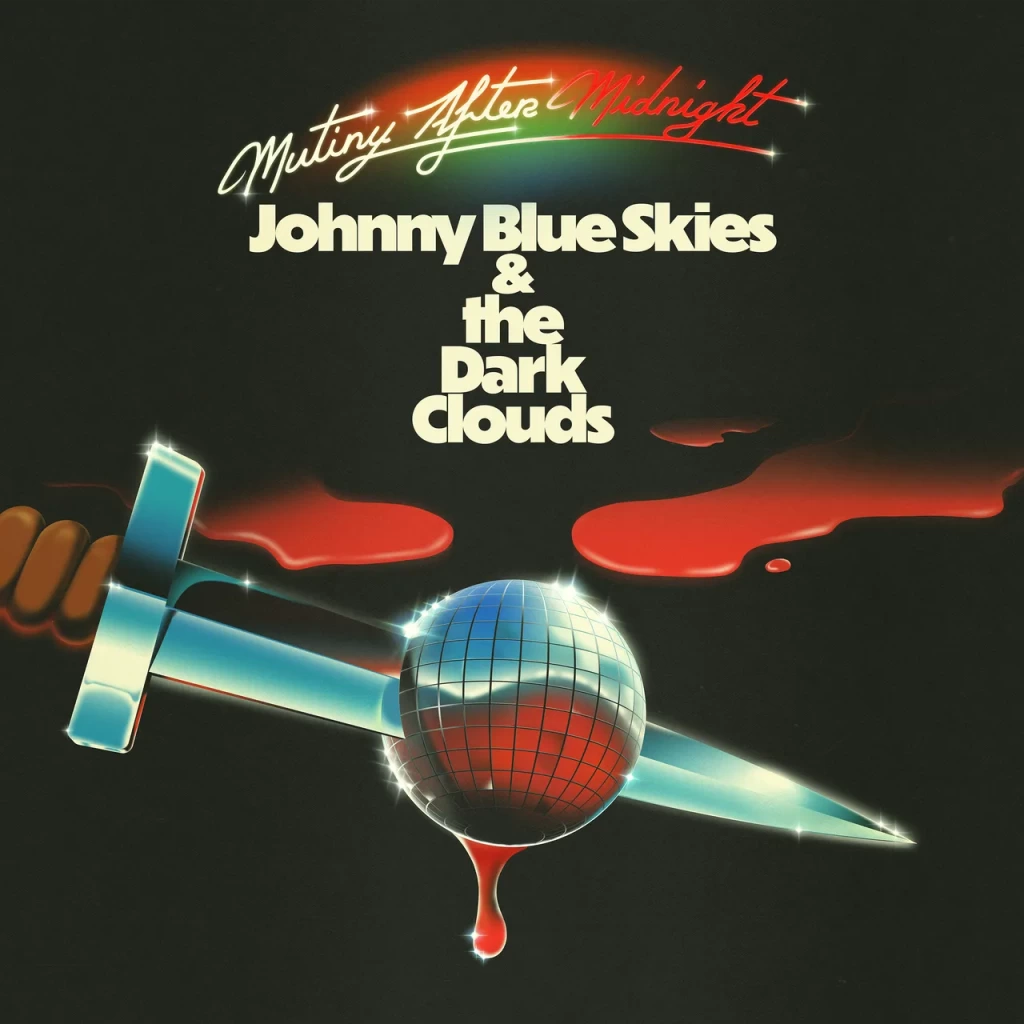 Sturgill Simpson doesn’t traffic in polished advocacy speech on Mutiny After Midnight, nor does he posture himself to be some great white hope. Instead, he abjectly lists off all the shit he doesn’t believe in: relevance, the game, narrative, name, regret, shame, blame, anything anymore. He argues that sex is an antidote to fascism just like Marvin Gaye argued on In Our Lifetime, that we need to question “how the hell are all these guys not in jail for treason” while making life a hot-rod party where “everybody cums” and the cops can’t come in even if they’re called. But he knows when to rein in the horn-dogisms, too. Love, as it were, seems to be the one thing he does believe in. Side one’s “Don’t Let Go,” a spiritual sibling to “Just Let Go” from Metamodern Sounds in Country Music, is a kind, swooning tribute to Simpson’s wife, Sarah. “I swear to God time slows down every time you walk in the room,” he croons above a medley of piano, slide guitar, and saxophone. “For a while it felt like we were dying but now we’re starting to bloom.” Simpson celebrates their staying together despite the human failures surrounding them (“Ain’t no way around it, we’re getting older / And the world outside these walls is getting colder”) with great intimacy while a crackshot band decorates the dance behind him. All of his records have immediate standouts—this decade alone has given us “If the Sun Never Rises Again” and “Jaunita”—but I don’t think Simpson’s made a tune with this much verve or heart in ten years. —Matt Mitchell
1. Slayyyter: “CRANK”
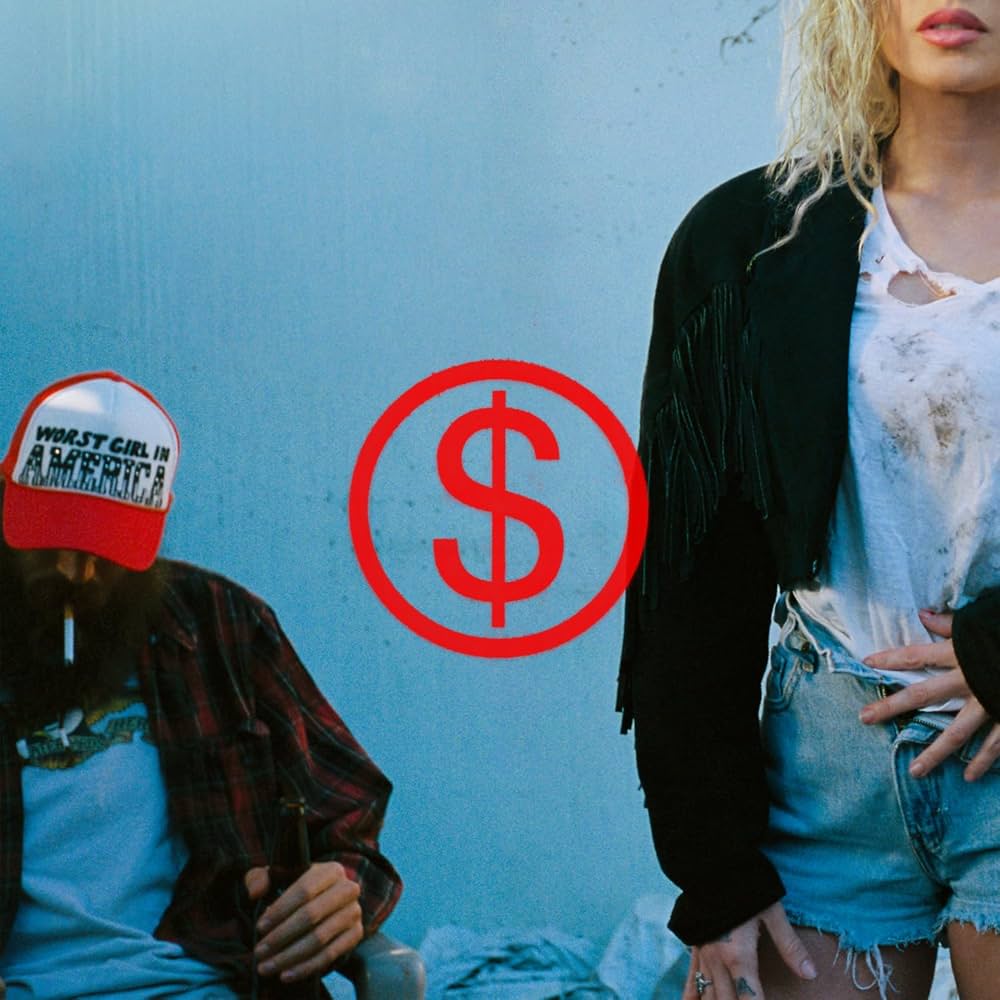 If the FBI bugged my room this year, chances are they’d hear one sentence repeated more than any other: “Alexa, play ‘CRANK’ by Slayyyter.” There is never not a time to crank it. I want to crank it power-walking down the street, I want to crank it waiting for the 1, I want to crank it applying mascara in my cluttered bathroom then reapplying it later in the club bathroom. Cards on the table, I think the Missouri popstar put crack in this song. It boasts one of the gnarliest beats of the year, filtered through dirty, distorted production, and the worst girl in America milks it all for all its worth. Every single line is jaw-dropping in its nasty, popstar brilliance: “I get so gay off that tequila,” obviously, but also “I’m leavin’ this party, it’s shit and all of these bitches boring” and “I need some dick for Tuesday, let me go put out some feelers.” And let us not forget the film reference to end all film references: “He wanna fuck Slayyyter / Richard, we should link later” (made all the better by the McConaughey-esque drawl of “Alright, alright, alright” at the end of the verse). “CRANK” is gritty and abrasive and trashy and everything I, especially as a bitch from the deep South, have ever wanted in a pop song—everything I’ve spent the past decade desperately wishing the genre had more of. It’s camp and cunt and everything in between. The dance floor’s not dead, Charli. Have you tried cranking it yet? —Casey Epstein-Gross
 Keep scrolling for more great stories.