
The 50 best albums of 2026 so far
What’s waiting below: great projects from Twisted Teens, Lucy Liyou, Slayyyter, Ratboys, Sideshow, Ana Roxanne, and a couple dozen others.

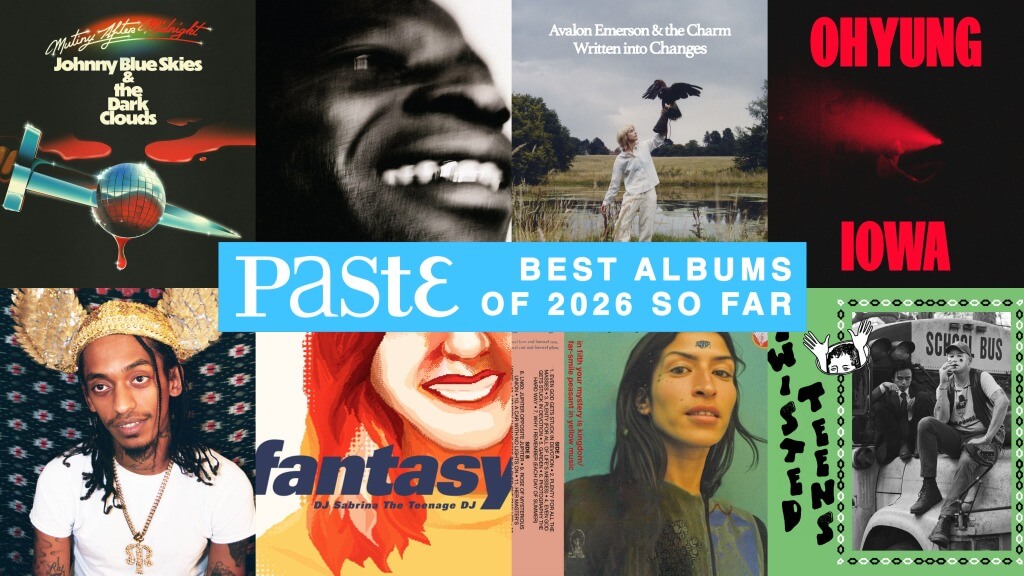
Every June, the Paste team tallies up its favorite albums of the previous six months. It’s a great way for us to present our favorites to you, but also to each other. This list is a snapshot of what we think are the best projects that came out between December 1, 2025, and June 1, 2026. So, some of our recent favorites, like Vince Staples’ Cry Baby and Death Cab for Cutie’s I Built You a Tower, are not present. Normally we alphabetize this sort of list, but this year we’re settling the score numerically, just like we will come winter. Let us know in the comments which release has been your favorite and which releases should be on our radar between now and December. Here are Paste’s picks for the 50 best albums of 2026 so far.
50. Dry Cleaning: Secret Love
 With Secret Love, Dry Cleaning’s compelling combination of interior monologues and art-rock backdrops reaches a zenith. In the four years since their last outing, the quartet doesn’t succumb to diminishing returns but instead delivers more of what made them such a draw in the first place. The star of the show, as on Dry Cleaning’s previous two records, is Florence Shaw’s writing. Certain lines jump out of the mix, like reading a book with small sections highlighted by a previous owner. On “The Cute Things,” she details twin siblings at an impasse, capturing familial disconnect in one pithy sentence: “We’re meant to be from the same egg, but you confuse me.” “Cruise Ship Designer” is, on the surface, a straightforward tune about a random occupation. But at its core, it explores the human necessity of belonging, and the darkness of finding that belonging through economic output and productivity. Shaw ends it with a kicker, a brief meta-commentary on her band’s inner mechanisms, granting us a peek behind the proverbial curtain: “I make sure there are hidden messages in my work.” —Grant Sharples [4AD]
Read: “Dry Cleaning is a total work of art”
49. Slayyyter: WOR$T GIRL IN AMERICA
 When Slayyyter is at her down and dirtiest, she runs laps around artists like The Dare, The Hellp, and Snow Strippers. The difference is that, instead of getting lost in the anachronistic stew of electroclash, dance punk, bloghouse, and turn-of-the century Top 40 hits, Slayyyter synthesizes all of these influences into her own dirtbag Americana dance party. It’s a massive level-up from her previous work, which failed to set itself apart from other head-empty, hyperpop-adjacent tunes of its time. Her sound was sleek, her alleged messiness pristinely produced. Her lyricism trafficked in surface-level tropes of materialism and vapidity—and to be fair, her latest release still occasionally adheres to this pointing-to-the-set-dressing style of songwriting (“orange wine, fake smile;” “New Balenciaga or that Prada I don’t pay for”). But on WOR$T GIRL IN AMERICA, Slayyyter emerges fully-formed: distinguished and disgusting. “CANNIBALISM” has her cheerleader-chanting over a punchy bassline that could’ve come straight from The Rapture or Death From Above 1979. The ideal way to listen to the following track “OLD TECHNOLOGY” would be through an iPod nano docked in a speaker that came off the Radioshack discount shelf; its bass drops just might make you feel like Daft Punk is playing at your house. —Grace Robins-Somerville [RECORDS/Columbia]
Read: “Slayyyter has always been a star”
48. Sluice: Companion
 There’s some of Jason Molina’s style lingering in Justin Morris’ steady, pleading invocations. “I think about being very wrong, about needing to be the animal chasing, when you can be the sleeping dog on the vinyl boat cushion,” he moans in the album’s emotional zenith. It is, in fact, that kind of clinically-precise verbiage that makes Sluice’s Companion stand out. Morris does a remarkably no-nonsense job of pinpointing the thousand tiny hurts of modern American life, even when he’s singing about dancing to Kenny Chesney in the kitchen. Lines like “I could break my back lifting this beam or sending this email” and “here’s a marshmallow and a hot dog” feel weighty in their silliness, poignantly mundane, and numbingly depressing in the way of so much quotidian life does. Verses coast through signifiers of modern living: Miley Cyrus, Craigslist, shoddy public transit, the crushing hole where God’s supposed to be, and a Moby Dick reference. The illusion of the American Dream is treated as exactly that: an illusion, and one that we must admit will never be realized if we hope to find our way in life. Morris’ terse alto does a scary good job of intoning the nihilism of a country stripped of its core, reduced to an empty, rotted-out vacuum of empty promises stretching out into infinity. But even then, Companion refuses to give up. These songs push staunchly forward, looking for something to believe in. —Miranda Wollen [Mtn Laurel Recording Co.]
Read: “OHYUNG: Explosions in the heartland”
47. Robyn: Sexistential
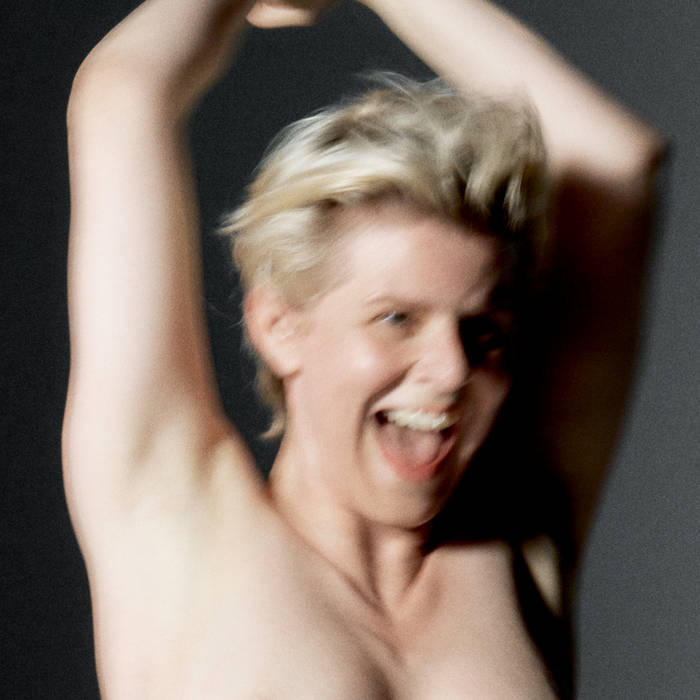 Who would think to link motherhood to the club? Even just the suggestion is unorthodox enough to feel subversive and thrilling. On Sexistential’s title track, Robyn sings about middle age and parenting with a refreshing, horny candor that’s pretty much unheard-of in modern pop music: “Fuck a Plan B, baby, it’s no big deal / I’m already ten weeks in maternity.” She confesses to hanging around in her sweatpants with some “juicy hentai,” swiping through Raya while on IVF, scrolling Instagram Reels and breastfeeding, doing way too much Etsy impulse shopping. A vibrating house beat—so spartan that, at times, all you hear is a kick drum beneath Robyn’s rapping—lends the track the unfiltered intimacy of an off-the-cuff voice note. Yet the song’s most telling moment arrives in its chorus, when Robyn moans: “I like to go out / Wear something nice, and push.” This is sweaty clubs, sticky dance floors, the heat of the moment; yet the way Robyn delivers push makes it hard not to feel it’s all a pregnancy double entendre. Then again, who else but Robyn to pull this thread? After all, the dance floor is where she’s always been most at home. Sexistential, crafted alongside longtime collaborator Klas Åhlund, marks a return to the mechanistic synth-pop of Body Talk. But Robyn, of course, is not the same young woman she was back then, and her dance floor dispatches have matured with age. “Talk To Me” is all about the giddy delights of phone sex. “Sucker for Love” is just another riff on the brokenhearted, scrappy courage that’s always been at the core of her persona. “Dopamine” is a pure pop lodestone beaming and radiating with passion. Robyn shows that love, motherhood, and dancefloor salvation can each make a new life for you. —Lydia Wei [Young]
46. Mandy, Indiana: URGH
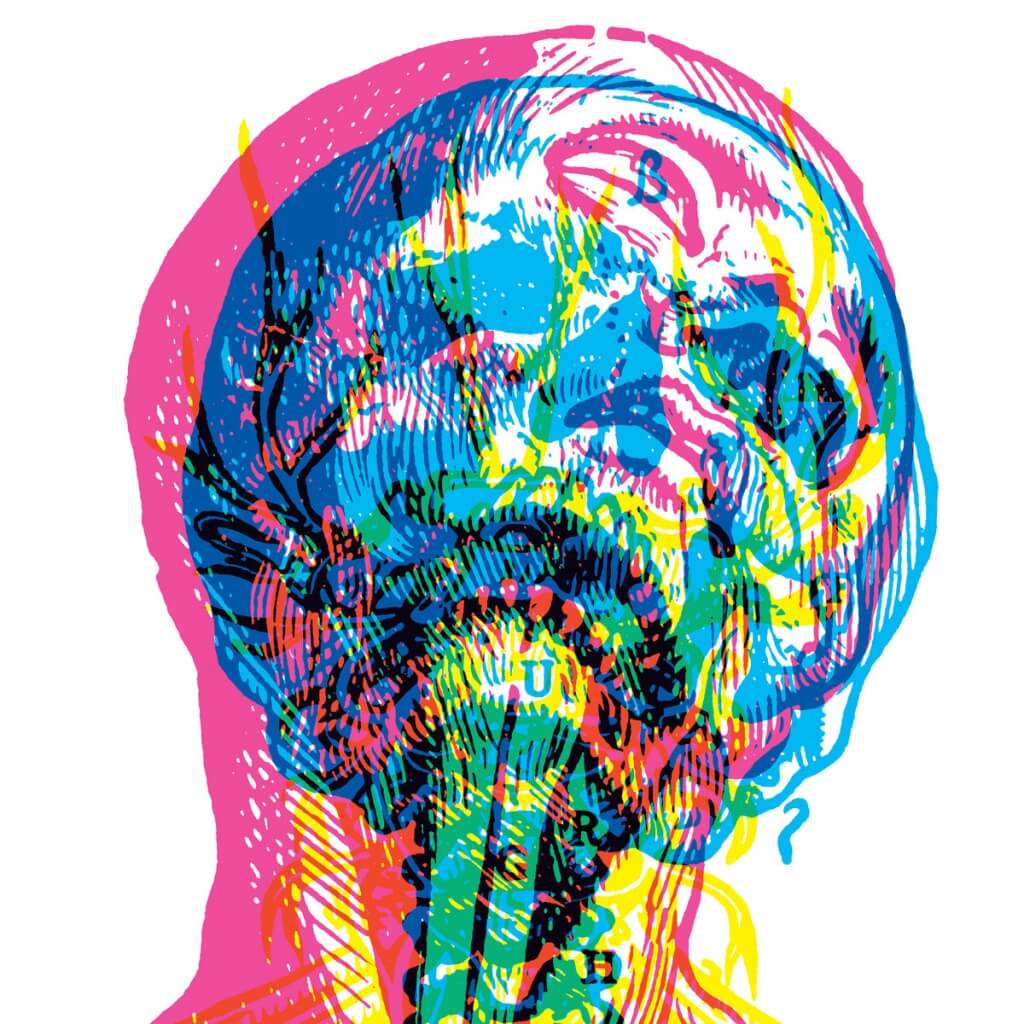 As far as Mandy, Indiana songs go, “Magazine” begins unassumingly: a jittery 6/4 beat heavy on auxiliary percussion, a clubby kick drum, and rumbling synth bass. But roughly a minute in, everything erupts. Alex Macdougall annihilates his crash cymbal, Scott Fair’s guitar caterwauls like a siren, Simon Catling grounds the cacophony with gritty low-end, and Valentine Caulfield excoriates her rapist in a seething warning to flee while he still can: “I’m coming for you / So go run / I won’t miss you,” she bellows in her native French. Even without the translation, the emotional charge runs deep, transcending any language barrier with its frenzied ferocity. That’s one of the recurring throughlines on URGH, the second album from the Mancunian-Parisian noise rockers. The depth of feeling, conveyed through Caulfield’s tangible presence, is one of this band’s defining traits. Here, they dial up the intensity by heightening and embellishing their core sound rather than delivering a simple reiteration. Through this methodology of escalating their industrial grit until it becomes almost unbearable, URGH utterly shatters expectations. —Grant Sharples [Sacred Bones]
45. OHYUNG: IOWA
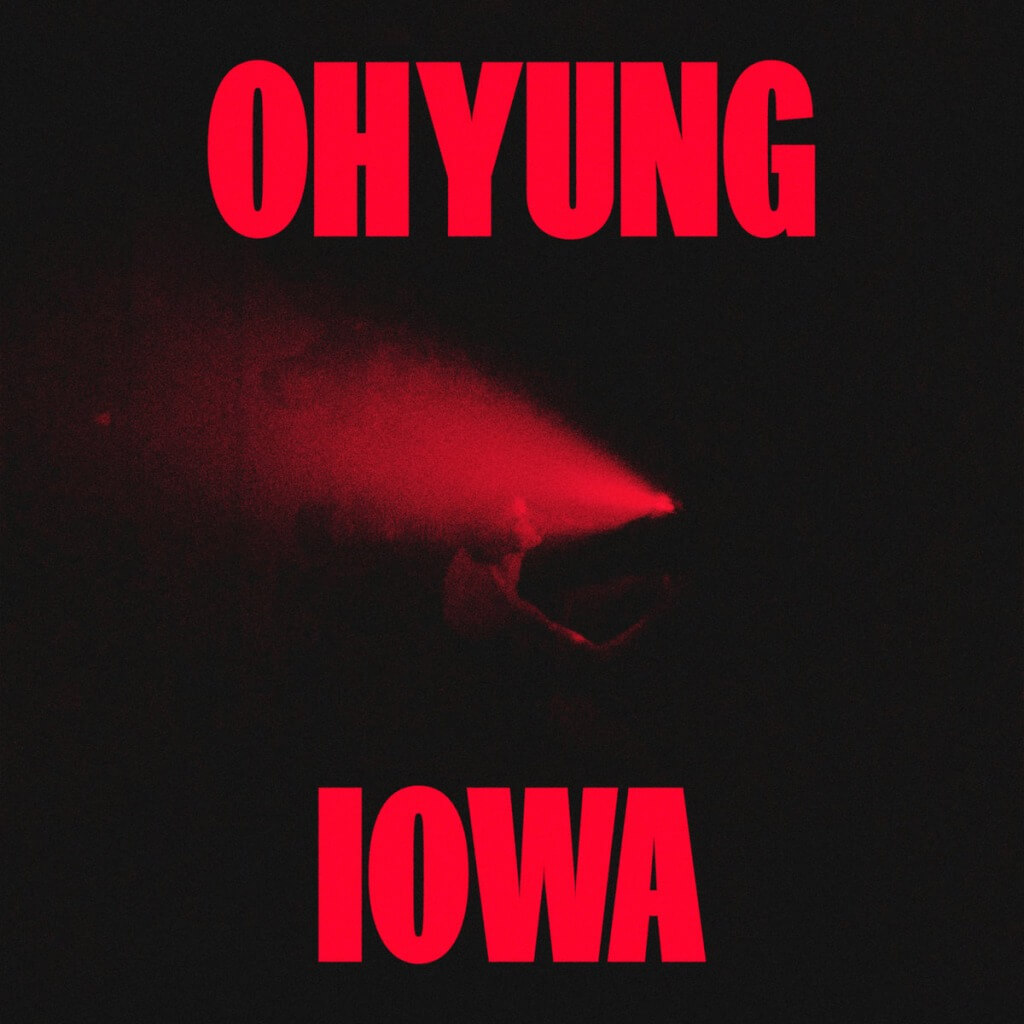 IOWA is PC music made “in the box.” OHYUNG used soft synths and contact synths, processing textures through analog tube compressors. Iowa City musician toyaway gave her a cassette player, and she added that to her board gear, allowing her to feed samples through old-tape pop and grit. OHYUNG used a lot of tape-delay emulation, constructing IOWA on her laptop. In the songs, she processes mouth sounds with reverb, having searched the deepest corners of YouTube for community church choir recordings to chop up, distort, stretch, and build out. Subwoofer thuds invade her pastorals, where terror unpeels in chorale disfigurements: “driftless” soothes before it discombobulates. The ceramics in “nevada” are tinted by a stormy warning. OHYUNG pet birds are absent from “dancing parakeets” but a prismatic interplay recreates their conversations. “kiara” spirals through bleared voices. Her disregard for genre on every album reminds me of Arthur Russell. In her sky of prayer on IOWA, OHYUNG unsettles the beauty with music that makes room for harm around her: trans demonization, ICE raids, warmongering, despotism. Why do you think so many artists come to the Midwest’s quiet for answers? There’s truth in these plains. —Matt Mitchell [Self-Released]
44. Namasenda: Limbo
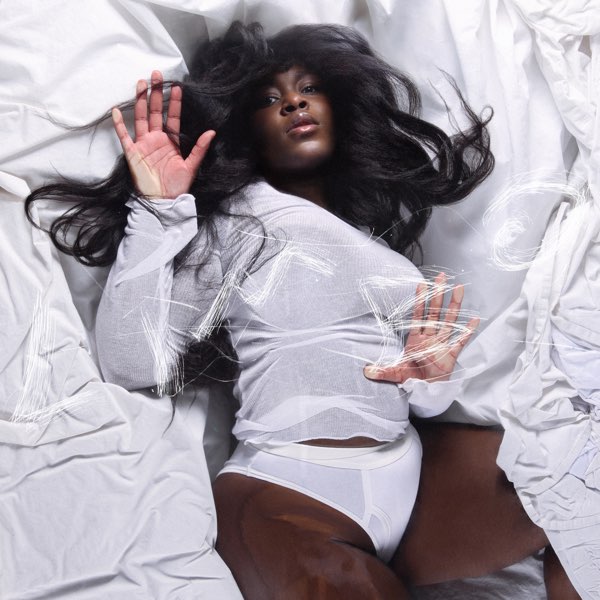 Limbo is easily Namasenda’s most honest work to date, grappling head-on with all her insecurities and uncertainties from within this liminal moment. She won’t shy away from sharing that she was depressed while working on the album, and the cover, shot by frequent collaborator and PC Music alum Hannah Diamond, shows Namasenda literally “bedrotting” while dressed in a thermal top and underwear. It can be strange to associate bedrotting with purity—I personally picture grease-stained sheets and the hypno-psychedelic swirl of TikTok—but perhaps what becomes pure is the level of honesty accessed when you’re at your most vulnerable state, when all guards have finally been lowered. Chief amongst Limbo’s concerns is body image, on which Namasenda is refreshingly frank. A large part of the album is devoted to “me trying to figure out where I stand in the beauty culture and the way that I see myself and the way that I see my body.” Songs like “Alright” address how body insecurity crops up in romantic relationships (“I suppress my appetite to be your type”), and Namasenda calls “Heaven” a straight-up “looksmaxxing anthem.” —Lydia Wei [YEAR0001]
Read: “Namasenda is ready to meet you at her realest”
43. Phew / Danielle de Picciotto: Paper Masks
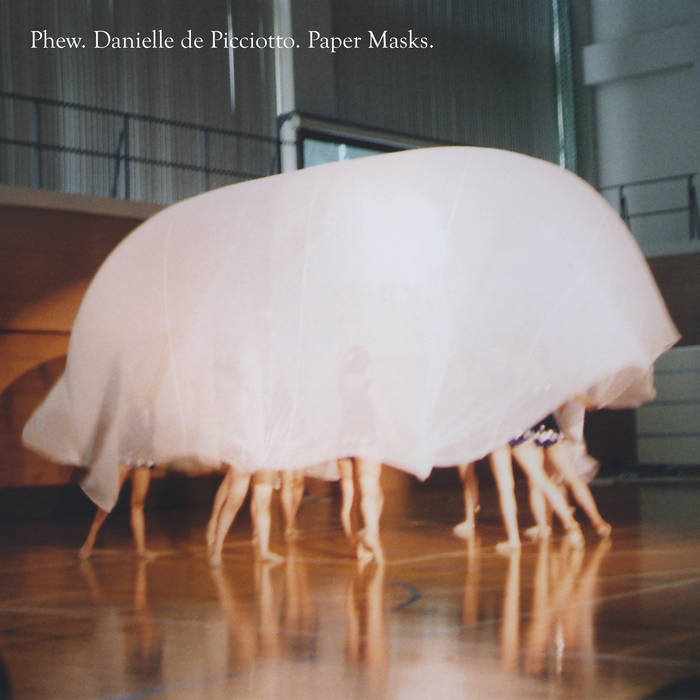 Mute labelmates Phew and Danielle de Picciotto teamed up on Paper Masks, a “mesmerizing exchange between two singular voices in experimental music,” as the liner notes succinctly summarize. The album isn’t a set of ideas so much as it is dialogues in German and English; intuitive interplay shared between the Berlin-based Picciotto and the Osaka hero Phew. The songs are electronic works that, even in their minimalism, find ways to be unpredictable. “Paper Memories” employs a spoken-word performance from de Picciotto that collapses into a glitch; “Pixelwissen” utilizes Auto-Tune aboard a buzzing organ drone; the bleeps and bloops in “The Cat” siren louder than de Picciotto’s voice but never overwhelm her harmonies; “Sugar Sprinkles” puts a sinister lacquer atop a collage of found sounds and vocal clips. Paper Masks is dystopian yet tranquilizing noise. Language evolves as the record carries forward, as Phew and de Picciotto become more woven into each other. —Matt Mitchell [Mute]
42. Robber Robber: Two Wheels Move the Soul
 Robber Robber knows quite a bit about transience. The Vermont group Two Wheels Move the Soul after Nina Cates and Zack James’ landlord decided to have their long-time home demolished. For months, the pair couch-surfed across Burlington while recording. Making the album became a source of solid ground amidst the turbulence of their living situation, the band channeling all that stress in the studio. Its songs are coiled springs, bundles of potential energy that always threaten to unravel. Like their fellow experimental noisemakers YHWH Nailgun, Robber Robber is a drummer’s band: the exact tone of a snare-drum smack or air-pressure of a kick-drum are just as important melodic building blocks in their music as a guitar line. Just listen to the way James’ percussion snaps between an earthy live kit and processed breakbeats on “The Sound It Made,” the metallic smacks on “Talkback,” or how his beat on “Watch For Infection” presses forward relentlessly while Cates’ vocal line pulls back. Two Wheels is a feast for such drumming, but everything on the album is textured and satisfyingly gritty, played like there’s dirt under the band’s fingernails and a tension headache keeping them awake at night. —Andy Steiner [Fire Talk]
41. username / Marsh crane: OVERTIME
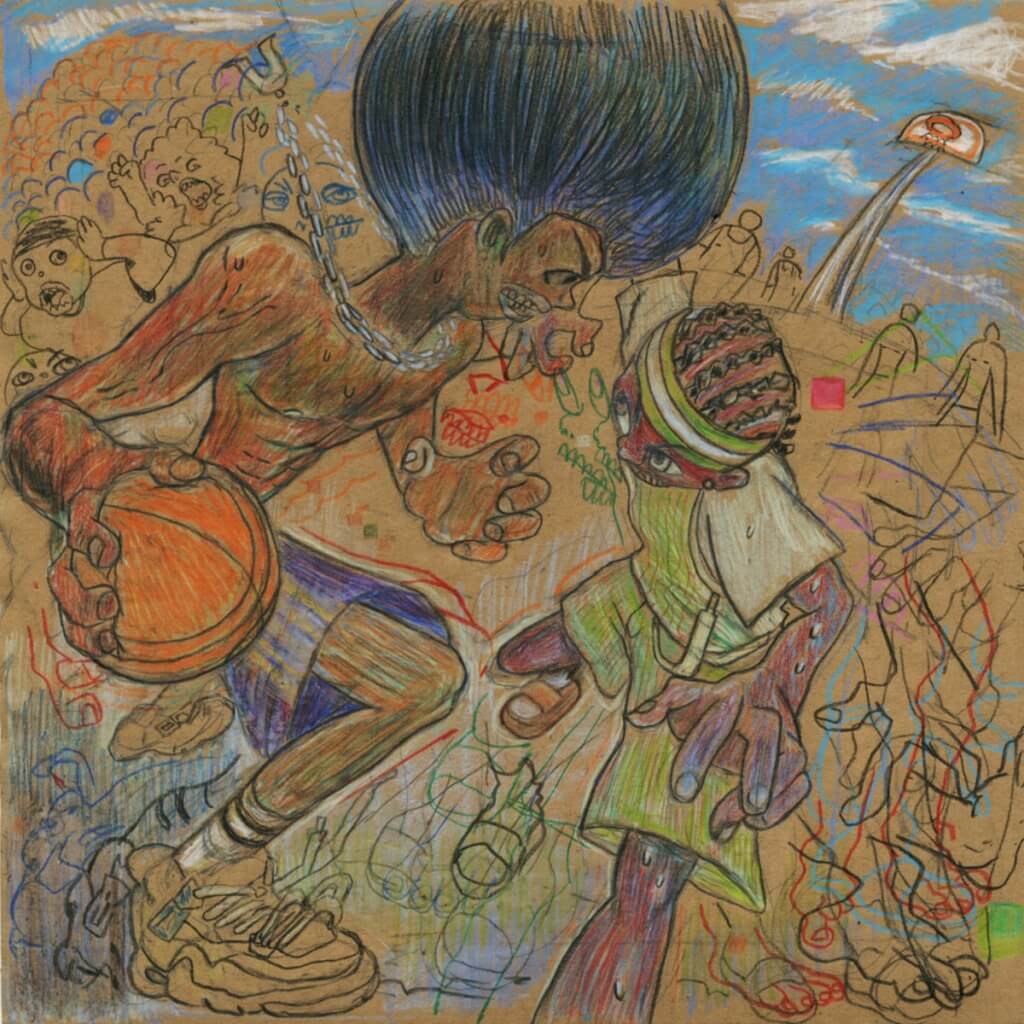 The title track from username and Marsh crane’s OVERTIME album is among the candidates for my song of the year. It’s nothing fancy, just great footwork interwoven with rap beats, ghettotech, and sampledelica. The use of Millie B’s “M to the B” is excellent food for the brainrotten doom-scroller, and scratches of IDM, house music, and hoop-mixtape runoff make these next-gen collagists sound like mad scientists who’re too attached to their 808s. In username and Marsh crane’s hands, being terminally online is the new crate-digging. “NEVER SWITCH” and “NAP” are the makings of someone who considers the GameCube and Doepfer A-100 to be of similar importance. The synth part in “SPEAKERS” is pure chopped-and-screwed euphoria. “REPETITION” is a banger, too—thanks to samples of Lil Wayne talking about record spins and rotations. username and Marsh crane want us to dance, so why don’t we? —Matt Mitchell [LIKEWISE]
40. The Messthetics / James Brandon Lewis: Deface the Currency
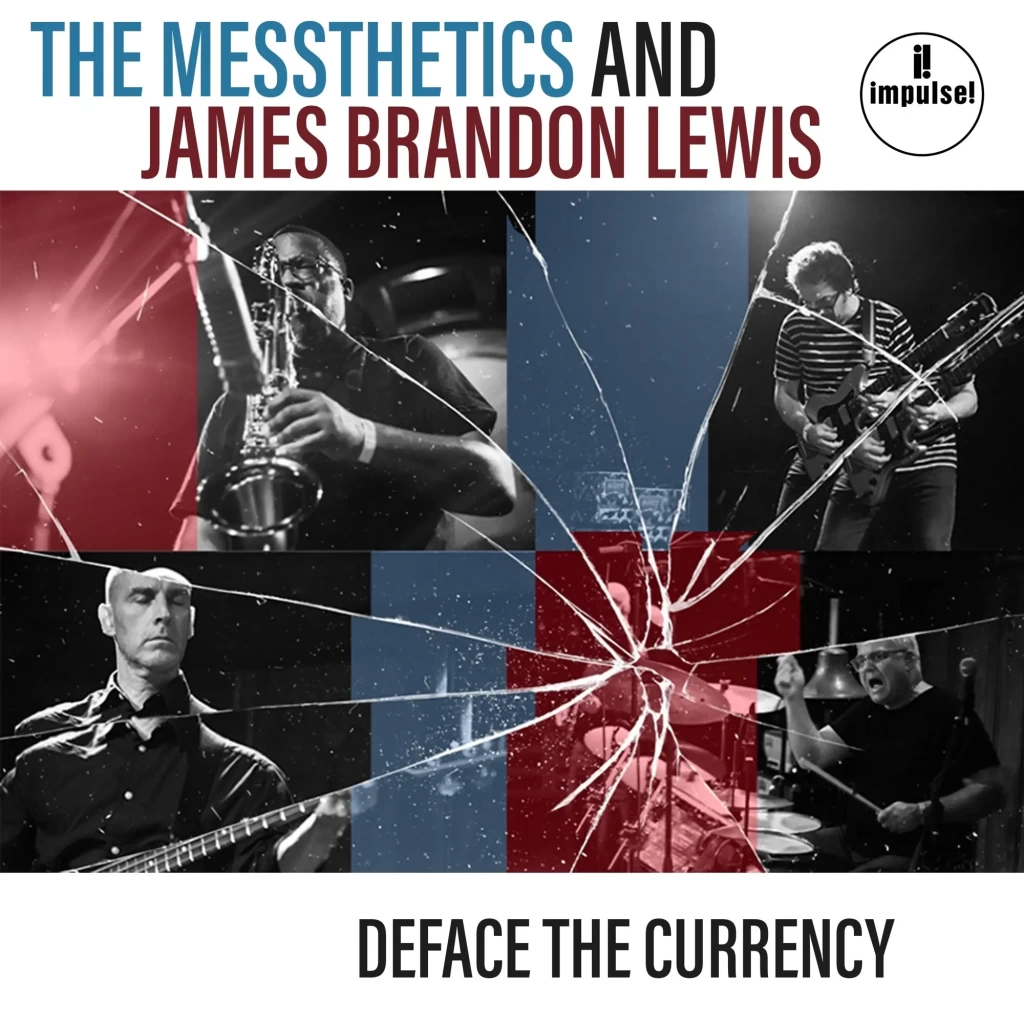 Deface the Currency sounds like punk’s anxious itch got poured straight into a jazz record and left to ferment. Across seven tracks, the Messthetics—Fugazi’s rhythm section plus guitarist Anthony Pirog—and tenor saxophonist James Brandon Lewis take the punk‑jazz handshake of their 2024 debut and rough it up: the tempos lurch harder, the noise gets gnarlier, the quiet bits feel newly haunted. You can hear all those 150‑odd shows in the way they move as a single animal—“Deface the Currency” and “Universal Security” keep collapsing from locked‑in groove into total mayhem and back again, like they’re stress‑testing how much chaos the rhythm section can hold before everything splits open. Elsewhere, “Gestations” slinks along on noir funk before blooming into full Sonny Sharrock freakout, “30 Years of Knowing” briefly remembers how to be pretty, and “Serpent Tongue (Slight Return)” takes an old Messthetics bruiser and blows it out into a free‑jazz pileup, skronk ping‑ponging between guitar and sax until there’s nothing left to burn. It’s the rare “crossover” record that never feels like homework: the reference points are there if you want them—Impulse! lineage, DC punk, hard‑bop fire—but mostly it just plays like a band joyriding through all their shared obsessions, daring you to keep up. —Casey Epstein-Gross [Impulse!]
39. Fire-Toolz: Lavender Networks
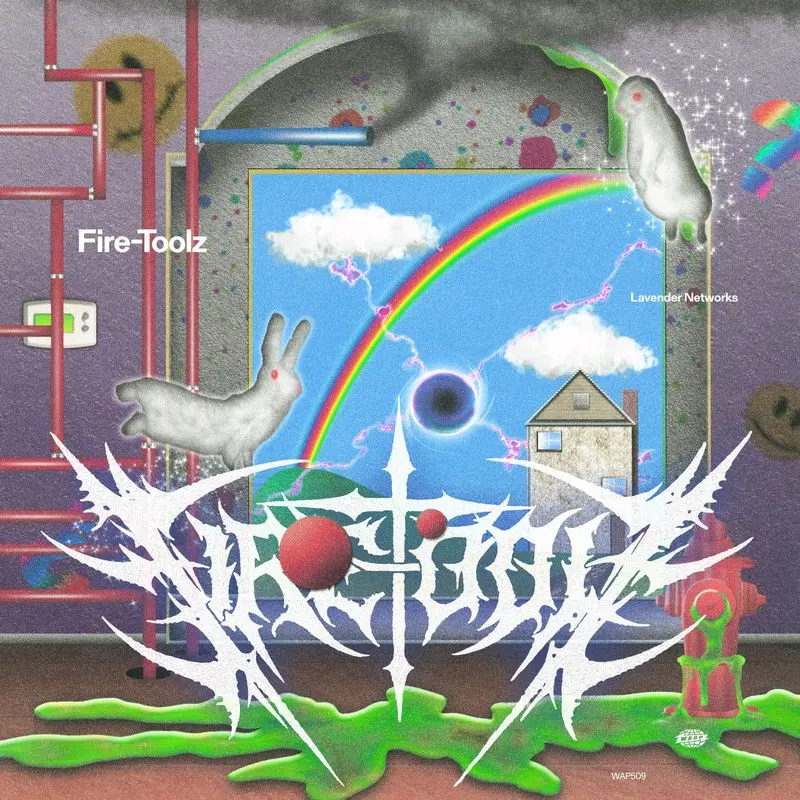 Angel Marcloid’s debut for the lauded experimental label Warp delights in the vivid frictions—in harsh/clean vocals, in timbres and textures that rarely appear in the same song—that have anchored much of her past work. “Quintessential Fixed Width Unfoldment” shows the full sonic range: literal whispers to brutal screams, electro-metal drums and distorted riffs to flute-like synths and gooey electronics. For the right kind of listener, it’s thrilling to know any instrument might creep into your headphones. The song’s umbrella is big enough here to weave in guest vocals from electronic artist Brothertiger, brooding art-pop songwriter Zola Jesus, and mystical folkie Nailah Hunter—and make them all feel like natural collaborators. Every other song is filled with similar delights, blurring electronic and acoustic, organic and synthetic, jarring and soothing: On “Kiss The Bladed Cat, Find Ways To Stretch Time,” demonic shrieks are balanced with horror-movie synths, tick-tock electronic beats, and what sounds like the supple glide of a fretless bass. “The Ocean Gratitude Cylinder Peace Necklace Lemonade Flying Free” pairs blast beats and vintage metal riffs with dissonant synths and some tasty smooth-jazz sax. Marcloid is willing to follow any musical idea to its logical endpoint: to craft the perfect vocal balance for the glitchy and atmospheric “And Where Is The Heart? I’ve Searched My Entire Home,” she tracked down Jennifer Holm, a Nashville session musician, after encountering her tranquil voice in a royalty-free ballad from a YouTube video. —Ryan Reed [Warp]
38. Touch Girl Apple Blossom: Graceful
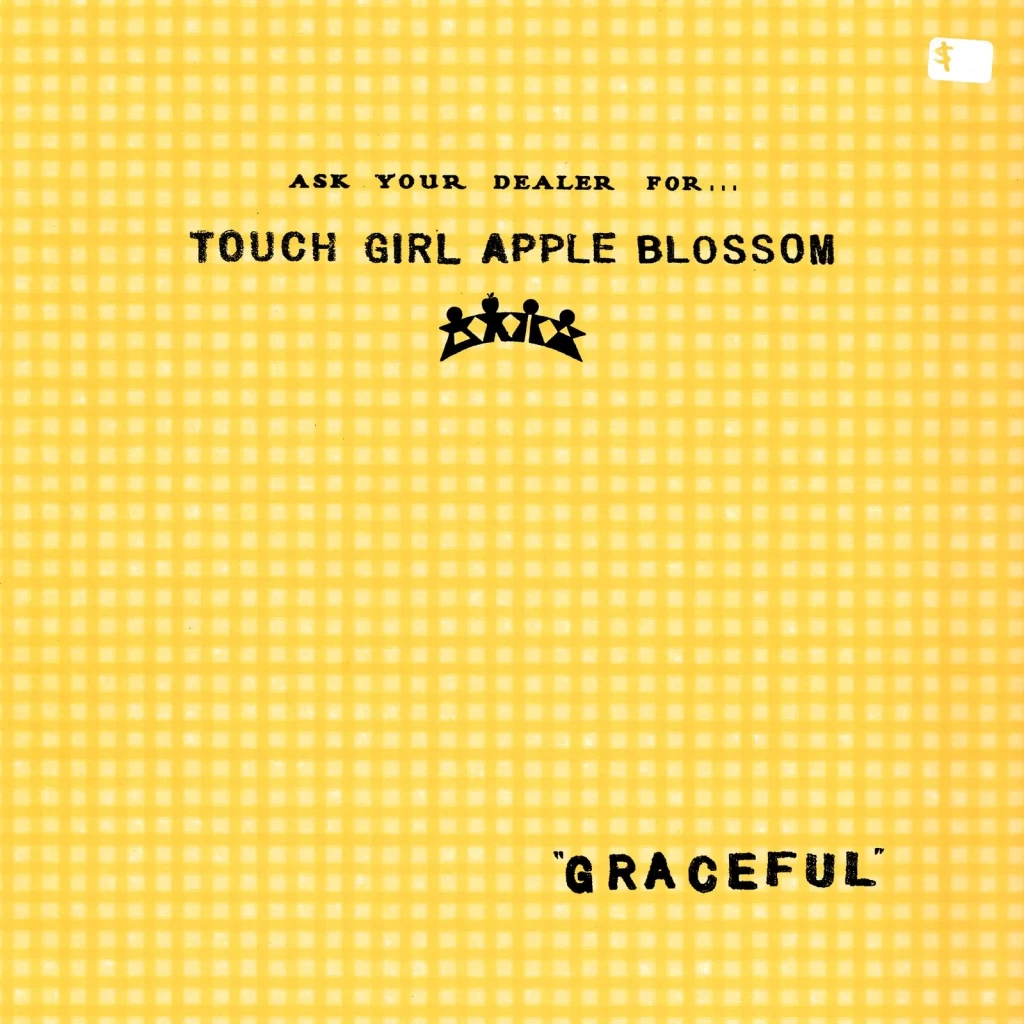 Much like their peers in indie rock’s current twee revival, Touch Girl Apple Blossom balance sweetness and edge, nestling their more bitter or sorrowful lyrics in cutesy, homespun arrangements and overlapping power pop harmonies. Having seen their tourmates, Good Flying Birds, play to a moshpit that rivaled the rowdiness of ones I’ve seen at venue-destroying hardcore shows, I’m not surprised that Touch Girl Apple Blossom have inspired similarly raucous crowds. Even in Graceful’s mellower moments, the songs have a spring in their two-step, a pop jauntiness that only punks can muster—even if a bit reluctantly. A song like “Heart-Go” comes alive in its yelps, drumrolls, and kinetic riffs. “Where does the heart go when the heart’s not in it?” Olivia Garner asks at the chorus. The following “Dustin’s Song” flickers between daydreams, regular dreams, and real life (the latter of which, of course, pales in comparison to its counterparts) along wafer-thin cymbal taps and a tangled web of guitar distortion. Drummer Daniel Charles Powell’s light touch lends these songs a nimbleness and buoyancy; rather than grounding these songs, Touch Girl Apple Blossom’s rhythm section (rounded out by bassist Dustin Pilkington) makes them feel weightless. The feathery production only adds to the dreamlike, faded-at-the-edges effect. —Grace Robins-Somerville [K Records]
37. Loraine James: Detached From The Rest of You
 All the hallmarks upon which Loraine James has built her reputation are present and correct from the start of Detached from the Rest of You. Opener “A Long Distance Call” arrives on a riptide of bubbling synth glitches and modulated samples before settling into a delicate but insistent mid-tempo flow, James’ breathy voice gently pitched and manipulated into the gaps between the beats and synth nudges. It’s a track that would feel at home on James’ Hyperdub debut For You and I. As the album progresses, more of the pop ambition James has touched upon moves to the fore, partly thanks to several excellent vocal features. The gorgeous “In A Rut” includes a Nico-like turn from sound artist Sydney Spann; Spann’s fellow New Yorker Ansyia Kym provides a wonderfully organic counterpoint to James’ metallic textures on “Score”, like steam rising through a steel grid; while Low’s Alan Sparhawk offers a mournful focal point for the space-age boom-bap of “Peak Again.” Perhaps the most transcendent features here, however, come from closer to James’ home in the outer reaches of British electronica, UK bass, and alt-pop. London experimental R&B auteur Tirzah—like James, a genuinely singular artist who seems to navigate the vagaries of the music industry entirely on her own terms—illuminates “Habits and Patterns” with her beacon-like voice, throwing the intricate contours of the track’s production into sharp relief. It’s the record’s most straightforwardly beautiful moment, only rivaled in impact (albeit for different reasons) by the astonishing “Ending Us All,” featuring Loraine James’ longtime collaborator Le3 bLACK and drummer Fyn Dobson. Here, James and her co-conspirators let themselves loose on a shifting terrain of monstrous, writhing percussion and shearing synths, with bLACK’s clear-eyed mic work weaving through the chaos with expert precision. —Luke Cartledge [Hyperdub]
Read: “Loraine James is learning to be proud of herself”
36. Neurosis: An Undying Love For A Burning World
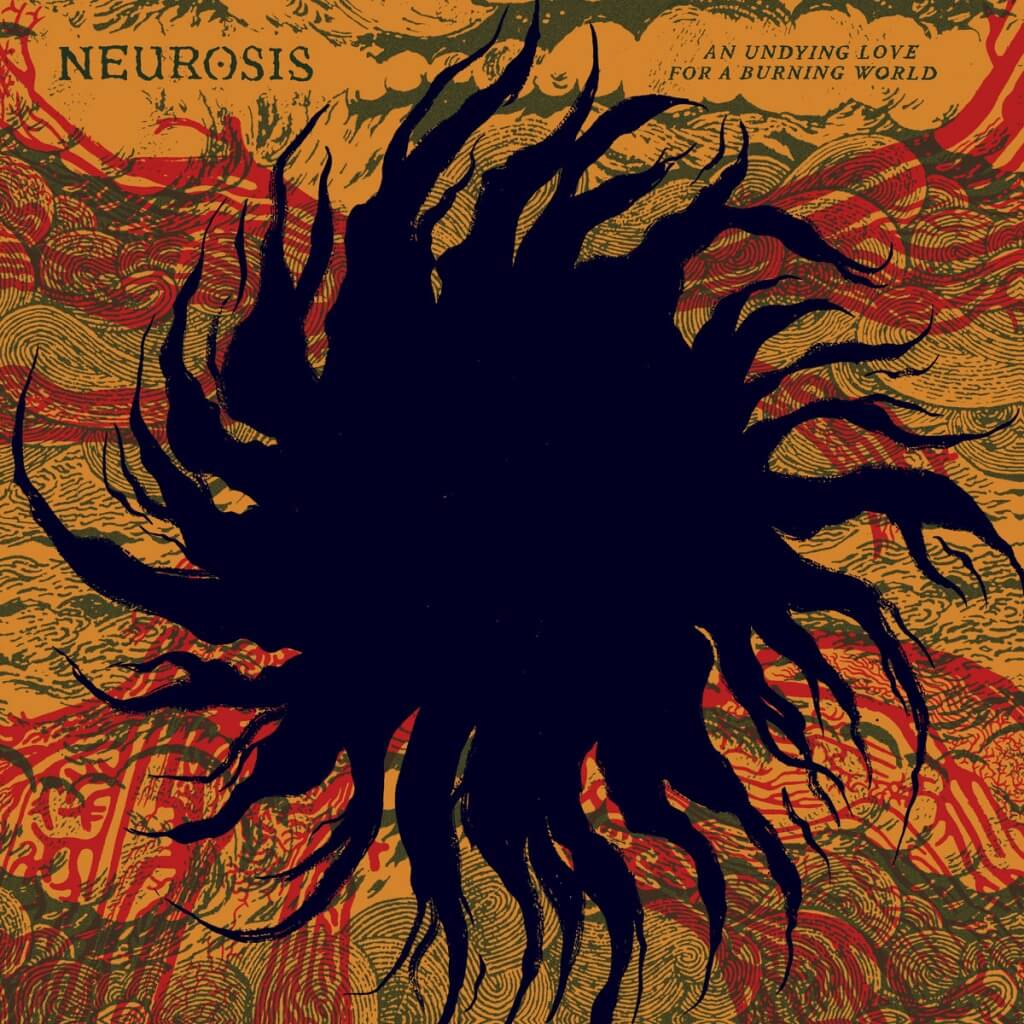 I am normally wary of anything that’s a “consensus pick,” but it’s hard to argue with Neurosis’ An Undying Love For A Burning World, what mid-year lists predating this one have already touted as the best metal album of 2026 (so far). There hasn’t been an artistic rebirth quite as impressive. After frontman Scott Kelly’s domestic violence history came to light, the band fired him and went on hiatus. But, after the recruitment of SUMAC singer Aaron Turner, Neurosis sounds greater than ever—its sludge metal catharsis a worthy and needed reprieve as fascism corrodes America. The songs are slow but punishing, using revelation and reinvention as textural calls to action about wealth and labor. “Mirror Deep” and “Seething and Scattered” will turn you inside out, and the seventeen-minute finale “Last Light” is easily one of the heaviest, most expansive obliterations all year. An Undying Love For A Burning World is a colossal, redemptive second act for Neurosis. I look forward to hearing what metal becomes now that it exists. —Matt Mitchell [Neurot]
35. Fatboi Sharif / Child Actor: Crayola Circles
 Backwoodz has been destroying it lately, and Crayola Circles is no exception. Fatboi Sharif’s low, unbothered drawl is a perfect fit for Child Actor’s sample-heavy soundscapes, his ever-confident flow and resonant voice both more than capable of filling up at that intentional empty space. From the aptly nightmarish “Night Terrors” to the aptly angry “ANGER,” the taffy-slow drowsiness of “Assassination Tapes” to the messy piano scattered across “Diagnosis” to the hollow echoes blowing through “Cold Day In Hill,” every decision feels utterly intentional even as both collaborators casually play them off as if they were nothing at all. As is typically the case with the NJ rapper, Sharif’s lyricism is imagistic and discombobulating, concise in verbiage but expansive in meaning. References and name-drops populate the record, often in MadLibs-esque combinations (see: “Betty Shabazz and James Baldwin won a fortune at the DJ School Memorial as purple rain was falling”) that create something of a pop culture palimpsest, impressions of impressions stacked atop each other until the picture painted is equal parts realism and surrealism. Sharif’s racked up a ridiculous discography over the last eight or so years, and Child Actor’s list of impressive collaborations just keeps on growing. —Casey Epstein-Gross [Backwoodz]
34. Heather the Jerk: Scroll If You Love Devil
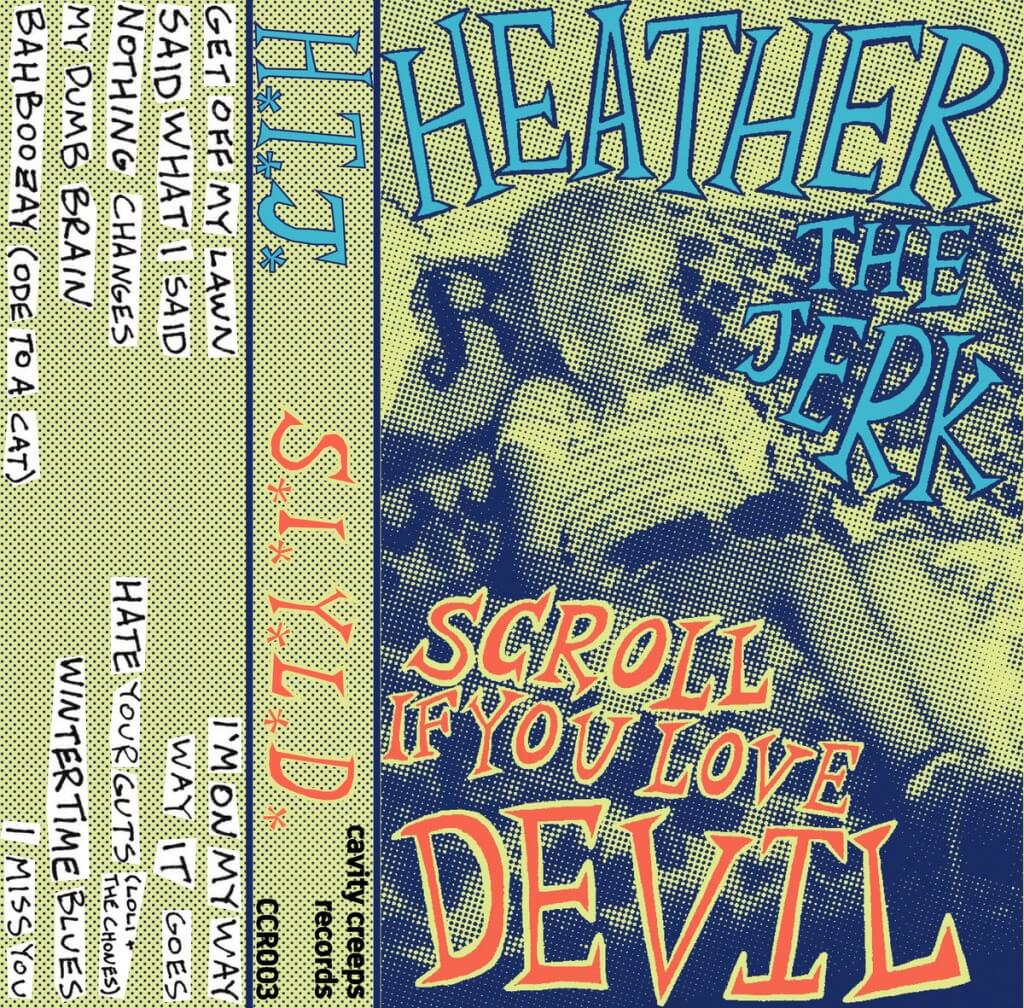 Heather Sawyer’s new tape, Scroll If You Love Devil, is a fast and strange eruption. Her homespun DIY style exists in service to old-world pop music, and the songs within will knock you sideways. I’m attracted to sugary melodies sunk beneath muggy distortion like a moth is attracted to a mercury light, and this record is no exception: it’s contagiously dynamic, teeming with top and bottom line interplay, punchy garage tones, and a veneer of bleary, choky fuzz. Scroll If You Love Devil is punk-pop jolted to life by Brill Building yore and girl-group throwbacks. “Said What I Said” alternates between “nah-nah-nah” singalongs, nasty guitar harmonics, and slamming hooks. A surfing melody made by swooning sock-hop strums, pealing cymbals, and a hundred lightning bolts bursts at the heart of “I’m On My Way.” “Bahboozay (Ode to a Cat)” is frantic and bratty, packed with vertical attacks and a hemorrhaging drum beat. The textures here are exceptional, covering unbelievable ground in under twenty minutes. The sonic fuckery of Scroll If You Love Devil burns fast and high. —Matt Mitchell [Cavity Creep Records]
33. GENA: The Pleasure Is Yours
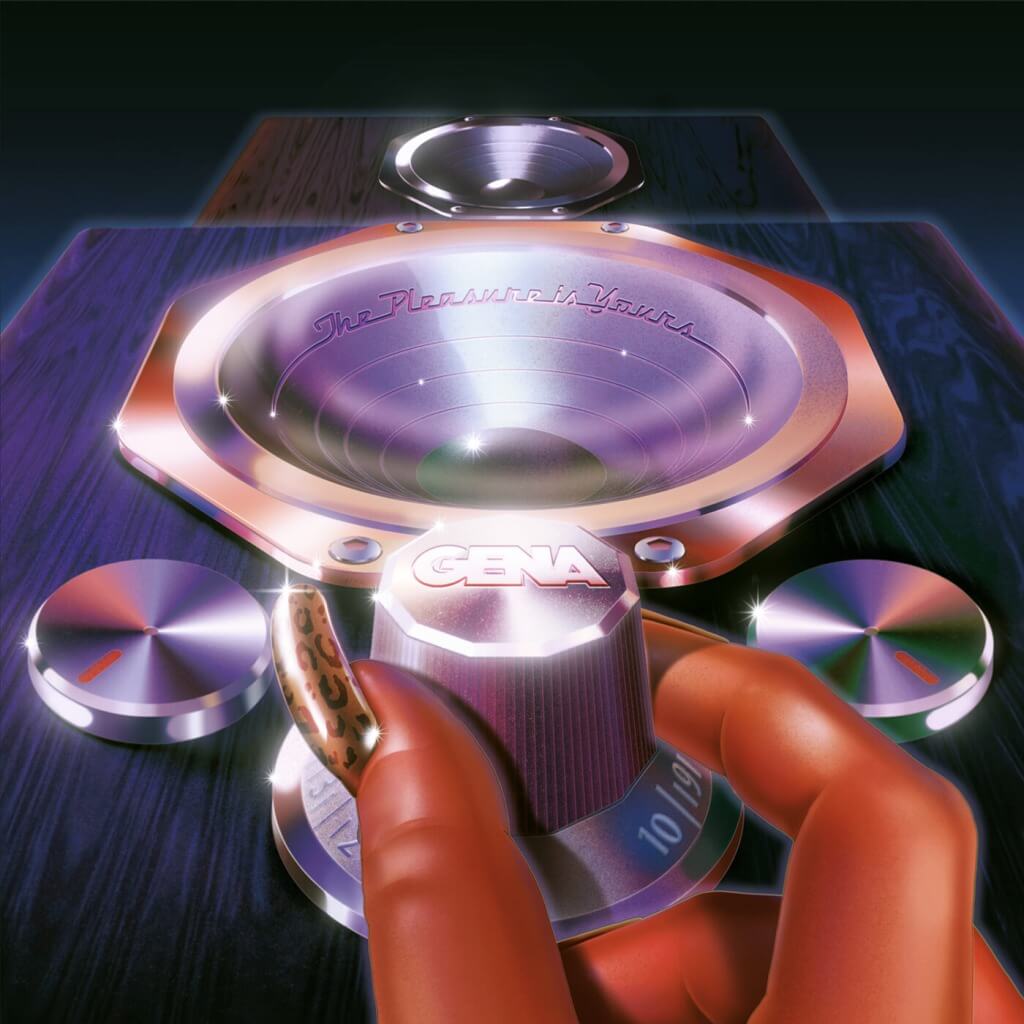 Karriem Riggins and Liv.e make a good pair. The Detroit percussionist and Dallas experimentalist, as GENA, concocted a picture-perfect rap album earlier this year. The Pleasure Is Yours is eccentric in its command of Black musical history: Afro-funk, gospel, neo-soul passages, cosmic rap rhymes, drum knocks, and brass sections offer a vast habitat of genre and form. Riggins, a session veteran whose past collaborators include Common and J Dilla, lends a perfect texture to Liv.e’s hypnotic singing. On “Douwannabewithastar,” his decorations land all the way in the pocket, thanks to a hot-and-heavy combination of jazz horns and slinky breakbeats. My personal favorite, “This Is So Crazy,” is part-Eighties belter and part-footwork headrush—music that’s as addictive as it is infatuating. The Pleasure Is Yours is the type of record you buy out of a trunk. —Matt Mitchell [Lex]
32. Lip Critic: Theft World
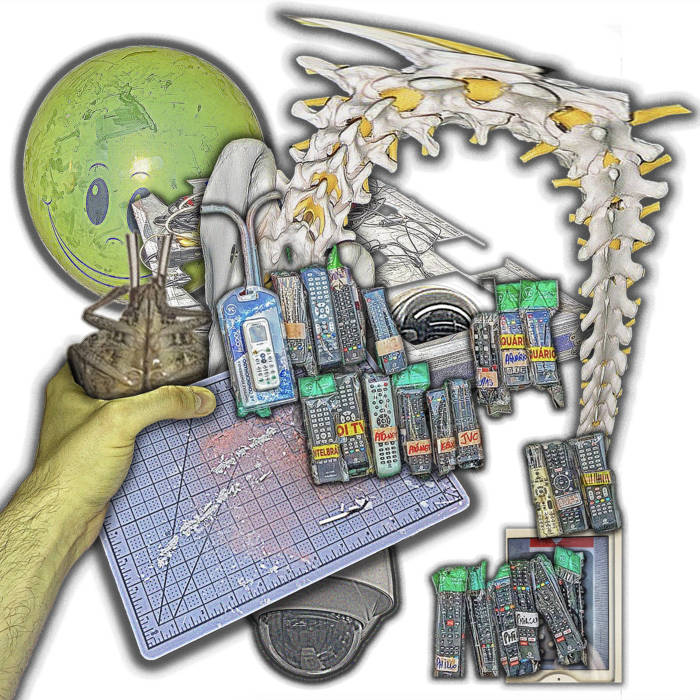 Theft World opens with “Two Lucks,” a dance-punk DEVO-meets-Death Grips banger that transports us to “junk space” where the protagonist is “a junk god,” all of which Bret Kaser delivers in his signature nasally yelp. Near the outro, that sermonizer voice transmutes into a bloodletting scream: “Because you! Are the hell! That I made! For myself!” On “Debt Forest,” we meet a character known as the ATM man who seems ripped straight out of a Toby Fox game. “I try to keep the score / but end up wanting more,” Kaser shouts, channeling the B-52’s and MSPAINT in equal measure, underlining the insatiable avarice that capitalism can’t exist without. We pay a visit to a grocery store casino on “Shoplifting,” where a regular visit (as regular of a visit to a combination-grocery-store-casino can be, that is) sparks a patron’s childhood memory that sends them spiraling into a spell of existential dread. “You’re not getting to heaven,” God told them at this very checkout stand twenty years ago. It’s funny and disquieting all at once. It’s a boon that the music itself matches Kaser’s outlandish lyrical premises. Dual drummers Danny Eberle and Michael Sandvig are locked in like two professional Smash Bros. players, dashing and dodging and landing powerful blows. Their kinetic performances add to the adrenalized gambling stakes of “Jackpot,” which recounts a narrative of a man who hides coins underneath his skin, and they make the tingling body horror that much more palpable. Their rapid-fire syncopations fuse into a vertiginous onslaught of rollicking toms on “Drumming with Izzy,” interspersing occasional jolts of cymbals to keep you on your toes. “Yard Sale (230 Take)” is a blast of full-on hardcore synth-punk bristling with Kaser’s curdled screams and Eberle’s and Sandvig’s relentless pulverization. It’s got a 101% chance to ignite the pit into a frenzy. —Grant Sharples [Partisan]
Read: “Lip Critic rode the Demonator straight to Theft World”
31. Ana Roxanne: Poem 1
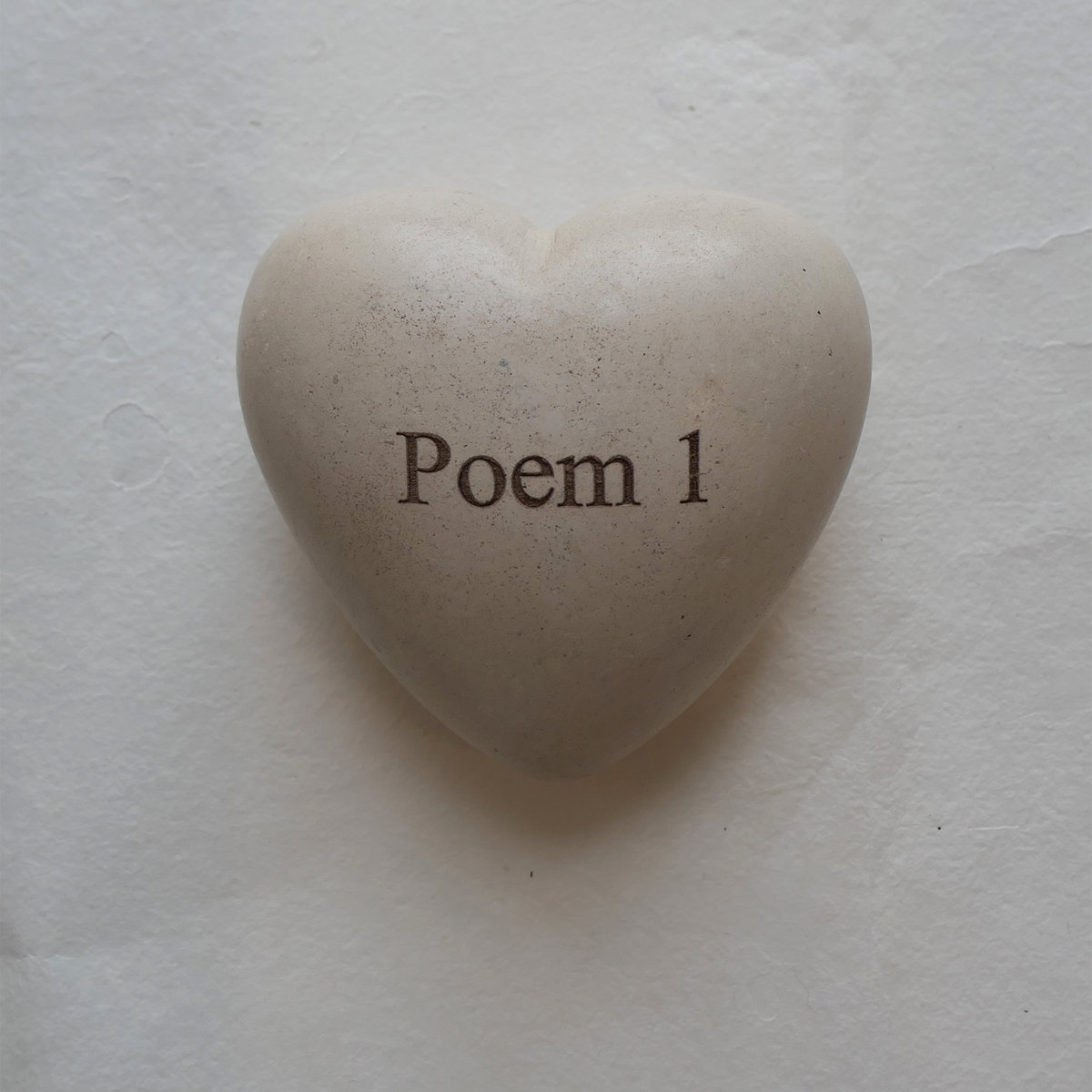 I find Ana Roxanne’s first album in six years to be remarkably devastating. The patience with which she performs these songs is nearly impossible to articulate. Her stillness is a colossus. She’s stripped herself of everything but piano fundamentals, building out stark, sparse music that’s as enjoyable and memorable as a maximalist pop hit. A drone brings Roxanne into view on “The Age of Innocence,” as she sings “I wanted to try and go very far” no louder than a whisper. The slow, delicate “Untitled II” unfurls for six minutes, finding momentum in brushed jazz drums and Roxanne stirring in the consequence of “losing what I had.” “Keepsake” and “Atonement” are the works of an artist with as much experience singing in choirs as making field recordings. For thirty-eight minutes, a nightshade mood vibrates in Roxanne’s intimacy. “Berceuse in A-Flat Minor, Op. 45” alone lives in its own cradle-song title. Poem 1 is the middle ground between Grouper and Alicia Keys. One of Roxanne’s own lyrics describes it perfectly: “a song playing over the air.” —Matt Mitchell [kranky]
30. Friko: Something Worth Waiting For
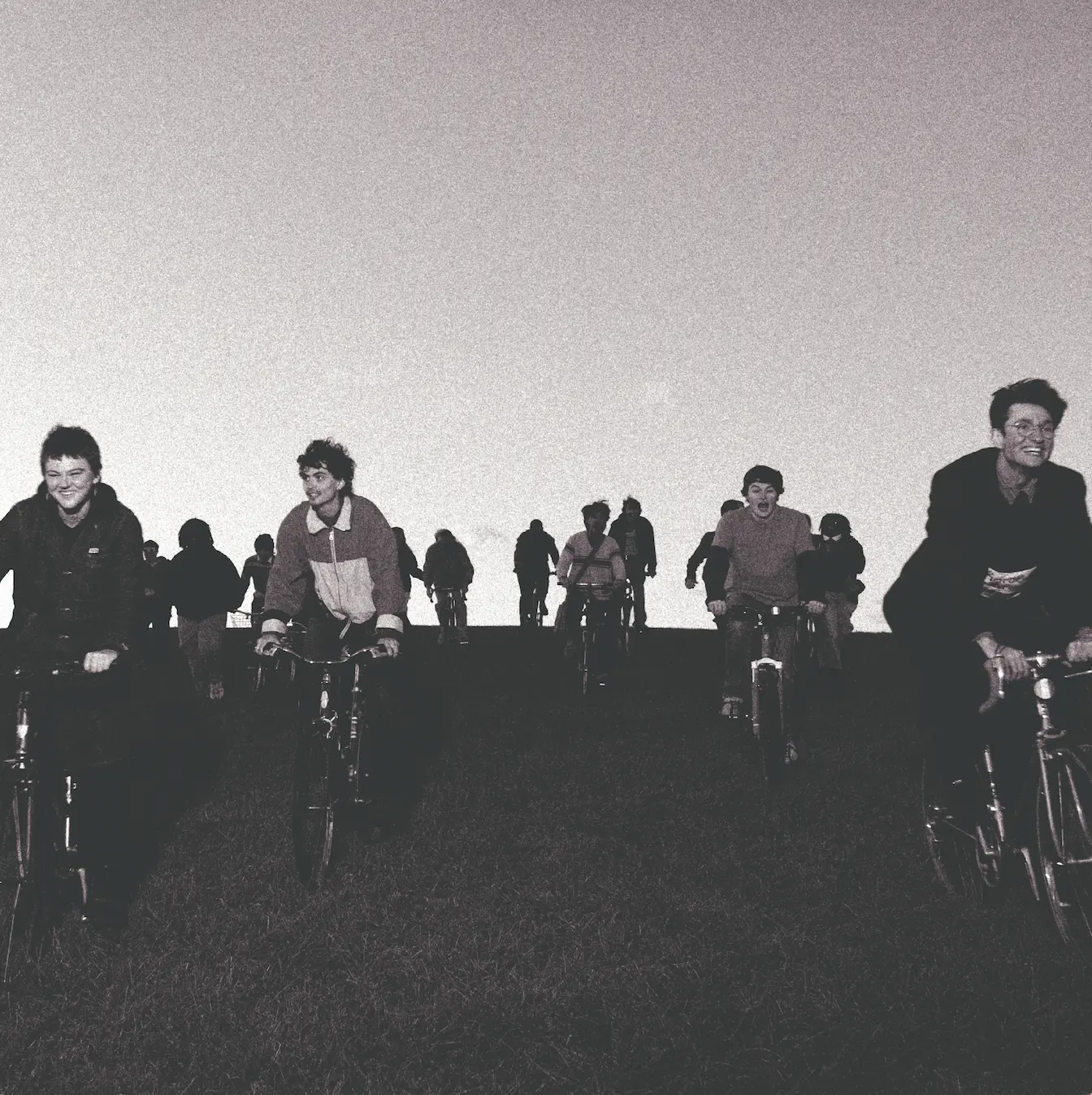 The stakes immediately feel more intense on Something Worth Waiting For opener “Guess,” which breaks the tension of its strangled major-chord strumming and raw-nerve observations (“Don’t make me guess if that’s a cry or a laugh”) into a full-on noise-rock wall of sound. Their sense of dynamics is crucial here, illustrating just how quiet and just how loud they’re willing to get—by the time the band fully kicks in, the distortion has swallowed everything around it. But then we return to the softly sung lullaby that opens the tune—a reminder that loudness doesn’t always equal intensity. Even structurally, some Friko songs, like the near-operatic title cut, seemingly start with the climax—just quietly. There’s a palpable surge of twenty-something adrenaline, like Niko Kapetan and Bailey Minzenberger can’t possibly hold it all back. You can almost hear the shaking limbs and quivering lips on the euphoric “Still Around,” a slice of barbed power-pop with some tasty time-signature business in the back half, and even throughout the chamber-pop melodrama of “Certainty.” Every Friko song strives to make you feel their same big feelings, and they almost always succeed. —Ryan Reed [ATO]
29. The Tomeka Reid Quartet: dance! skip! hop!
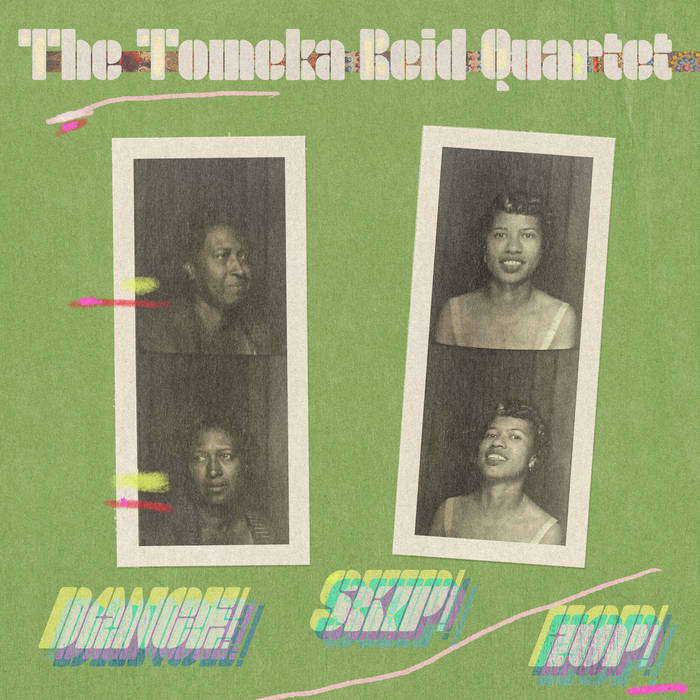 During her reunion with guitarist Mary Halvorson, drummer Tomas Fujiwara, and bassist Jason Roebke on dance! skip! hop!, cellist Tomeka Reid lands in a strange, improvised pocket. Brushed rhythms, talkative, guitar lines, and a pizzicato cello solo lend this taut yet spontaneous brightness to the album, driftless bebop powered by Reid and her quartet’s strange, polyrhythmic impulses. As she and Halvorson dance around and into each other, on-the-fly ideas go every way but parallel. Fujiwara’s textural drum scatters alone will have you asking, “How did they do this?” The only answer I can come up with is that the Tomeka Reid Quartet begins at infinity. —Matt Mitchell [Out of Your Head]
28. underscores: U
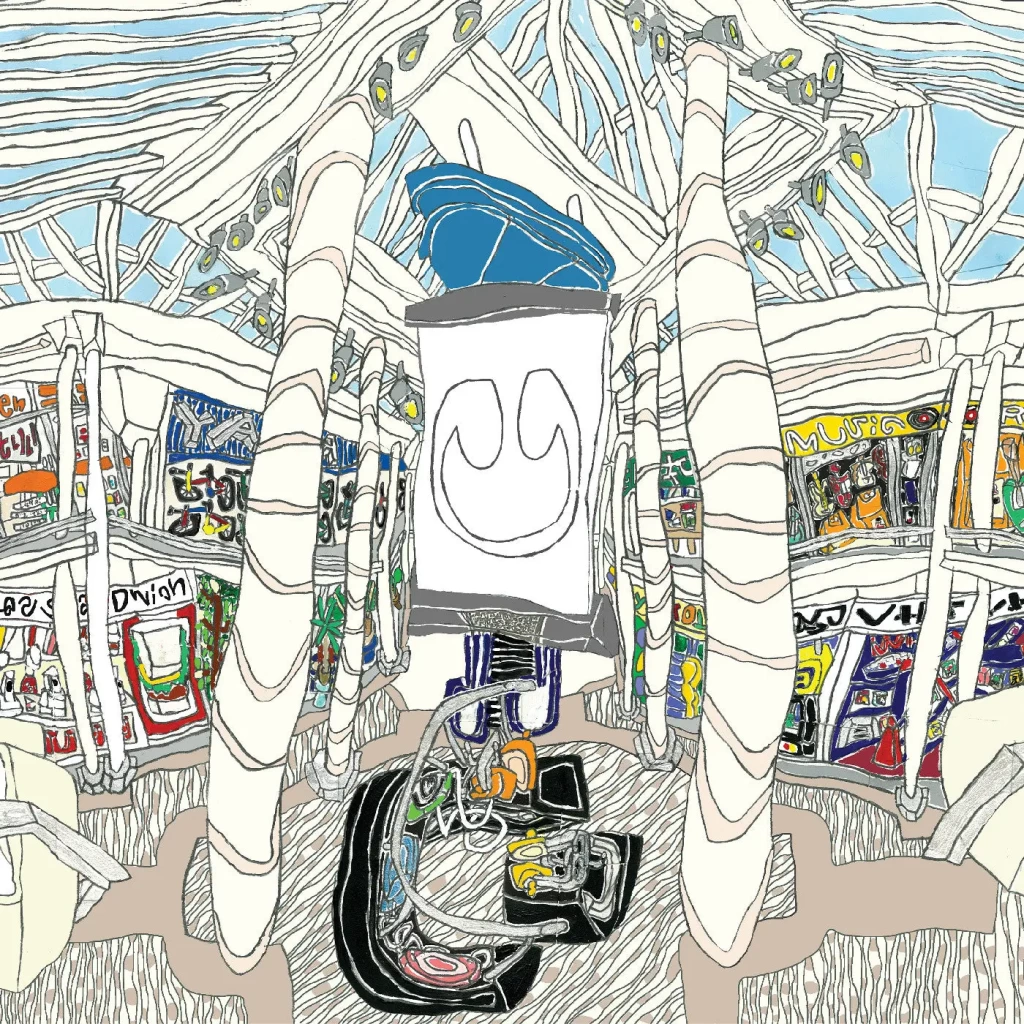 U is April Harper Grey’s lean and mean bid for pop stardom. Gone are the proggy, conceptual arcs of 2023’s wallsocket. This album hits all the beats of a classic pop record—a choreo-primed single, a power ballad, a post-breakup closure anthem—without overstaying its welcome. It’s glossy and stylized, but it never sacrifices the zoomed-up, post-genre, chaos-prone quirks of her earlier work. The goal here is maximum impact in a slimmed-down package. Take the album’s three singles: “Music,” “Do It,” and “Tell Me (U Want It).” On the one hand, these songs are spiritual successors to the wallsocket bonus track “Stupid (Can’t run from the urge).” They’re jittery electro-pop bangers built off 8-bit synths, hardened for impact. Still, underscores’ music has never quite sparkled like this before. Even with their hyperpop tricks—like a techno pivot to close out “Tell Me” or an EDC-ready drop on “Music”—U’s singles feel more Britney Spears’ Blackout than Dylan Brady; more early Rina than Revengeseekerz. The glitching out is not the point; the hooks, the style, and the pop star attitude are. While wallsocket expanded outward, U digs deep into one spot. By the end of it, it’s hard not to find underscores’ bid for pop stardom incredibly convincing. She really can do it all (pun slightly intended): the addictive hooks, the branding, the choreography. —Andy Steiner [Mom+Pop/Corporate Rockmusic]
27. Bill Callahan: My Days of 58
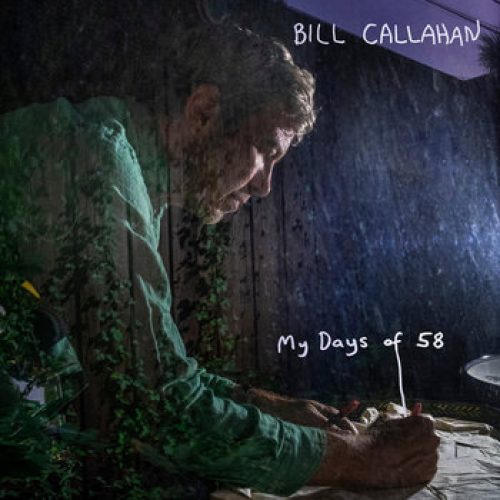 Bill Callahan describes My Days of 58 as a “living room record.” And while you can easily imagine these relaxed songs being played on a couple of couches fronted by a Barcalounger, it’s also astonishing how much atmosphere and movement the singer and his band can muster while just shifting on cushions. The desolate “Lonely City” gradually builds a warm, driving camaraderie as hazy backing rises like sidewalk steam, percussion pounds the pavement, and Eve Searls’ backing vocals whistle down the deserted streets of this living room metropolis. Likewise, album masterpiece “Stepping Out for Air” sees Callahan seeking out beauty and answers through the gloom, horns at his back like a northerly wind when he steps outside, as a wingman when he dresses to the nines, and as Gabriel’s own alarm calls him home. It’s a gorgeous seven minutes of colliding sounds that reminds us that Callahan composes and orchestrates as much as he simply sings and strums. As Callahan demonstrates across My Days of 58, there’s not a question he’s unwilling to ask or a path he’s too paralyzed to venture down, even if the promise of some tidy resolution seems bleak. —Matt Melis [Drag City]
Read: “The man Bill Callahan is trying to be”
26. Kim Gordon: PLAY ME
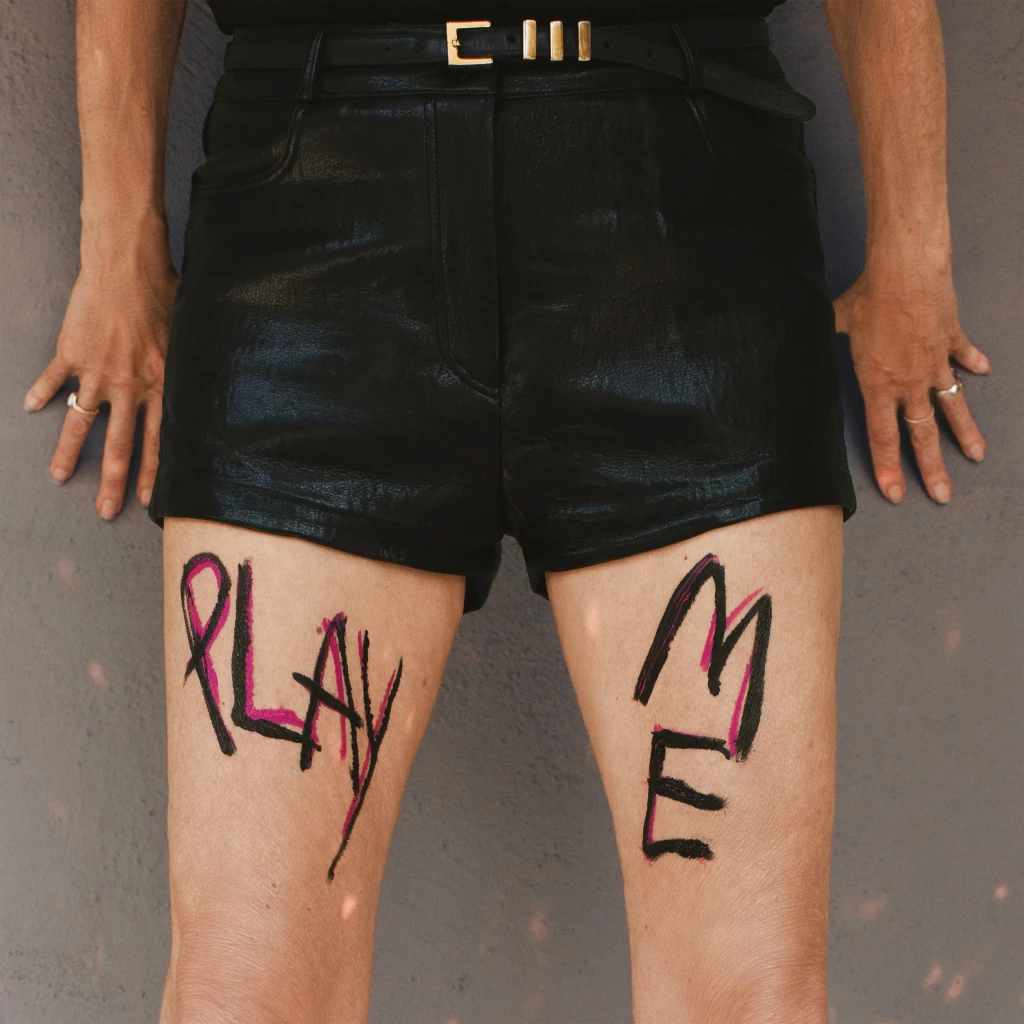 Thanks to Kim Gordon’s sly sense of humor, PLAY ME never comes across as Resistance-core pedantry. She manages to trace the committed evils of technocratic fascists while poking fun at what absolute, total losers they are. She begins the album with a list of Spotify-generated playlists (“Play me ‘Rich Popular Girl,’ ‘Villain Mode,’ ‘Jazz in the Background’), highlighting the absurdity of technology attempting to predict our specific emotional states, prescribing feelings through surface-level typing rather than allowing us to dictate them ourselves. “You wanna go to Mars, and then what,” she half-asks, half-taunts on “Subcon”; on “Square Jaw,” she marvels at how butt-ugly Cybertrucks are by comparing them to the song’s namesake. “No hands on the wheel, it’s a steal,” she brags in “No Hands,” referencing the cavalier recklessness of those who hold political office. The album is also her most rhythmic yet. “I get inspired by rhythm more than melody because of my vocal ability—or lack of vocal abilities,” Gordon told me around the release of her sophomore album, The Collective, two years ago. On its follow-up, she leans even harder into those impulses. There’s the aforementioned “Dirty Tech,” a veritable contender for the gnarliest beat on a tracklist brimming with them. The jazzy boom-bap of the opening title track, the crackling low-end of “Subcon,” and the melismatic Auto-Tune of “Black Out” are just a few examples of how the Sonic Youth co-founder manages to toy with textures and cadences in still-fresh ways. The Playboi Carti-meets-“Silver Rocket”-noise is even more prominent on PLAY ME than it was on its predecessor, and it’s a style that suits Gordon incredibly well. On “Post Empire,” she intersperses her figurative musings on how the U.S. government disappears migrants with squealing harmonic feedback, and Raisen imbues the track with sub-bass and 808s designed to rattle even the sturdiest car windows. —Grant Sharples [Matador]
25. Cola: Cost of Living Adjustment
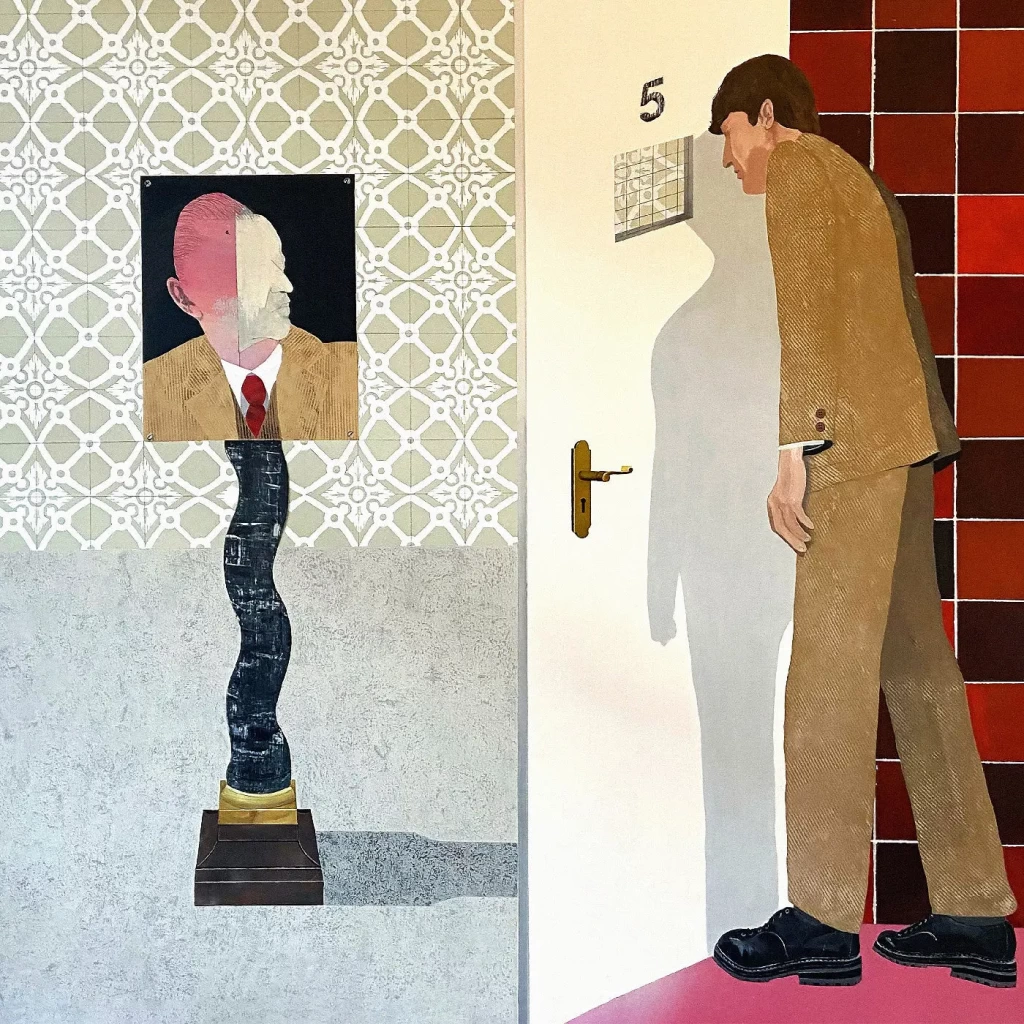 Four years ago, Ought broke up. This was heartbreaking for me personally, as someone who’s been obsessed with Sun Coming Down for years. But Cola, the trio Tim Darcy and Ben Stidworthy have been running with drummer Evan Cartwright since 2022, is a pretty damn good mollifier. It’s a somewhat different proposition than Ought—still post-punk, but tighter, sparer, rough edges a little smoothed down—and Cost of Living Adjustment, their third record, might be my favorite of theirs yet. The album is technically self-titled: Cola, C-O-L-A, which the record’s full title turns into an acronym referring to the wage adjustments workers are nominally owed when inflation rises. As concepts go, it suits Darcy’s songwriting perfectly; he’s always had a political streak, but here it comes attached to a very of-the-moment kind of gallows humor that couldn’t fit him better. The music is the loosest and noisiest Cola have sounded yet, more willing to let the seams show, but never losing that quality of feeling entirely deliberate—every choice made on purpose, every piece exactly where it belongs. —Casey Epstein-Gross [Fire Talk]
24. Avalon Emerson & The Charm: Written into Changes
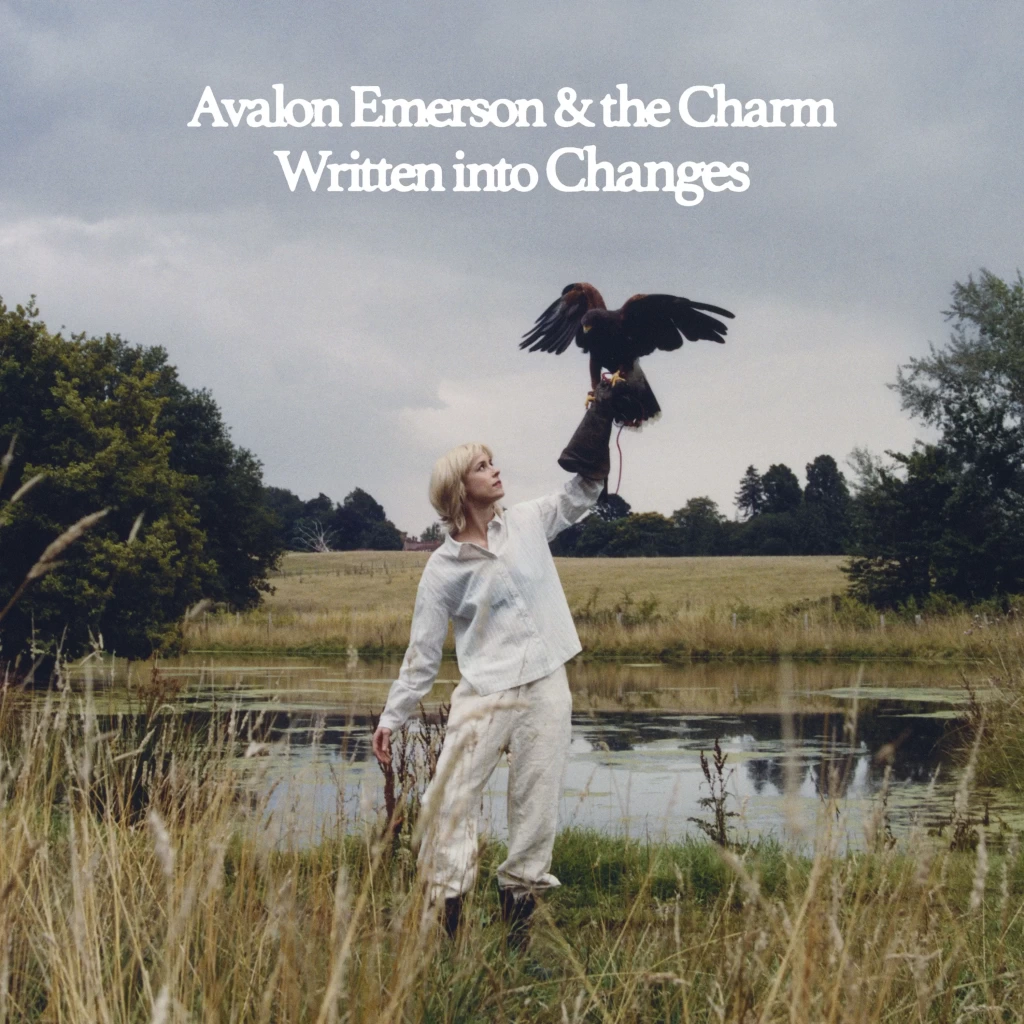 Dance music sometimes succumbs to its own tackiness, but whimsy is the engine that powers Avalon Emerson’s seamless potion of textures. Written into Changes is heady, swirly, and exceptionally paced, never woolgathering but imbuing dramatic feelings into dramatic rhythms. Emerson—a techno-DJ-turned-songwriter born in Arizona, once based in Berlin and LA, and now stationed in upstate New York—uses her globe-trotting background as a tool, as her palette loiters in many realms: Eighties gothtronica (“God Damn (Finito)”), Bristol jangle-pop (“Jupiter and Mars”), Nineties West Coast alt-rock (“Country Mouse”), Aughts dance-punk (“Eden”) and twee (“How Dare This Beer”). She sings of Roman myths, the solar system, seasons flowing into each other, and beer as ephemera while recalling the electronic impulses of Cocteau Twins and Caroline Polachek, the trance smarts of Romy, and the tactile retro of U.S. Girls and Nilüfer Yanya. There’s even a touch of intercontinental affectation in her singing that’s just sideways enough to be labeled “twang.” One can locate pockets of ebullience in Emerson’s debut album, & the Charm, but Written into Changes has far more range, eclecticism, and miniature tragedy in its cosmos. It’s equal parts Studio 54 tribute and dream-pop banger, equal parts past and present talking to each other. But Emerson’s phrases and transportive electropop backings brightly walk down the same strange, celestial paths as Stephin Merritt and Arthur Russell. She sounds a long way from the phoneless dancefloors of Berghain, but Written into Changes is proof that her magic goes far beyond the turntables. —Matt Mitchell [Dead Oceans]
23. Nashpaints: Everyone Good is Called Molly
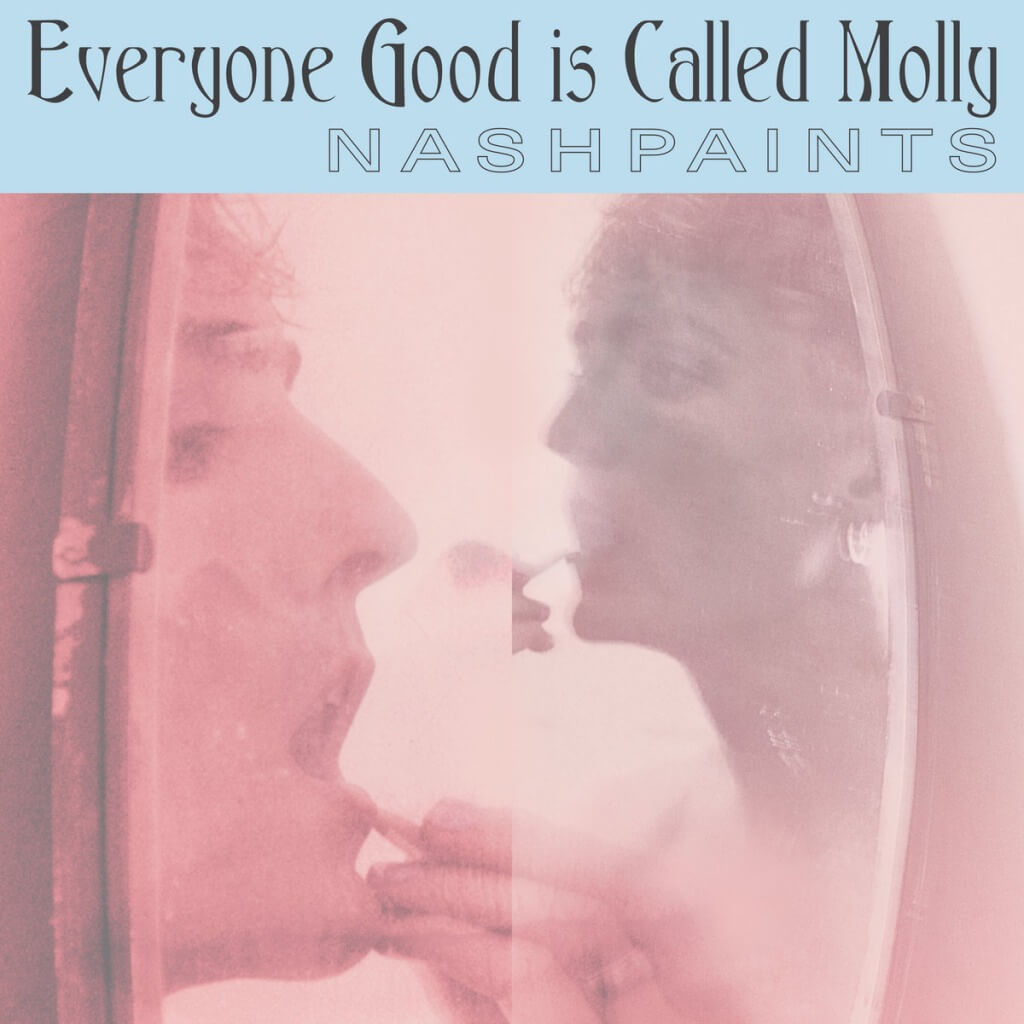 Everyone Good is Called Molly calls to mind the voices of Hope Sandoval, Patrick Flegel, Miki Berenyi, Rachel Goswell and Neil Halstead, all while the swirling psychedelia of Dean Wareham’s On Fire guitar blasts smear the Nashpaints cloud. There’s no lyric sheet to help untangle Carraher McDonald’s singing, only what conversations come from his bended strings. Though much of its realm is obfuscated in drones and shadows, Everyone Good is Called Molly is as Brill Building-coded as it is a glowing child of Thatcher-period 4AD. These songs are full of timeless textures and ambient murals; hallucinations of pocket orchestras build and congeal in a soup behind McDonald’s transmuted frequencies. If Nashpaints is a blanket full of holes, then there’s sunlight crawling through each one on Everyone Good is Called Molly. This record briefly departs this world and reappears with a new pop music template. According to McDonald, three people are going to die listening to it. Go press play on Nashpaints and find out if you’ll live to say that you did. —Matt Mitchell [MirrorWorld]
22. Tony Bontana: My Name
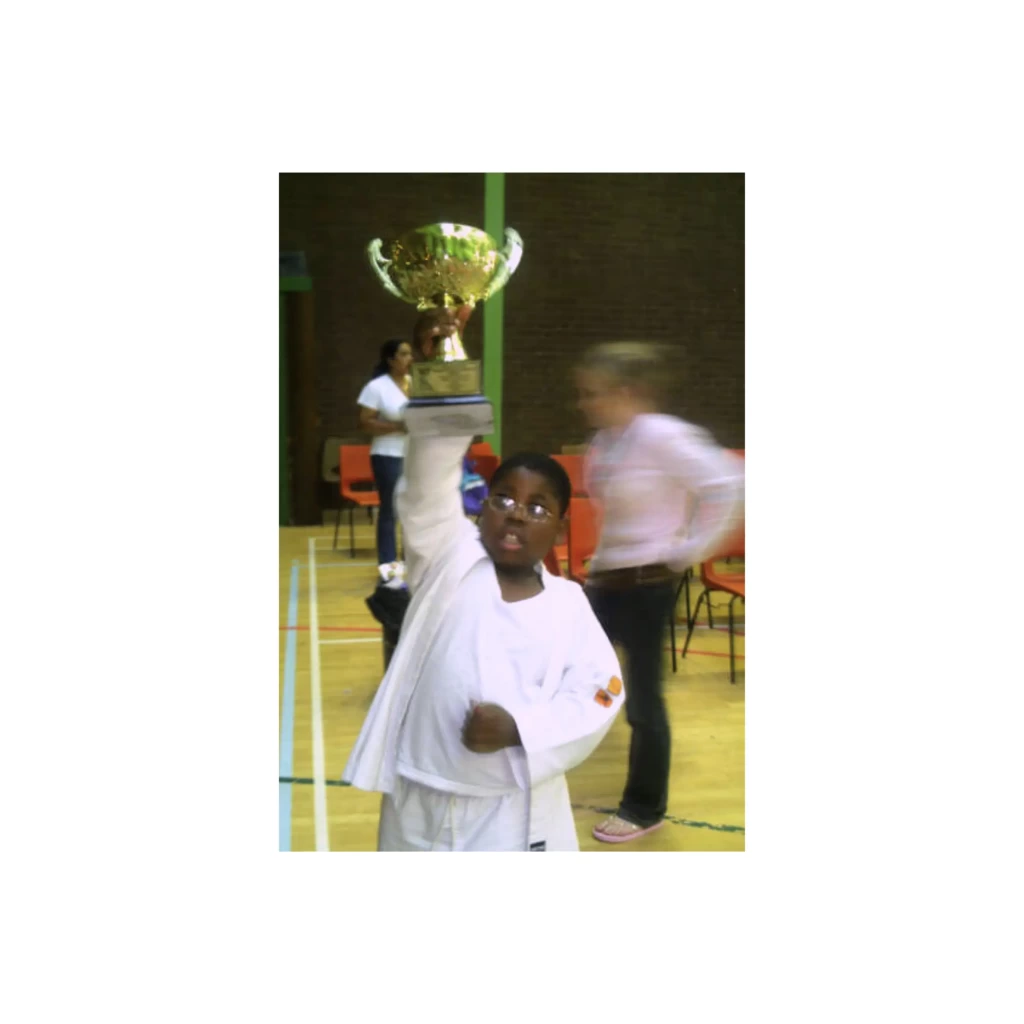 Someone as creative as Tony Bontana understands the power of brevity, and he moves from one idea to the next at a rapid yet nonetheless smooth pace. Early highlight “Soft Dreams” offers a Midwest emo guitar backdrop for Bontana to excoriate those who remain grossly silent on the genocide against Palestinians, getting the point across in just two verses. “Time might run up so I gotta speak my mind, right? / Free Palestine, I could never turn a blind eye,” he raps, his voice loud and resonant over the gauzy instrumental. It transitions into the minute-long “John Osbourne,” a track built on cooing vocal samples, rhythmic synth stabs, and Bontana’s meditations on grief from his mother’s death. It shortly dissolves into “Absolution,” one of two tracks on My Name to breach the three-minute mark, whose ghostly chipmunk soul loops throughout the final minute or so before it filters into the brisk groove of the Leo Sierra-featuring “Recoup.” He covers a lot of ground in a small amount of time; its effect isn’t vertiginous so much as it is spellbinding. Whether he’s behind the mic or the mixing board, Bontana proves an adept force. On his previous releases, he displayed the splayed sound, introducing his audience to its conceptual framework. My Name, by contrast, is not an introduction but an exhibition for those already familiar with his game. This is his apotheosis, the most fully realized project Bontana has released yet: a compelling portrait of an artist whose singular style refuses to be mistaken for anything else. —Grant Sharples [Everything Is Perfect]
21. Greg Mendez: Beauty Land
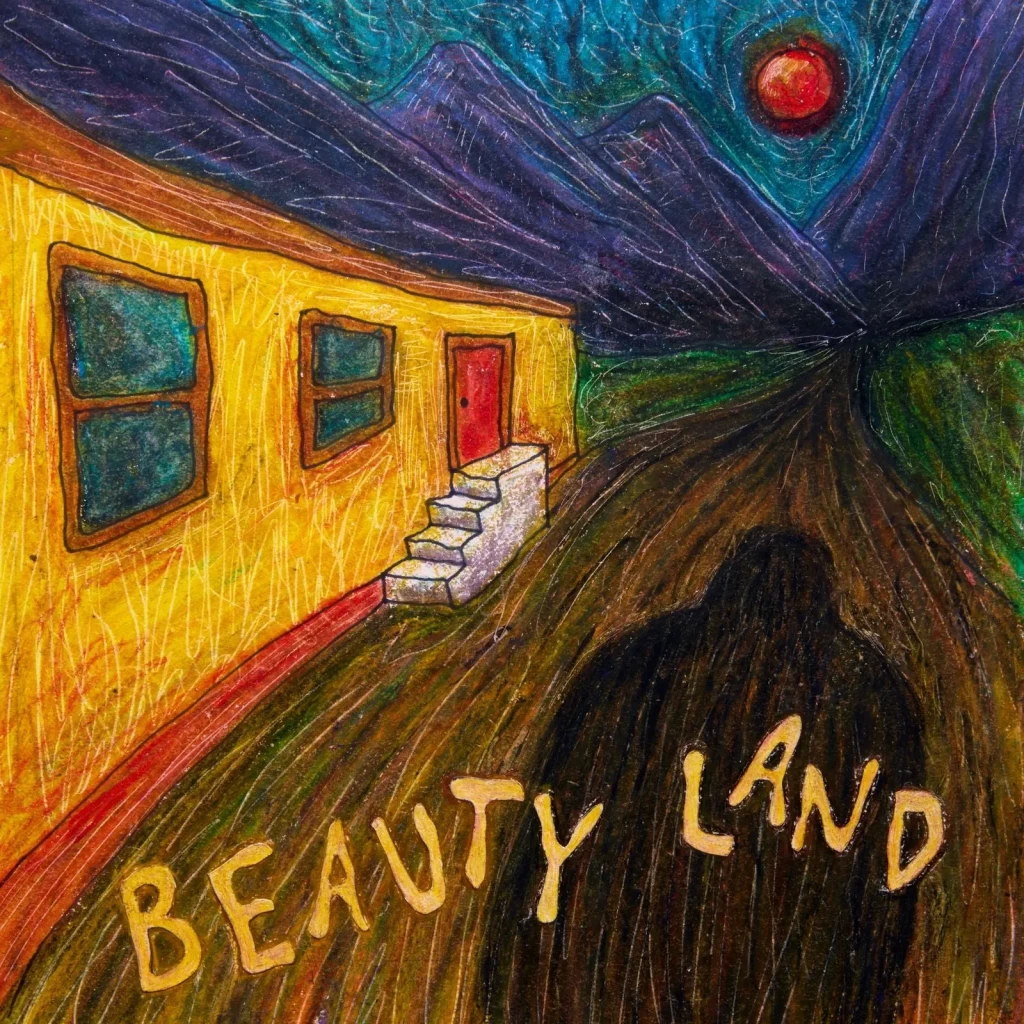 Beauty Land is full of sideways humor and strange, matter-of-fact observations. Like Shugo Tokumaru’s junk drawer orchestras, Greg Mendez threads xylophones, music boxes, omichord, tape loops, dusty pianos, and chintzy organs through all twenty-six minutes. Beauty Land lingers on disturbingly candid moments of weakness. Mendez regrets not visiting his Aunt Mary “before she went away,” straining through the line “Oh my God, I’m so happy that I looked away” while fingerstyle notes ripple beneath him. “Serving Drinks” details the arrival of an unexpected child, a baby brother whose “stupid little baby head is stealing all her love.” Uncomfortable as the sentiment is, it also reveals Mendez’s dry wit: “I’m serving drinks again to men who talk over their friends.” And when a lyric as good as “Dad’s been hiding out, he walks and talks like Jesus now” arrives, it’s hard not to imagine Ryan Davis somewhere punching at the air because he didn’t write it first. The suffering in Beauty Land comes in pockets yet feels constant: nights spent on sidewalks, empty hospital rooms, morphine drips ticking like a metronome. On “Geranium,” Mendez takes a call from an old friend who needs twenty bucks for another score. Dopesick chills run through the record’s desolation, recalling Acetone’s hazy doom or Casiotone for the Painfully Alone’s twee despondency. —Nathan Stevens [Dead Oceans]
20. Joshua Chuquimia Crampton: Anata
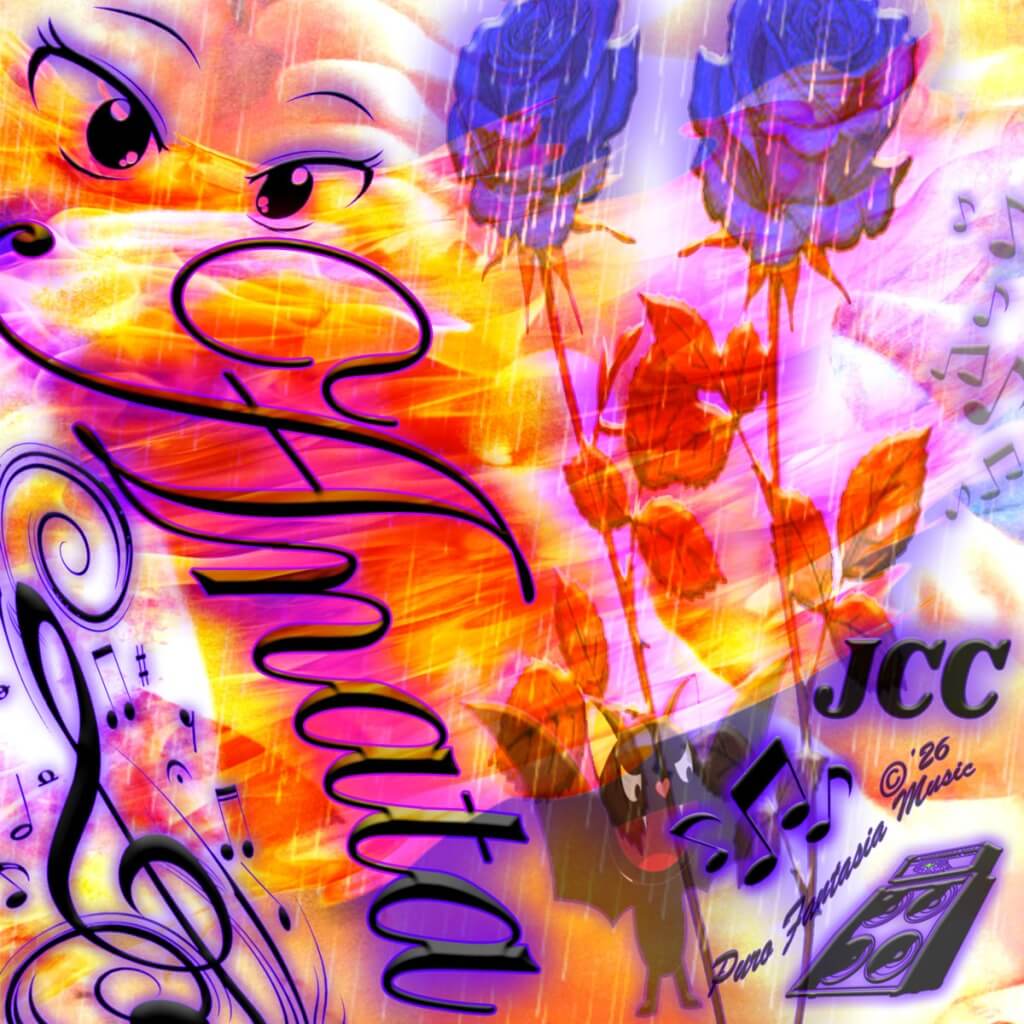 Anata is a product of the Great Pakajaqi Nation and dedicated to the Andean ceremony of the same name, “where we celebrate the Pachamama (Mother Earth) before the rainy season, giving thanks for harvest with offerings & the principle of reciprocity (Anyi) between humans/nature,” according to the liner notes. The q’iwa/queer parts of the music are anti-colonial and anti-state, and the loud parts of this record are ceremonial—like noise clattering in the street, or the soundtrack of a passing parade. The ingredients of Joshua Chuquimia Crampton’s instrumental work aren’t parodied by the ego of singing. Anata, like Estrella Por Estrella before it, is a deconstruction. It’s spiritual, medicinal—Indigenous ceremonial music spun boundless by human activation. As Crampton said of the Great Pakajaqi Nation last month, “we’re all still connected no matter where we find ourselves in the world.” Crampton opens a portal to his people by rewiring the compositional possibilities of guitar playing, and Anata is shredded noise captured in trance-y loops and crushing ascending lines that sometimes, but not always, distend into a compressed, avalanching scorcher. —Matt Mitchell [Self-Released]
19. Star Moles: Highway to Hell
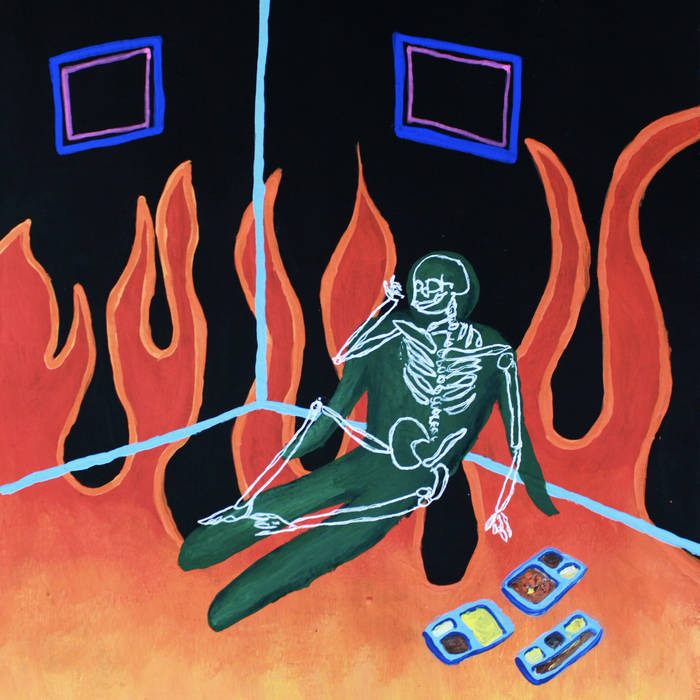 While Emily Moales’ earlier works as Star Moles fixated on science fiction and Medieval literature, she’s come down to earth on Highway to Hell, using stripped-back psychedelia to mythologize the mundane. She sounds looser and more confident than she ever has, exhibiting a counterintuitive control, the kind that only comes by letting go. Oftentimes, the most self-assured lyrics on Highway to Hell are the ones delivered with the least certainty. Moales makes for a sympathetic and keenly observant narrator, deeply tapped into the universe she’s at the whims of. She sings, “Whatever I do, I do for the right reasons,” and you want to believe her, even if she doesn’t seem to fully believe herself. On the dreamy country ballad “Spinning,” she wonders, “How much of my life have I squandered?” but doesn’t bother with answers. Moales contends with her own powerlessness with idiosyncratic ease. Absurdity, cynicism, and tenderness collide and ripple across the placid surfaces of her delicate folk arrangements—think Stephen Malkmus by way of Weyes Blood. And producer Kevin Basko’s production is vast and spacious, giving Moales’ voice and its accompaniment ample room to run around, to really play. —Grace Robins-Somerville [Historic New Jersey]
Read: “Star Moles is the Poet Laureate of Ordinary”
18. Ibrahim Alfa Jnr.: Infinite Black Inside
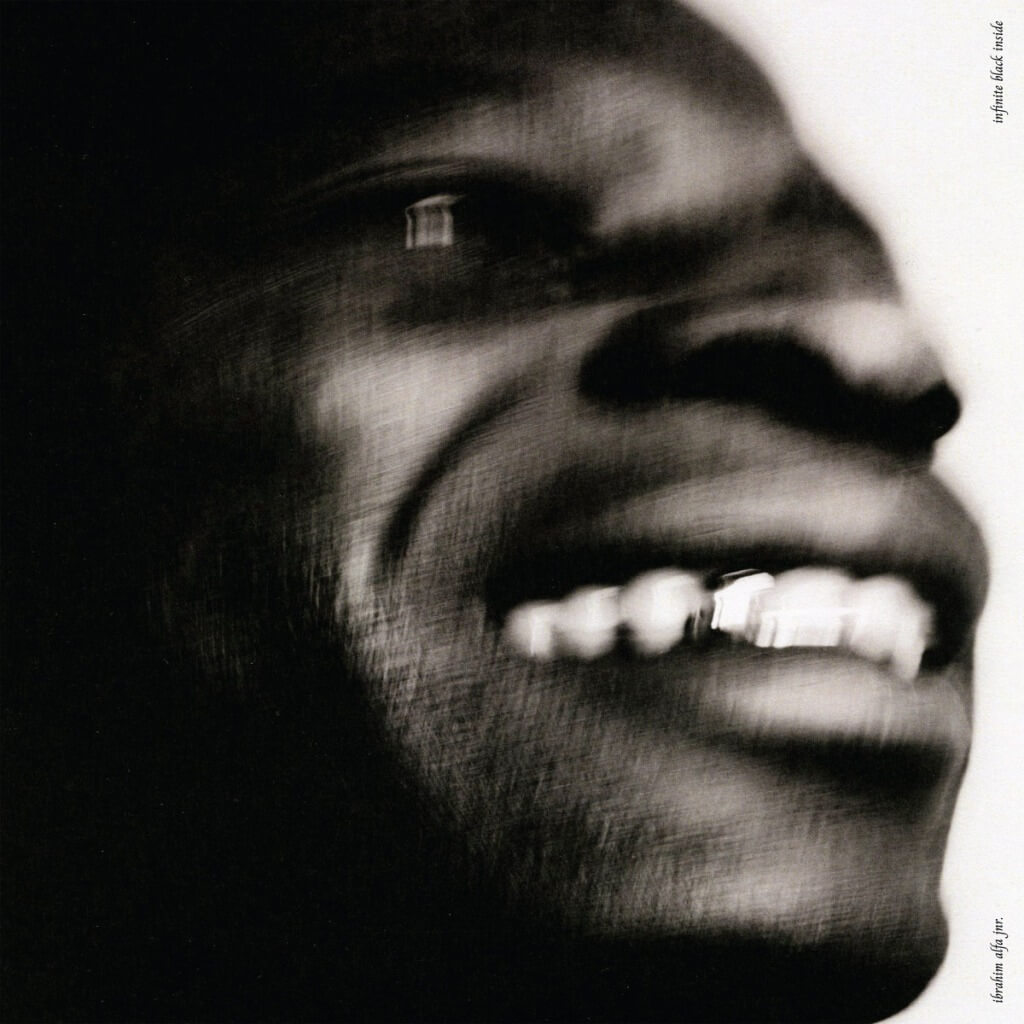 Infinite Black Inside tickles the part of my brain that’s normally impossible to reach. Thirty years into his career, Ibrahim Alfa Jr. has embraced a gamut of mechanized rhythms, heavy bass, broken beats, trip-hop, footwork, jazz, and ambient music. Immunocompromised from sobriety, a pulmonary embolism diagnosis, and multiple heart attacks, Alfa constructed these patterns while sequestered at his Brighton home. Detroit EDM paints the idiom of “Subutrax,” while a djembe rumbles and distends in a cacophony of woodwinds during “Drum Slinger.” The spirits of Pat Thomas and Boards of Canada linger in “Naked Lunchbreak” and “Latent,” and the combination of “Ikoyi” and “Iyaka” reveals a distorted, choppy, and restrained digital talent by one of our greatest living Afro-futurist psychonauts. But the liner notes tell the story of this album better than I ever could, that Infinite Black Inside is a measure “of new beginnings and fresh narratives that collapses the hardcore continuum, revealing a sonic signature that’s Alfa’s alone.” The songs living here start a different kind of rave. —Matt Mitchell [FO]
17. My New Band Believe: My New Band Believe
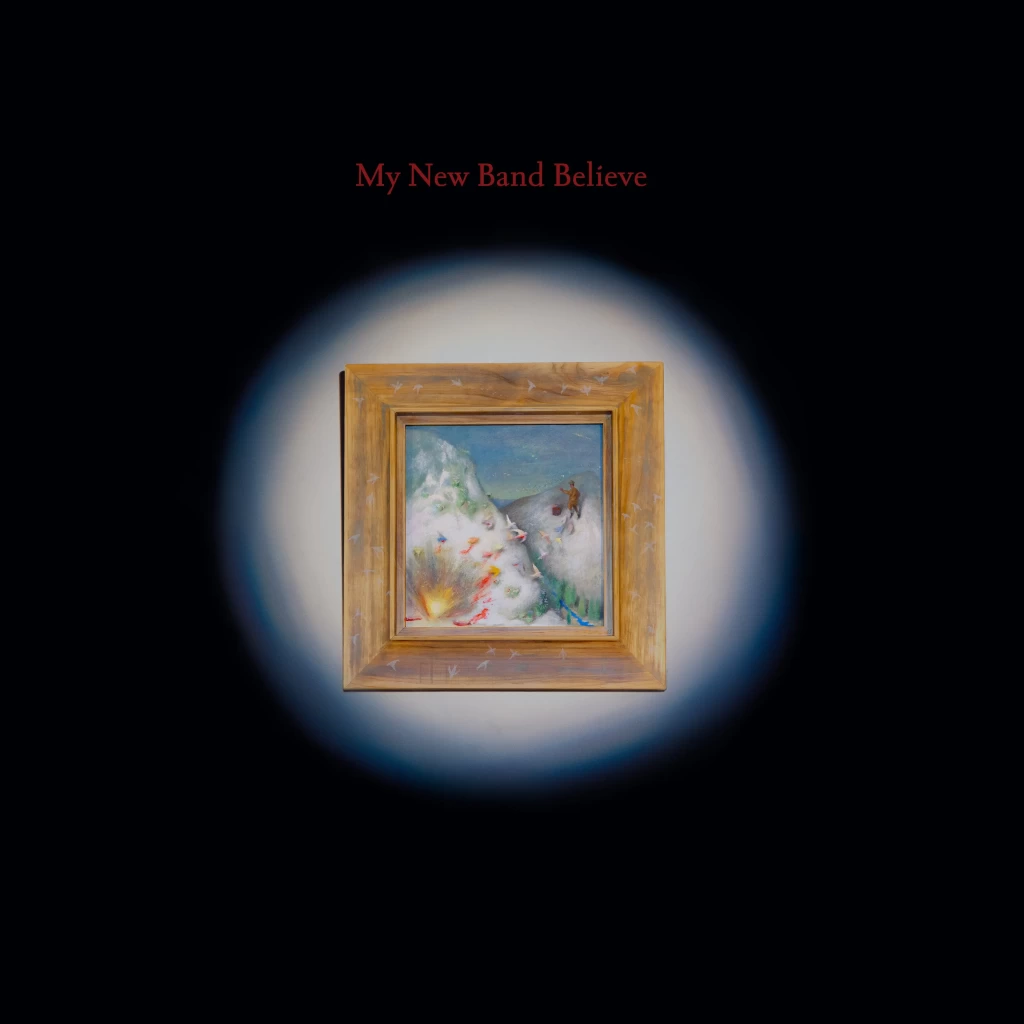 Much of My New Band Believe feels like a leveling-up from what Cameron Picton was inching toward on his black midi songs. “In The Blink Of An Eye” barrels in with all the rickety pomp of a fantasy call-to-action, eventually morphing into a full-on jig. The following eight-and-a-half-minute “Heart of Darkness” boasts early Kate Bush levels of precise theatricality and showcases the subtle malleability of Picton’s vocal deliveries, hacking up some of his consonant sounds and letting others snake around themselves on a show-stopping verse: “It’s such a long, long, long, long way to go / Through fields of hope / Forget the whisper trees / You’ll miss the hissing rope.” Just as easily as Picton and co. can rise to colossal heights of fantasy and Song Cycle levels of conceptuality, they can contrast them with the cutting immediacy of a track like “Opposite Teacher,” a quivering folk song about a child saddled with a secondhand shame that predates them, at once afraid of falling short of their parent’s expectations and repeating their parent’s mistakes without realizing. “I dream I’m running from a picture / of me in the twilight / I ask time, time knows not the answer / It follows and crushes,” Picton sings atop a steep slide of bowed strings, caught in the push and pull between the unknowns of a parent’s past and one’s own future. “Actress” is a harrowing dissection of celebrity and, more broadly, how destructive it can be to finally get what you want. “I envy you / You never tell the truth,” Picton sings, full of fascination and bitterness, admiration and indictment. —Grace Robins-Somerville [Rough Trade]
Read: “Cameron Picton’s new band is worth believing in”
16. E L U C I D & Sebb Bash: I Guess You Had to Be There
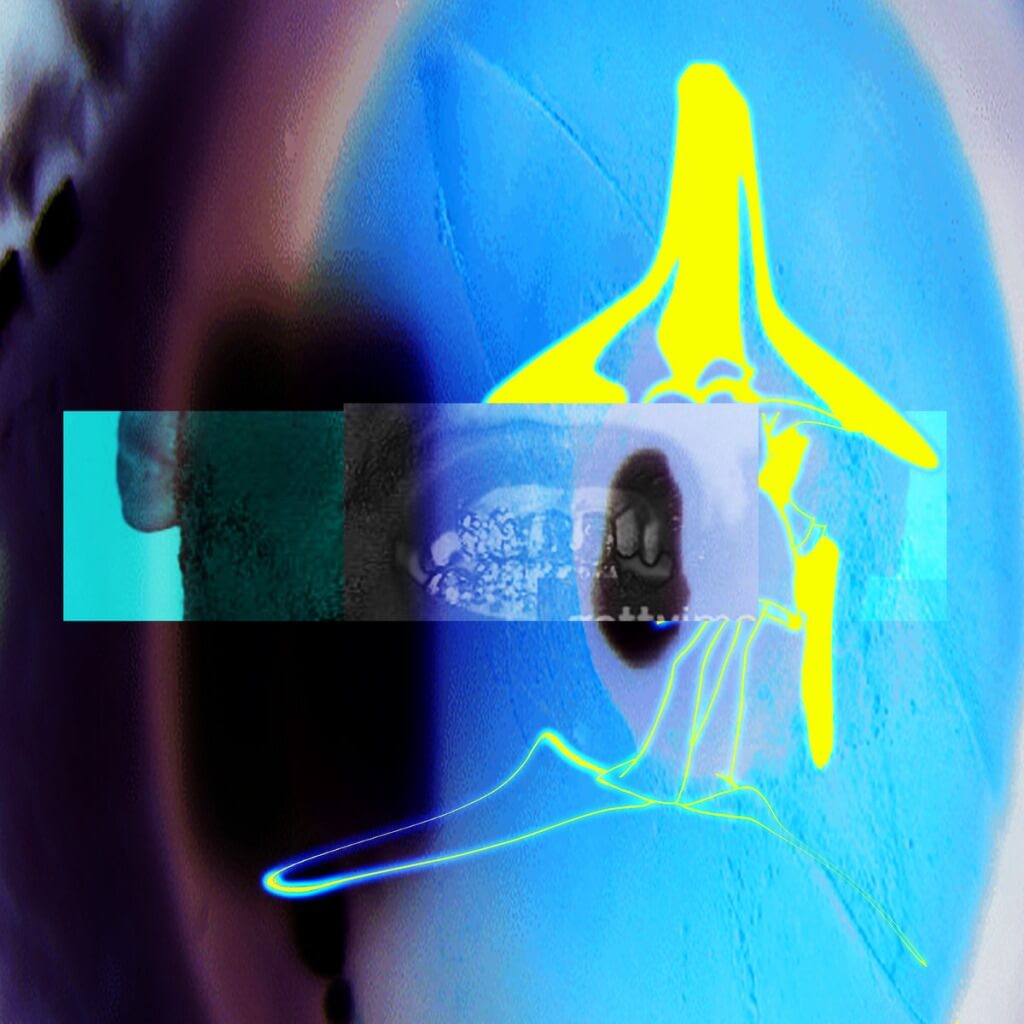 E L U C I D has always been the harder half of Armand Hammer to pin down. Where billy woods tends to rap in narratives you can follow even when they fracture, E L U C I D free-associates in dense lattices of imagery that reward obsessive re-listening without ever fully resolving. On I Guess U Had to Be There, his first full-length with Swiss producer Sebb Bash, that opacity finally finds its ideal setting. Bash—who earned The Alchemist’s highest praise during the Haram sessions, namechecked alongside Premier and Pete Rock—builds beats with a warm, woozy restraint: string samples shimmering at the edges, snares nudged just off-center, grooves that nod without ever locking down. The extra room pushes E L U C I D in a more rap-forward direction than the psychedelic head-trip of REVELATOR, grounding him in the physical textures of daily life—Home Depot runs, day laborers in parking lots, sticky fingers from breaking up weed—even as the bars spiral skyward. “Coonspeak” loops lo-fi organ with an almost Steve Reich-like insistence before flipping into something soulful; “Equiano” swings on a Shabaka flute line; woods, Estee Nack, and Breeze Brewin all show up and deliver. But it’s closer “Parental Advisory” that stops you cold, for once trading out abstraction for a brutally specific reckoning with the psychic wreckage of childhood corporal punishment and landing like nothing else in his catalog. E L U C I D once said he wonders whether his music belongs to a time that hasn’t revealed itself yet. I Guess U Had to Be There makes a strong case that the rest of us are finally catching up. —Casey Epstein-Gross [Fat Possum]
Read: “A long talk with ELUCID”
15. Kim Petras: Detour
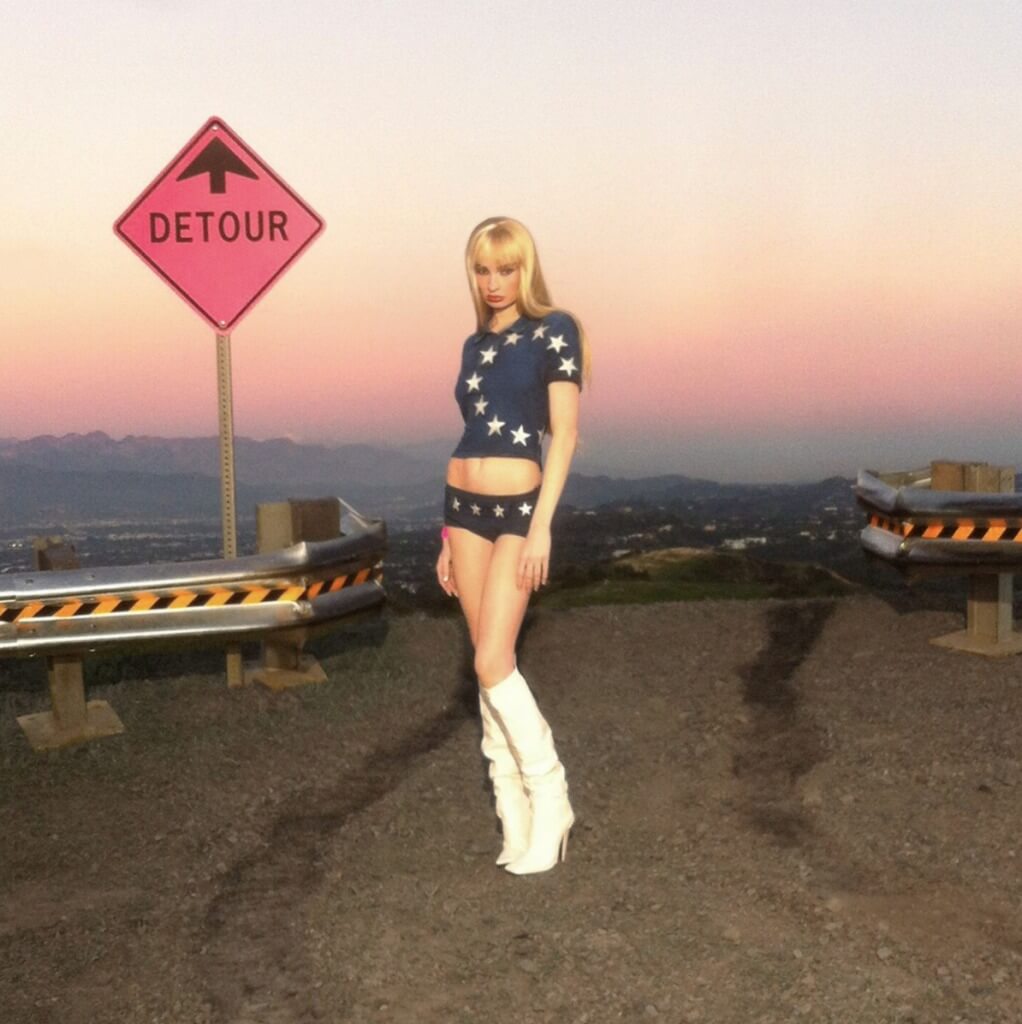 The best song on Kim Petras’ new album Detour starts with a twinkle of synth and throb of bass ripped straight from a mid-Aughts classic. For some listeners, maybe that’s reductive, but it’s refreshing to hear sacred pop texts, like Love. Angel. Music. Baby. and The Dutchess, alive in Petras’ DNA. What she really likes about those albums is their awareness of that loose, braggadocious production style found on Polow da Don, Timbaland, and Pharrell recordings. The distance between Bubba Sparxxx and the woman who made “Throat Goat” is shorter than you’d expect. Detour is a riot of campy electropop throwbacks brought to life by Porches, Frost Children, and Margo XS. Pop music should be about making the loudest and most colorful thing possible. That’s what SOPHIE said. I hear that M.O. throughout Detour, especially in the deconstructed club noise of “Polo” and the hardstyle techno of “Freak It.” Even the sugary, bloghouse rush of “I Like Ur Look,” which Petras made in tribute to her “faves from Kylie Minogue and first-generation K-pop,” is high-vis hedonism. She’s earned this praise, because Detour is her best album yet—blowing way past the Europop residuals that powered Feed the Beast and Problématique. —Matt Mitchell [BunHead]
Read: “Kim Petras wants to be a representative of bad taste”
14. Jeff Parker / ETA IVtet: Happy Today
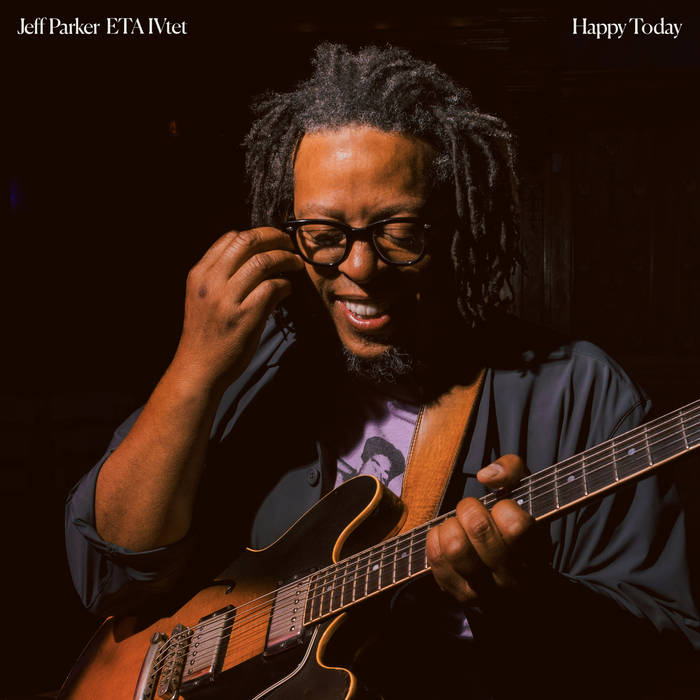 Unlike their previous releases, this is Jeff Parker and the ETA IVtet’s sound exploding outward and upward. Described by Parker as a “statement of joy” in the face of Trump’s despotism and last year’s Eaton fire, it was recorded and mixed live at the Lodge Room in LA’s Highland Park neighborhood. It is a larger and airier room than the group has played in before. Far from the intimate confines of ETA, it allows, in opener “Like Swimwear,” the first repeated notes of Parker’s guitar—a simple melody that rises, falls, then repeats—to buzz into the space and ease their way into the ear of the listener. The guitar initially sounds almost scratchy, as though its player were still tuning up. This is achieved by engineer Bryce Gonzales’s use of a Nagra stereo tape recorder, but also by the live nature of the music, which is impossible to get away from. When the thud of Butterss’ bass makes itself known, along with Bellerose’s kit, the sound opens up. When Johnson enters with a haunting, lingering alto saxophone line that floats above the rhythm section, it transcends. Parker’s feat is not just one of musicianship (though he is, of course, technically accomplished, as his solos indicate, playing always with a crisp articulation and nose for melody), but of making form and sound malleable. —Mariam Abdel-Razek [International Anthem]
13. Wendy Eisenberg: Wendy Eisenberg
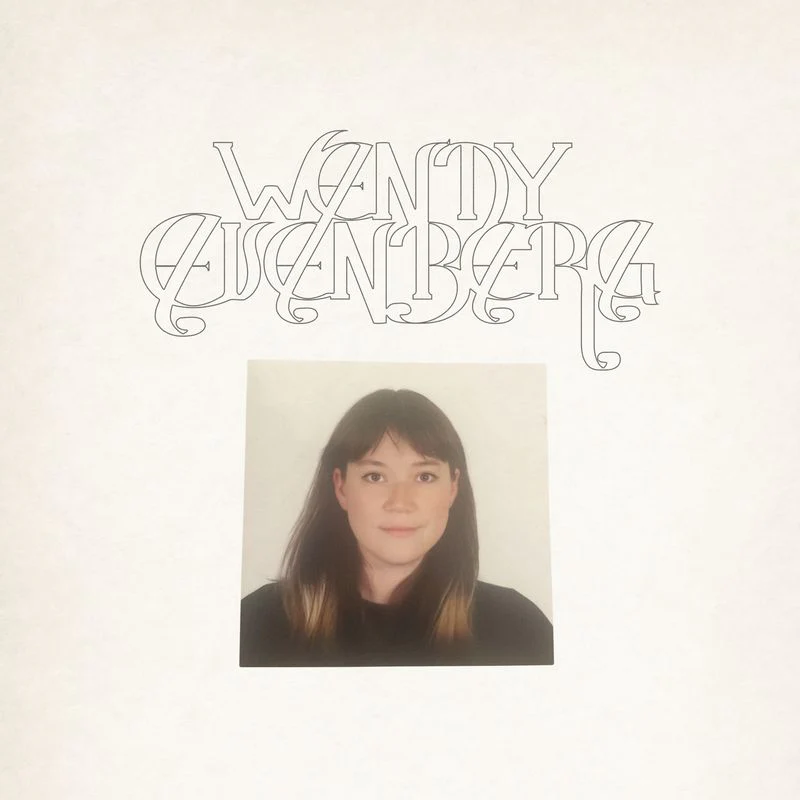 Wendy Eisenberg has evidently always been a fan of the rhetorical question, but perhaps never more so than on Wendy Eisenberg. “You are the oldest you’ve ever been,” they intone, sweet and clear, on the opening track: “Did you feel yourself change?” Whos, whats, wheres, whys, and hows abound: see “Who was I becoming?” (“Meaning Business”), “What gave me that idea?” and “Where was I when that happened?” (“The Ultraworld”), “Why did I try? Did I try?” (“Will You Dare”), “Is that how I wound up here?” (“Another Lifetime Floats Away”). But, as with all rhetorical questions, there are no answers expected. The asking—or, more specifically, the spacious, open silence that follows in the question’s wake—is the point. After all, absence is itself a kind of presence. Those gaps between certainties, between language, are where life is actually lived. And that’s what Eisenberg is learning to do here: build a life within the terrifying, sweet hollow of the unwritable unknown. There are feelings that can’t be defined, experiences that can’t be explained, futures that can’t be predicted; it’s all inherently unnerving. There’s a sort of solace, then, in claustrophobia, the same sense of safety you get from lying beneath a heavy weighted blanket. Eisenberg has felt that, too: as they sing of their younger self towards the top of the closing track, “The fact that the walls were caving in somehow seemed a kind of comfort / I wanted to feel comfort.” But the album ends, instead, on the current moment, on the Wendy Eisenberg of Wendy Eisenberg: “I cannot find the walls,” they sing. “I trust that that’s a good thing / Sometimes I’ll need convincing.” Yet for all the bittersweetness and melancholy, the music is profoundly hopeful, guiding a path toward a self finally uninhibited by societal expectation and internal self-doubt. —Casey Epstein-Gross [Joyful Noise]
Read: “Wendy Eisenberg: A life of improvisation”
12. Kevin Morby: Little Wide Open
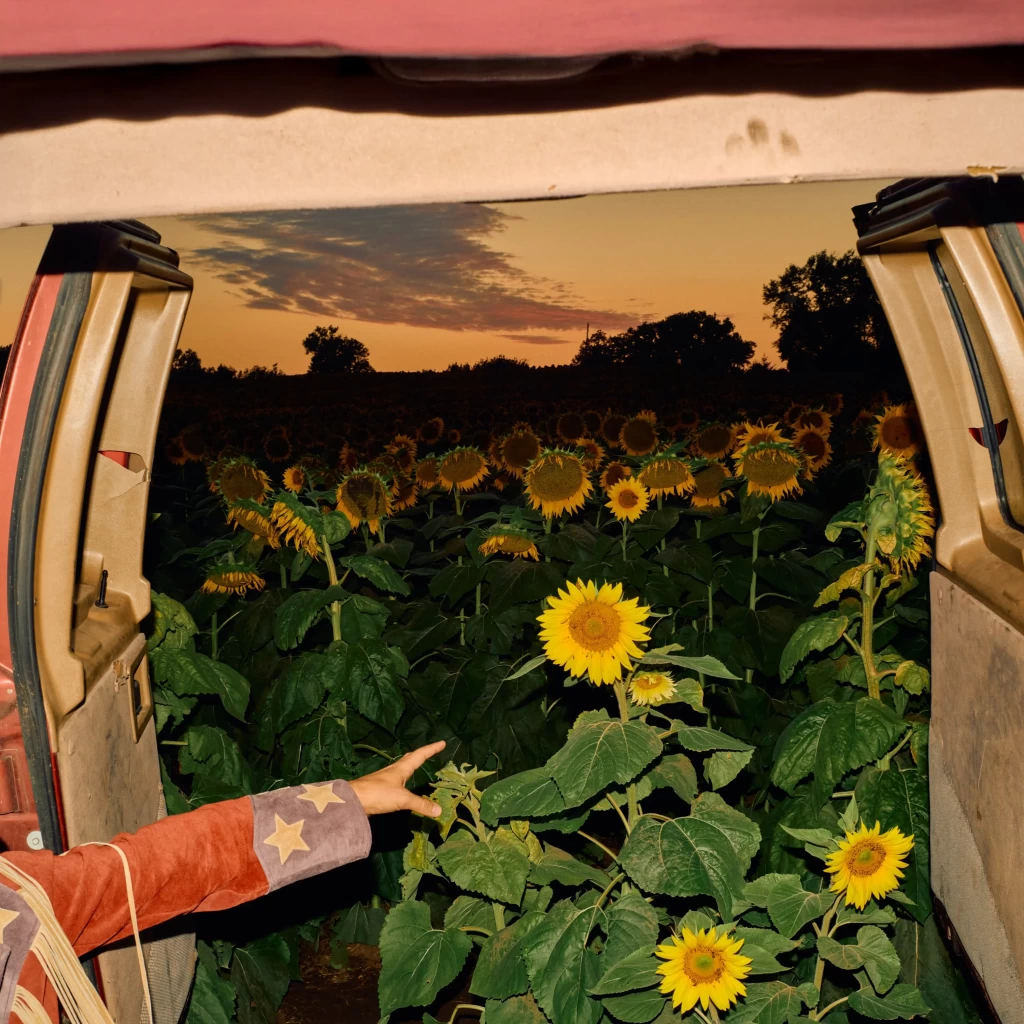 In the case of his eighth and latest album, Little Wide Open, Kevin Morby pens a love letter to his home in the heartland. Here in Kansas City, where both Morby and I live, tornado sirens squeal every springtime and vast skies dominate the horizon line, and the rolling plains encircle the city like a golden-brown halo. Whereas Tom Petty wrote a paean to the great wide open, Morby documents something at once sprawling and intimate. Middle America is vast yet isolating, and that tension animates what Morby dubs the “Little Wide Open.” Here, something as lofty and intangible as Heaven is just another place on Earth. Little Wide Open is the most feature-heavy album in Morby’s discography, but, aside from Lucinda Williams, the album’s guests are more like an ensemble cast, serving the greater force at hand. Similar to how Blood Orange’s Dev Hynes taps high-profile pals for the subtlest of contributions, Morby’s friends sound as if they’re all standing behind him, ushering him down a path toward self-realization. That introspection presents itself in its manifold meditations on time and new beginnings. Morby and his long-term partner, Waxahatchee’s Katie Crutchfield, are expecting their first child in August. Though the news came after he wrote Little Wide Open, Morby’s illustrations of major life changes—a partial move to L.A., the anticipation of marriage—are clear-eyed and linear. He has crafted something eternal, something that encapsulates the Midwest in all its rugged glory. It may just be his true masterpiece. —Grant Sharples [Dead Oceans]
Read: “Kevin Morby’s roadside poetry”
11. Aldous Harding: Train On The Island
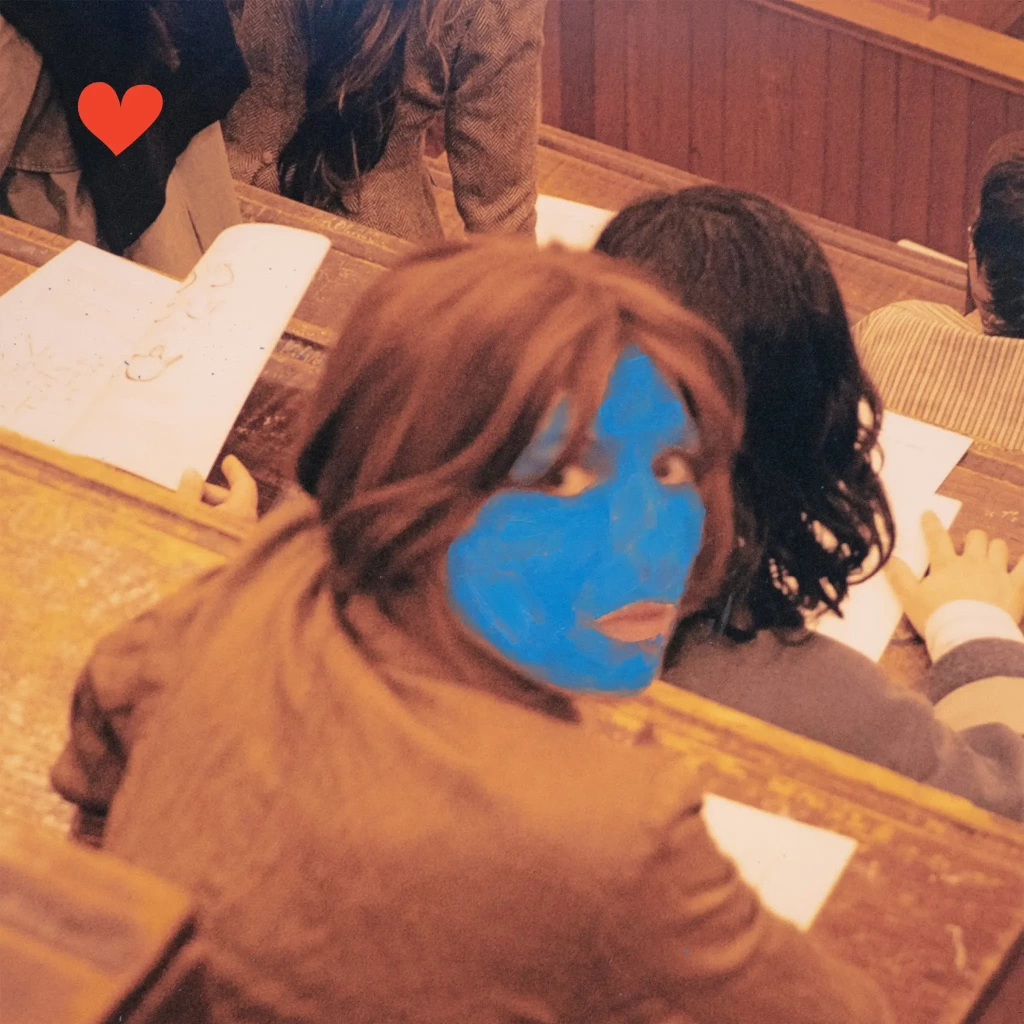 Aldous Harding’s strangeness has always endeared me to her; in a sea of indie-pop homogeny, her iconoclasm is a welcome change of pace. One can imagine my relief, then, that on Train On The Island, Harding’s humanoid passport hasn’t quite come through the mail. The ten-song album is just as peculiar as its predecessors—a minimalist, open-hearted jaunt through the twisty-turny annals of Harding’s incomprehensible brain. She’s supported here by John Parish, as well as pedal steel player Joe Harvey-Whyte, harpist Mali Llewelyn, synth player Thomas Poli, drummer Sebastian Rochford, and multi-instrumentalist Huw Evans, whose light, dreamy accompaniments beautifully buoy Harding’s idiosyncrasies. That balance between control and abandon waits in the record’s greatest tensions, both in lyric and melody. Harding’s lines are economical yet evocative: on the aforementioned “One Stop,” she notes sincerely, “I met the real John Cale / He had no words, but it’s alright,” before finding the punchline: “I packed the stage while he ate rice.” On her delightful duet with Parish, “Venus in the Zinnia,” she burbles, “I cut my hair / Nobody loved it.” That both distinct memories and universal experiences (who among us has not confronted the universal “To bangs or not to bangs?” dilemma) can be expressed in Harding’s whimsical, no-nonsense prose is an achievement in itself. Actually, the fact that Harding’s prose manages to be simultaneously whimsical and no-nonsense might be an even greater one. The two words are not often neighbors. In Train On The Island, they’re roommates. —Miranda Wollen [4AD]
10. Sideshow: TIGRAY FUNK
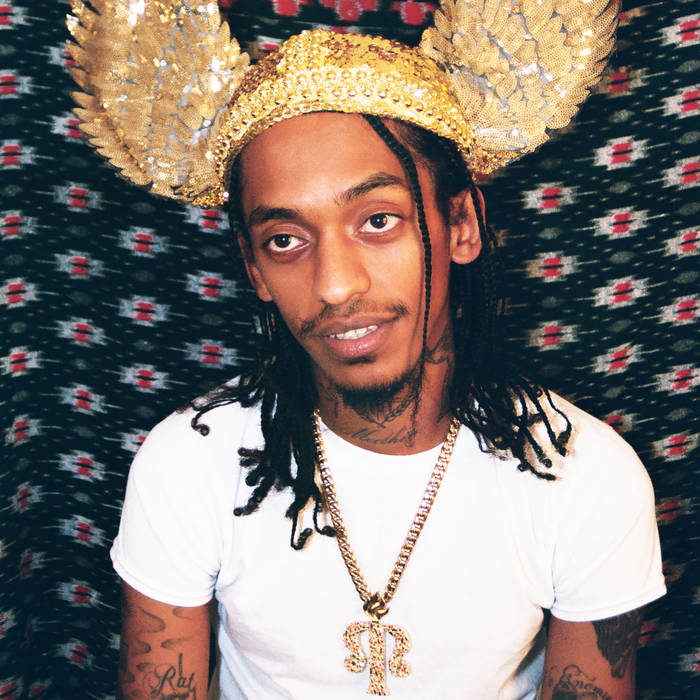 One of this year’s best albums is a sixty-three-minute, stream-of-consciousness tour de force from Sideshow. The Tigray-born, DMV-based rapper runs his finger over the scar that separates desperation and dignity. The lyrics on TIGRAY FUNK are tight, the production is clean, his flow is loose but never showy, the beats are muddy but personal. It’s mack rap and black comedy rolled into a drugged-out treastise on poverty, sobriety, celebrity, and African diaspora, all delivered by a storyteller whose music is like crack-shot street journalism. Sideshow weaves a six-part story about a dog, blacksmith, tiger, and how “animals became predators and prey” into an album that doesn’t turn away from the Palestinian genocide or the artist’s own childhood tragedy. It’s a promethazine odyssey of robbers with ambition and strugglers who celebrate, assisted by Sideshow’s “wolves that walk around in geese downers,” namely: SEXWORKS, Kelow Latesha, El Cousteau, and Niontay. At thirty-two tracks, there’s a bounty of good music to sift through: “CHAOS CONSTANT,” “HEART 2 A FEATHER,” “WRETCHED ON THE EARTH,” and “VOLUME METRIC” are my favorites. But six months into 2026, there’s not a song title better than “LOOK WHAT OUR STOMACHS MADE US DO.” TIGRAY FUNK is anti-colonial art amplified. —Matt Mitchell [10k]
9. DJ Sabrina The Teenage DJ: Fantasy
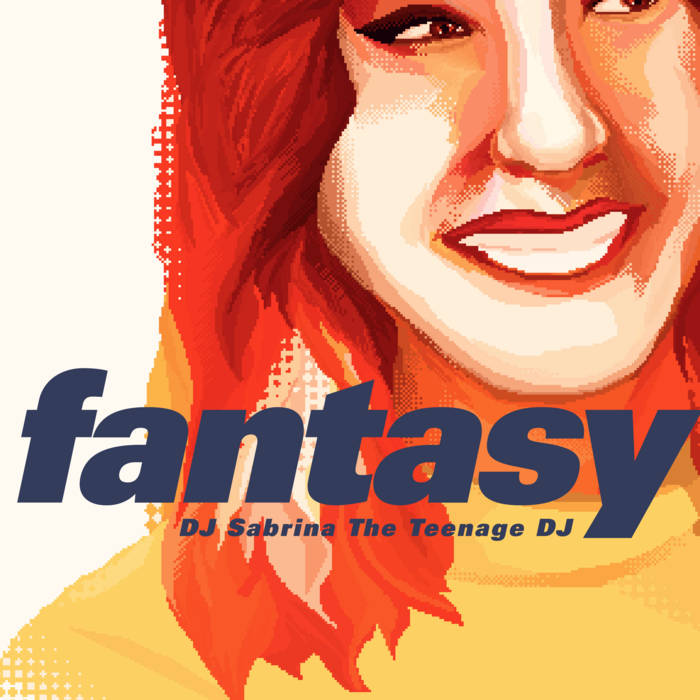 Released just hours after last week’s edition of this column dropped, I can’t go another day without praising the new DJ Sabrina The Teenage DJ album Fantasy—a four-hour pile of the hottest dance samples you’ll encounter this year. Nobody’s putting out records right now, but luckily Sabrina has come back to save 2025’s final act. A lot of insane songs are in this behemoth of a record, especially “Not There Yet,” “Hideaway,” “Will My Love,” and “Sunset Years,” but let me direct your attention to the elevent-minute “Rainfalls,” a track featuring fifteen to thirty samples at any given time—a hundred or so in total, if Sabrina’s own approximations are correct. Femme and pixelated, “Rainfalls” is emotive. A vocal sample pokes through a Bruce Hornsby’s “Changes”-style piano, declaring that “we’re gonna do our very best to take you on a journey through my personal life. There’s nobody else there, it’s just me” before swelling into a four-on-the-floor heartbeat flushed by spanky synths and discombobulated voices. To describe “Rainfalls,” I go back to this Sabrina quote from my interview with her last year. Talking about the Avalanches song “Since I Left You,” she wrote to me: “[The song] has a very uncanny feeling where it sounds alive and organic, but everything is brought back to life from the dead, like old Victorian corpus photography where they posed the deceased around as if they were still with us.” That’s the crux of “Rainfalls” and the self-referential, skyscraping hypnosis of Fantasy—zigging and zagging through resurrections of techno and splashes of house music in an overwhelming but tenacious pile of pop ideas. The color of Sabrina’s primordial ooze is unmistakable and, hours and hours of music later, still one of a kind. —Matt Mitchell [Self-Released]
8. Lucy Liyou: MR COBRA
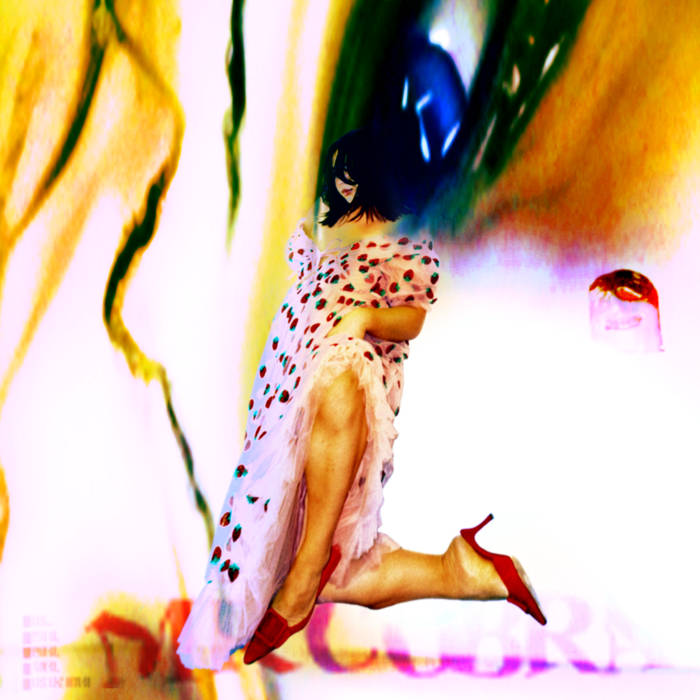 Lucy Liyou’s MR COBRA defies description. The album is “a revisionist retelling of a time back in high school when [Liyou] fell in love with a predator,” but not in a conventional sense: the story is told through viscera and sensation, landing somewhere in the bones instead of the mind. Melodies, actual “songs,” are few and far between (see ballad “Romeopathy,” dreamy synth-pop number “Constrictor (Haha),” and the haunting repetition of “Crisis (Identity)”), as is audible dialogue, but the meaning is transmuted anyways—perhaps more purely than language, limiting as it inherently is, would’ve allowed. The record is a musique concrete haunted house, found samples and hushed, pitched whispers lurking around every corner; it’s a work of theatre in its own right, immersive and all-encompassing. Liyou plays the intentionally childlike character “Babygirl” with Jake Muir as the titular predator “Mister Cobra,” his low voice echoing somewhere deep and sick in the gut whenever he cuts in. Throughout the record’s twelve tracks, Liyou dances and crawls and bleeds through pain and sex and trauma and transition and desire and shame and acceptance; fear and pleasure are crushed into a singularity of feeling that lodges in the throat. Selfhood is found in everything and nothing at all. I wish I could find the words to describe the record, but I can’t. You’ll simply have to listen to it yourself. —Casey Epstein-Gross [Orange Milk]
7. Johnny Blue Skies & The Dark Clouds: Mutiny After Midnight
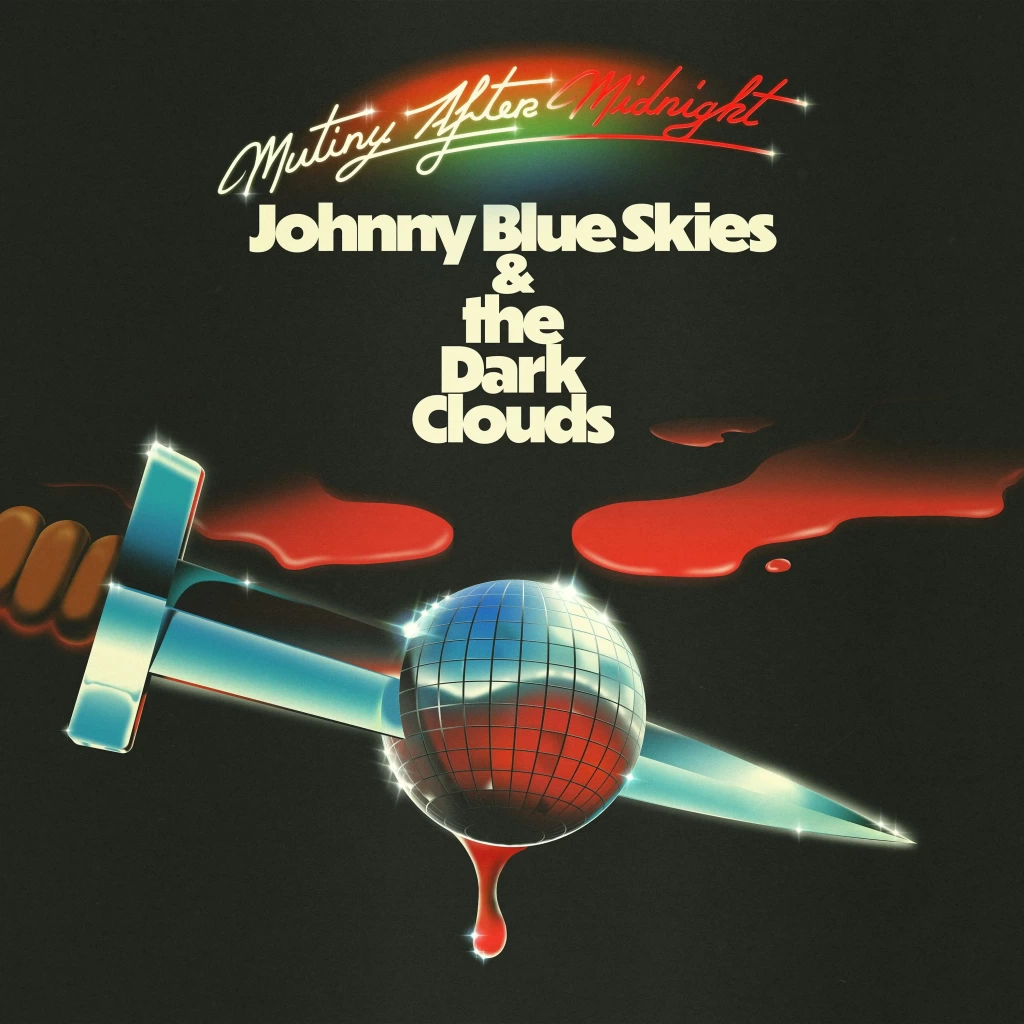 Sturgill Simpson and the Dark Clouds are on a country-funk tear in Mutiny After Midnight, as if they cleaned up a Nugs.net recording from one of their many three-hour shows for a wide release. Dickey Betts once tried explaining the difference between the Allman Brothers’ jams and the Grateful Dead’s jams. What he came up with was: the Allmans force the magic to happen, but the Dead wait for the magic to happen. Simpson and his “Reckon Crew” do both, gliding from one song to the next, letting muscular guitar riffs defrost into mirror-ball rhythms and vibe-driven sustains. “Viridescent” and “Situation” both spin out in total disco meltdowns. The conclusion of “Everyone Is Welcome Here” flirts with “Get Lucky” territory until Raw B’s febrile saxophone uncorks. Recalling the Silver Bullet Band à la Stranger in Town, “Excited Delirium” cuts in with high-speed exploits, snaring slide-guitar rowdies, saxophone convulsions, and fat kick drums in abundance. The tongue-in-cheek “Stay On That” is a high-def sex caper full of funky blasts, joke-book come-ons, and Lowell George-style innuendos like “baby, let me be the banana and you can be the split” and “stay on that D, baby, ‘til you hit that G.” Simpson reaches carnal activation in the orange-white flames of “Situation,” talking about bodies that are “hotter than a brothel in Guam.” And, of course, “Make America Fuk Again” is pure dance-music medicine on steel blades. Mutiny after Midnight is not some No Fences, reach-across-the-aisle sedative, but a look at where country music can go if the right hearts get all the attention. It brings to mind the chicken-fried grooves, CB-radio prose, and backwoods picking that cleared a path for Hank Williams tunes and redneck rock to travel side by side. It’s brand-new music that already sounds like a linchpin of mid-century America. —Matt Mitchell [High Top Mountain/Atlantic]
6. Gregory Uhlmann: Extra Stars
 Since March, I have returned to no other album as often as Extra Stars, nor has any song consumed me quite like “Days,” the seven-minute centerpiece nestled between the equally great “Like Tea” and “Worms Eye.” The beauty of this album is obvious, though its construction remains a mystery bordering on myth. The music—especially “Lucia”—reminds me of Mulatu Astatke’s “Tezeta (Nostalgia),” a composition that feels as though a thousand years of human song have been filtered through it. Uhlmann evokes Harold Budd, Penguin Cafe Orchestra, and Steve Reich, but those evocations are slight, as he makes his own reference through spiritual whims, clever spontaneity, and a who’s-who of his most sacred collaborators and labelmates. Uhlmann’s guitar rarely sounds like a guitar. Sometimes it resembles a synthesizer, other times an upright bass. Depending on the bend, you might mistake it for the cry of a theremin. And around him are collages of piano improvisation, pitch-shifted rhythms, and vocal phrasings made out of instrumental oddities. Near-impossible string effects filter through his pedals while he streaks through unpredictable timbres, chasing rhythm without a tom or snare in sight. His tones and textures create environments rather than arrangements; his ideas linger within you long after they’ve stopped vibrating. Extra Stars is like a portal. —Matt Mitchell [International Anthem]
5. Ratboys: Singin’ To An Empty Chair
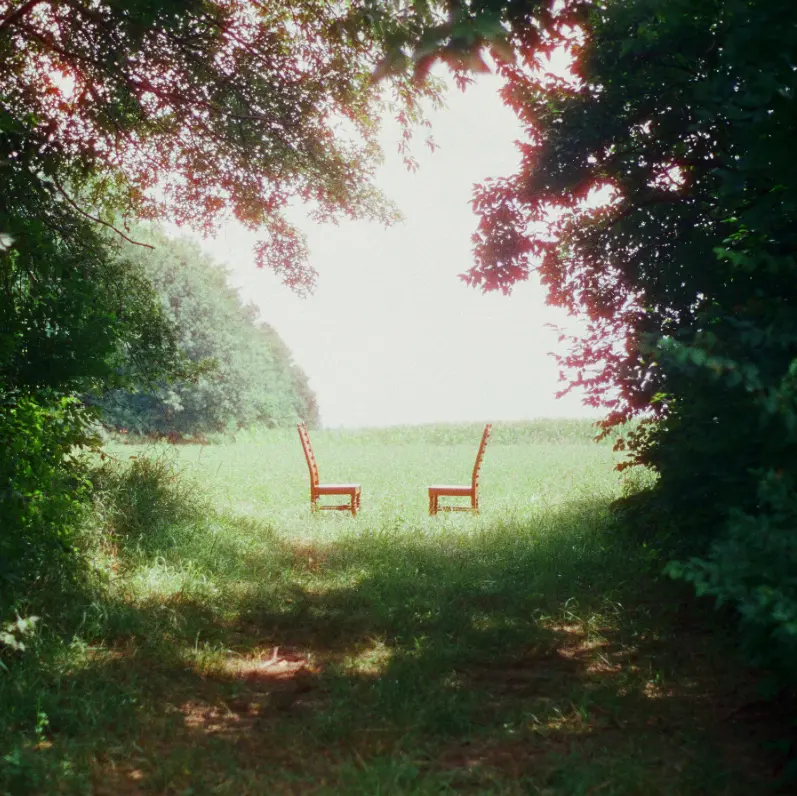 While Ratboys have truly never put out a bad album, 2023’s The Window felt like their big leap—the moment the quartet proved they could pull off fuzzed‑out rock songs, tender folk, and long, indulgent jams without losing the thread. In that sense, Singin’ To An Empty Chair feels less like a reinvention and more like a refinement. You still get the whole Ratboys grab bag—sparkling, almost straight-up alt-country on “Penny in the Lake” and “Strange Love”; nervy indie‑rock on “Anywhere” and “What’s Right?”; sprawling storms like “Burn It Down”—but it all feels of a piece in a way it didn’t always before. “Open Up” can sit next to “Know You Then,” a twangy opener next to a chugging alt‑rock single, without any sense of gear‑shifting whiplash. Every extra bar of jamming, every feedback squall, feels in service to the same question Julia Steiner keeps asking: What happens if I open up this time? That’s the quiet breakthrough here—the work, as Steiner writes it, isn’t about floating above anger or grief but learning how to live inside it. You can hear that tension in the way her voice stays measured even when the guitars go scorched‑earth, or in how a lyric often holds two contradictory truths at once: I didn’t know you then and I would’ve helped if I could; I can’t live without saying anything, but saying something might ruin everything. Singin’ To An Empty Chair lives inside that contradiction, refusing to choose between compassion and self‑preservation, between reaching out and walking away. —Casey Epstein-Gross [New West Records]
4. heavensouls: westside trapped
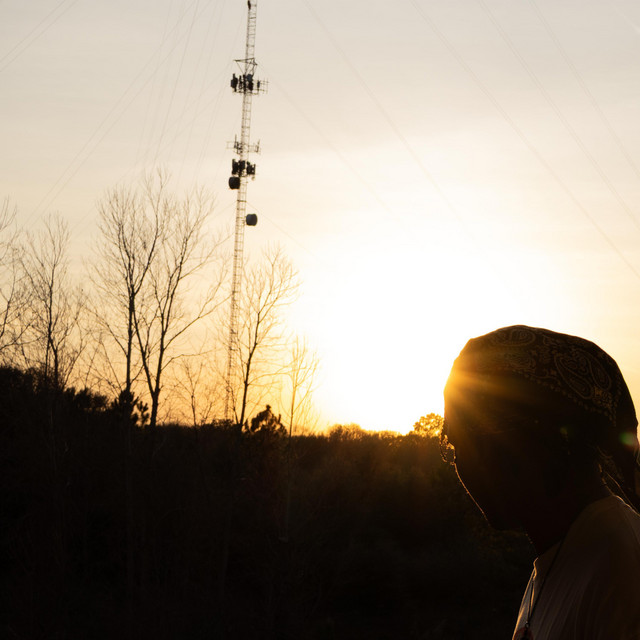 heavensouls treats snippets of sampled R&B as another piece of a rhythmic puzzle, turning vocal stems into beat fodder rather than their own melodic features. He allows samples to have digital particulates sticking to them, small stretch marks and clipping from old Audacity files. It adds to the sound of “playing around wit a flip” when a synthesized choir appears, a Bobby V clip, and all those digital artifacts are slathered onto the ambiance, blending into the wall. What’s live? What’s sampled? What was recorded on an iPhone in the sweltering Houston heat? There are plenty of moments that sound like a brilliant live mix off a Roland sampler, or a DJ constantly one-upping their previous beat switches. “creek ala” has a skittering drum performance like a marching band routine that suddenly dissolves into a gorgeous swirling kora, a Gambian harp. heavensouls’ version of the expanding Epic Collage genre is more coherent than a fever dream; he is a maximalist but still wants you to dance your ass off. The brilliant, high-life twist of “creek ala” is undeniable, as is the slinky “playing around wit a flip” and humid, grooving “straight rawhhhhhhhhh.” The potential on display here is otherworldly. westside trapped on its own is a remarkably self-assured, virtuosic effort, sparkling with the type of righteous anger that can lead to joy. heavensouls layers a multitude of drum tracks over each other, creating these monstrous, lumbering beasts of rhythm that interlock at strange angles. —Nathan Stevens [CAPERFLOWER]
3. Grace Ives: Girlfriend
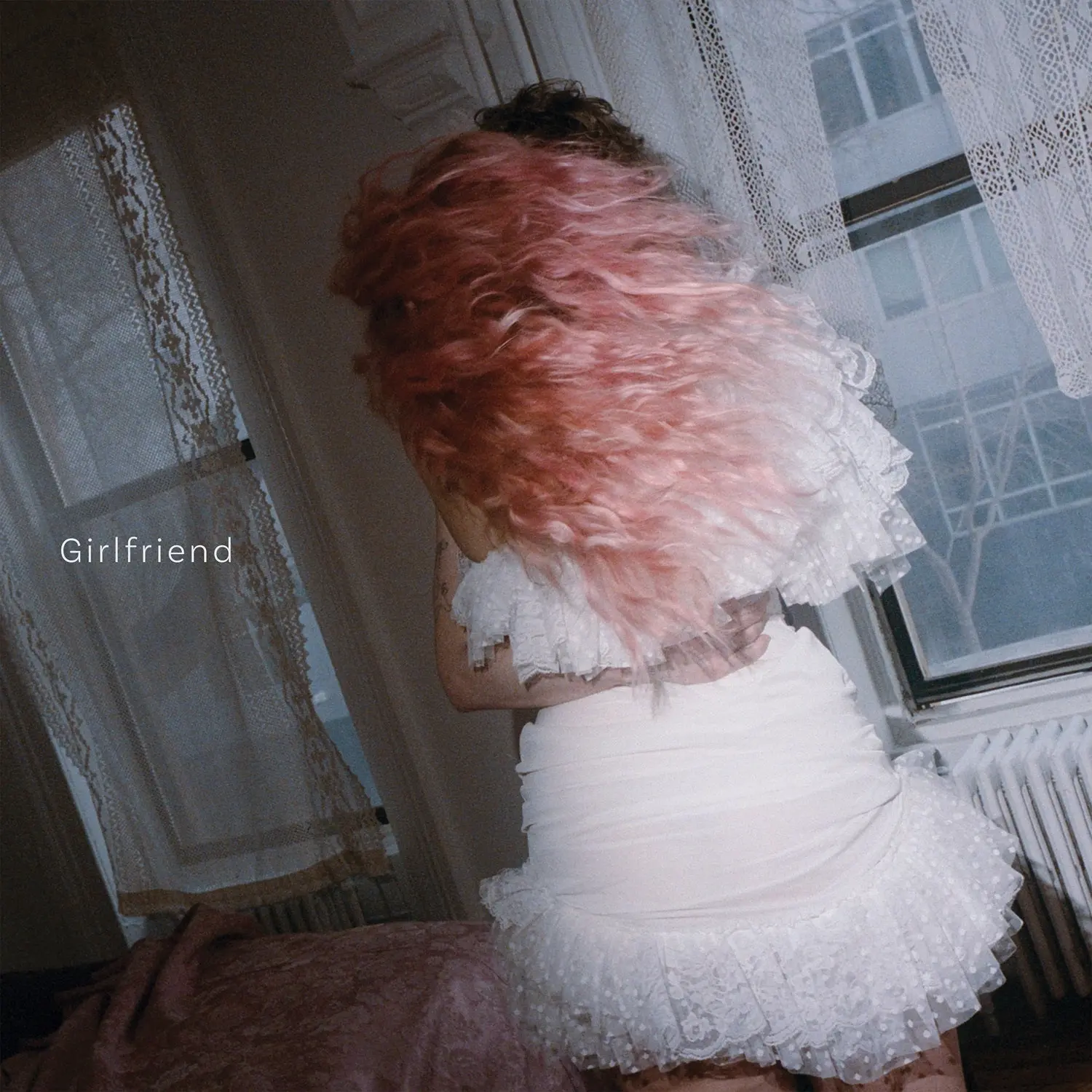 Girlfriend doesn’t delve into the unnecessary details but gives you just enough to convince you to enjoy the thrills of the ride. Rather than explicating all of her regrettable decisions in a boring straight line, she takes thrilling detours to form a jagged, pinballing trajectory that’s the sonic equivalent of a hallucinogenic reverie. With the assistance of co-producers Ariel Rechtshaid and John DeBold, Grace Ives opens up her Roland-driven bedroom-pop and once-hushed vocal delivery to expansive, exciting effect. Ives trusts her audience in the sense that she doesn’t simply tell us she’s being vulnerable. She shows us through her execution of the music itself. That metamorphosis is readily apparent from the album’s introductory one-two punch. “Now I’m” is a feint of sorts; a wispy, two-minute levee. Those whispers soon relent to the cascading candy rush of arpeggiated synths and thumping drums on “Avalanche,” a song so insistently infectious that it’s easy to hear its origins as a ringtone. The cheeky “Drink Up” is a liquor-induced travelogue through a night of overindulgence. Ives goes full-on Lana drama for the big ballad “My Mans,” a song she was initially reluctant to embrace until Rechtshaid compared it to Beyoncé’s “Halo” and encouraged her to own any potential schmaltz. “Fire 2” highlights Ives’ writerly wit by likening her collateral damage to starting a fire in a blackout, keeping everyone awake while locking her door to prevent them from ensuring her safety. Dexterous breakbeats and cinematic strings coexist in her universe, a vaudevillian funfest where the impulsive and the deliberate can convene in perfect harmony. —Grant Sharples [True Panther]
Read: “Grace Ives is proud to be embarrassed”
2. Dagmar Zuniga: in filth your mystery is kingdom / far smile peasant in yellow music
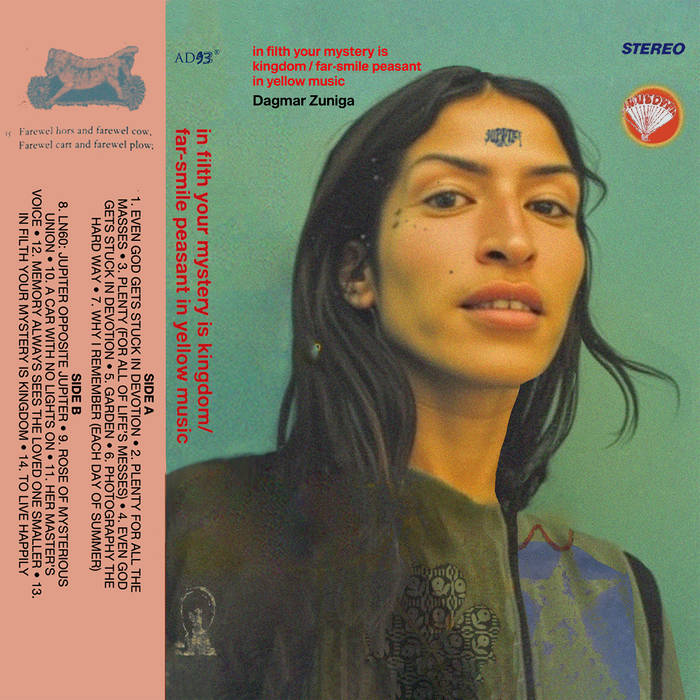 Dagmar Zuniga courts the strange in a formal sense, both in the way her songs have been recorded and in the interest of picking apart and repurposing each track over the course of in filth your myster is kingdom’s runtime. The result arrives more as a piece of outsider art than it does a contemporary folk album—lyrically inscrutable, putting what feel like centuries-old devotional songs to tape, reworking and re-ordering the lines scribed into scripture as if documenting the sound of something’s mythology being born. At times, the variations of different musical ideas repeated will tremble under their own hymnal weight, letting hummed vocals by Zuniga’s daughter clash against a spectral organ run, only for the whole thing to collapse beneath the static fuzz clouding the mix. This disruption, of course, is a central feature. What emerges, then, plays like a haunted transmission from beyond the physical world as much as it does an ethnographic document. Insight into Zuniga’s musical north stars come not from confessional lyrics, but the effort and experimentation audible in each track—like the sound of a traveler committed to tape, unsettling and joyously inventive in the ways it works within and against its analog constraints. Each appearance of a musical motif works by its own logic in Zuniga’s beautifully handmade mutation. —Elise Soutar [AD 93]
1. Twisted Teens: Blame the Clown
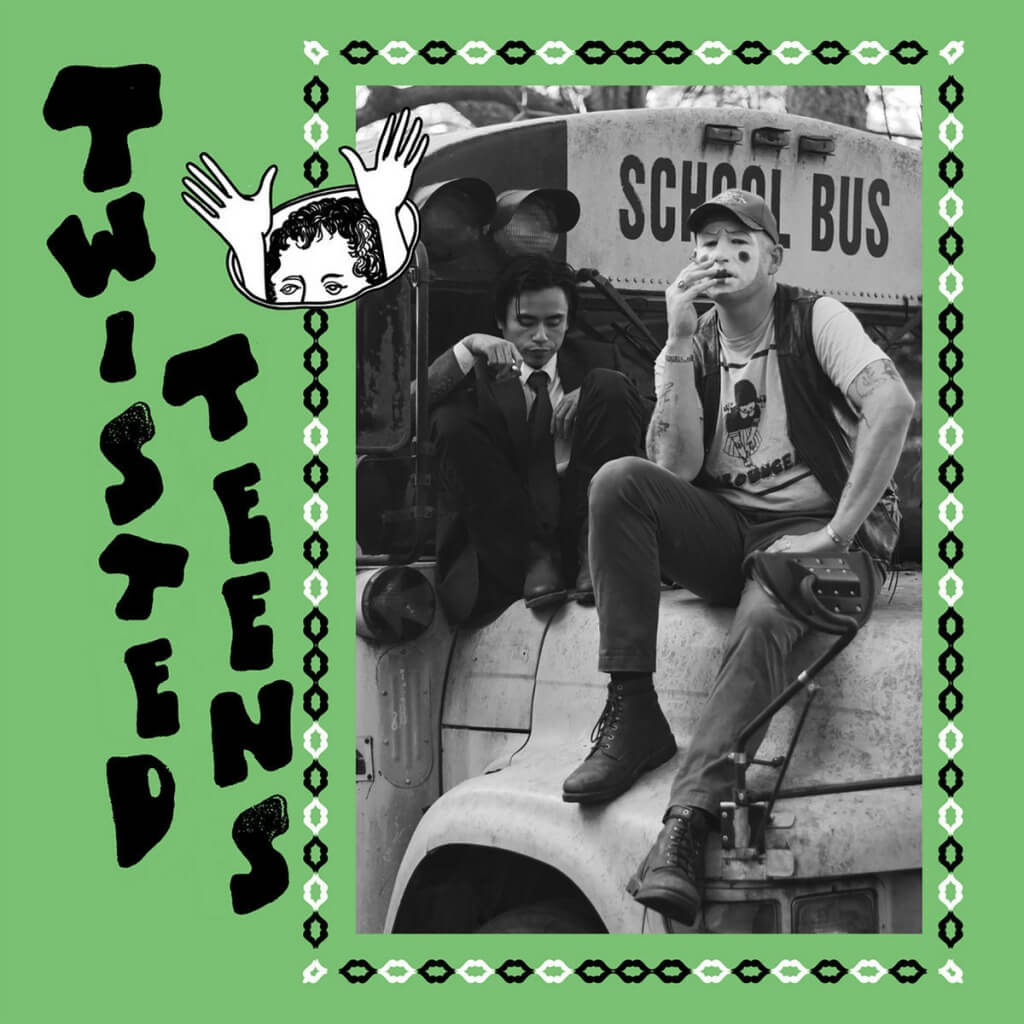 New Orleans is a fascinating place. Catch the alluvial floodplains along the nearby Mississippi River on the right day and they’ll rise higher than the houses. Parades and buskers fill the streets, magnolias and irises bloom all over, and characters speak in Cajun, Creole, and Yat tongues. There’s a conversation happening there, in a local music scene not yet overrun by industry. Zydeco, swamp pop, and folk balladry offer a guidemap to the region’s economic and migratory patterns, and Twisted Teens lands somewhere in all of that, with their country-fried punk conduction. It’s steel-guitar music banging against garage walls. Twisted Teens are either punks who play country music or cowboys who play punk music. The answer just depends on which part of their sound hits you first.
On Blame the Clown, it’s the punk part. “Razor” Ramon (RJ) Santos’ pedal steel tarries and bleats beneath Caspian “C-Bird” Hollywell’s nervy chants. Each song features Twisted Tweens playing two entirely different ones until the chordal lines interlock; even when the duo’s style turns gentle, Caspian’s rasp’s got a mean tick to it. In their resistance to psychic death, Twisted Teens’ cup runneth over with head-bobbing, no-bullshit hits. It’s rare to find a band this good this early in their career, but Caspian and RJ blast without pretense, plugging themselves into whip-smart melodies, bean-can percussion, and nifty, out-of-pocket lyrical mouthfuls about circumcisions and puppets and dirty old men. I’d call it punk unbounded if not for all those threads of glassy, crying steel woven throughout Twisted Teens’ tintype lacquer. It’s like Raw Power-era Stooges doing Pete Drake, or something ultra-catchy and impossible. I don’t know what swamp Caspian and RJ crawled out of, and I don’t know how much I believe in “stars aligning,” but there’s no real reference for the music they make. Blame the Clown explodes like a stick of dynamite and leaves only a blur behind. —Matt Mitchell [Chain Smoking/Jazz Life]
 Keep scrolling for more great stories.